
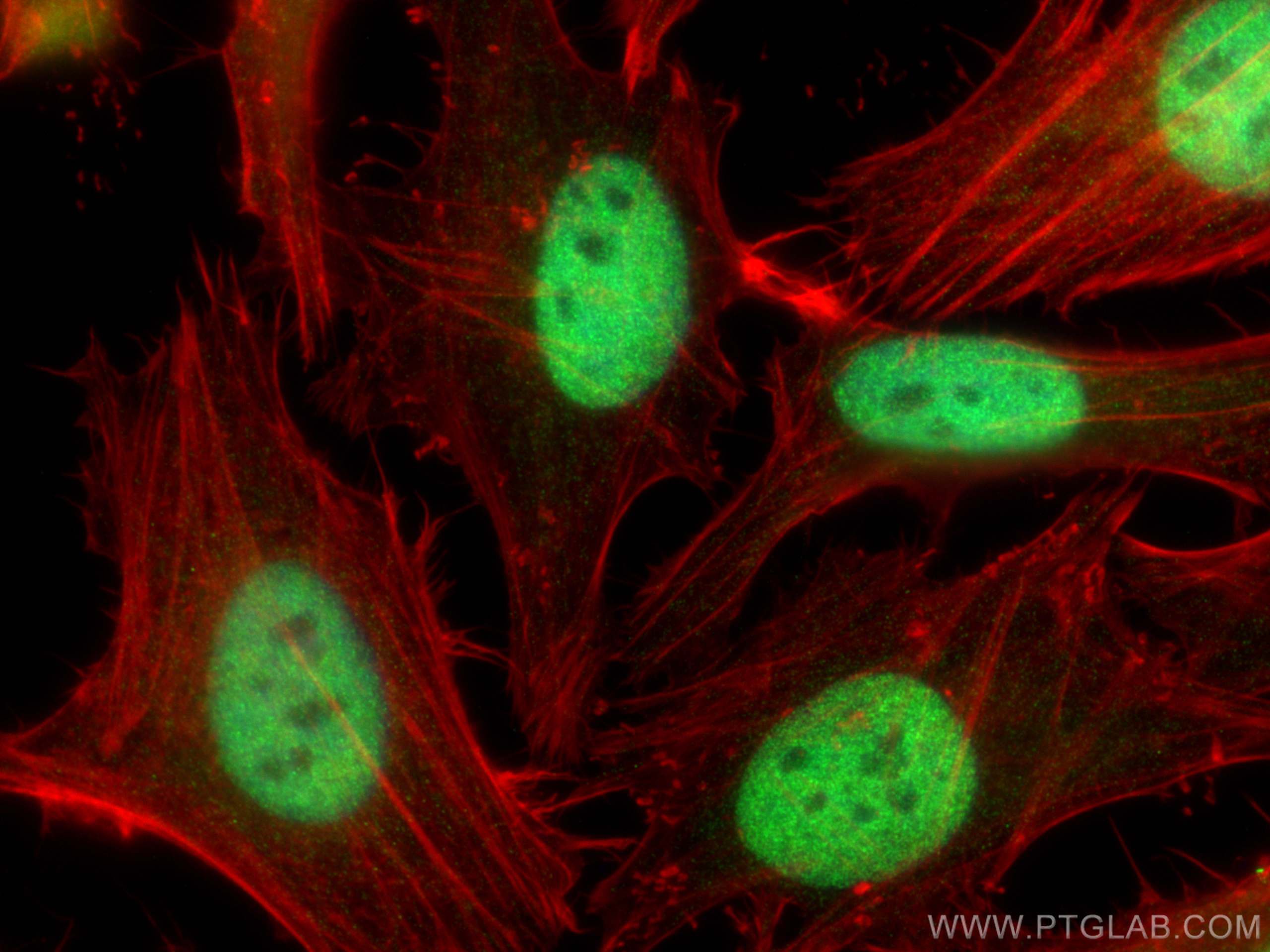

Tested Applications
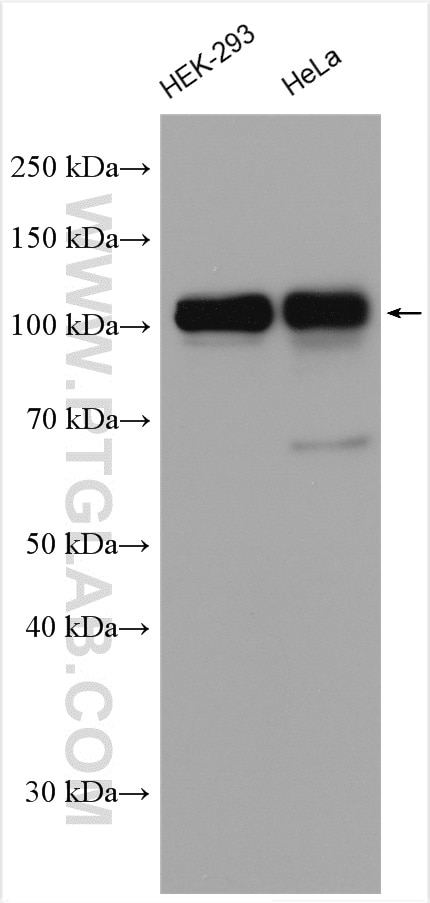
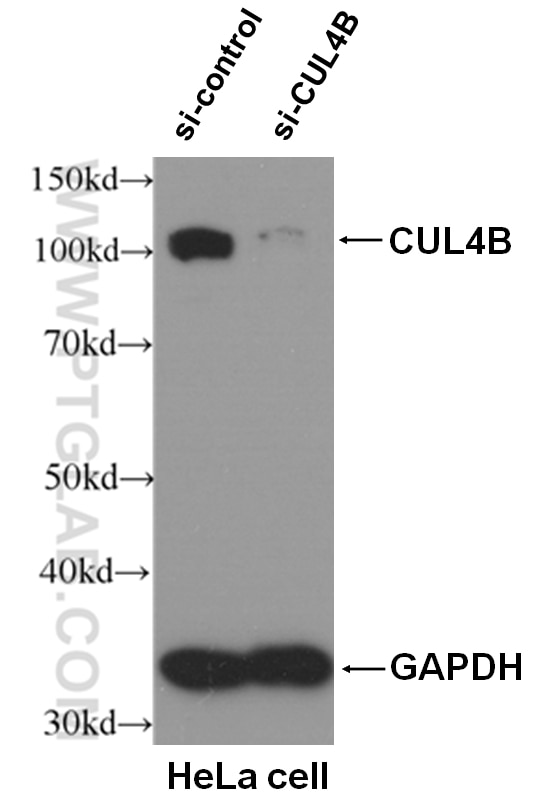
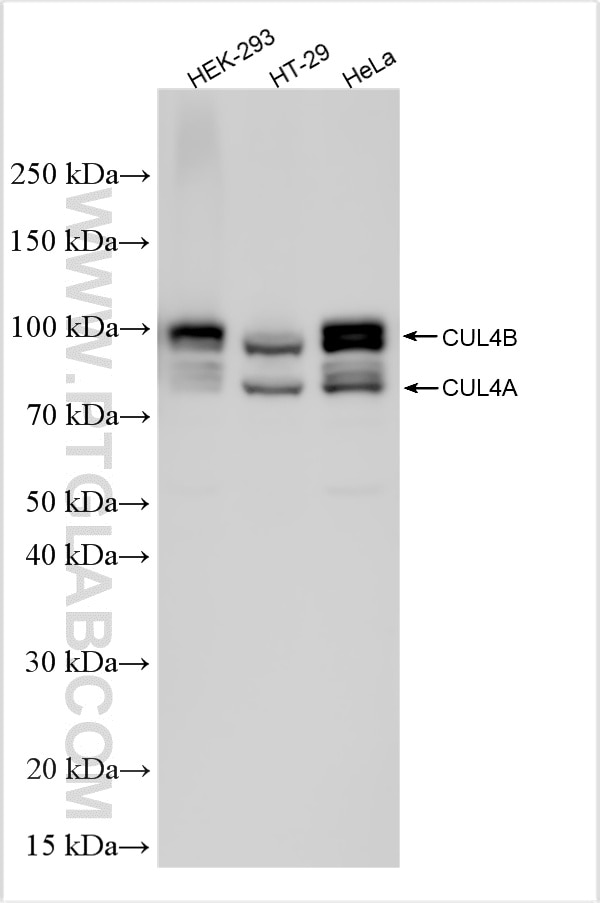
| Positive WB detected in | HEK-293 cells, HeLa cells, HT-29 cells |
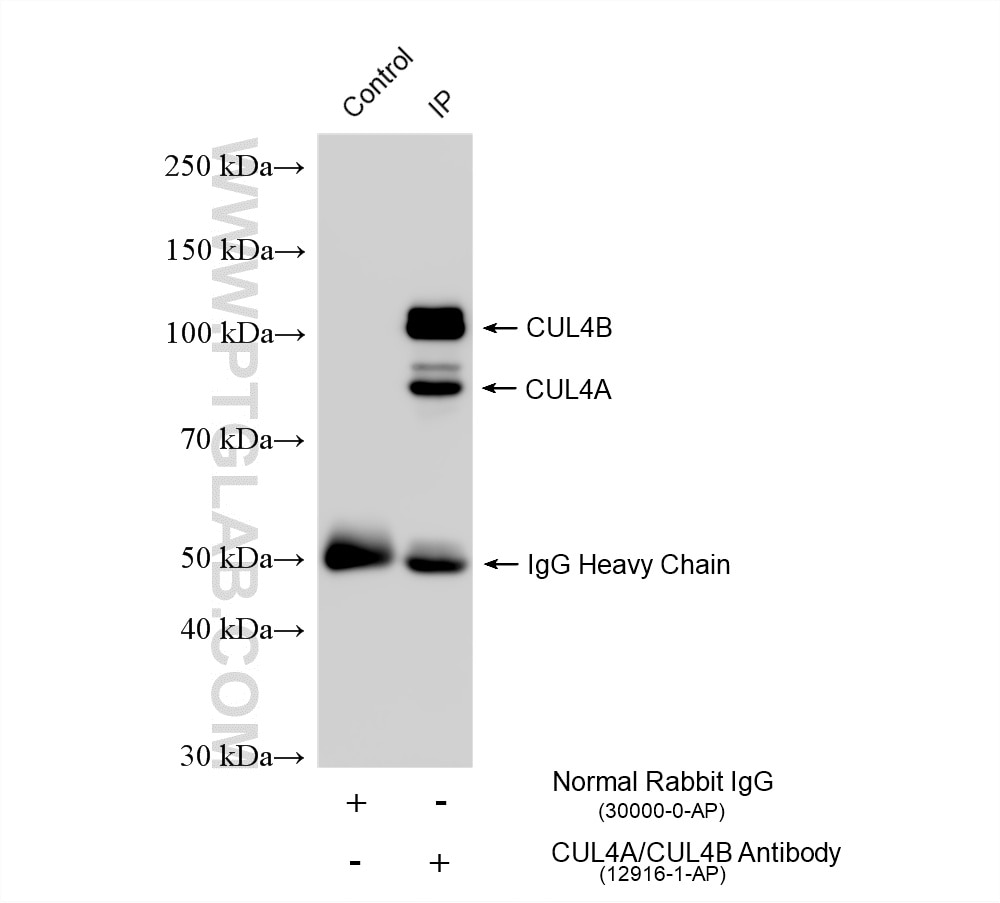
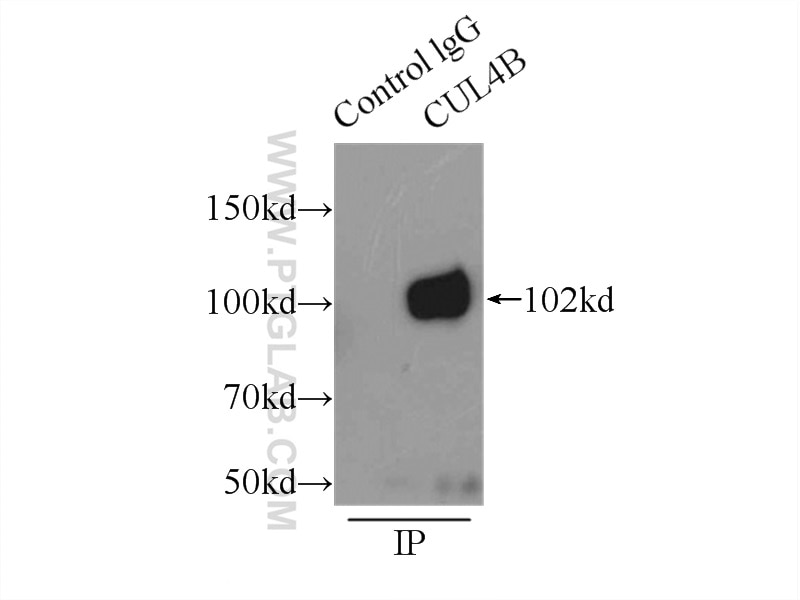
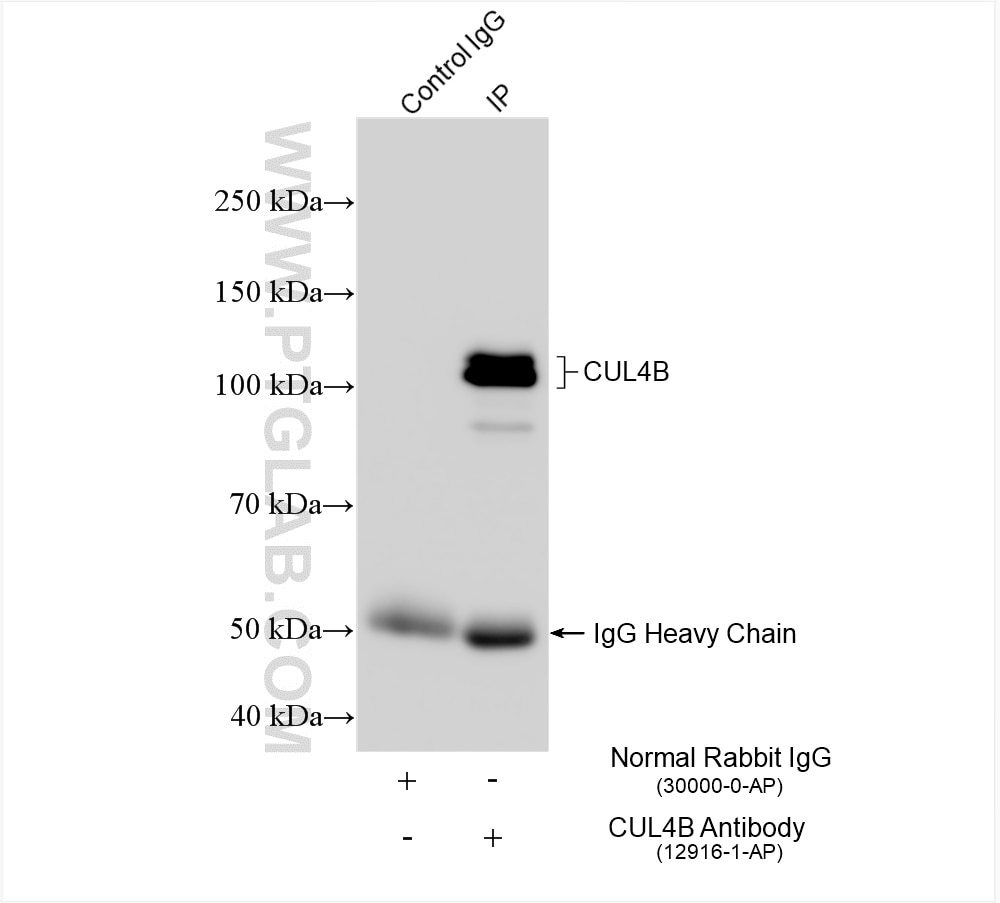
| Positive IP detected in | HeLa cells |
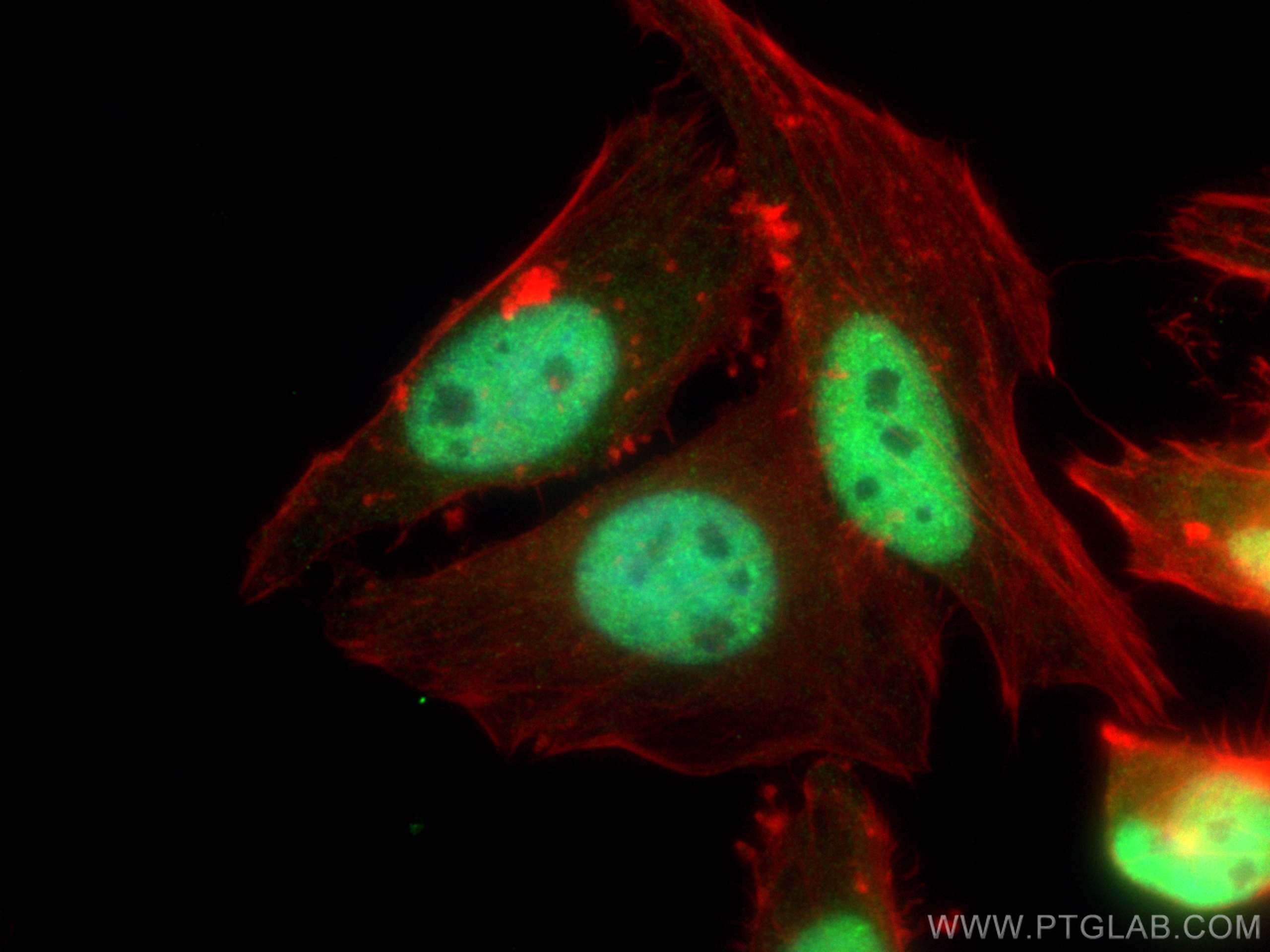
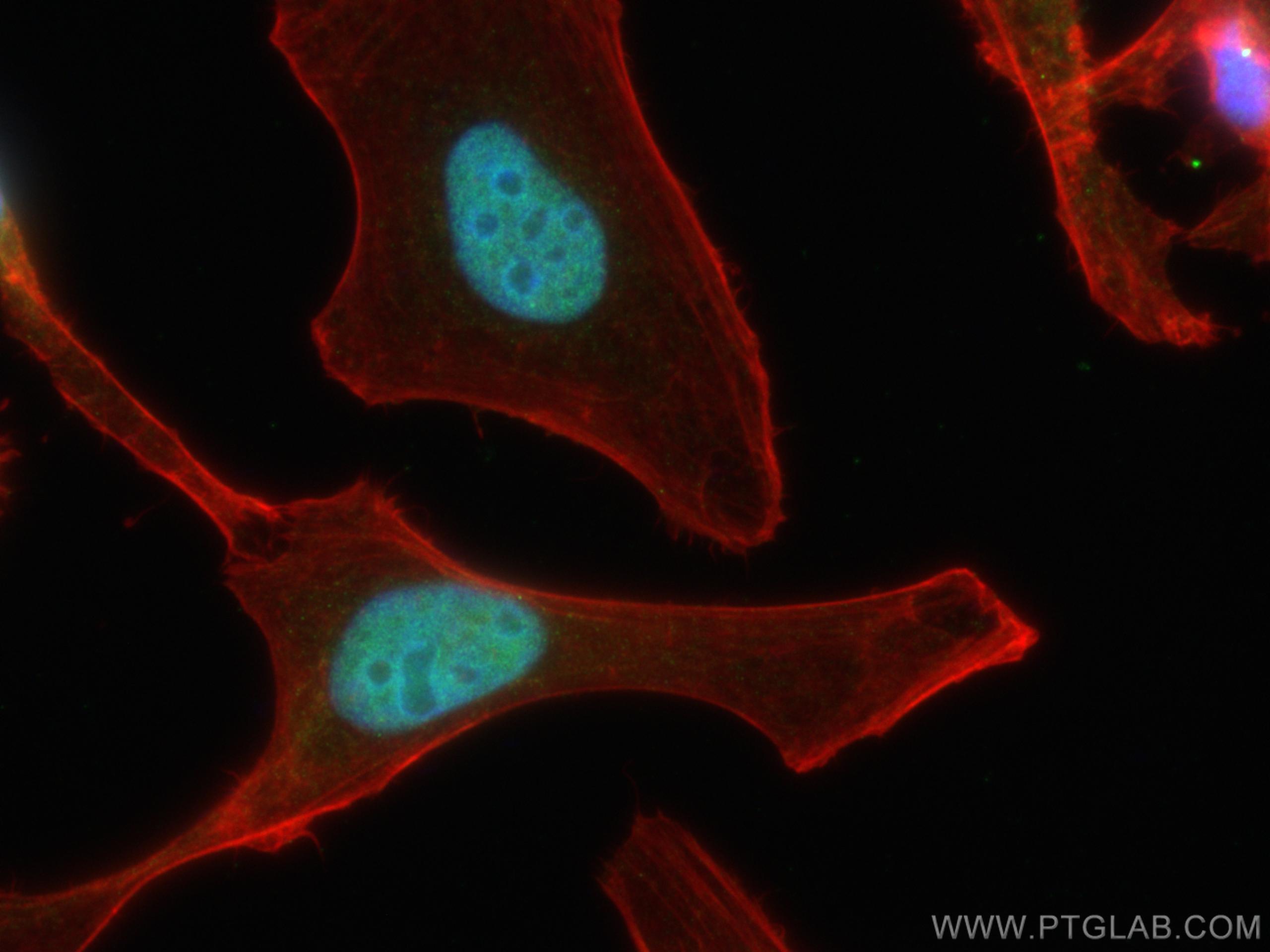
| Positive IF/ICC detected in | HeLa cells |
Recommended dilution
| Application | Dilution |
|---|---|
| Western Blot (WB) | WB : 1:1000-1:6000 |
| Immunoprecipitation (IP) | IP : 0.5-4.0 ug for 1.0-3.0 mg of total protein lysate |
| Immunofluorescence (IF)/ICC | IF/ICC : 1:500-1:2000 |
| It is recommended that this reagent should be titrated in each testing system to obtain optimal results. | |
| Sample-dependent, Check data in validation data gallery. | |
Product Information
12916-1-AP targets CUL4A/CUL4B in WB, IHC, IF/ICC, IP, CoIP, RIP, ELISA applications and shows reactivity with human, mouse samples.
| Tested Reactivity | human, mouse |
| Cited Reactivity | human, mouse, rat, pig, canine |
| Host / Isotype | Rabbit / IgG |
| Class | Polyclonal |
| Type | Antibody |
| Immunogen |
CatNo: Ag3563 Product name: Recombinant human CUL4B protein Source: e coli.-derived, PGEX-4T Tag: GST Domain: 1-351 aa of BC036216 Sequence: MMSQSSGSGDGNDDEATTSKDGGFSSPSPSAAAAAQEVRSATDGNTSTTPPTSAKKRKLNSSSSSSSNSSNEREDFDSTSSSSSTPPLQPRDSASPSTSSFCLGVSVAASSHVPIQKKLRFEDTLEFVGFDAKMAEESSSSSSSSSPTAATSQQQQLKNKSILISSVASVHHANGLAKSSTTVSSFANSKPGSAKKLVIKNFKDKPKLPENYTDETWQKLKEAVEAIQNSTSIKYNLEELYQAVENLCSYKISANLYKQLRQICEDHIKAQIHQFREDSLDSVLFLKKIDRCWQNHCRQMIMIRSIFLFLDRTYVLQNSMLPSIWDMGLELFRAHIISDQKVQNKTIDGIL Predict reactive species |
| Full Name | cullin 4B |
| Calculated Molecular Weight | 913 aa, 104 kDa |
| Observed Molecular Weight | 80, 102 kDa |
| GenBank Accession Number | BC036216 |
| Gene Symbol | CUL4B |
| Gene ID (NCBI) | 8450 |
| RRID | AB_2086699 |
| Conjugate | Unconjugated |
| Form | Liquid |
| Purification Method | Antigen affinity purification |
| UNIPROT ID | Q13620 |
| Storage Buffer | PBS with 0.02% sodium azide and 50% glycerol, pH 7.3. |
| Storage Conditions | Store at -20°C. Stable for one year after shipment. Aliquoting is unnecessary for -20oC storage. 20ul sizes contain 0.1% BSA. |
Background Information
Cullin-RING ligases (CRLs) complexes participate in the regulation of diverse cellular processes, including cell cycle progression, transcription, signal transduction and development (PMID: 21816341)(PMID: 21554755). Serving as the scaffold protein, cullins are crucial for the assembly of ligase complexes, which recognize and target various substrates for proteosomal degradation. Two cullin 4 (CUL4) proteins, CUL4A (87 kDa) and CUL4B(104 kDa), are two members in cullin family with 83% of identity. Mutations in human CUL4B are one of the major causes of X-linked mental retardation. Cul4b knockout mice demonstrated that CUL4B is indispensable for embryonic development in the mouse (PMID: 22606329). This antibody may detect both CUL4A (87 kDa) and CUL4B(104 kDa).
Protocols
| Product Specific Protocols | |
|---|---|
| IF protocol for CUL4A/CUL4B antibody 12916-1-AP | Download protocol |
| IP protocol for CUL4A/CUL4B antibody 12916-1-AP | Download protocol |
| WB protocol for CUL4A/CUL4B antibody 12916-1-AP | Download protocol |
| Standard Protocols | |
|---|---|
| Click here to view our Standard Protocols |
Publications
What published studies show
The CUL4A/CUL4B polyclonal antibody (Cat# 12916-1-AP) has 99 citations published in journals including Nature, Science, Cell, Cancer Cell, Nat Med, Nat Commun, Mol Cell, Cell Metab, PNAS, and J Biol Chem. Associated research fields span ubiquitin–proteasome/neddylation biology, targeted protein degradation, molecular glue degrader discovery, cancer biology (lung, liver, breast, prostate), developmental biology, immunology, and metabolic regulation.
| Species | Application | Title |
|---|---|---|
Signal Transduct Target Ther The CRL3BTBD9 E3 ubiquitin ligase complex targets TNFAIP1 for degradation to suppress cancer cell migration. | ||
Signal Transduct Target Ther A small molecule inhibitor of the UBE2F-CRL5 axis induces apoptosis and radiosensitization in lung cancer | ||
Cancer Cell Nuclear cyclin D1/CDK4 kinase regulates CUL4 expression and triggers neoplastic growth via activation of the PRMT5 methyltransferase. | ||
Nat Med Immunomodulatory drugs disrupt the cereblon-CD147-MCT1 axis to exert antitumor activity and teratogenicity.
| ||
Science Anticancer sulfonamides target splicing by inducing RBM39 degradation via recruitment to DCAF15. |
Reviews
What customers say
One customer rated this product 5 out of 5 stars for protein purification. The reviewer praised the company's responsive and professional commercial service. Overall, the feedback reflects a positive experience with both the product performance and the support provided.
The reviews below have been submitted by verified Proteintech customers who received an incentive for providing their feedback.
RISAL (Verified Customer) (04-23-2026) | Service commercial réactif et professionnel
|










