

Tested Applications
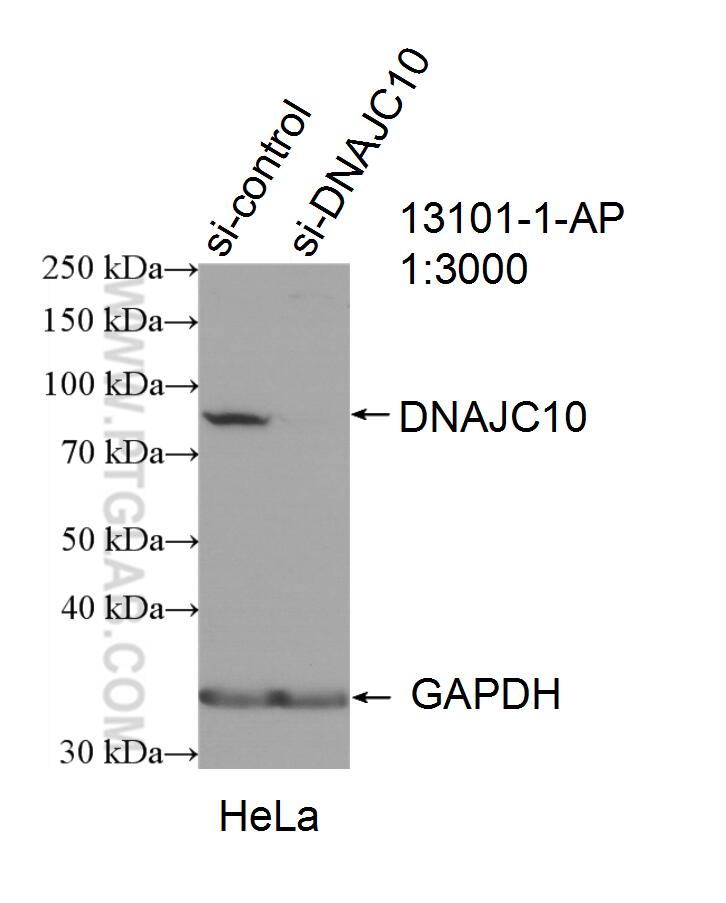
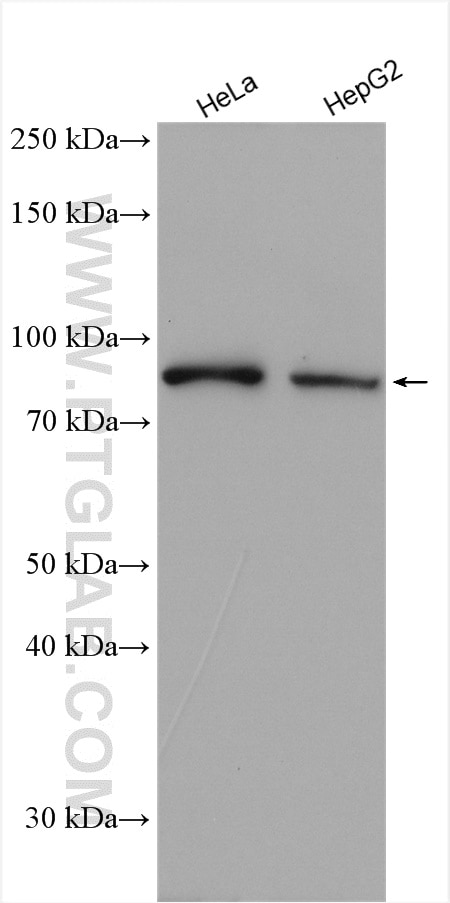
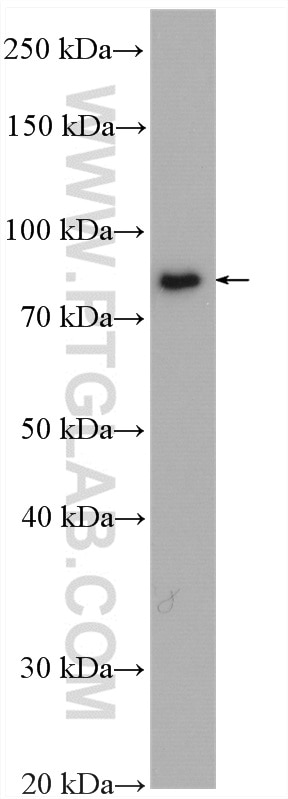
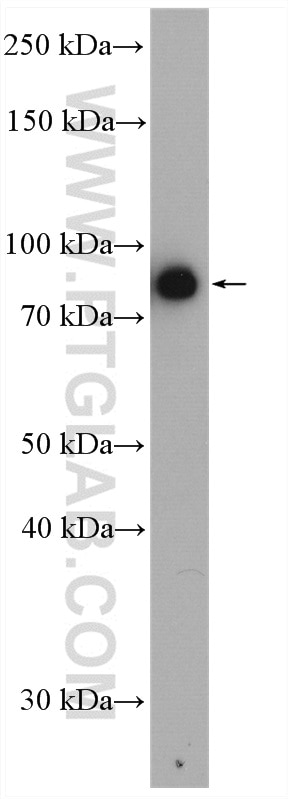
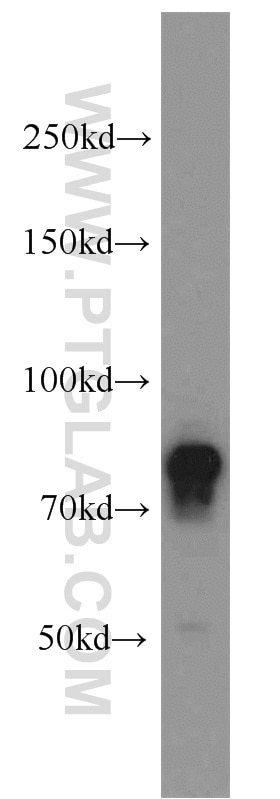
| Positive WB detected in | HeLa cells, HepG2 cells, mouse liver tissue |
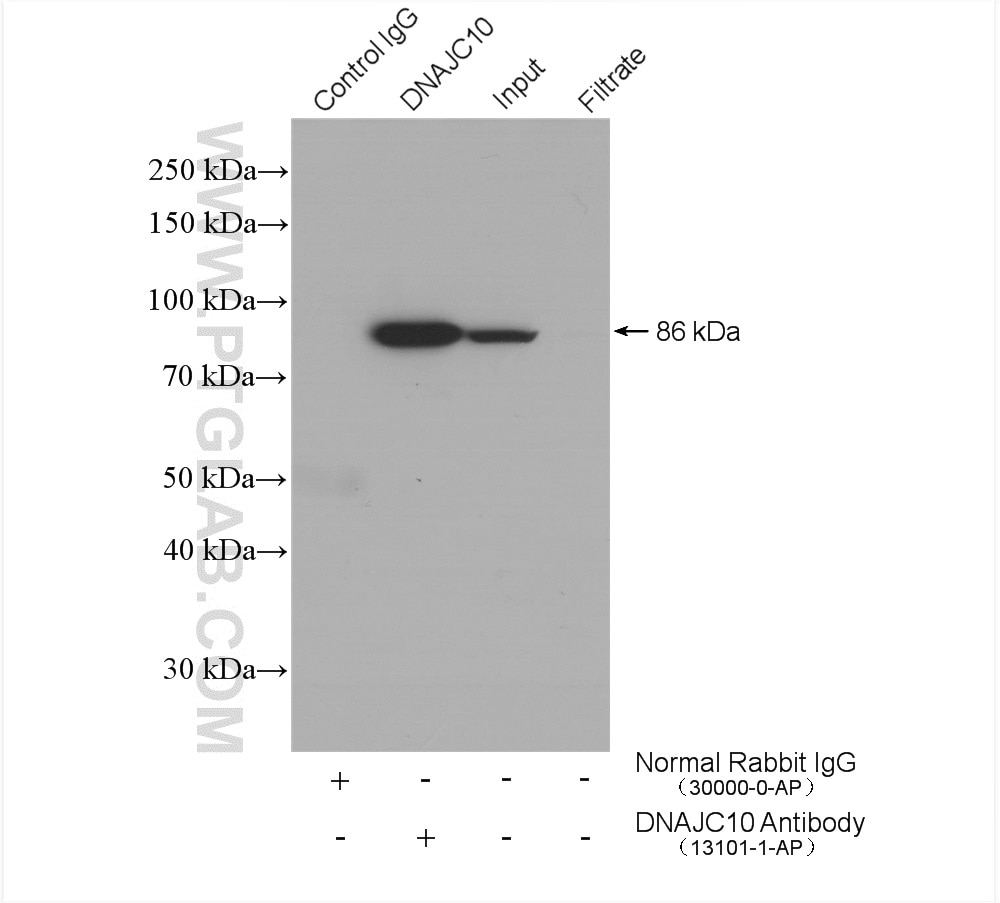
| Positive IP detected in | HeLa cells |
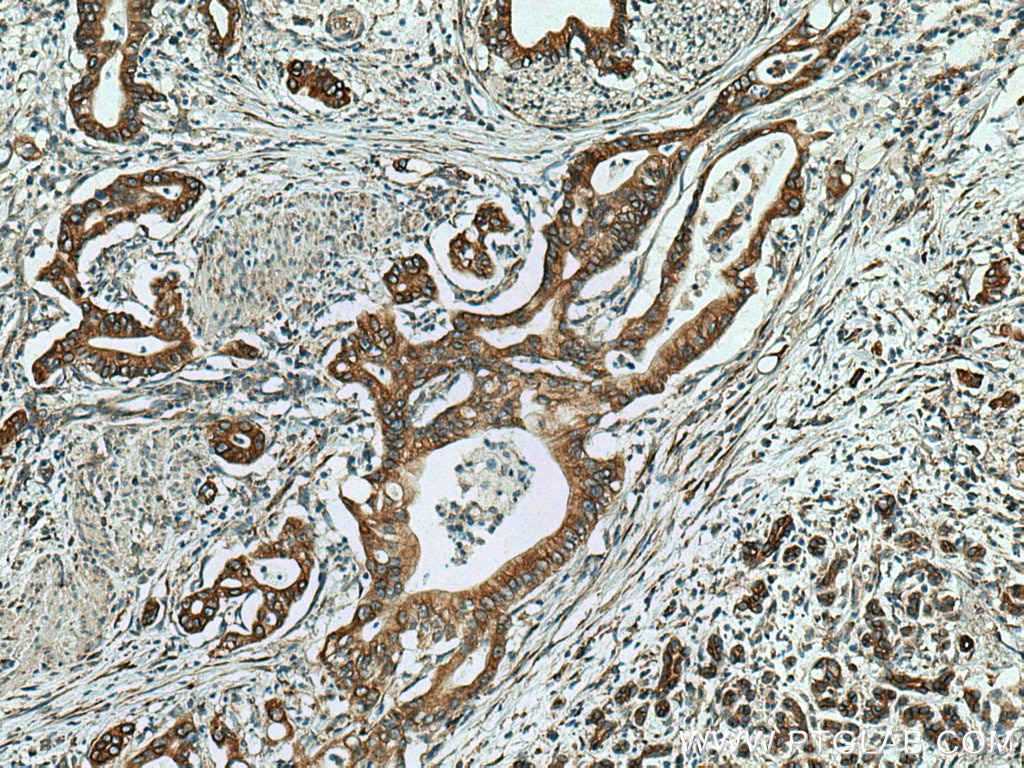
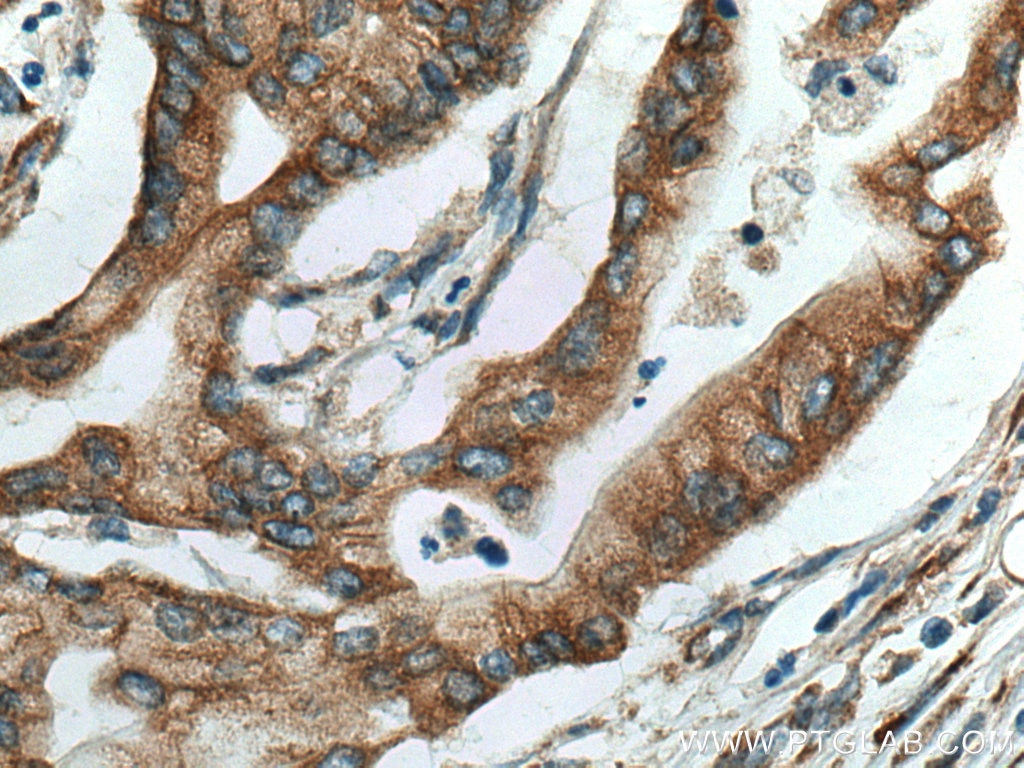
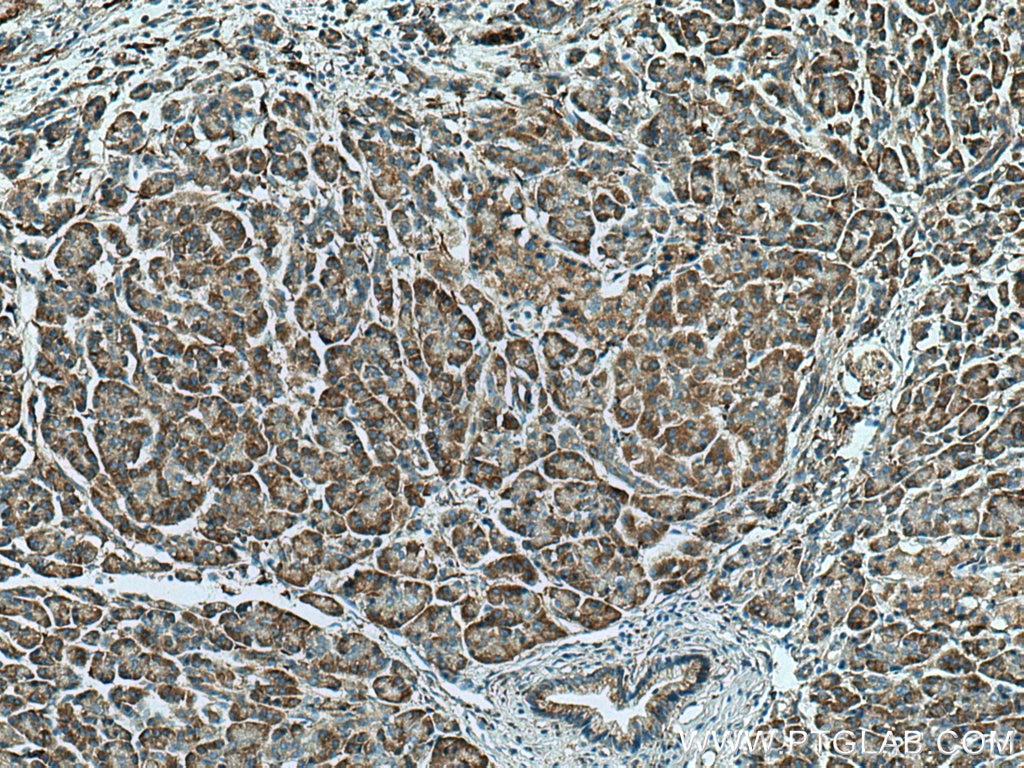
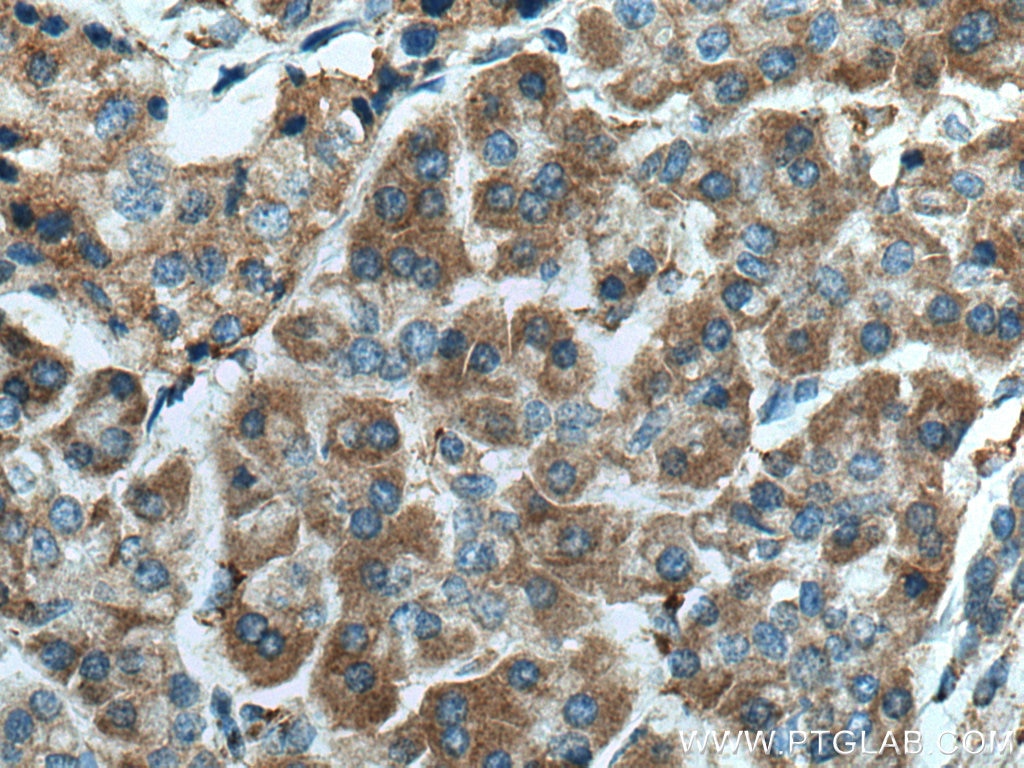
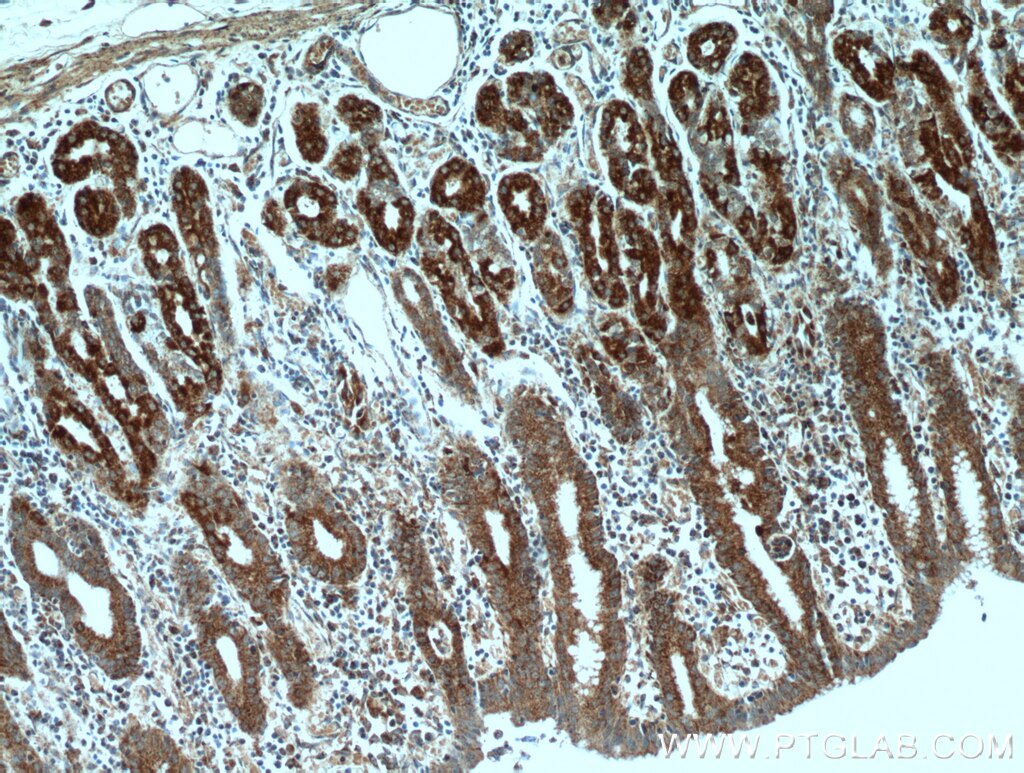
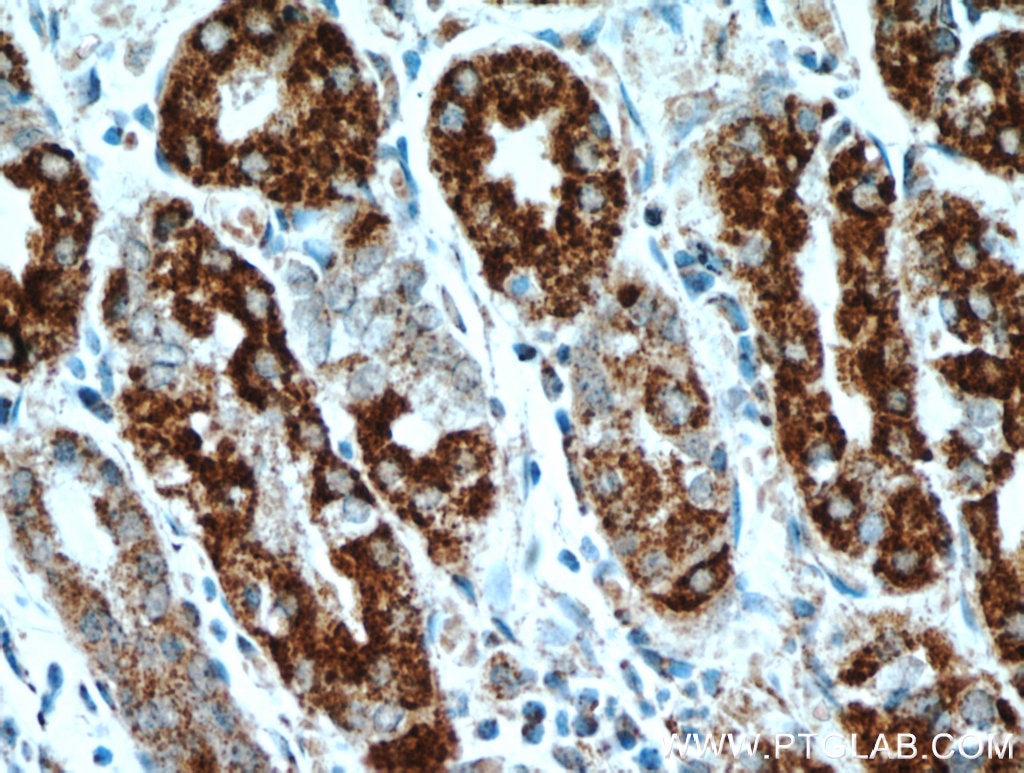
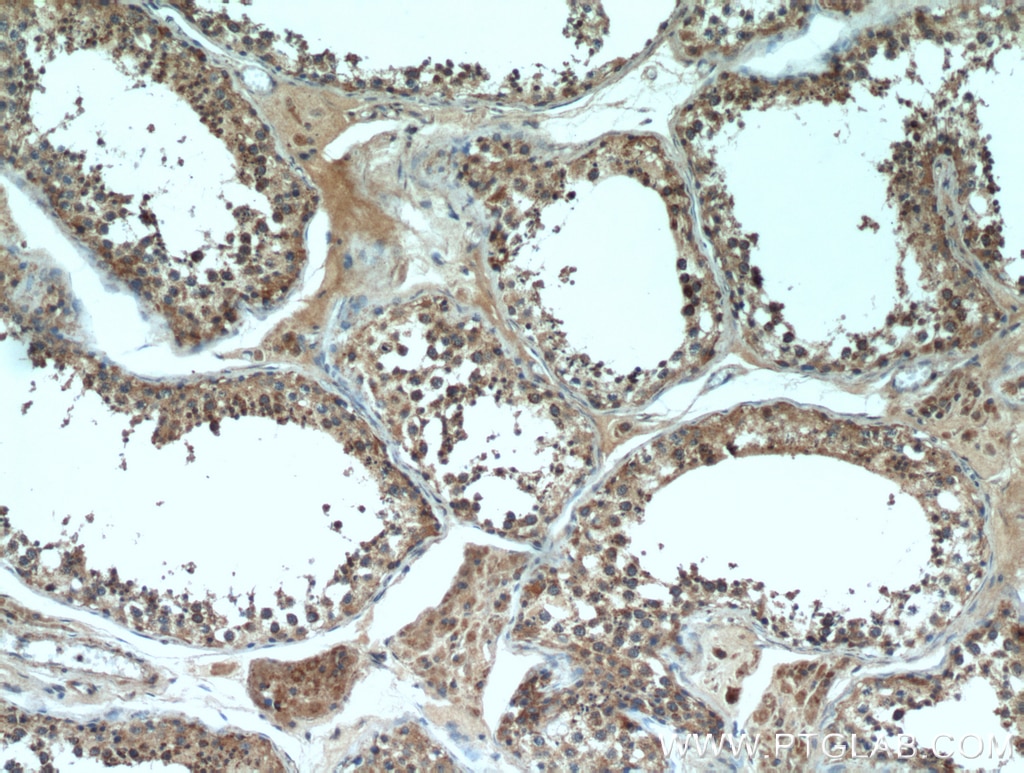
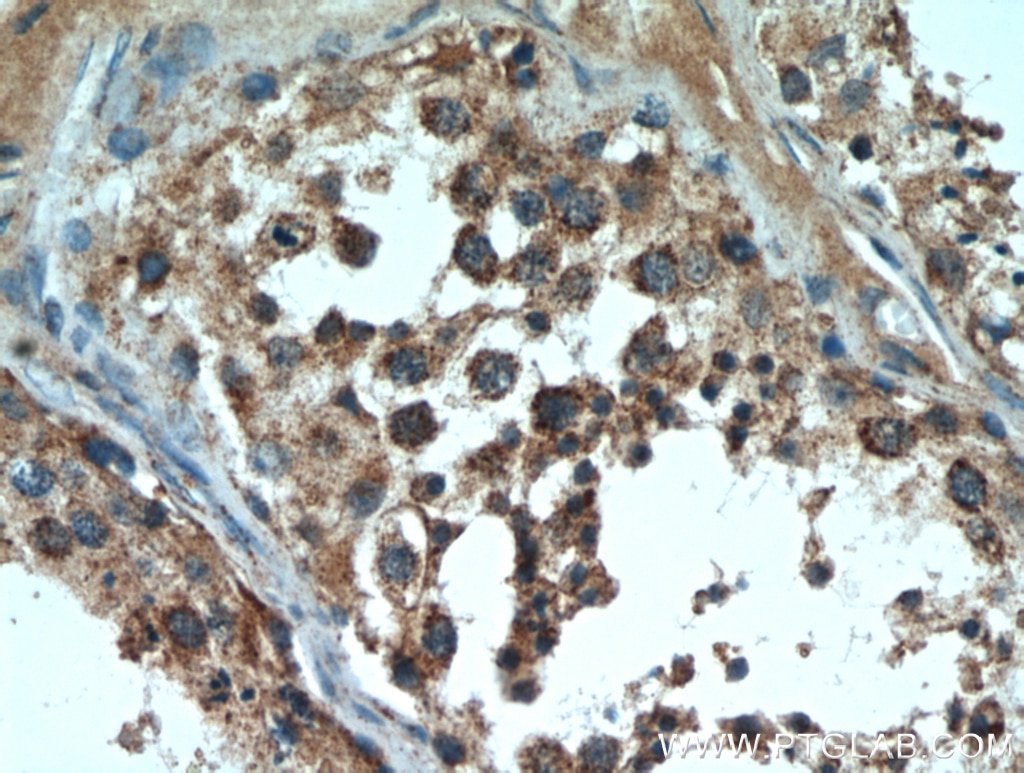
| Positive IHC detected in | human pancreas cancer tissue, human stomach tissue, human testis tissue Note: suggested antigen retrieval with TE buffer pH 9.0; (*) Alternatively, antigen retrieval may be performed with citrate buffer pH 6.0 |
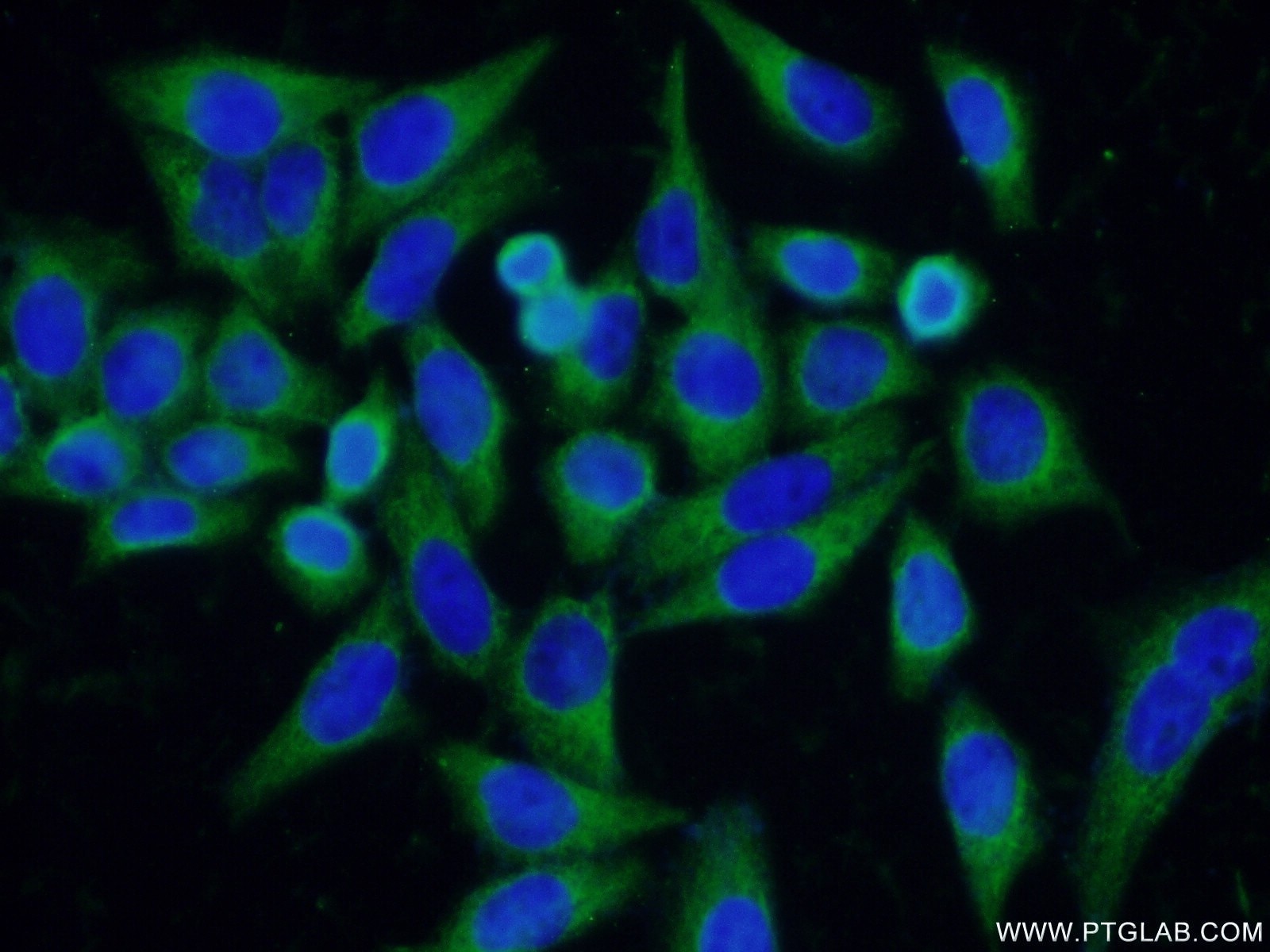
| Positive IF/ICC detected in | HeLa cells |
Recommended dilution
| Application | Dilution |
|---|---|
| Western Blot (WB) | WB : 1:2000-1:10000 |
| Immunoprecipitation (IP) | IP : 0.5-4.0 ug for 1.0-3.0 mg of total protein lysate |
| Immunohistochemistry (IHC) | IHC : 1:500-1:2000 |
| Immunofluorescence (IF)/ICC | IF/ICC : 1:50-1:500 |
| It is recommended that this reagent should be titrated in each testing system to obtain optimal results. | |
| Sample-dependent, Check data in validation data gallery. | |
Product Information
13101-1-AP targets DNAJC10 in WB, IHC, IF/ICC, IP, CoIP, ELISA applications and shows reactivity with human, mouse, rat samples.
| Tested Reactivity | human, mouse, rat |
| Cited Reactivity | human, mouse, rat |
| Host / Isotype | Rabbit / IgG |
| Class | Polyclonal |
| Type | Antibody |
| Immunogen |
CatNo: Ag3737 Product name: Recombinant human DNAJC10 protein Source: e coli.-derived, PGEX-4T Tag: GST Domain: 690-793 aa of BC034713 Sequence: HWVIDFYAPWCGPCQNFAPEFELLARMIKGKVKAGKVDCQAYAQTCQKAGIRAYPTVKFYFYERAKRNFQEEQINTRDAKAIAALISEKLETLRNQGKRNKDEL Predict reactive species |
| Full Name | DnaJ (Hsp40) homolog, subfamily C, member 10 |
| Calculated Molecular Weight | 793 aa, 91 kDa |
| Observed Molecular Weight | 80-90 kDa |
| GenBank Accession Number | BC034713 |
| Gene Symbol | DNAJC10 |
| Gene ID (NCBI) | 54431 |
| RRID | AB_10638440 |
| Conjugate | Unconjugated |
| Form | Liquid |
| Purification Method | Antigen affinity purification |
| UNIPROT ID | Q8IXB1 |
| Storage Buffer | PBS with 0.02% sodium azide and 50% glycerol, pH 7.3. |
| Storage Conditions | Store at -20°C. Stable for one year after shipment. Aliquoting is unnecessary for -20oC storage. 20ul sizes contain 0.1% BSA. |
Background Information
DNAJC10(DnaJ homolog subfamily C member 10)is also named as ERDJ5. The human ER-resident protein (ERdj5) ubiquitously expresses and is abundant in secretory tissues such as pancreas and testis and it may be involved in assisting protein folding and quality control in the ER(PMID:12411443). The deduced 793-amino acid protein has a calculated molecular mass of about 91 kD. ERDJ5 contains an N-terminal hydrophobic sequence, followed by a type III DnaJ domain, 4 thioredoxin-like domains, and a C-terminal KDEL endoplasmic reticulum (ER) retention signal. It can be modified by N-linked glycosylation(PMID:12446677). The ERdj5 antibody displays a higher affinity for endogenous ERdj5u.
Protocols
| Product Specific Protocols | |
|---|---|
| IF protocol for DNAJC10 antibody 13101-1-AP | Download protocol |
| IHC protocol for DNAJC10 antibody 13101-1-AP | Download protocol |
| IP protocol for DNAJC10 antibody 13101-1-AP | Download protocol |
| WB protocol for DNAJC10 antibody 13101-1-AP | Download protocol |
| Standard Protocols | |
|---|---|
| Click here to view our Standard Protocols |
Publications
What published studies show
The anti-DNAJC10 antibody (Cat# 13101-1-AP) has 21 total citations spanning journals including Nature Cell Biology, Molecular Biomedicine, Diabetes, Haematologica, Molecular & Cellular Proteomics, PLoS Pathogens, iScience, Biochemical Journal, and others. Research fields covered include endoplasmic reticulum stress and protein quality control, cancer (glioblastoma, breast cancer, glioma), neurodegeneration (ALS, Alzheimer's), viral trafficking, proinsulin biosynthesis, lipid metabolism, and muscle biology. Applications are predominantly Western blot, with some IHC, IF, and CoIP.
| Species | Application | Title |
|---|---|---|
Nat Cell Biol SLC33A1 exports oxidized glutathione to maintain endoplasmic reticulum redox homeostasis. | ||
Mol Biomed Endoplasmic reticulum-resident protein DNAJC10 inhibits glioblastoma metastasis by suppressing XBP-1s-driven EGFR transcription.
| ||
Diabetes Unbiased Profiling of the Human Proinsulin Biosynthetic Interaction Network Reveals a Role For Peroxiredoxin 4 in Proinsulin Folding. | ||
Haematologica DNAJC10 maintains survival and self-renewal of leukemia stem cells through PERK branch of the unfolded protein response | ||
Mol Cell Proteomics Thyroglobulin Interactome Profiling Defines Altered Proteostasis Topology Associated With Thyroid Dyshormonogenesis | ||
Int Endod J Endoplasmic reticulum stress and mineralization inhibition mechanism by the resinous monomer HEMA. |
















