
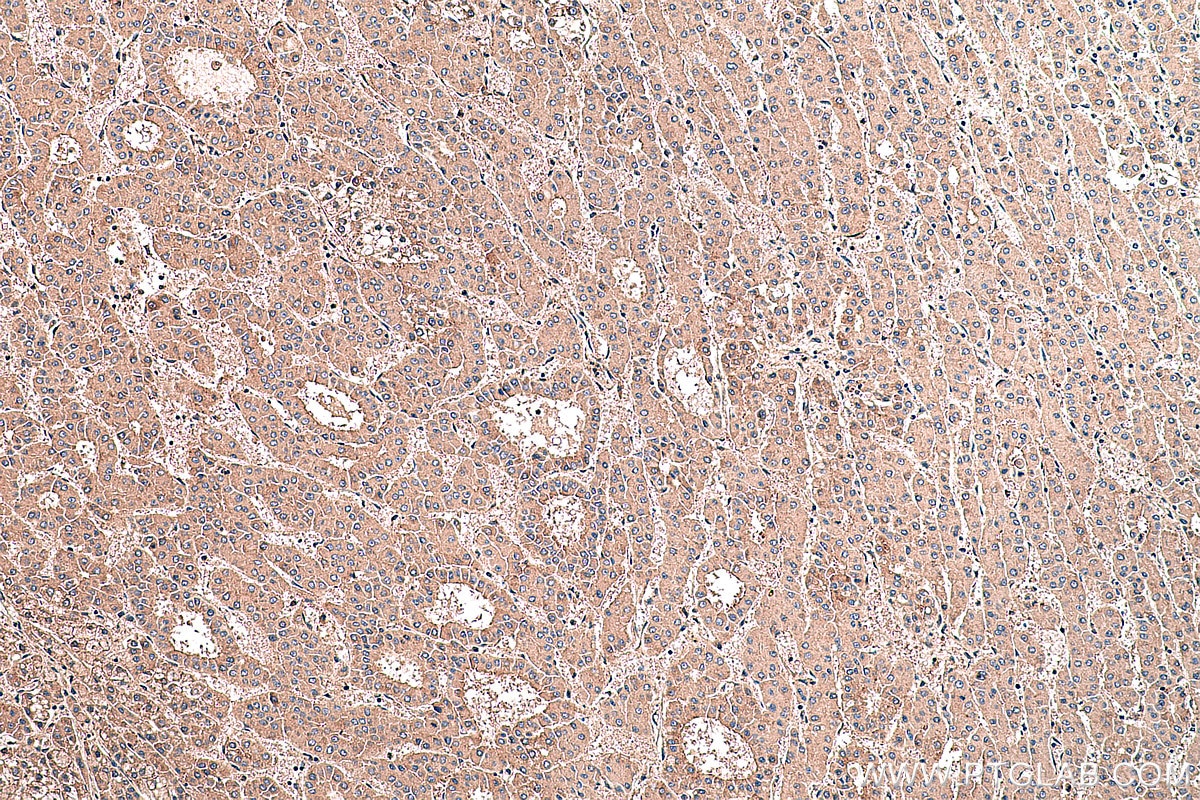
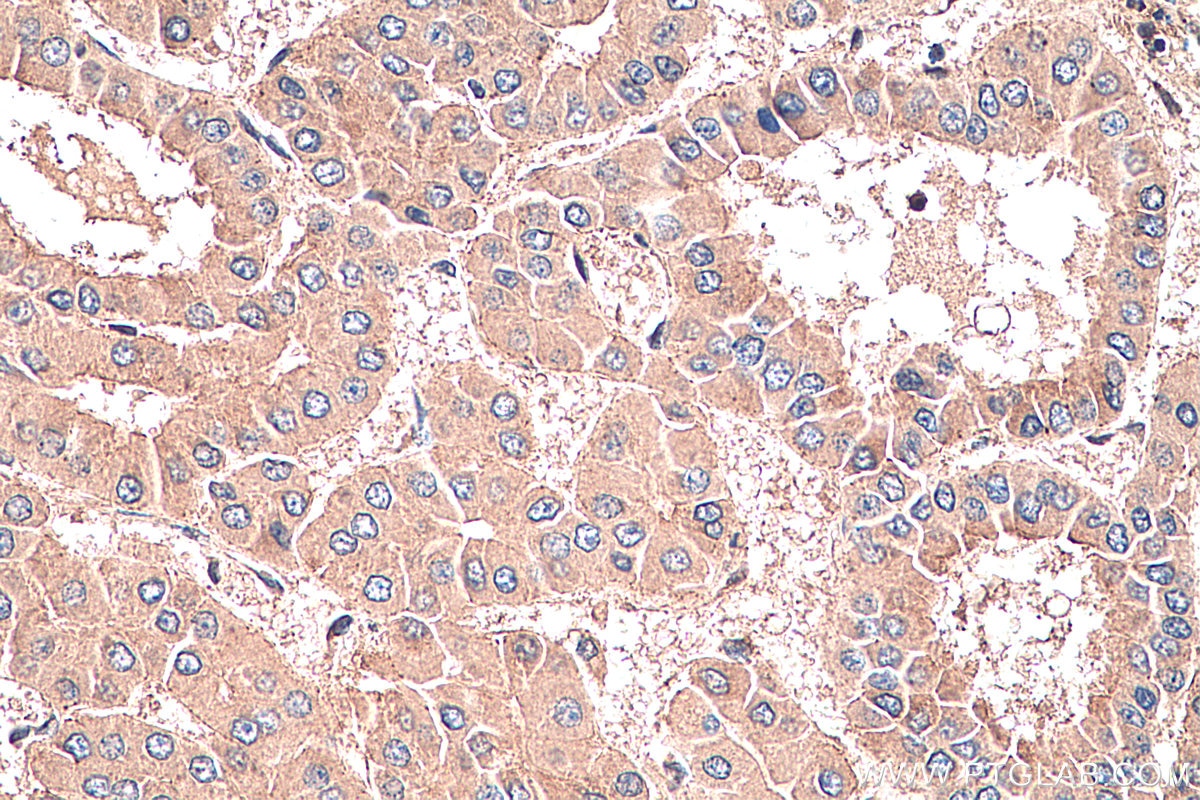

Tested Applications
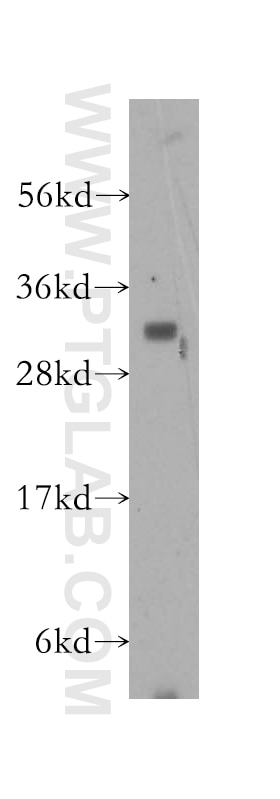
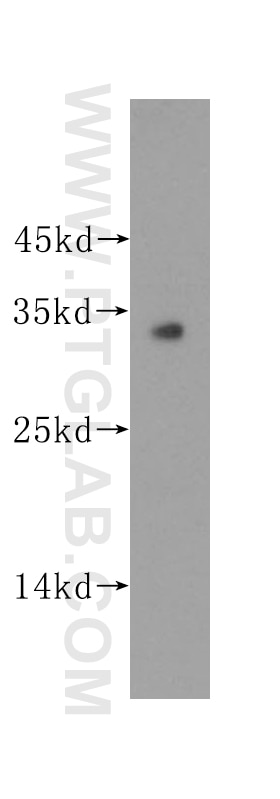
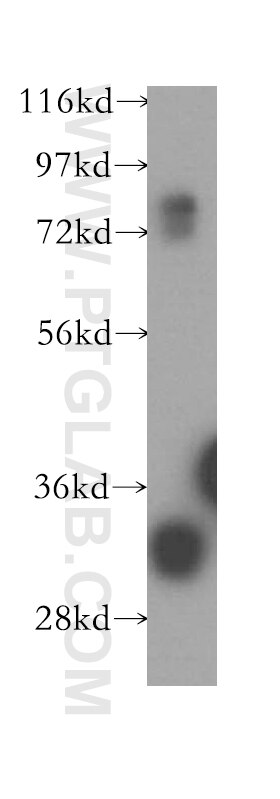
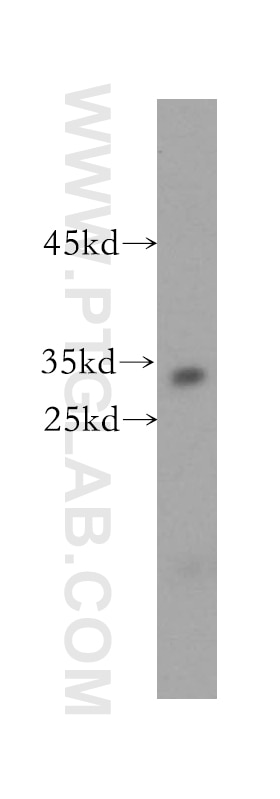
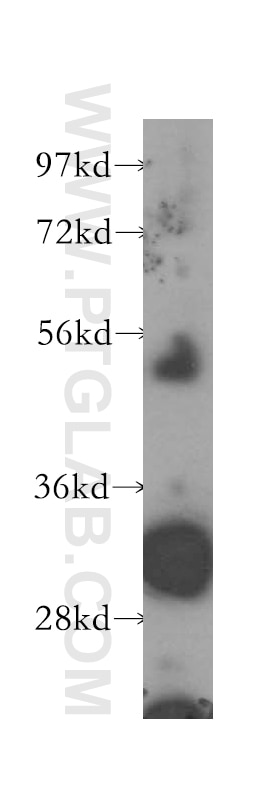
| Positive WB detected in | mouse brain tissue, A375 cells, human liver tissue, mouse skin tissue |
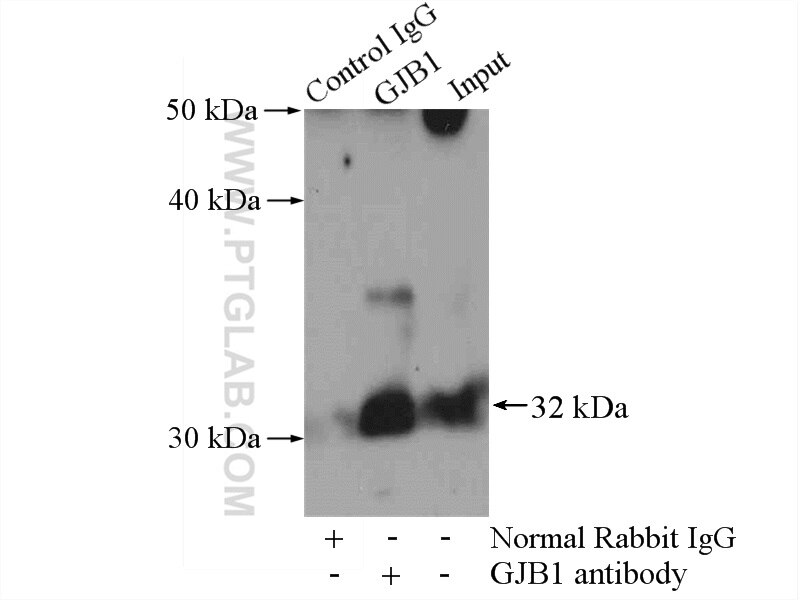
| Positive IP detected in | mouse brain tissue |
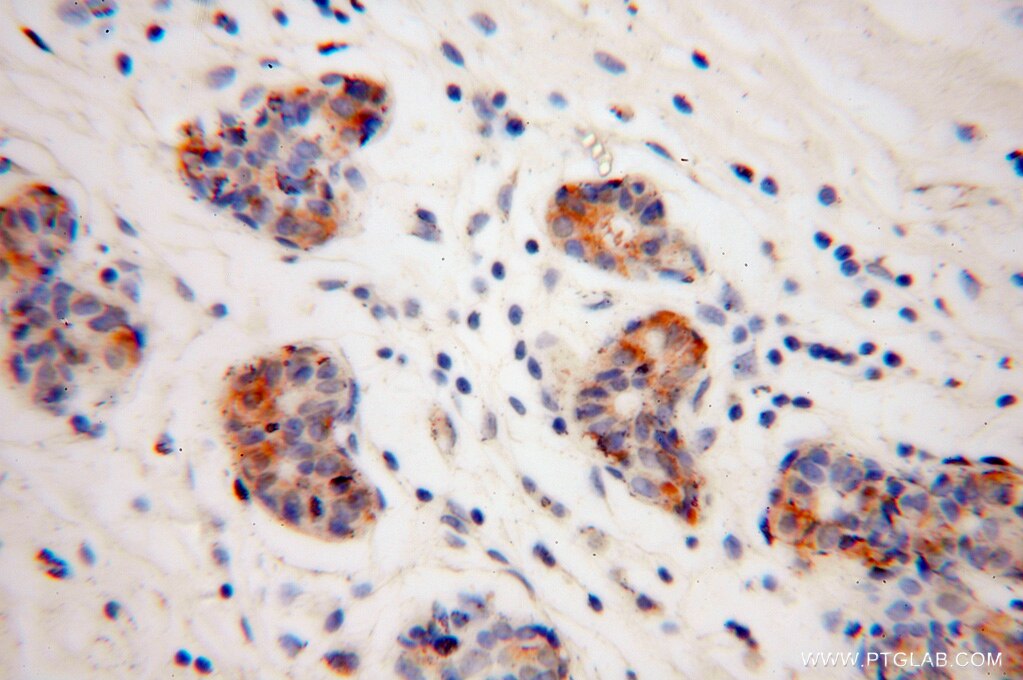
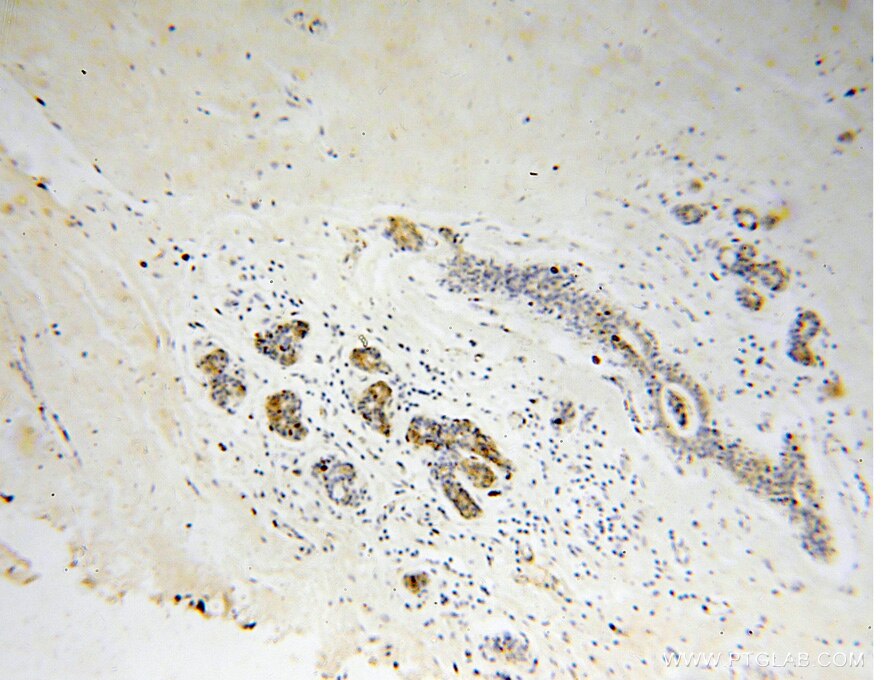
| Positive IHC detected in | human liver cancer tissue, human colon cancer tissue Note: suggested antigen retrieval with TE buffer pH 9.0; (*) Alternatively, antigen retrieval may be performed with citrate buffer pH 6.0 |
Recommended dilution
| Application | Dilution |
|---|---|
| Western Blot (WB) | WB : 1:200-1:1000 |
| Immunoprecipitation (IP) | IP : 0.5-4.0 ug for 1.0-3.0 mg of total protein lysate |
| Immunohistochemistry (IHC) | IHC : 1:50-1:500 |
| It is recommended that this reagent should be titrated in each testing system to obtain optimal results. | |
| Sample-dependent, Check data in validation data gallery. | |
Product Information
10450-1-AP targets Connexin 32 in WB, IHC, IF, IP, ELISA applications and shows reactivity with human, mouse samples.
| Tested Reactivity | human, mouse |
| Cited Reactivity | human, mouse |
| Host / Isotype | Rabbit / IgG |
| Class | Polyclonal |
| Type | Antibody |
| Immunogen |
CatNo: Ag0659 Product name: Recombinant human Cx32 protein Source: e coli.-derived, PGEX-4T Tag: GST Domain: 134-283 aa of BC002805 Sequence: TYVISVVFRLLFEAVFMYVFYLLYPGYAMVRLVKCDVYPCPNTVDCFVSRPTEKTVFTVFMLAASGICIILNVAEVVYLIIRACARRAQRRSNPPSRKGSGFGHRLSPEYKQNEINKLLSEQDGSLKDILRRSPGTGAGLAEKSDRCSAC Predict reactive species |
| Full Name | gap junction protein, beta 1, 32kDa |
| Calculated Molecular Weight | 32 kDa |
| Observed Molecular Weight | 32 kDa |
| GenBank Accession Number | BC002805 |
| Gene Symbol | Connexin-32 |
| Gene ID (NCBI) | 2705 |
| RRID | AB_2110629 |
| Conjugate | Unconjugated |
| Form | Liquid |
| Purification Method | Antigen affinity purification |
| UNIPROT ID | P08034 |
| Storage Buffer | PBS with 0.02% sodium azide and 50% glycerol, pH 7.3. |
| Storage Conditions | Store at -20°C. Stable for one year after shipment. Aliquoting is unnecessary for -20oC storage. 20ul sizes contain 0.1% BSA. |
Background Information
Connexin 32 (Cx32), also known as Gap junction beta 1 protein (GJB1), belongs to the connexin family. Connexins are membrane-spanning proteins that assemble to form gap junction channels that facilitate the transfer of ions and small molecules between cells. Connexin 32 is the major gap junction protein of liver, and the expression is also found in the brain and other organs. It is involved in tumorigenesis and liver regeneration. Connexin 32 plays an important role in peripheral nerve. Defects in Connexin 32 are the cause of Charcot-Marie-Tooth disease X-linked type 1 (CMTX1), an inherited peripheral neuropathy. Connexin 32 protein can be detected as a 27-32 kDa monomer and a 48-54 kDa dimer (PMID: 8266101; 8613761; 8608591; 19265674; 17972320; 19845480)
Protocols
| Product Specific Protocols | |
|---|---|
| IHC protocol for Connexin 32 antibody 10450-1-AP | Download protocol |
| IP protocol for Connexin 32 antibody 10450-1-AP | Download protocol |
| WB protocol for Connexin 32 antibody 10450-1-AP | Download protocol |
| Standard Protocols | |
|---|---|
| Click here to view our Standard Protocols |
Publications
What published studies show
The antibody is anti-Connexin 32 (Cat# 10450-1-AP), with 8 total citations. Citations appear in World J Gastroenterol, Neurobiol Dis, Chemosphere, Brain Res Bull, Histopathology, J Biomed Biotechnol, and Oncol Lett. Research fields span gastric carcinogenesis, X-linked Charcot-Marie-Tooth disease, renal cancer, epilepsy, odontogenic tumours, cerebral ischemia, and acute myeloid leukemia.
| Species | Application | Title |
|---|---|---|
World J Gastroenterol PBX1 attributes as a determinant of connexin 32 downregulation in Helicobacter pylori-related gastric carcinogenesis. | ||
Neurobiol Dis Patient-derived neural organoids reveal developmental impairments associated with a novel GJB1 mutation in X-linked Charcot-Marie-Tooth disease. | ||
Brain Res Bull Transient receptor potential vanilloid 4 is involved in the upregulation of connexin expression following pilocarpine-induced status epilepticus in mice. | ||
Histopathology Down-regulation of connexin43 and connexin32 in keratocystic odontogenic tumours: potential association with clinical features. | ||











