

Tested Applications
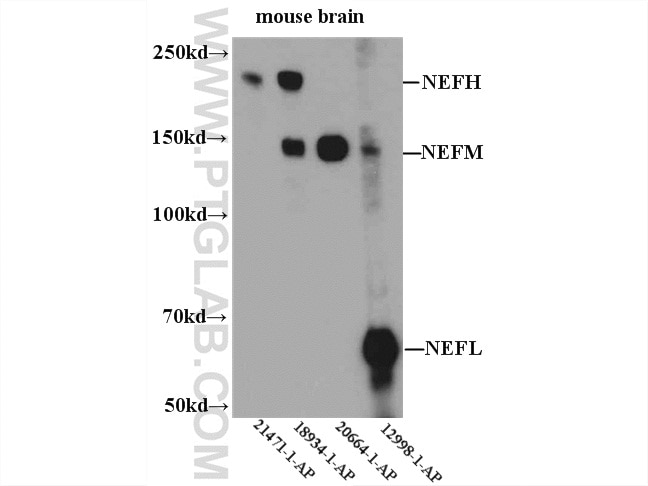
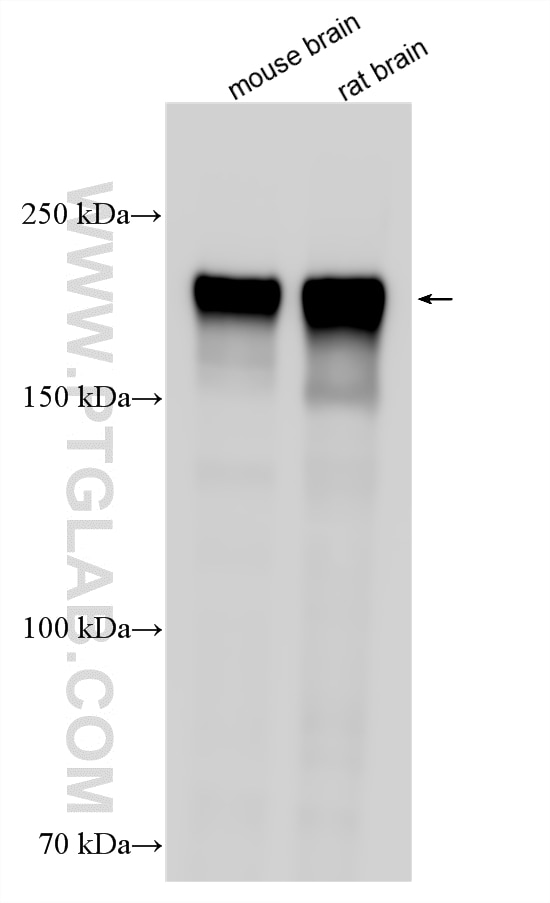
| Positive WB detected in | mouse brain tissue, rat brain tissue |
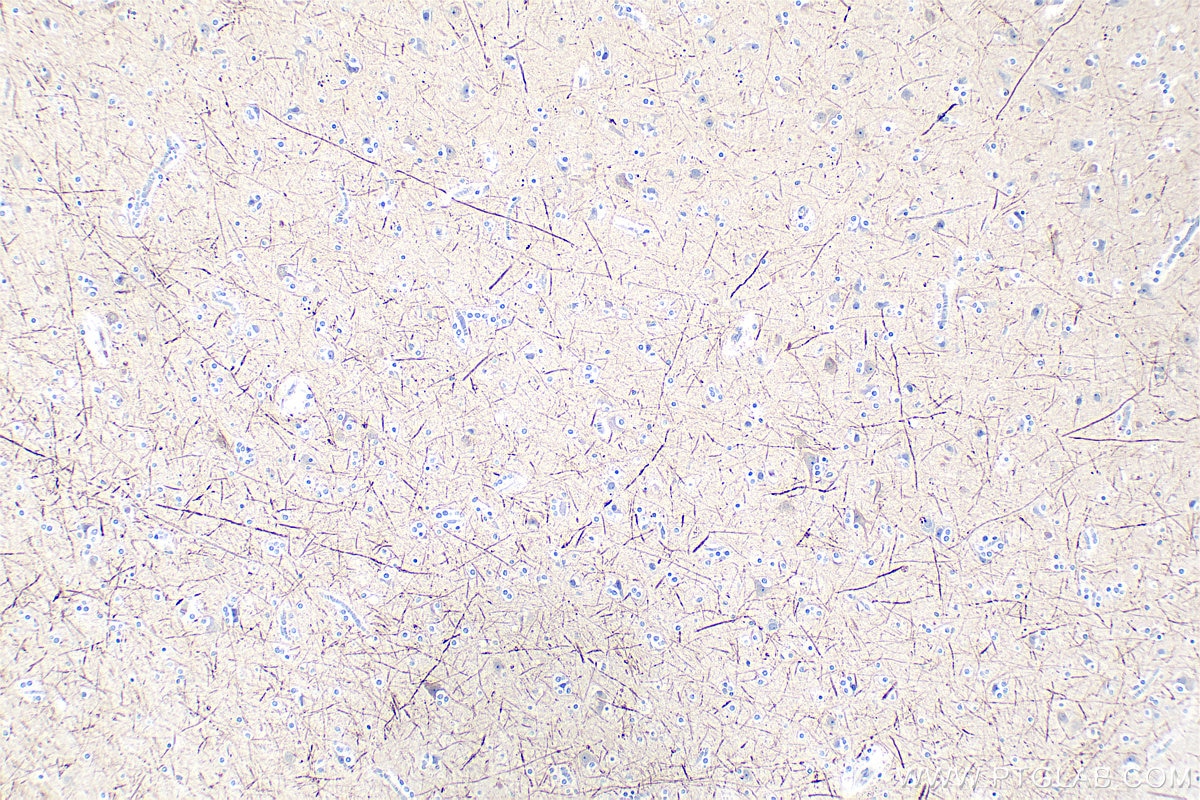
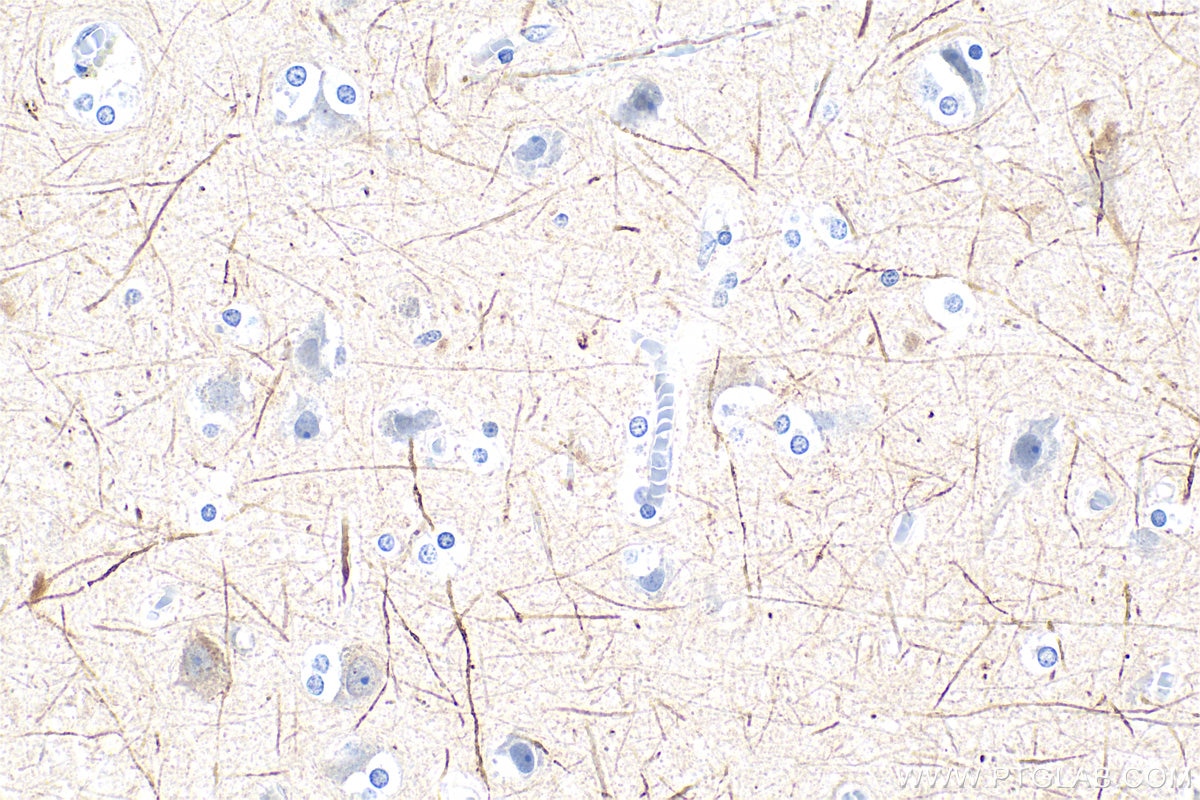
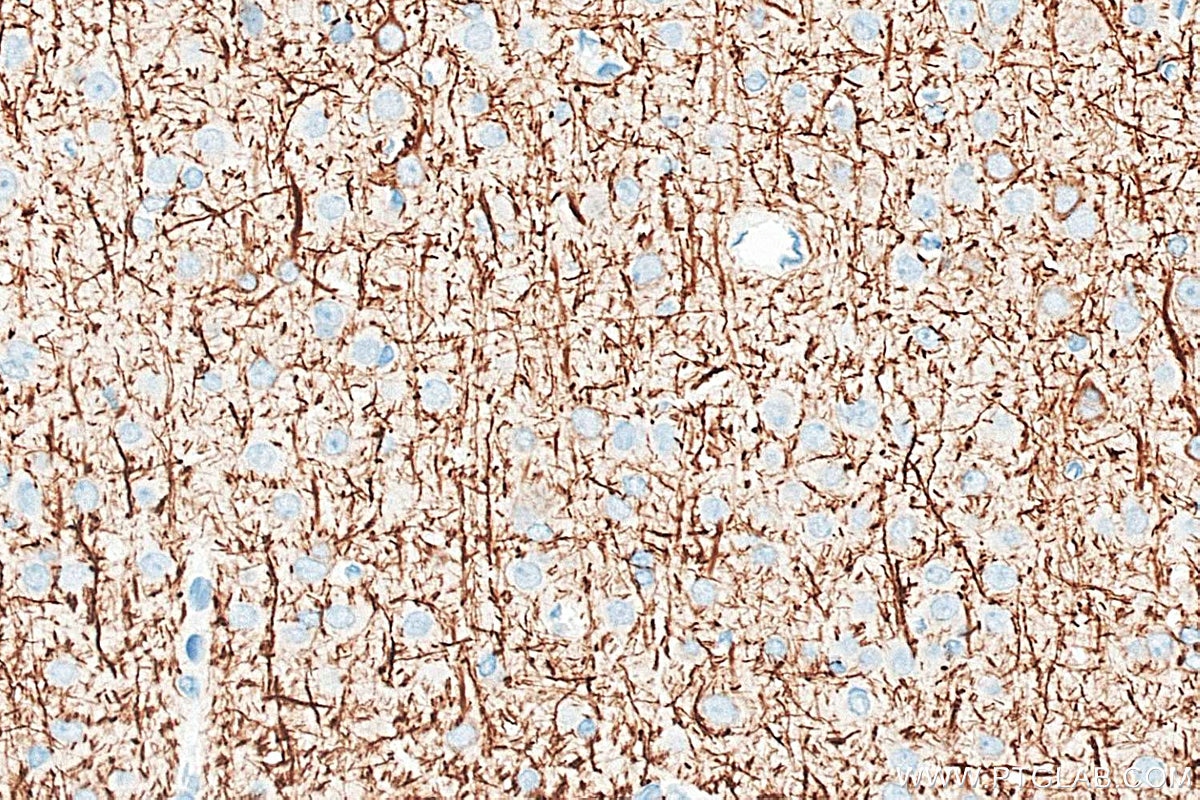
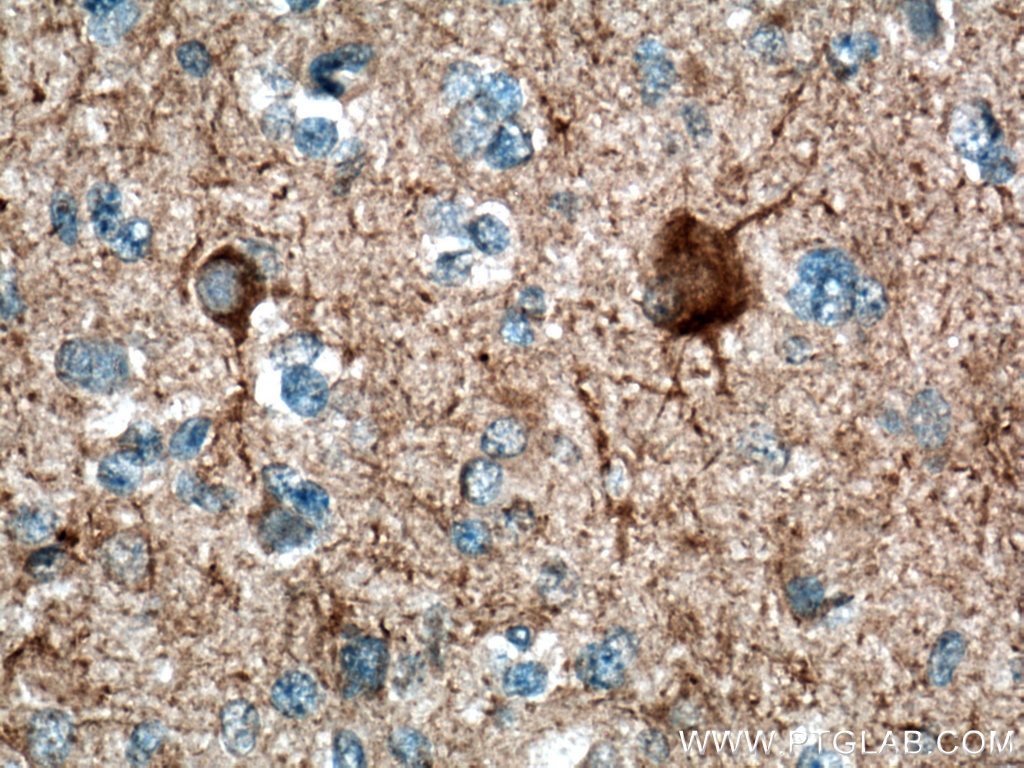
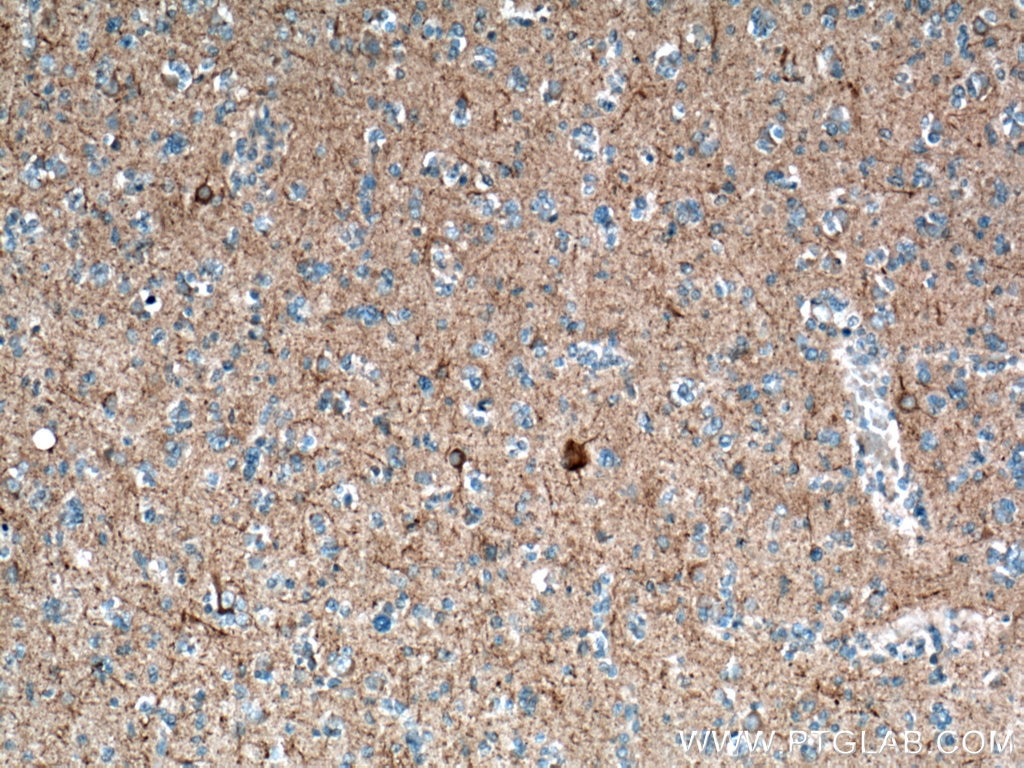
| Positive IHC detected in | rat brain tissue, human brain tissue, human gliomas tissue Note: suggested antigen retrieval with TE buffer pH 9.0; (*) Alternatively, antigen retrieval may be performed with citrate buffer pH 6.0 |
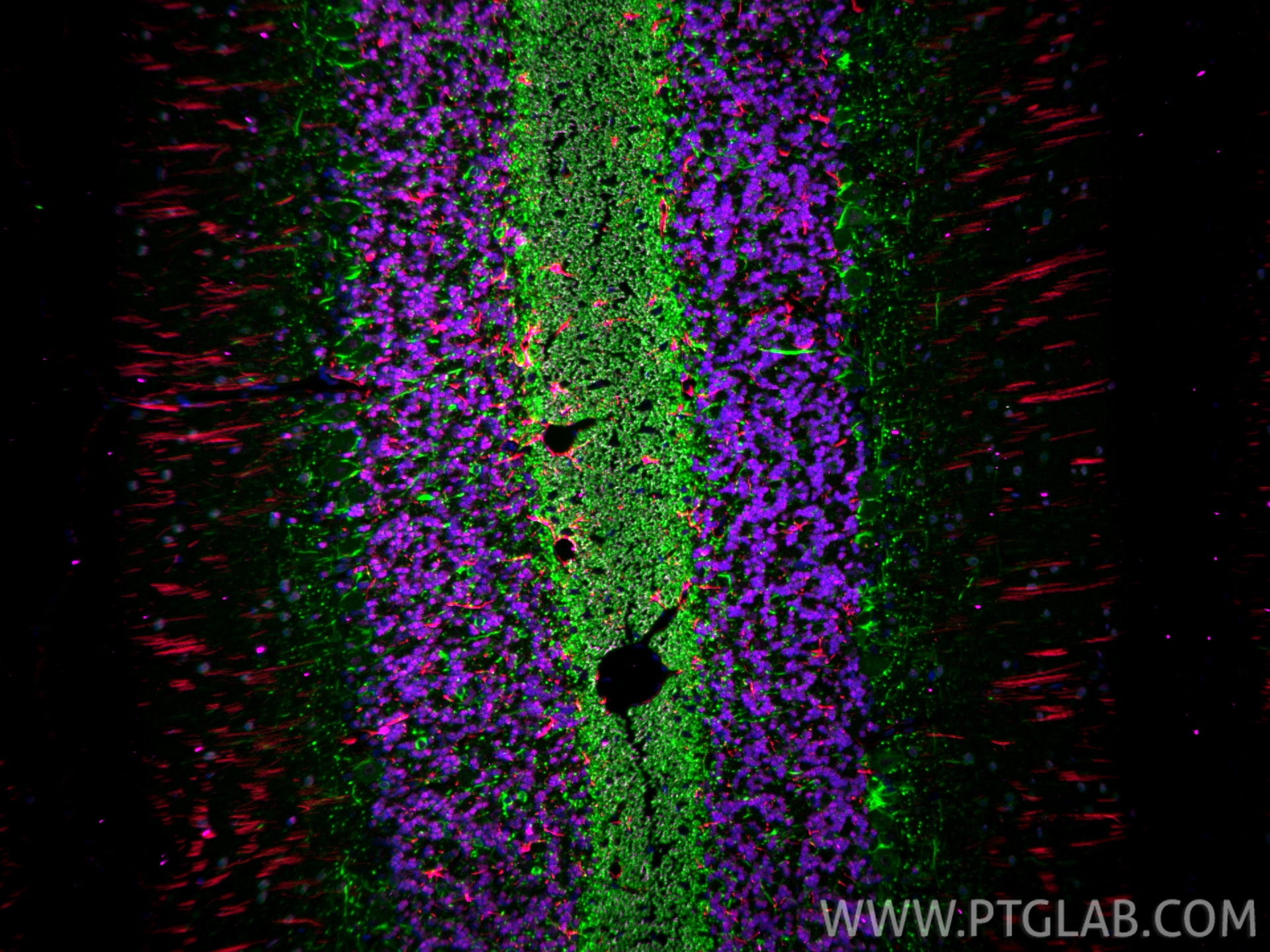
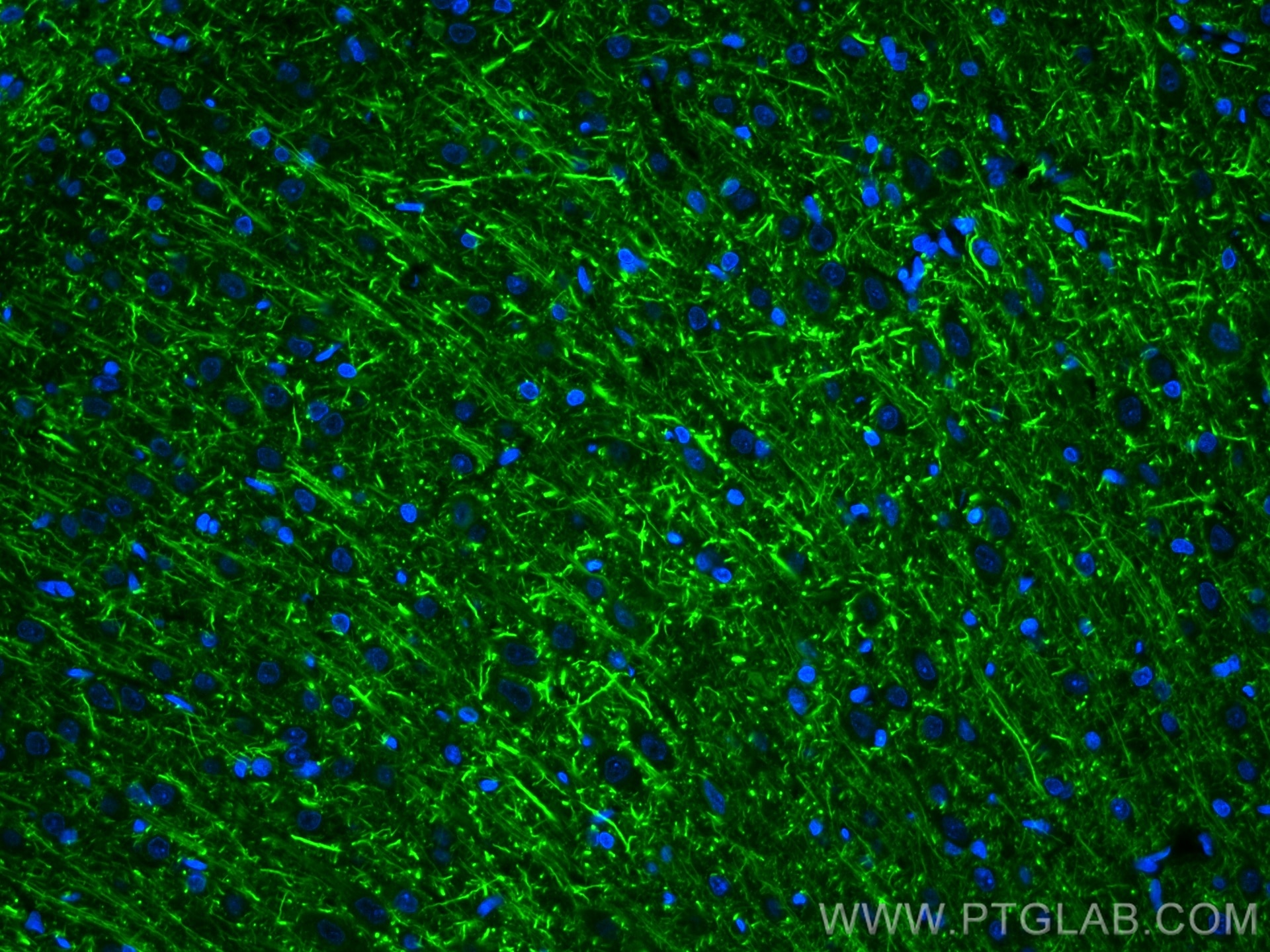
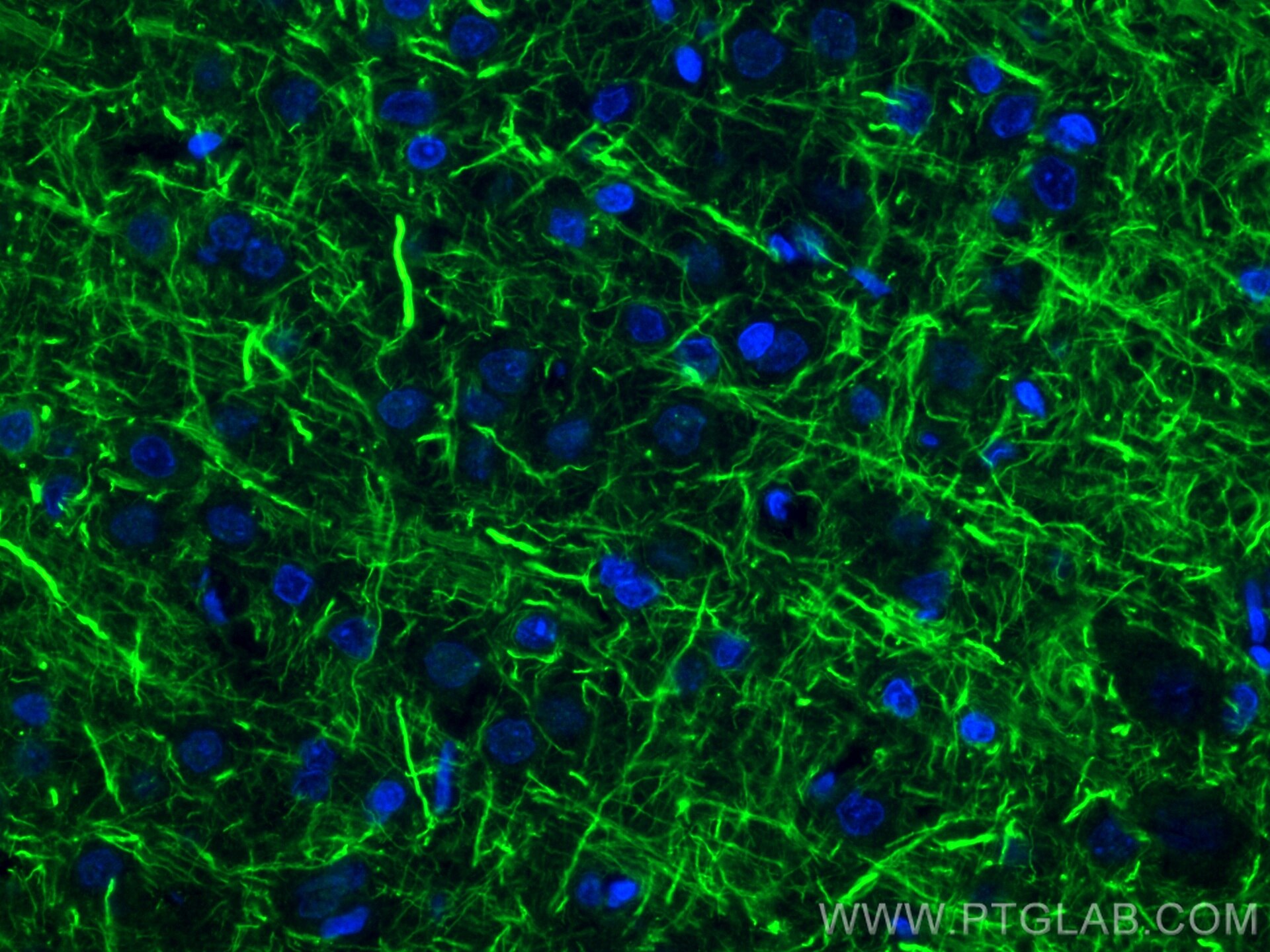
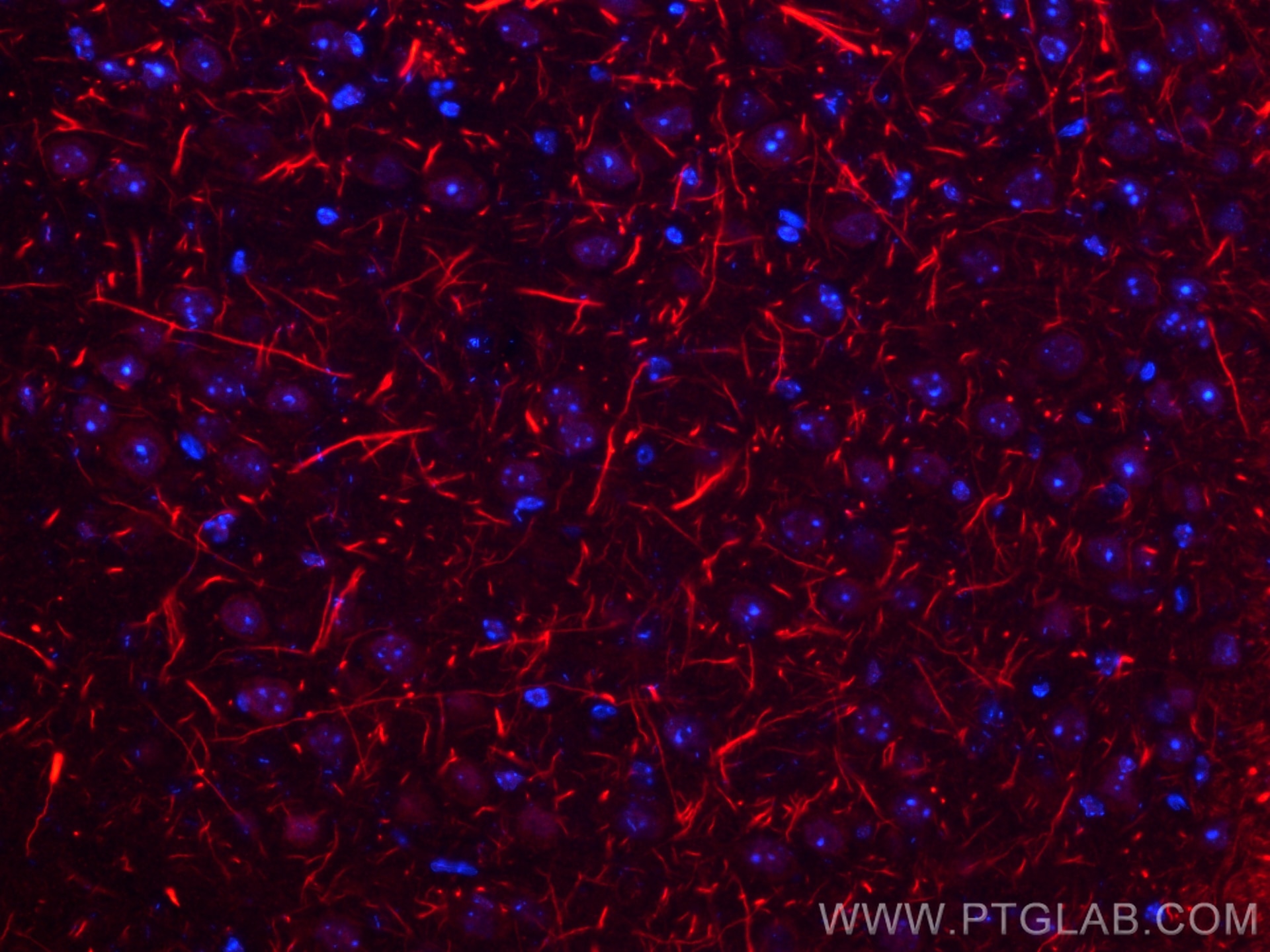
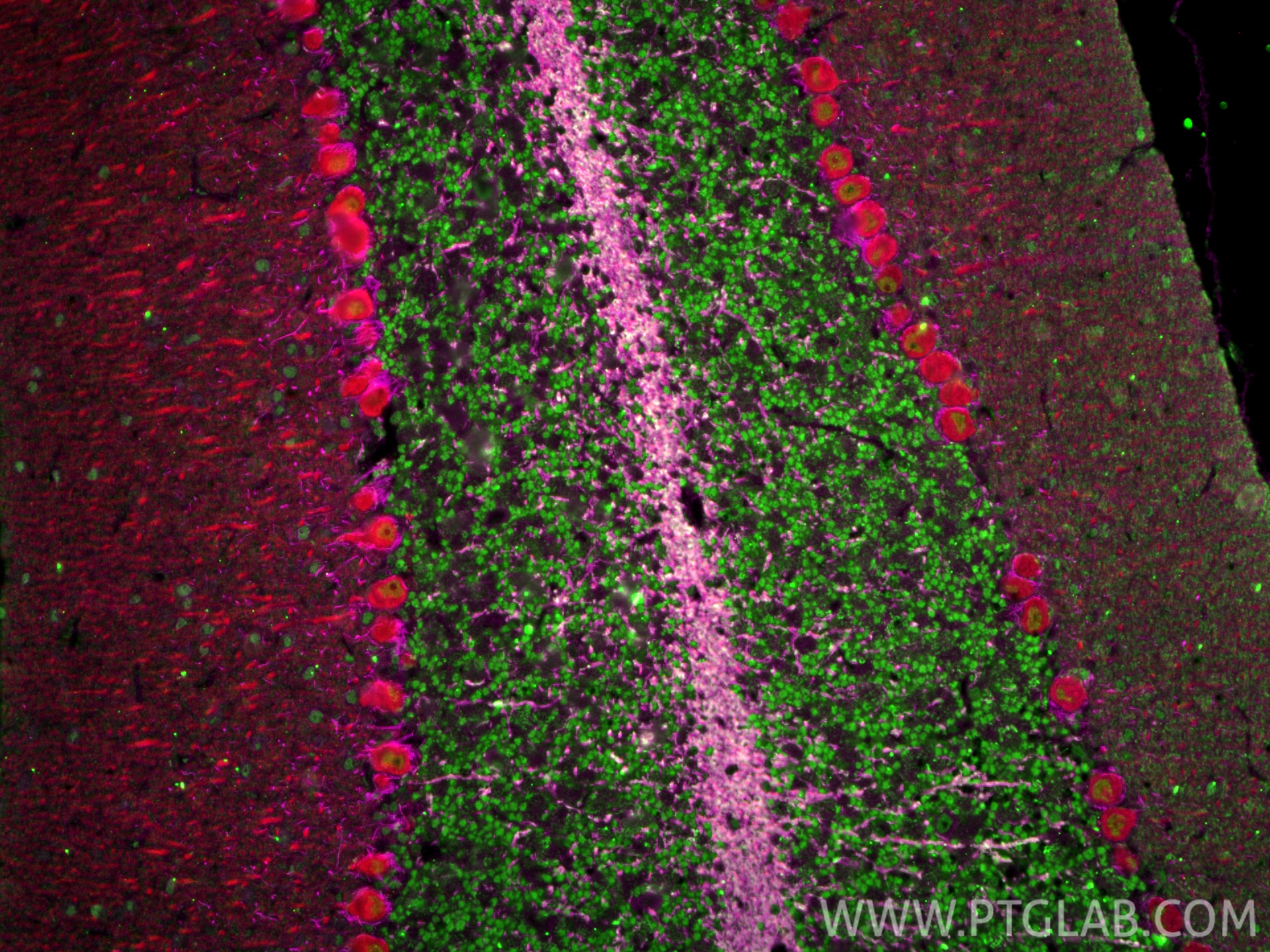
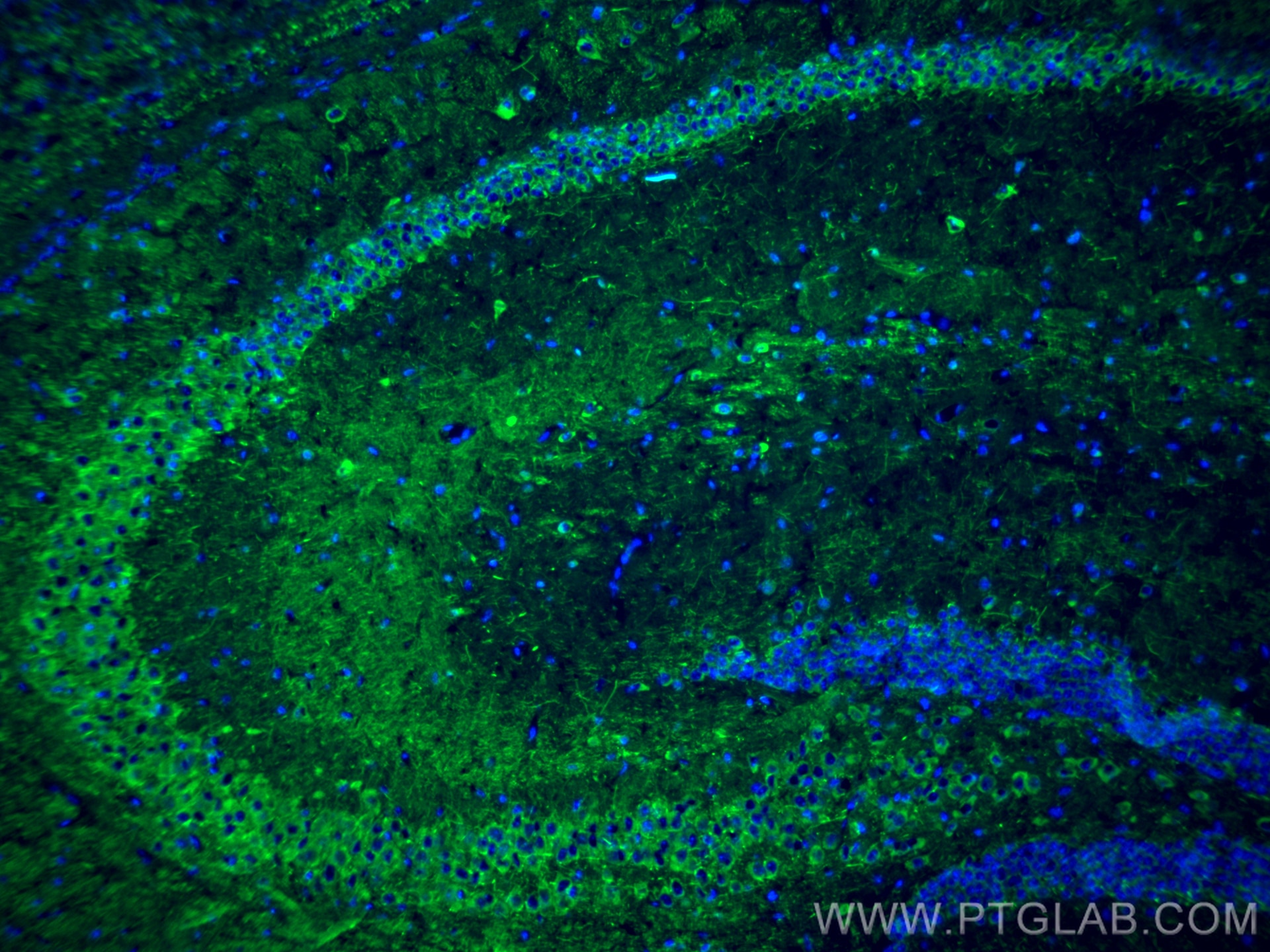
| Positive IF-P detected in | rat cerebellum tissue, mouse cerebellum tissue, rat brain tissue, mouse brain tissue |
| Positive IF-Fro detected in | mouse brain tissue |
Recommended dilution
| Application | Dilution |
|---|---|
| Western Blot (WB) | WB : 1:5000-1:50000 |
| Immunohistochemistry (IHC) | IHC : 1:400-1:1600 |
| Immunofluorescence (IF)-P | IF-P : 1:200-1:800 |
| Immunofluorescence (IF)-FRO | IF-FRO : 1:50-1:500 |
| It is recommended that this reagent should be titrated in each testing system to obtain optimal results. | |
| Sample-dependent, Check data in validation data gallery. | |
Product Information
18934-1-AP targets NF-H/NF200 in WB, IHC, IF-P, IF-Fro, ELISA applications and shows reactivity with human, mouse, rat samples.
| Tested Reactivity | human, mouse, rat |
| Cited Reactivity | human, mouse, rat, canine, monkey |
| Host / Isotype | Rabbit / IgG |
| Class | Polyclonal |
| Type | Antibody |
| Immunogen |
CatNo: Ag13517 Product name: Recombinant human NF200 protein Source: e coli.-derived, PGEX-4T Tag: GST Domain: 1-214 aa of BC014185 Sequence: MMSFGGADALLGAPFAPLHGGGSLHYALARKGGAGGTRSAAGSSSGFHSWTRTSVSSVSASPSRFRGAGAASSTDSLDTLSNGPEGCMVAVATSRSEKEQLQALNDRFAGYIDKVRQLEAHNRSLEGEAAALRQQQAGRSAMGELYEREVREMRGAVLRLGAARGQLRLEQEHLLEDIAHVRQRLDDEARQREEAEAAARALARFAQEAEAARV Predict reactive species |
| Full Name | neurofilament, heavy polypeptide |
| Calculated Molecular Weight | 112 kDa |
| Observed Molecular Weight | 200 kDa, 140-160 kDa |
| GenBank Accession Number | BC014185 |
| Gene Symbol | NF-H |
| Gene ID (NCBI) | 4744 |
| RRID | AB_10640801 |
| Conjugate | Unconjugated |
| Form | Liquid |
| Purification Method | Antigen affinity purification |
| UNIPROT ID | P12036 |
| Storage Buffer | PBS with 0.02% sodium azide and 50% glycerol, pH 7.3. |
| Storage Conditions | Store at -20°C. Stable for one year after shipment. Aliquoting is unnecessary for -20oC storage. 20ul sizes contain 0.1% BSA. |
Background Information
NEFH (NF200), also named as KIAA0845 and NFH, belongs to the intermediate filament family. It has an important function in mature axons that is not subserved by the two smaller NF proteins. Neurofilaments are the 10 nm intermediate filaments found specifically in neurons. They are a major component of the cell's cytoskeleton, and provide support for normal axonal radial growth. Neurofilaments usually contain three intermediate filament proteins: L, M, and H which are involved in the maintenance of neuronal caliber. The names given to the three major neurofilament subunits are based upon the apparent molecular weight of the mammalian subunits on SDS-PAGE: NF-L, 65-68 kDa; NF-M,145-160 kDa and NF-H, 200-220 kDa. This antibody can recognize both NEFH and NEFM.
Protocols
| Product Specific Protocols | |
|---|---|
| IF protocol for NF-H/NF200 antibody 18934-1-AP | Download protocol |
| IHC protocol for NF-H/NF200 antibody 18934-1-AP | Download protocol |
| WB protocol for NF-H/NF200 antibody 18934-1-AP | Download protocol |
| Standard Protocols | |
|---|---|
| Click here to view our Standard Protocols |
Publications
What published studies show
NF-H/NF200 Polyclonal antibody (Cat# 18934-1-AP) has 138 citations across journals including Nature Communications, Neuron, Advanced Materials, Advanced Science, Biomaterials, Journal of Neuroinflammation, Neural Regeneration Research, International Immunopharmacology, and Acta Biomaterialia. Research fields span spinal cord injury repair, peripheral nerve regeneration, neuroinflammation, diabetic neuropathy, cerebral ischemia/stroke, traumatic brain injury, multiple sclerosis models, ALS, and biomaterials-based tissue engineering.
| Species | Application | Title |
|---|---|---|
Cell Metab Gut microbiota modulate distal symmetric polyneuropathy in patients with diabetes | ||
Cell Res Cochlear nucleus spatial transcriptomes of normal and hearing loss mice reveal a critical role of Spp1 in bushy cells. | ||
Adv Mater Nose-to-Brain Delivery of Circular RNA SCMH1-Loaded Lipid Nanoparticles for Ischemic Stroke Therapy | ||
Adv Mater Poly(Citric Acid) Bidirectional Regulator: Coordinating Iron Homeostasis to Suppress Stress Responses and Boosting Mitochondrial Bioenergetics for Enhanced Nerve Repair. | ||
Bioact Mater Advanced nerve regeneration enabled by neural conformal electronic stimulators enhancing mitochondrial transport | ||
Bioact Mater Engineered nerve guide conduit enhances peripheral nerve regeneration by modulating the microenvironment through macrophage-triggered cascade reactions. |
Reviews
What customers say
All four reviews are 5-star. Users report excellent performance for immunofluorescence/immunocytochemistry on rat hippocampal tissue, mouse and human retinal neurons, and neurogenic differentiation cells, with clear specific staining, low background, and well-defined axonal structures. Western blotting on NSC34 cells at 1:400 also yielded strong bands. Overall, reviewers describe the antibody as reliable and consistent across applications, with one user stating they would "highly recommend" it.
The reviews below have been submitted by verified Proteintech customers who received an incentive for providing their feedback.
Jiahao (Verified Customer) (07-16-2026) | The antibody produced clear and specific NF200 staining in rat hippocampal tissue with low background. Axonal structures were well defined, and the staining was consistent across sections. It worked reliably for immunofluorescence and was suitable for evaluating axonal integrity and myelin coverage.
|
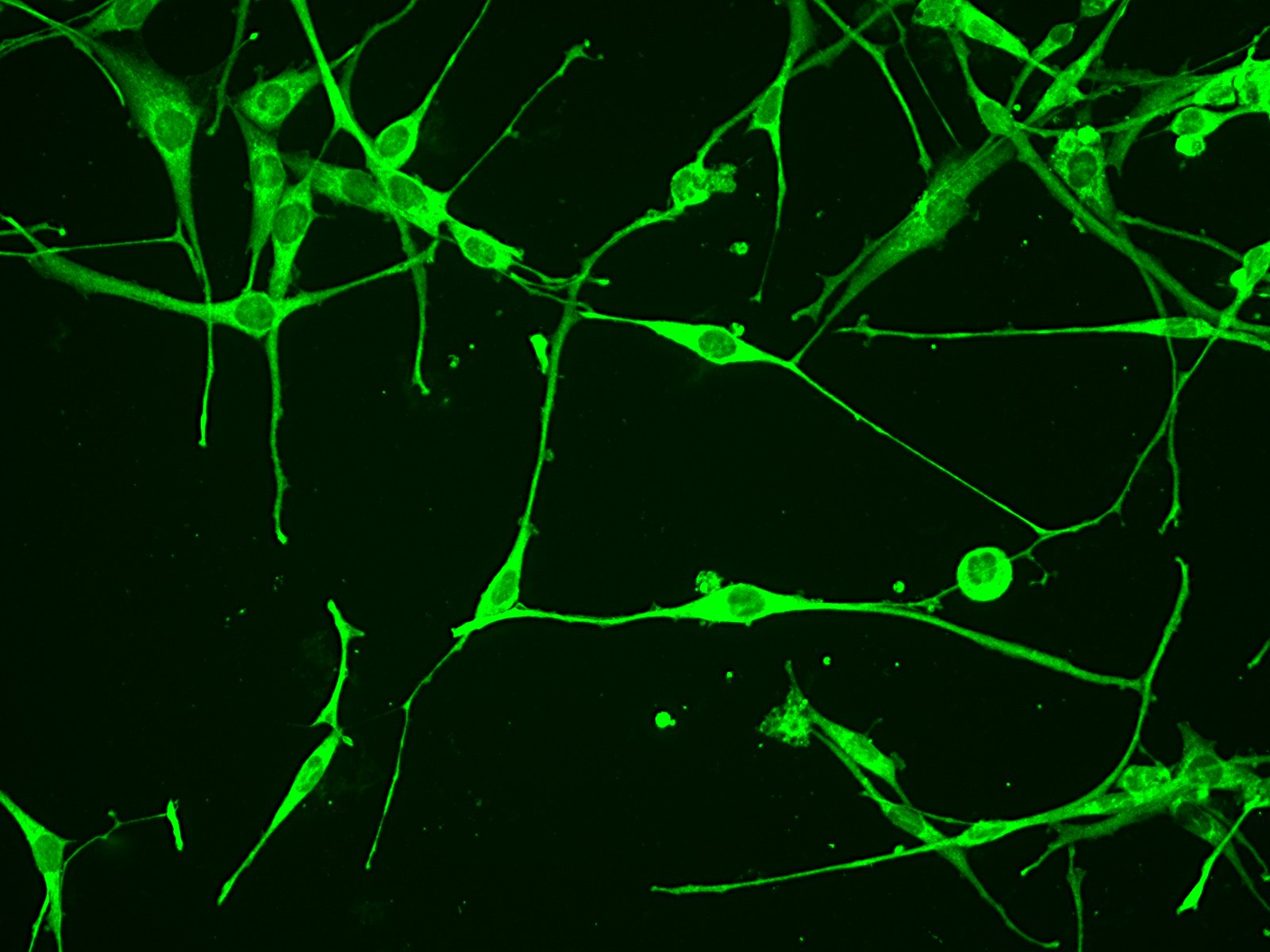
aidan (Verified Customer) (07-27-2024) | icc on retinal neurons (tried both mouse and human - human in pic). worked very well. would highly recommend
 |
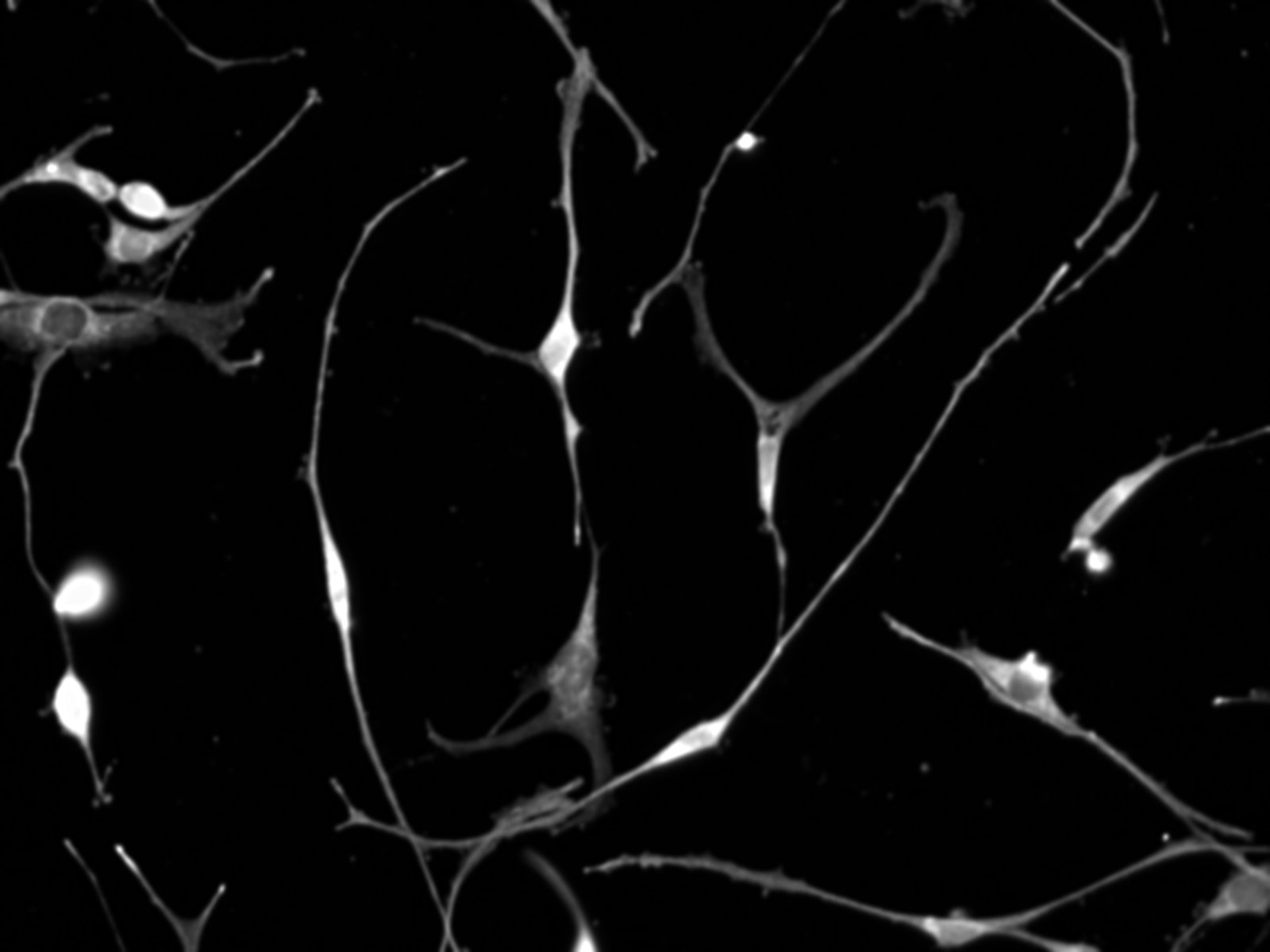
Paula (Verified Customer) (04-17-2024) | Works well for immunocytochemistry. Cells after neurogenic differentiation - image attached.
 |
Azita (Verified Customer) (06-02-2021) | Western blotting analysis of NSC34 cells using NF-H Polyclonal Antibody showed strong bonds when the antibody was used at the dilution of 1:400.
|














