
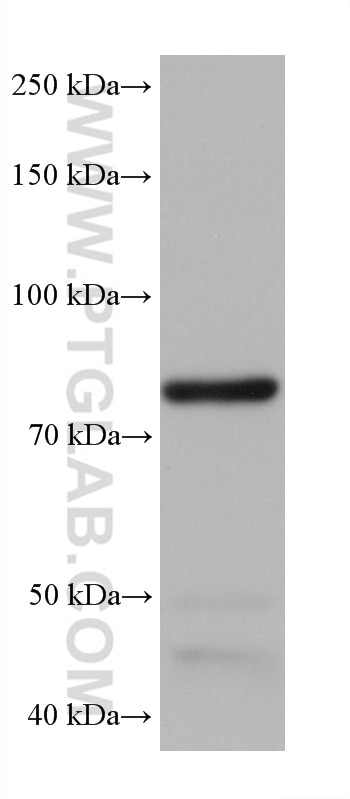
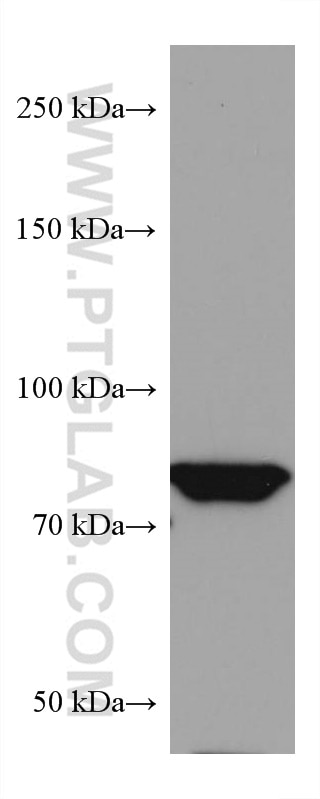
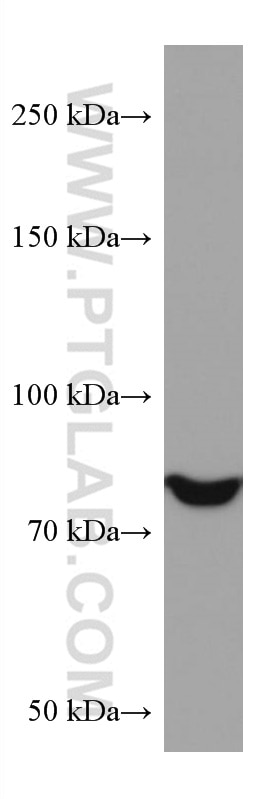
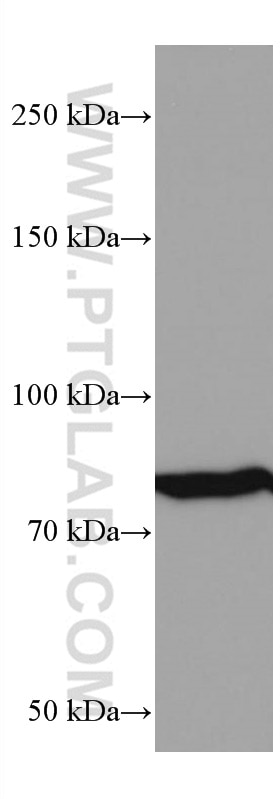

Tested Applications
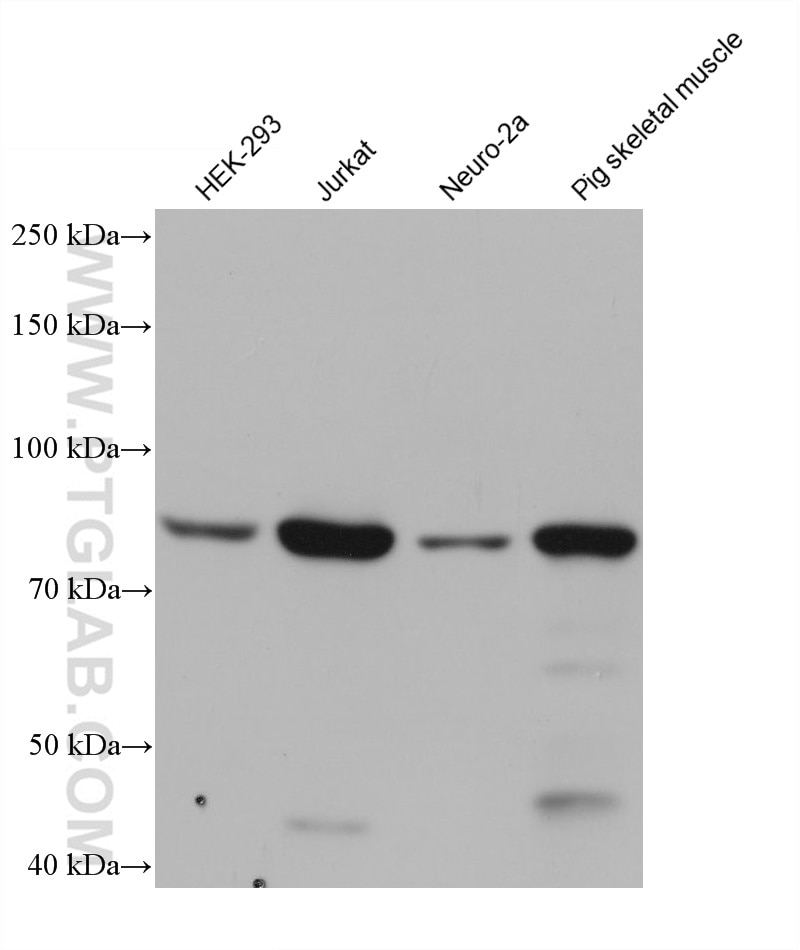
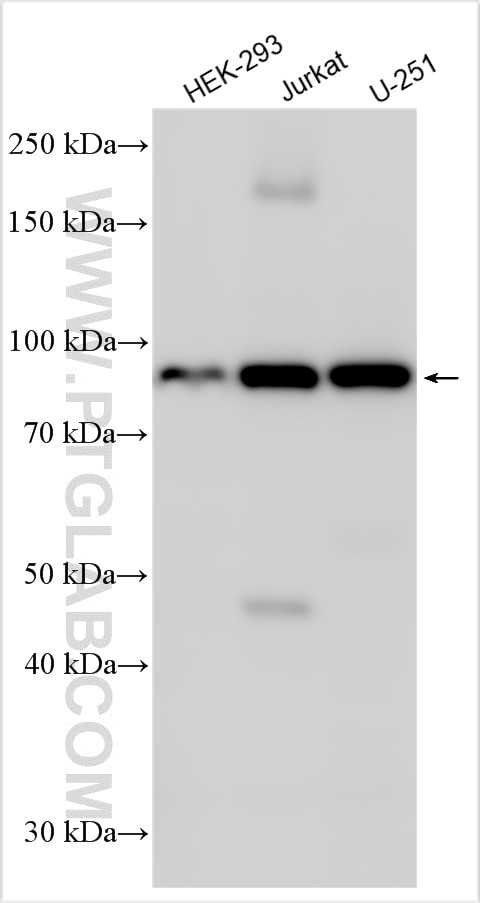
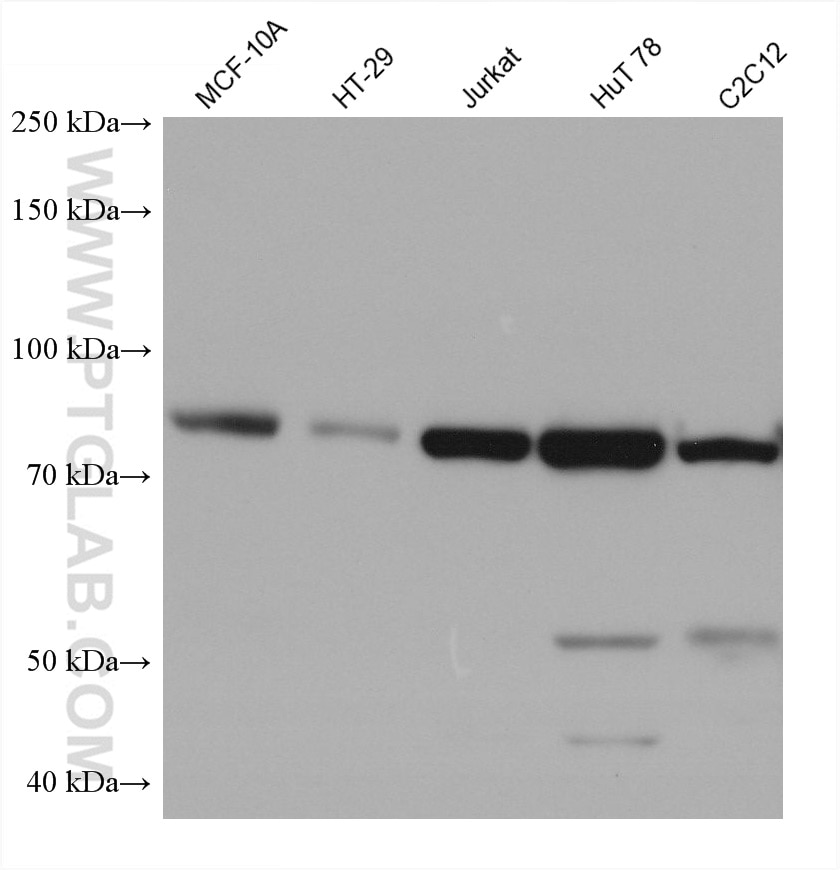
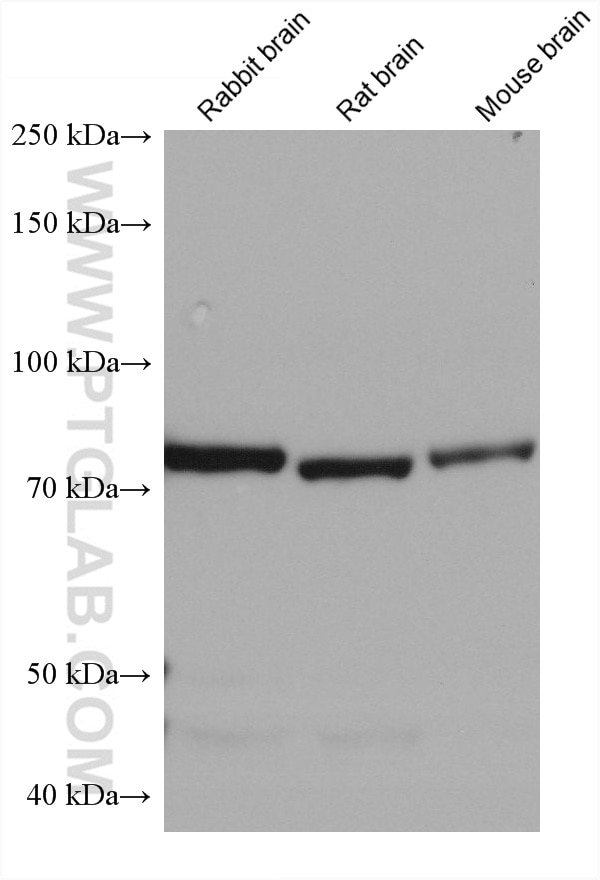
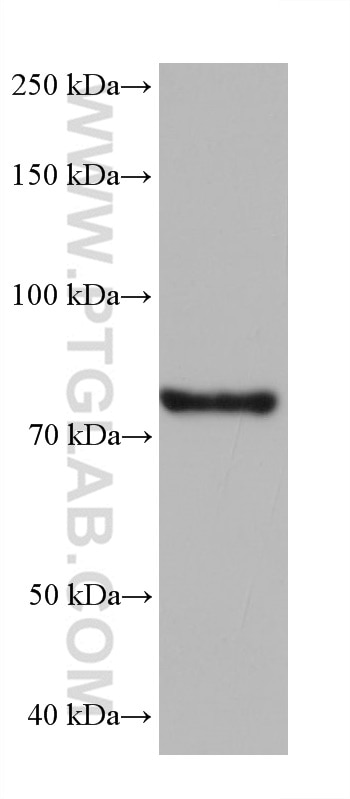
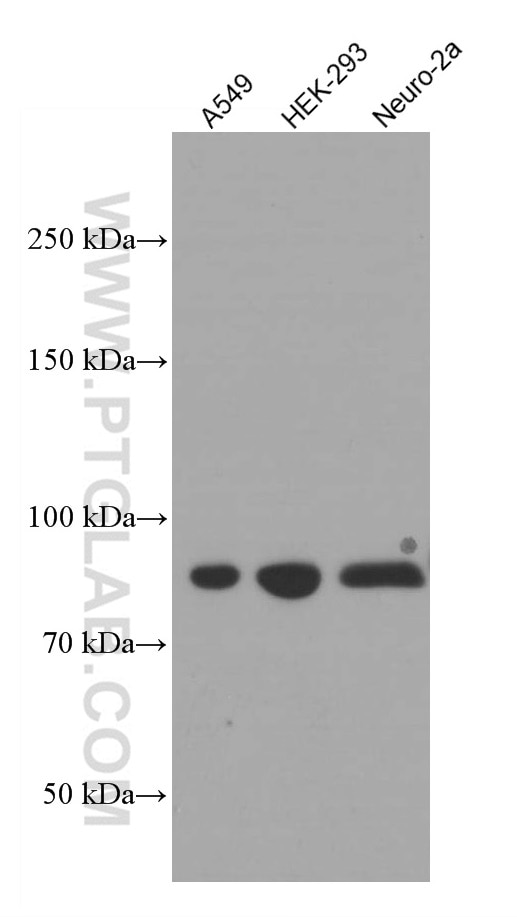
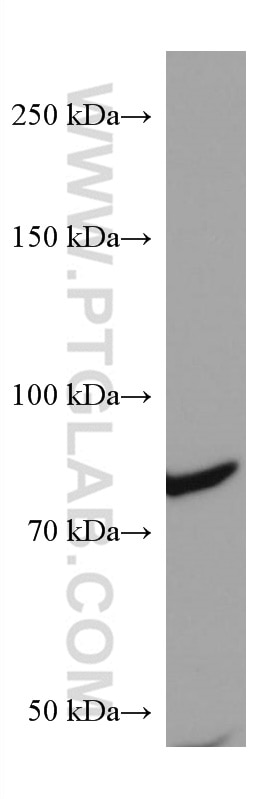
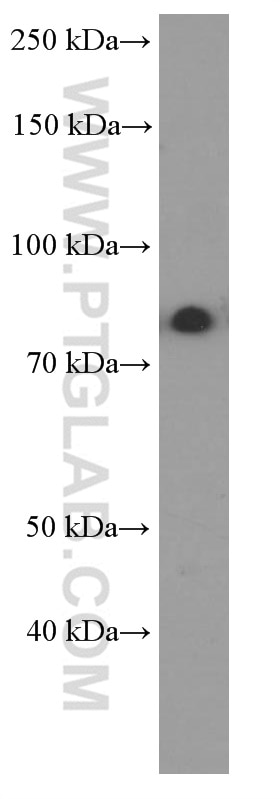
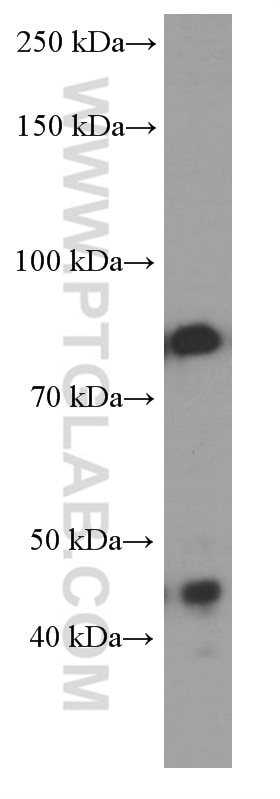
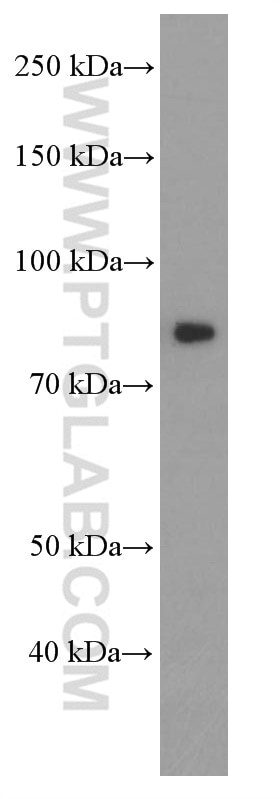
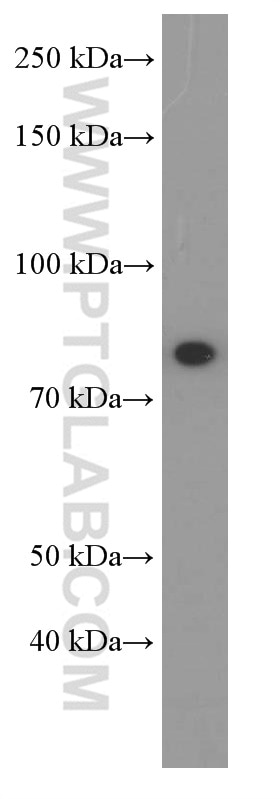
| Positive WB detected in | HEK-293 cells, A549 cells, fetal human brain tissue, Jurkat cells, MCF-10A cells, mouse brain tissue, Neuro-2a cells, PC-12 cells, pig brain tissue, rabbit brain tissue, rat brain tissue, rat skeletal muscle tissue, pig skeletal muscle tissue, U-251 cells, HT-29 cells, HuT 78 cells, C2C12 cells |
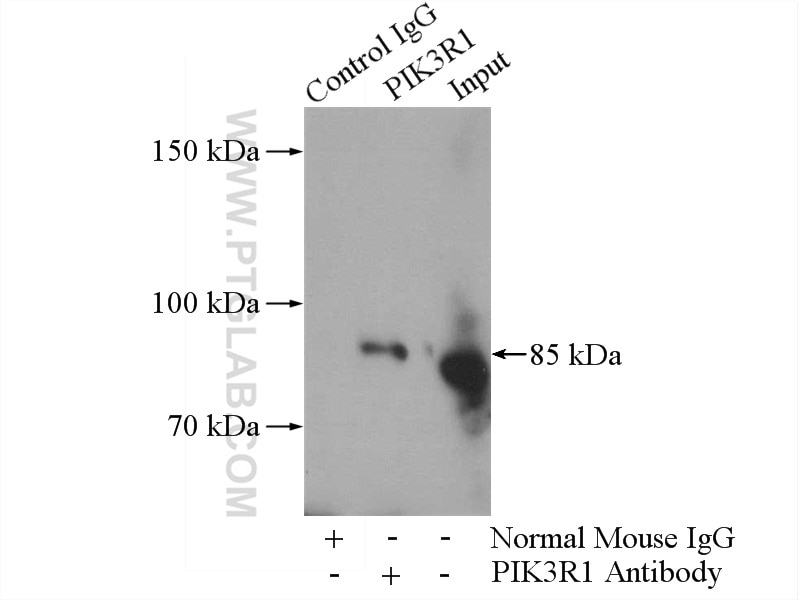
| Positive IP detected in | RAW 264.7 cells |
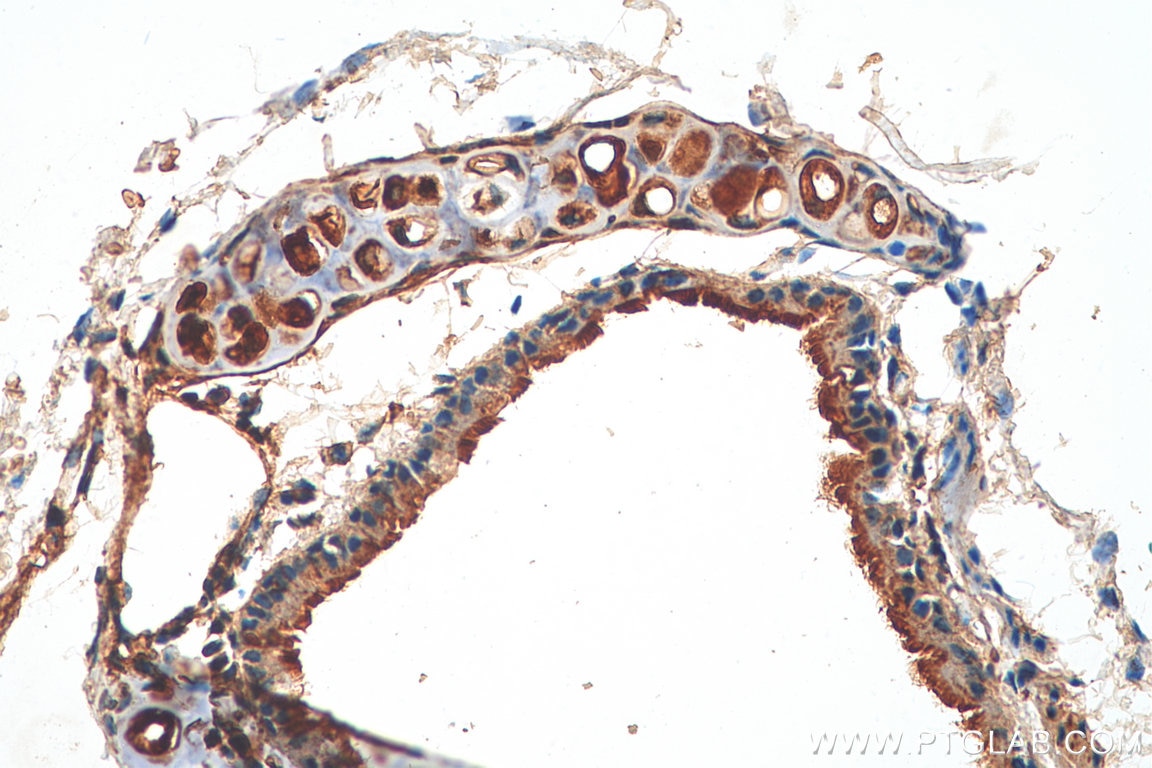
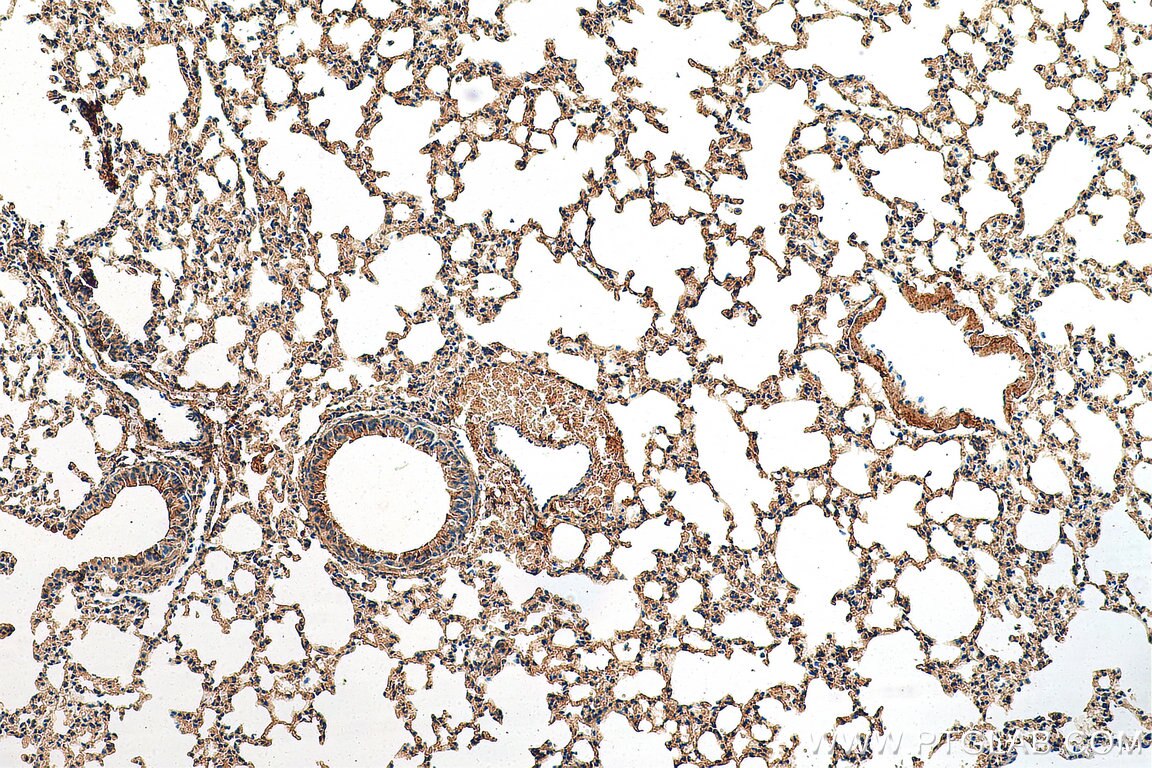
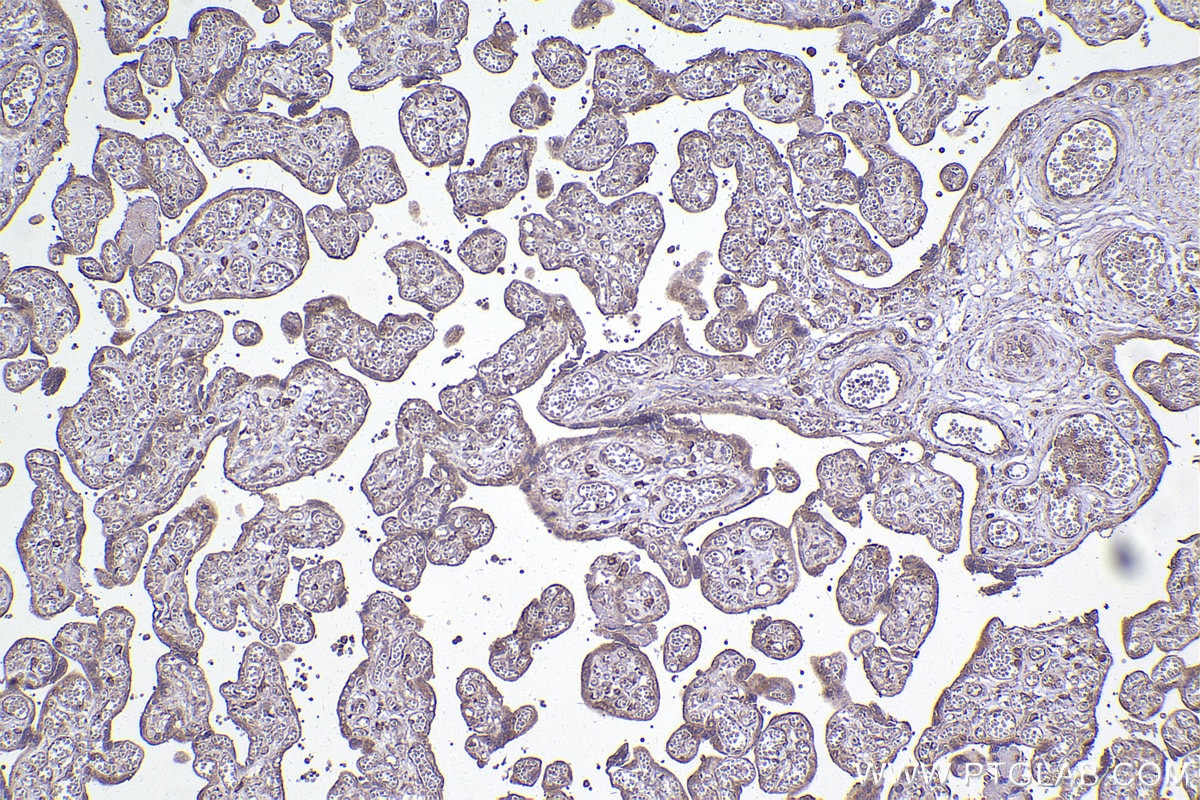
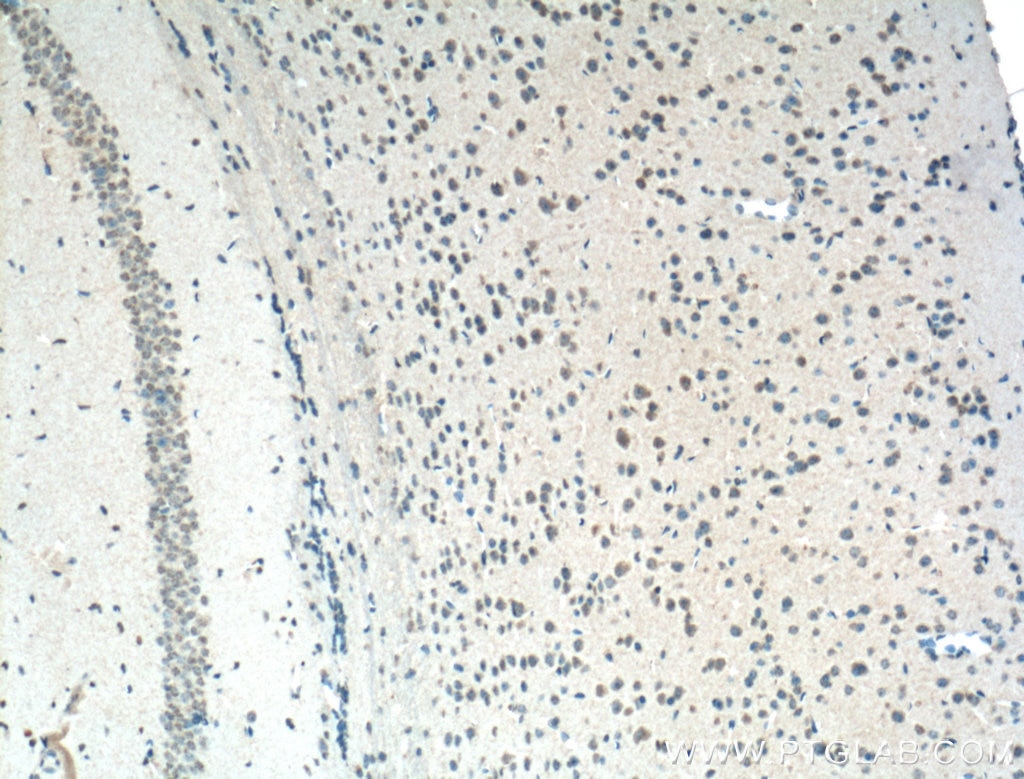
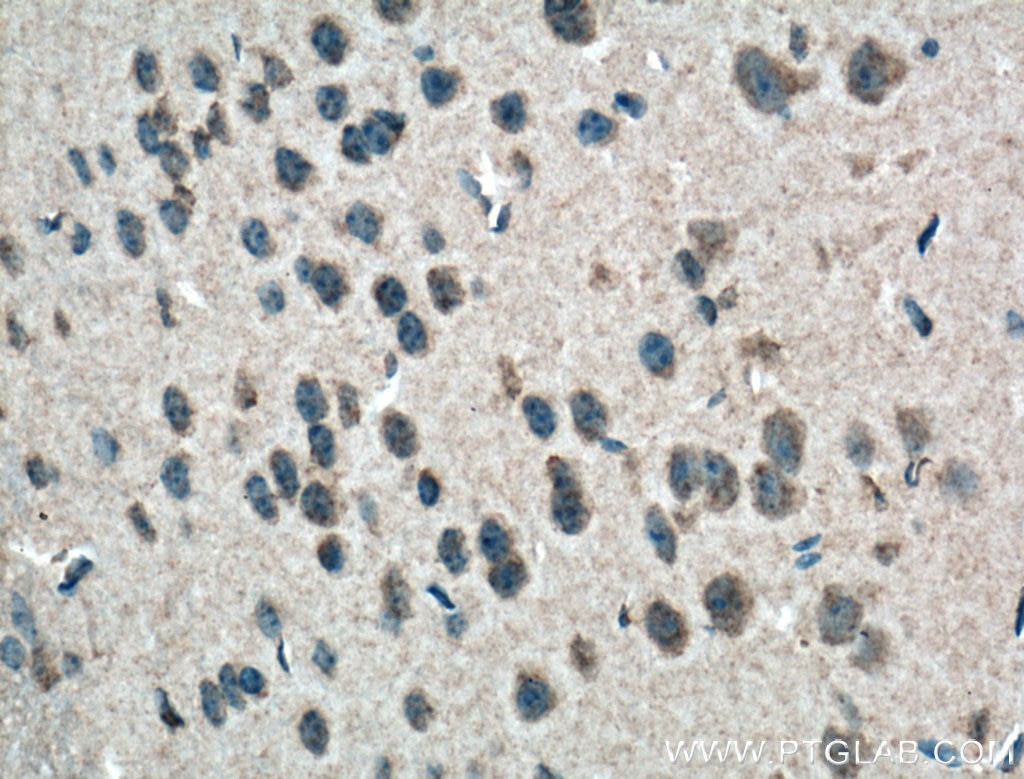
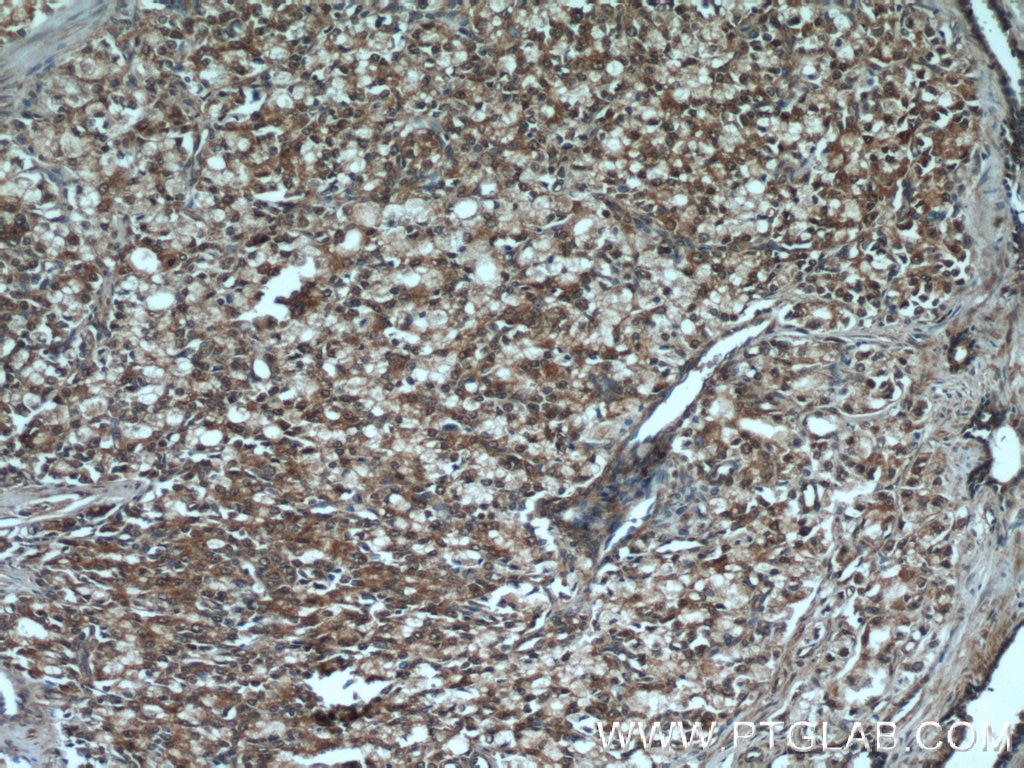
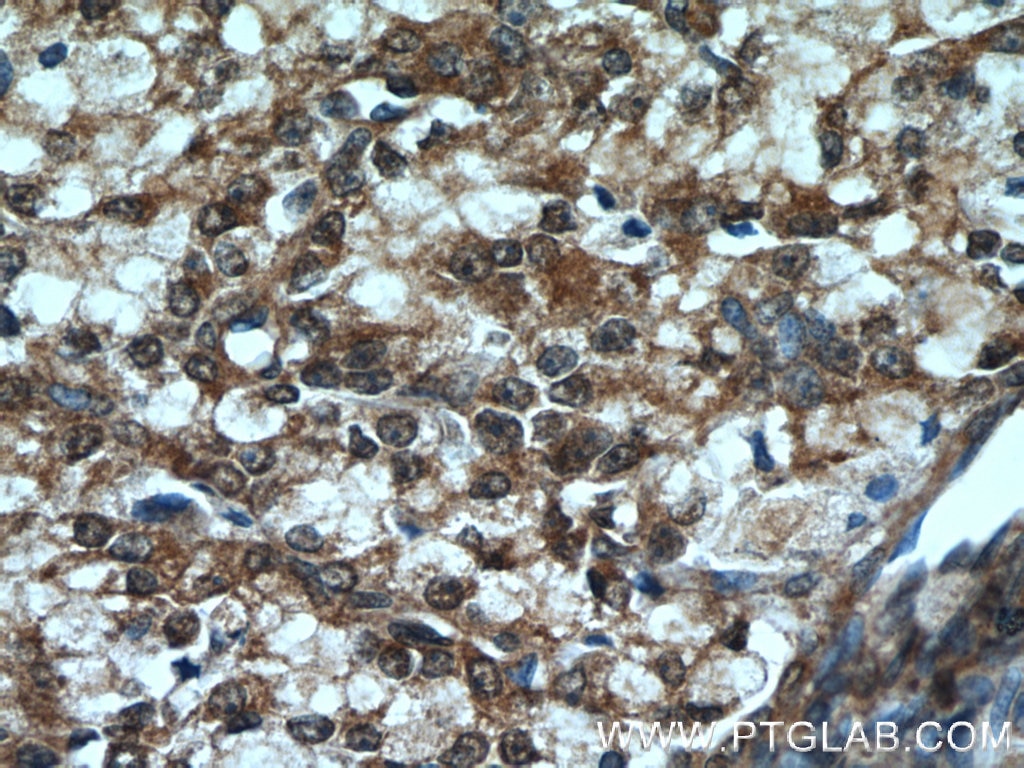
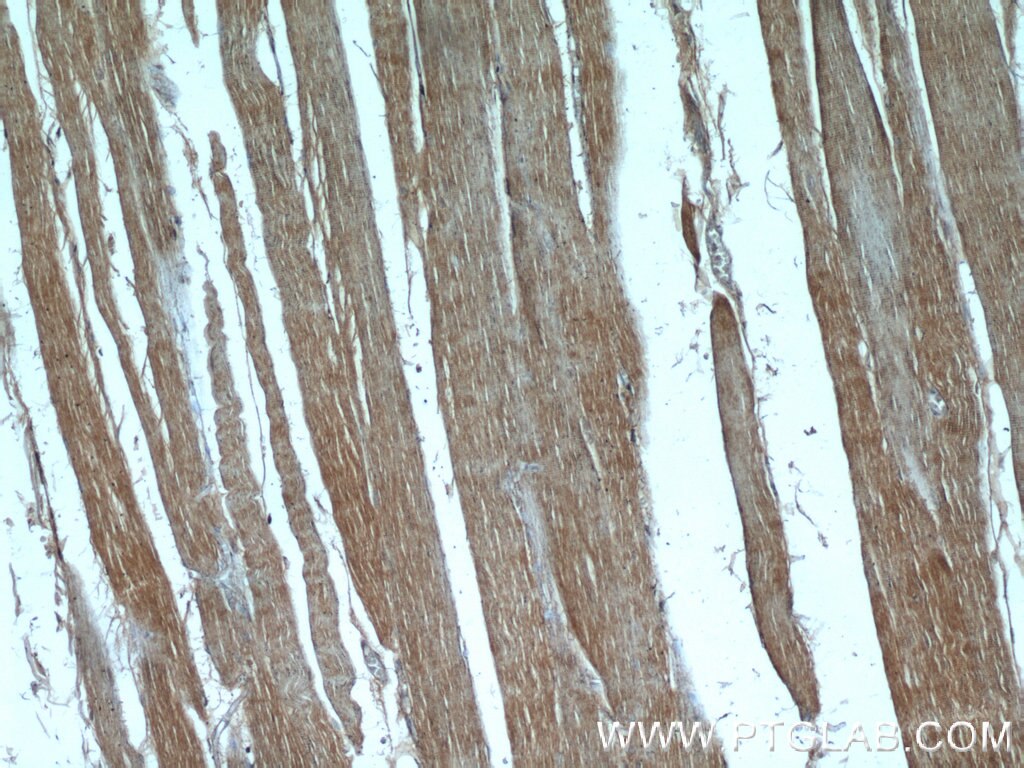
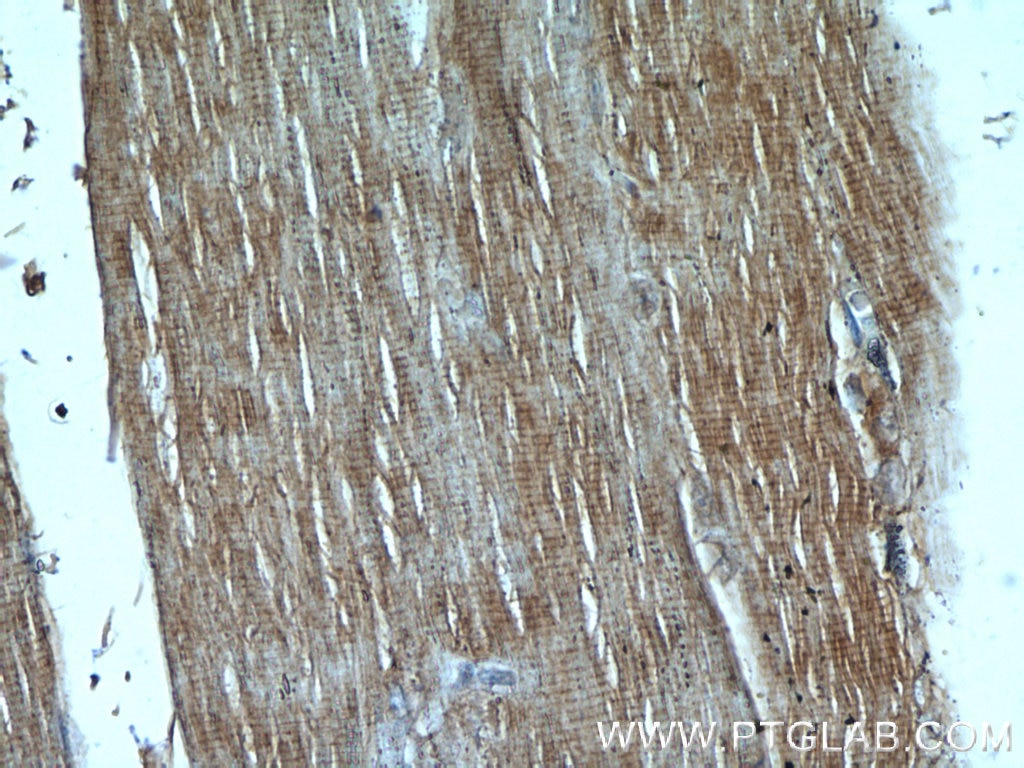
| Positive IHC detected in | human placenta tissue, human prostate cancer tissue, human skeletal muscle tissue, mouse brain tissue, mouse lung tissue Note: suggested antigen retrieval with TE buffer pH 9.0; (*) Alternatively, antigen retrieval may be performed with citrate buffer pH 6.0 |
Recommended dilution
| Application | Dilution |
|---|---|
| Western Blot (WB) | WB : 1:5000-1:50000 |
| Immunoprecipitation (IP) | IP : 0.5-4.0 ug for 1.0-3.0 mg of total protein lysate |
| Immunohistochemistry (IHC) | IHC : 1:1000-1:4000 |
| It is recommended that this reagent should be titrated in each testing system to obtain optimal results. | |
| Sample-dependent, Check data in validation data gallery. | |
Product Information
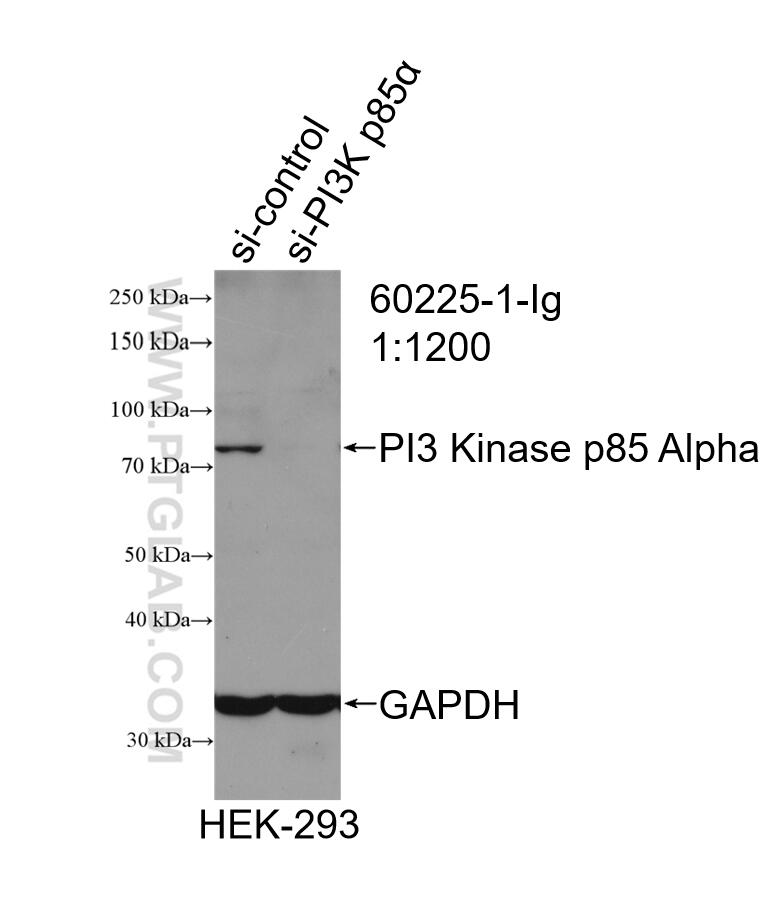
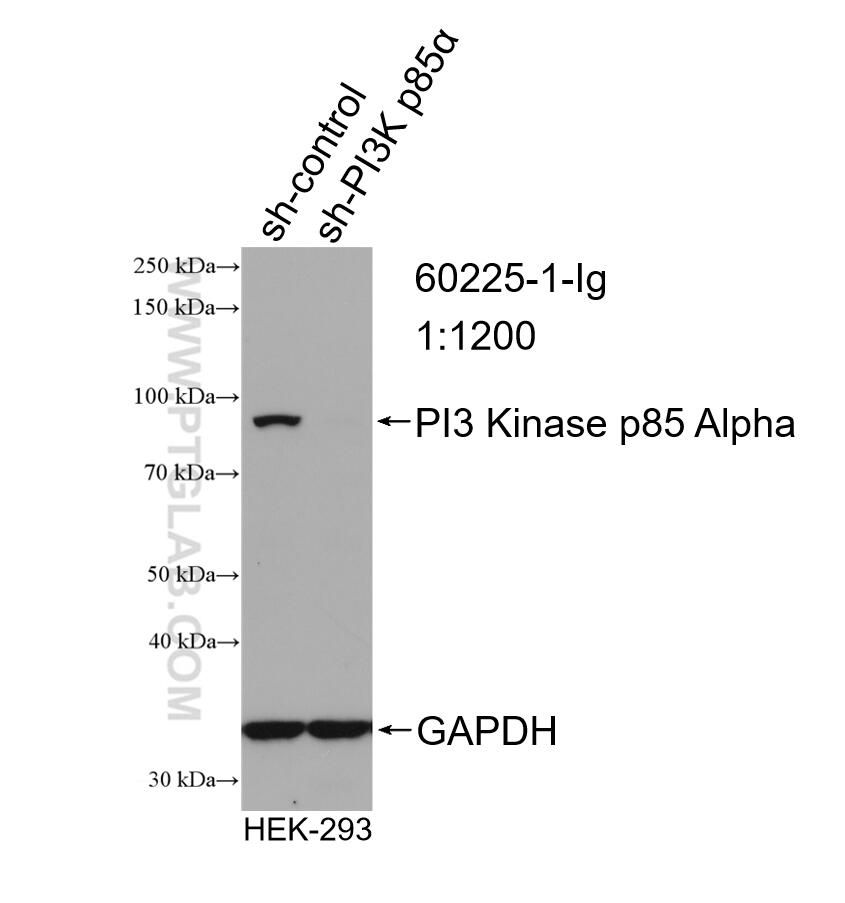
60225-1-Ig targets PI3 Kinase p85 Alpha in WB, IHC, IF, IP, CoIP, ELISA applications and shows reactivity with human, mouse, rat, pig, rabbit samples.
| Tested Reactivity | human, mouse, rat, pig, rabbit |
| Cited Reactivity | human, mouse, rat, pig, rabbit, canine, chicken, bovine, duck |
| Host / Isotype | Mouse / IgG2a |
| Class | Monoclonal |
| Type | Antibody |
| Immunogen |
CatNo: Ag2344 Product name: Recombinant human P85a; PIK3R1 protein Source: e coli.-derived, PGEX-4T Tag: GST Domain: 78-454 aa of BC030815 Sequence: RDTADGTFLVRDASTKMHGDYTLTLRKGGNNKLIKIFHRDGKYGFSDPLTFSSVVELINHYRNESLAQYNPKLDVKLLYPVSKYQQDQVVKEDNIEAVGKKLHKYNTQFQEKSREYDRLYEEYTRTSQEIQMKRTAIEAFNETIKIFEEQCQTQERYSKEYIEKFKREGNEKEIQRIMHNYDKLKSRISEIIDSRRRLEEDLKKQAAEYREIDKRMNSIKPDLIQLRKTRDQYLMWLTQKGVRQKKLNEWLGNENTEDQYSLVEDDEDLPHHDEKTWNVGSSNRNKAENLLRGKRDGTFLVRESSKQGCYACSVVVDGEVKHCVINKTATGYGFAEPYNLYSSLKELVLHYQHTSLVQHNDSLNVTLAYPVYAQQRR Predict reactive species |
| Full Name | phosphoinositide-3-kinase, regulatory subunit 1 (alpha) |
| Calculated Molecular Weight | 85 kDa |
| Observed Molecular Weight | 85 kDa |
| GenBank Accession Number | BC030815 |
| Gene Symbol | PI3 Kinase p85 Alpha |
| Gene ID (NCBI) | 5295 |
| RRID | AB_11042594 |
| Conjugate | Unconjugated |
| Form | Liquid |
| Purification Method | Protein A purification |
| UNIPROT ID | P27986 |
| Storage Buffer | PBS with 0.02% sodium azide and 50% glycerol, pH 7.3. |
| Storage Conditions | Store at -20°C. Stable for one year after shipment. Aliquoting is unnecessary for -20oC storage. 20ul sizes contain 0.1% BSA. |
Background Information
Phosphatidylinositol 3-kinase (PI3K) plays an important role in the metabolic actions of INS and is required for adipogenesis. The PI3K pathway has also been identified as an important player in cancer development and progression. The Class IA PI3K heterodimer, which is composed of a P110 catalytic subunit and a P85 regulatory subunit, is activated upon association of the P85 subunit with upstream adaptor proteins or receptor tyrosine kinases. Mutations in PIK3R1 are implicated in cases of breast cancer and associated to SHORT syndrome.
Protocols
| Product Specific Protocols | |
|---|---|
| IHC protocol for PI3 Kinase p85 Alpha antibody 60225-1-Ig | Download protocol |
| IP protocol for PI3 Kinase p85 Alpha antibody 60225-1-Ig | Download protocol |
| WB protocol for PI3 Kinase p85 Alpha antibody 60225-1-Ig | Download protocol |
| Standard Protocols | |
|---|---|
| Click here to view our Standard Protocols |
Publications
What published studies show
The PI3 Kinase p85 Alpha Monoclonal antibody (4G3C11), catalog number 60225-1-Ig, has accumulated 422 citations. Publications span high-impact journals including Molecular Cell, Journal of Clinical Investigation, Oncogene, Advanced Science, Cell Death & Differentiation, Autophagy, Phytomedicine, International Journal of Molecular Sciences, and Journal of Ethnopharmacology, among many others. Research fields encompass cancer biology, PI3K/AKT signaling, immunology, diabetes and metabolic disorders, neurology, inflammation, cardiovascular disease, liver pathology, and traditional Chinese medicine pharmacology.
| Species | Application | Title |
|---|---|---|
Signal Transduct Target Ther Family with sequence similarity 114 member A1 orchestrates immune evasion in triple-negative breast cancer | ||
Mol Cancer Spatial transcriptomic analysis of tumor microenvironment in esophageal squamous cell carcinoma with HIV infection | ||
Bioact Mater Metformin carbon dots-based osteogenic and protein delivery system to promote bone regeneration in periodontitis. | ||
Bioact Mater Y-RBCEVs accelerate fracture repair through osteogenesis and VCAN-mediated CD44/PI3K/AKT-dependent macrophage polarization. | ||
Bioact Mater Inhibition of ARH2 by pH/ROS-responsive nanosystem for improved lung adenocarcinoma immunochemotherapy. | ||
Drug Resist Updat Host-directed novel mechanistic insights of doxorubicin reveal its efficacy against drug-resistant HSV-1 underscoring risks with oncolytic virotherapy. |




























