
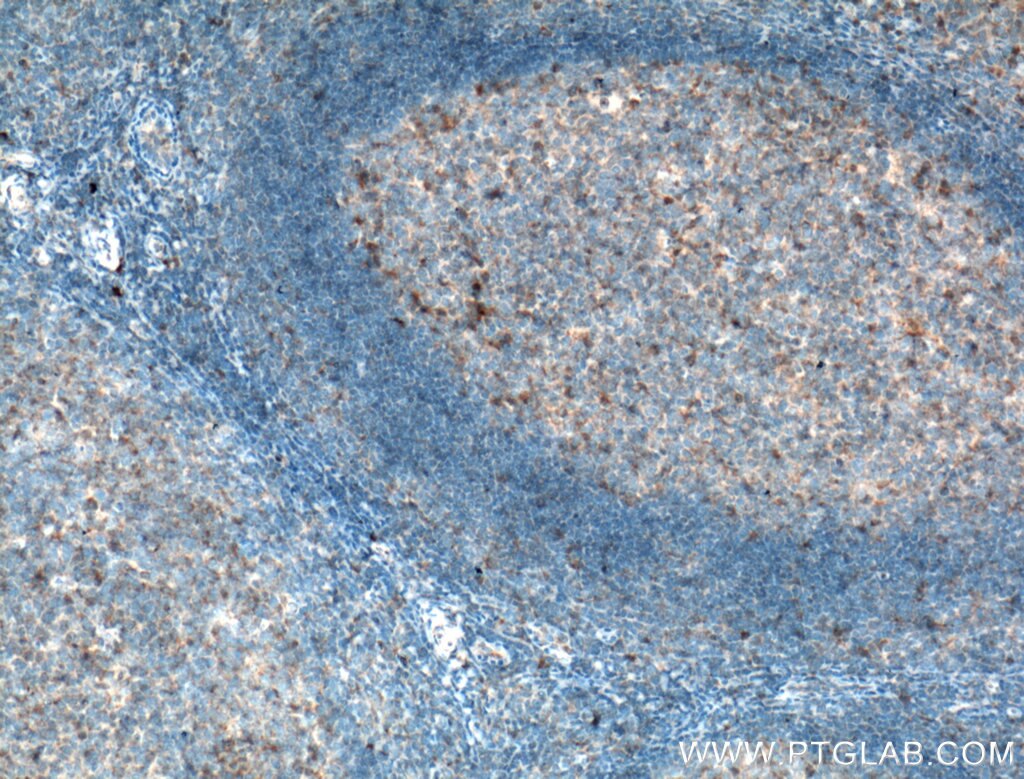
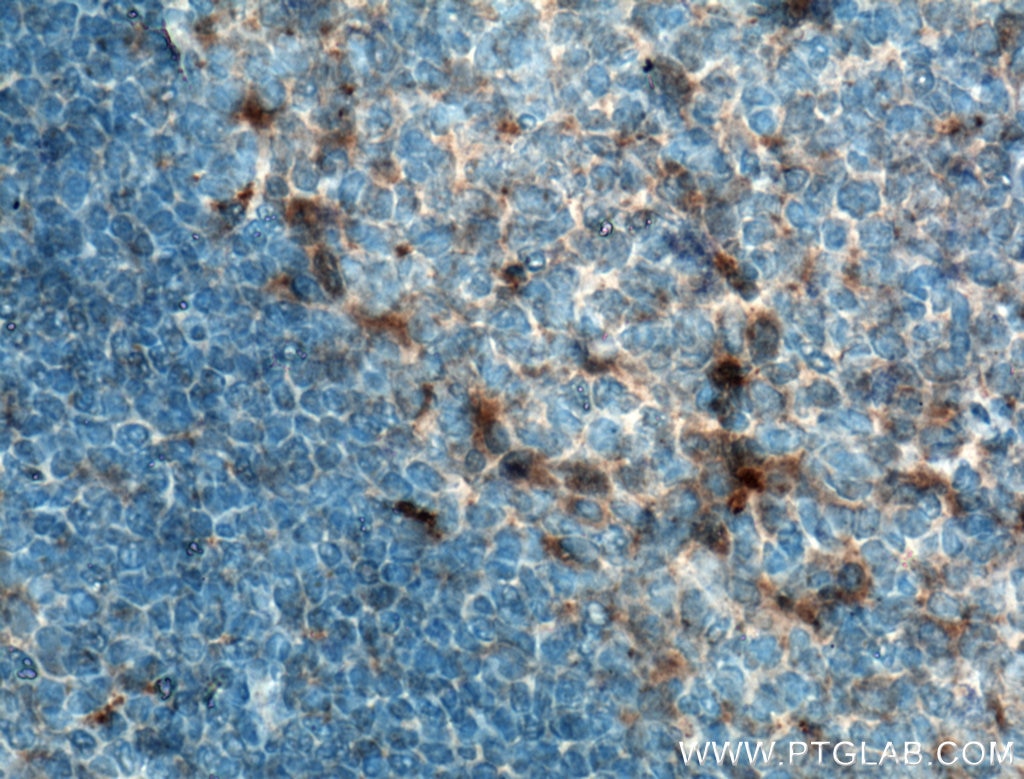
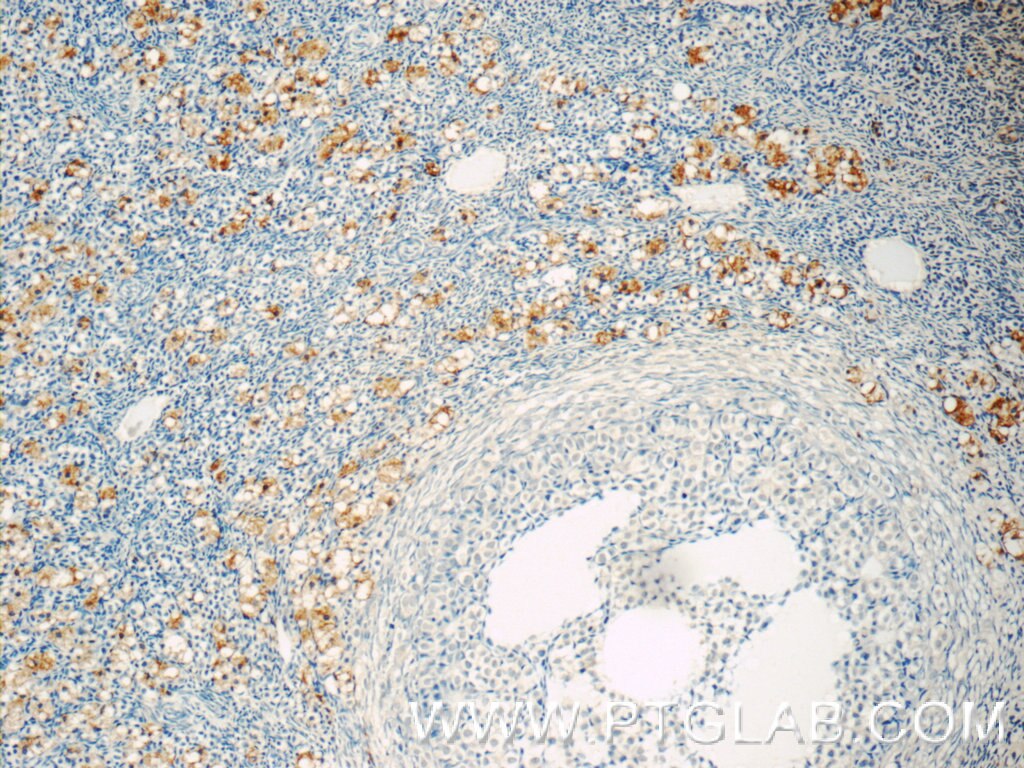
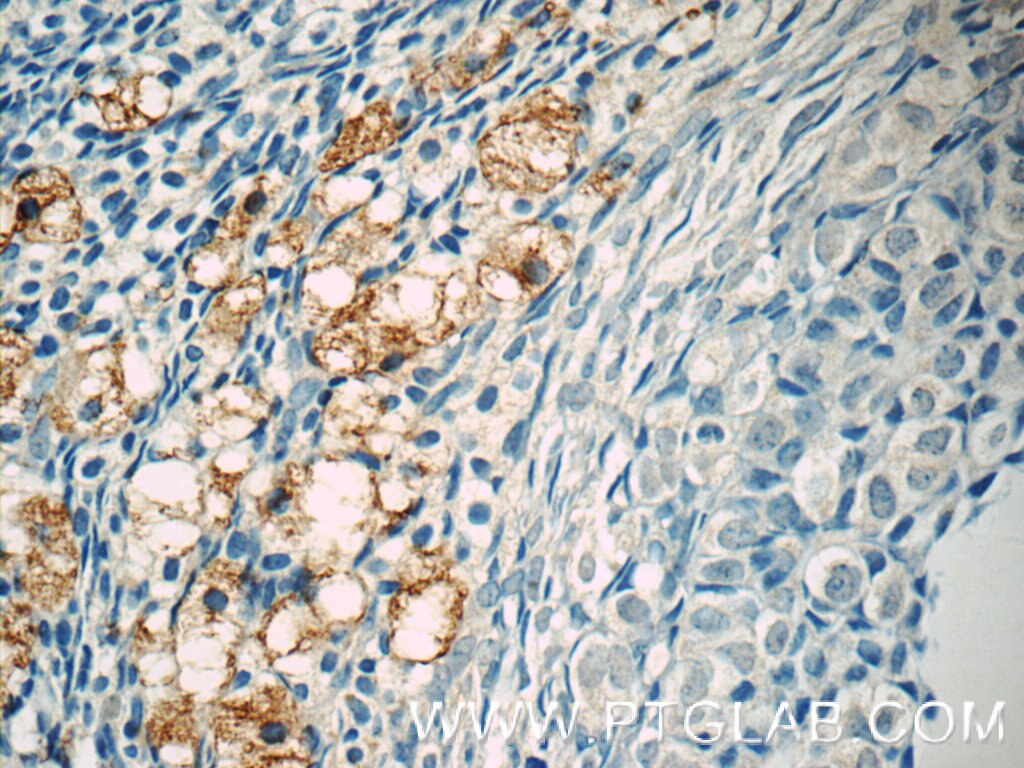

Tested Applications
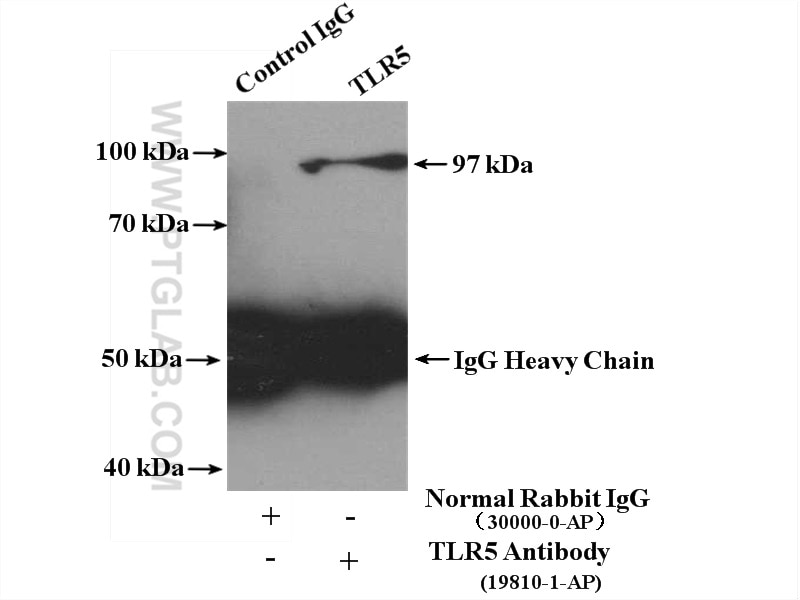
| Positive IP detected in | HeLa cells |
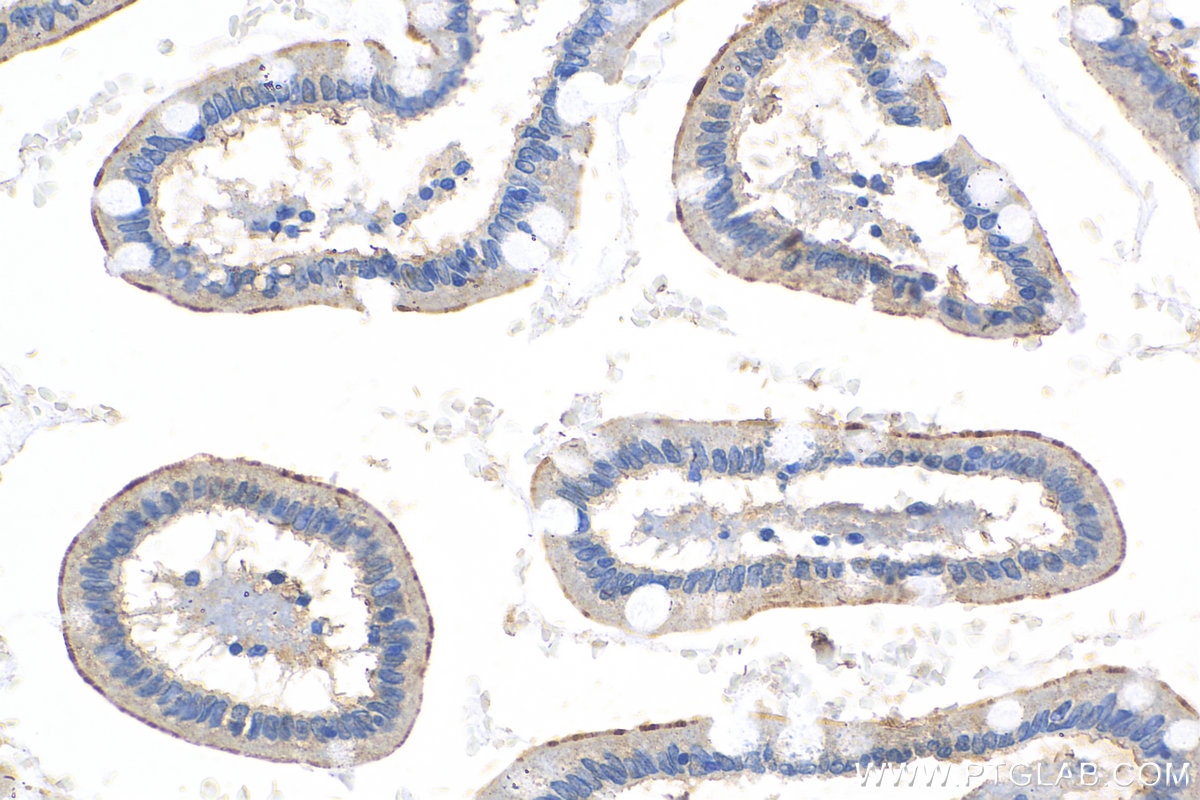
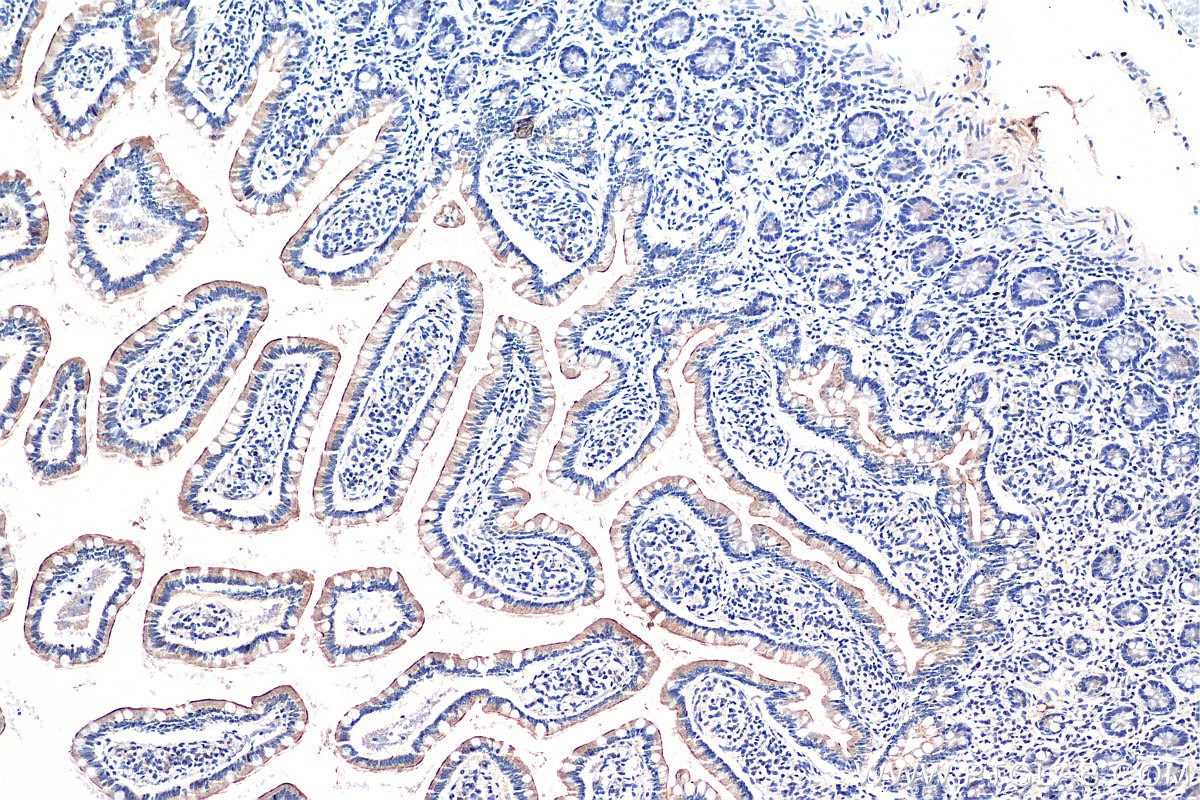
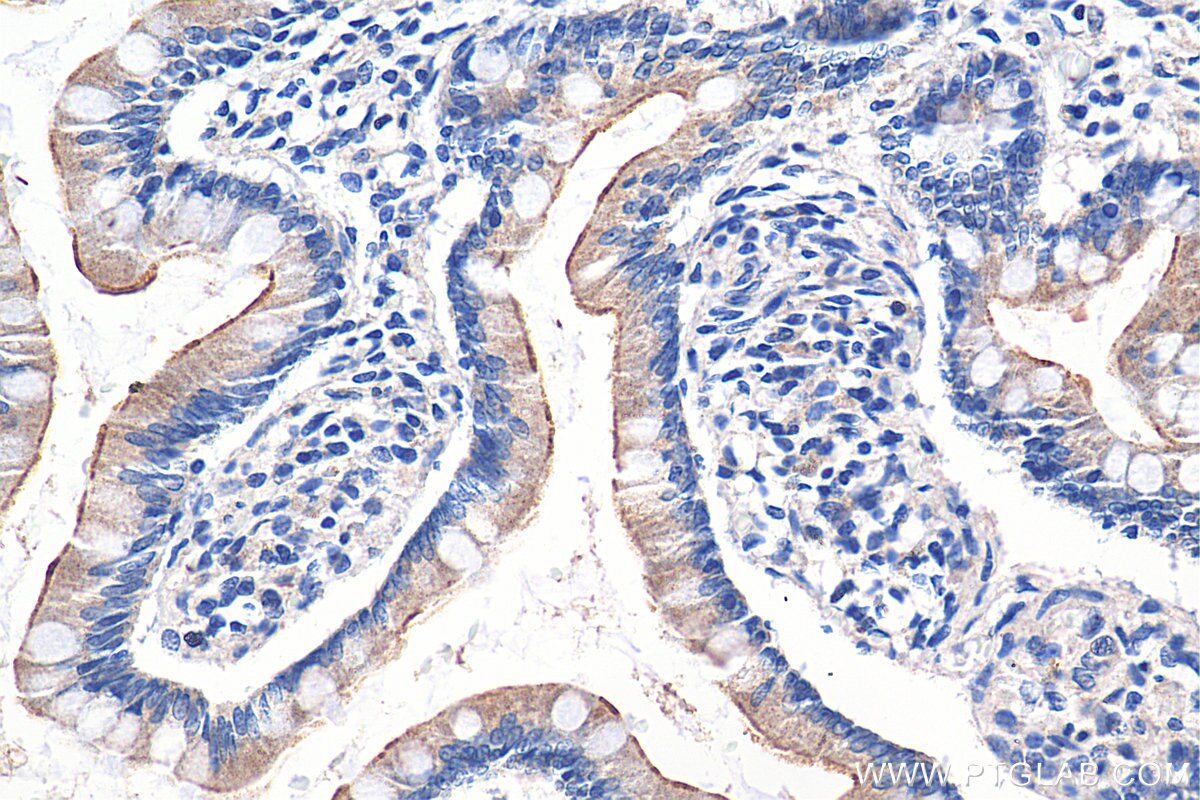
| Positive IHC detected in | human small intestine tissue, human tonsillitis tissue, human ovary tissue Note: suggested antigen retrieval with TE buffer pH 9.0; (*) Alternatively, antigen retrieval may be performed with citrate buffer pH 6.0 |
Recommended dilution
| Application | Dilution |
|---|---|
| Immunoprecipitation (IP) | IP : 0.5-4.0 ug for 1.0-3.0 mg of total protein lysate |
| Immunohistochemistry (IHC) | IHC : 1:200-1:800 |
| It is recommended that this reagent should be titrated in each testing system to obtain optimal results. | |
| Sample-dependent, Check data in validation data gallery. | |
Product Information
19810-1-AP targets TLR5 in WB, IHC, IF, IP, ELISA applications and shows reactivity with human, mouse samples.
| Tested Reactivity | human, mouse |
| Cited Reactivity | human, mouse, rat |
| Host / Isotype | Rabbit / IgG |
| Class | Polyclonal |
| Type | Antibody |
| Immunogen |
CatNo: Ag13840 Product name: Recombinant human TLR5 protein Source: e coli.-derived, PGEX-4T Tag: GST Domain: 661-858 aa of BC109119 Sequence: TKFRGFCFICYKTAQRLVFKDHPQGTEPDMYKYDAYLCFSSKDFTWVQNALLKHLDTQYSDQNRFNLCFEERDFVPGENRIANIQDAIWNSRKIVCLVSRHFLRDGWCLEAFSYAQGRCLSDLNSALIMVVVGSLSQYQLMKHQSIRGFVQKQQYLRWPEDLQDVGWFLHKLSQQILKKEKEKKKDNNIPLQTVATIS Predict reactive species |
| Full Name | toll-like receptor 5 |
| Calculated Molecular Weight | 858 aa, 98 kDa |
| Observed Molecular Weight | 97 kDa |
| GenBank Accession Number | BC109119 |
| Gene Symbol | TLR5 |
| Gene ID (NCBI) | 7100 |
| RRID | AB_10699876 |
| Conjugate | Unconjugated |
| Form | Liquid |
| Purification Method | Antigen affinity purification |
| UNIPROT ID | O60602 |
| Storage Buffer | PBS with 0.02% sodium azide and 50% glycerol, pH 7.3. |
| Storage Conditions | Store at -20°C. Stable for one year after shipment. Aliquoting is unnecessary for -20oC storage. 20ul sizes contain 0.1% BSA. |
Background Information
TLR5 belongs to the Toll-like receptor family which are important in the innate immune response to pathogens. TLRs are highly conserved from Drosophila to humans and share structural and functional similarities. TLR5 is known to recognize bacterial flagellin from invading mobile bacteria. TLR5 acts via MYD88 and TRAF6, leading to NF-kappa-B activation, cytokine secretion and the inflammatory response. Mutations in TLR5 gene have been associated with both resistance and susceptibility to systemic lupus erythematosus, and susceptibility to Legionnaire disease.
Protocols
| Product Specific Protocols | |
|---|---|
| IHC protocol for TLR5 antibody 19810-1-AP | Download protocol |
| IP protocol for TLR5 antibody 19810-1-AP | Download protocol |
| Standard Protocols | |
|---|---|
| Click here to view our Standard Protocols |
Publications
What published studies show
The anti-TLR5 antibody (Cat# 19810-1-AP) has 17 citations across journals including Theranostics, EBioMedicine, Frontiers in Immunology, Antioxidants & Redox Signaling, Cells, International Journal of Molecular Science, Oncotarget, Microbiology Spectrum, Journal of Cellular Physiology, 3 Biotech, PeerJ, Radiation Research, and Oncology Letters. Research fields span TLR/NF-κB signaling, inflammatory bowel disease, liver fibrosis, cancer, sepsis, radiation injury, and gut microbiome-immunity interactions.
| Species | Application | Title |
|---|---|---|
Theranostics Prussian blue nanozyme-mediated nanoscavenger ameliorates acute pancreatitis via inhibiting TLRs/NF-κB signaling pathway. | ||
EBioMedicine Roseburia intestinalis stimulates TLR5-dependent intestinal immunity against Crohn's disease | ||
Front Immunol The role of intestinal immune cells and matrix metalloproteinases in inflammatory bowel disease | ||
Front Immunol Stimulation of regulatory dendritic cells suppresses cytotoxic T cell function and alleviates DEN-induced liver injury, fibrosis and hepatocellular carcinoma | ||
Antioxid Redox Signal Glycyrrhizin Protects Submandibular Gland Against Radiation Damage by Enhancing Antioxidant Defense and Preserving Mitochondrial Homeostasis | ||
Cells Fibronectin Functions as a Selective Agonist for Distinct Toll-like Receptors in Triple-Negative Breast Cancer. |









