



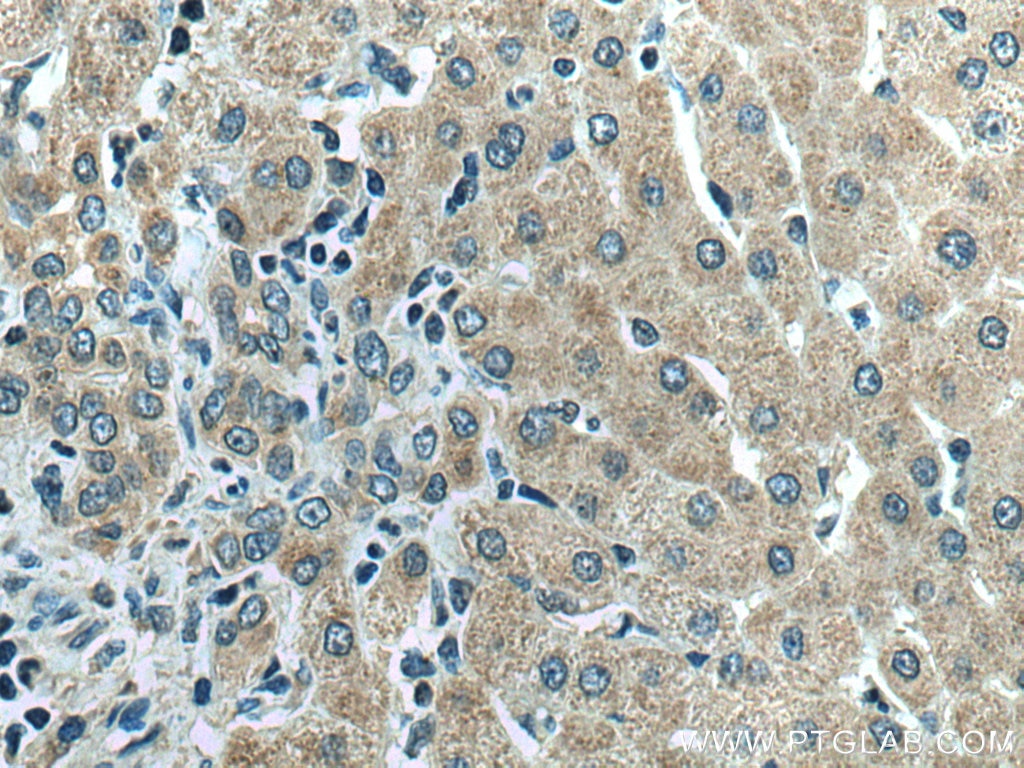
Tested Applications
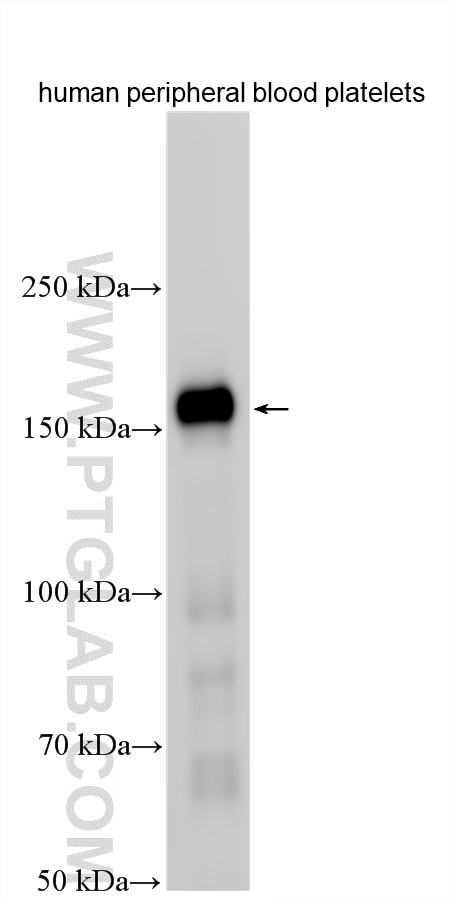
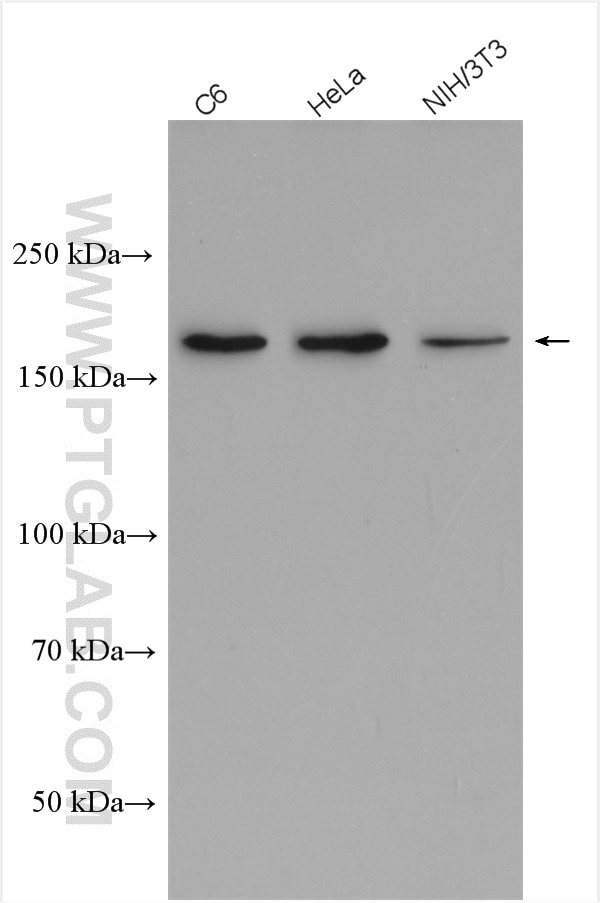
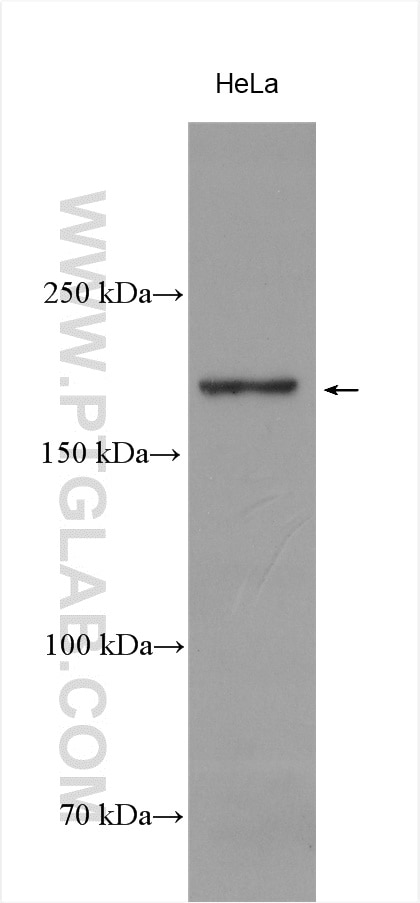
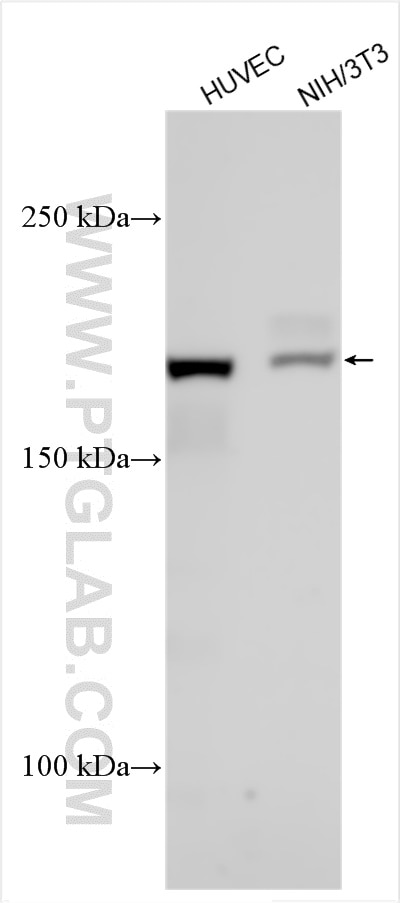
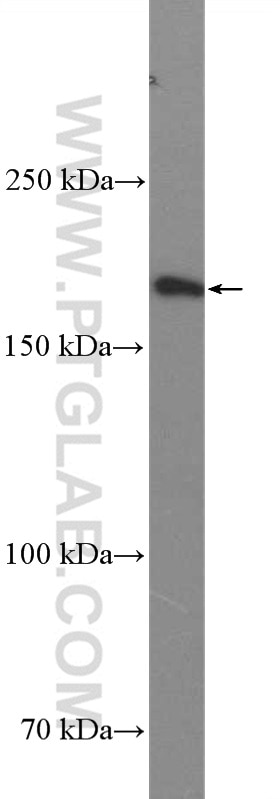
| Positive WB detected in | human peripheral blood platelets, A431 cells, C6 cells, HeLa cells, HUVEC cells, NIH/3T3 cells, RAW 264.7 cells |
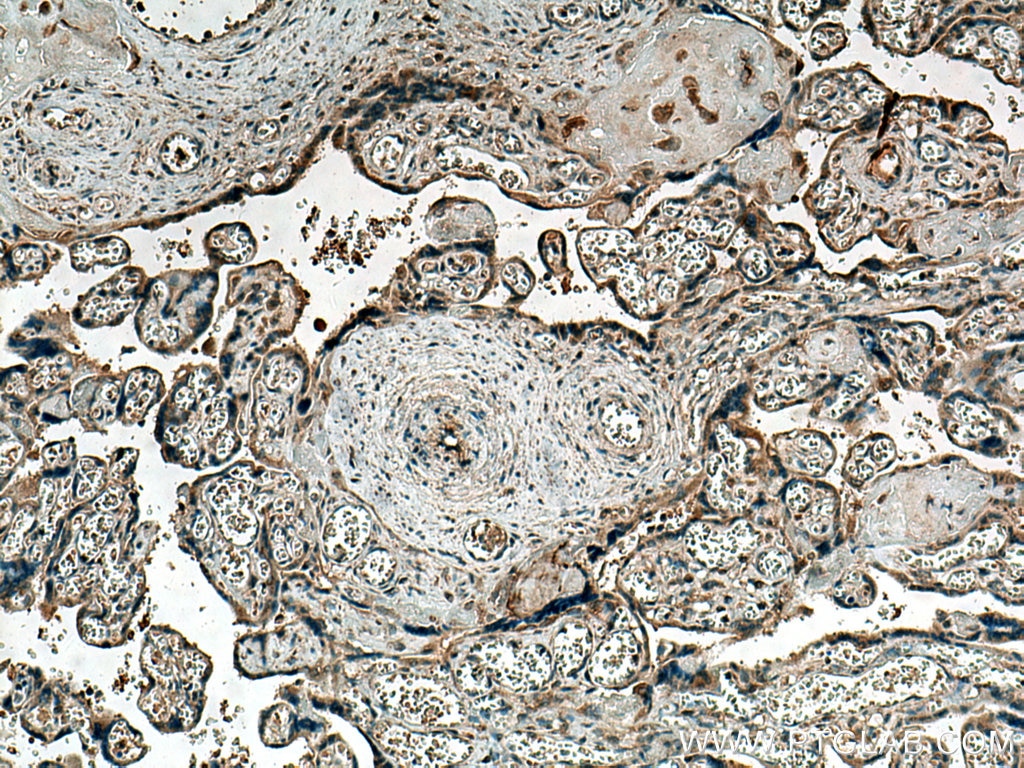
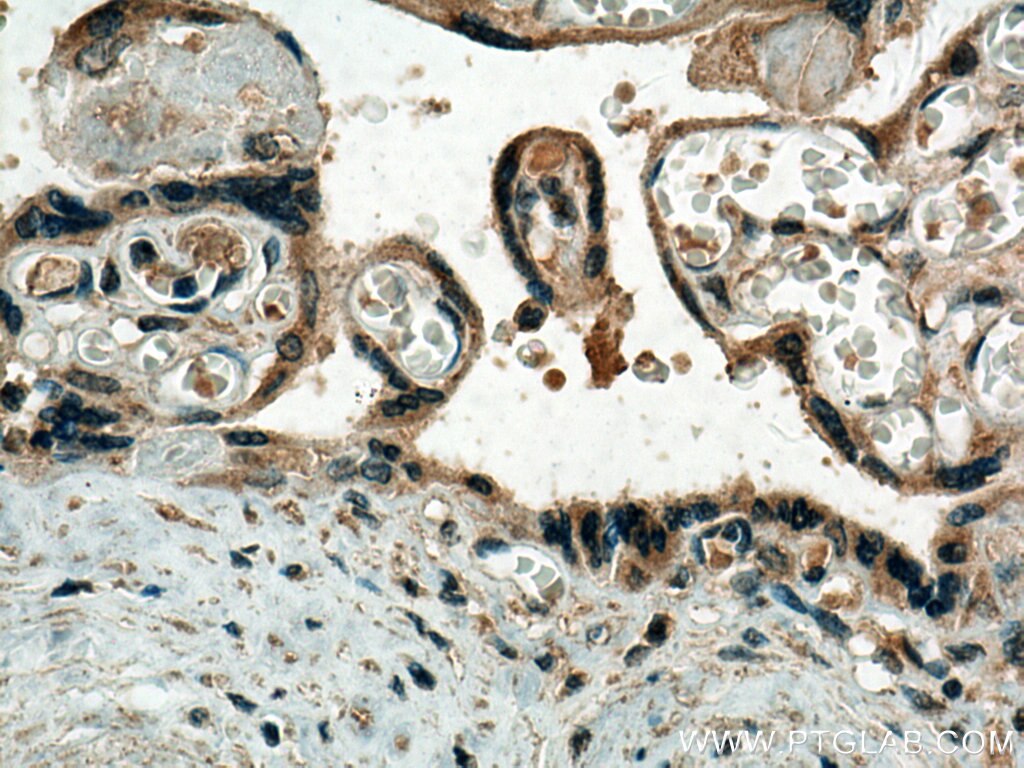
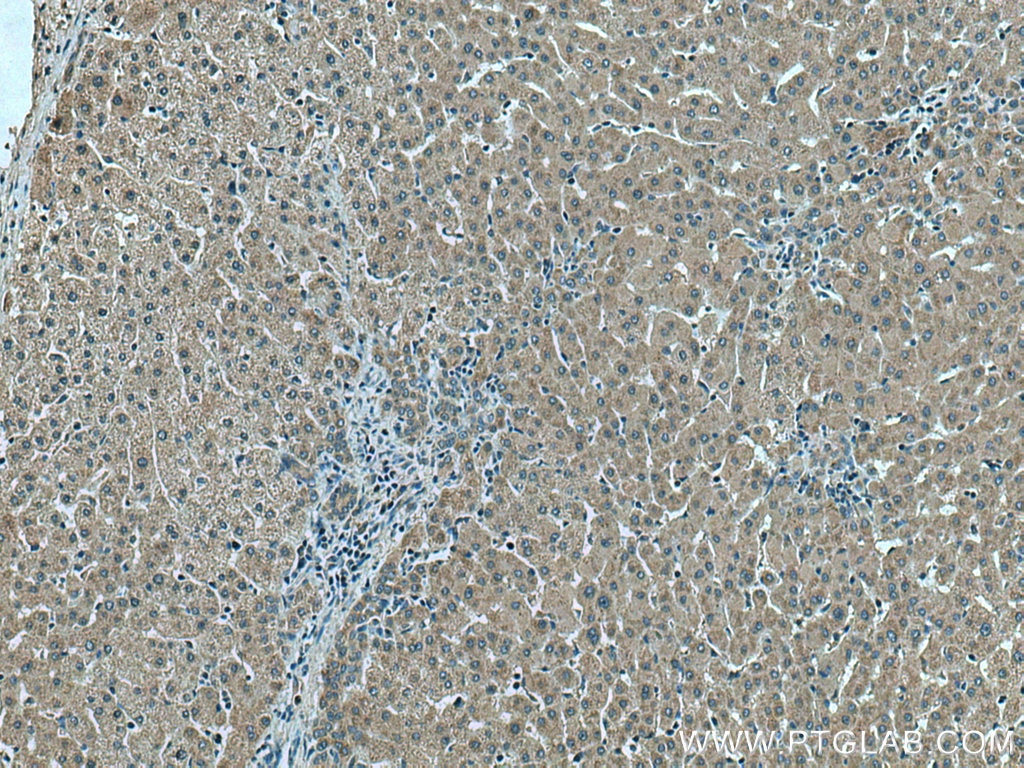
| Positive IHC detected in | human lung cancer tissue, human liver tissue, human placenta tissue Note: suggested antigen retrieval with TE buffer pH 9.0; (*) Alternatively, antigen retrieval may be performed with citrate buffer pH 6.0 |
Recommended dilution
| Application | Dilution |
|---|---|
| Western Blot (WB) | WB : 1:5000-1:50000 |
| Immunohistochemistry (IHC) | IHC : 1:50-1:500 |
| It is recommended that this reagent should be titrated in each testing system to obtain optimal results. | |
| Sample-dependent, Check data in validation data gallery. | |
Product Information
18304-1-AP targets Thrombospondin 1 in WB, IHC, IF, CoIP, ELISA applications and shows reactivity with human, mouse, rat samples.
| Tested Reactivity | human, mouse, rat |
| Cited Reactivity | human, mouse, rat, pig, monkey |
| Host / Isotype | Rabbit / IgG |
| Class | Polyclonal |
| Type | Antibody |
| Immunogen |
Peptide Predict reactive species |
| Full Name | thrombospondin 1 |
| Calculated Molecular Weight | 129 kDa |
| Observed Molecular Weight | 180 kDa |
| GenBank Accession Number | BC028145 |
| Gene Symbol | Thrombospondin 1 |
| Gene ID (NCBI) | 7057 |
| RRID | AB_2201959 |
| Conjugate | Unconjugated |
| Form | Liquid |
| Purification Method | Antigen affinity purification |
| UNIPROT ID | P07996 |
| Storage Buffer | PBS with 0.02% sodium azide and 50% glycerol, pH 7.3. |
| Storage Conditions | Store at -20°C. Stable for one year after shipment. Aliquoting is unnecessary for -20oC storage. 20ul sizes contain 0.1% BSA. |
Background Information
Thrombospondin 1(TSP-1), an extracellular matrix protein, is the first identified natural angiogenesis inhibitor. A variety of normal cells, including endothelial cells, fibroblasts, adipocytes, smooth muscle cells, monocytes, macrophages, and transformed cells such as malignant glioma cells, secrete Thrombospondin 1. It regulates cellular phenotype during tissue genesis and repair. It acts as a molecular facilitator by bringing together cytokines, growth factors, matrix components, membrane receptors and extracellular proteases. Thrombospondin 1 binds to a wide variety of integrin and non-integrin cell surface receptors. It is also a major activator of transforming growth factor (TGFβ1). Secreted TSP1 is a glycoprotein with a molecular mass of 150-180 kDa.
Protocols
| Product Specific Protocols | |
|---|---|
| IHC protocol for Thrombospondin 1 antibody 18304-1-AP | Download protocol |
| WB protocol for Thrombospondin 1 antibody 18304-1-AP | Download protocol |
| Standard Protocols | |
|---|---|
| Click here to view our Standard Protocols |
Publications
What published studies show
| Species | Application | Title |
|---|---|---|
Cancer Cell Cathepsin C promotes breast cancer lung metastasis by modulating neutrophil infiltration and neutrophil extracellular trap formation. | ||
Bone Res Single-cell sequencing reveals a senescent immune landscape in bone marrow lesions inducing articular cartilage damage in osteoarthritis. | ||
Nat Commun The C5a/C5a receptor 1 axis controls tissue neovascularization through CXCL4 release from platelets. | ||
Nat Commun Activation of E-prostanoid 3 receptor in macrophages facilitates cardiac healing after myocardial infarction. | ||
Theranostics FN1 mRNA 3'-UTR supersedes traditional fibronectin 1 in facilitating the invasion and metastasis of gastric cancer through the FN1 3'-UTR-let-7i-5p-THBS1 axis |
Reviews
What customers say
The reviews below have been submitted by verified Proteintech customers who received an incentive for providing their feedback.
Emma (Verified Customer) (03-15-2022) | A single band by WB in DU145 cells. Used at 1:1000 @ 4C overnight.
|













