
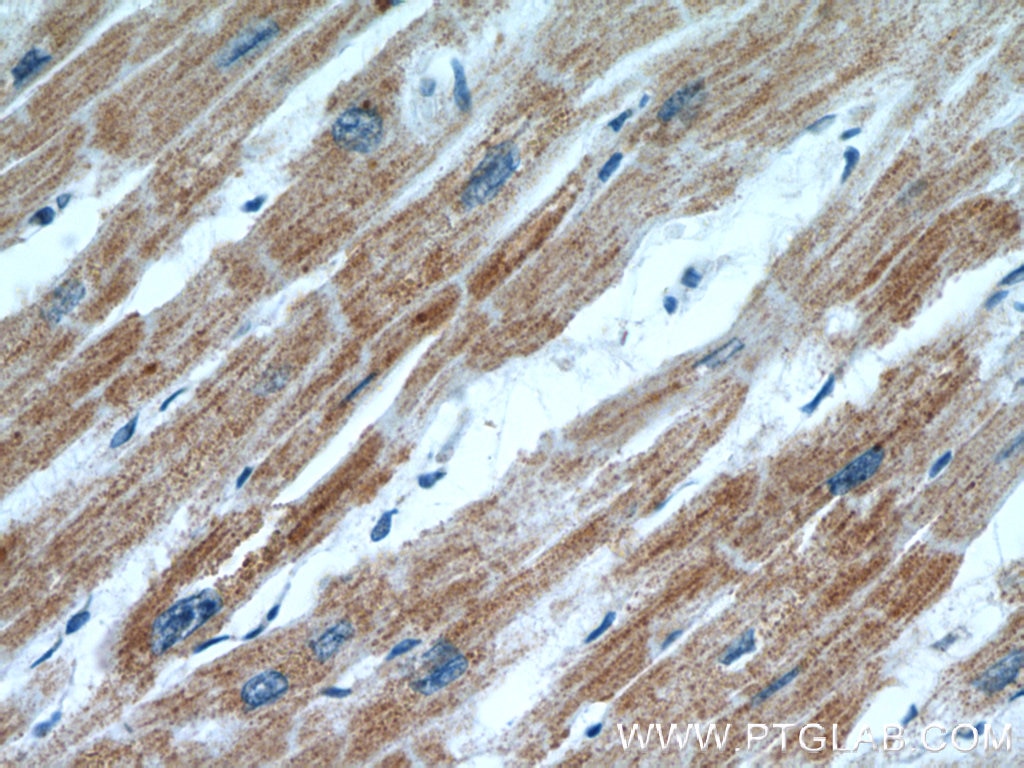

Tested Applications
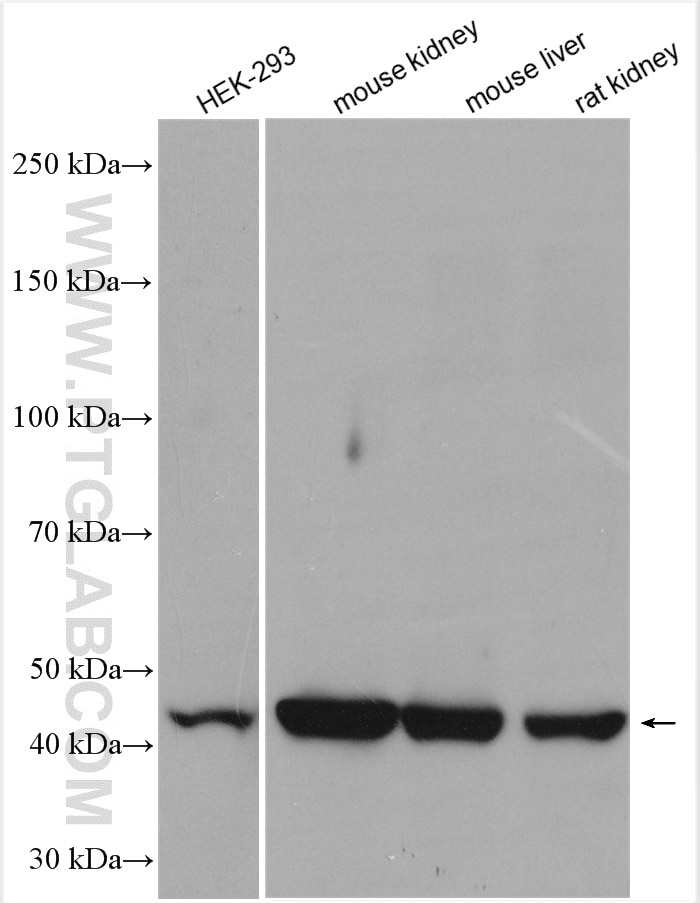
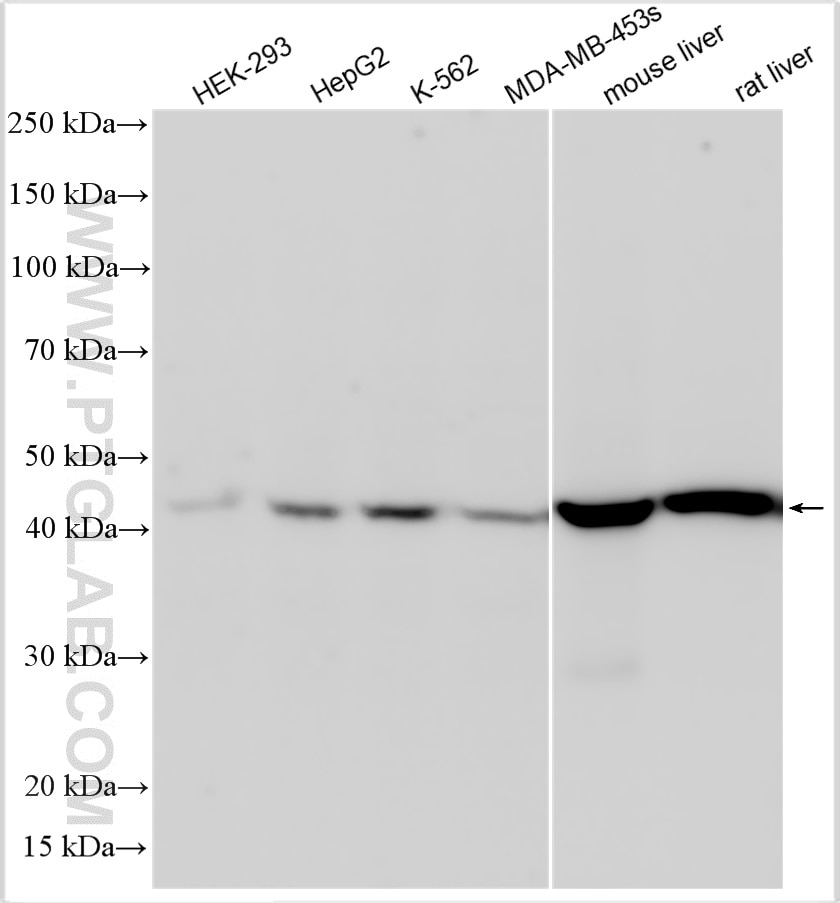
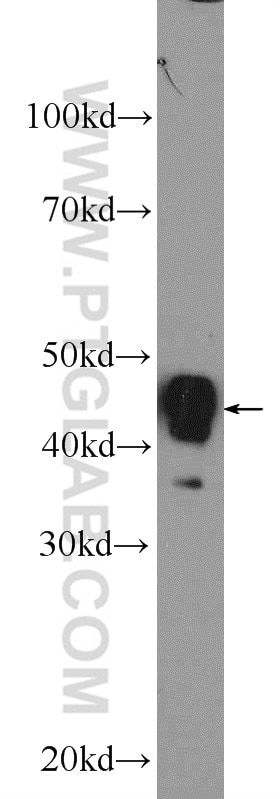
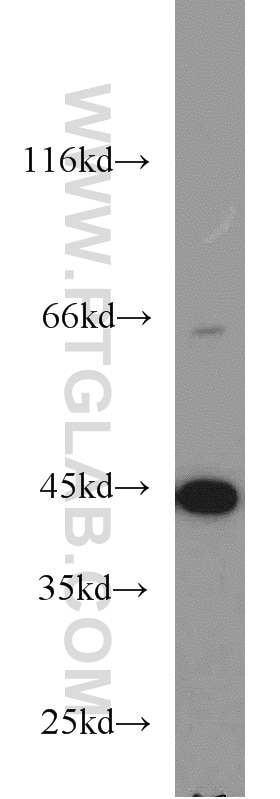
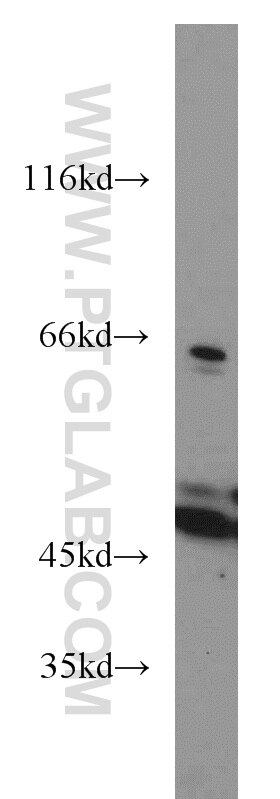
| Positive WB detected in | HEK-293 cells, K-562 cells, HepG2 cells, rat heart tissue, MDA-MB-453s cells, mouse liver tissue, rat liver tissue, mouse kidney tissue, rat kidney tissue |
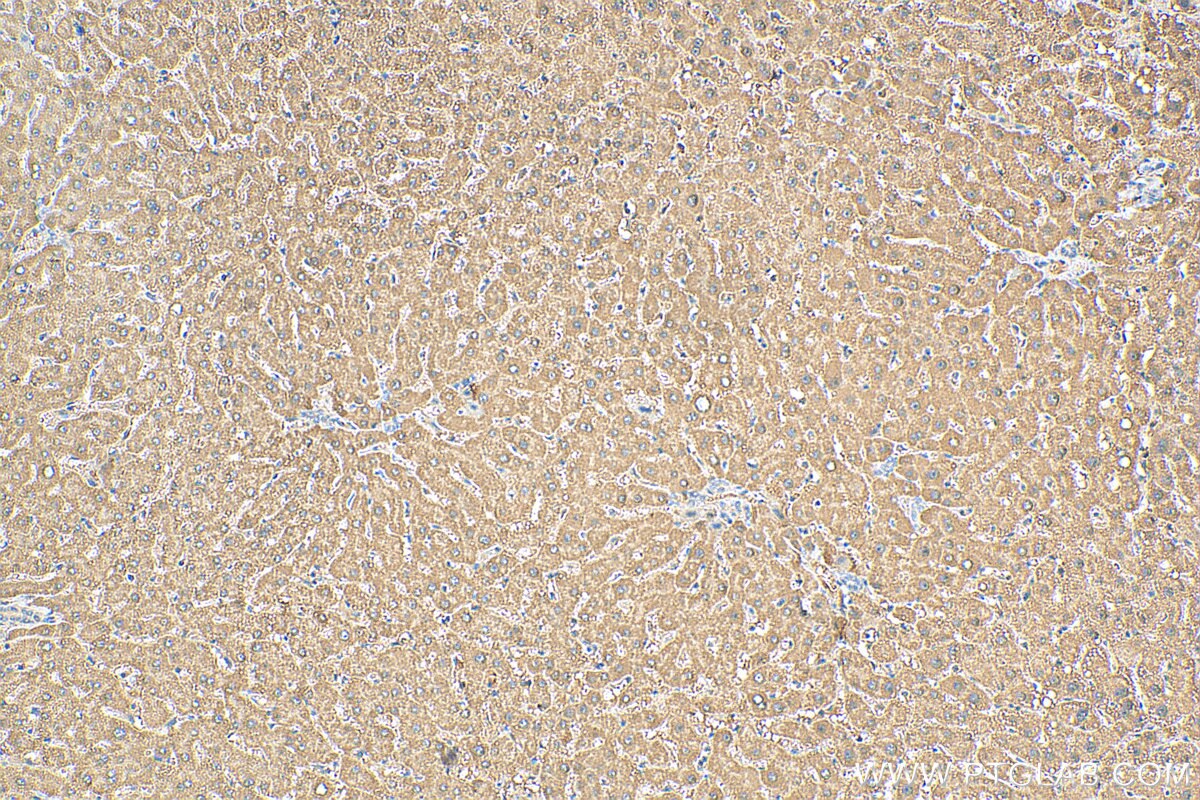
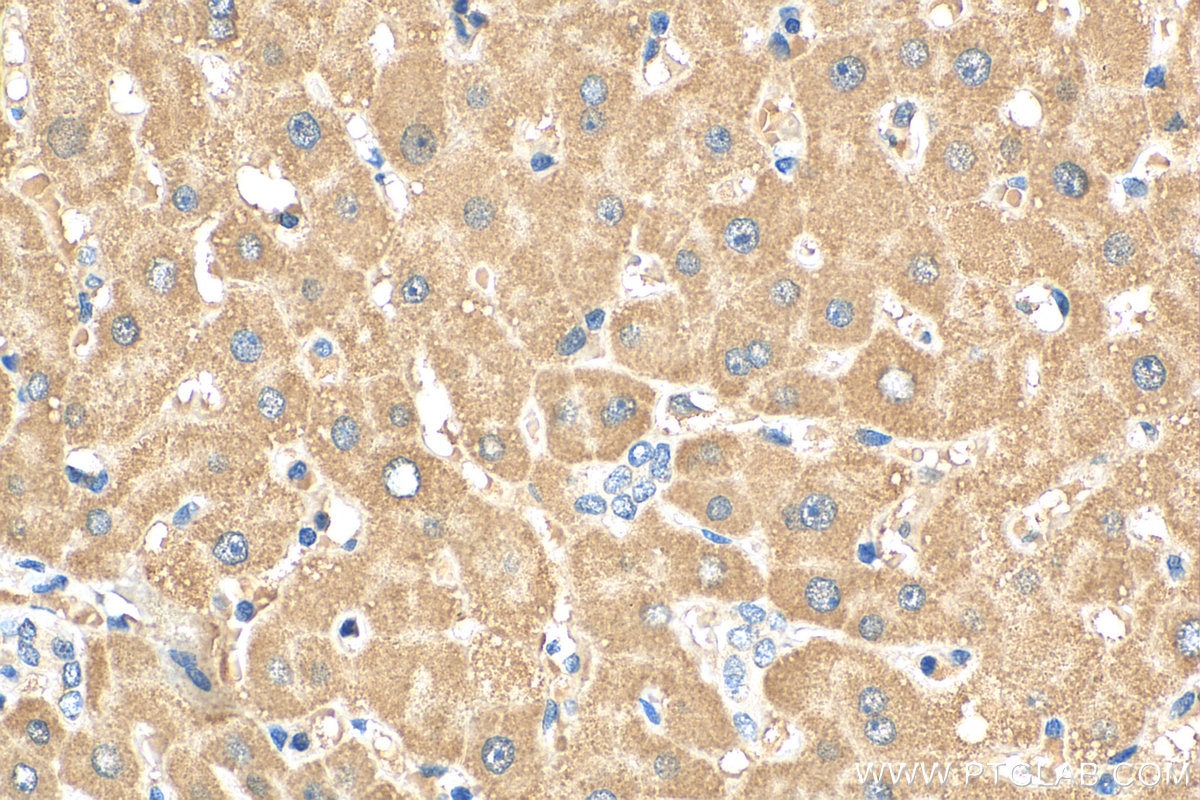
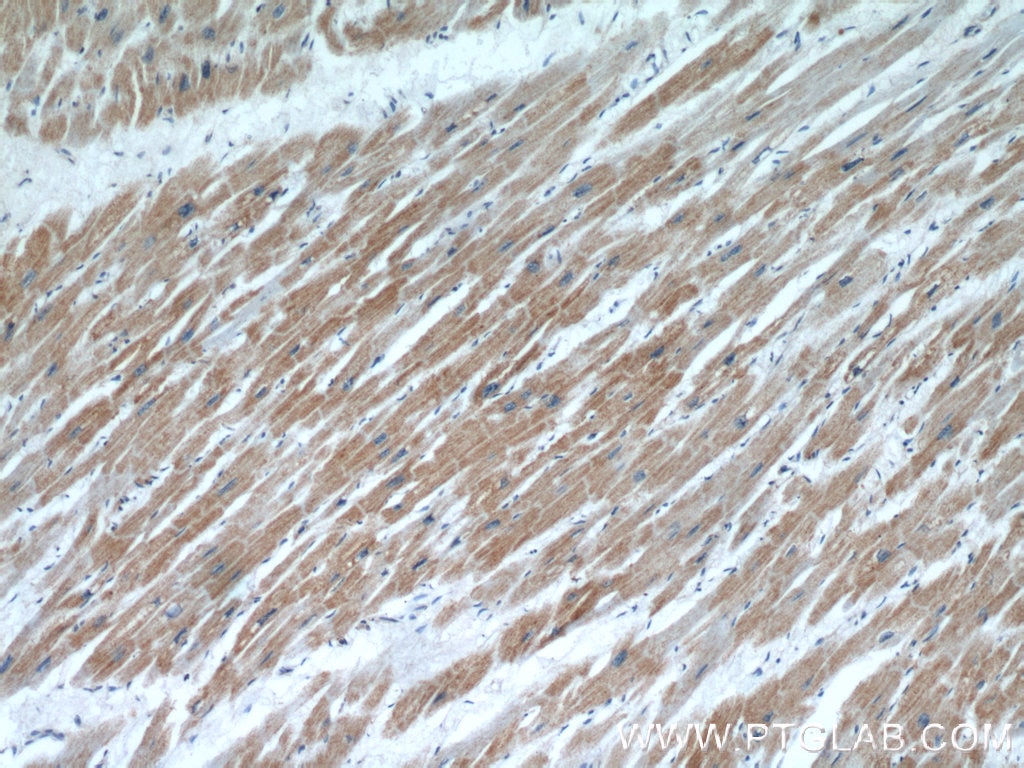
| Positive IHC detected in | human liver tissue, human heart tissue Note: suggested antigen retrieval with TE buffer pH 9.0; (*) Alternatively, antigen retrieval may be performed with citrate buffer pH 6.0 |
Recommended dilution
| Application | Dilution |
|---|---|
| Western Blot (WB) | WB : 1:1000-1:6000 |
| Immunohistochemistry (IHC) | IHC : 1:50-1:500 |
| It is recommended that this reagent should be titrated in each testing system to obtain optimal results. | |
| Sample-dependent, Check data in validation data gallery. | |
Product Information
55210-1-AP targets ACADM in WB, IHC, IF, IP, ELISA applications and shows reactivity with human, mouse, rat samples.
| Tested Reactivity | human, mouse, rat |
| Cited Reactivity | human, mouse, rat |
| Host / Isotype | Rabbit / IgG |
| Class | Polyclonal |
| Type | Antibody |
| Immunogen |
Peptide Predict reactive species |
| Full Name | acyl-Coenzyme A dehydrogenase, C-4 to C-12 straight chain |
| Calculated Molecular Weight | 47 kDa |
| Observed Molecular Weight | 45-50 kDa |
| GenBank Accession Number | NM_000016 |
| Gene Symbol | ACADM |
| Gene ID (NCBI) | 34 |
| RRID | AB_10837361 |
| Conjugate | Unconjugated |
| Form | Liquid |
| Purification Method | Antigen affinity purification |
| UNIPROT ID | P11310 |
| Storage Buffer | PBS with 0.02% sodium azide and 50% glycerol, pH 7.3. |
| Storage Conditions | Store at -20°C. Stable for one year after shipment. Aliquoting is unnecessary for -20oC storage. 20ul sizes contain 0.1% BSA. |
Background Information
ACADM, also named as MCAD, belongs to the acyl-CoA dehydrogenase family. This enzyme is specific for acyl chain lengths of 4 to 16. It catalyzes the reaction: Acyl-CoA + acceptor = 2,3-dehydroacyl-CoA + reduced acceptor. Defects in ACADM are the cause of medium-chain acyl-CoA dehydrogenase deficiency (MCAD deficiency). This protein can exsit as a dimer(PMID:8962055). This antibody is specific to ACADM.
Protocols
| Product Specific Protocols | |
|---|---|
| IHC protocol for ACADM antibody 55210-1-AP | Download protocol |
| WB protocol for ACADM antibody 55210-1-AP | Download protocol |
| Standard Protocols | |
|---|---|
| Click here to view our Standard Protocols |
Publications
What published studies show
ACADM Polyclonal antibody (Cat# 55210-1-AP) has accumulated 79 citations published in journals including Nature Cell Biology, Cell Research, Cell Reports, Circulation Research, EMBO Molecular Medicine, Molecular Metabolism, Cell Death & Differentiation, and International Journal of Molecular Sciences. The associated research fields encompass lipid and fatty acid β-oxidation metabolism, cardiovascular disease, liver disease (NAFLD, hepatocellular carcinoma), cancer metabolic reprogramming, diabetes, mitochondrial dysfunction, and renal pathology.
| Species | Application | Title |
|---|---|---|
Nanomicro Lett Nanoparticle-Mediated Lipid Metabolic Reprogramming of T Cells in Tumor Microenvironments for Immunometabolic Therapy. | ||
Cell Res Hypoxia induces mitochondrial protein lactylation to limit oxidative phosphorylation | ||
Bioact Mater A foam cell-targeted lipophagy restoration strategy stabilizes vulnerable atherosclerotic plaques. | ||
Nat Cell Biol BCAT2-mediated BCAA catabolism is critical for development of pancreatic ductal adenocarcinoma. | ||
Exp Mol Med PIK3R3 regulates PPARα expression to stimulate fatty acid β-oxidation and decrease hepatosteatosis. |
Reviews
What customers say
Both reviewers gave this product a perfect 5-star rating. One user reported consistent performance in immunohistochemistry on liver tissue at a 1:150 dilution. The other confirmed strong results in Western blotting on mouse heart lysates, noting a single strong and clear band. Overall, users are satisfied with the antibody's reliability and specificity across different applications.
The reviews below have been submitted by verified Proteintech customers who received an incentive for providing their feedback.
Yasuyo (Verified Customer) (07-22-2021) | Works good consistently.
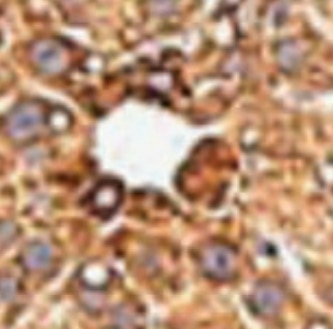 |
chao (Verified Customer) (01-30-2020) | Single strong, clear band for heart lysates
|










