

Tested Applications
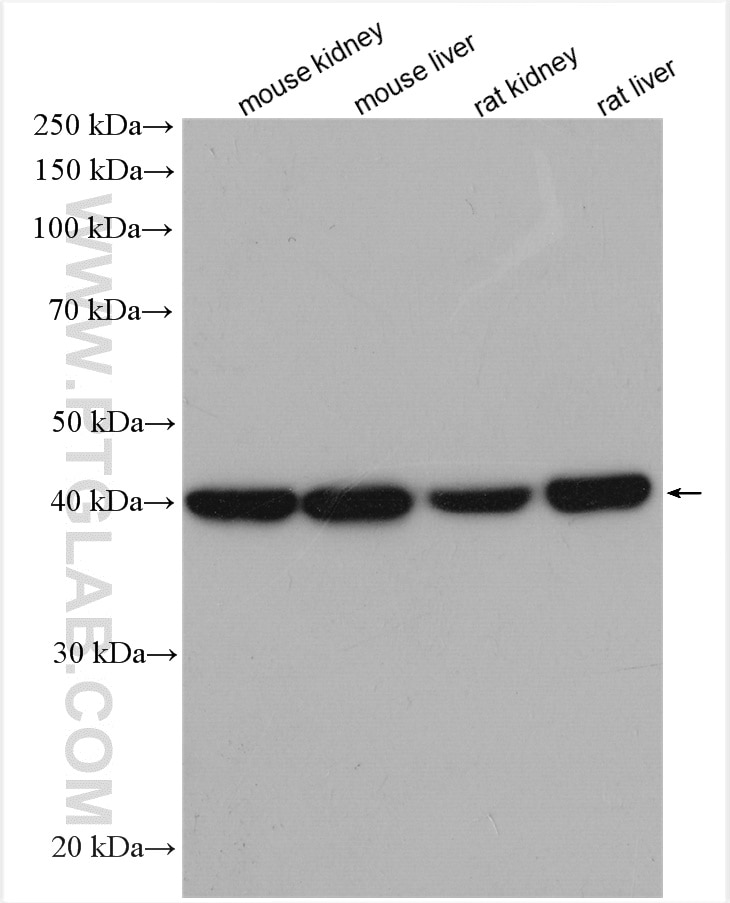
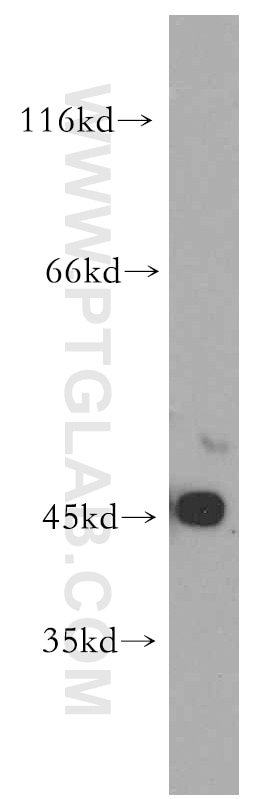
| Positive WB detected in | mouse kidney tissue, COS-7 cells, mouse liver tissue, rat kidney tissue, rat liver tissue |
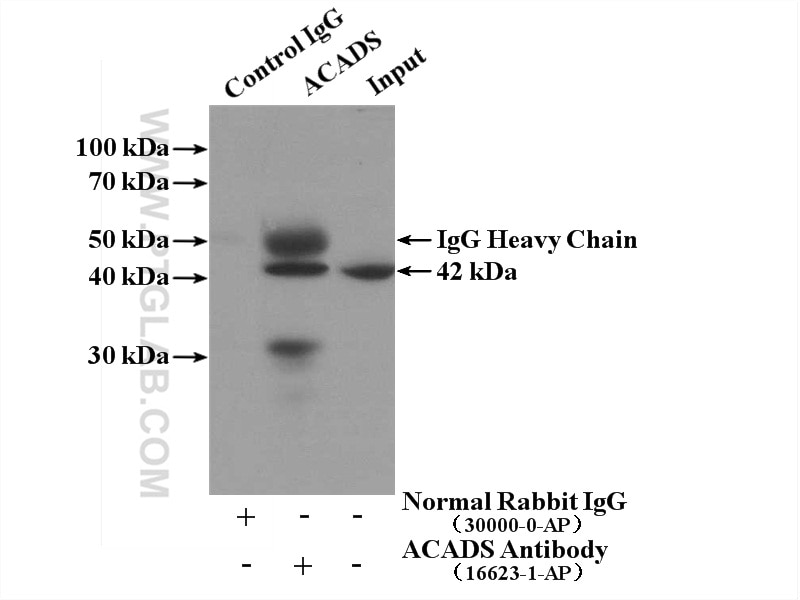
| Positive IP detected in | HEK-293 cells |
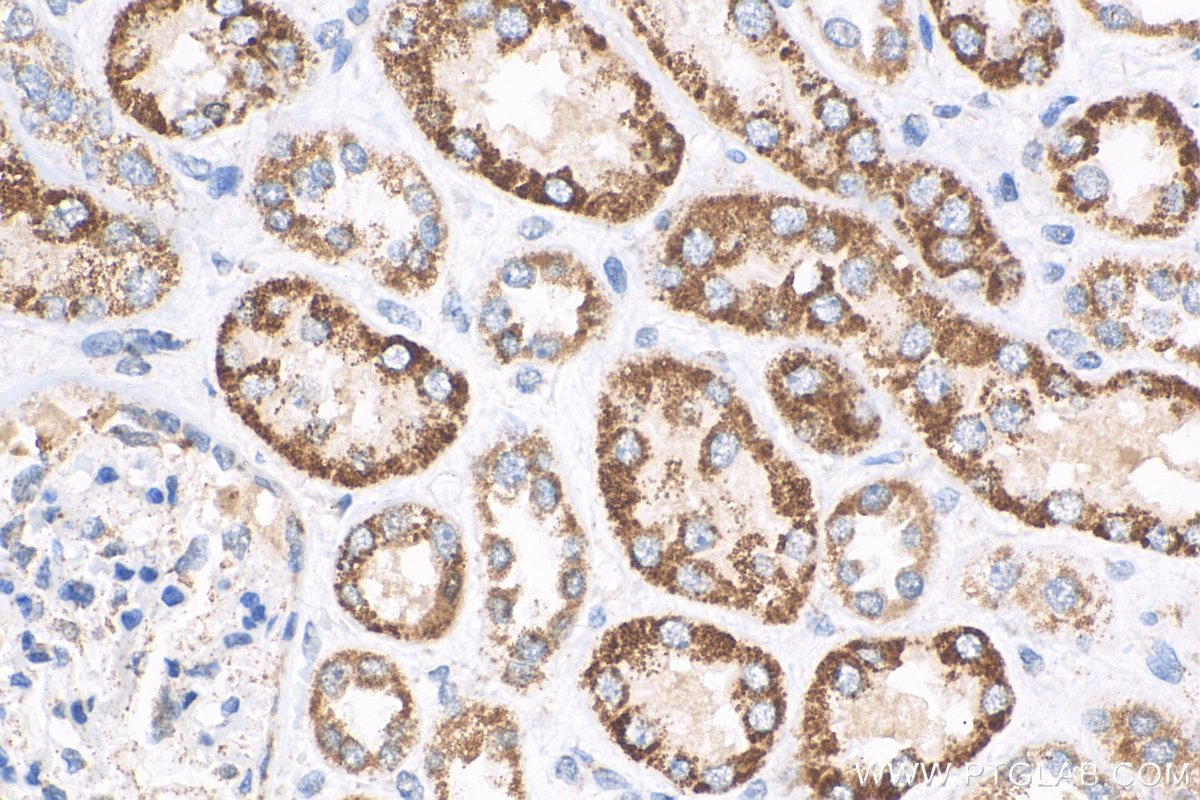
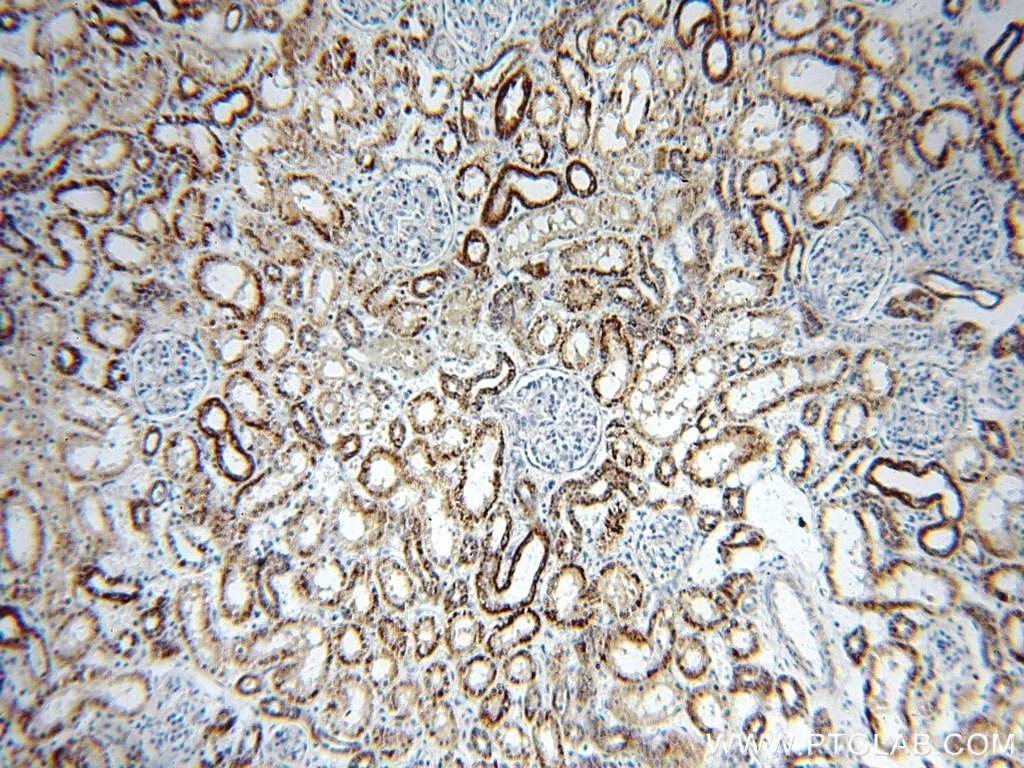
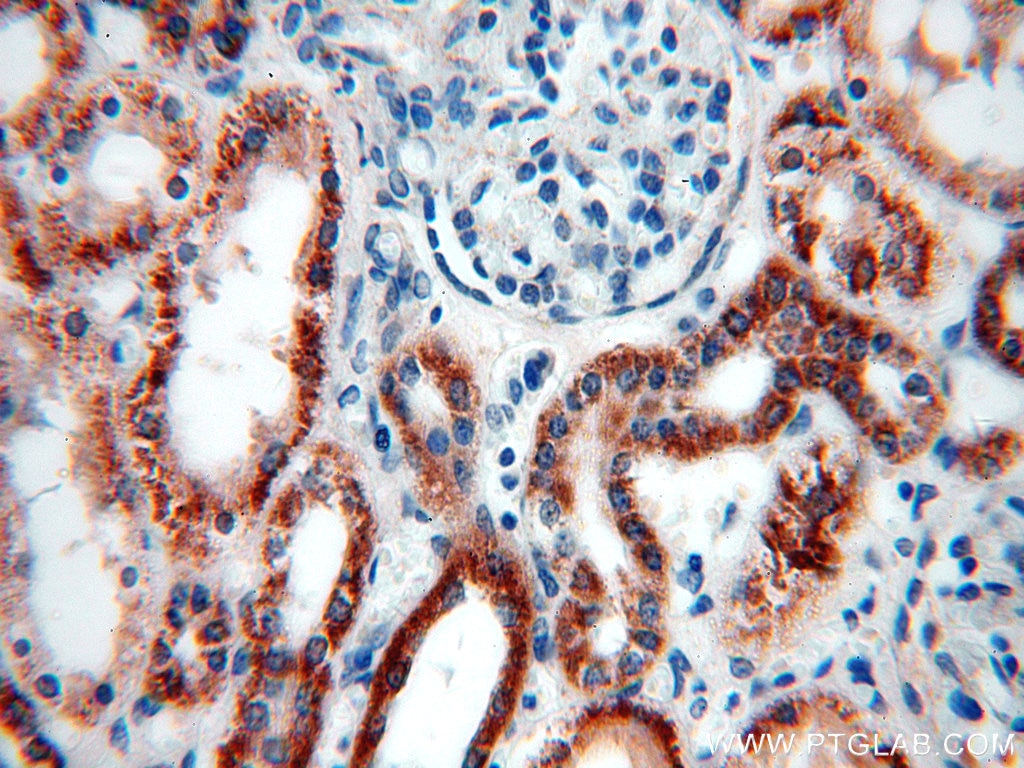
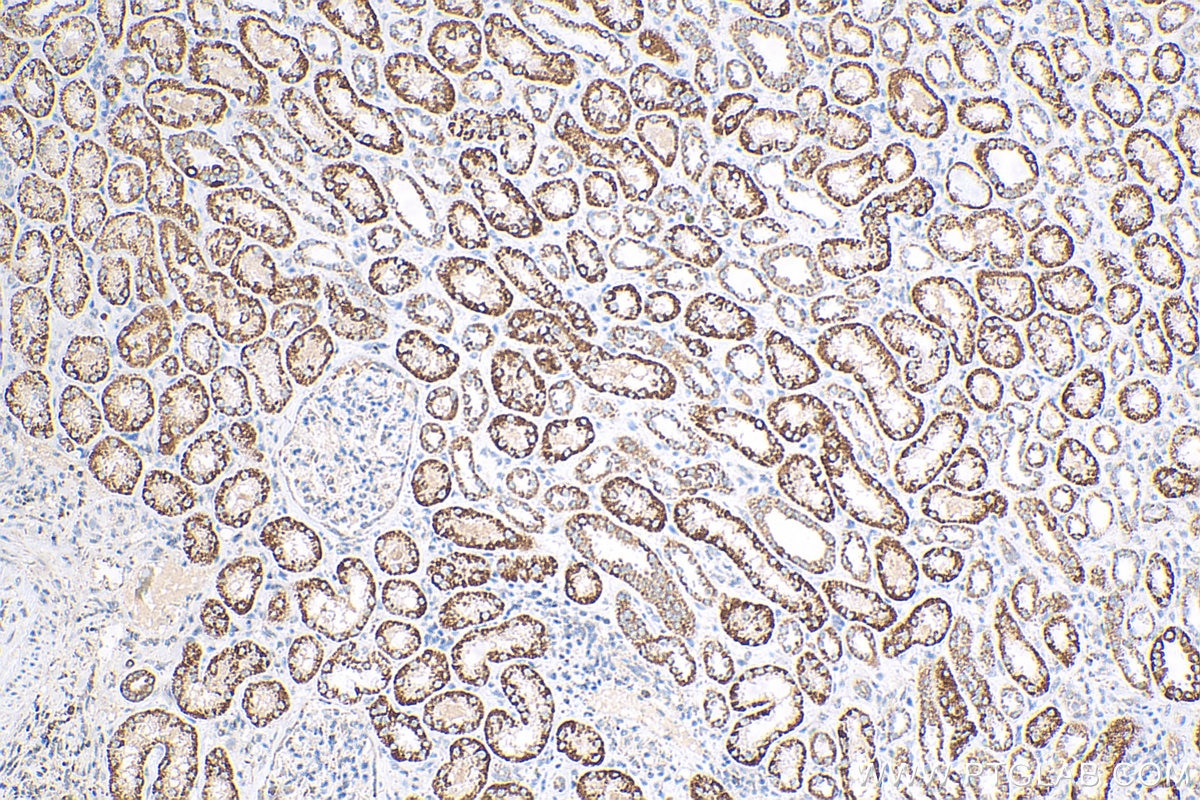
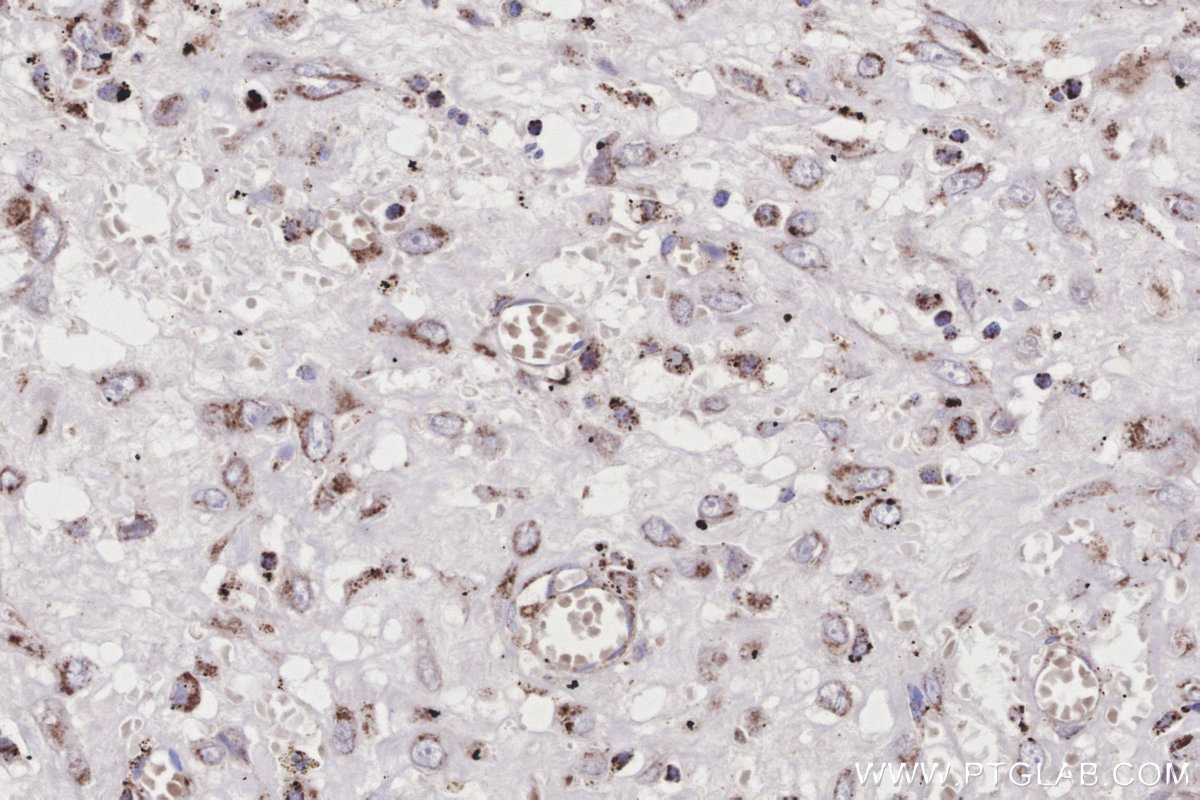
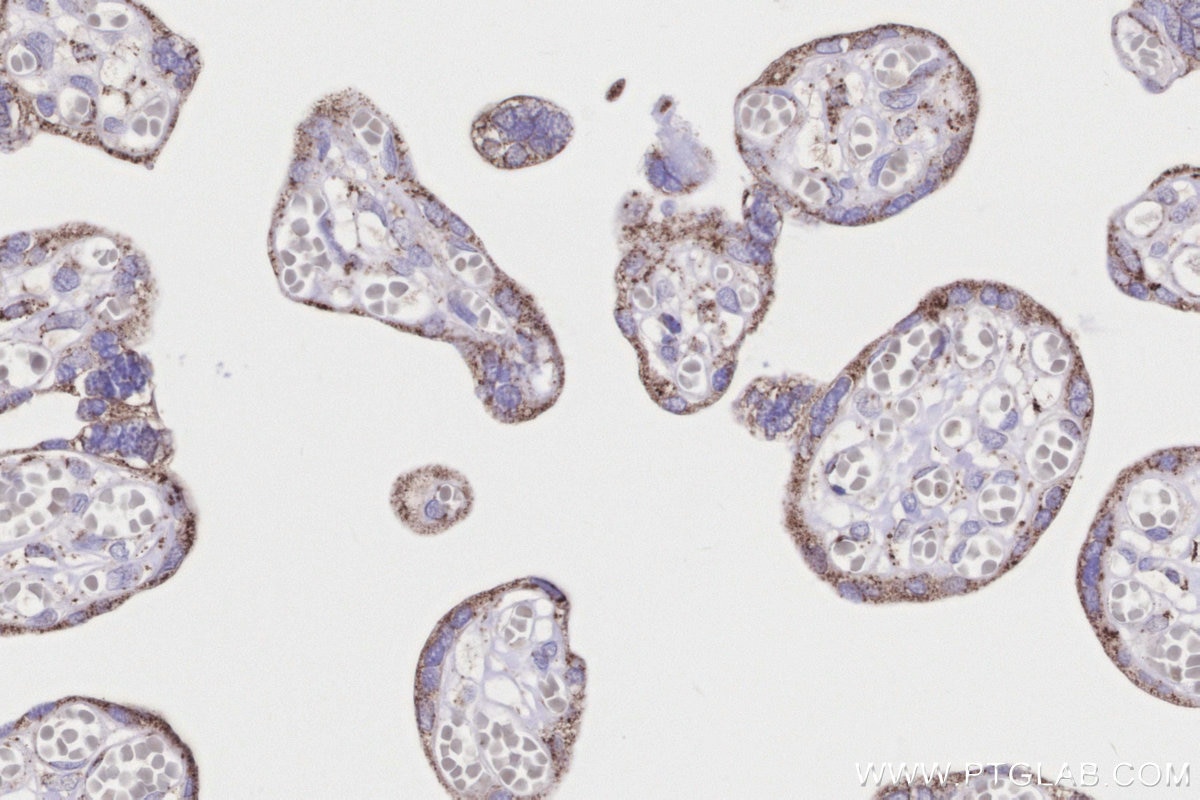
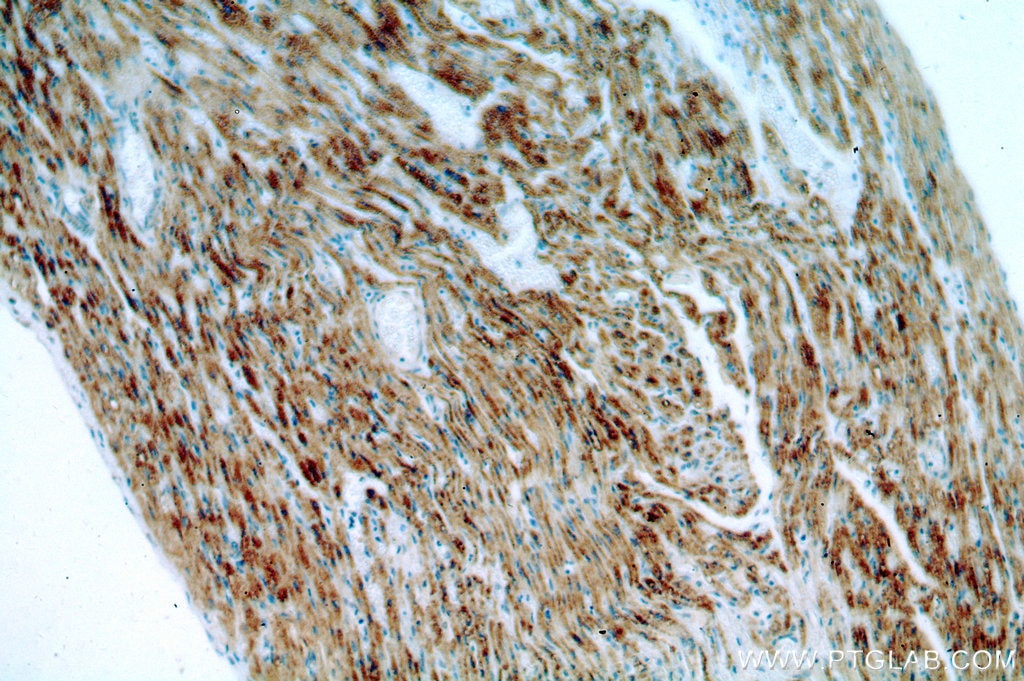
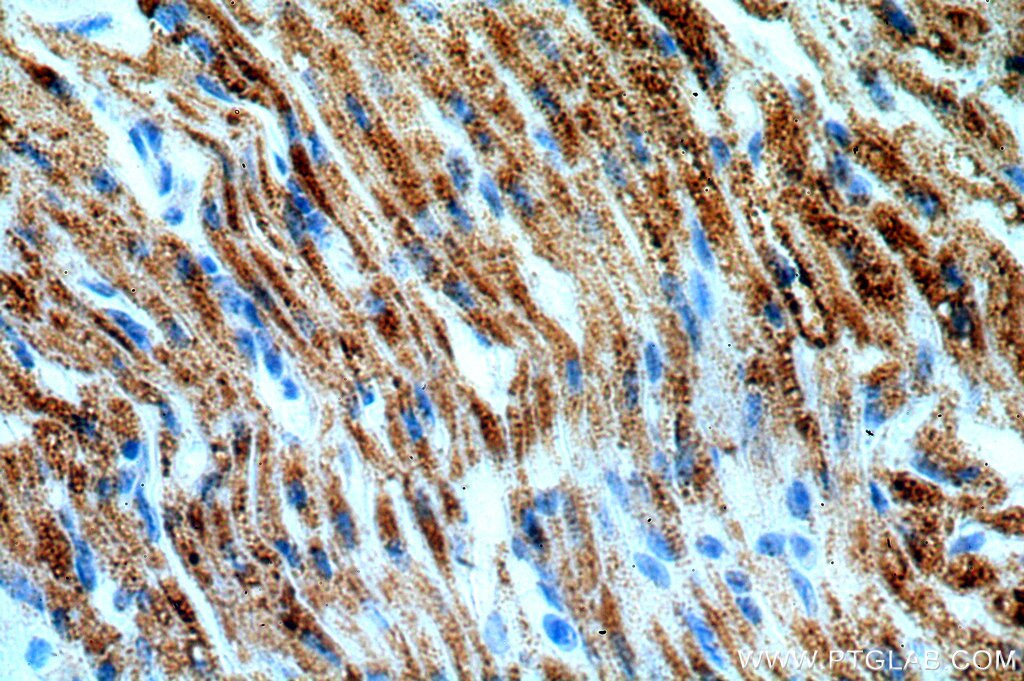
| Positive IHC detected in | human kidney tissue, human placenta tissue, human colon cancer tissue, human heart tissue Note: suggested antigen retrieval with TE buffer pH 9.0; (*) Alternatively, antigen retrieval may be performed with citrate buffer pH 6.0 |
Recommended dilution
| Application | Dilution |
|---|---|
| Western Blot (WB) | WB : 1:1000-1:4000 |
| Immunoprecipitation (IP) | IP : 0.5-4.0 ug for 1.0-3.0 mg of total protein lysate |
| Immunohistochemistry (IHC) | IHC : 1:20-1:200 |
| It is recommended that this reagent should be titrated in each testing system to obtain optimal results. | |
| Sample-dependent, Check data in validation data gallery. | |
Product Information
16623-1-AP targets ACADS in WB, IHC, IF, IP, ELISA applications and shows reactivity with human, mouse, rat, monkey samples.
| Tested Reactivity | human, mouse, rat, monkey |
| Cited Reactivity | human, mouse, rat |
| Host / Isotype | Rabbit / IgG |
| Class | Polyclonal |
| Type | Antibody |
| Immunogen |
CatNo: Ag9922 Product name: Recombinant human ACADS protein Source: e coli.-derived, PET28a Tag: 6*His Domain: 1-412 aa of BC025963 Sequence: MAAALLARASGPARRALCPRAWRQLHTIYQSVELPETHQMLLQTCRDFAEKELFPIAAQVDKEHLFPAAQVKKMGGLGLLAMDVPEELGGAGLDYLAYAIAMEEISRGCASTGVIMSVNNSLYLGPILKFGSKEQKQAWVTPFTSGDKIGCFALSEPGNGSDAGAASTTARAEGDSWVLNGTKAWITNAWEASAAVVFASTDRALQNKSISAFLVPMPTPGLTLGKKEDKLGIRGSSTANLIFEDCRIPKDSILGEPGMGFKIAMQTLDMGRIGIASQALGIAQTALDCAVNYAENRMAFGAPLTKLQVIQFKLADMALALESARLLTWRAAMLKDNKKPFIKEAAMAKLAASEAATAISHQAIQILGGMGYVTEMPAERHYRDARITEIYEGTSEIQRLVIAGHLLRSYRS Predict reactive species |
| Full Name | acyl-Coenzyme A dehydrogenase, C-2 to C-3 short chain |
| Calculated Molecular Weight | 412 aa, 44 kDa |
| Observed Molecular Weight | 42 kDa |
| GenBank Accession Number | BC025963 |
| Gene Symbol | ACADS |
| Gene ID (NCBI) | 35 |
| RRID | AB_10666165 |
| Conjugate | Unconjugated |
| Form | Liquid |
| Purification Method | Antigen affinity purification |
| UNIPROT ID | P16219 |
| Storage Buffer | PBS with 0.02% sodium azide and 50% glycerol, pH 7.3. |
| Storage Conditions | Store at -20°C. Stable for one year after shipment. Aliquoting is unnecessary for -20oC storage. 20ul sizes contain 0.1% BSA. |
Background Information
ACADS is also named as SCAD(Short-chain specific acyl-CoA dehydrogenase, mitochondrial) and belongs to the acyl-CoA dehydrogenase family. It is a tetrameric mitochondrial flavoprotein. It is synthesized as a 44 kDa precursor, transported into mitochondria, and proteolytically processed to its 41 kDa mature form. Acyl-CoA de- hydrogenases (ACADs) are a family of flavoproteins that are involved in theβ-oxidation of the fatty acyl-CoA derivatives.
Protocols
| Product Specific Protocols | |
|---|---|
| IHC protocol for ACADS antibody 16623-1-AP | Download protocol |
| IP protocol for ACADS antibody 16623-1-AP | Download protocol |
| WB protocol for ACADS antibody 16623-1-AP | Download protocol |
| Standard Protocols | |
|---|---|
| Click here to view our Standard Protocols |
Publications
What published studies show
Anti-SCAD antibody (Cat# 16623-1-AP) has accumulated 28 citations in journals including Cell Metabolism, Cell Research, Cell Reports, EMBO Reports, FASEB Journal, iScience, Signal Transduction and Targeted Therapy, British Journal of Pharmacology, and European Journal of Pharmacology. Research fields encompass mitochondrial fatty acid oxidation, cardiology, oncology (colorectal, hepatocellular, breast cancer), lipid metabolism, liver disease, diabetes, atherosclerosis, and antitumor immunity. Tested applications include WB, IP, IF, and IHC across mouse, rat, and human species.
| Species | Application | Title |
|---|---|---|
Signal Transduct Target Ther Short-chain acyl-CoA dehydrogenase initiates mtDNA demethylation and leakage to fuel antitumor immunity in colorectal cancer. | ||
Cell Metab Targeting Erbin-mitochondria axis in platelets/megakaryocytes promotes B cell-mediated antitumor immunity | ||
Cell Res Hypoxia induces mitochondrial protein lactylation to limit oxidative phosphorylation | ||
Cell Death Differ NAT10 regulates heart development and function by maintaining the expression of genes related to fatty acid β-oxidation and heart contraction | ||
Basic Res Cardiol Comparison of the stage-dependent mitochondrial changes in response to pressure overload between the diseased right and left ventricle in the rat |












