

Tested Applications
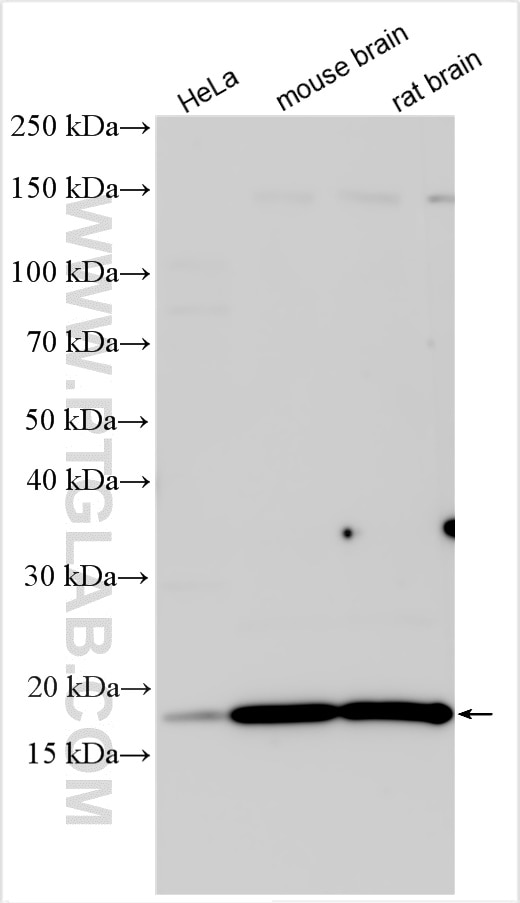
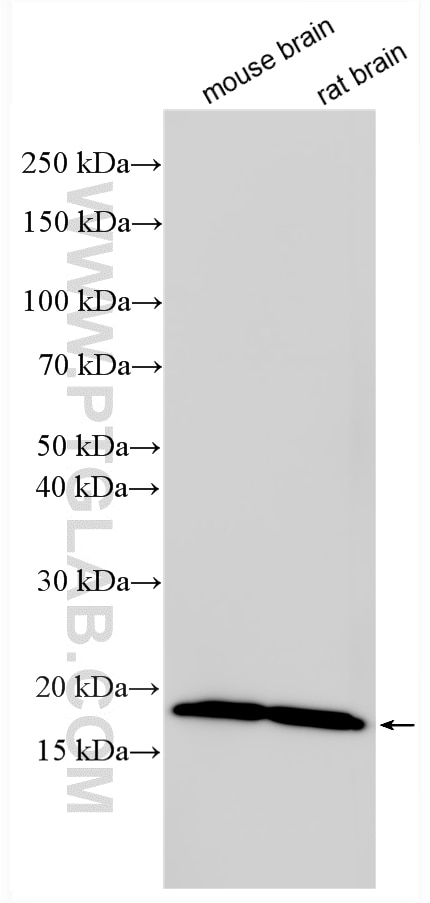
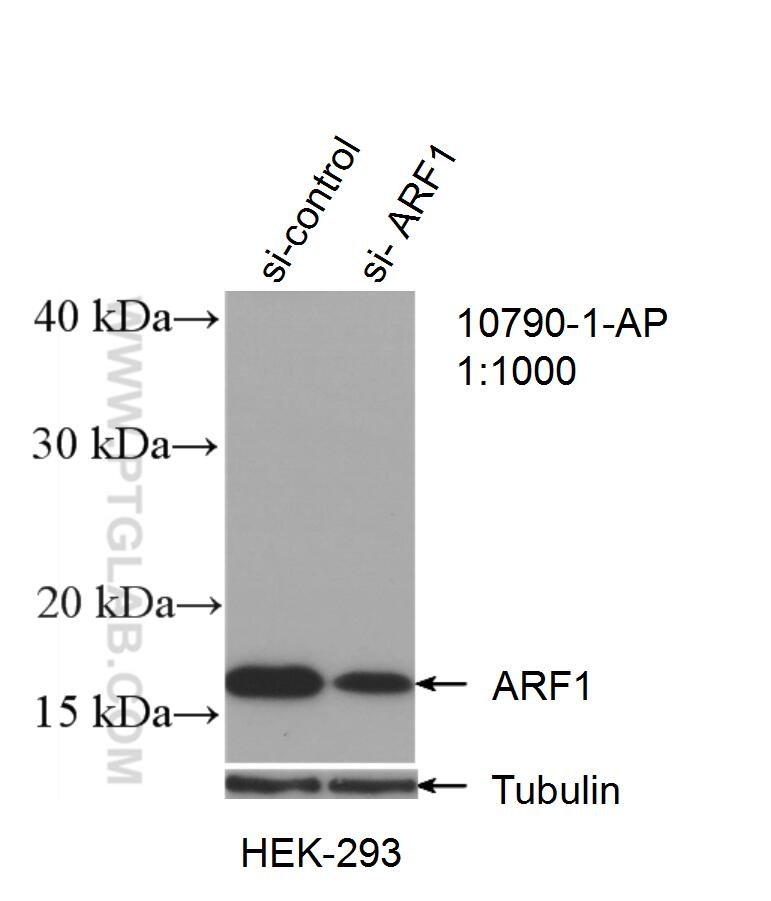
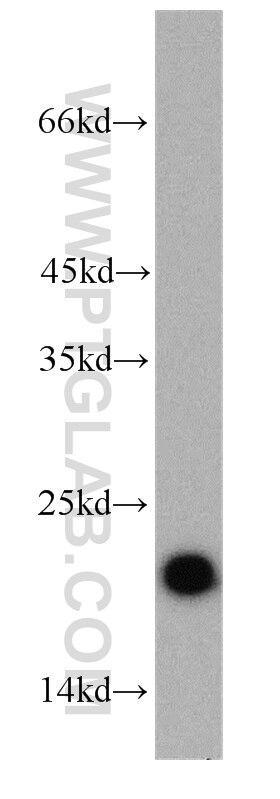
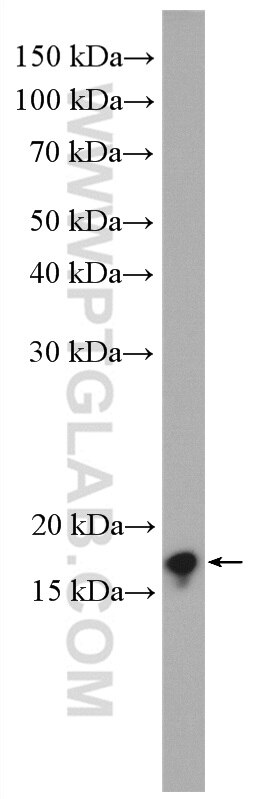
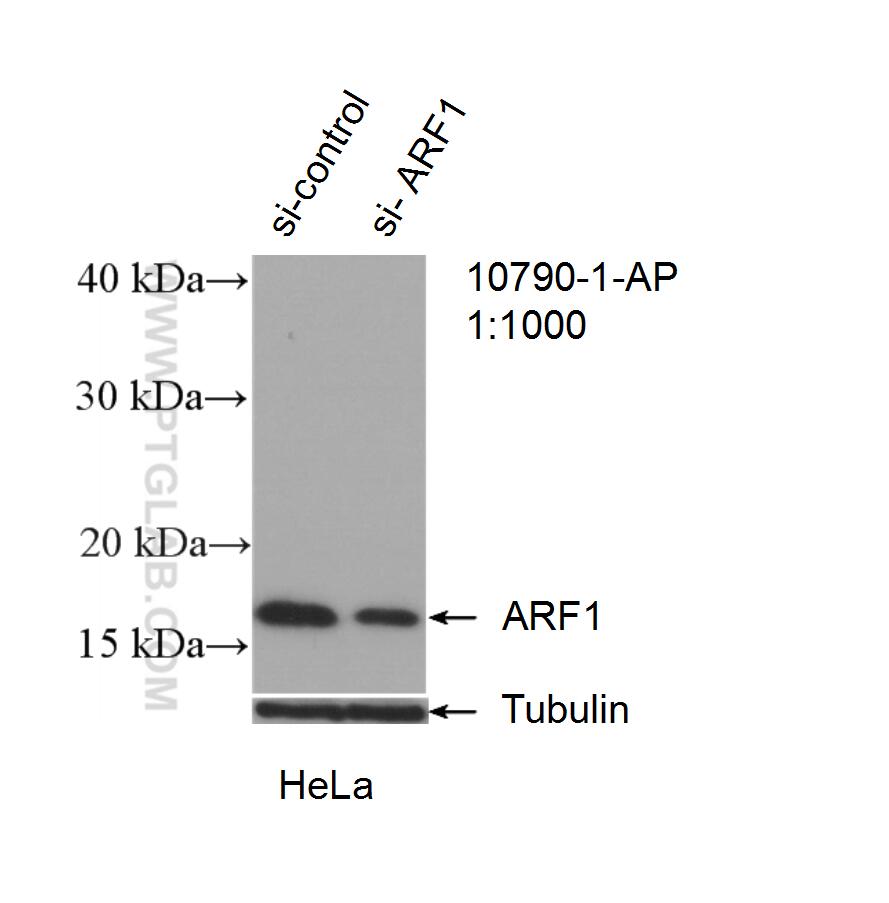
| Positive WB detected in | mouse brain tissue, COS-7 cells, HEK-293 cells, HeLa cells, rat brain tissue |
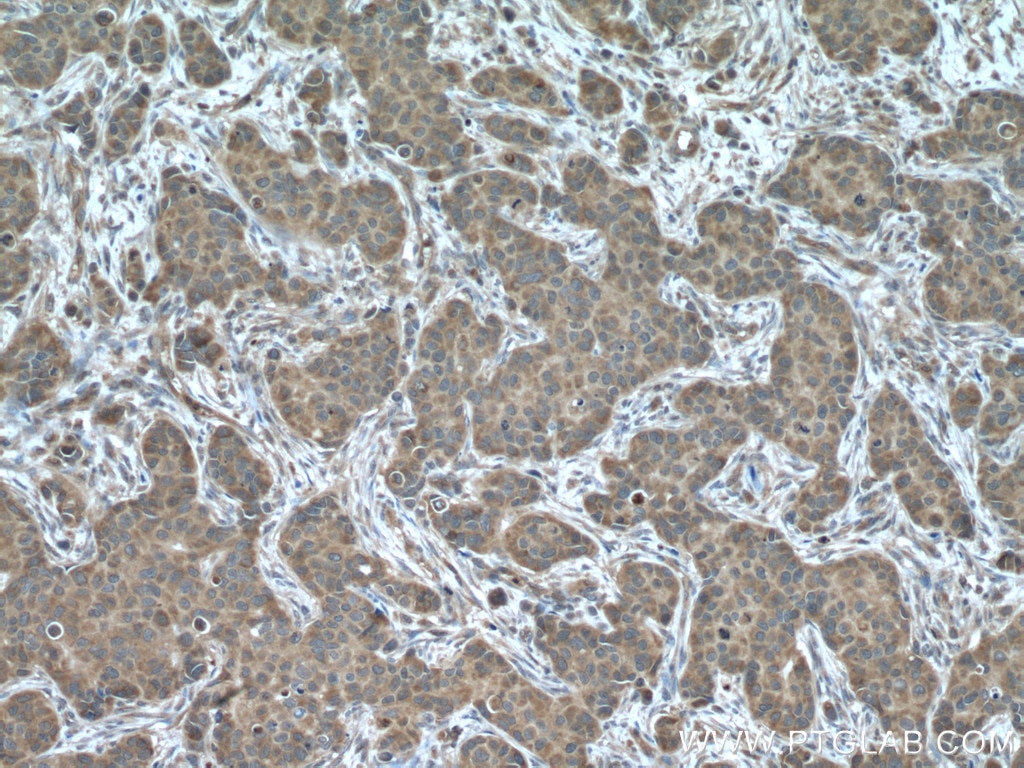
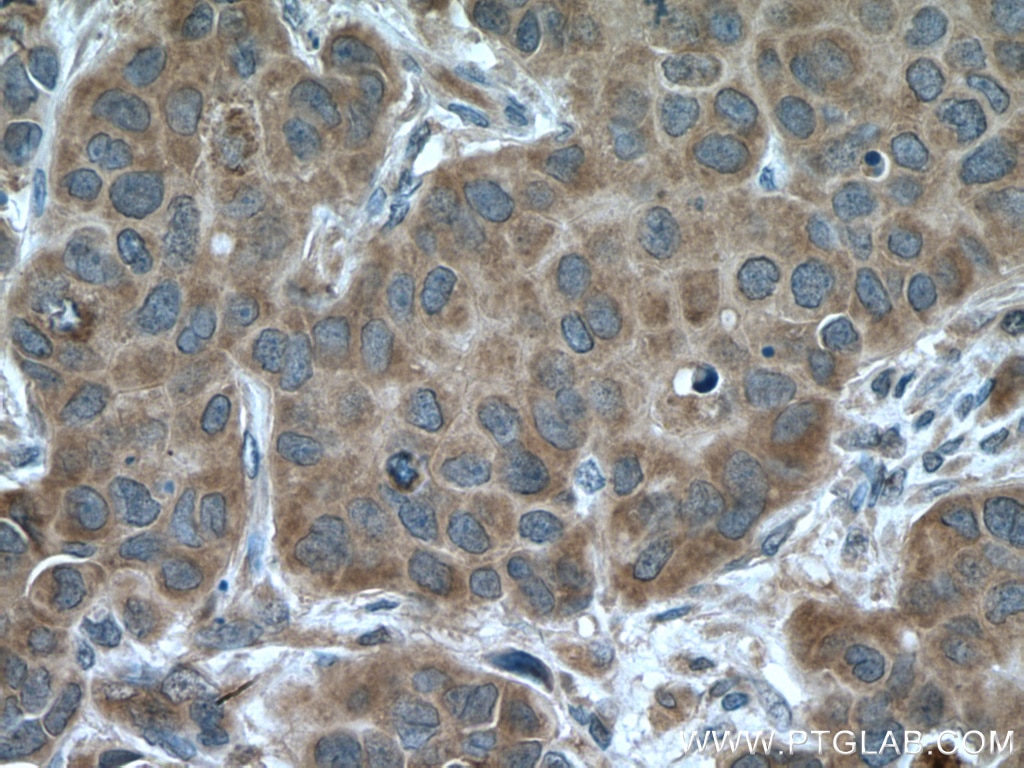
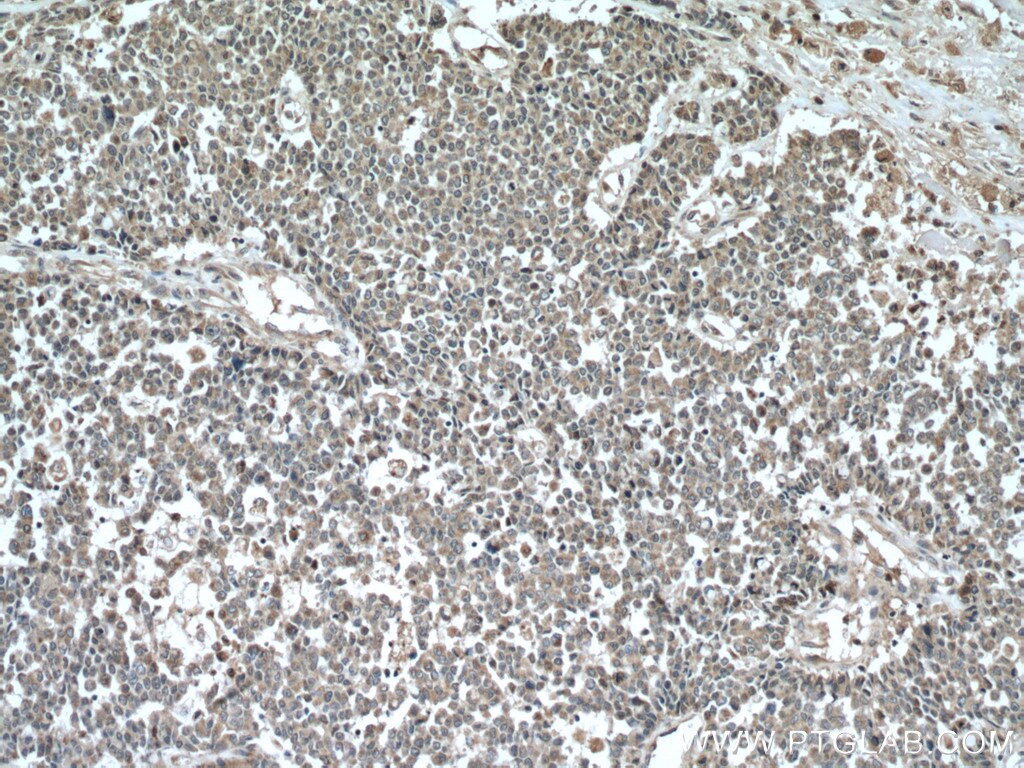
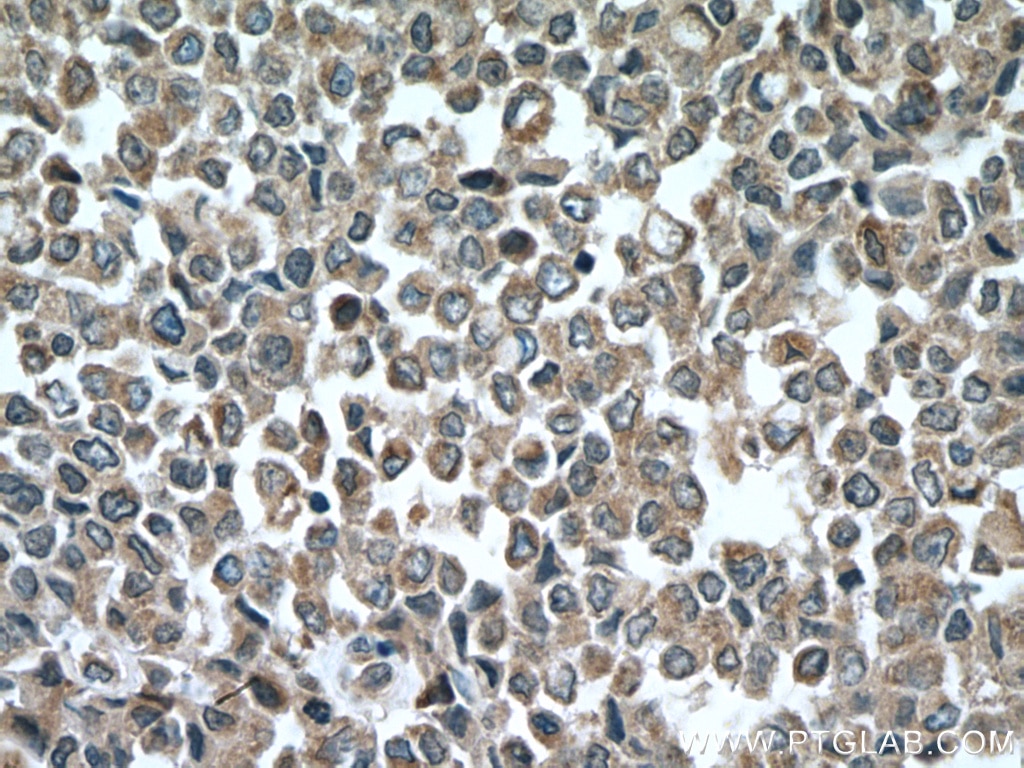
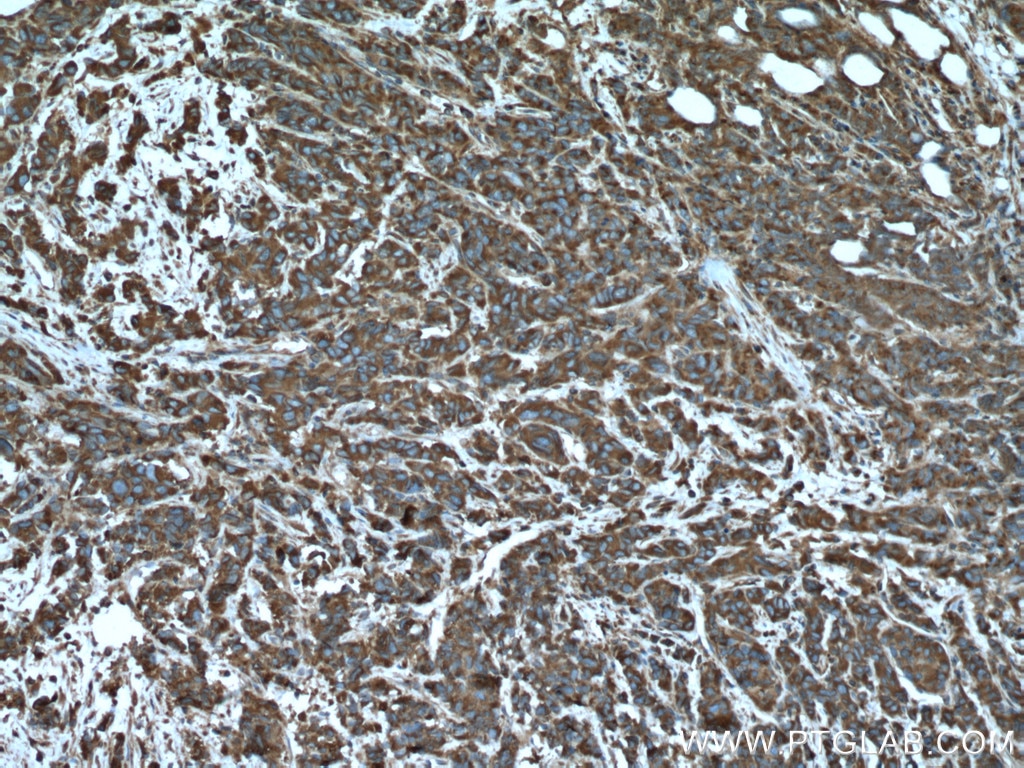
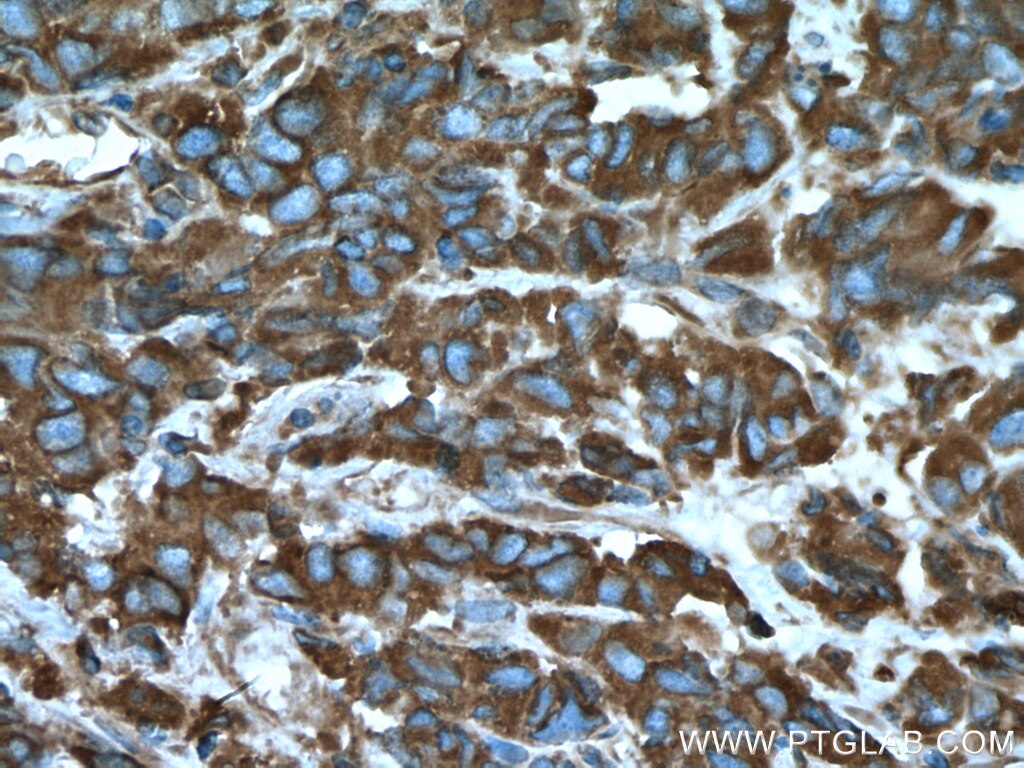
| Positive IHC detected in | human breast cancer tissue, human prostate cancer tissue, human colon cancer tissue Note: suggested antigen retrieval with TE buffer pH 9.0; (*) Alternatively, antigen retrieval may be performed with citrate buffer pH 6.0 |
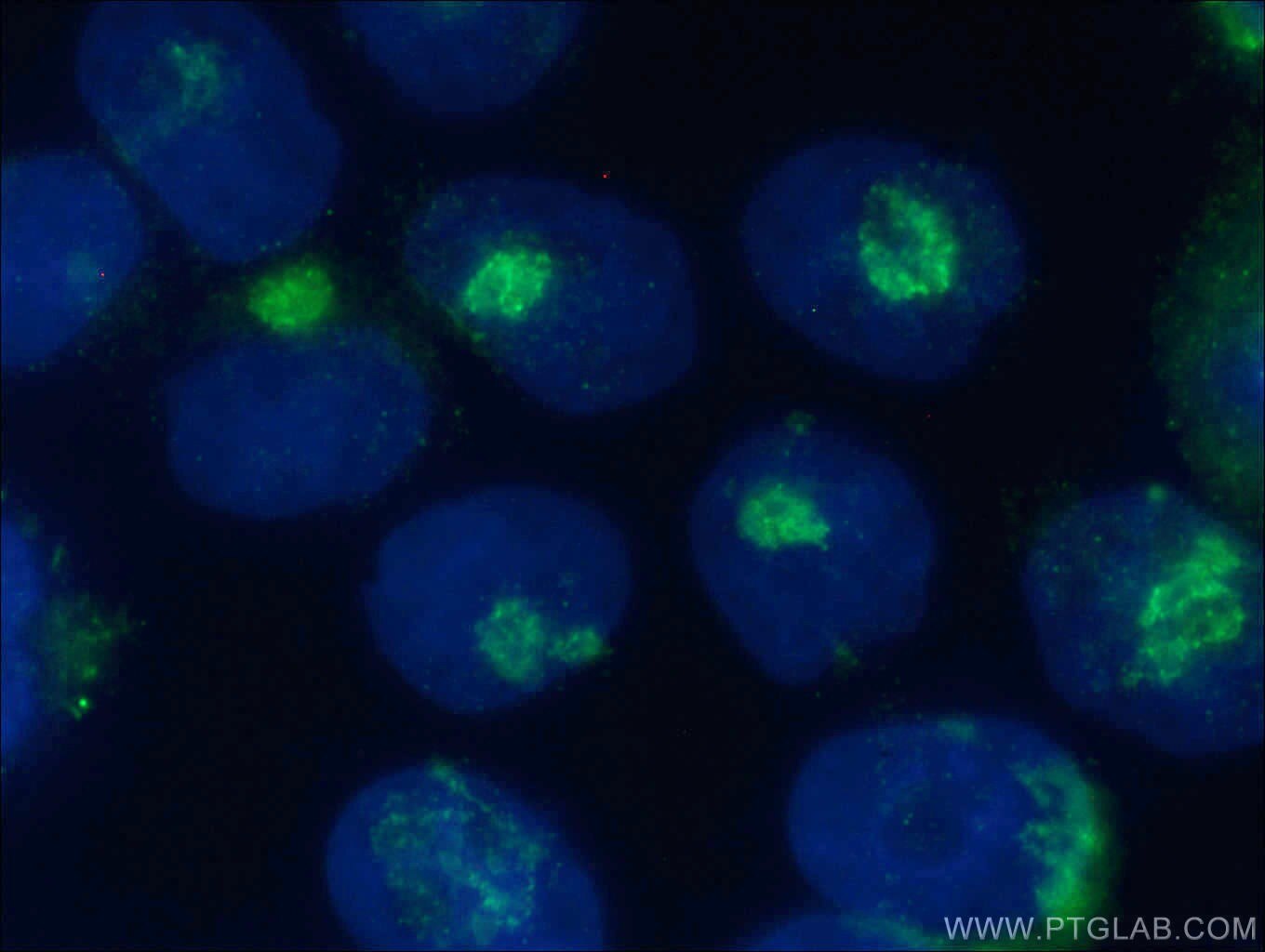
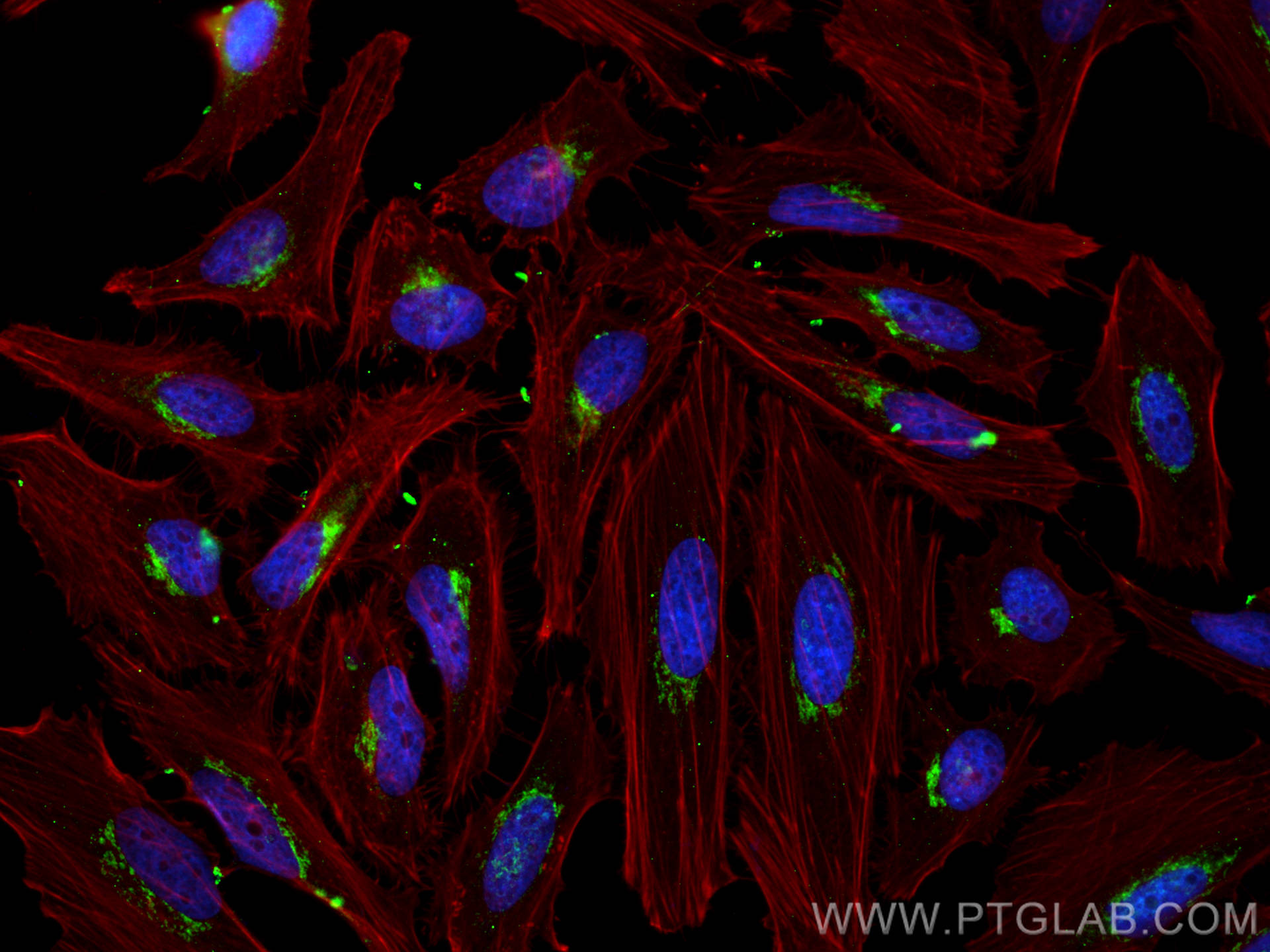
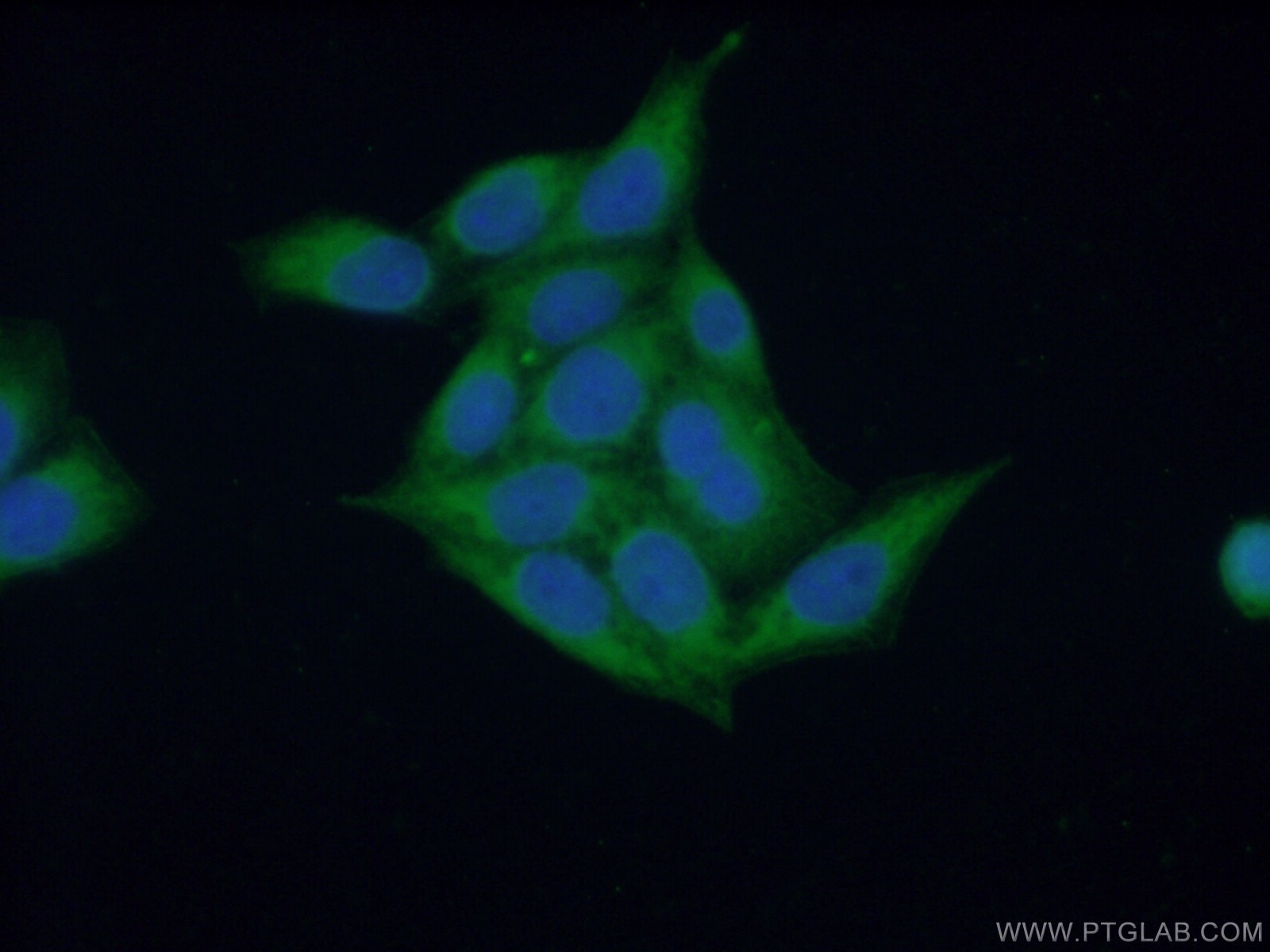
| Positive IF/ICC detected in | HeLa cells |
Recommended dilution
| Application | Dilution |
|---|---|
| Western Blot (WB) | WB : 1:2000-1:16000 |
| Immunohistochemistry (IHC) | IHC : 1:50-1:500 |
| Immunofluorescence (IF)/ICC | IF/ICC : 1:50-1:500 |
| It is recommended that this reagent should be titrated in each testing system to obtain optimal results. | |
| Sample-dependent, Check data in validation data gallery. | |
Product Information
10790-1-AP targets ARF1 in WB, IHC, IF/ICC, IP, CoIP, ELISA applications and shows reactivity with human, mouse, rat, monkey samples.
| Tested Reactivity | human, mouse, rat, monkey |
| Cited Reactivity | human, mouse, rat |
| Host / Isotype | Rabbit / IgG |
| Class | Polyclonal |
| Type | Antibody |
| Immunogen |
CatNo: Ag1244 Product name: Recombinant human ARF1 protein Source: e coli.-derived, PGEX-4T Tag: GST Domain: 1-181 aa of BC009247 Sequence: MGNIFANLFKGLFGKKEMRILMVGLDAAGKTTILYKLKLGEIVTTIPTIGFNVETVEYKNISFTVWDVGGQDKIRPLWRHYFQNTQGLIFVVDSNDRERVNEAREELMRMLAEDELRDAVLLVFANKQDLPNAMNAAEITDKLGLHSLRHRNWYIQATCATSGDGLYEGLDWLSNQLRNQK Predict reactive species |
| Full Name | ADP-ribosylation factor 1 |
| Calculated Molecular Weight | 21 kDa |
| Observed Molecular Weight | 18-21 kDa |
| GenBank Accession Number | BC009247 |
| Gene Symbol | ARF1 |
| Gene ID (NCBI) | 375 |
| RRID | AB_2227609 |
| Conjugate | Unconjugated |
| Form | Liquid |
| Purification Method | Antigen affinity purification |
| UNIPROT ID | P84077 |
| Storage Buffer | PBS with 0.02% sodium azide and 50% glycerol, pH 7.3. |
| Storage Conditions | Store at -20°C. Stable for one year after shipment. Aliquoting is unnecessary for -20oC storage. 20ul sizes contain 0.1% BSA. |
Background Information
ADP-ribosylation factors (ARFs) are members of the ARF family of GTP-binding proteins of the Ras superfamily, with 20 kDa protein size. ARFs bind and regulate GTP/GDP cycle by alternating between the active GTP-bound and inactive GDP-bound conformations. ARF family proteins are essential and ubiquitous in eukaryotes. Six highly conserved members of the family have been identified in mammalian cells. They function in vesicular traffic and actin remodelling and other bioprocesses in cells. The ARF1 protein is localized to the Golgi apparatus and has a central role in intra-Golgi transport. It mainly functions in coat recruitment. (PMID: 7759471, PMID: 16042562).This antibody can bind ARFs for the close sequences.
Protocols
| Product Specific Protocols | |
|---|---|
| IF protocol for ARF1 antibody 10790-1-AP | Download protocol |
| IHC protocol for ARF1 antibody 10790-1-AP | Download protocol |
| WB protocol for ARF1 antibody 10790-1-AP | Download protocol |
| Standard Protocols | |
|---|---|
| Click here to view our Standard Protocols |
Publications
What published studies show
The ARF1 Polyclonal antibody (Cat# 10790-1-AP) has 36 citations. These appear in journals including Nature, Cell Metabolism, Cell Host & Microbe, Nature Cell Biology, Nature Communications, Science Advances, Advanced Science, EMBO Journal, Theranostics, Journal of Biological Chemistry, and Oncotarget. Research fields span intracellular trafficking (COPI/Golgi/endosomes), cancer biology (breast, colorectal, liver, leukemia), viral infection (SARS-CoV-2, HPV, Enterovirus 71), lipid homeostasis, mitophagy, and cell signaling.
| Species | Application | Title |
|---|---|---|
Cell Metab Astrocytic LRP1 enables mitochondria transfer to neurons and mitigates brain ischemic stroke by suppressing ARF1 lactylation | ||
Cell Metab Adipocyte-derived glutathione promotes obesity-related breast cancer by regulating the SCARB2-ARF1-mTORC1 complex | ||
Cell Host Microbe A Brucella Type IV Effector Targets the COG Tethering Complex to Remodel Host Secretory Traffic and Promote Intracellular Replication.
| ||
Nat Cell Biol COPI vesicle formation and N-myristoylation are targetable vulnerabilities of senescent cells | ||
Reviews
What customers say
Users report mixed results. One reviewer achieved a single clear band by Western blot at 1:1000 in B cells, rating it 5 stars. Another obtained good immunofluorescence staining in PFA-fixed HeLa cells at 1:500, giving 4 stars. However, a third user observed actin-like staining in MEF cells at 1:100 by IF, which did not match the expected Golgi localization described in the datasheet, resulting in a 1-star rating. Overall, the antibody performs well for WB and IF in appropriate cell types, but fixation and dilution conditions may affect staining specificity.
The reviews below have been submitted by verified Proteintech customers who received an incentive for providing their feedback.
Annabel (Verified Customer) (12-23-2025) | Produces a single clear band by western blot. Imaged using blotting accelerator
 |
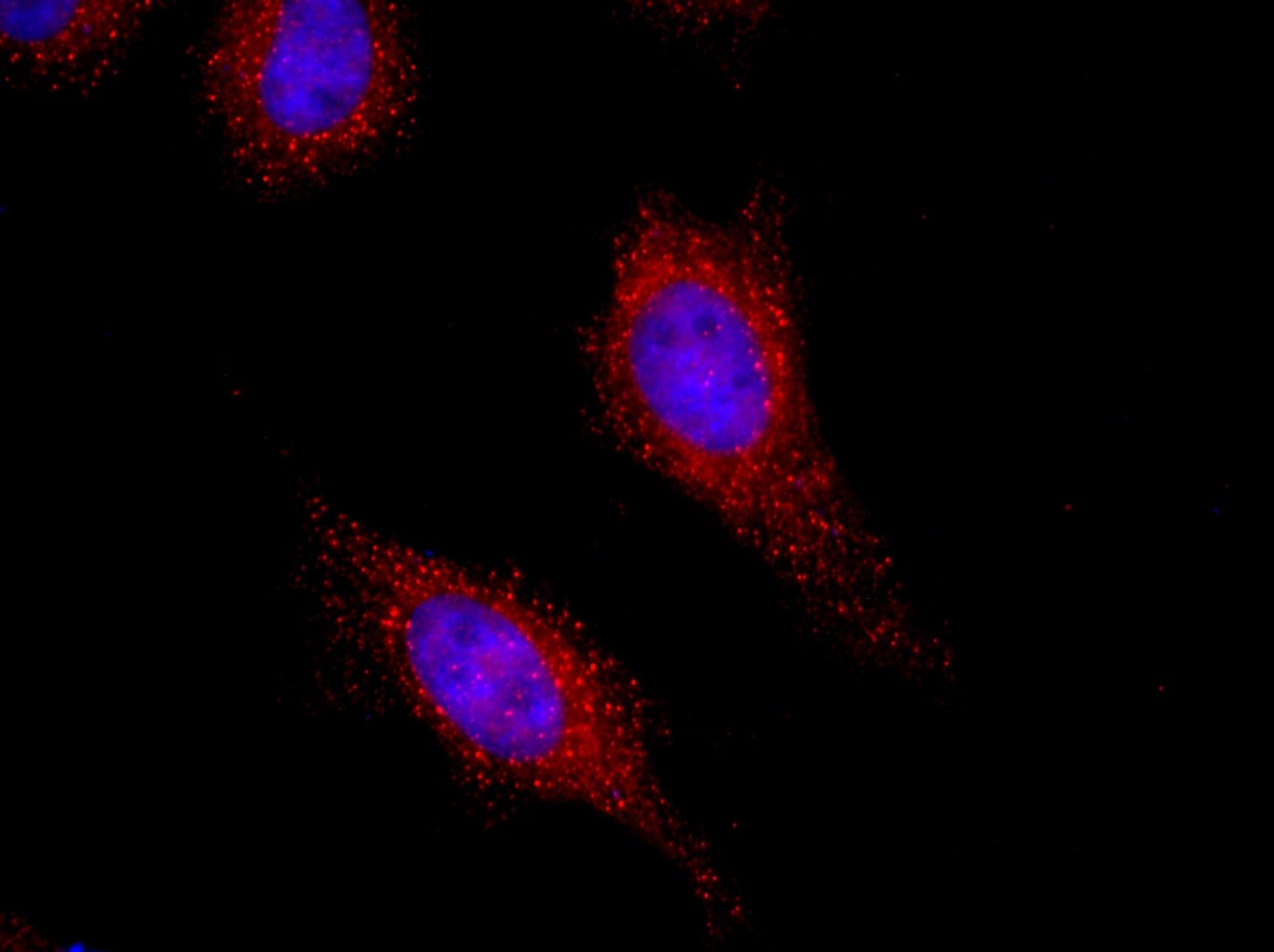
Cristian (Verified Customer) (04-26-2019) | Immunofluorescent analysis of (PFA 3%) fixed HeLa cells using 10790-1-AP (ARF1 antibody) at dilution of 1:500 and Alexa Fluor 594-conjugated Affinipure Goat Anti-Rabbit IgG (H+L)
 |
Boyan (Verified Customer) (01-25-2019) | By IF, PFA fixation, this antibody gave a Actin-like staining, but in literature and also its data sheet, it should be localised to the Golgi.
|
















