

Tested Applications
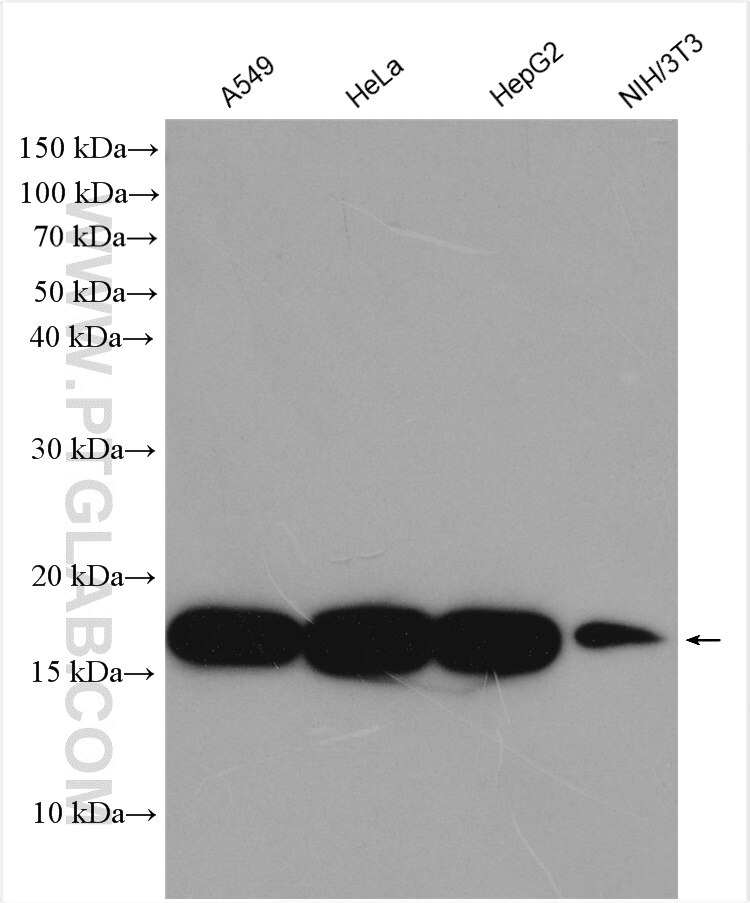
| Positive WB detected in | A549 cells, HepG2 cells, NIH/3T3 cells, HeLa cells |
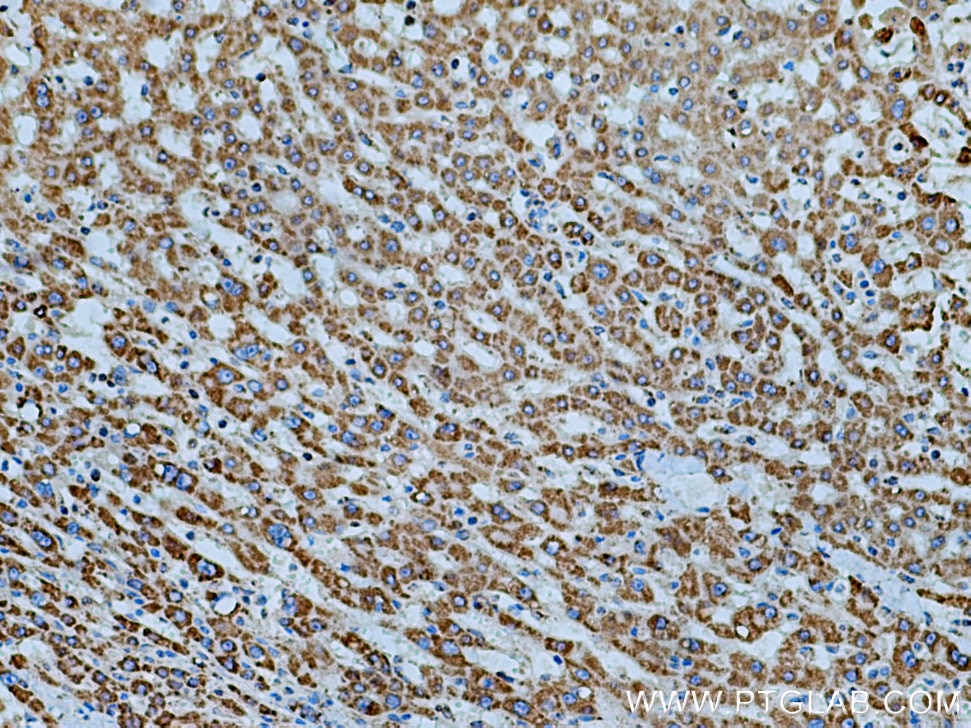
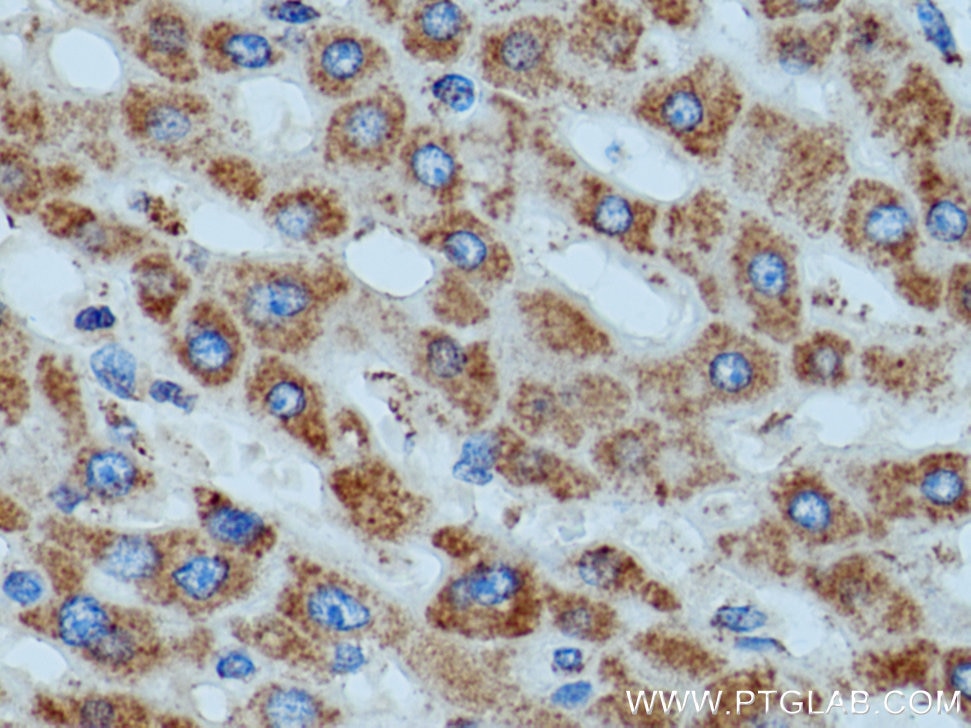
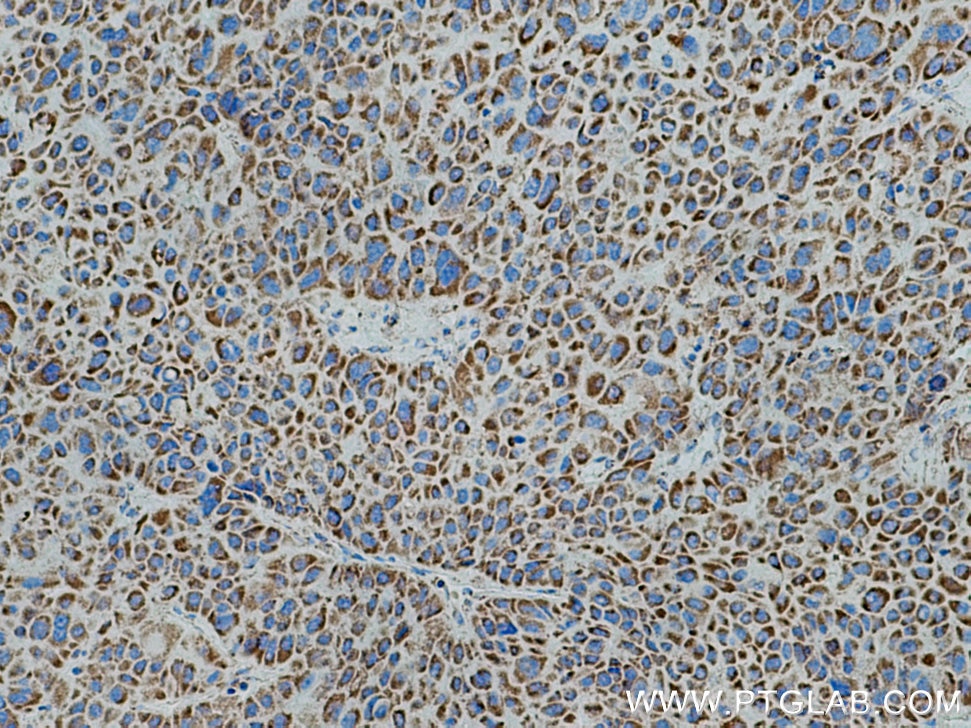
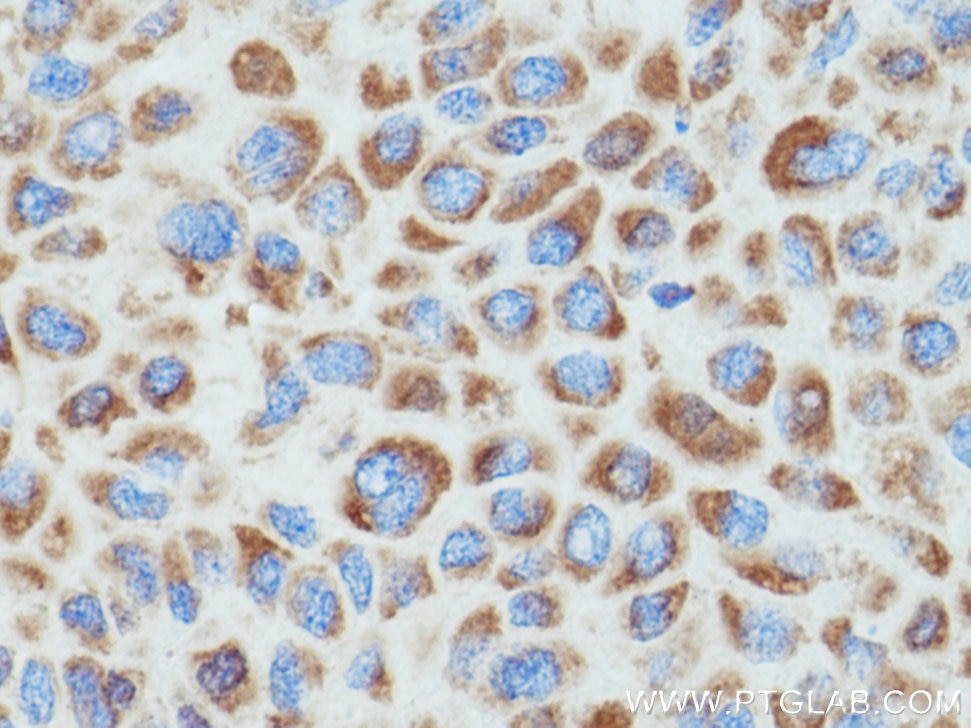
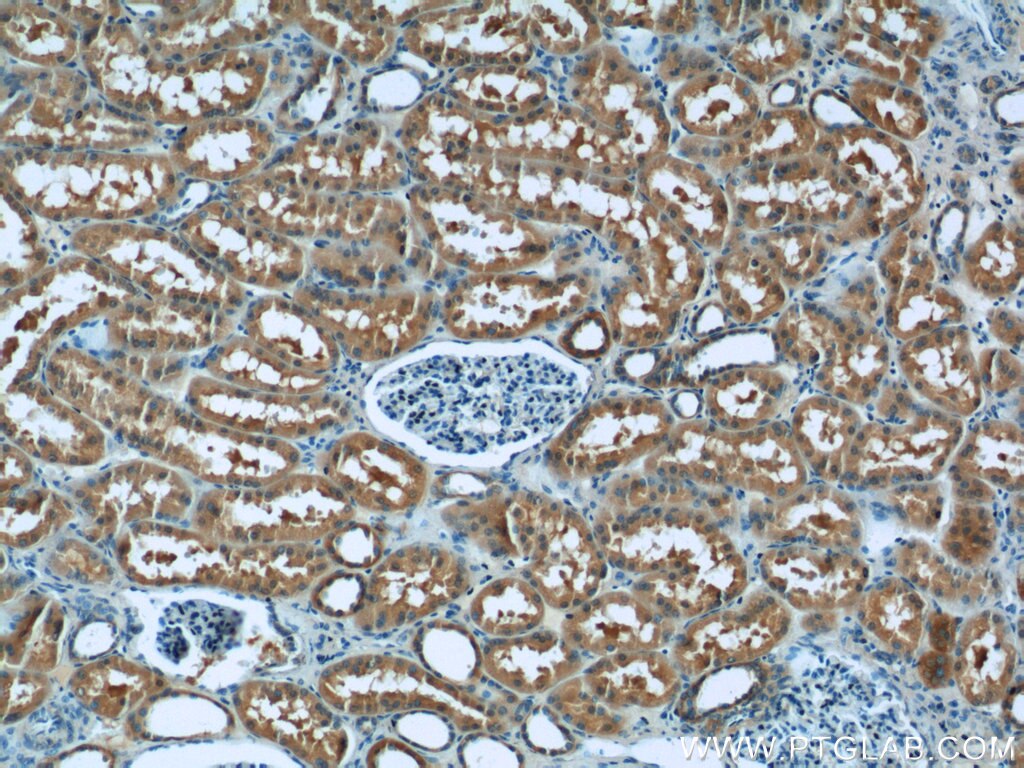
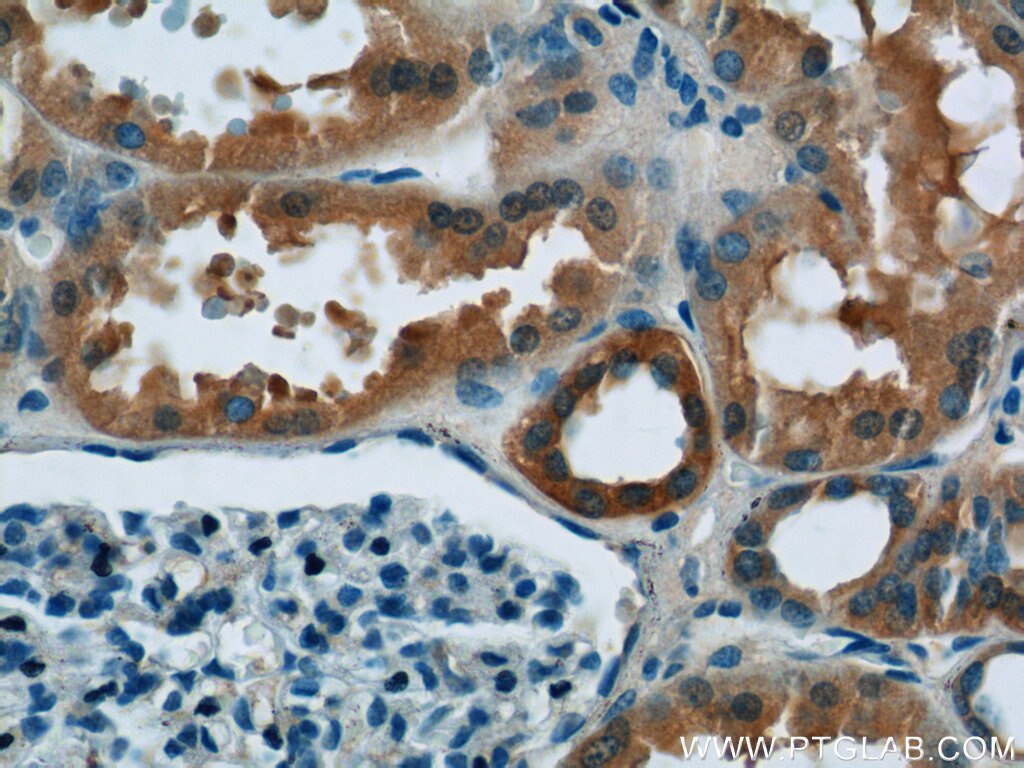
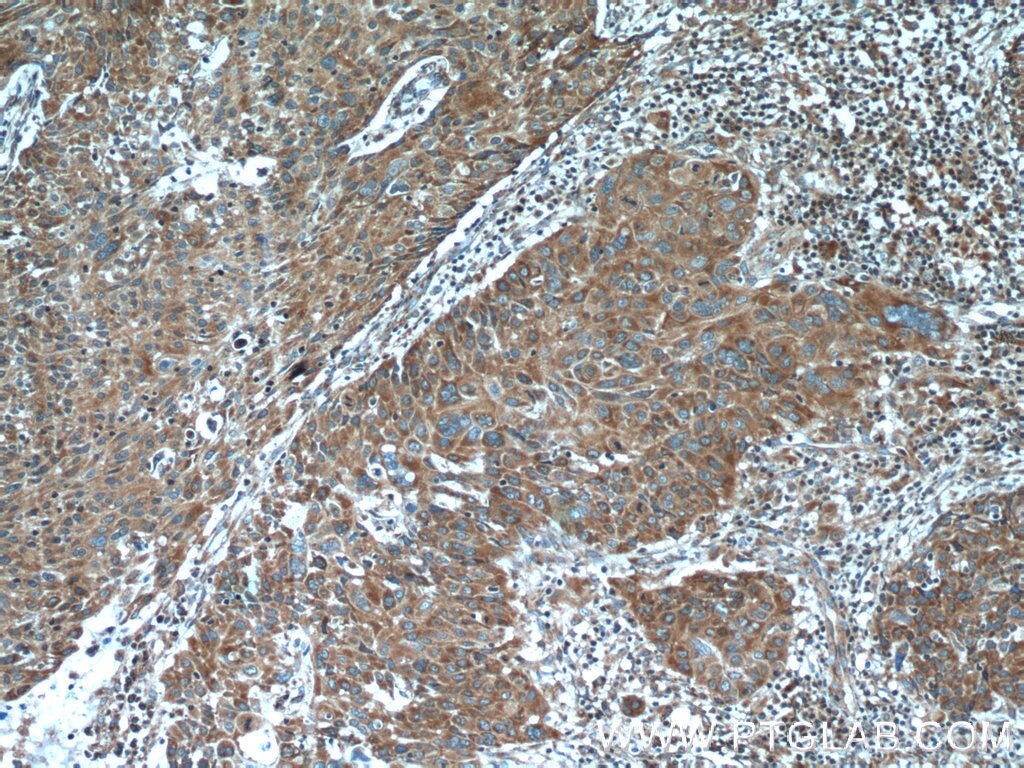
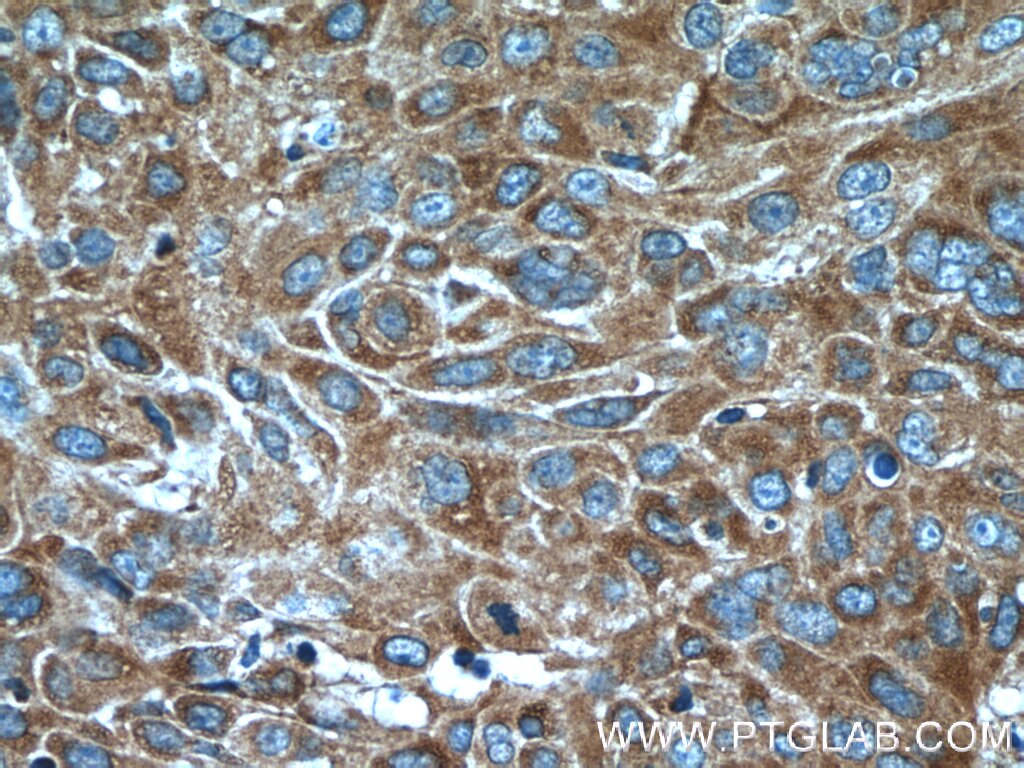
| Positive IHC detected in | human liver cancer tissue, human lung cancer tissue, human kidney tissue Note: suggested antigen retrieval with TE buffer pH 9.0; (*) Alternatively, antigen retrieval may be performed with citrate buffer pH 6.0 |
Recommended dilution
| Application | Dilution |
|---|---|
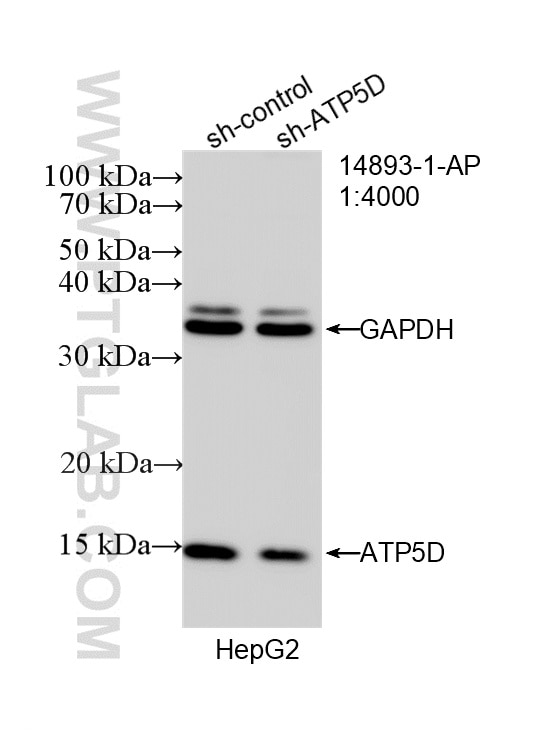
| Western Blot (WB) | WB : 1:1000-1:4000 |
| Immunohistochemistry (IHC) | IHC : 1:200-1:600 |
| It is recommended that this reagent should be titrated in each testing system to obtain optimal results. | |
| Sample-dependent, Check data in validation data gallery. | |
Product Information
14893-1-AP targets ATP5D in WB, IHC, IF, ELISA applications and shows reactivity with human, mouse samples.
| Tested Reactivity | human, mouse |
| Cited Reactivity | human, mouse |
| Host / Isotype | Rabbit / IgG |
| Class | Polyclonal |
| Type | Antibody |
| Immunogen |
CatNo: Ag6682 Product name: Recombinant human ATP5D protein Source: e coli.-derived, PGEX-4T Tag: GST Domain: 1-168 aa of BC002389 Sequence: MLPAALLRRPGLGRLVRHARAYAEAAAAPAAASGPNQMSFTFASPTQVFFNGANVRQVDVPTLTGAFGILAAHVPTLQVLRPGLVVVHAEDGTTSKYFVSSGSIAVNADSSVQLLAEEAVTLDMLDLGAAKANLEKAQAELVGTADEATRAEIQIRIEANEALVKALE Predict reactive species |
| Full Name | ATP synthase, H+ transporting, mitochondrial F1 complex, delta subunit |
| Calculated Molecular Weight | 17 kDa |
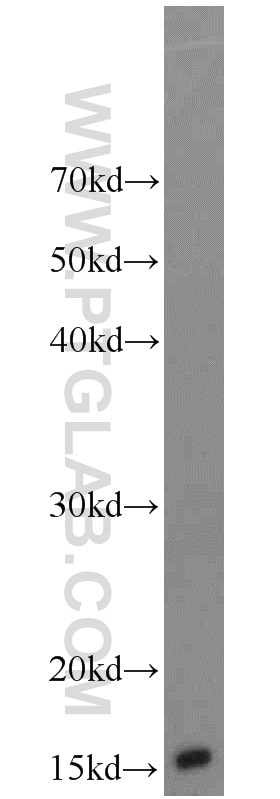
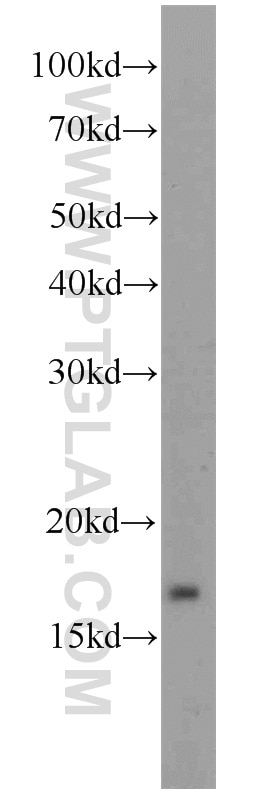
| Observed Molecular Weight | 15-17 kDa |
| GenBank Accession Number | BC002389 |
| Gene Symbol | ATP5D |
| Gene ID (NCBI) | 513 |
| RRID | AB_2274510 |
| Conjugate | Unconjugated |
| Form | Liquid |
| Purification Method | Antigen affinity purification |
| UNIPROT ID | P30049 |
| Storage Buffer | PBS with 0.02% sodium azide and 50% glycerol, pH 7.3. |
| Storage Conditions | Store at -20°C. Stable for one year after shipment. Aliquoting is unnecessary for -20oC storage. 20ul sizes contain 0.1% BSA. |
Background Information
The mitochondrial F1Fo-ATP synthase complex uses energy derived from a proton gradient to synthesize ATP. The ATP5D gene encodes the delta subunit of the mitochondrial ATP synthase F1 complex and belongs to the ATPase epsilon chain family. This gene encode the full length protein of 17 kDa with a transit peptide of 22 amino acid.
Protocols
| Product Specific Protocols | |
|---|---|
| IHC protocol for ATP5D antibody 14893-1-AP | Download protocol |
| WB protocol for ATP5D antibody 14893-1-AP | Download protocol |
| Standard Protocols | |
|---|---|
| Click here to view our Standard Protocols |
Publications
What published studies show
ATP5D Polyclonal antibody (Cat# 14893-1-AP) has 9 citations published in journals including J Nanobiotechnology, Theranostics, Cell Death & Disease, Oxidative Medicine and Cellular Longevity, Int J Mol Sci, Am J Physiol Cell Physiol, Frontiers in Aging Neuroscience, J Inflammation Research, and J Neuropathol Exp Neurol. Research fields span mitochondrial biology, acute lung injury, cardiovascular disease, cancer, neurocognitive disorders, and neurodegeneration.
| Species | Application | Title |
|---|---|---|
J Nanobiotechnology Modulation of alveolar macrophage and mitochondrial fitness by medicinal plant-derived nanovesicles to mitigate acute lung injury and viral pneumonia | ||
Theranostics AdMSC-derived exosomes alleviate acute lung injury via transferring mitochondrial component to improve homeostasis of alveolar macrophages. | ||
Cell Death Dis Nitric oxide triggers the assembly of "type II" stress granules linked to decreased cell viability. | ||
Oxid Med Cell Longev An Energy Metabolism Study on the Efficacy of Naoxintong Capsules against Myocardial Infarction in a Rat Model | ||
Int J Mol Sci CA9 Silencing Promotes Mitochondrial Biogenesis, Increases Putrescine Toxicity and Decreases Cell Motility to Suppress ccRCC Progression. | ||
Am J Physiol Cell Physiol 3-MST/H2S protects cerebral endothelial cells against OGD/R-induced injury via mitoprotection and inhibition of the RhoA/ROCK pathway. |













