

Tested Applications
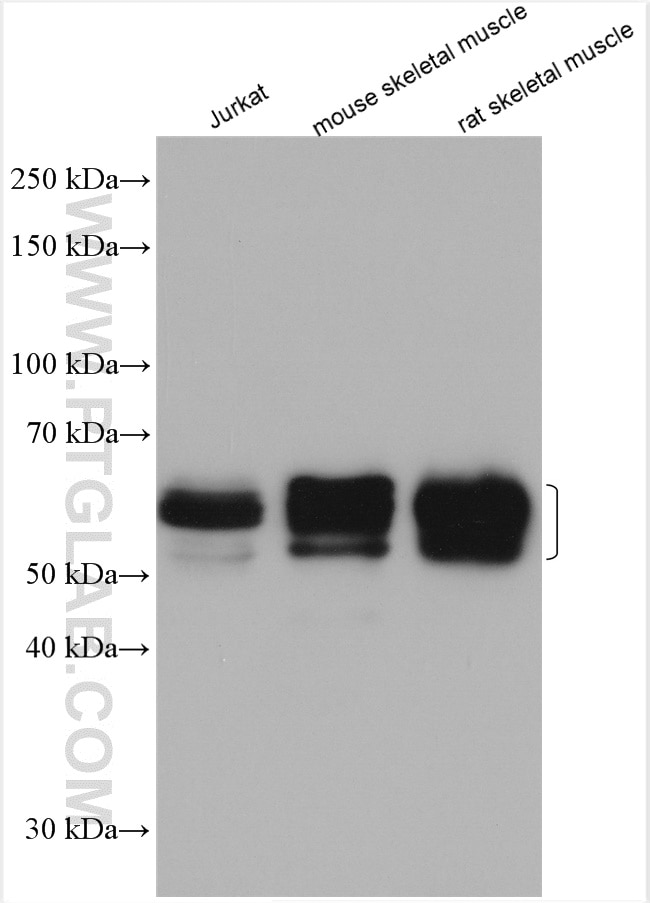
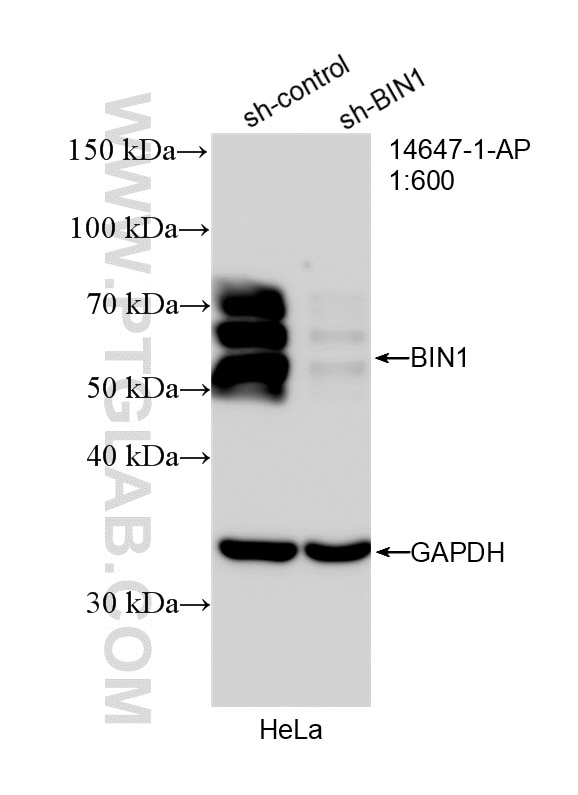
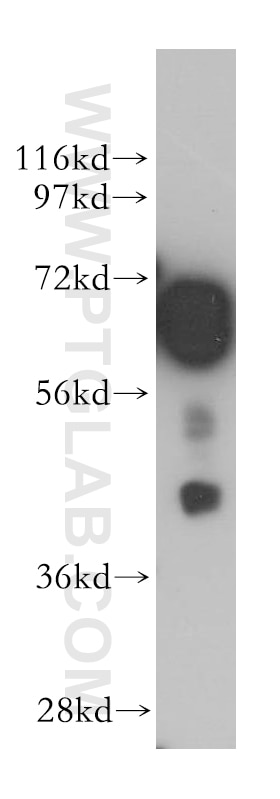
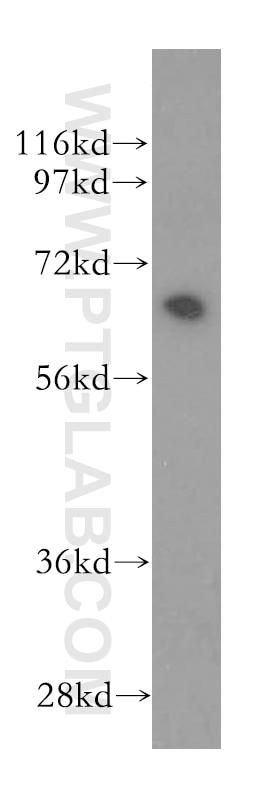
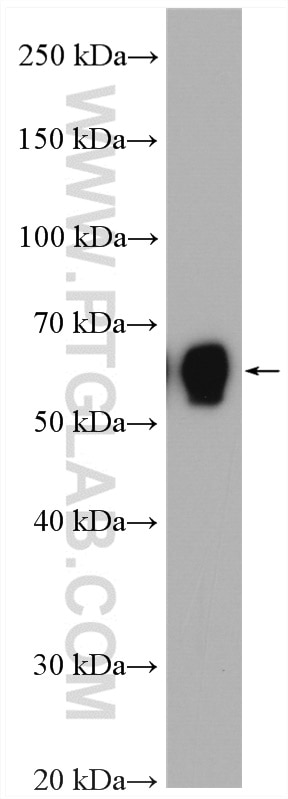
| Positive WB detected in | Jurkat cells, HeLa cells, mouse brain tissue, mouse skeletal muscle tissue, rat skeletal muscle tissue |
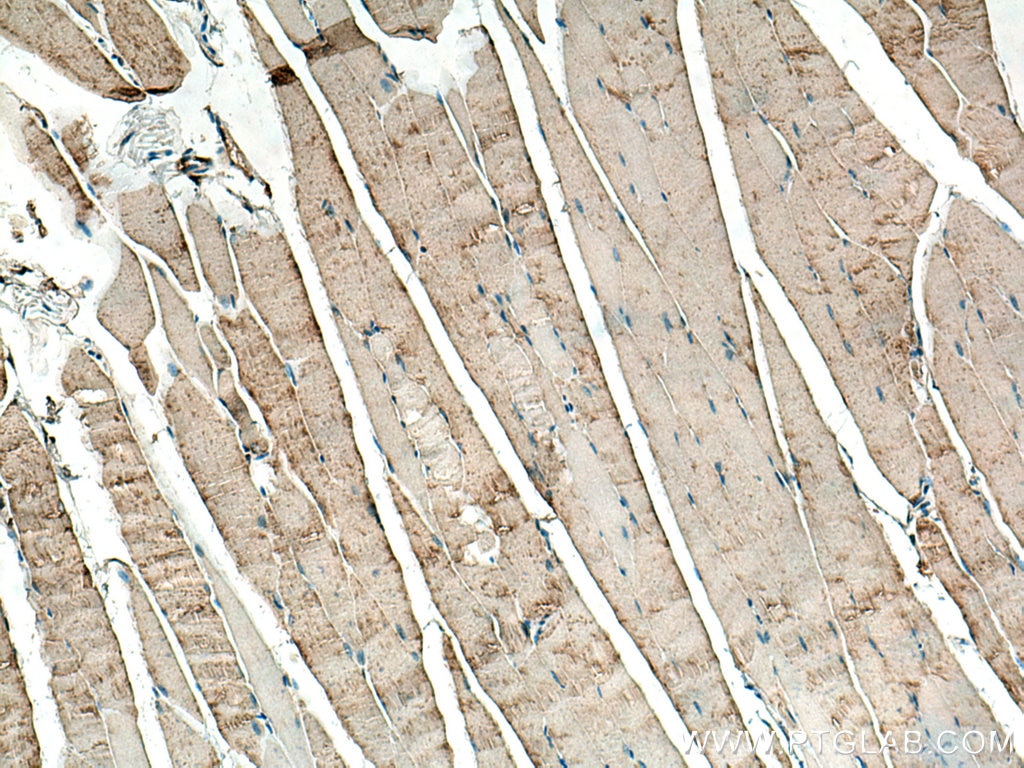
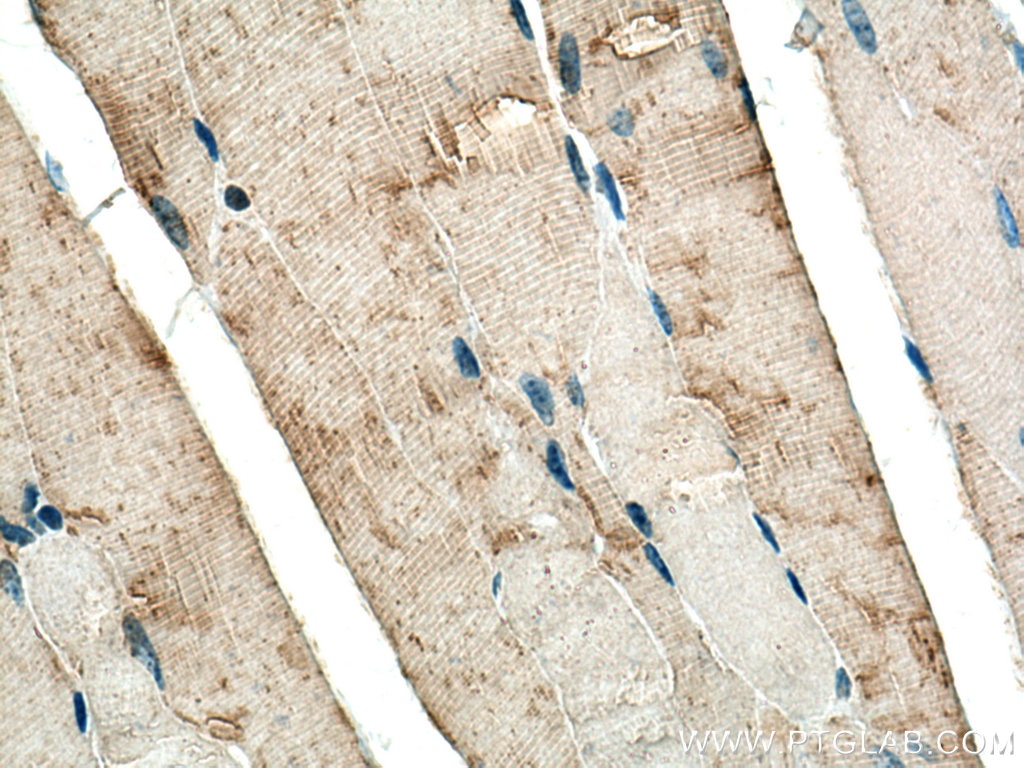
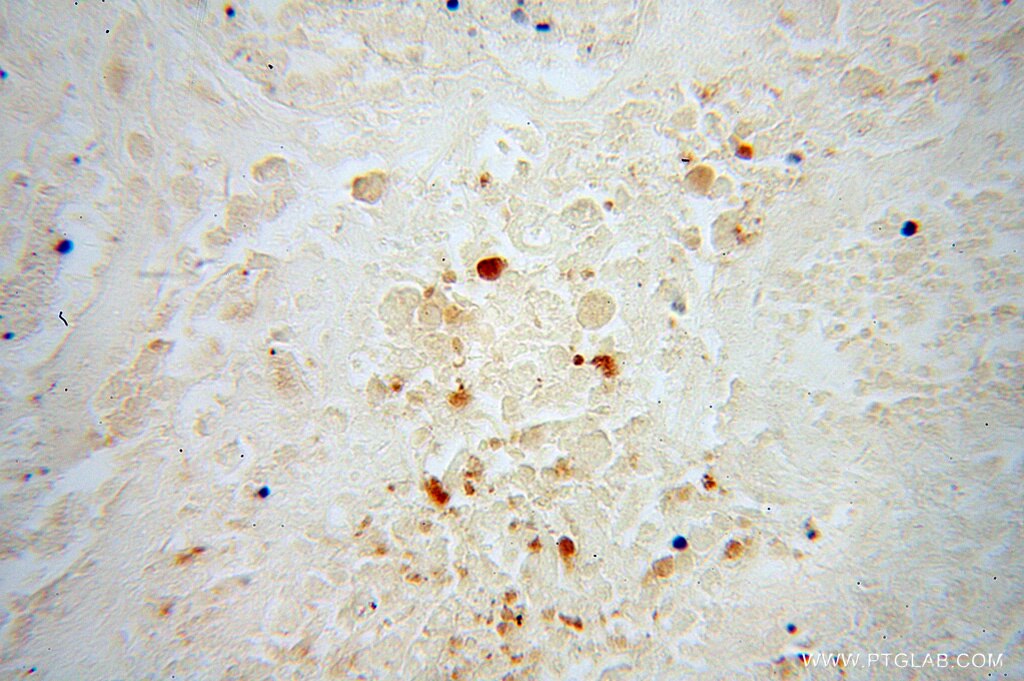
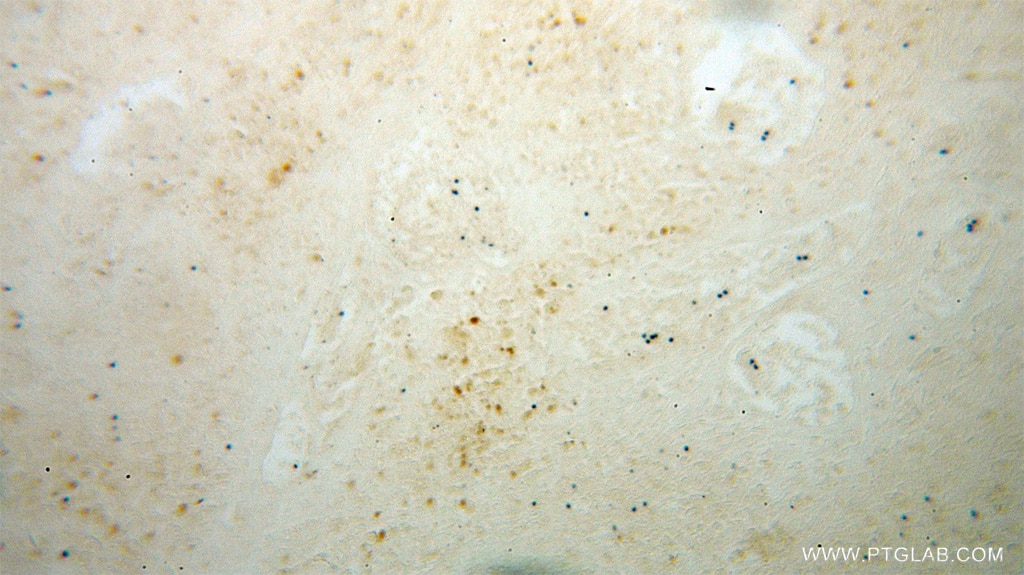
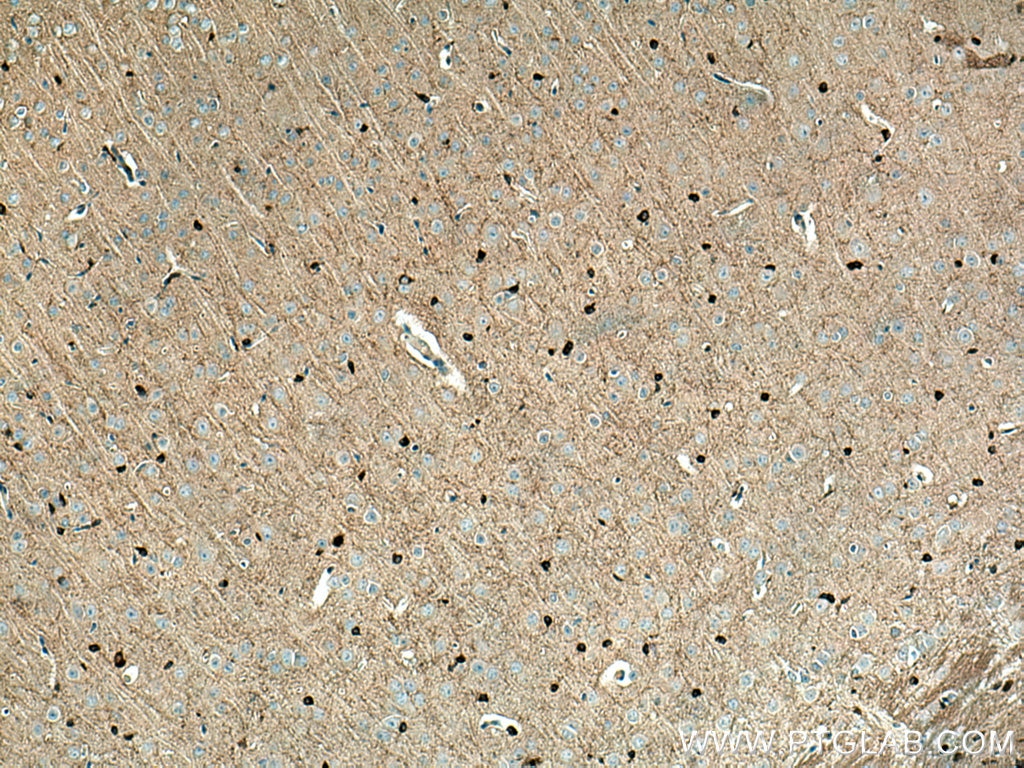
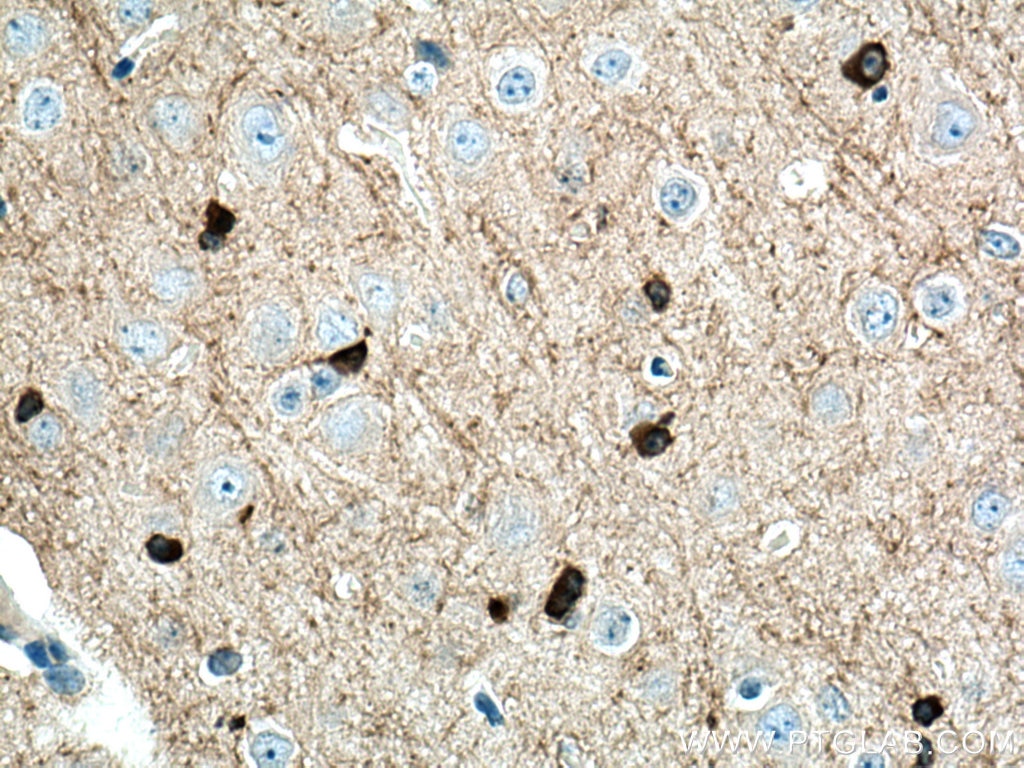
| Positive IHC detected in | mouse skeletal muscle tissue, human osteosarcoma tissue, mouse brain tissue Note: suggested antigen retrieval with TE buffer pH 9.0; (*) Alternatively, antigen retrieval may be performed with citrate buffer pH 6.0 |
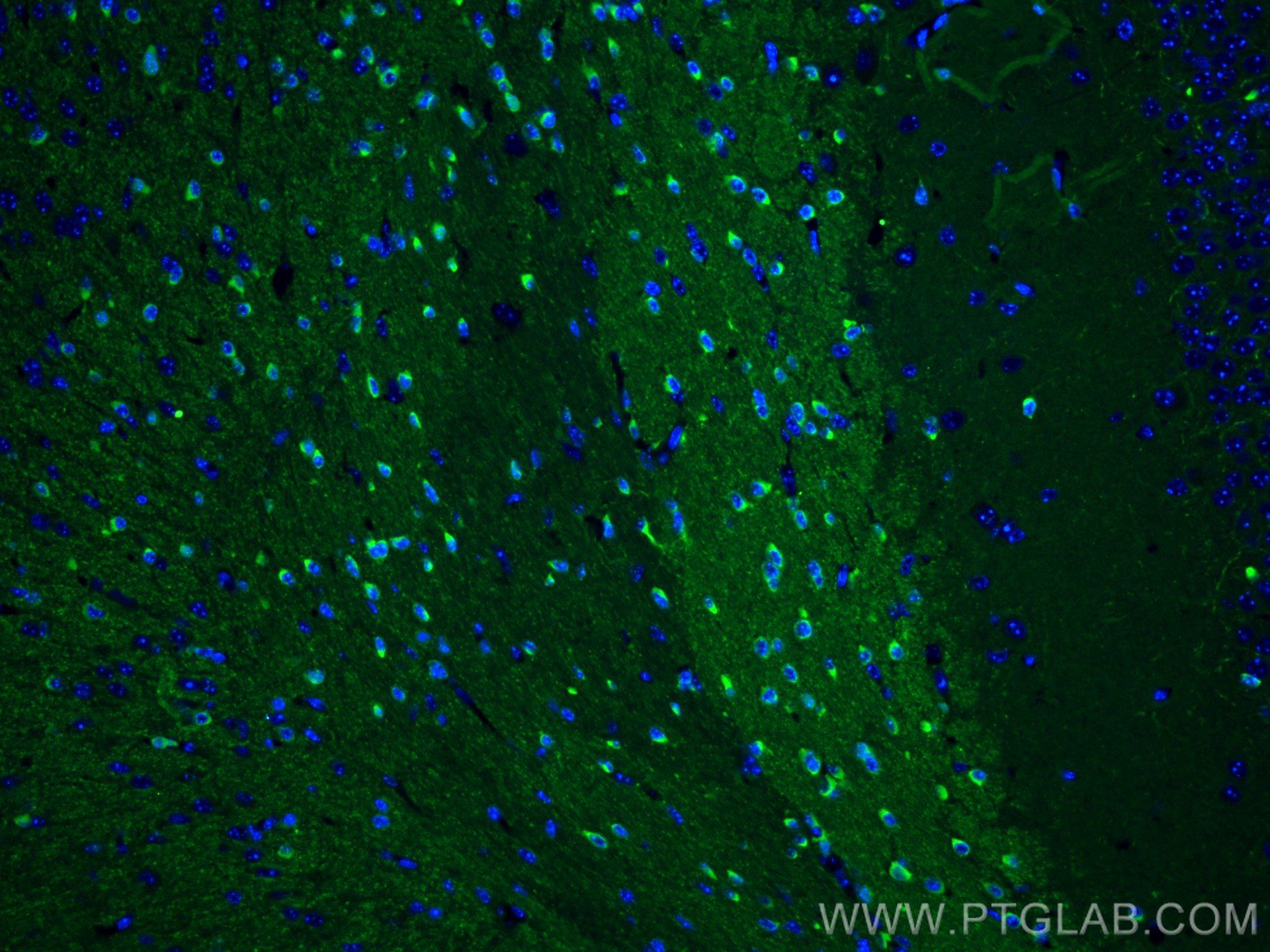
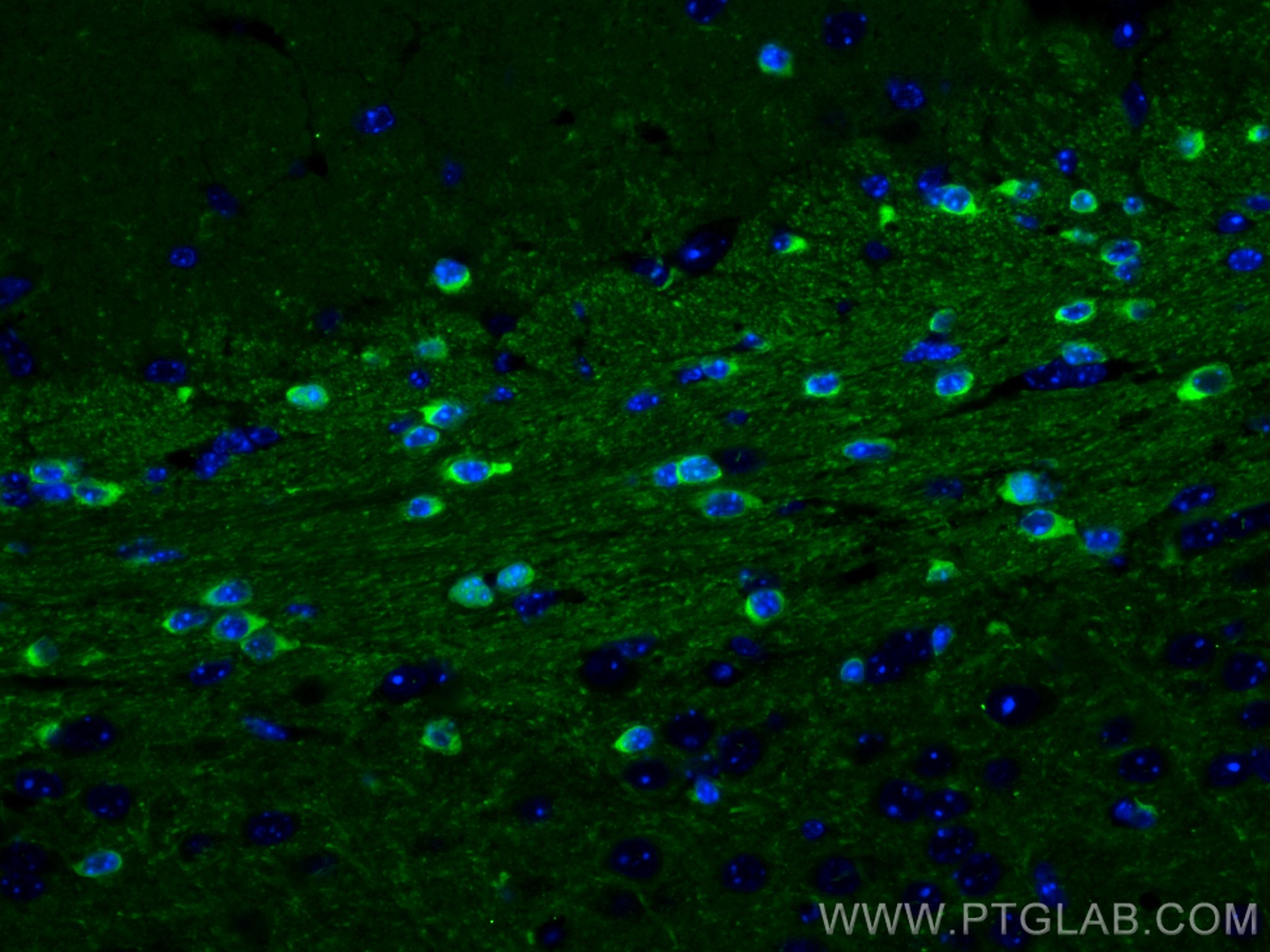
| Positive IF-P detected in | mouse brain tissue |
Recommended dilution
| Application | Dilution |
|---|---|
| Western Blot (WB) | WB : 1:1000-1:6000 |
| Immunohistochemistry (IHC) | IHC : 1:50-1:500 |
| Immunofluorescence (IF)-P | IF-P : 1:50-1:500 |
| It is recommended that this reagent should be titrated in each testing system to obtain optimal results. | |
| Sample-dependent, Check data in validation data gallery. | |
Product Information
14647-1-AP targets BIN1 in WB, IHC, IF-P, CoIP, ELISA applications and shows reactivity with human, mouse, rat samples.
| Tested Reactivity | human, mouse, rat |
| Cited Reactivity | human, mouse, pig |
| Host / Isotype | Rabbit / IgG |
| Class | Polyclonal |
| Type | Antibody |
| Immunogen |
CatNo: Ag6240 Product name: Recombinant human BIN1 protein Source: e coli.-derived, PGEX-4T Tag: GST Domain: 1-439 aa of BC004101 Sequence: MAEMGSKGVTAGKIASNVQKKLTRAQEKVLQKLGKADETKDEQFEQCVQNFNKQLTEGTRLQKDLRTYLASVKAMHEASKKLNECLQEVYEPDWPGRDEANKIAENNDLLWMDYHQKLVDQALLTMDTYLGQFPDIKSRIAKRGRKLVDYDSARHHYESLQTAKKKDEAKIAKAEEELIKAQKVFEEMNVDLQEELPSLWNSRVGFYVNTFQSIAGLEENFHKEMSKLNQNLNDVLVGLEKQHGSNTFTVKAQPSDNAPAKGNKSPSPPDGSPAATPEIRVNHEPEPAGGATPGATLPKSPSQPAEASEVAGGTQPAAGAQEPGETAASEAASSSLPAVVVETFPATVNGTVEGGSGAGRLDLPPGFMFKVQAQHDYTATDTDELQLRAGDVVLVIPFQNPEEQDEGWLMGVKESDWNQHKELEKCRGVFPENFTERVP Predict reactive species |
| Full Name | bridging integrator 1 |
| Calculated Molecular Weight | 65 kDa |
| Observed Molecular Weight | 50-65 kDa |
| GenBank Accession Number | BC004101 |
| Gene Symbol | BIN1 |
| Gene ID (NCBI) | 274 |
| RRID | AB_2243396 |
| Conjugate | Unconjugated |
| Form | Liquid |
| Purification Method | Antigen affinity purification |
| UNIPROT ID | O00499 |
| Storage Buffer | PBS with 0.02% sodium azide and 50% glycerol, pH 7.3. |
| Storage Conditions | Store at -20°C. Stable for one year after shipment. Aliquoting is unnecessary for -20oC storage. 20ul sizes contain 0.1% BSA. |
Background Information
BIN1 (Bridging integrator 1), also known as amphiphysin II or Myc box-dependent-interacting protein 1, is a ubiquitous nucleocytoplasmic adaptor protein that was identified initially as an MYC-interacting proapoptotic tumor suppressor. Alternative splicing of the gene results in multiple transcript variants encoding different isoforms. BIN1 is a key regulator of different cellular functions, including endocytosis and membrane recycling, cytoskeleton regulation, DNA repair, cell cycle progression, and apoptosis (PMID: 24590001).
Protocols
| Product Specific Protocols | |
|---|---|
| IF protocol for BIN1 antibody 14647-1-AP | Download protocol |
| IHC protocol for BIN1 antibody 14647-1-AP | Download protocol |
| WB protocol for BIN1 antibody 14647-1-AP | Download protocol |
| Standard Protocols | |
|---|---|
| Click here to view our Standard Protocols |
Publications
What published studies show
The anti-BIN1 antibody (Cat# 14647-1-AP) has 20 citations. Journals include Nature, Molecular Neurodegeneration, Autophagy, Advanced Science, Cell Death Discovery, Oncogene, Cell Reports, Molecular & Cellular Proteomics, Cells, International Journal of Cancer, Cancers, Journal of Biological Chemistry, Toxicology & Applied Pharmacology, Journal of Neuropathology & Experimental Neurology, Life Science Alliance, Molecular Biology of the Cell, eNeuro, Journal of Comparative Neurology, Research Square, and bioRxiv. Research fields span Alzheimer's disease/neurodegeneration, cancer, autophagy, and neurobiology.
| Species | Application | Title |
|---|---|---|
Mol Neurodegener BIN1 is a key regulator of proinflammatory and neurodegeneration-related activation in microglia. | ||
Autophagy BIN1 deficiency enhances ULK3-dependent autophagic flux and reduces dendritic size in mouse hippocampal neurons
| ||
Adv Sci (Weinh) BIN1 and ALDH1B1 Deficiency in Colonic Smooth Muscle Drives Mitochondrial Dysfunction and Fibrosis in Slow-Transit Constipation. | ||
Cell Death Discov Long non-coding RNA SNHG10 upregulates BIN1 to suppress the tumorigenesis and epithelial-mesenchymal transition of epithelial ovarian cancer via sponging miR-200a-3p. | ||
Oncogene SRSF10 promotes cisplatin resistance in bladder cancer via BIN1 Exon 12 retention and ANXA1 activation |
Reviews
What customers say
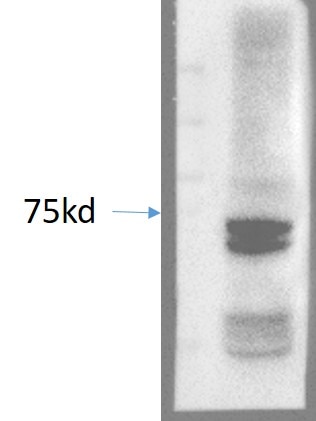
Both reviews are 5-star. One user used the antibody for Western Blot at a 1:2000 dilution on mouse brain lysate and praised it as an excellent reagent for detecting Bin1 at the correct molecular weight. The other user described it as very useful in their experiments. Overall, reviewers report reliable performance and strong specificity for the target.
The reviews below have been submitted by verified Proteintech customers who received an incentive for providing their feedback.
Michael (Verified Customer) (03-05-2026) | This antibody is very useful in our experiments.
|
CaX (Verified Customer) (10-24-2023) | An excellent Ab to probe Bin1 at the right MW.
 |














