
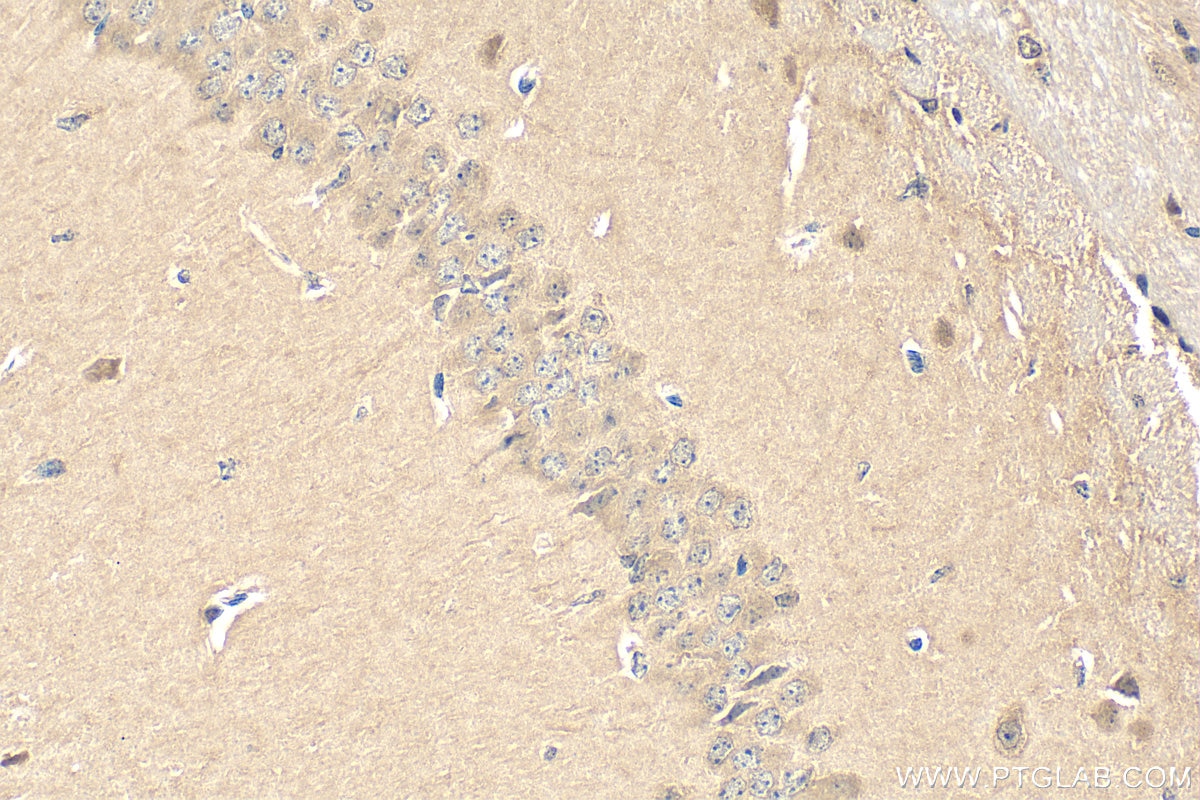
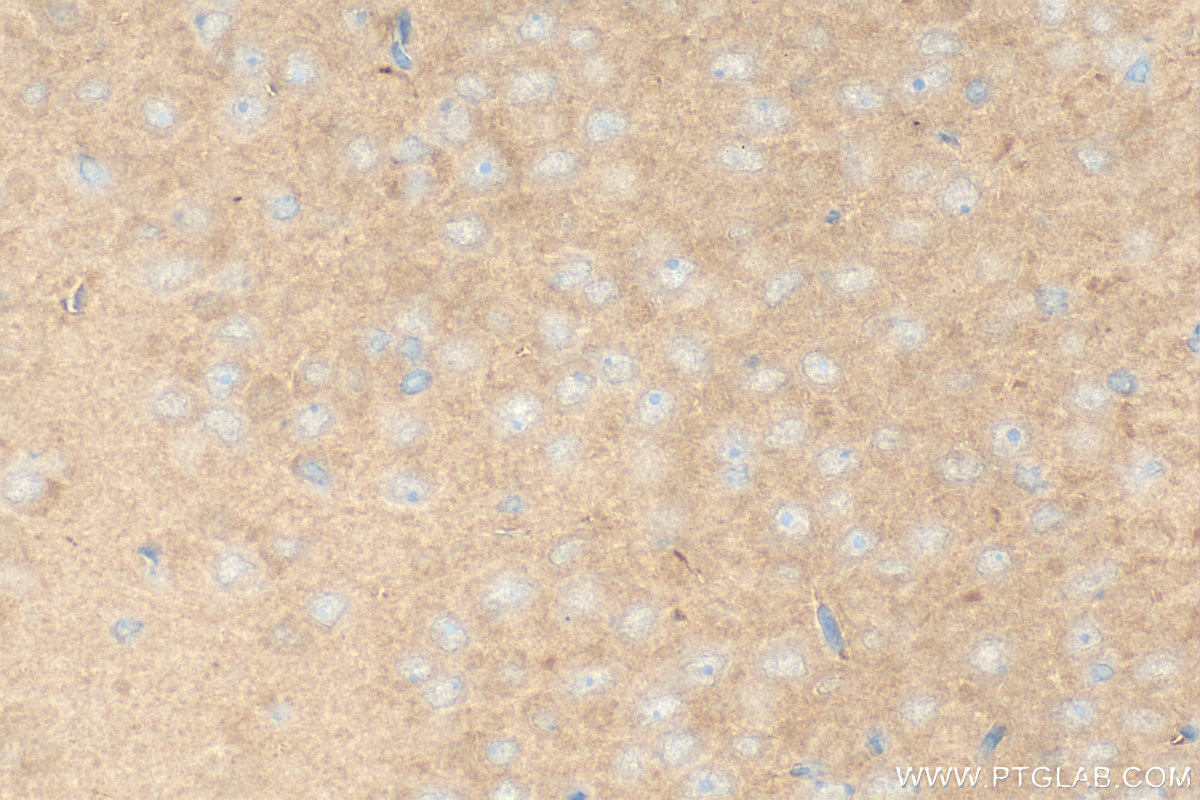
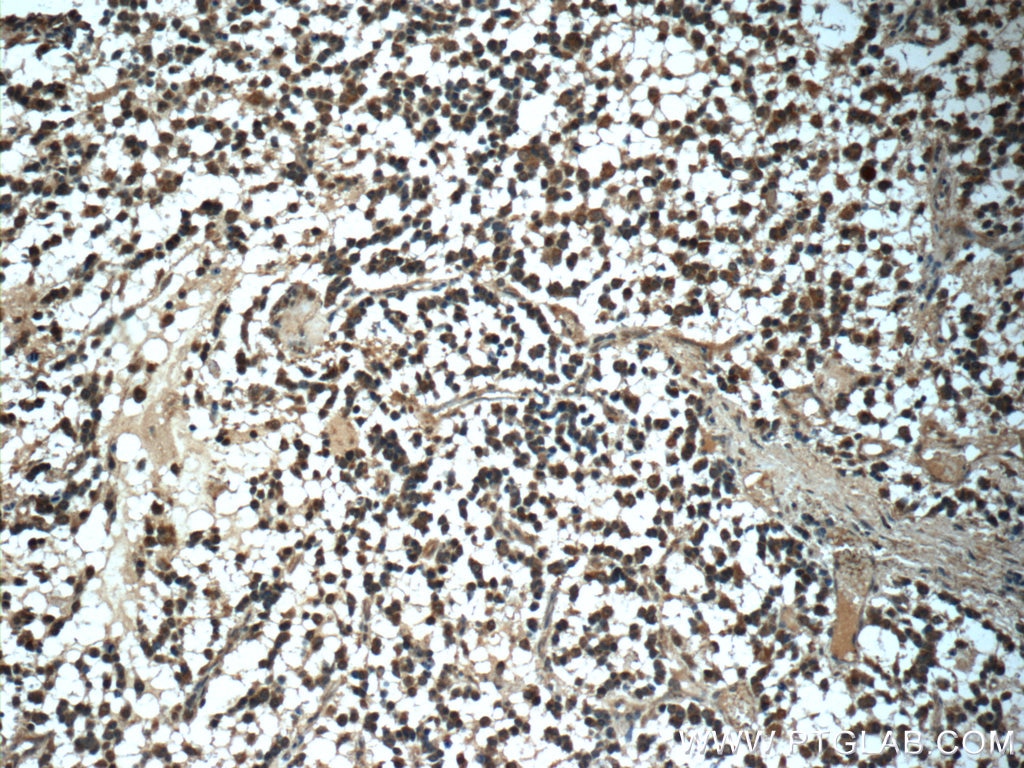
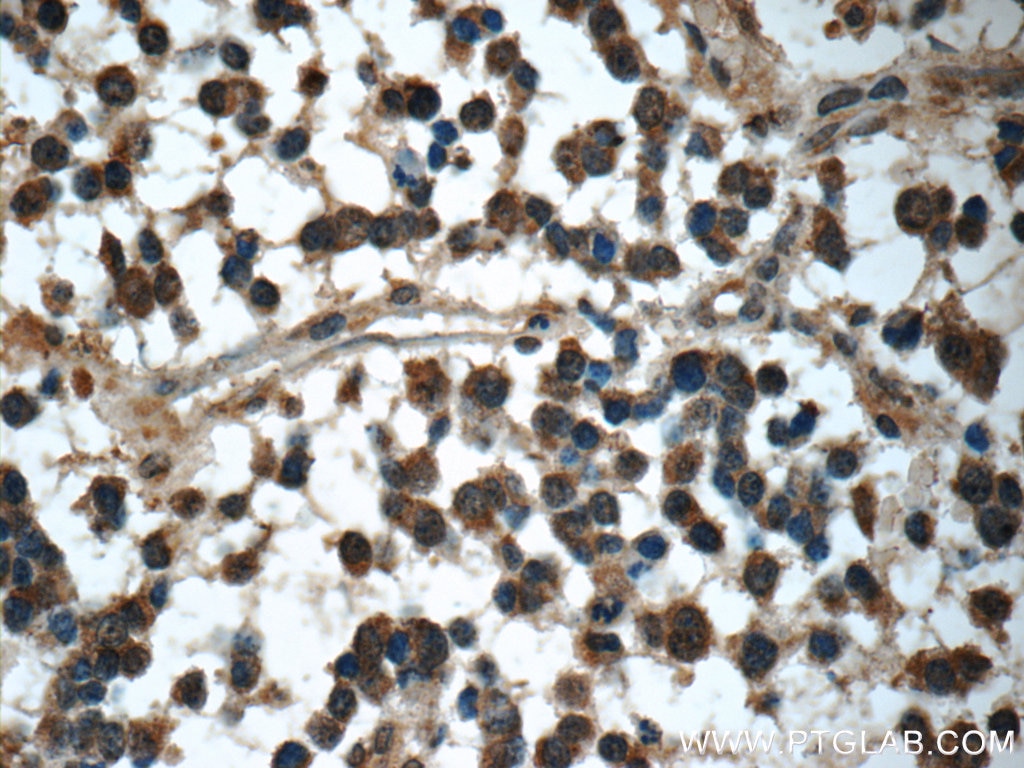

Tested Applications
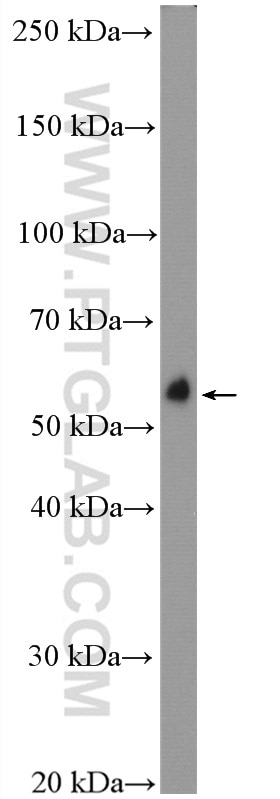
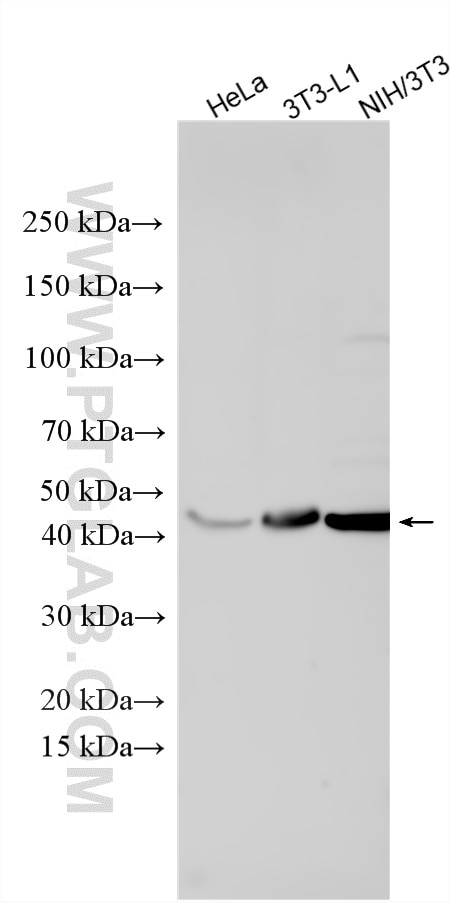
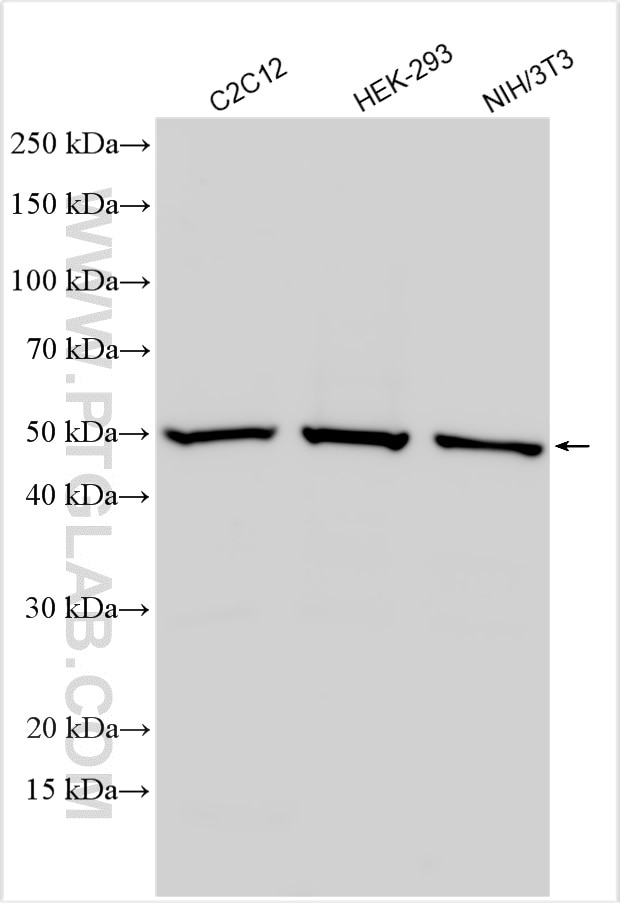
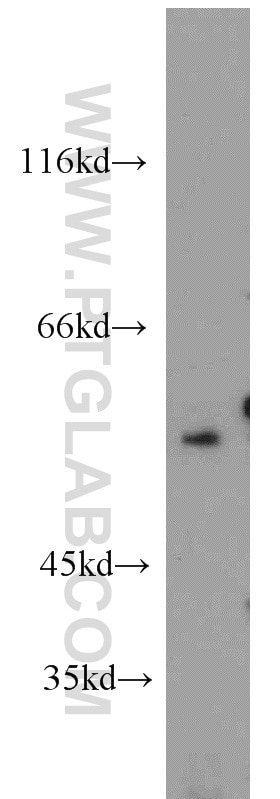
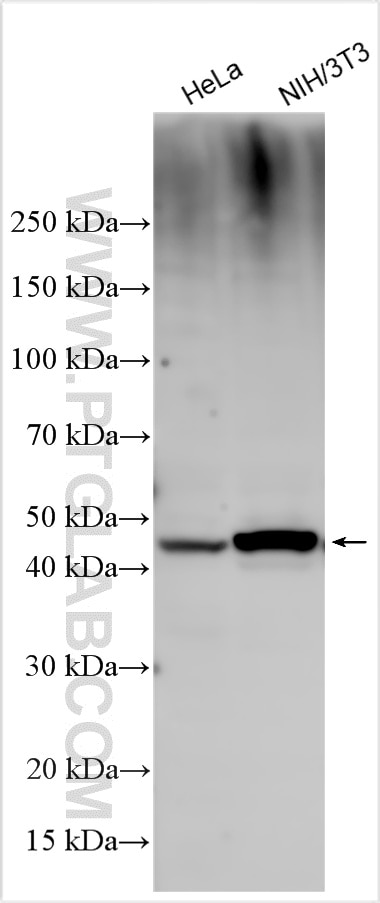
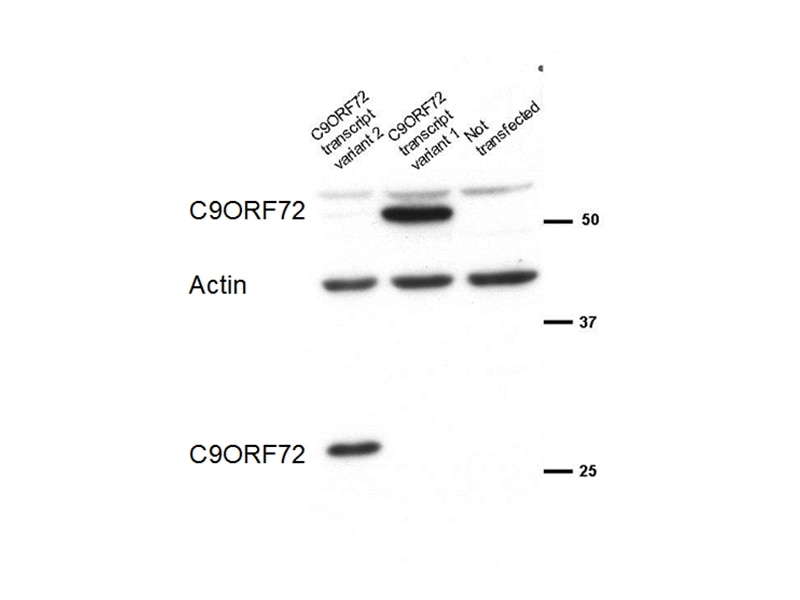
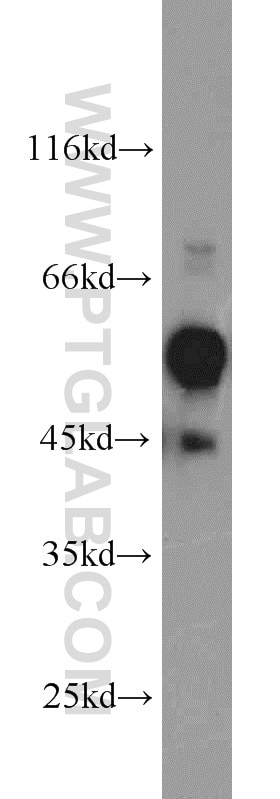
| Positive WB detected in | C2C12 cells, HeLa cells, mouse testis tissue, rat brain tissue, SH-SY5Y cells, Sp2/0 cells, transfected cells, HEK-293 cells, NIH/3T3 cells, 3T3-L1 cells |
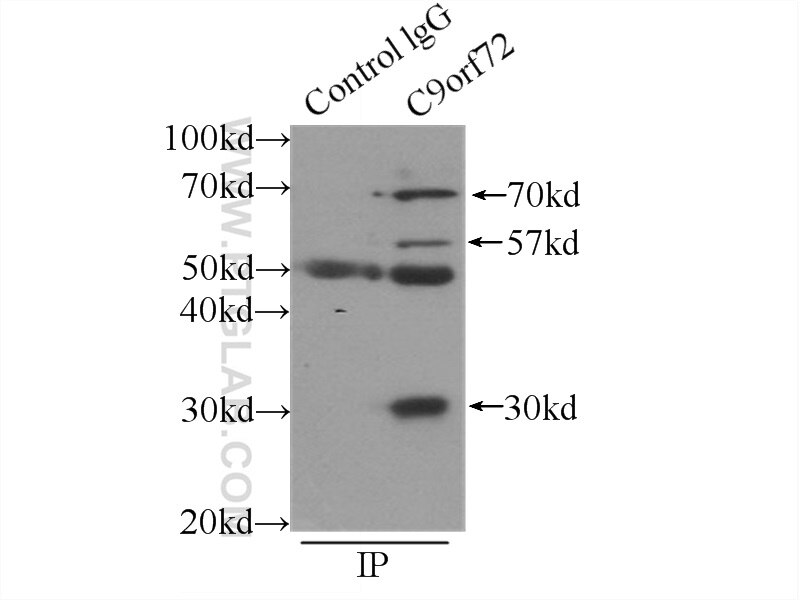
| Positive IP detected in | SH-SY5Y cells |
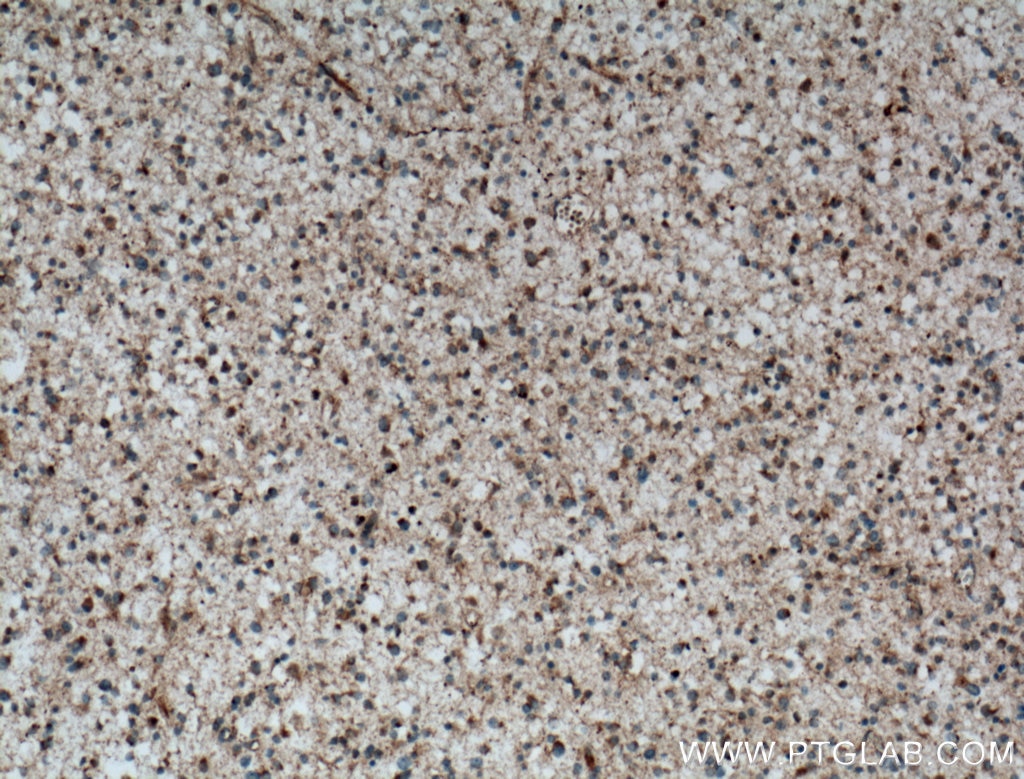
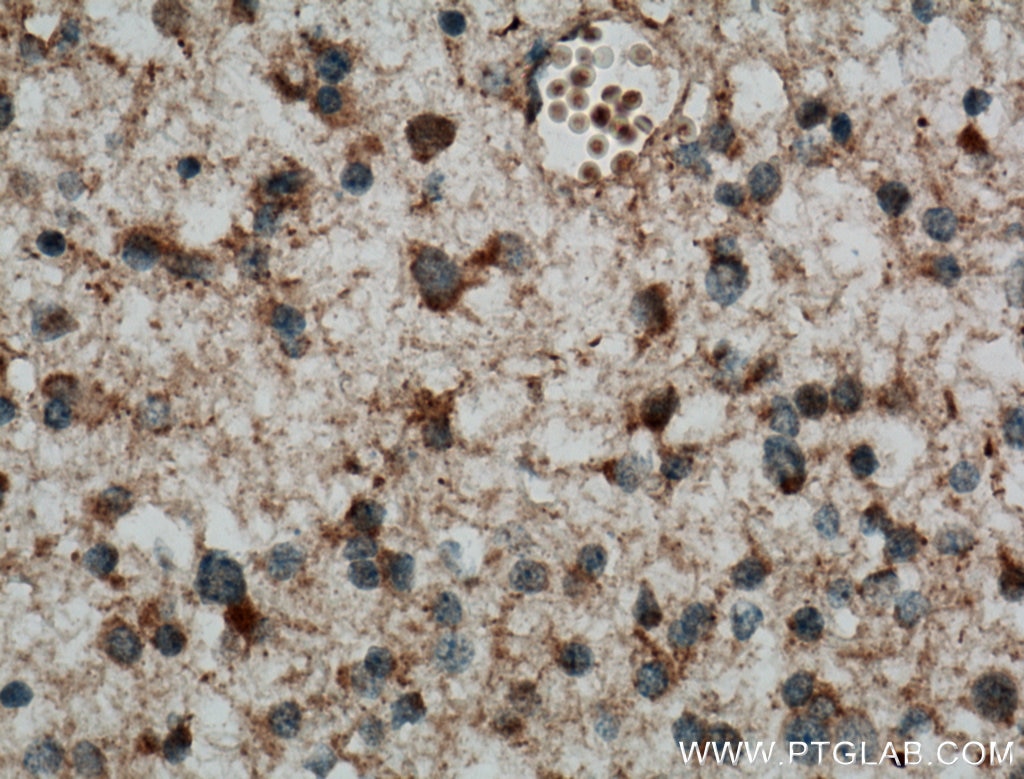
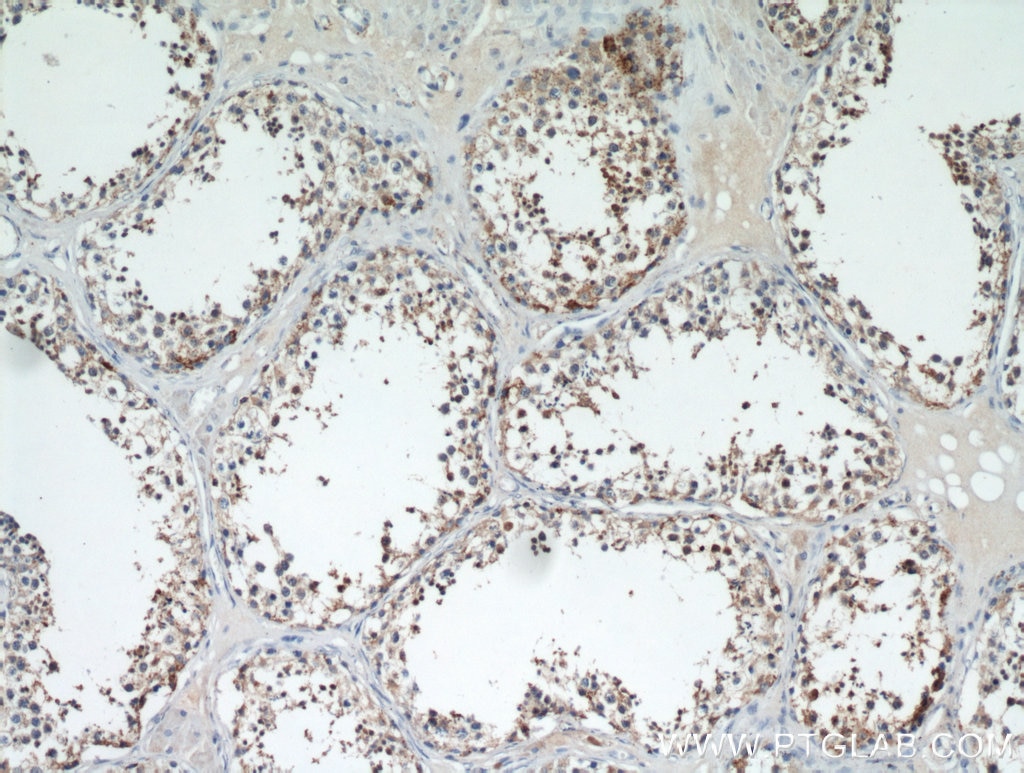
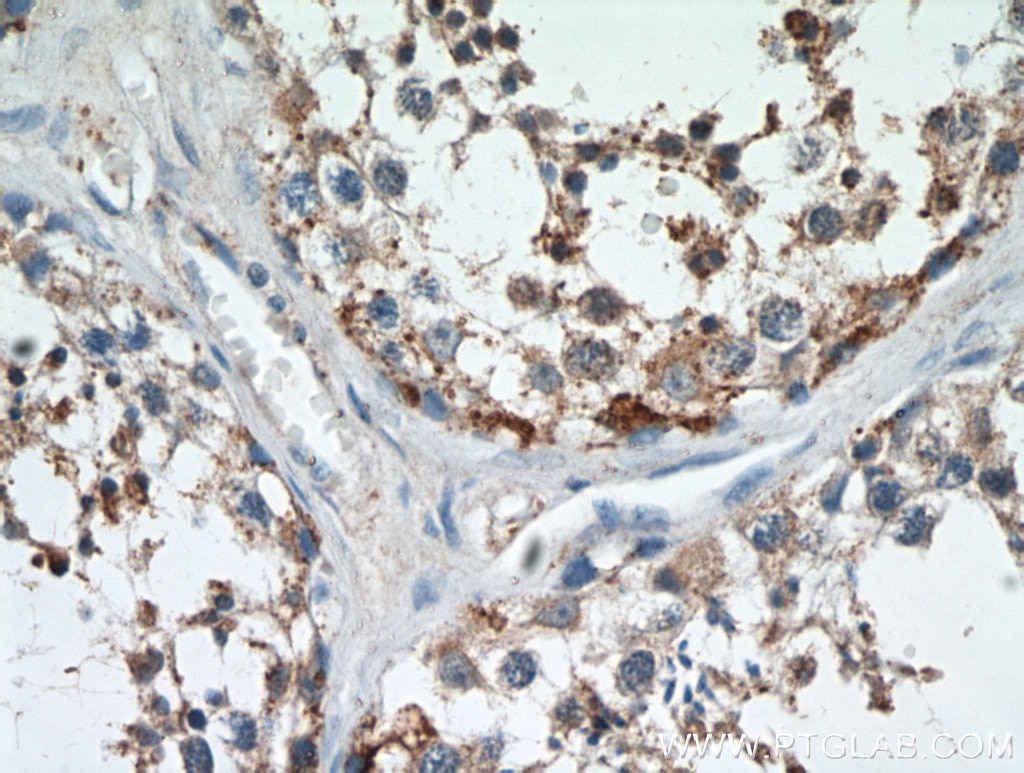
| Positive IHC detected in | human gliomas tissue, human testis tissue, mouse brain tissue, rat brain tissue Note: suggested antigen retrieval with TE buffer pH 9.0; (*) Alternatively, antigen retrieval may be performed with citrate buffer pH 6.0 |
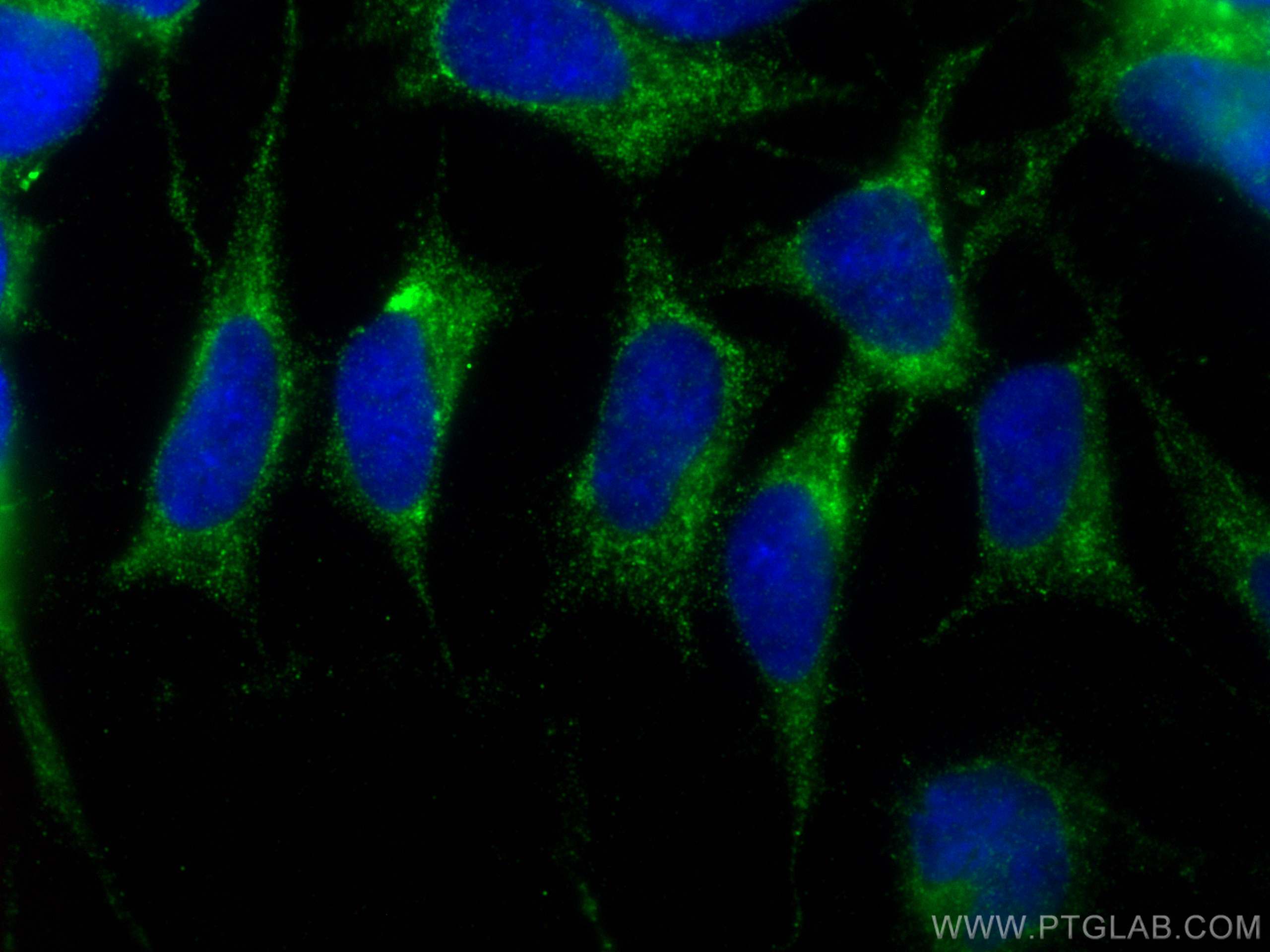
| Positive IF/ICC detected in | SH-SY5Y cells |
Recommended dilution
| Application | Dilution |
|---|---|
| Western Blot (WB) | WB : 1:500-1:3000 |
| Immunoprecipitation (IP) | IP : 0.5-4.0 ug for 1.0-3.0 mg of total protein lysate |
| Immunohistochemistry (IHC) | IHC : 1:500-1:2000 |
| Immunofluorescence (IF)/ICC | IF/ICC : 1:50-1:500 |
| It is recommended that this reagent should be titrated in each testing system to obtain optimal results. | |
| Sample-dependent, Check data in validation data gallery. | |
Product Information
22637-1-AP targets C9orf72 in WB, IHC, IF/ICC, IP, CoIP, ELISA applications and shows reactivity with human, mouse, rat samples.
| Tested Reactivity | human, mouse, rat |
| Cited Reactivity | human, mouse, rat, caenorhabditis elegans |
| Host / Isotype | Rabbit / IgG |
| Class | Polyclonal |
| Type | Antibody |
| Immunogen |
CatNo: Ag18326 Product name: Recombinant human C9orf72 protein Source: e coli.-derived, PGEX-4T Tag: GST Domain: 1-169 aa of BC020851 Sequence: MSTLCPPPSPAVAKTEIALSGKSPLLAATFAYWDNILGPRVRHIWAPKTEQVLLSDGEITFLANHTLNGEILRNAESGAIDVKFFVLSEKGVIIVSLIFDGNWNGDRSTYGLSIILPQTELSFYLPLHRVCVDRLTHIIRKGRIWMHKERQENVQKIILEGTERMEDQG Predict reactive species |
| Full Name | chromosome 9 open reading frame 72 |
| Calculated Molecular Weight | 481 aa, 54 kDa |
| Observed Molecular Weight | 50-54 kDa |
| GenBank Accession Number | BC020851 |
| Gene Symbol | C9orf72 |
| Gene ID (NCBI) | 203228 |
| RRID | AB_10953528 |
| Conjugate | Unconjugated |
| Form | Liquid |
| Purification Method | Antigen affinity purification |
| UNIPROT ID | Q96LT7 |
| Storage Buffer | PBS with 0.02% sodium azide and 50% glycerol, pH 7.3. |
| Storage Conditions | Store at -20°C. Stable for one year after shipment. Aliquoting is unnecessary for -20oC storage. 20ul sizes contain 0.1% BSA. |
Background Information
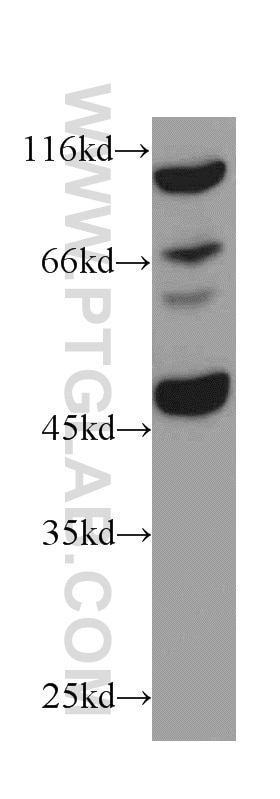
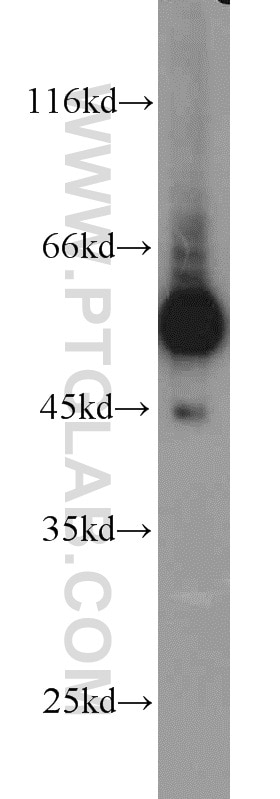
C9ORF72 has a domain whith polymorphic hexanucleotide repeat (GGGGCC). The C9ORF72-hexanucleotide repeat expansions have been recently identified as genetic markers in amyotrophic lateral sclerosis (ALS) and frontotemporal lobar degeneration (FTLD). The C9ORF72 repeat expansions may indicate a worse prognosis in ALS. Human C9ORF72 has some isoforms with MW 54-60 kDa and 25-30 kDa. Mouse C9orf72 has some isoforms with MW 50-60 kDa and 35 kDa. It has been reported that C9orf72 forms a complex with Cofilin and other actin binding proteins and 22637-1-AP antibody detects the complex bands around 43 and 68-72 kDa in SDS-PAGE.(PMID: 27723745)
Protocols
| Product Specific Protocols | |
|---|---|
| IF protocol for C9orf72 antibody 22637-1-AP | Download protocol |
| IHC protocol for C9orf72 antibody 22637-1-AP | Download protocol |
| IP protocol for C9orf72 antibody 22637-1-AP | Download protocol |
| WB protocol for C9orf72 antibody 22637-1-AP | Download protocol |
| Standard Protocols | |
|---|---|
| Click here to view our Standard Protocols |
Publications
What published studies show
The C9orf72 Polyclonal antibody (Cat# 22637-1-AP) has 39 citations. Journals include Nature Medicine, Science, Cell Metabolism, Nature Neuroscience, Nature Communications, Neuron, Science Translational Medicine, EMBO Journal, Acta Neuropathologica, Cell Reports, eLife, and others. Research fields center on ALS/FTD neurodegeneration, C9orf72 repeat expansion, autophagy, stress granules, neuroinflammation, and metabolic regulation, using applications such as WB, IF, IHC, CoIP, and ELISA across human, mouse, rat, and C. elegans models.
| Species | Application | Title |
|---|---|---|
Nat Med Haploinsufficiency leads to neurodegeneration in C9ORF72 ALS/FTD human induced motor neurons. | ||
Science C9orf72 is required for proper macrophage and microglial function in mice.
| ||
Cell Metab C9orf72 regulates energy homeostasis by stabilizing mitochondrial complex I assembly.
| ||
Nat Neurosci Reduced C9ORF72 function exacerbates gain of toxicity from ALS/FTD-causing repeat expansion in C9orf72.
| ||
Nat Commun A high-fidelity CRISPR-Cas13 system improves abnormalities associated with C9ORF72-linked ALS/FTD | ||
Nat Commun C9orf72-catalyzed GTP loading of Rab39A enables HOPS-mediated membrane tethering and fusion in mammalian autophagy
|




















