

Tested Applications
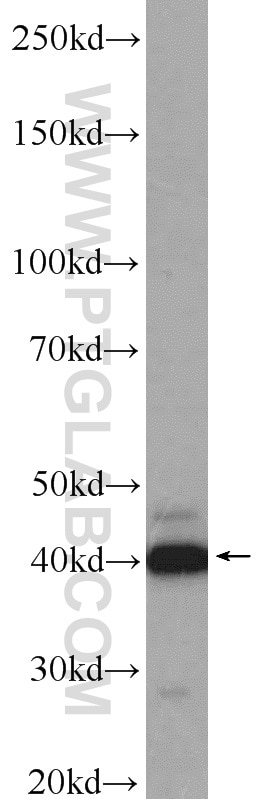
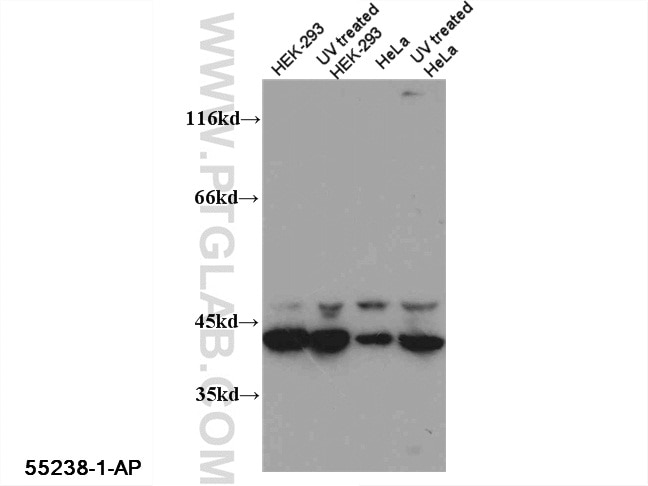
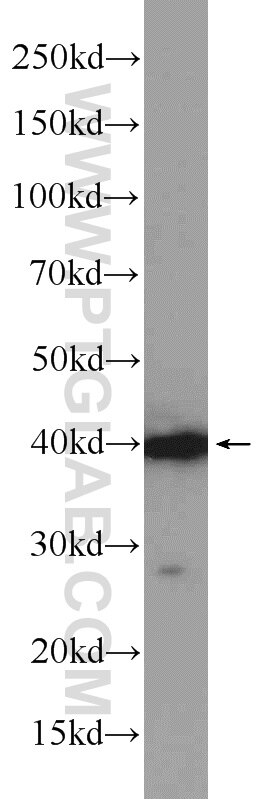
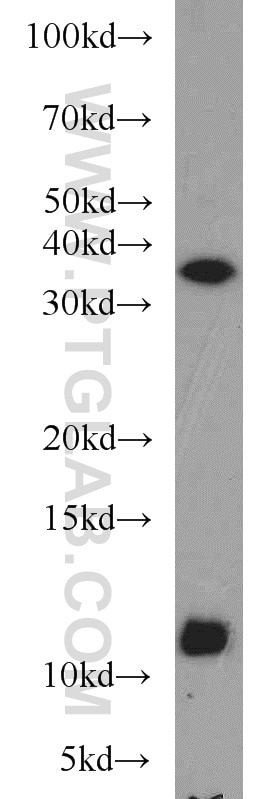
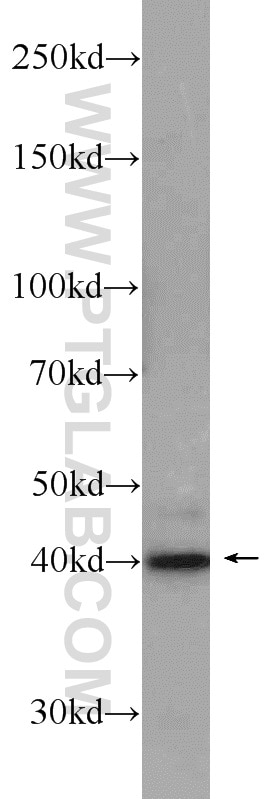
| Positive WB detected in | HEK-293 cells, multi-cells |
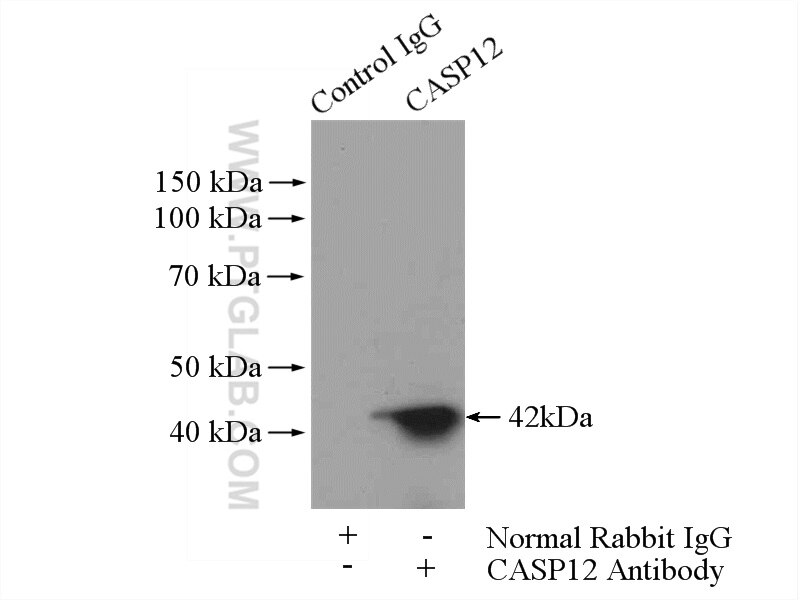
| Positive IP detected in | HEK-293 cells |
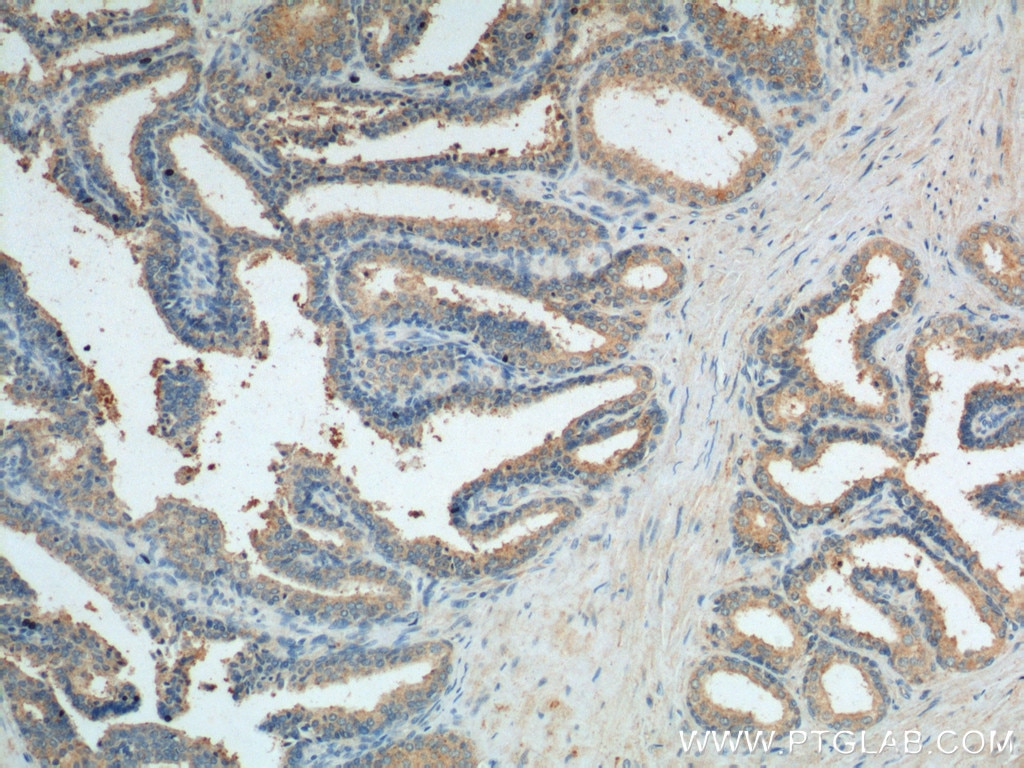
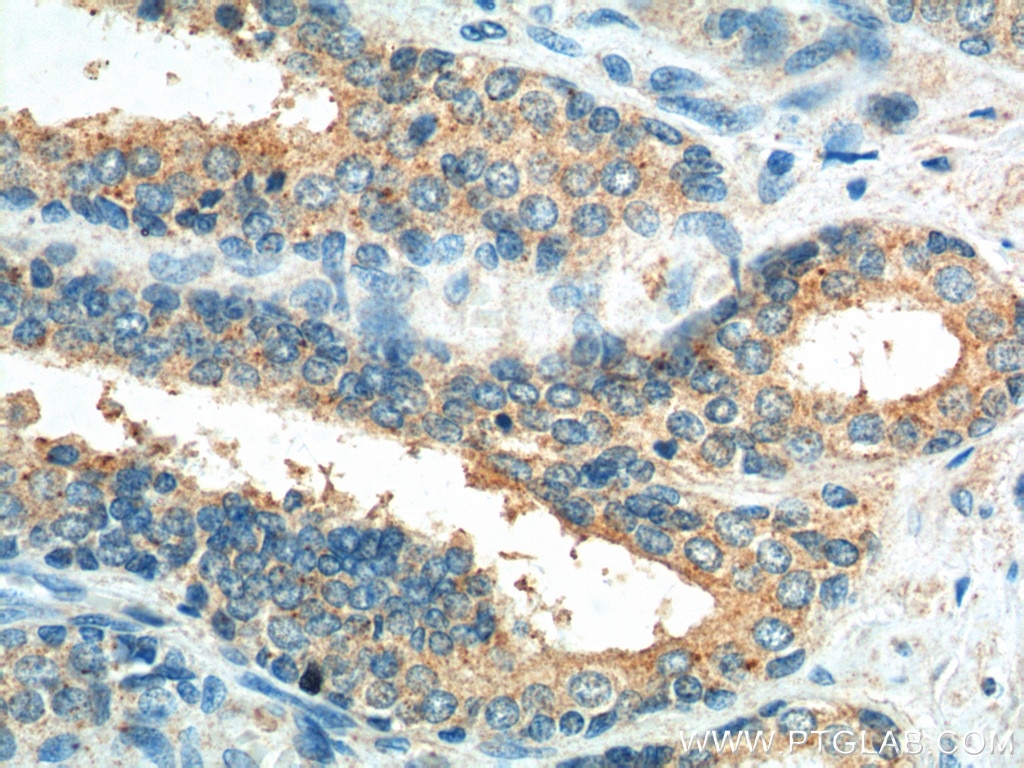
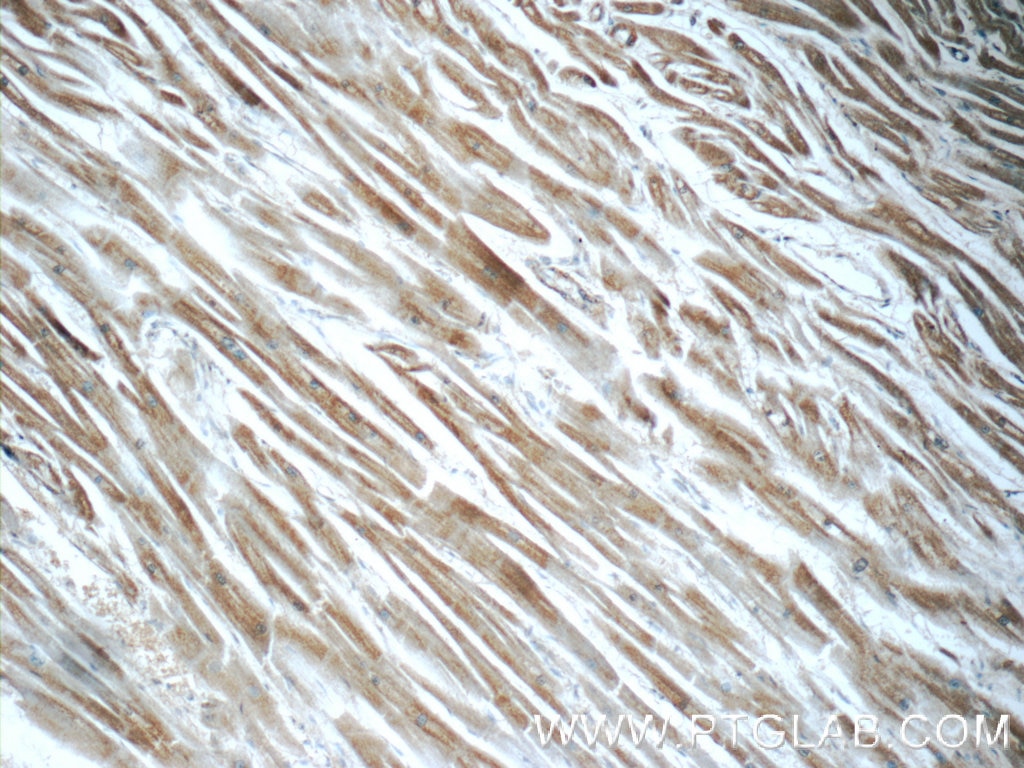
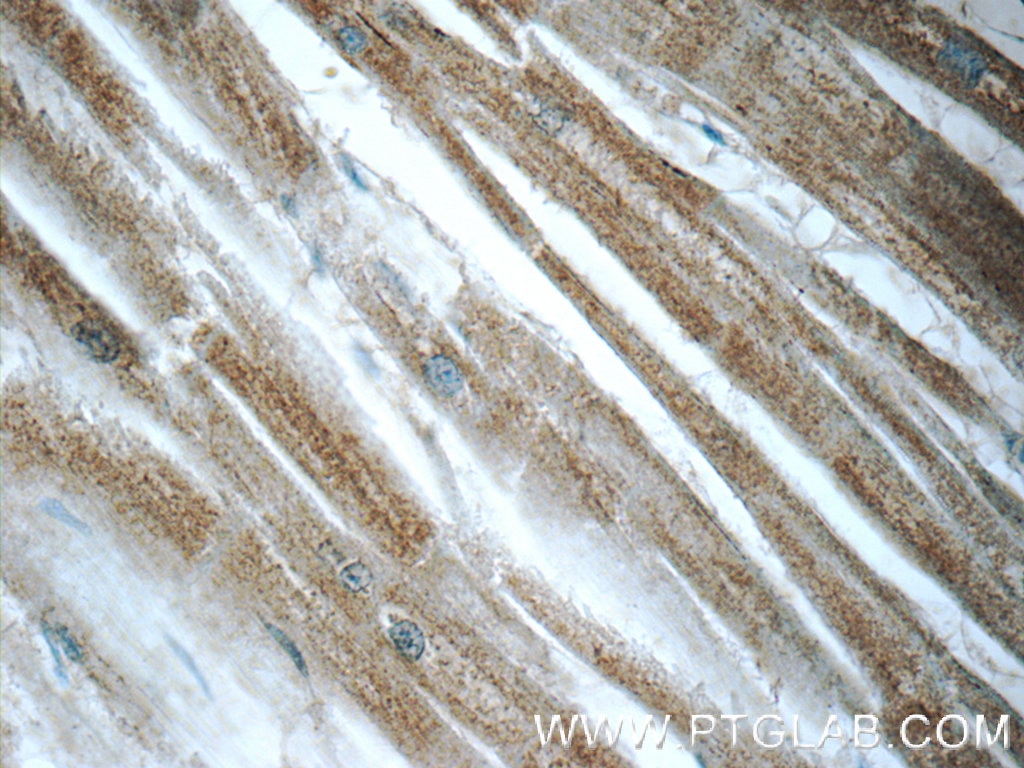
| Positive IHC detected in | human prostate hyperplasia tissue, human heart tissue Note: suggested antigen retrieval with TE buffer pH 9.0; (*) Alternatively, antigen retrieval may be performed with citrate buffer pH 6.0 |
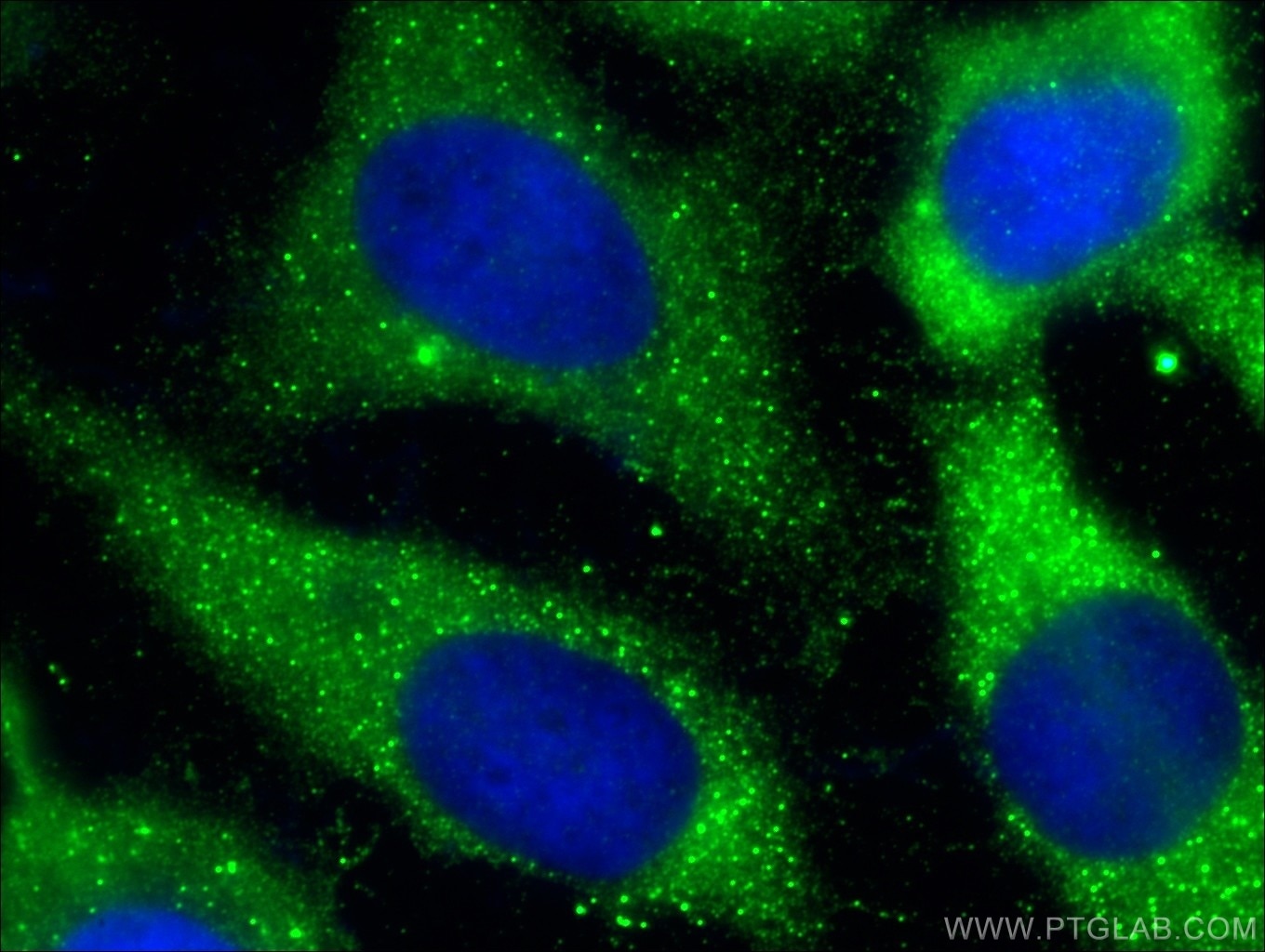
| Positive IF/ICC detected in | HeLa cells |
Recommended dilution
| Application | Dilution |
|---|---|
| Western Blot (WB) | WB : 1:500-1:2000 |
| Immunoprecipitation (IP) | IP : 0.5-4.0 ug for 1.0-3.0 mg of total protein lysate |
| Immunohistochemistry (IHC) | IHC : 1:50-1:500 |
| Immunofluorescence (IF)/ICC | IF/ICC : 1:50-1:500 |
| It is recommended that this reagent should be titrated in each testing system to obtain optimal results. | |
| Sample-dependent, Check data in validation data gallery. | |
Product Information
55238-1-AP targets Caspase 12 in WB, IHC, IF/ICC, IP, ELISA applications and shows reactivity with human samples.
| Tested Reactivity | human |
| Cited Reactivity | human, pig, hamster |
| Host / Isotype | Rabbit / IgG |
| Class | Polyclonal |
| Type | Antibody |
| Immunogen |
Peptide Predict reactive species |
| Full Name | caspase 12 (gene/pseudogene) |
| Calculated Molecular Weight | 39 kDa |
| Observed Molecular Weight | 36-42 kDa, 50 kDa |
| GenBank Accession Number | NR_000035 |
| Gene Symbol | Caspase 12 |
| Gene ID (NCBI) | 120329 |
| RRID | AB_10892670 |
| Conjugate | Unconjugated |
| Form | Liquid |
| Purification Method | Antigen affinity purification |
| Storage Buffer | PBS with 0.02% sodium azide and 50% glycerol, pH 7.3. |
| Storage Conditions | Store at -20°C. Stable for one year after shipment. Aliquoting is unnecessary for -20oC storage. 20ul sizes contain 0.1% BSA. |
Background Information
Caspase 12 is an enzyme known as a cysteine protease. It belongs to a family of enzymes called caspases that cleave their substrates at C-terminal aspartic acid residues. It is most highly related to members of the ICE subfamily of caspases that process inflammatory cytokines. Caspase-12 is located in the endoplasmic reticulum (ER). It is responsible for ER-stress-induced apoptosis, such as high calcium concentration, low oxygen and low glucose levels. Caspase-12 Antibody detects endogenous levels of full-length caspase-12 protein (50 kDa) and its cleaved product (40-44 kDa). This antibody does not cross-react with other caspases.
Protocols
| Product Specific Protocols | |
|---|---|
| IF protocol for Caspase 12 antibody 55238-1-AP | Download protocol |
| IHC protocol for Caspase 12 antibody 55238-1-AP | Download protocol |
| IP protocol for Caspase 12 antibody 55238-1-AP | Download protocol |
| WB protocol for Caspase 12 antibody 55238-1-AP | Download protocol |
| Standard Protocols | |
|---|---|
| Click here to view our Standard Protocols |
Publications
What published studies show
The Caspase 12 Polyclonal antibody (Cat# 55238-1-AP) has 123 citations. These appear across journals including Bioactive Materials, Autophagy, Theranostics, Advanced Science, Cell Death & Disease, EBioMedicine, Journal of Medicinal Chemistry, and Toxics. Research fields span endoplasmic reticulum (ER) stress, apoptosis, autophagy, and the unfolded protein response, applied to cancer (breast, lung, pancreatic, nasopharyngeal), neurotoxicity, cardioprotection, renal injury, and environmental toxicology. Most studies use Western blot in human samples.
| Species | Application | Title |
|---|---|---|
Bioact Mater Novel neutrophil extracellular trap-related mechanisms in diabetic wounds inspire a promising treatment strategy with hypoxia-challenged small extracellular vesicles | ||
Autophagy SARS-CoV-2 ORF3a induces RETREG1/FAM134B-dependent reticulophagy and triggers sequential ER stress and inflammatory responses during SARS-CoV-2 infection. | ||
Theranostics Exosomes from mesenchymal stem cells modulate endoplasmic reticulum stress to protect against nucleus pulposus cell death and ameliorate intervertebral disc degeneration in vivo. | ||
Adv Sci (Weinh) Intrinsically Mitochondria-Targeting Nanozyme via Coordination-Assembly of Natural Quercetin for Cascade Antioxidant Therapy of Cerebral Ischemia-Reperfusion Injury. | ||
Asian J Pharm Sci Enhanced photodynamic therapy/photothermo therapy for nasopharyngeal carcinoma via a tumour microenvironment-responsive self-oxygenated drug delivery system. | ||
Cell Death Dis Betulinic acid chemosensitizes breast cancer by triggering ER stress-mediated apoptosis by directly targeting GRP78. |












