
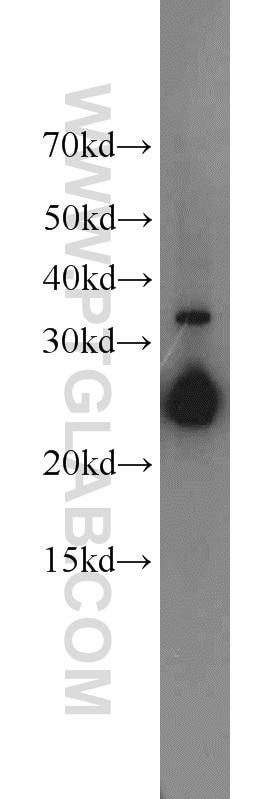
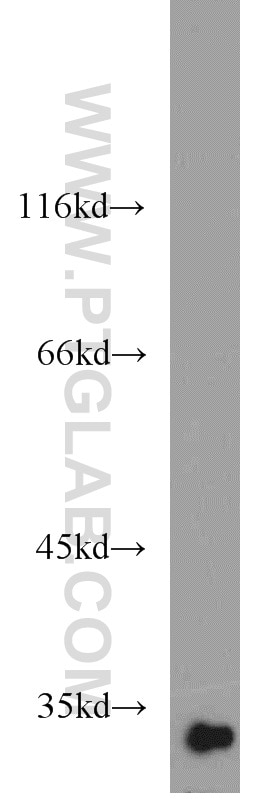
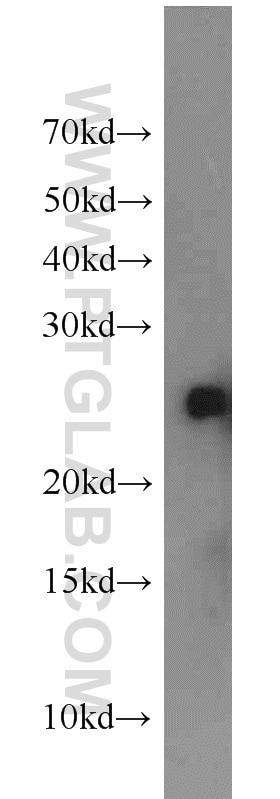
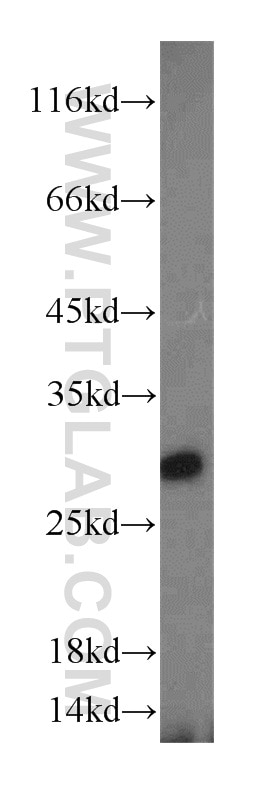

Tested Applications
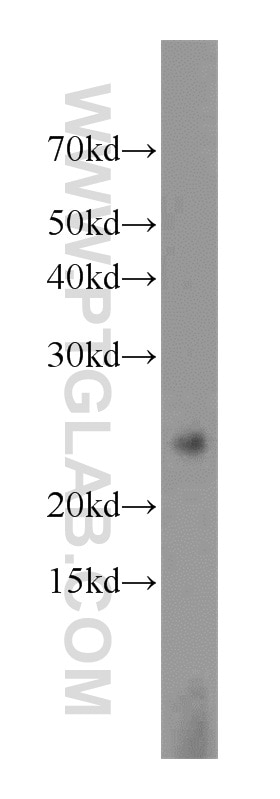
| Positive WB detected in | HEK-293 cells, mouse lung tissue, HeLa cells, A431 cells, mouse kidney tissue |
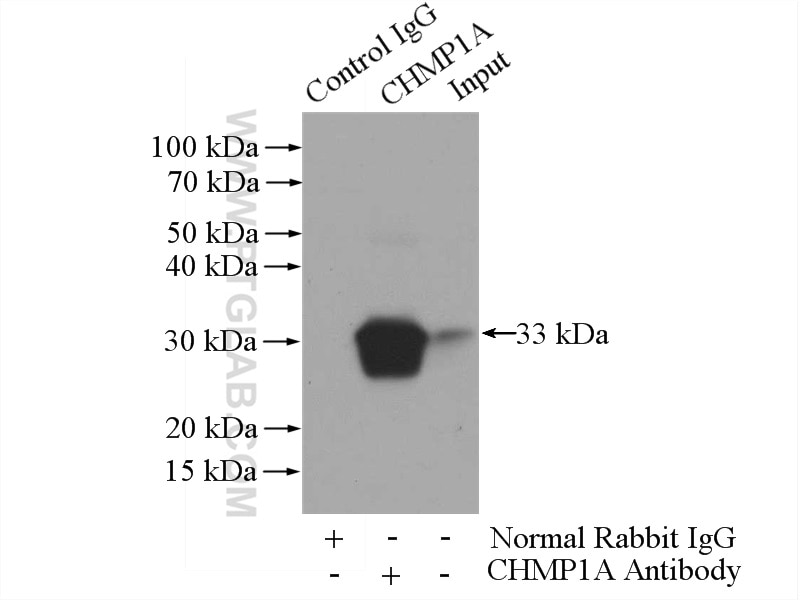
| Positive IP detected in | HEK-293 cells |
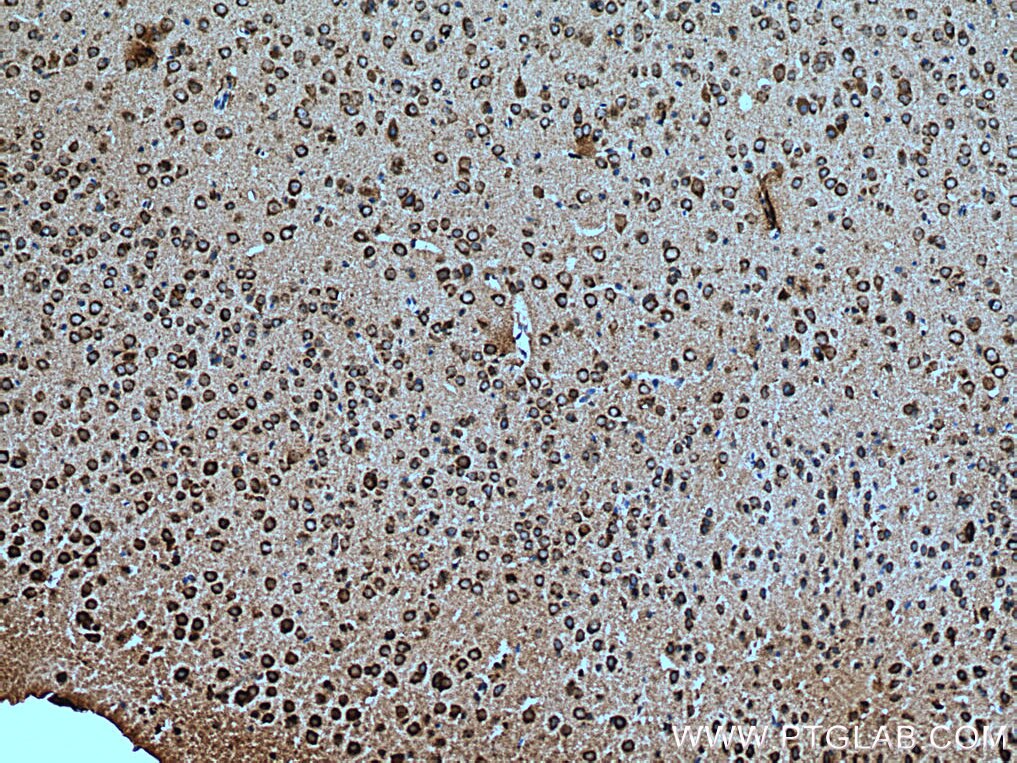
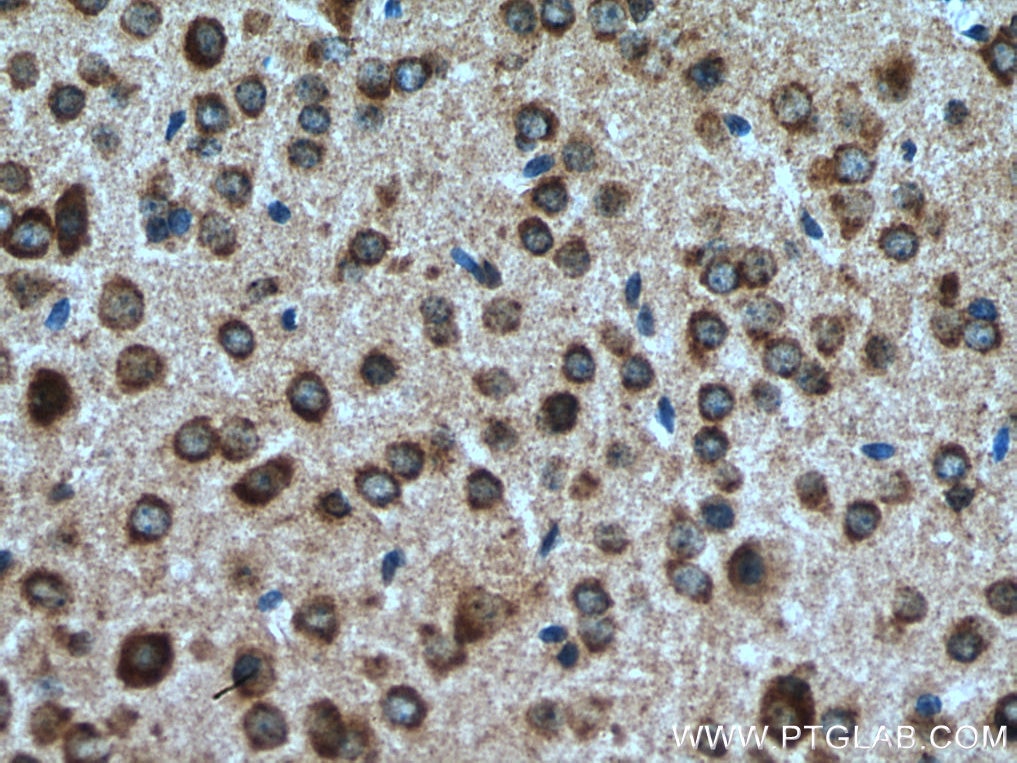
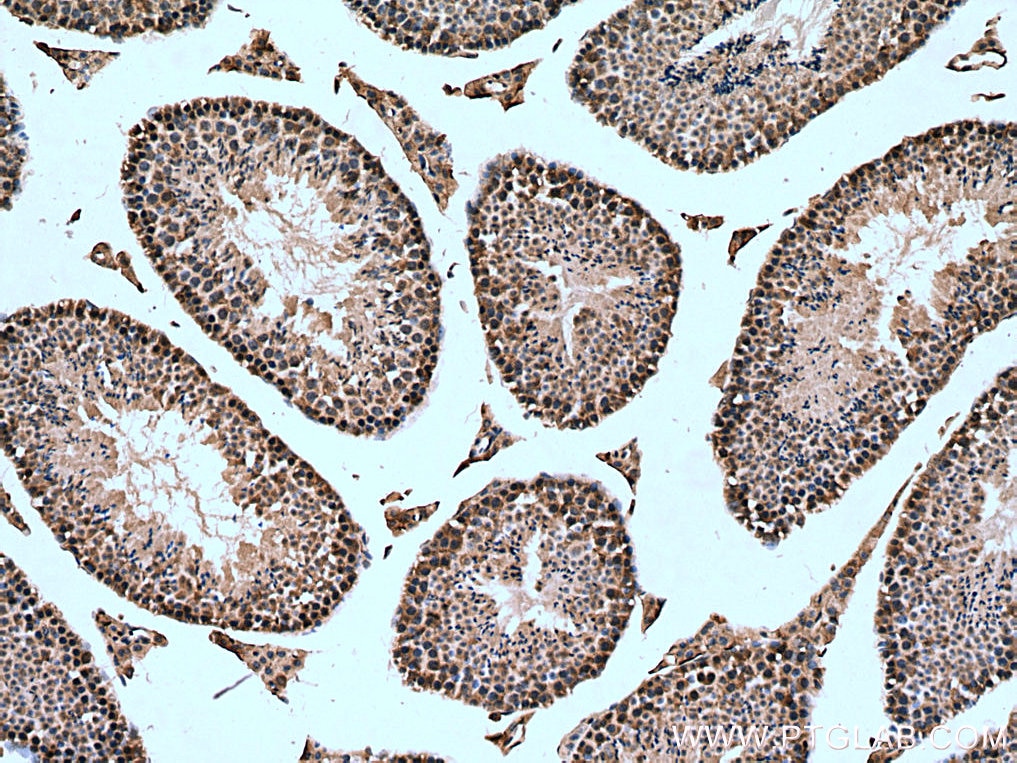
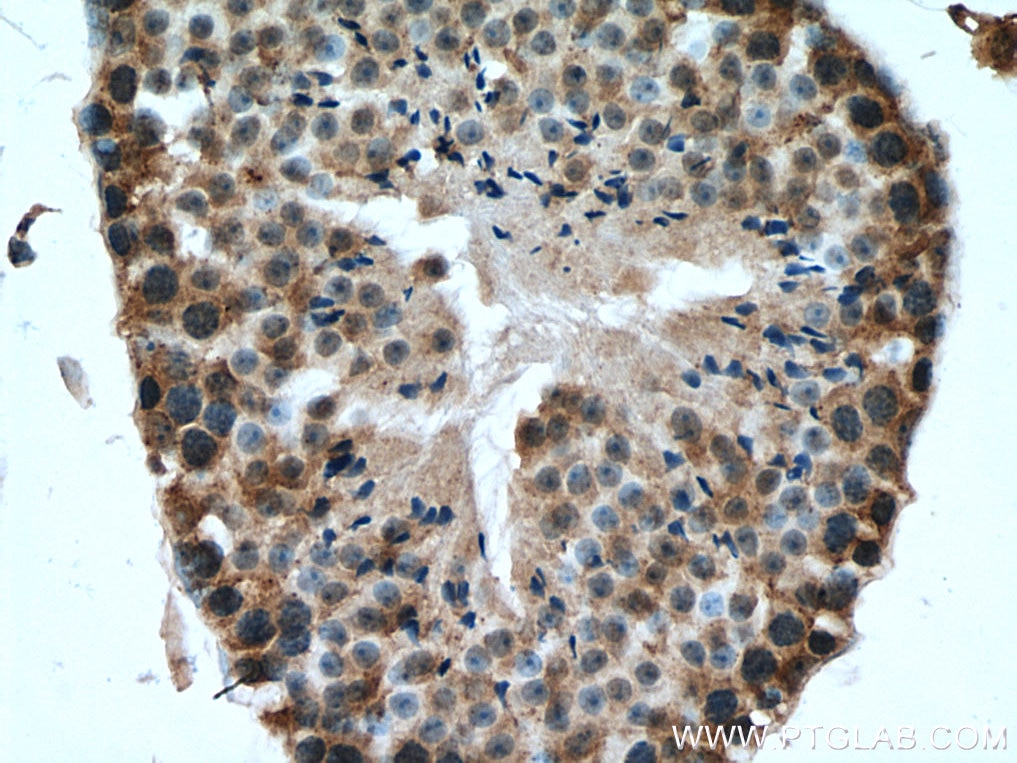
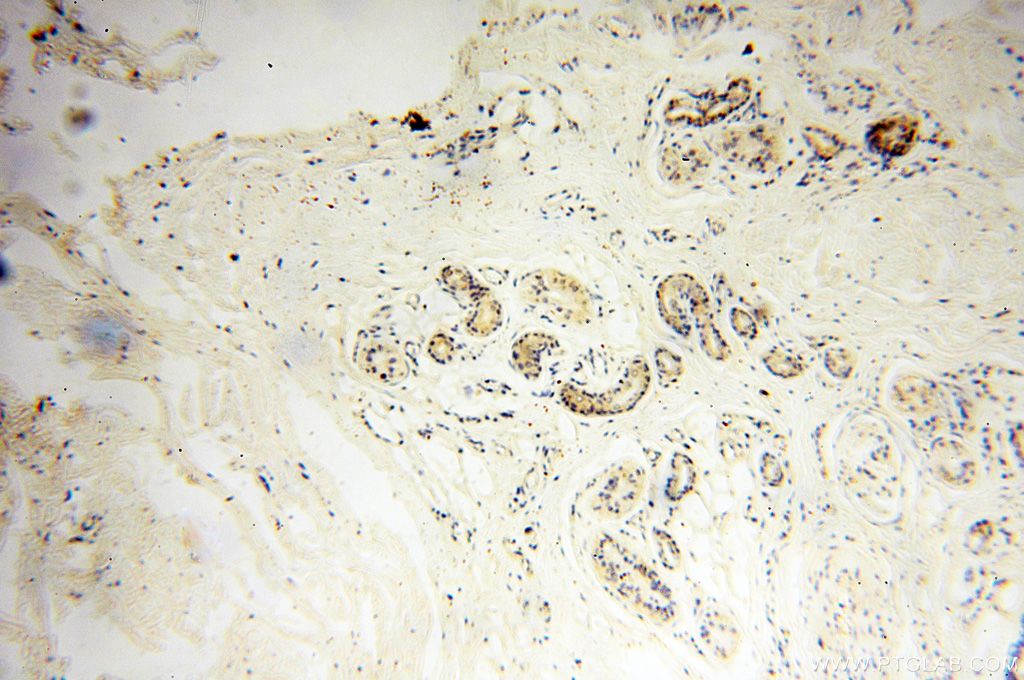
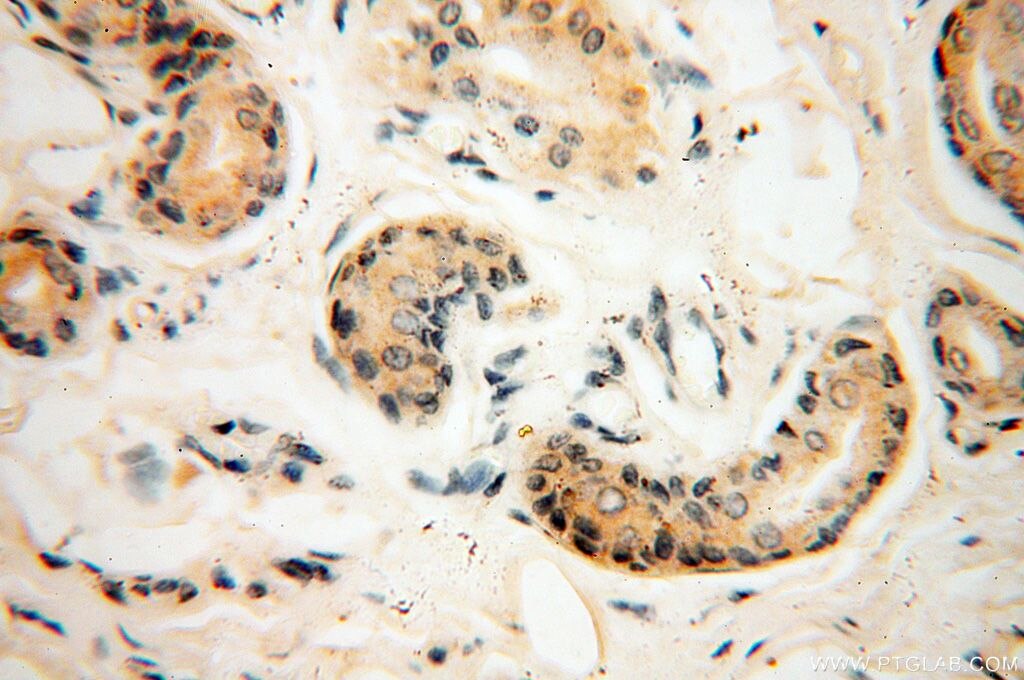
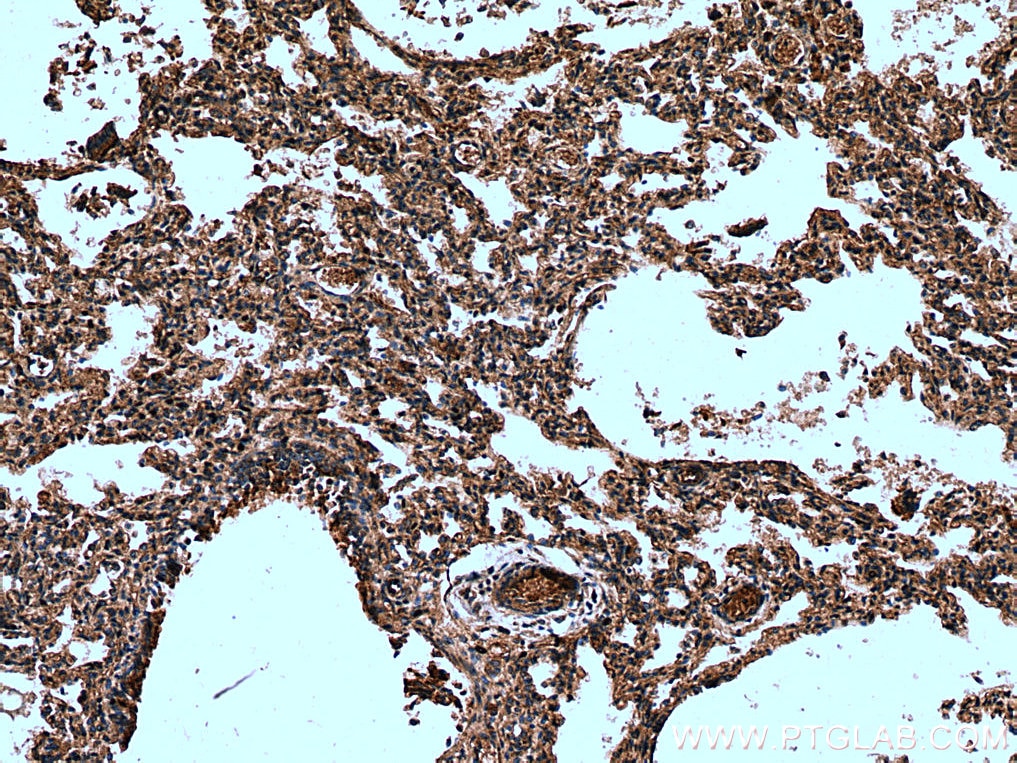
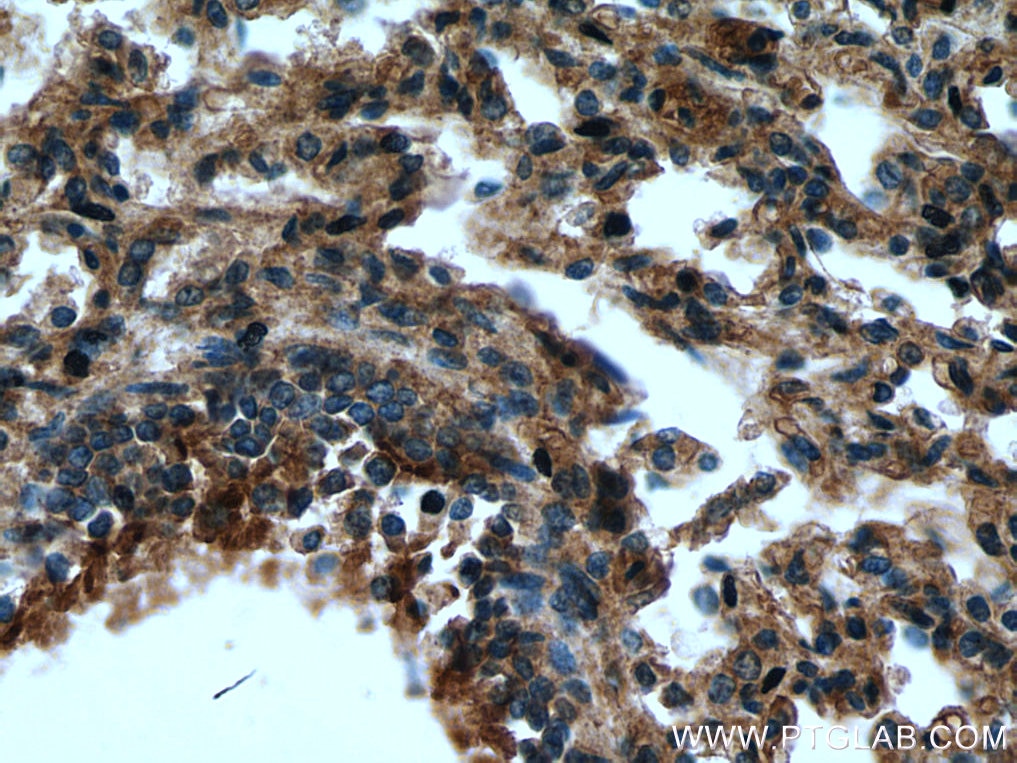
| Positive IHC detected in | mouse brain tissue, human lung tissue, mouse testis tissue, human skin tissue Note: suggested antigen retrieval with TE buffer pH 9.0; (*) Alternatively, antigen retrieval may be performed with citrate buffer pH 6.0 |
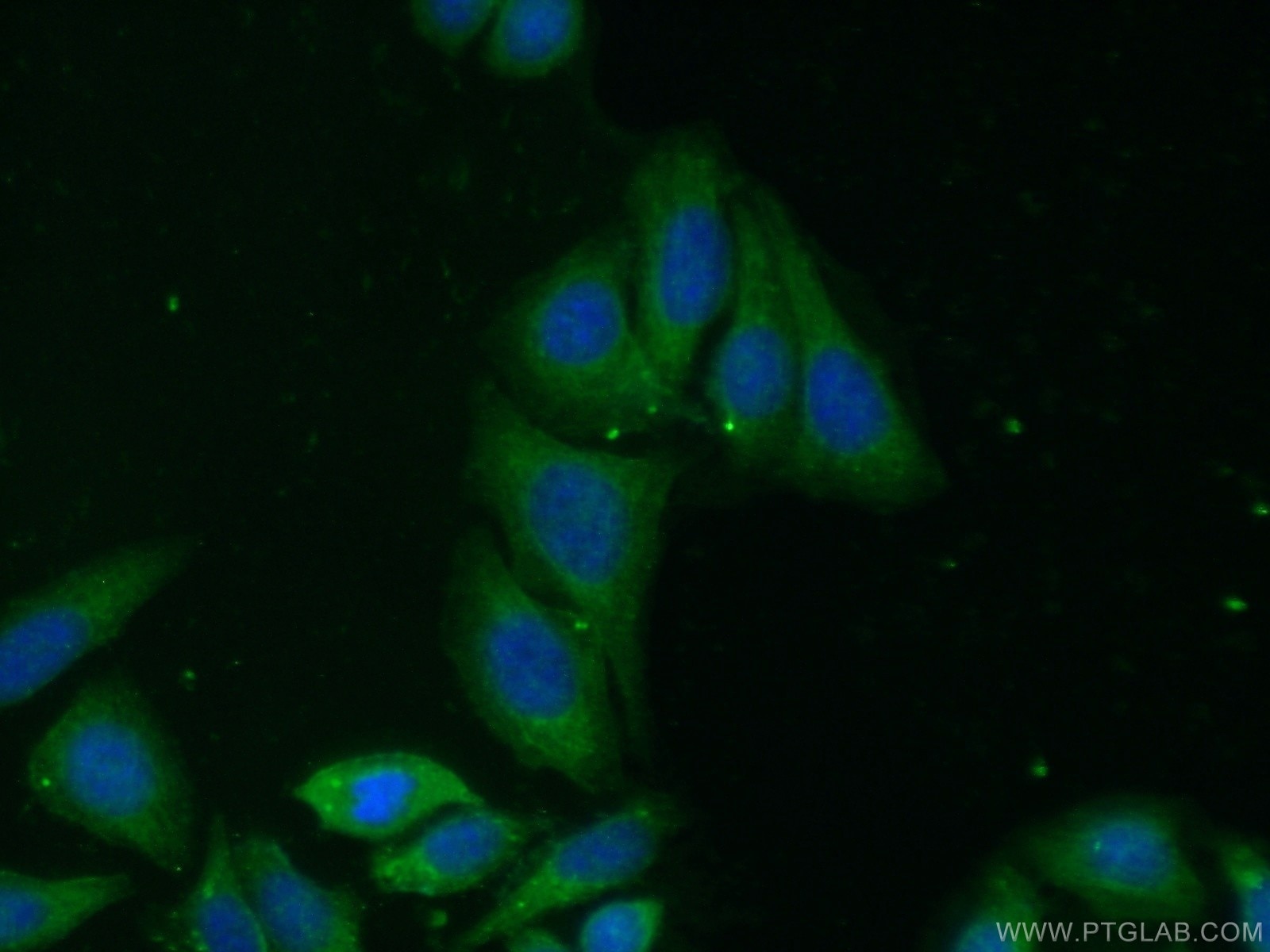
| Positive IF/ICC detected in | HepG2 cells |
Recommended dilution
| Application | Dilution |
|---|---|
| Western Blot (WB) | WB : 1:500-1:1000 |
| Immunoprecipitation (IP) | IP : 0.5-4.0 ug for 1.0-3.0 mg of total protein lysate |
| Immunohistochemistry (IHC) | IHC : 1:50-1:500 |
| Immunofluorescence (IF)/ICC | IF/ICC : 1:50-1:500 |
| It is recommended that this reagent should be titrated in each testing system to obtain optimal results. | |
| Sample-dependent, Check data in validation data gallery. | |
Product Information
15761-1-AP targets CHMP1A in WB, IHC, IF/ICC, IP, ELISA applications and shows reactivity with human, mouse samples.
| Tested Reactivity | human, mouse |
| Cited Reactivity | human, mouse |
| Host / Isotype | Rabbit / IgG |
| Class | Polyclonal |
| Type | Antibody |
| Immunogen |
CatNo: Ag8389 Product name: Recombinant human CHMP1A protein Source: e coli.-derived, PGEX-4T Tag: GST Domain: 1-196 aa of BC007527 Sequence: MDDTLFQLKFTAKQLEKLAKKAEKDSKAEQAKVKKALLQKNVECARVYAENAIRKKNEGVNWLRMASRVDAVASKVQTAVTMKGVTKNMAQVTKALDKALSTMDLQKVSSVMDRFEQQVQNLDVHTSVMEDSMSSATTLTTPQEQVDSLIMQIAEENGLEVLDQLSQLPEGASAVGESSVRSQEDQLSRRLAALRN Predict reactive species |
| Full Name | chromatin modifying protein 1A |
| Calculated Molecular Weight | 196 aa, 22 kDa |
| Observed Molecular Weight | 33 kDa, 25 kDa |
| GenBank Accession Number | BC007527 |
| Gene Symbol | CHMP1A |
| Gene ID (NCBI) | 5119 |
| RRID | AB_2229399 |
| Conjugate | Unconjugated |
| Form | Liquid |
| Purification Method | Antigen affinity purification |
| UNIPROT ID | Q9HD42 |
| Storage Buffer | PBS with 0.02% sodium azide and 50% glycerol, pH 7.3. |
| Storage Conditions | Store at -20°C. Stable for one year after shipment. Aliquoting is unnecessary for -20oC storage. 20ul sizes contain 0.1% BSA. |
Background Information
Charged multivesicular body protein 1A (CHMP1A), also known as chromatin modifying protein 1A, is a member of the ESCRT-III (endosomal sorting complex required for transport III) complex which is involved in degradation of internalized transmembrane receptor proteins and formation of multivesicular bodies (MVBs) (PMID: 16730941). CHMP1A has both nuclear and cytoplasmic distributions (PMID: 11559748; 11559747). Subcellular localization of CHMP1A seems to vary depending on the cell type (PMID: 23023333). CHMP1A is required for MVBs formation and has a role in stable gene silencing within the nucleus. Besides, the tumor suppressor role of CHMP1A has also been reported (PMID: 18787405; 22261332).
Protocols
| Product Specific Protocols | |
|---|---|
| IF protocol for CHMP1A antibody 15761-1-AP | Download protocol |
| IHC protocol for CHMP1A antibody 15761-1-AP | Download protocol |
| IP protocol for CHMP1A antibody 15761-1-AP | Download protocol |
| WB protocol for CHMP1A antibody 15761-1-AP | Download protocol |
| Standard Protocols | |
|---|---|
| Click here to view our Standard Protocols |
Publications
What published studies show
Anti-CHMP1A antibody (Cat# 15761-1-AP) has 14 citations published in journals including Nature Cell Biology, Nature Communications, Autophagy, Cell Reports, Journal of Cell Biology, Journal of Extracellular Vesicles, Current Biology, and Biochemical and Biophysical Research Communications. Research fields span ESCRT-III-mediated membrane remodeling, exosome biogenesis, cytokinetic abscission, mitophagy, ferroptosis, hepatocellular carcinoma, retinal development, and T cell leukemia.
| Species | Application | Title |
|---|---|---|
Nat Cell Biol Endosomal membrane tension regulates ESCRT-III-dependent intra-lumenal vesicle formation. | ||
J Extracell Vesicles Accessory ESCRT-III proteins are conserved and selective regulators of Rab11a-exosome formation | ||
Autophagy ATP6V1D drives hepatocellular carcinoma stemness and progression via both lysosome acidification-dependent and -independent mechanisms | ||
Autophagy Classical swine fever virus hijacks ESCRT-III and VPS4A to promote phagophore closure for accelerating mitophagy. | ||
Nat Commun Mechanism of Ca²⁺-triggered ESCRT assembly and regulation of cell membrane repair. | ||
Nat Commun A single genetic locus controls both expression of DPEP1/CHMP1A and kidney disease development via ferroptosis.
|
















