

Tested Applications
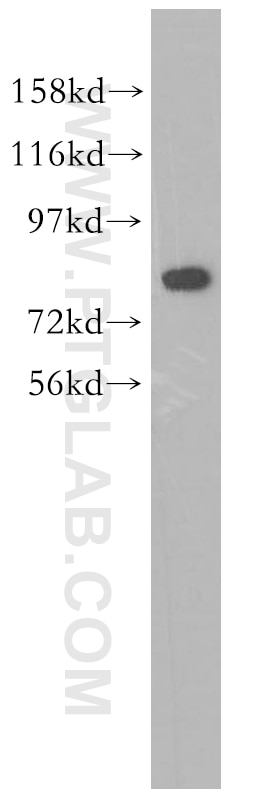
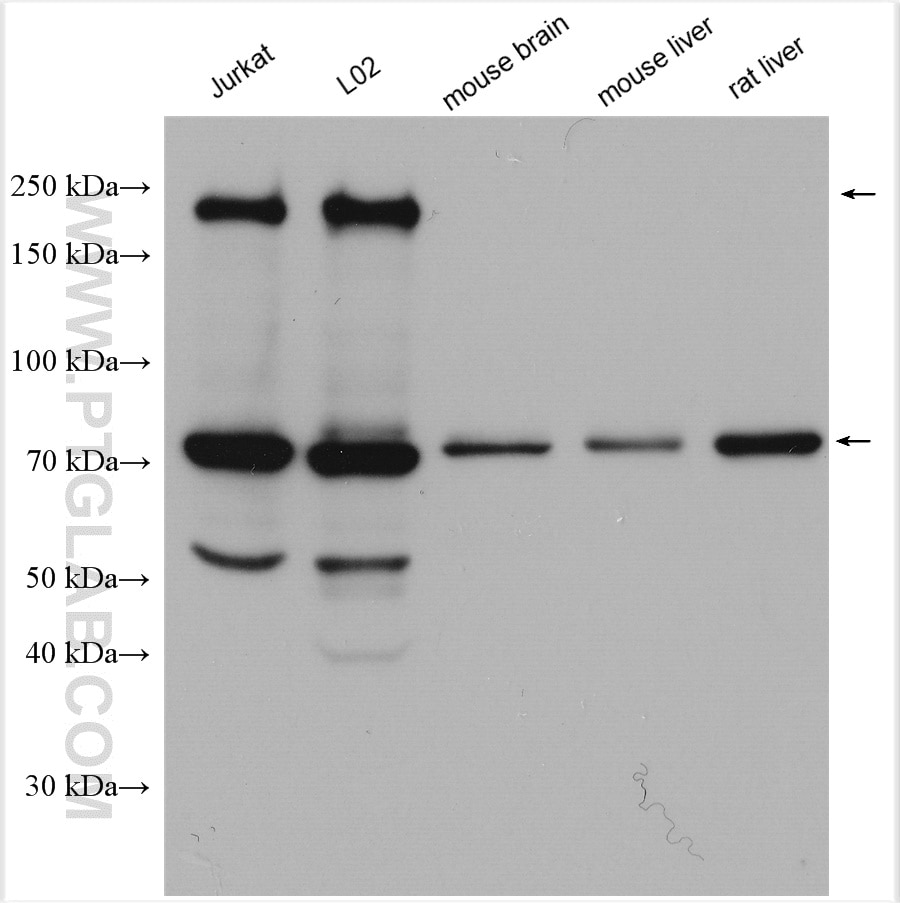
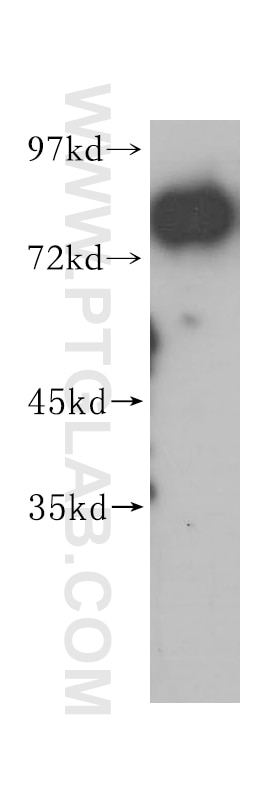
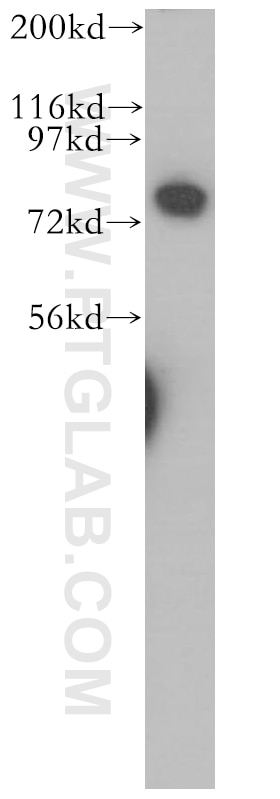
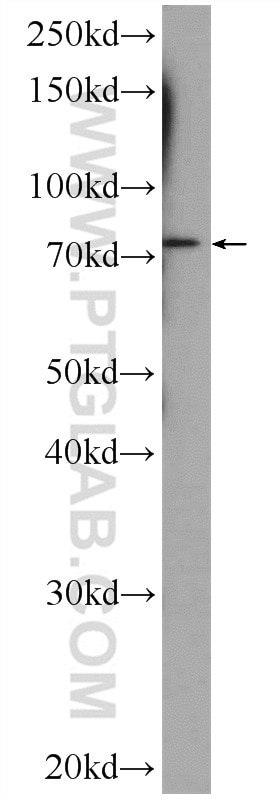
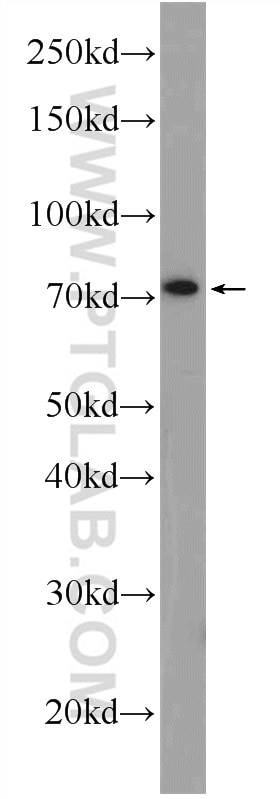
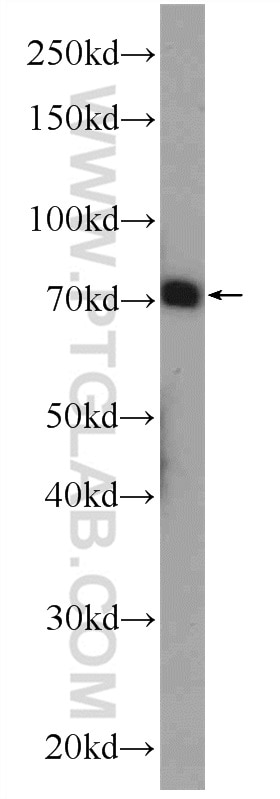
| Positive WB detected in | Jurkat cells, human brain tissue, human liver tissue, mouse liver tissue, rat brain tissue, mouse brain tissue, L02 cells, rat liver tissue |
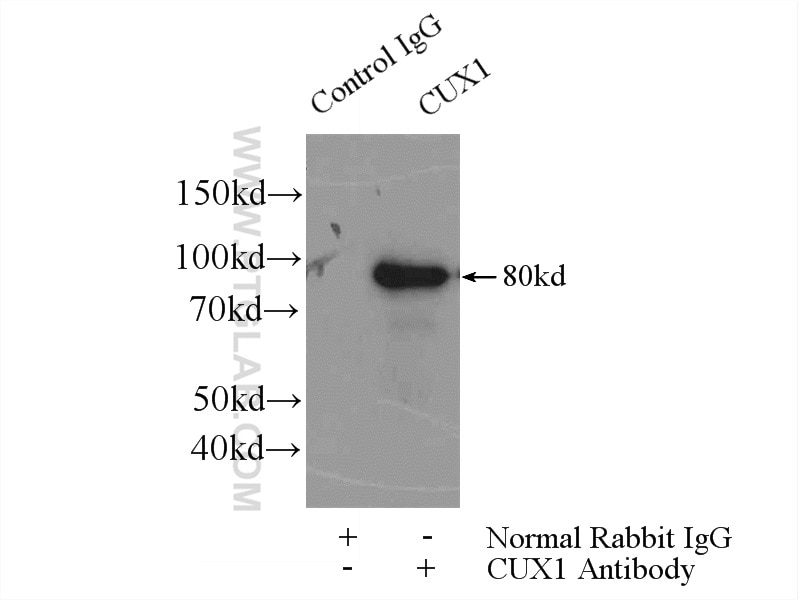
| Positive IP detected in | mouse brain tissue |
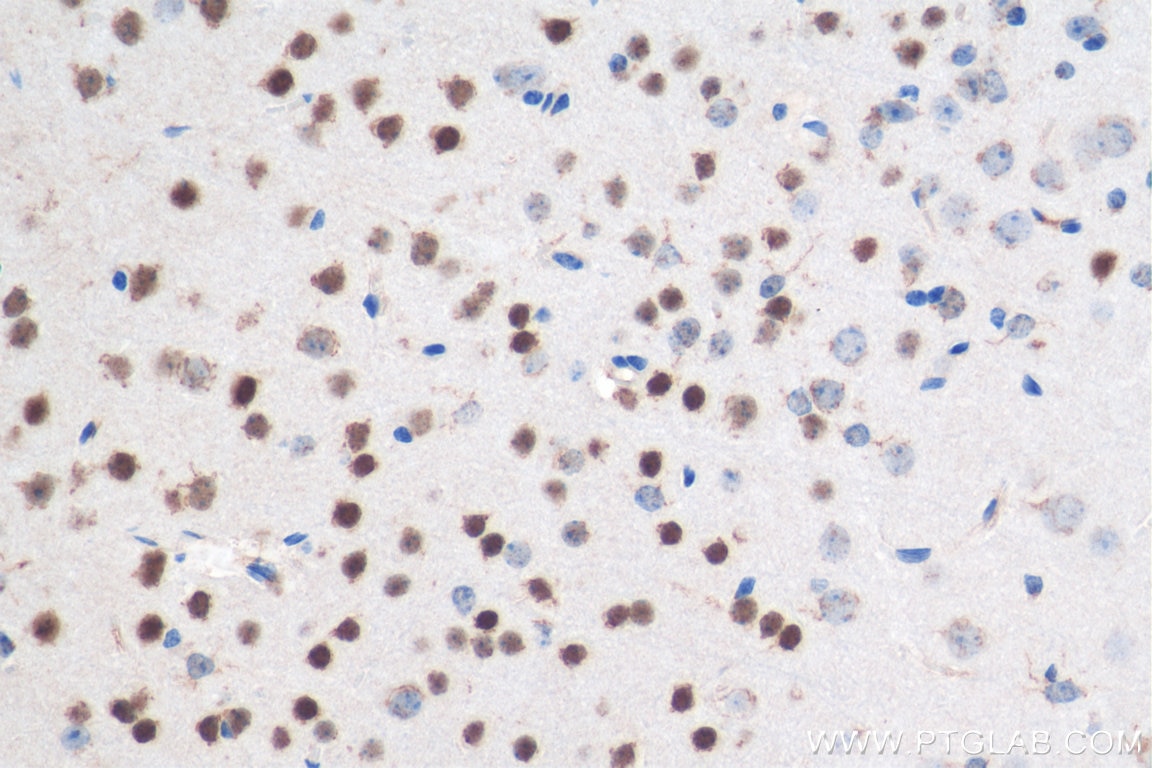
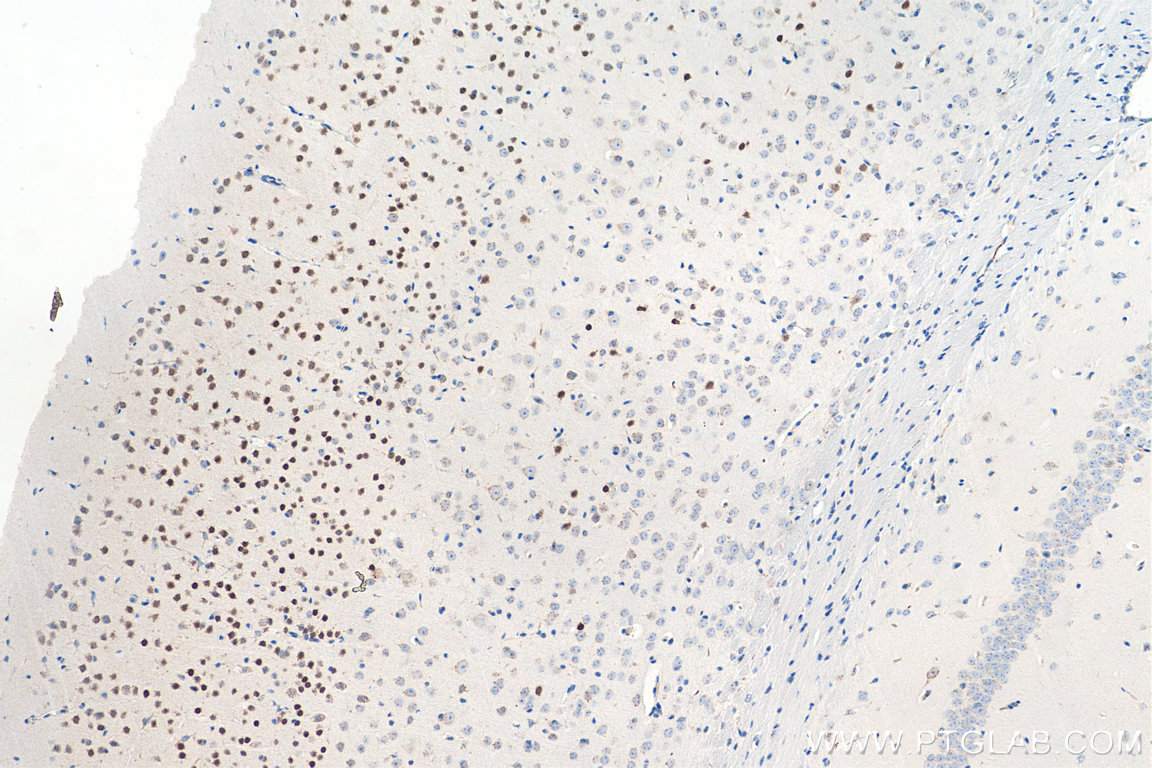
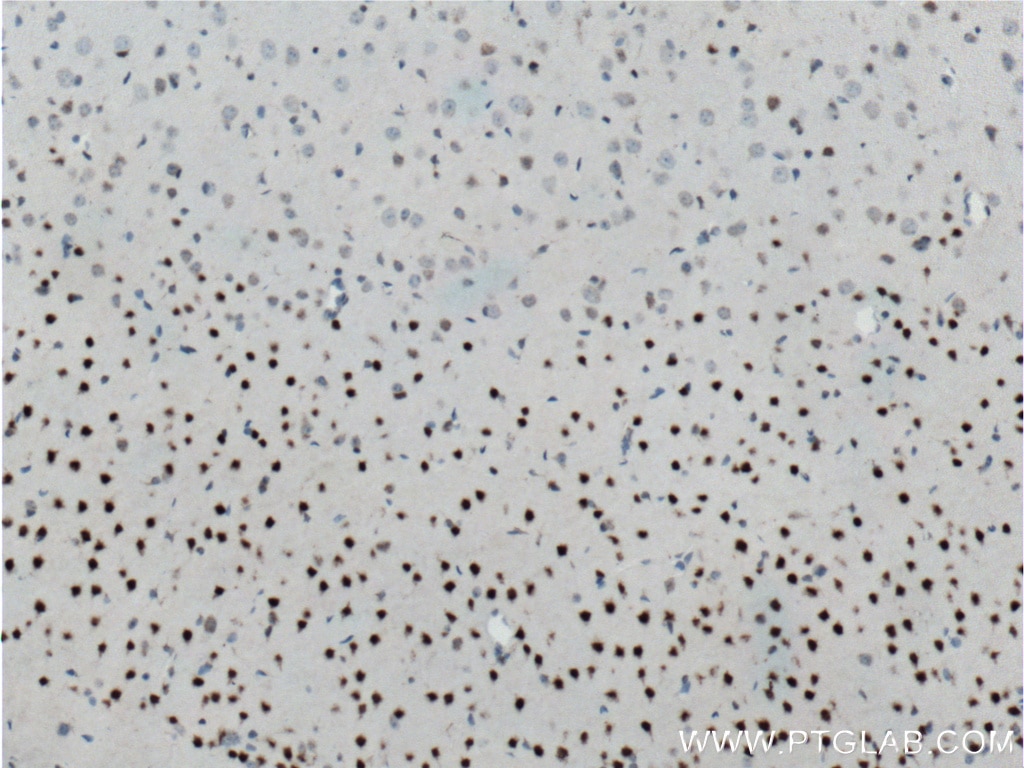
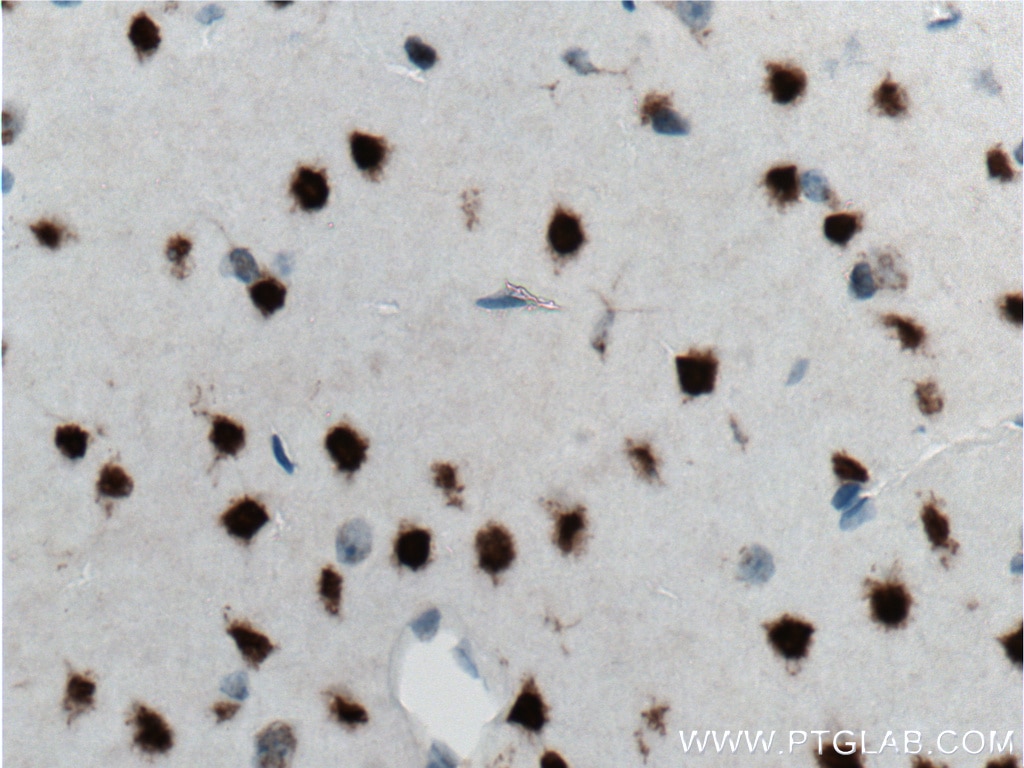
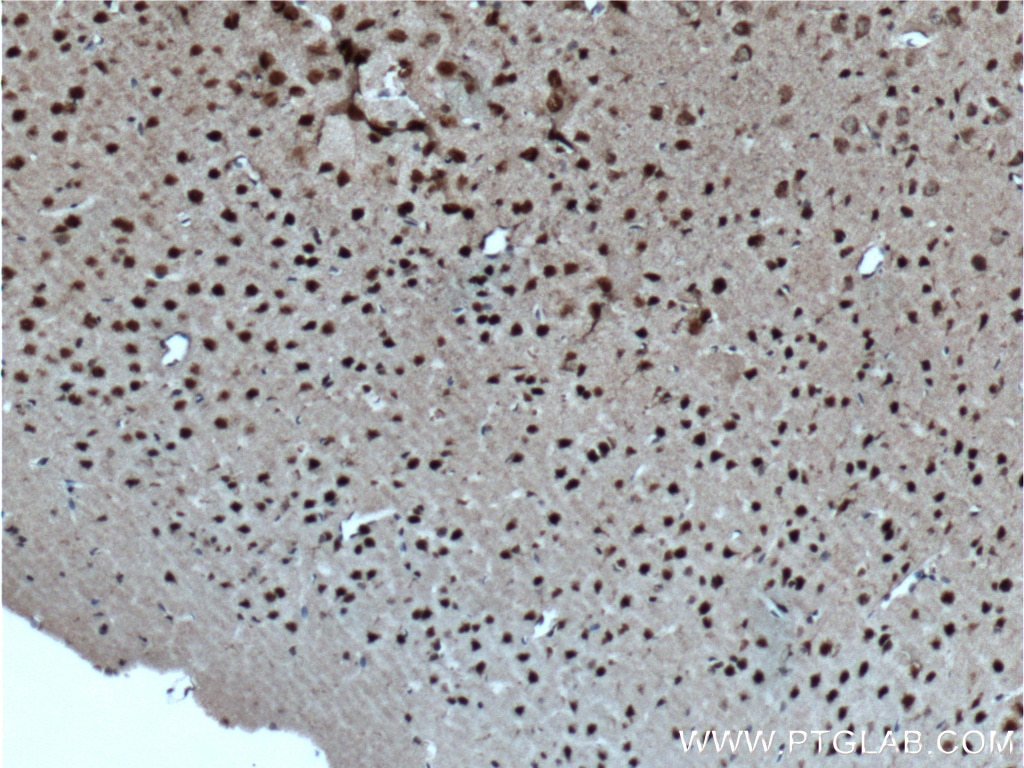
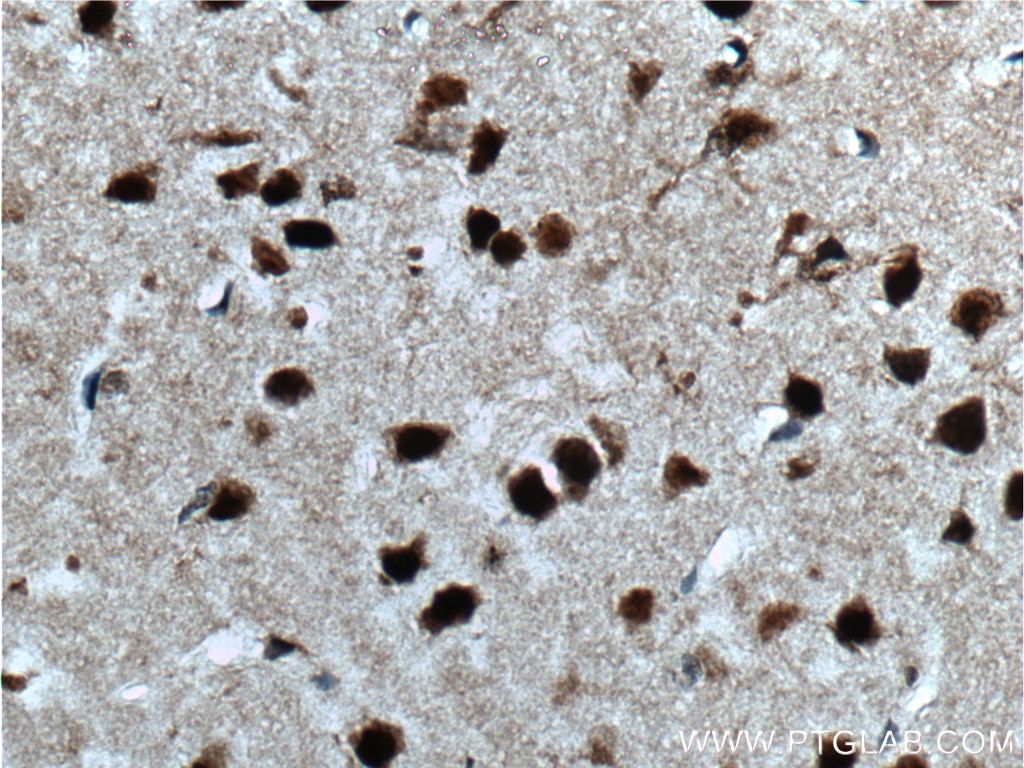
| Positive IHC detected in | mouse brain tissue Note: suggested antigen retrieval with TE buffer pH 9.0; (*) Alternatively, antigen retrieval may be performed with citrate buffer pH 6.0 |
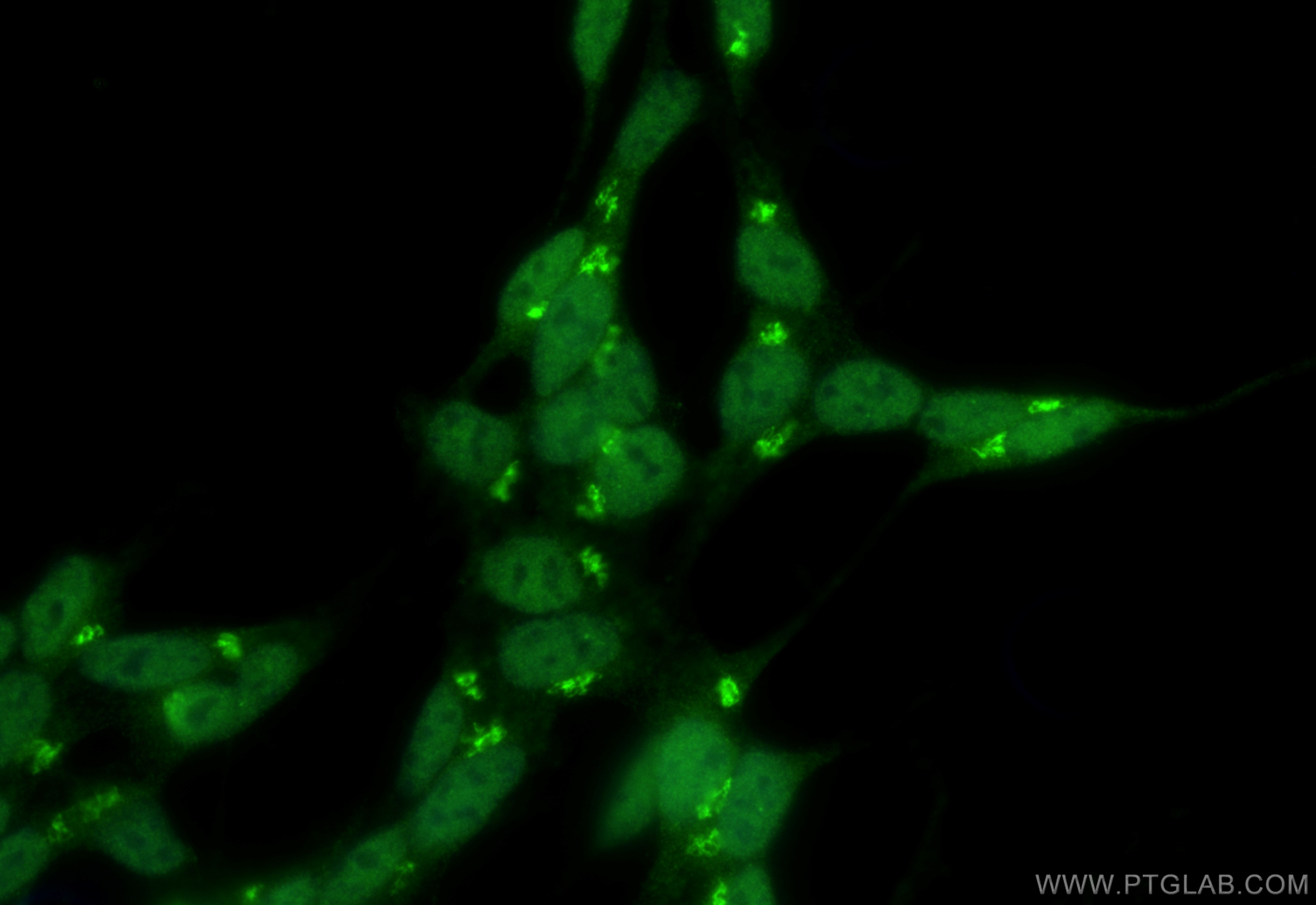
| Positive IF/ICC detected in | SH-SY5Y cells |
Recommended dilution
| Application | Dilution |
|---|---|
| Western Blot (WB) | WB : 1:2000-1:16000 |
| Immunoprecipitation (IP) | IP : 0.5-4.0 ug for 1.0-3.0 mg of total protein lysate |
| Immunohistochemistry (IHC) | IHC : 1:1000-1:4000 |
| Immunofluorescence (IF)/ICC | IF/ICC : 1:200-1:800 |
| It is recommended that this reagent should be titrated in each testing system to obtain optimal results. | |
| Sample-dependent, Check data in validation data gallery. | |
Product Information
11733-1-AP targets CUX1 in WB, IHC, IF/ICC, IP, CoIP, ChIP, ELISA applications and shows reactivity with human, mouse, rat samples.
| Tested Reactivity | human, mouse, rat |
| Cited Reactivity | human, mouse, rat, sheep |
| Host / Isotype | Rabbit / IgG |
| Class | Polyclonal |
| Type | Antibody |
| Immunogen |
CatNo: Ag2335 Product name: Recombinant human CUX1 protein Source: e coli.-derived, PGEX-4T Tag: GST Domain: 1-341 aa of BC025422 Sequence: MAANVGSMFQYWKRFDLQQLQRELDATATVLANRQDESEQSRKRLIEQSREFKKNTPEDLRKQVAPLLKSFQGEIDALSKRSKEAEAAFLNVYKRLIDVPDPVPALDLGQQLQLKVQRLHDIETENQKLRETLEEYNKEFAEVKNQEVTIKALKEKIREYEQTLKNQAETIALEKEQKLQNDFAEKERKLQETQMSTTSKLEEAEHKVQSLQTALEKTRTELFDLKTKYDEETTAKADEIEMIMTDLERANQRAEVAQREAETLREQLSSANHSLQLASQIQKAPDVAIEVLTRSSLEVELAAKEREIAQLVEDVQRLQASLTKLRENSASQISQLEQQLS Predict reactive species |
| Full Name | cut-like homeobox 1 |
| Calculated Molecular Weight | 676 aa, 77 kDa |
| Observed Molecular Weight | 80 kDa |
| GenBank Accession Number | BC025422 |
| Gene Symbol | CUX1 |
| Gene ID (NCBI) | 1523 |
| RRID | AB_2086995 |
| Conjugate | Unconjugated |
| Form | Liquid |
| Purification Method | Antigen affinity purification |
| UNIPROT ID | Q13948 |
| Storage Buffer | PBS with 0.02% sodium azide and 50% glycerol, pH 7.3. |
| Storage Conditions | Store at -20°C. Stable for one year after shipment. Aliquoting is unnecessary for -20oC storage. 20ul sizes contain 0.1% BSA. |
Background Information
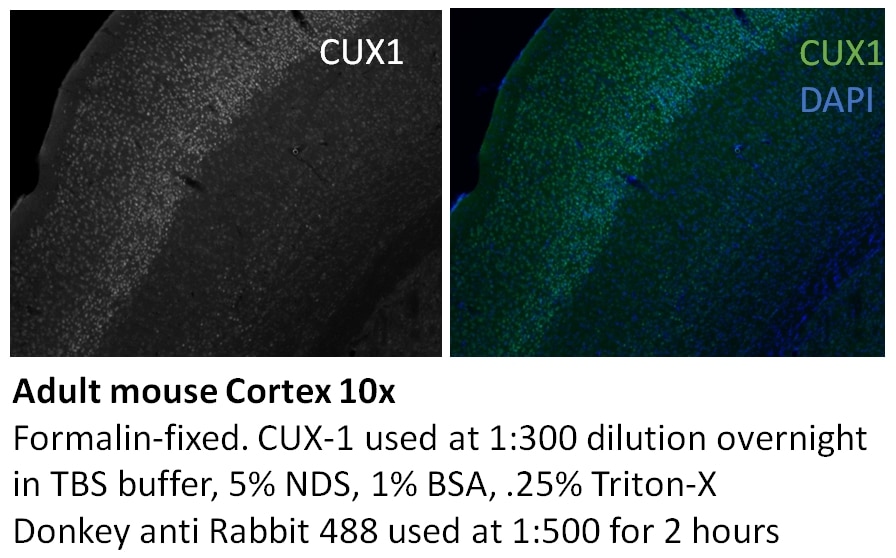
CUX1 is a transcription factors that regulates a large number of genes and microRNAs involved in multiple cellular processes, such as DNA replication, progression into S phase and later, the spindle assembly checkpoint that controls progression through mitosis. Cux1, a marker of supragranular layers. CUX1 acts by preventing binding of positively-acting CCAAT factors to promoters to mediated its gene reperssion. Also it's a component of nf-munr repressor, and binds to the matrix attachment regions (MARs) (5' and 3') of the immunoglobulin heavy chain enhancer. It can represses T-cell receptor (TCR) beta enhancer function by binding to MARbeta, an ATC-rich DNA sequence located upstream of the TCR beta enhancer. CUX1 protein containing three cut repeats and a homeodomain called p200, there are several truncated isoforms that have been identified. These isoforms include a testis-specific isoform containing one cut repeat and the homeodomain called p55. In situ hybridization showed that mRNA for p55 was most abundant in round spermatids. Additional isoforms include p75, a protein similar in structure to p55, derived from the use of an alternate promoter in intron 20 ; the cut alternately spliced protein (CASP), a Golgi protein that contains amino-terminal sequences but none of the cut repeats or homeodomains ; and several other isoforms (p80, p90, p110, and p150) that appear to arise via proteolytic processing ]. This antibody can recognizes full-length p200 Cux1 and CASP protein (70~80kDa).
Protocols
| Product Specific Protocols | |
|---|---|
| IF protocol for CUX1 antibody 11733-1-AP | Download protocol |
| IHC protocol for CUX1 antibody 11733-1-AP | Download protocol |
| IP protocol for CUX1 antibody 11733-1-AP | Download protocol |
| WB protocol for CUX1 antibody 11733-1-AP | Download protocol |
| Standard Protocols | |
|---|---|
| Click here to view our Standard Protocols |
Publications
What published studies show
The CUX1 Polyclonal antibody (Cat# 11733-1-AP) has accumulated 124 citations across high-impact journals including Nature, Science, Neuron, Nat Commun, Cell Reports, EMBO J, Dev Cell, PNAS, and iScience. Research fields span neurodevelopment and cortical biology (the dominant area), cancer (glioma, leukemia, colorectal cancer), neurodegeneration, stem cell differentiation, and genetic disorders such as microcephaly and autism spectrum disorder. Applications cited include WB, IHC, IF, IP, CoIP, and ChIP.
| Species | Application | Title |
|---|---|---|
Nat Aging Post-GWAS functional analysis identifies CUX1 as a regulator of p16INK4a and cellular senescence
|
Reviews
What customers say
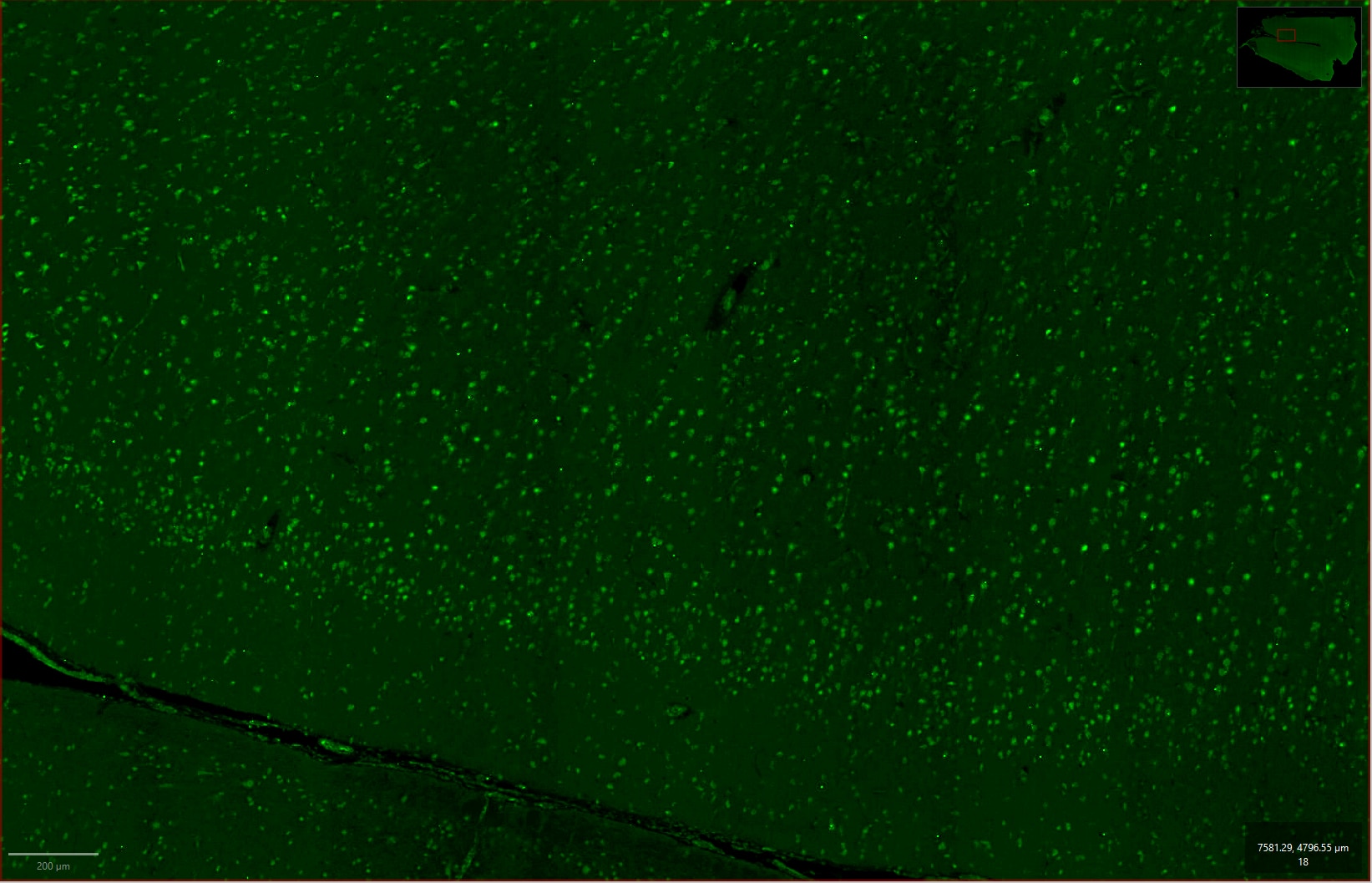
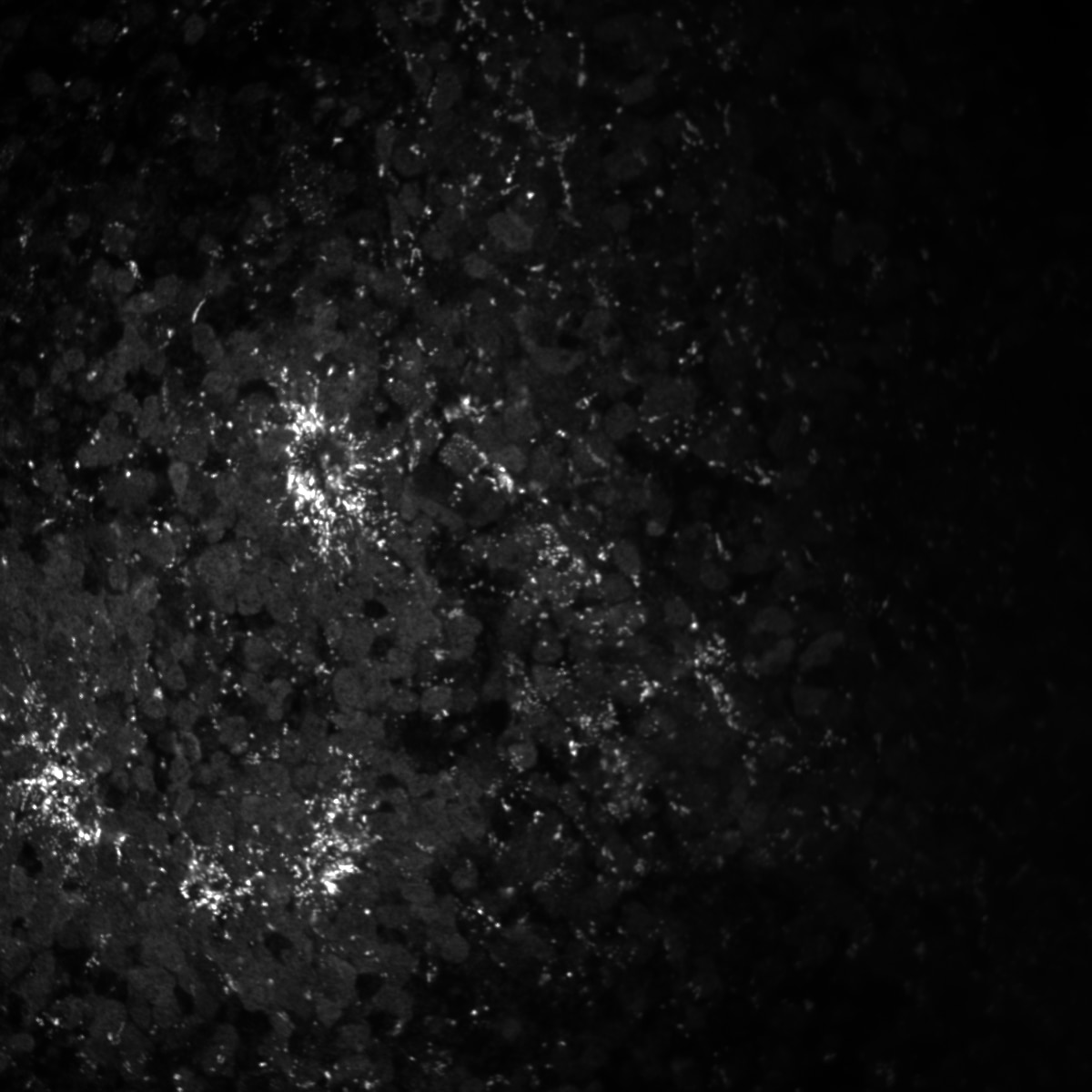
Users report positive results for Western blotting and antibody arrays. For immunofluorescence on human brain tissue, one reviewer noted decent staining though layer definition was not sharp, while another had inconsistent results on brain organoids—successful only at 1:200 dilution with some background noise. Overall, the antibody performs well for WB and protein identification applications, but IF users may need to optimize dilution carefully.
The reviews below have been submitted by verified Proteintech customers who received an incentive for providing their feedback.
Reyes (Verified Customer) (04-22-2024) | I tested Cux1 in human brain FFPE tissue and it stained nicely, although the layers are not really sharp
 |
Boyan (Verified Customer) (04-17-2023) | very good for WB
|
Etienne (Verified Customer) (12-19-2022) | Worked once with some noisy staining at 1/200. Didn't work at any other dilution
 |
Carly (Verified Customer) (09-27-2019) | Used in an antibody array to identify proteins in human EDTA plasma.
|

















