

Tested Applications
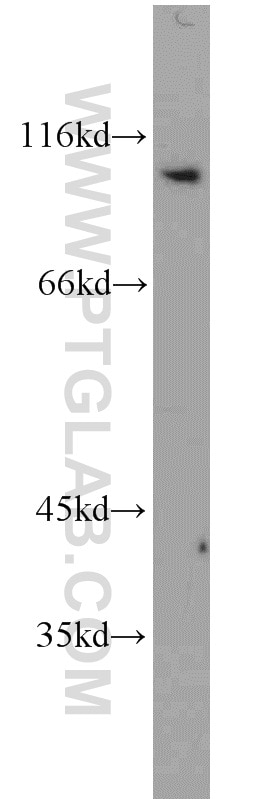
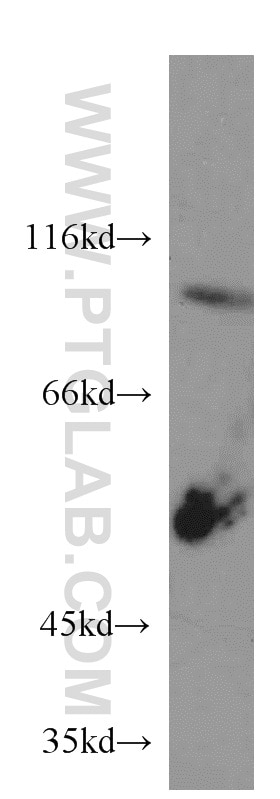
| Positive WB detected in | PC-3 cells, human brain tissue |
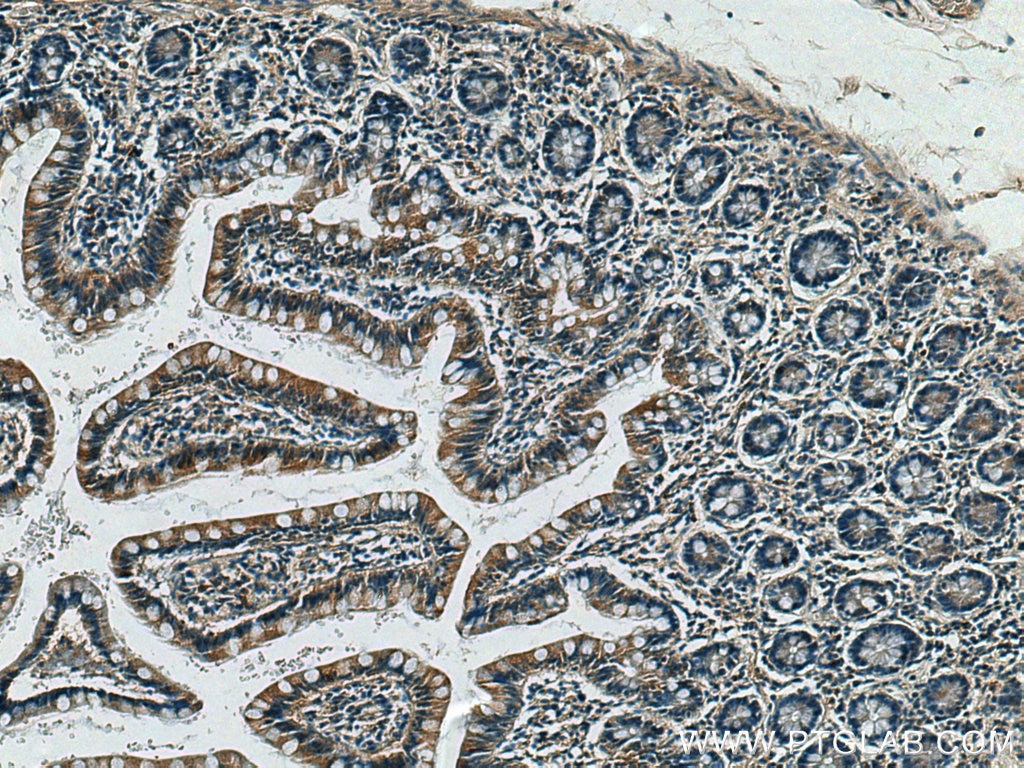
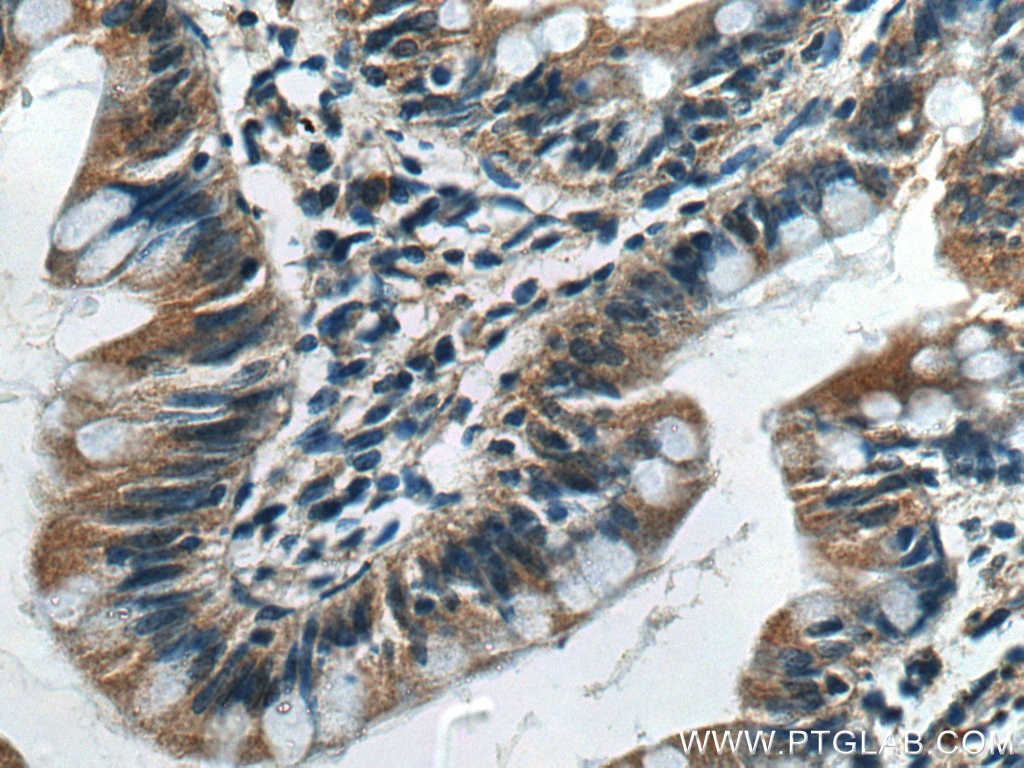
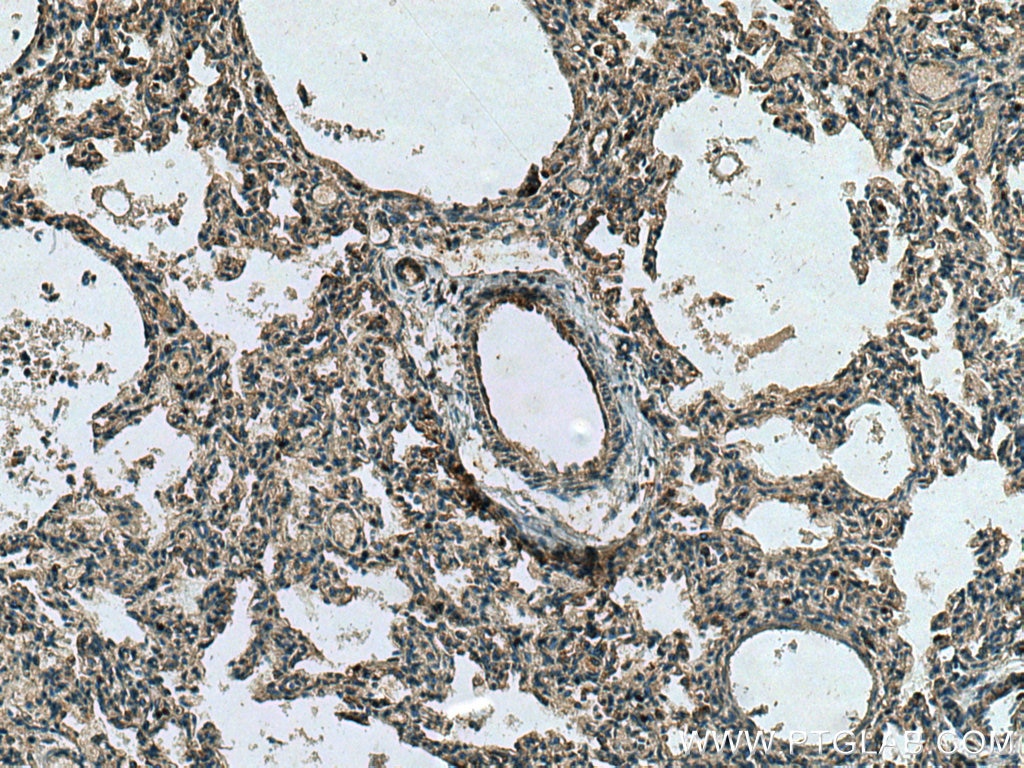
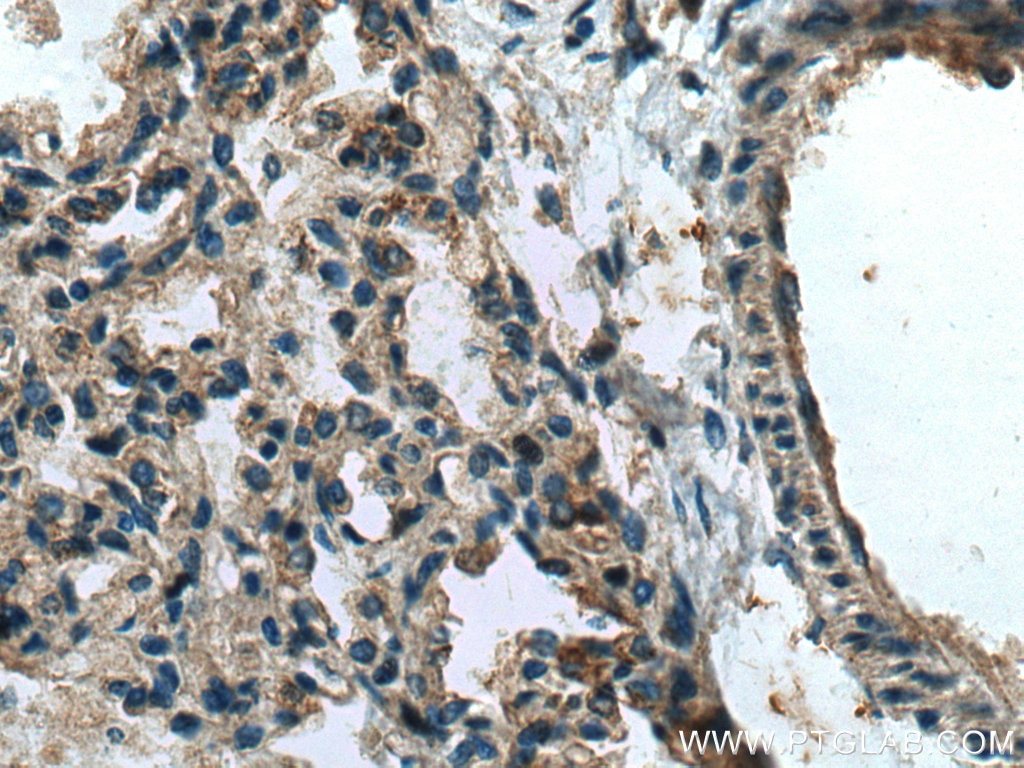
| Positive IHC detected in | human small intestine tissue, human lung tissue Note: suggested antigen retrieval with TE buffer pH 9.0; (*) Alternatively, antigen retrieval may be performed with citrate buffer pH 6.0 |
Recommended dilution
| Application | Dilution |
|---|---|
| Western Blot (WB) | WB : 1:500-1:2000 |
| Immunohistochemistry (IHC) | IHC : 1:200-1:800 |
| It is recommended that this reagent should be titrated in each testing system to obtain optimal results. | |
| Sample-dependent, Check data in validation data gallery. | |
Product Information
10108-2-AP targets CX3CL1 in WB, IHC, IF, ELISA applications and shows reactivity with human samples.
| Tested Reactivity | human |
| Cited Reactivity | human, mouse |
| Host / Isotype | Rabbit / IgG |
| Class | Polyclonal |
| Type | Antibody |
| Immunogen |
CatNo: Ag0161 Product name: Recombinant human CX3CL1 protein Source: e coli.-derived, PGEX-4T Tag: GST Domain: 90-245 aa of BC001163 Sequence: DRQAAALTRNGGTFEKQIGEVKPRTTPAAGGMDESVVLEPEATGESSSLEPTPSSQEAQRALGTSPELPTGVTGSSGTRLPPTPKAQDGGPVGTELFRVPPVSTAATWQSSAPHQPGPSLWAEAKTSEAPSTQDPSTQASTASSPAPEENAPSEGQ Predict reactive species |
| Full Name | chemokine (C-X3-C motif) ligand 1 |
| Calculated Molecular Weight | 42 kDa |
| Observed Molecular Weight | 90-100 kDa |
| GenBank Accession Number | BC001163 |
| Gene Symbol | CX3CL1 |
| Gene ID (NCBI) | 6376 |
| RRID | AB_2087154 |
| Conjugate | Unconjugated |
| Form | Liquid |
| Purification Method | Antigen affinity purification |
| UNIPROT ID | P78423 |
| Storage Buffer | PBS with 0.02% sodium azide and 50% glycerol, pH 7.3. |
| Storage Conditions | Store at -20°C. Stable for one year after shipment. Aliquoting is unnecessary for -20oC storage. 20ul sizes contain 0.1% BSA. |
Background Information
Chemokines direct the trafficking of white blood cells in immune surveillance, playing a key role in inflammatory and infectious diseases such as AIDS. The human CX3C chemokine carries the chemokine domain on top of an extended mucin-like stalk. CX3CL1 is synthesized as a 50-75 kDa precursor and undergoes glycosylation to yield two mature forms: a 100 kDa cell membrane bound form and an 85 kDa soluble form which is released from the cell surface. The soluble CX3C chemokine has potent chemoattractant activity for T cells and monocytes, and the cell-surface-bound protein, which is induced by primary proinflammatory signals in activated primary endothelial cells, promotes strong adhesion of those leukocytes.
Protocols
| Product Specific Protocols | |
|---|---|
| IHC protocol for CX3CL1 antibody 10108-2-AP | Download protocol |
| WB protocol for CX3CL1 antibody 10108-2-AP | Download protocol |
| Standard Protocols | |
|---|---|
| Click here to view our Standard Protocols |
Publications
What published studies show
The CX3CL1 Polyclonal antibody (Cat# 10108-2-AP) has accumulated 22 citations across 19 journals, including Molecular Cancer, Blood, International Journal of Biological Sciences, Phytomedicine Research, and European Journal of Medical Research. Research fields span oncology (hepatocellular carcinoma, colorectal cancer, pancreatic cancer, lung cancer), neuroinflammation, immunology, pulmonary fibrosis, diabetes, and vascular biology. Cited applications include Western blot and IHC in human and mouse samples.
| Species | Application | Title |
|---|---|---|
Mol Cancer YTHDF2 in peritumoral hepatocytes mediates chemotherapy-induced antitumor immune responses through CX3CL1-mediated CD8+ T cell recruitment | ||
Blood Proteomics analysis of Hodgkin lymphoma: identification of new players involved in the cross-talk between HRS cells and infiltrating lymphocytes. | ||
Int J Biol Sci Long noncoding RNA SH3PXD2A-AS1 promotes colorectal cancer progression by regulating p53-mediated gene transcription. | ||
Phytother Res Punicalagin Ameliorates Diabetic Cognitive Dysfunction by Inhibiting Neuroinflammation via the CX3CL1/CX3CR1 Axis. | ||
Phytother Res Morroniside Modulates Microglia Polarization via the CX3CL1/CX3CR1/PU.1 Axis in ApoE4 Transgenic Mice. | ||
Phytother Res Ginsenoside Re Inhibits Pulmonary Fibrosis by Regulating CX3CL1/CX3CR1 Axis. |







