

Tested Applications
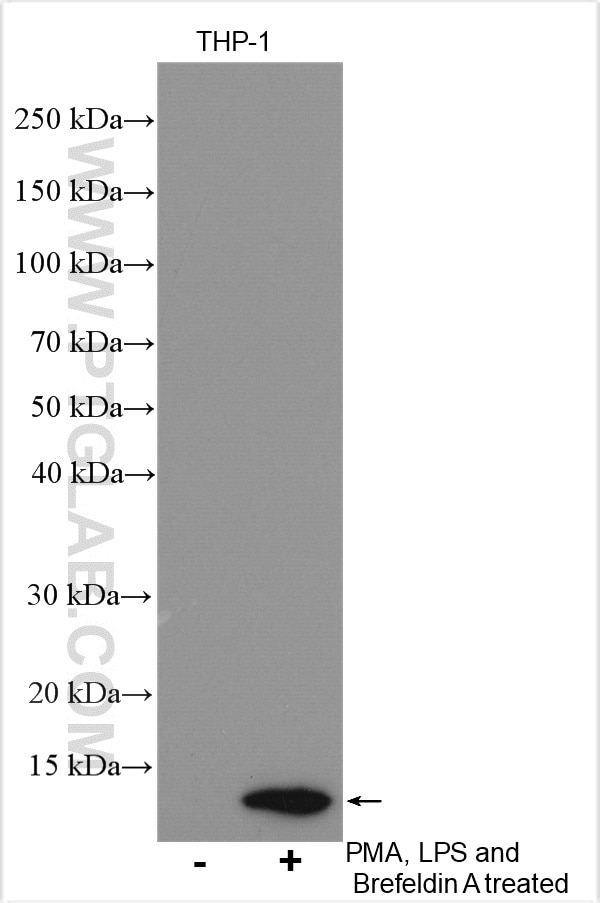
| Positive WB detected in | PMA, LPS and Brefeldin A treated THP-1 cells |
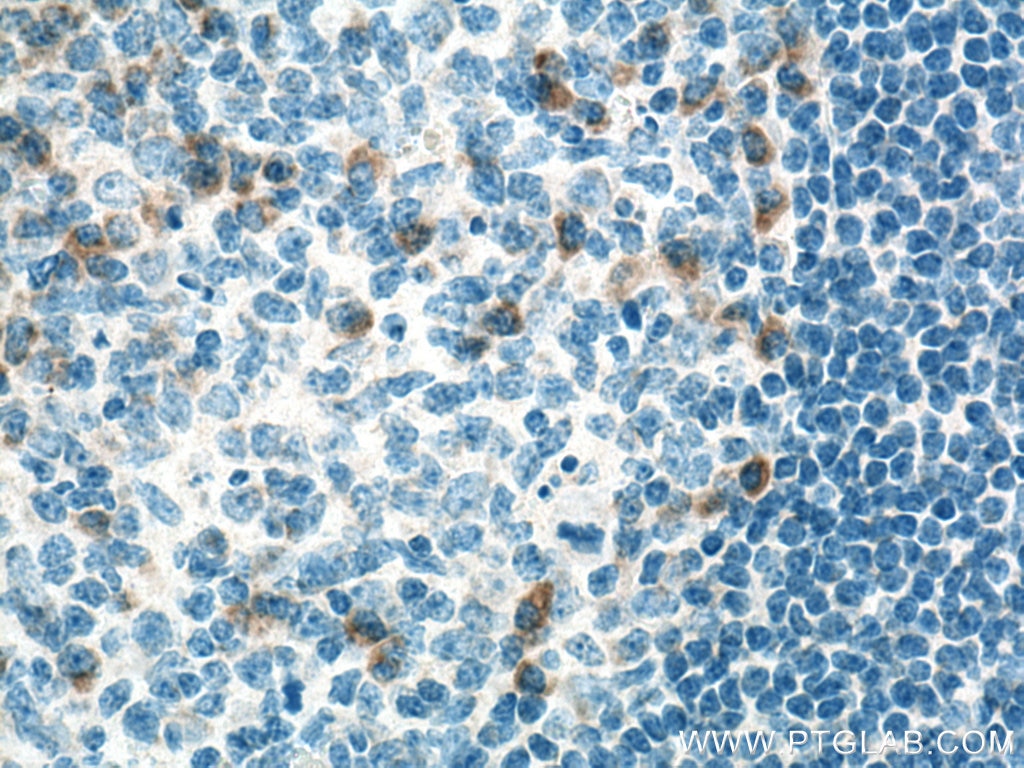
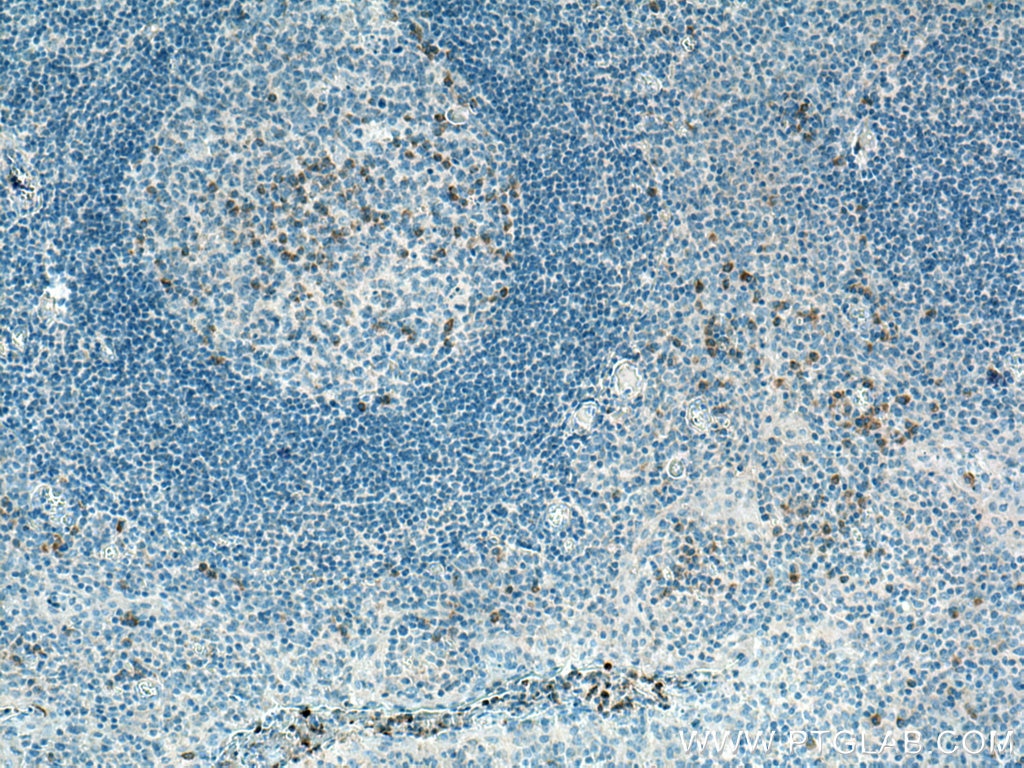
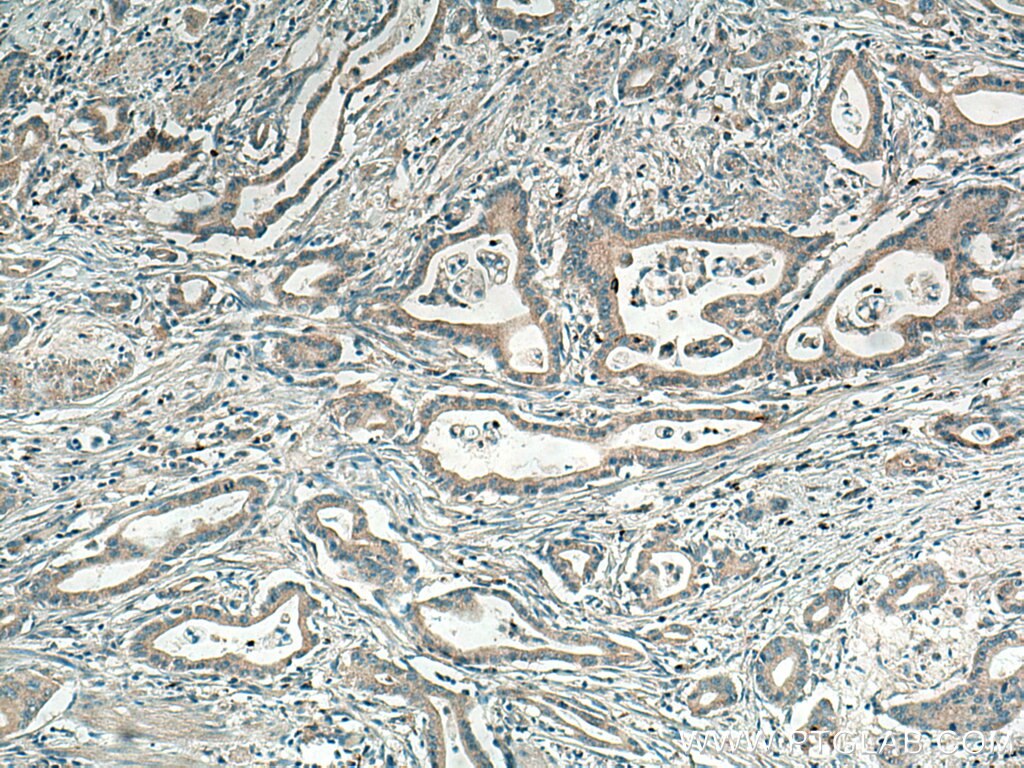
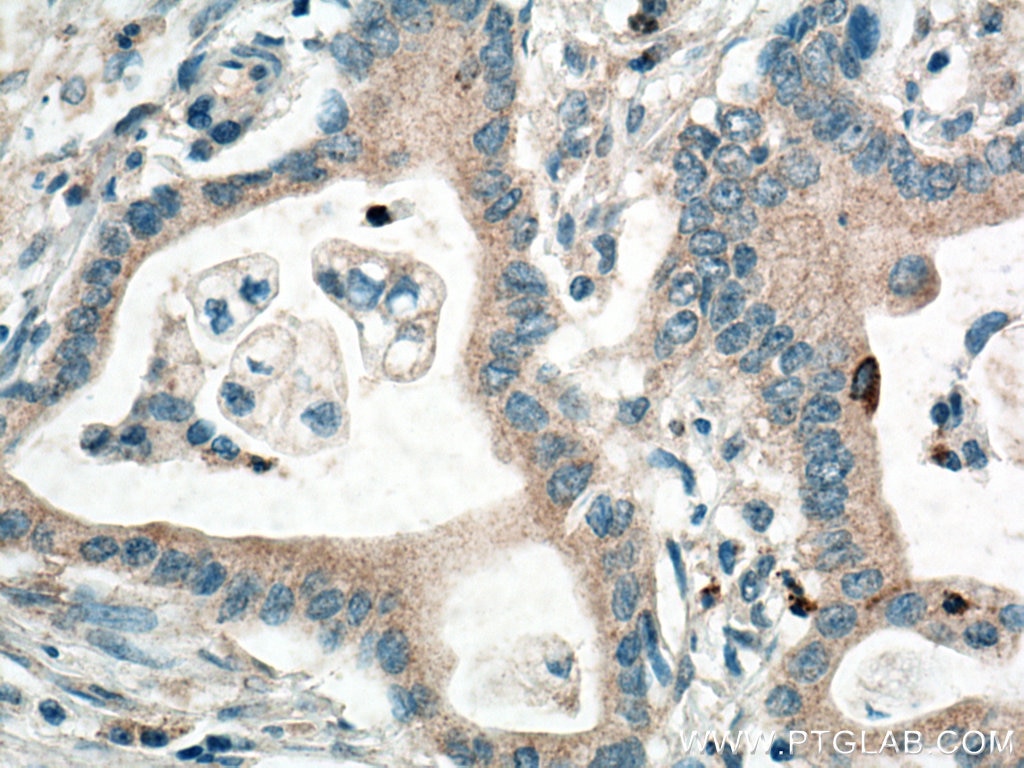
| Positive IHC detected in | human tonsillitis tissue, human pancreas cancer tissue Note: suggested antigen retrieval with TE buffer pH 9.0; (*) Alternatively, antigen retrieval may be performed with citrate buffer pH 6.0 |
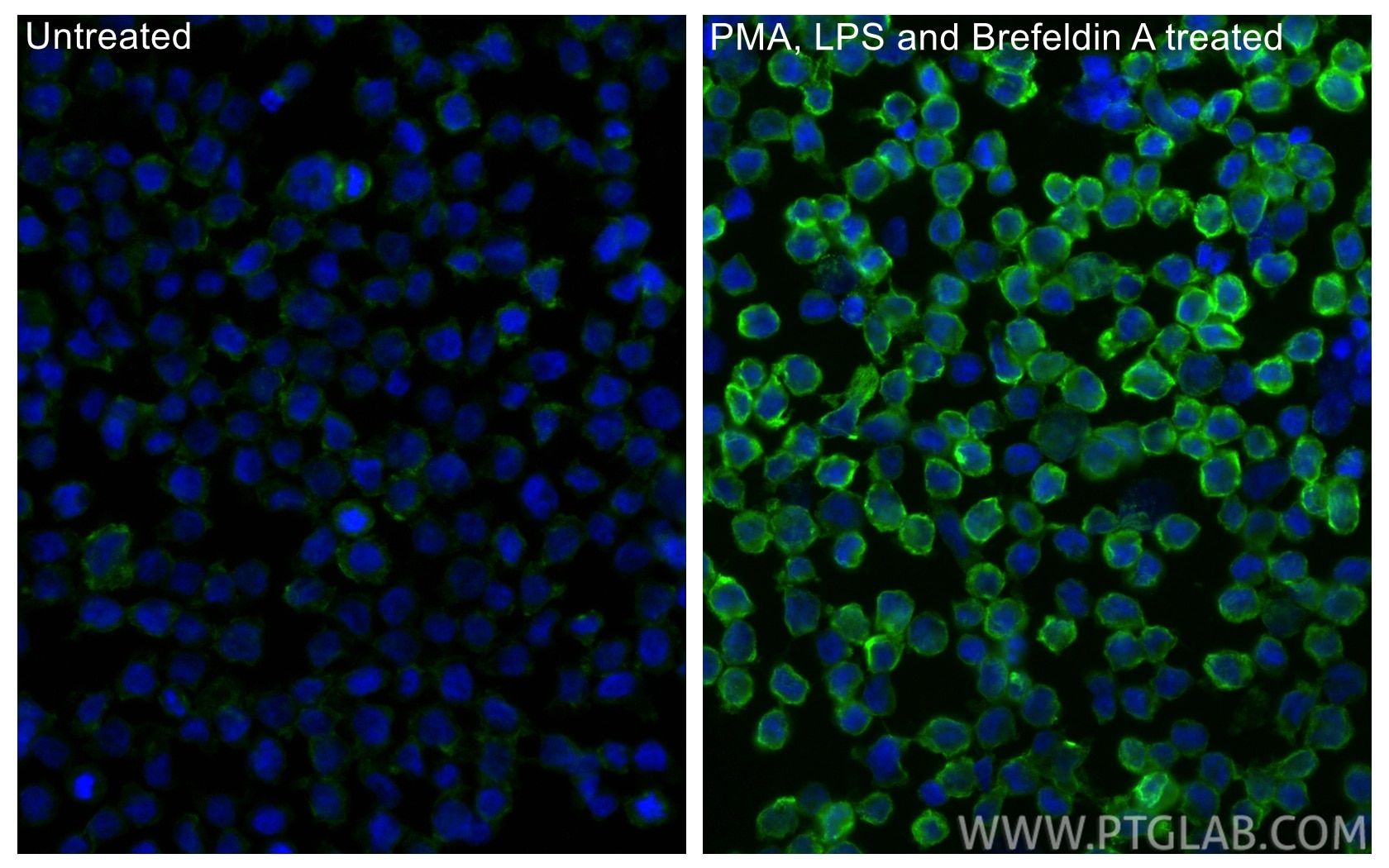
| Positive IF/ICC detected in | PMA, LPS and Brefeldin A treated THP-1 cells |
Recommended dilution
| Application | Dilution |
|---|---|
| Western Blot (WB) | WB : 1:500-1:2000 |
| Immunohistochemistry (IHC) | IHC : 1:50-1:500 |
| Immunofluorescence (IF)/ICC | IF/ICC : 1:50-1:500 |
| It is recommended that this reagent should be titrated in each testing system to obtain optimal results. | |
| Sample-dependent, Check data in validation data gallery. | |
Product Information
17038-1-AP targets CXCL8/IL-8 in WB, IHC, IF/ICC, ELISA applications and shows reactivity with human samples.
| Tested Reactivity | human |
| Cited Reactivity | human, rat, monkey, bovine |
| Host / Isotype | Rabbit / IgG |
| Class | Polyclonal |
| Type | Antibody |
| Immunogen |
CatNo: Ag10552 Product name: Recombinant human CXCL8/IL-8 protein Source: e coli.-derived, PGEX-4T Tag: GST Domain: 1-99 aa of BC013615 Sequence: MTSKLAVALLAAFLISAALCEGAVLPRSAKELRCQCIKTYSKPFHPKFIKELRVIESGPHCANTEIIVKLSDGRELCLDPKENWVQRVVEKFLKRAENS Predict reactive species |
| Full Name | interleukin 8 |
| Calculated Molecular Weight | 99 aa, 11 kDa |
| Observed Molecular Weight | 11 kDa |
| GenBank Accession Number | BC013615 |
| Gene Symbol | IL-8 |
| Gene ID (NCBI) | 3576 |
| ENSEMBL Gene ID | ENSG00000169429 |
| RRID | AB_2126217 |
| Conjugate | Unconjugated |
| Form | Liquid |
| Purification Method | Antigen affinity purification |
| UNIPROT ID | P10145 |
| Storage Buffer | PBS with 0.02% sodium azide and 50% glycerol, pH 7.3. |
| Storage Conditions | Store at -20°C. Stable for one year after shipment. Aliquoting is unnecessary for -20oC storage. 20ul sizes contain 0.1% BSA. |
Background Information
Interleukin 8 (IL-8), also known as CXCL8, which is a member of the CXC chemokine family. This chemokine is secreted by a variety of cell types including monocyte/macrophages, T cells, neutrophils, fibroblasts, endothelial cells, and various tumor cell lines in response to inflammatory stimuli. IL-8 has two primary functions. It induces chemotaxis in target cells, primarily neutrophils but also other granulocytes, causing them to migrate toward the site of infection. IL-8 also induces phagocytosis once they have arrived. This gene is believed to play a role in the pathogenesis of bronchiolitis, a common respiratory tract disease caused by viral infection. IL-8 is also known to be a potent promoter of angiogenesis. IL-8 has been associated with tumor angiogenesis, metastasis, and poor prognosis in breast cancer. IL-8 may present a novel therapeutic target for estrogen driven breast carcinogenesis and tumor progression.
Protocols
| Product Specific Protocols | |
|---|---|
| WB protocol for CXCL8/IL-8 antibody 17038-1-AP | Download protocol |
| IF protocol for CXCL8/IL-8 antibody 17038-1-AP | Download protocol |
| IHC protocol for CXCL8/IL-8 antibody 17038-1-AP | Download protocol |
| Standard Protocols | |
|---|---|
| Click here to view our Standard Protocols |
Publications
What published studies show
The CXCL8/IL-8 Polyclonal antibody (Cat# 17038-1-AP) has 33 citations published across 28 journals, including Mol Cancer, Cell Death & Disease, Dev Cell, Cancer Letters, EMBO Reports, and Frontiers in Immunology. Research fields encompass oncology (lung, colon, mesothelioma, osteosarcoma, glioma, thyroid carcinoma), inflammation, necroptosis, ferroptosis, immune regulation, rheumatoid arthritis, periodontitis, ulcerative colitis, endometriosis, kidney injury, cellular senescence, and viral pathogenesis. Primary applications include WB, IHC, IF, and ELISA.
| Species | Application | Title |
|---|---|---|
Mol Cancer RIPK3 activation induces TRIM28 derepression in cancer cells and enhances the anti-tumor microenvironment. | ||
J Exp Clin Cancer Res miRNA-503 inhibition exerts anticancer effects and reduces tumor growth in mesothelioma | ||
Cell Death Dis PHKG2 confers resistance of ESCC to cisplatin and enhances CXCL8-dependent immunosuppression to exacerbate tumorigenesis. | ||
Cell Death Dis The role of PKM2 nuclear translocation in the constant activation of the NF-κB signaling pathway in cancer-associated fibroblasts. | ||
Cell Death Dis miR-596-3p suppresses brain metastasis of non-small cell lung cancer by modulating YAP1 and IL-8 |







