
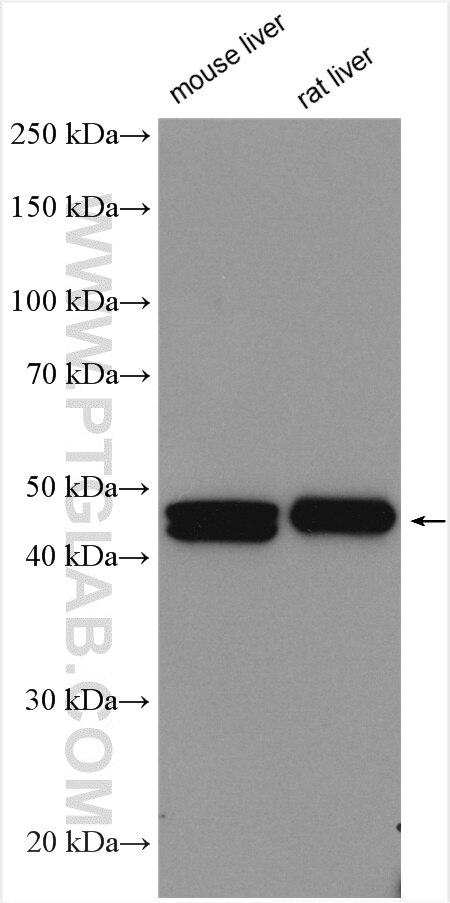
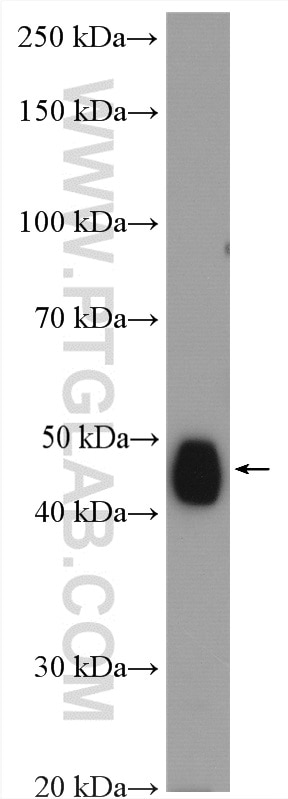
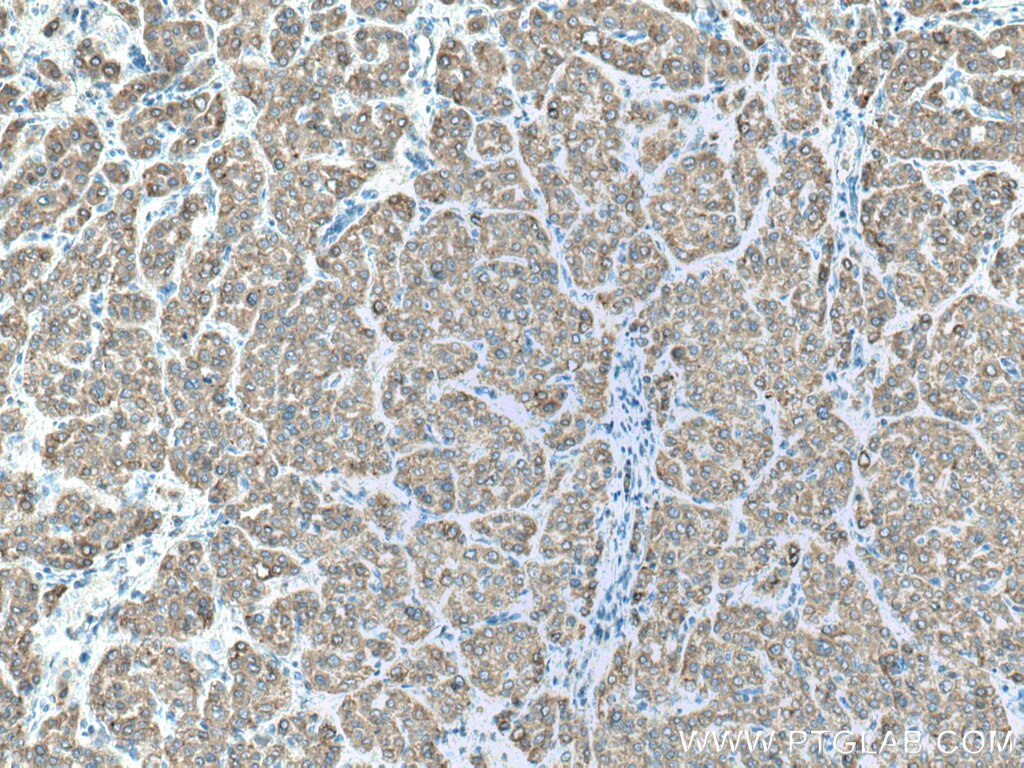
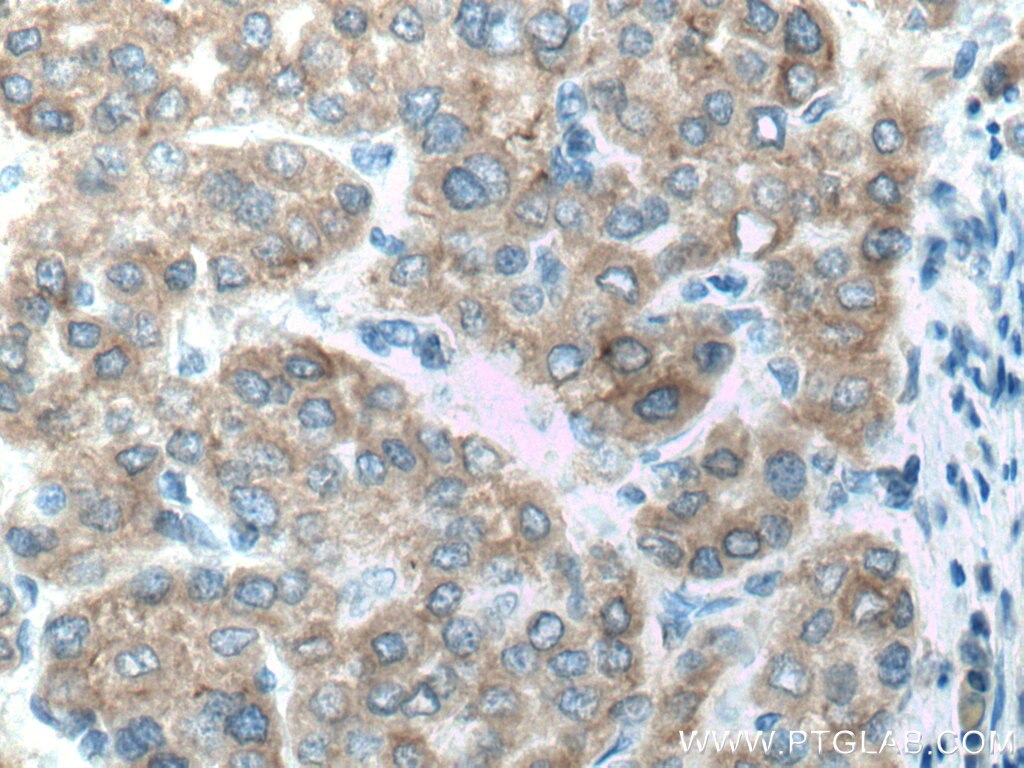
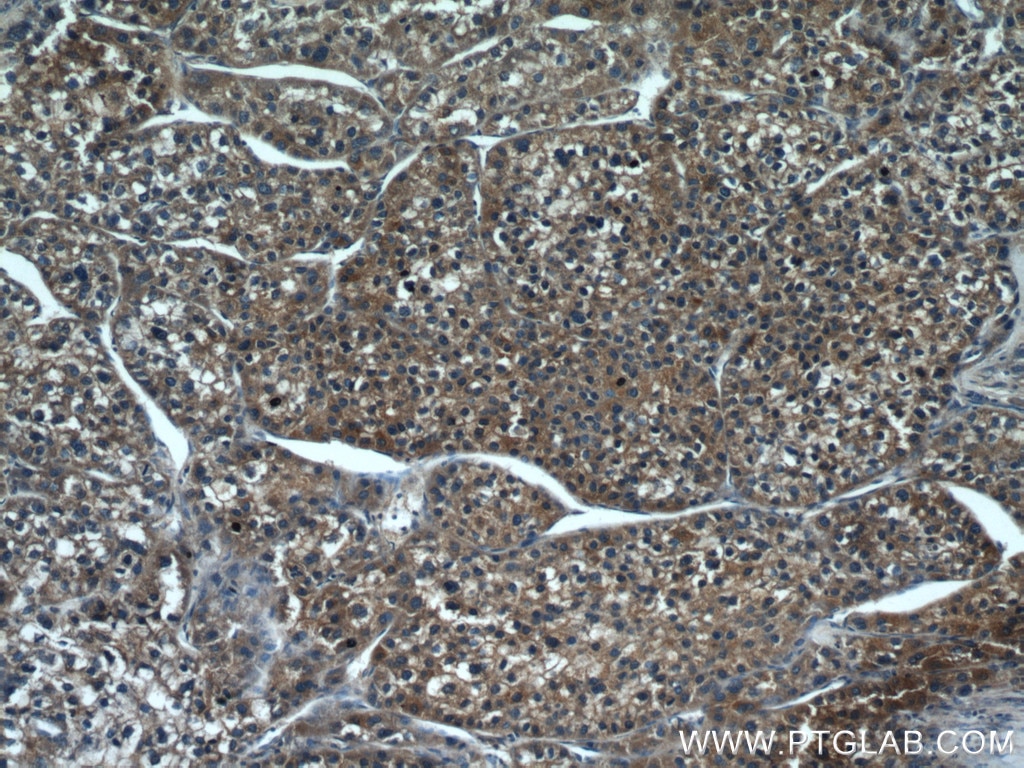
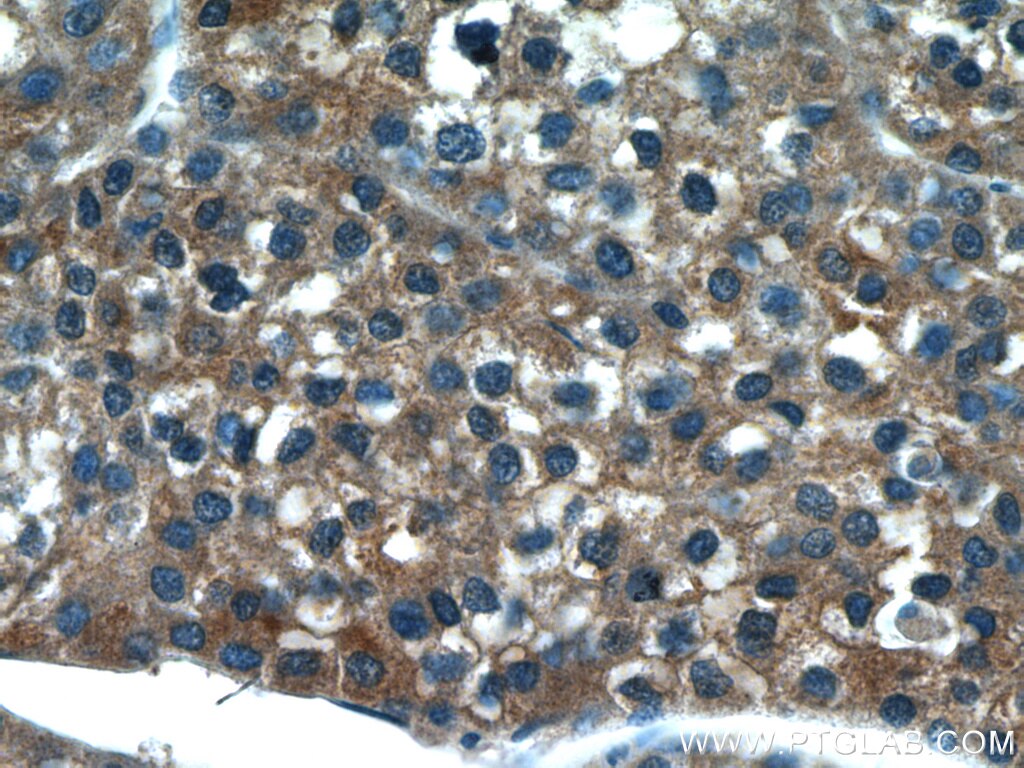

Tested Applications
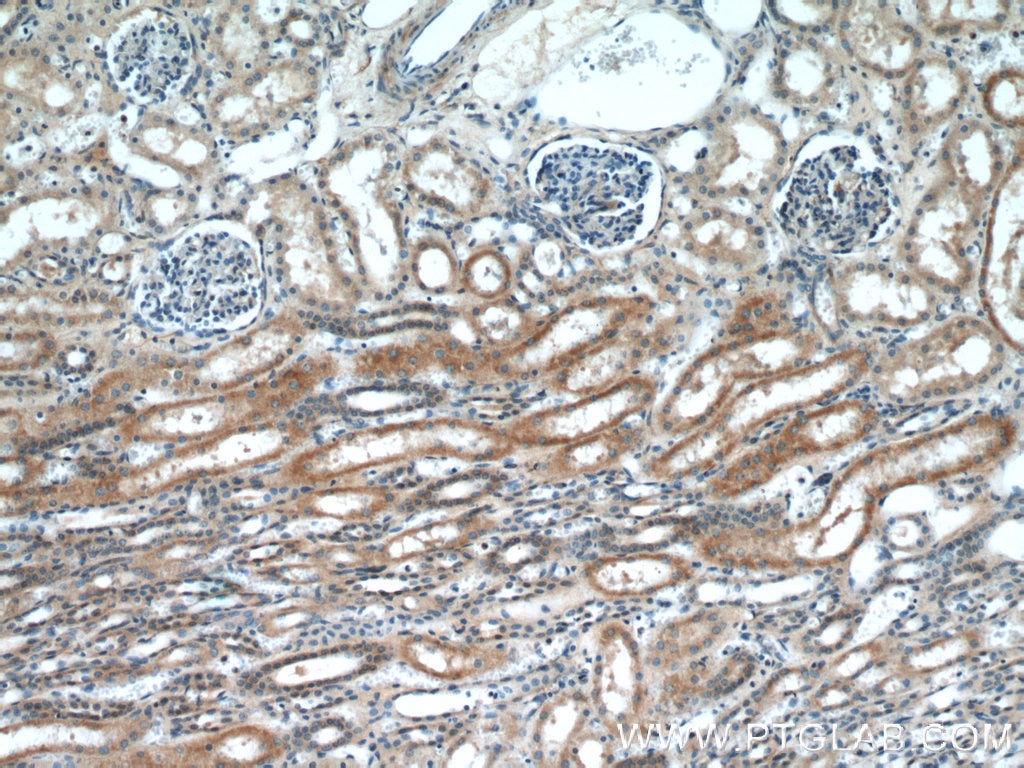
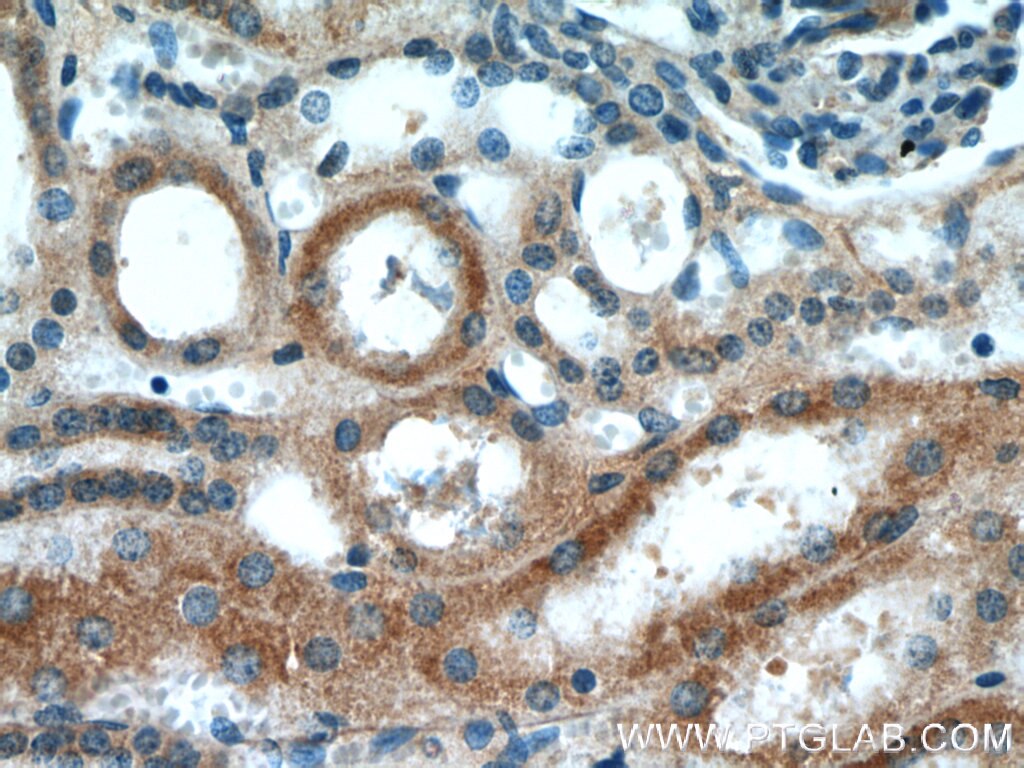
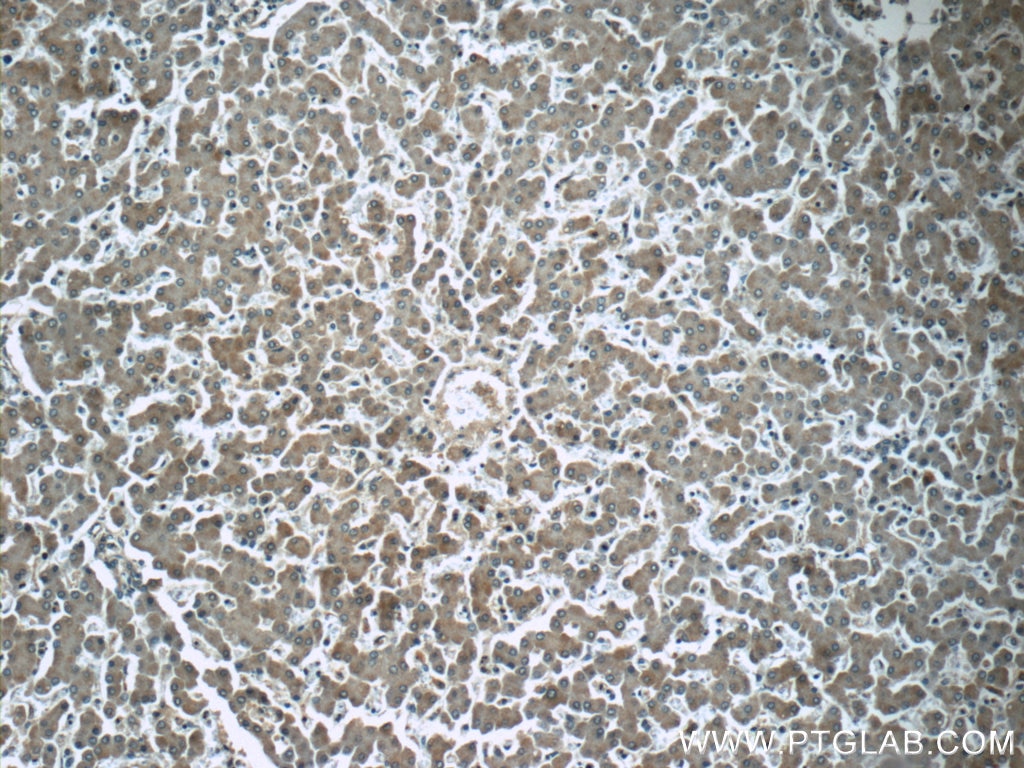
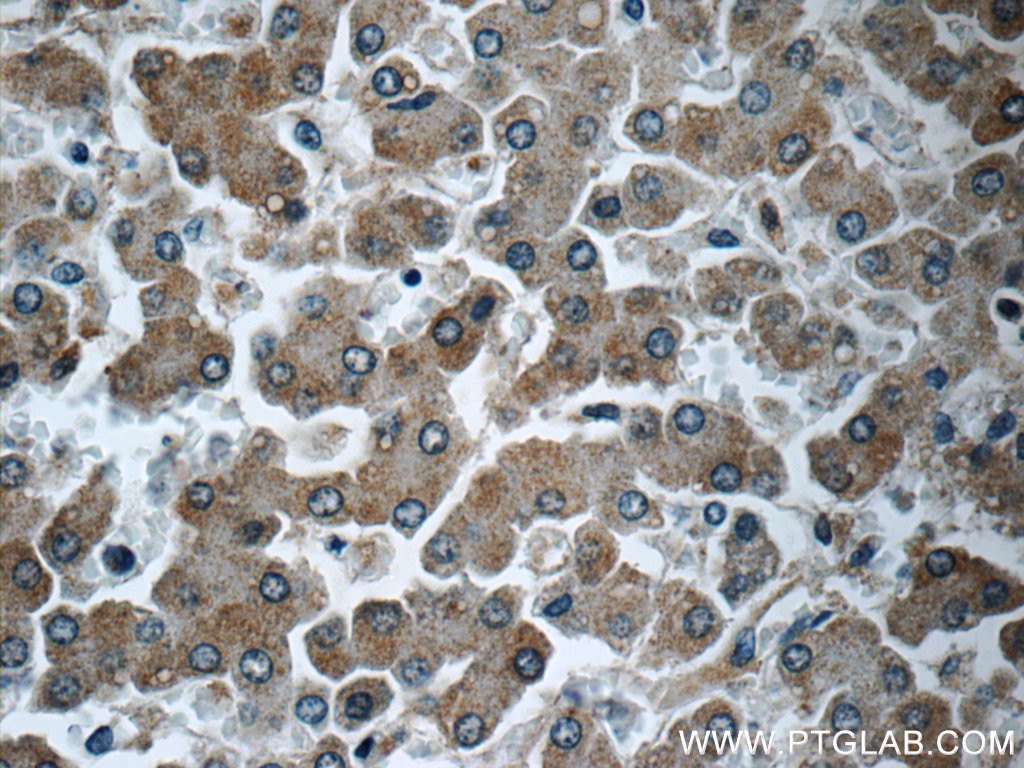
| Positive WB detected in | mouse liver tissue, rat liver tissue |
| Positive IHC detected in | human liver cancer tissue, human liver tissue, human kidney tissue Note: suggested antigen retrieval with TE buffer pH 9.0; (*) Alternatively, antigen retrieval may be performed with citrate buffer pH 6.0 |
Recommended dilution
| Application | Dilution |
|---|---|
| Western Blot (WB) | WB : 1:2000-1:12000 |
| Immunohistochemistry (IHC) | IHC : 1:200-1:600 |
| It is recommended that this reagent should be titrated in each testing system to obtain optimal results. | |
| Sample-dependent, Check data in validation data gallery. | |
Product Information
17868-1-AP targets CYP2D6/7 in WB, IHC, IF, ELISA applications and shows reactivity with human, mouse, rat samples.
| Tested Reactivity | human, mouse, rat |
| Cited Reactivity | human, mouse, rat |
| Host / Isotype | Rabbit / IgG |
| Class | Polyclonal |
| Type | Antibody |
| Immunogen |
CatNo: Ag12351 Product name: Recombinant human CYP2D6 protein Source: e coli.-derived, PGEX-4T Tag: GST Domain: 148-497 aa of BC075023 Sequence: SLEQWVTEEAACLCAAFANHSGRPFRPNGLLDKAVSNVIASLTCGRRFEYDDPRFLRLLDLAQEGLKEESGFLREVLNAVPVLLHIPALAGKVLRFQKAFLTQLDELLTEHRMTWDPAQPPRDLTEAFLAEMEKAKGNPESSFNDENLRIVVADLFSAGMVTTSTTLAWGLLLMILHPDVQRRVQQEIDDVIGQVRRPEMGDQAHMPYTTAVIHEVQRFGDIVPLGVTHMTSRDIEVQGFRIPKGTTLITNLSSVLKDEAVWEKPFRFHPEHFLDAQGHFVKPEAFLPFSAGRRACLGEPLARMELFLFFTSLLQHFSFSVPTGQPRPSHHGVFAFLVSPSPYELCAVPR Predict reactive species |
| Full Name | cytochrome P450, family 2, subfamily D, polypeptide 6 |
| Calculated Molecular Weight | 497 aa, 56 kDa |
| Observed Molecular Weight | 48-56 kDa |
| GenBank Accession Number | BC075023 |
| Gene Symbol | CYP2D6 |
| Gene ID (NCBI) | 1565 |
| RRID | AB_2878457 |
| Conjugate | Unconjugated |
| Form | Liquid |
| Purification Method | Antigen affinity purification |
| UNIPROT ID | P10635 |
| Storage Buffer | PBS with 0.02% sodium azide and 50% glycerol, pH 7.3. |
| Storage Conditions | Store at -20°C. Stable for one year after shipment. Aliquoting is unnecessary for -20oC storage. 20ul sizes contain 0.1% BSA. |
Background Information
CYP2D6(Cytochrome P450 2D6) is also named as CYP2DL1 and belongs to the cytochrome P450 family. It is a monooxygenase that involved in the metabolism of drugs such as antiarrhythmics, adrenoceptor antagonists, and tricyclic antidepressants. CYP2D6 is responsible for the metabolism of many drugs and environmental chemicals that it oxidizes. It has 2 isoforms produced by alternative splicing with the molecular weight of 56 kDa and 50 kDa. This antibody can recognize human CYP2D6/7, mouse CYP2D3/4/9/10/22/26, rat CYP2D1/3/4/10/26, due to the high homology.
Protocols
| Product Specific Protocols | |
|---|---|
| IHC protocol for CYP2D6/7 antibody 17868-1-AP | Download protocol |
| WB protocol for CYP2D6/7 antibody 17868-1-AP | Download protocol |
| Standard Protocols | |
|---|---|
| Click here to view our Standard Protocols |
Publications
What published studies show
The CYP2D6/7 Polyclonal antibody (Cat# 17868-1-AP) has 14 citations published in journals including J Adv Res, Theranostics, Biochem Pharmacol, Eur J Pharm Sci, Sci Rep, Drug Metab Dispos, J Ethnopharmacol, Drug Des Devel Ther, J Pharm Biomed Anal, Drug Metab Pharmacokinet, Biol Pharm Bull, Xenobiotica, Pharmazie, and ACS Pharmacol Transl Sci. Research fields span drug metabolism, pharmacokinetics, CYP450-mediated drug interactions, hepatotoxicity screening, and hepatic enzyme expression.
| Species | Application | Title |
|---|---|---|
J Adv Res Gut microbiota and host Cyp450s co-contribute to pharmacokinetic variability in mice with non-alcoholic steatohepatitis: Effects vary from drug to drug | ||
Theranostics Generation of hepatic spheroids using human hepatocyte-derived liver progenitor-like cells for hepatotoxicity screening. | ||
J Ethnopharmacol Integrated pharmacokinetic properties, tissue distribution and metabolism of multiple active constituents in DBD for the treatment of GEM-induced myelosuppression. | ||
Biochem Pharmacol Effects of CYP3A4 variants and drug-drug interactions on the metabolism of fexinidazole. | ||











