

Tested Applications
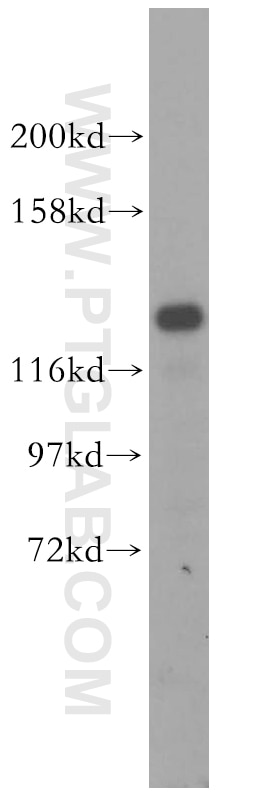
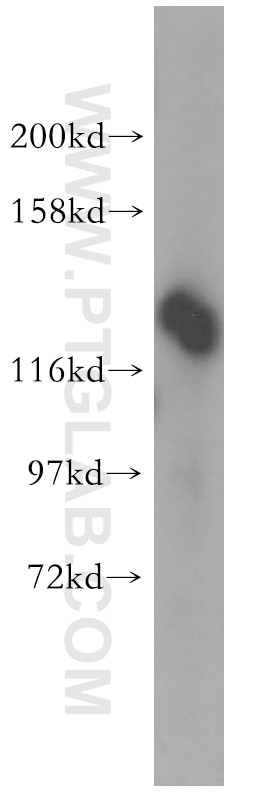
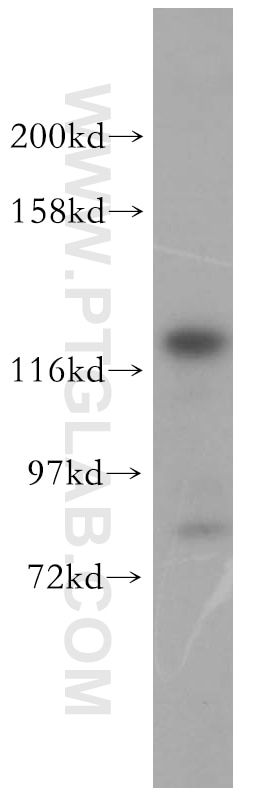
| Positive WB detected in | HEK-293 cells, HeLa cells, NIH/3T3 cells |
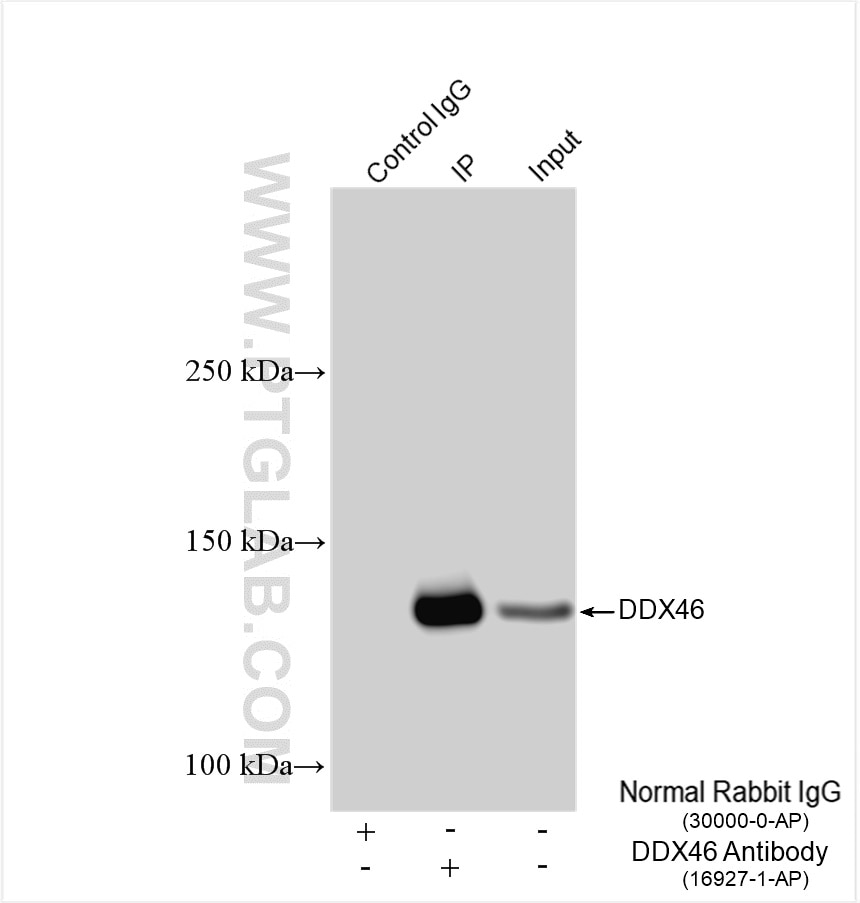
| Positive IP detected in | HEK-293 cells |
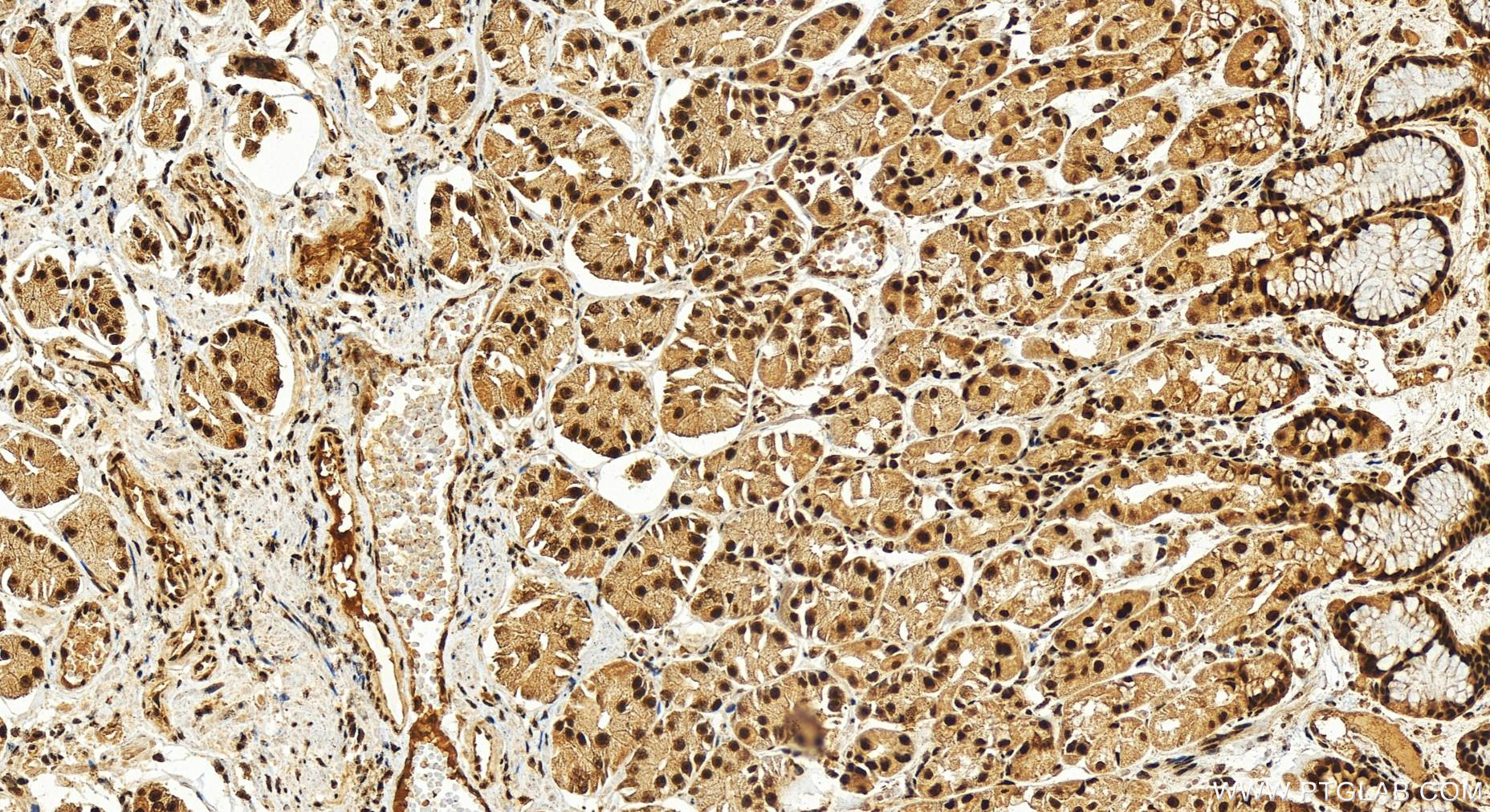
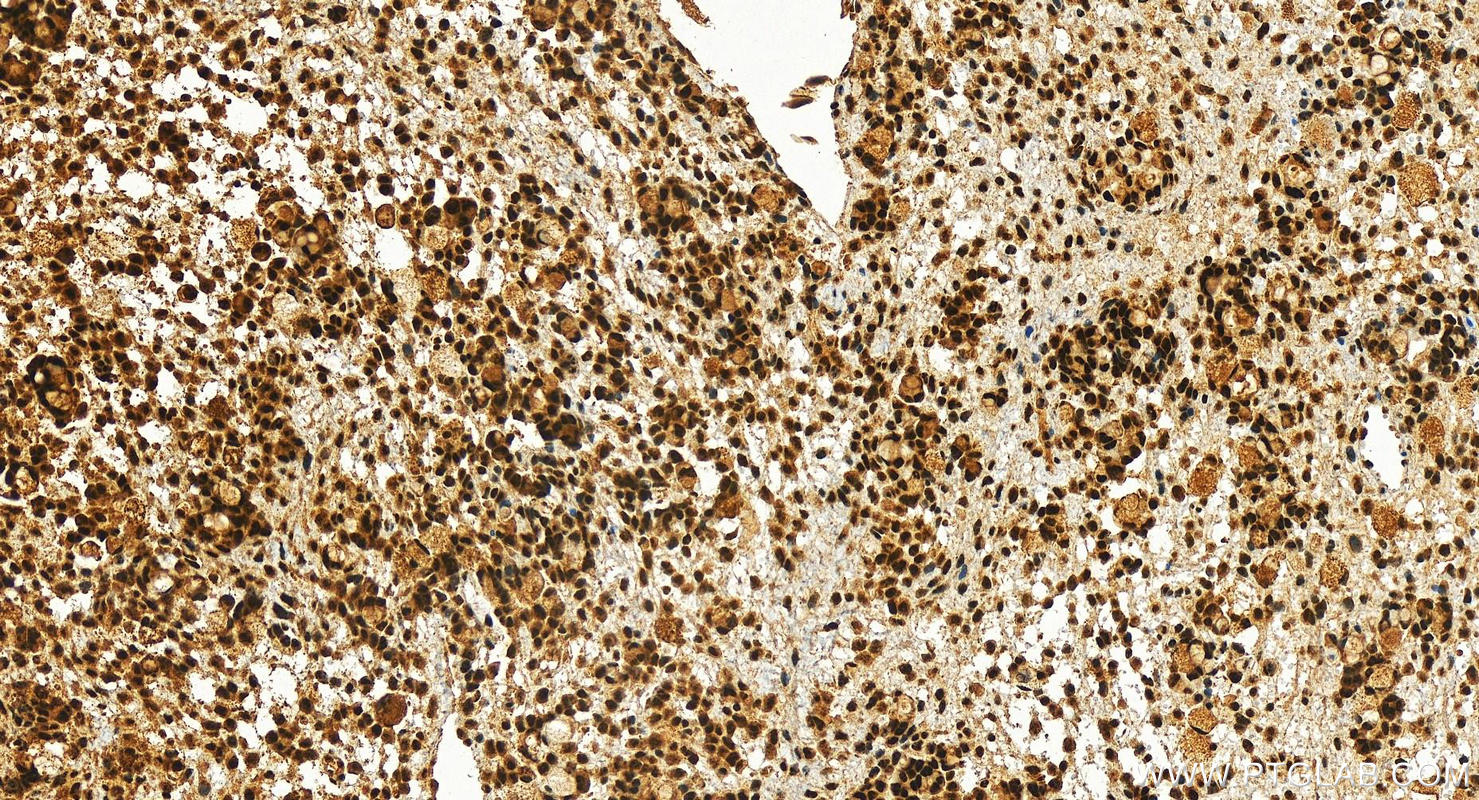
| Positive IHC detected in | human stomach tissue, human ovary cancer tissue Note: suggested antigen retrieval with TE buffer pH 9.0; (*) Alternatively, antigen retrieval may be performed with citrate buffer pH 6.0 |
Recommended dilution
| Application | Dilution |
|---|---|
| Western Blot (WB) | WB : 1:500-1:3000 |
| Immunoprecipitation (IP) | IP : 0.5-4.0 ug for 1.0-3.0 mg of total protein lysate |
| Immunohistochemistry (IHC) | IHC : 1:50-1:500 |
| It is recommended that this reagent should be titrated in each testing system to obtain optimal results. | |
| Sample-dependent, Check data in validation data gallery. | |
Product Information
16927-1-AP targets DDX46 in WB, IHC, IF, IP, ELISA applications and shows reactivity with human, mouse, rat samples.
| Tested Reactivity | human, mouse, rat |
| Cited Reactivity | human |
| Host / Isotype | Rabbit / IgG |
| Class | Polyclonal |
| Type | Antibody |
| Immunogen |
CatNo: Ag10342 Product name: Recombinant human DDX46 protein Source: e coli.-derived, PGEX-4T Tag: GST Domain: 682-1031 aa of BC012304 Sequence: GLDVKHLILVVNYSCPNHYEDYVHRAGRTGRAGNKGYAYTFITEDQARYAGDIIKALELSGTAVPPDLEKLWSDFKDQQKAEGKIIKKSSGFSGKGFKFDETEQALANERKKLQKAALGLQDSDDEDAAVDIDEQIESMFNSKKRVKDMAAPGTSSVPAPTAGNAEKLEIAKRLALRINAQKNLGIESQDVMQQATNAILRGGTILAPTVSAKTIAEQLAEKINAKLNYVPLEKQEEERQDGGQNESFKRYEEELEINDFPQTARWKVTSKEALQRISEYSEAAITIRGTYFPPGKEPKEGERKIYLAIESANELAVQKAKAEITRLIKEELIRLQNSYQPTNKGRYKVL Predict reactive species |
| Full Name | DEAD (Asp-Glu-Ala-Asp) box polypeptide 46 |
| Calculated Molecular Weight | 1031 aa, 117 kDa |
| Observed Molecular Weight | 120-125 kDa |
| GenBank Accession Number | BC012304 |
| Gene Symbol | DDX46 |
| Gene ID (NCBI) | 9879 |
| RRID | AB_2090927 |
| Conjugate | Unconjugated |
| Form | Liquid |
| Purification Method | Antigen affinity purification |
| UNIPROT ID | Q7L014 |
| Storage Buffer | PBS with 0.02% sodium azide and 50% glycerol, pH 7.3. |
| Storage Conditions | Store at -20°C. Stable for one year after shipment. Aliquoting is unnecessary for -20oC storage. 20ul sizes contain 0.1% BSA. |
Background Information
DDX46, also named as KIAA0801, is a 1031 amino acid protein, which belongs to the DEAD box helicase family. DDX46 has been shown to be required at the early step of pre-spliceosome assembly. It uses the energy released by the hydrolysis of ATP to rearrange local RNA-RNA or protein-RNA interactions. The nuclear DDX46 acted as a negative regulator of the antiviral innate response by recruiting the m6A'eraser' ALKBH5 to induce retention of antiviral innate mRNA in the nucleus.
Protocols
| Product Specific Protocols | |
|---|---|
| IHC protocol for DDX46 antibody 16927-1-AP | Download protocol |
| IP protocol for DDX46 antibody 16927-1-AP | Download protocol |
| WB protocol for DDX46 antibody 16927-1-AP | Download protocol |
| Standard Protocols | |
|---|---|
| Click here to view our Standard Protocols |
Publications
What published studies show
The DDX46 Polyclonal antibody (16927-1-AP) has been cited 7 times across journals including Cell Reports, PLoS Pathogens, Scientific Reports, Molecular Biology of the Cell, Neoplasma, eLife, and bioRxiv. Research fields span virology (Epstein-Barr virus replication and metabolism), cancer biology (pancreatic cancer and gemcitabine resistance), molecular biology (nuclear protein condensates and RNA droplet dynamics), splicing regulation, and gene silencing. Citations used the antibody mainly in WB and IF applications on human samples.
| Species | Application | Title |
|---|---|---|
Cell Rep Epstein-Barr virus BNRF1 destabilizes SMC5/6 cohesin complexes to evade its restriction of replication compartments. | ||
Sci Rep Nuclear bodies formed by polyQ-ataxin-1 protein are liquid RNA/protein droplets with tunable dynamics. | ||
PLoS Pathog Epstein-Barr virus subverts mevalonate and fatty acid pathways to promote infected B-cell proliferation and survival. | ||
Neoplasma Oncogenic DDX46 promotes pancreatic cancer development and gemcitabine resistance by facilitating the JMJD6/CDK4 signaling pathway | ||
Elife Characterisation of the biflavonoid hinokiflavone as a pre-mRNA splicing modulator that inhibits SENP. |
Reviews
What customers say
Able is busy answering your previous question. Please try again later.
The reviews below have been submitted by verified Proteintech customers who received an incentive for providing their feedback.
Xiao (Verified Customer) (05-27-2025) | This antibody works very good for WB (HT1080, 293T cell lines), but not good for IP (HT1080, 293T cell lines) in my hand.
|







