

Tested Applications
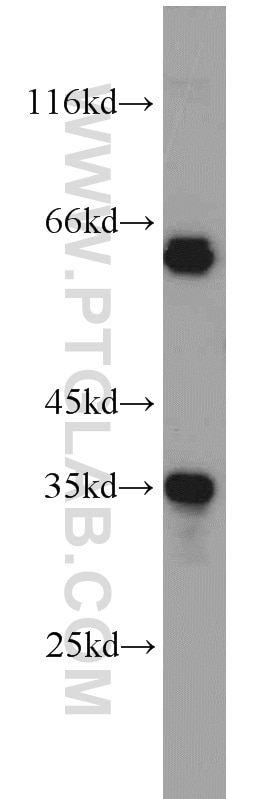
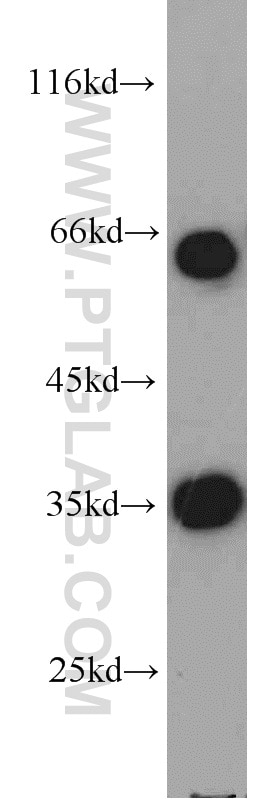
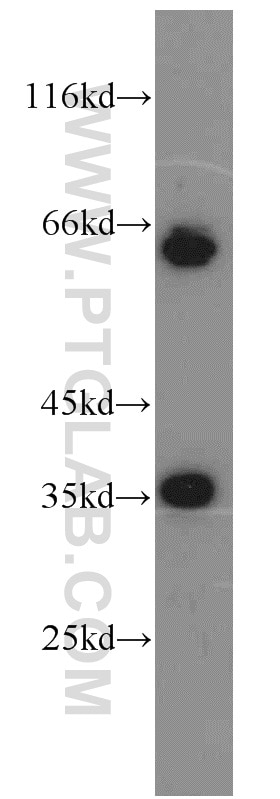
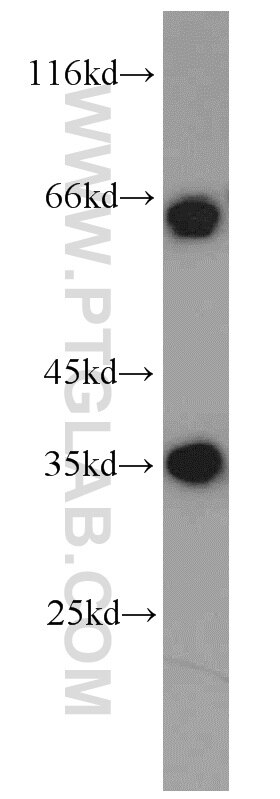
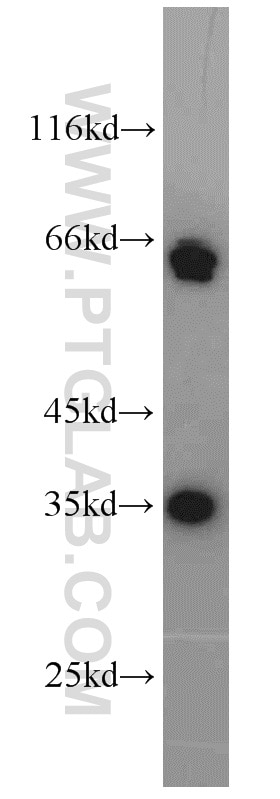
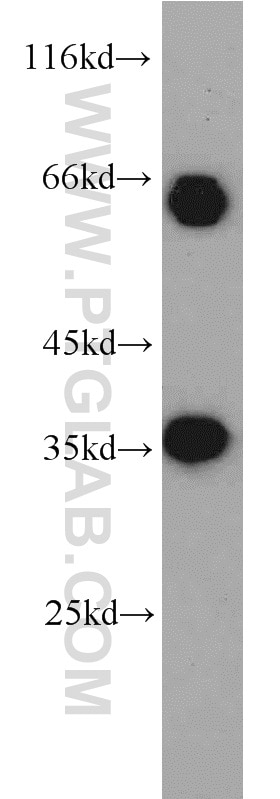
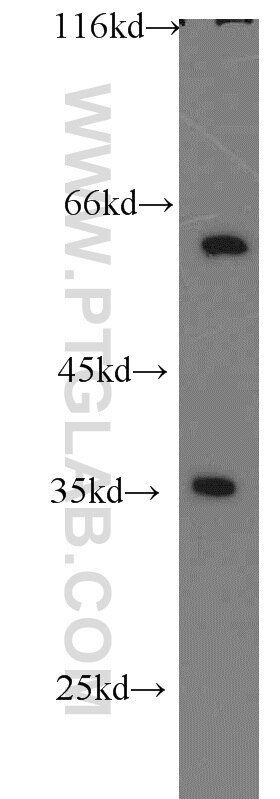
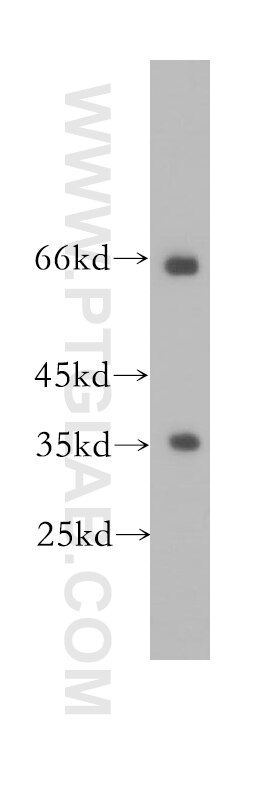
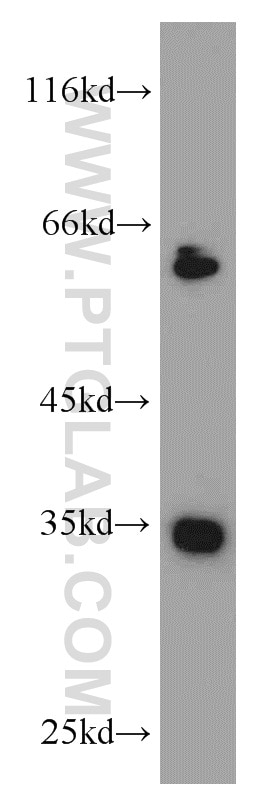
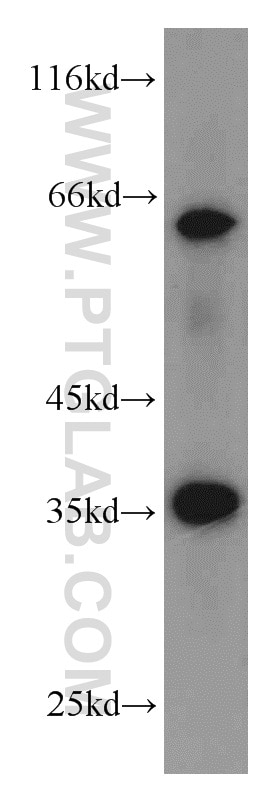
| Positive WB detected in | HeLa cells, A549 cells, HEK-293 cells, Jurkat cells, K-562 cells, MCF-7 cells, SKOV-3 cells |
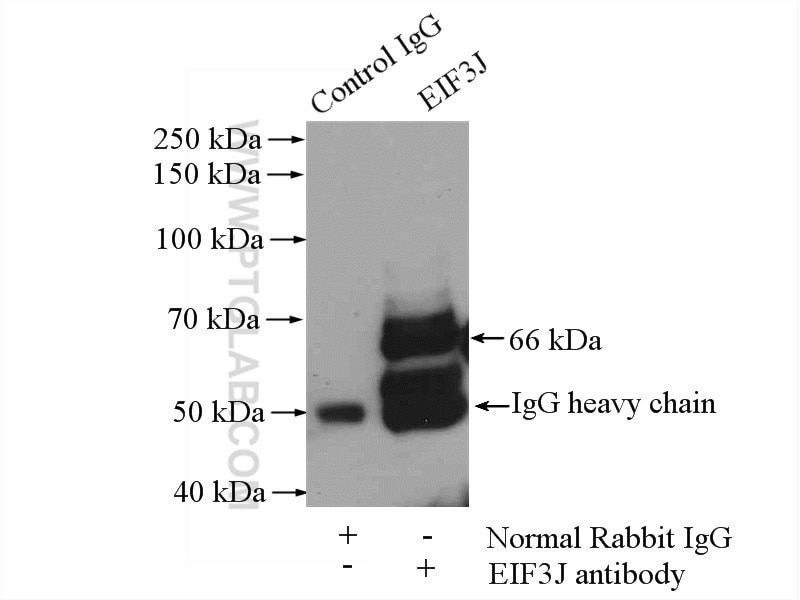
| Positive IP detected in | HeLa cells |
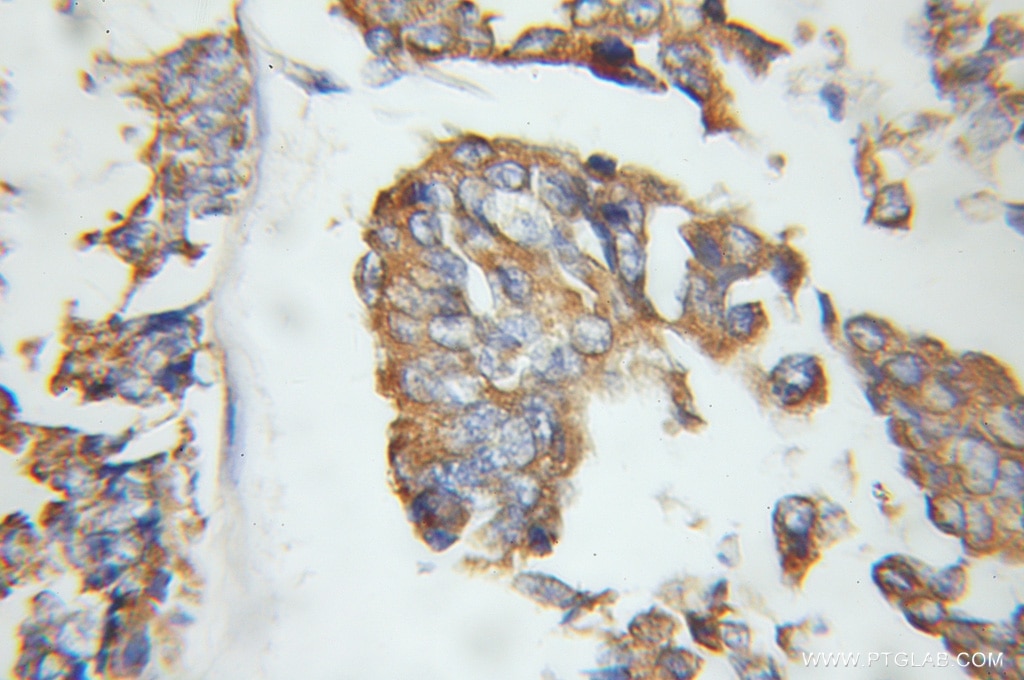
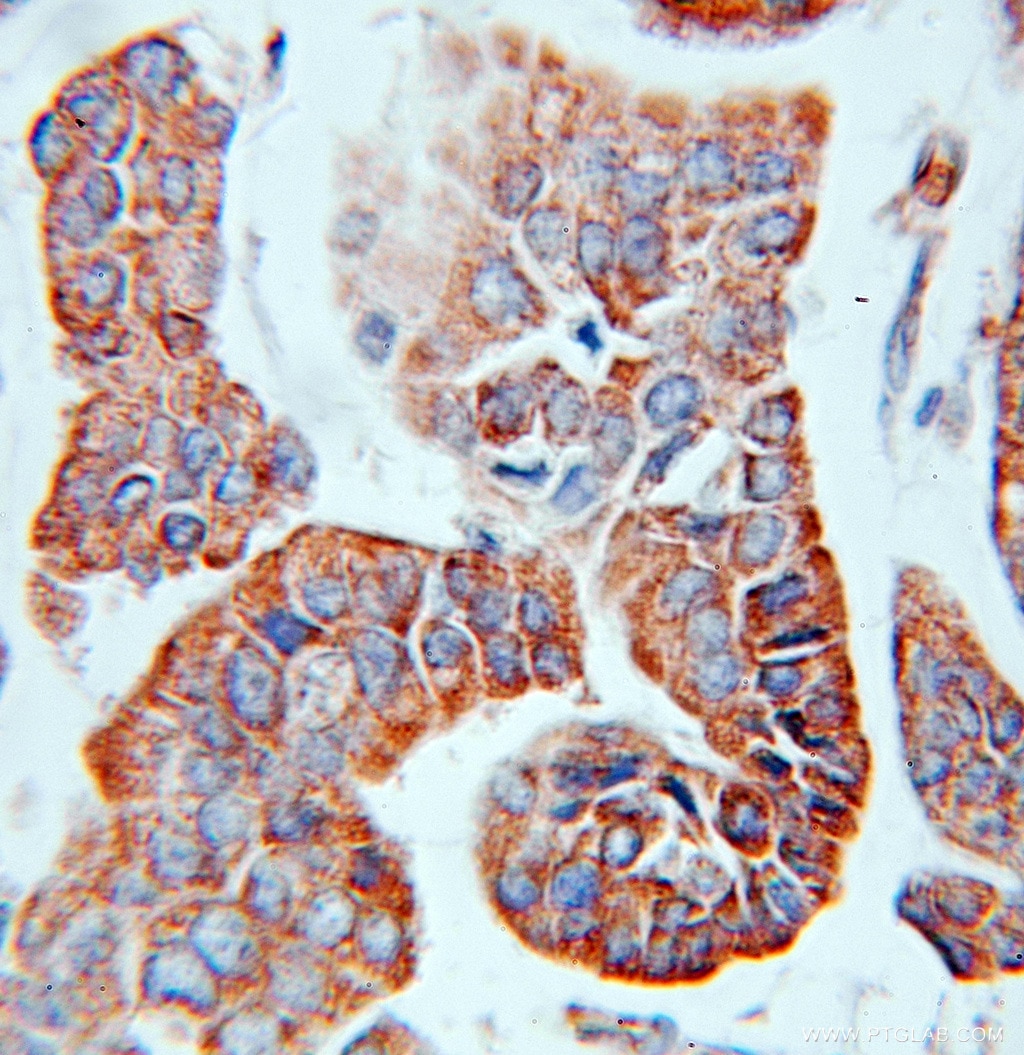
| Positive IHC detected in | human breast cancer tissue Note: suggested antigen retrieval with TE buffer pH 9.0; (*) Alternatively, antigen retrieval may be performed with citrate buffer pH 6.0 |
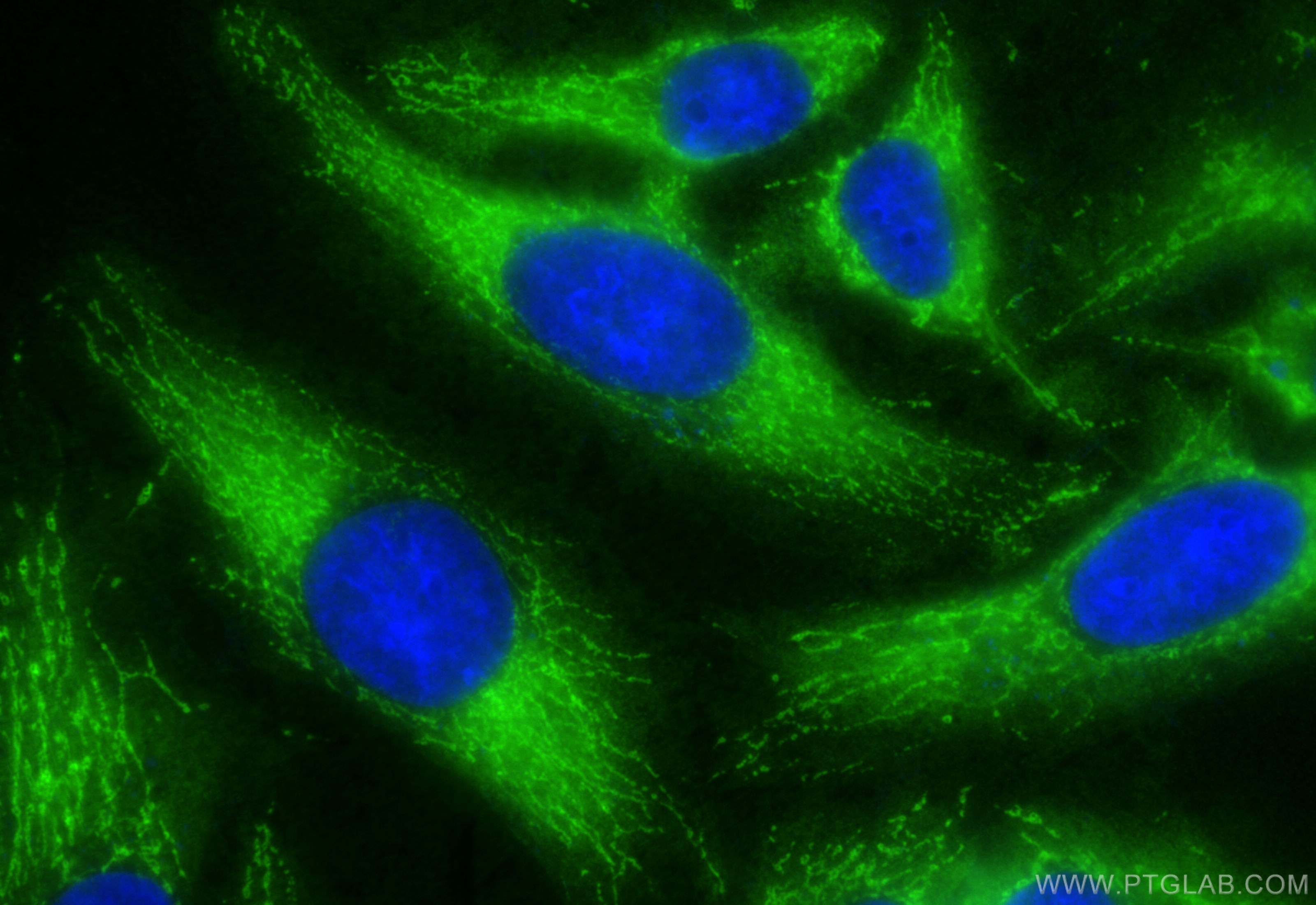
| Positive IF/ICC detected in | HeLa cells |
Recommended dilution
| Application | Dilution |
|---|---|
| Western Blot (WB) | WB : 1:500-1:1000 |
| Immunoprecipitation (IP) | IP : 0.5-4.0 ug for 1.0-3.0 mg of total protein lysate |
| Immunohistochemistry (IHC) | IHC : 1:20-1:200 |
| Immunofluorescence (IF)/ICC | IF/ICC : 1:200-1:800 |
| It is recommended that this reagent should be titrated in each testing system to obtain optimal results. | |
| Sample-dependent, Check data in validation data gallery. | |
Product Information
10439-1-AP targets EIF3J in WB, IHC, IF/ICC, IP, ELISA applications and shows reactivity with human samples.
| Tested Reactivity | human |
| Cited Reactivity | human, pig |
| Host / Isotype | Rabbit / IgG |
| Class | Polyclonal |
| Type | Antibody |
| Immunogen |
CatNo: Ag0678 Product name: Recombinant human EIF3J protein Source: e coli.-derived, PGEX-4T Tag: GST Domain: 1-258 aa of BC002719 Sequence: MAAAAAAAGDSDSWDADAFSVEDPVRKVGGGGTAGGDRWEGEDEDEDVKDNWDDDDDEKKEEAEVKPEVKISEKKKIAEKIKEKERQQKKRQEEIKKRLEEPEEPKVLTPEEQLADKLRLKKLQEESDLELAKETFGVNNAVYGIDAMNPSSRDDFTEFGKLLKDKITQYEKSLYYASFLEVLVRDVCISLEIDDLKKITNSLTVLCSEKQKQEKQSKAKKKKKGVVPGGGLKATMKDDLADYGGYDGGYVQDYEDFM Predict reactive species |
| Full Name | eukaryotic translation initiation factor 3, subunit J |
| Calculated Molecular Weight | 28 kDa |
| Observed Molecular Weight | 35 kDa |
| GenBank Accession Number | BC002719 |
| Gene Symbol | EIF3J |
| Gene ID (NCBI) | 8669 |
| RRID | AB_2097082 |
| Conjugate | Unconjugated |
| Form | Liquid |
| Purification Method | Antigen affinity purification |
| UNIPROT ID | O75822 |
| Storage Buffer | PBS with 0.02% sodium azide and 50% glycerol, pH 7.3. |
| Storage Conditions | Store at -20°C. Stable for one year after shipment. Aliquoting is unnecessary for -20oC storage. 20ul sizes contain 0.1% BSA. |
Background Information
EIF3 has a key role in binding of initiator methionyl-tRNA and mRNA to the 40S ribosomal subunit to form the 40S initiation complex(PMID:17588516). The eIF3 complex stimulates several steps in the translation initiation pathway, including dissociation of 80S ribosomes into 40S and 60S subunits, binding of a ternary complex (TC) consisting of Met-tRNA , eIF2, and GTP to the small subunit (forming the 43S preinitiation complex) and recruitment of mRNA to the 43 S complex to produce the 48S complex (PMID:11560931) EIF3J was identified as a high copy suppressor of the temperature-sensitive (Ts-) phenotype of the rpg1-1 allele of TIF32/RPG1, encoding the largest subunit of yeast eIF3 (eIF3a) (PMID:10488093).
Protocols
| Product Specific Protocols | |
|---|---|
| IF protocol for EIF3J antibody 10439-1-AP | Download protocol |
| IHC protocol for EIF3J antibody 10439-1-AP | Download protocol |
| IP protocol for EIF3J antibody 10439-1-AP | Download protocol |
| WB protocol for EIF3J antibody 10439-1-AP | Download protocol |
| Standard Protocols | |
|---|---|
| Click here to view our Standard Protocols |
Publications
What published studies show
EIF3J Polyclonal antibody (Cat# 10439-1-AP) has 4 citations published in Cell Death & Disease, Journal of Cell Biology, Journal of Virology, and bioRxiv. The research fields covered include stress granule assembly, mTOR-mediated nutrient sensing, autophagy regulation, viral IRES-driven translation, and innate immune modulation in human and pig models.
| Species | Application | Title |
|---|---|---|
Cell Death Dis Nitric oxide triggers the assembly of "type II" stress granules linked to decreased cell viability. | ||
J Cell Biol eIF4GI links nutrient sensing by mTOR to cell proliferation and inhibition of autophagy.
| ||
J Virol VP3 protein of Senecavirus A promotes viral IRES-driven translation and attenuates innate immunity by specifically relocalizing hnRNPA2B1 | ||















