
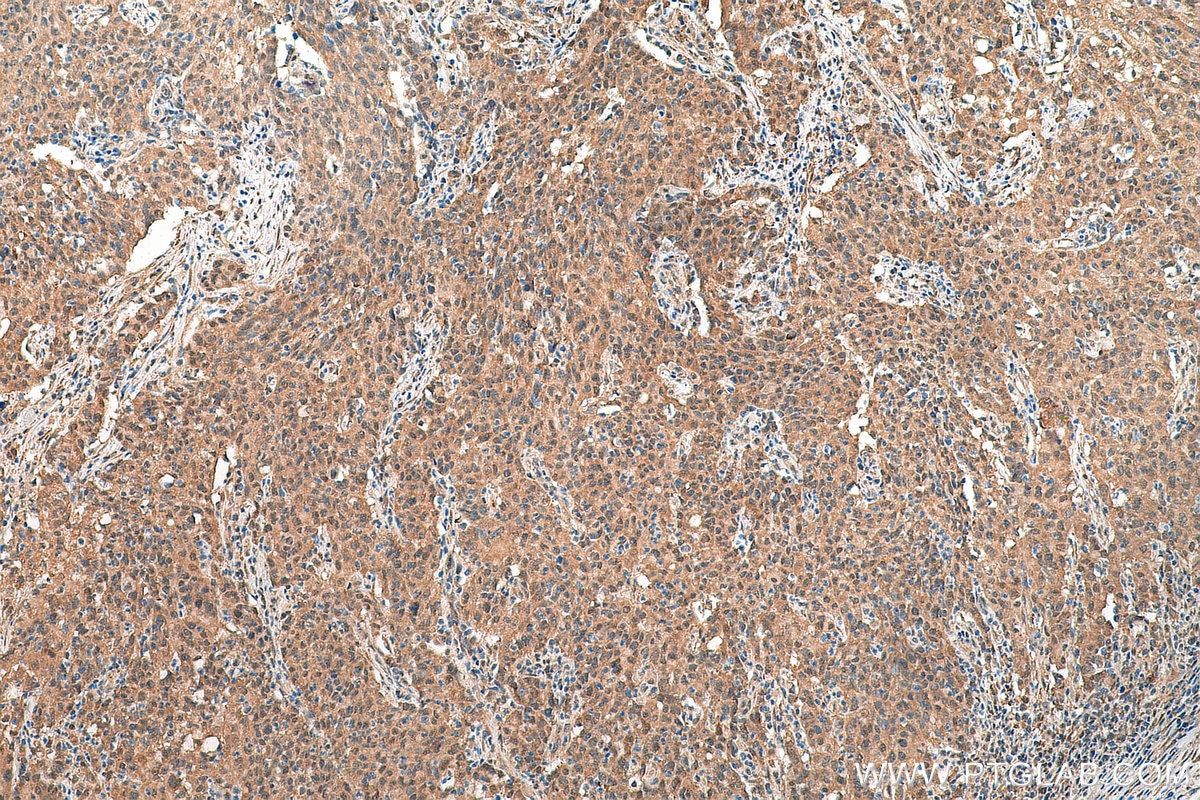
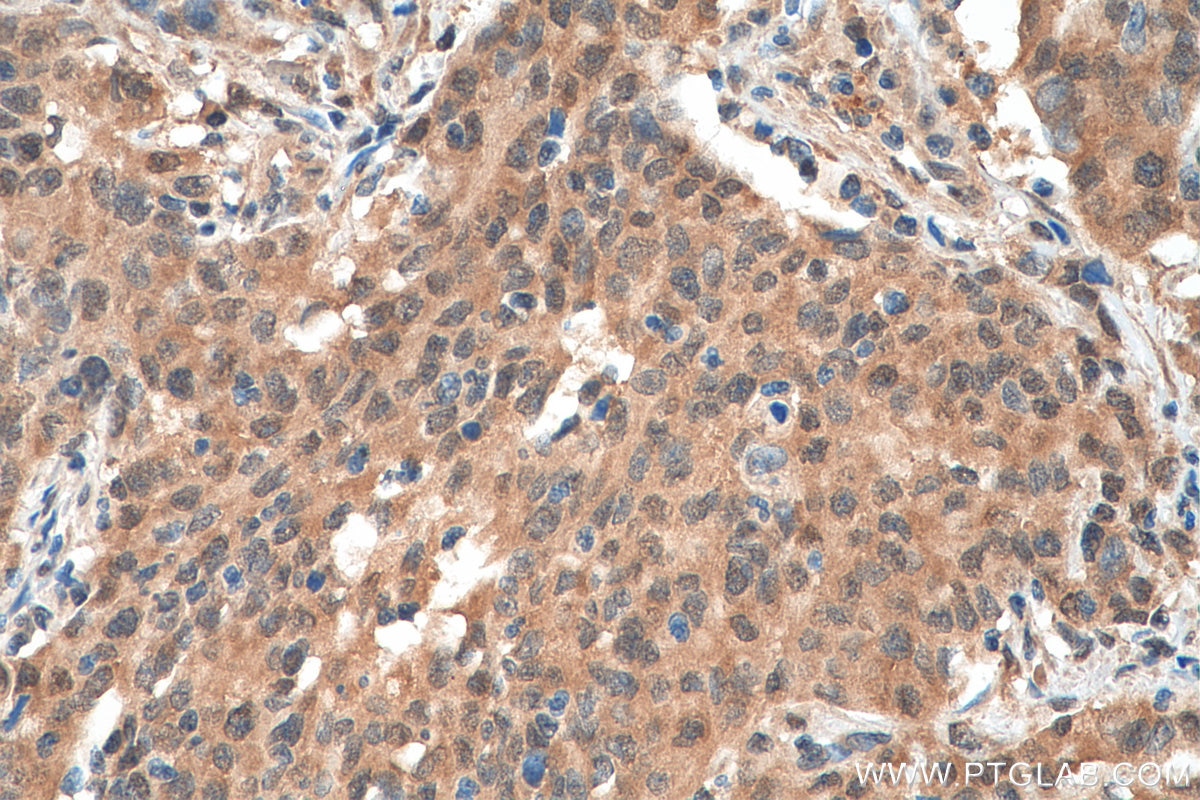

Tested Applications
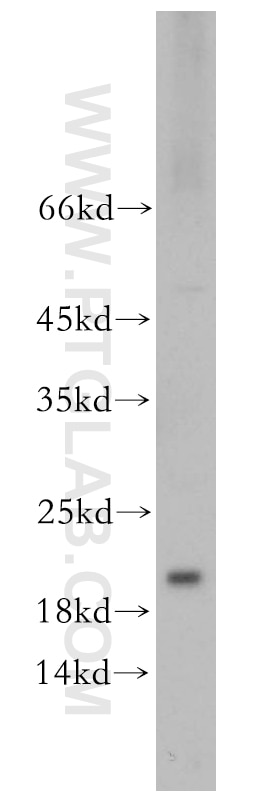
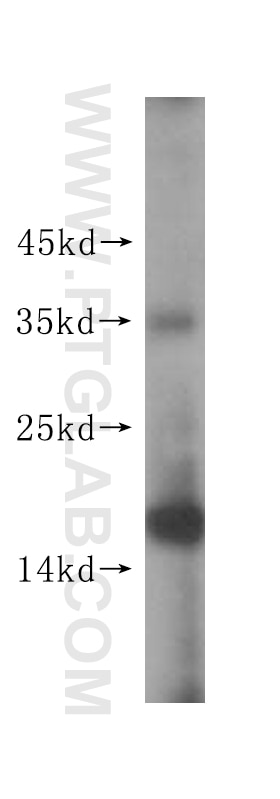
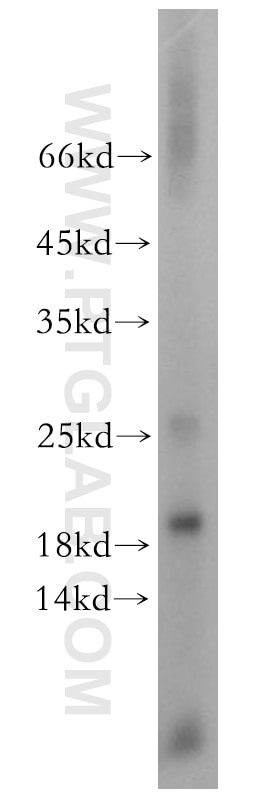
| Positive WB detected in | mouse brain tissue, A2780 cells, mouse testis tissue |
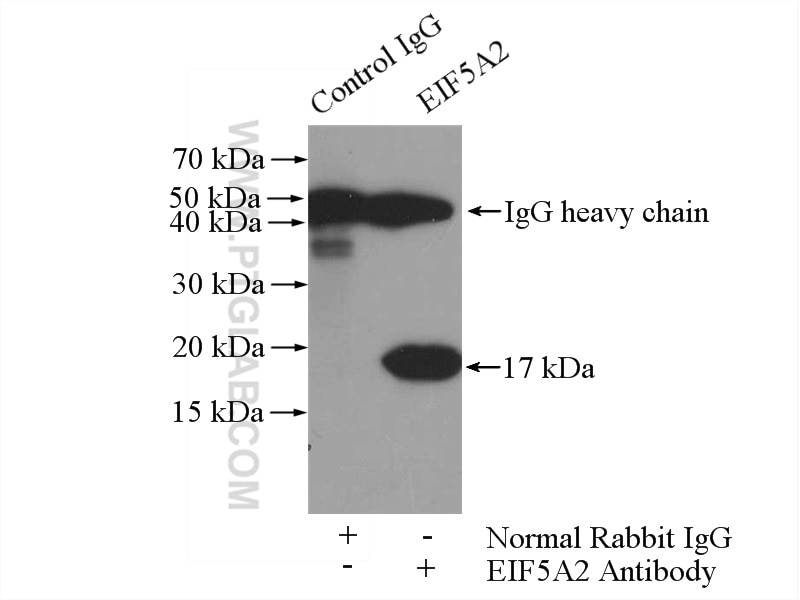
| Positive IP detected in | mouse brain tissue |
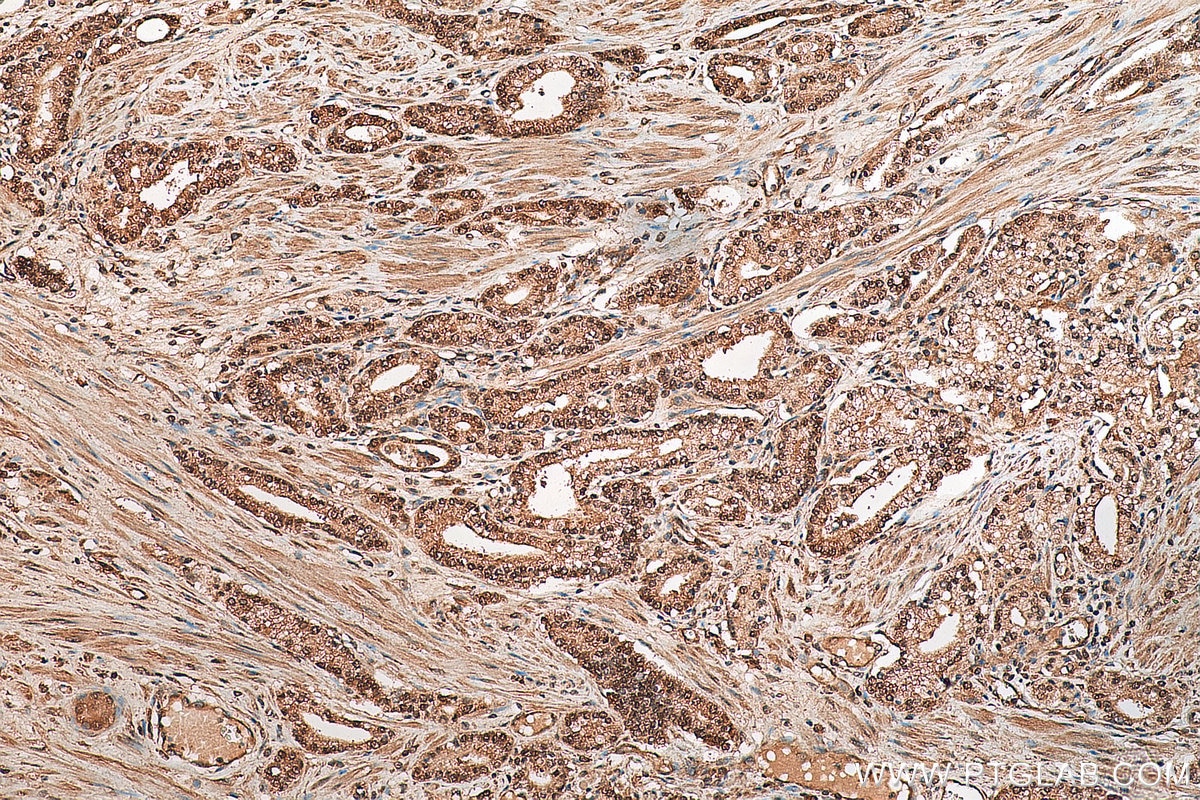
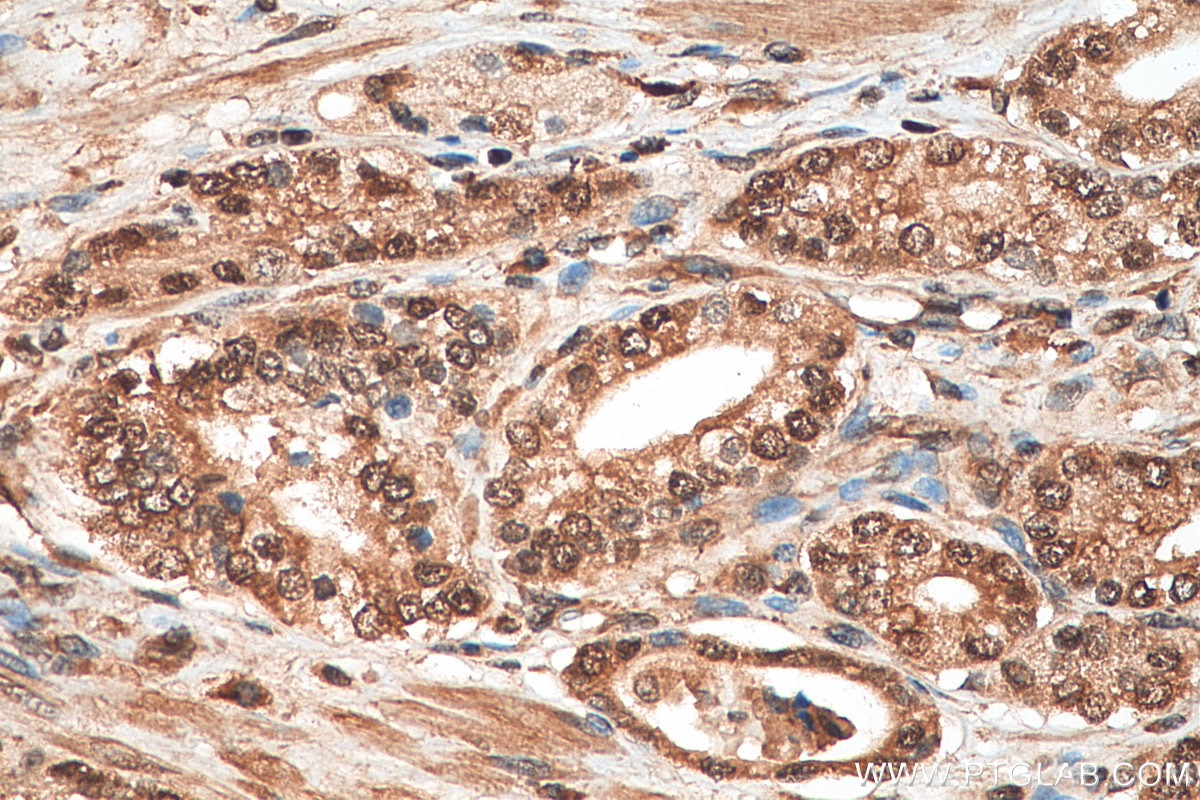
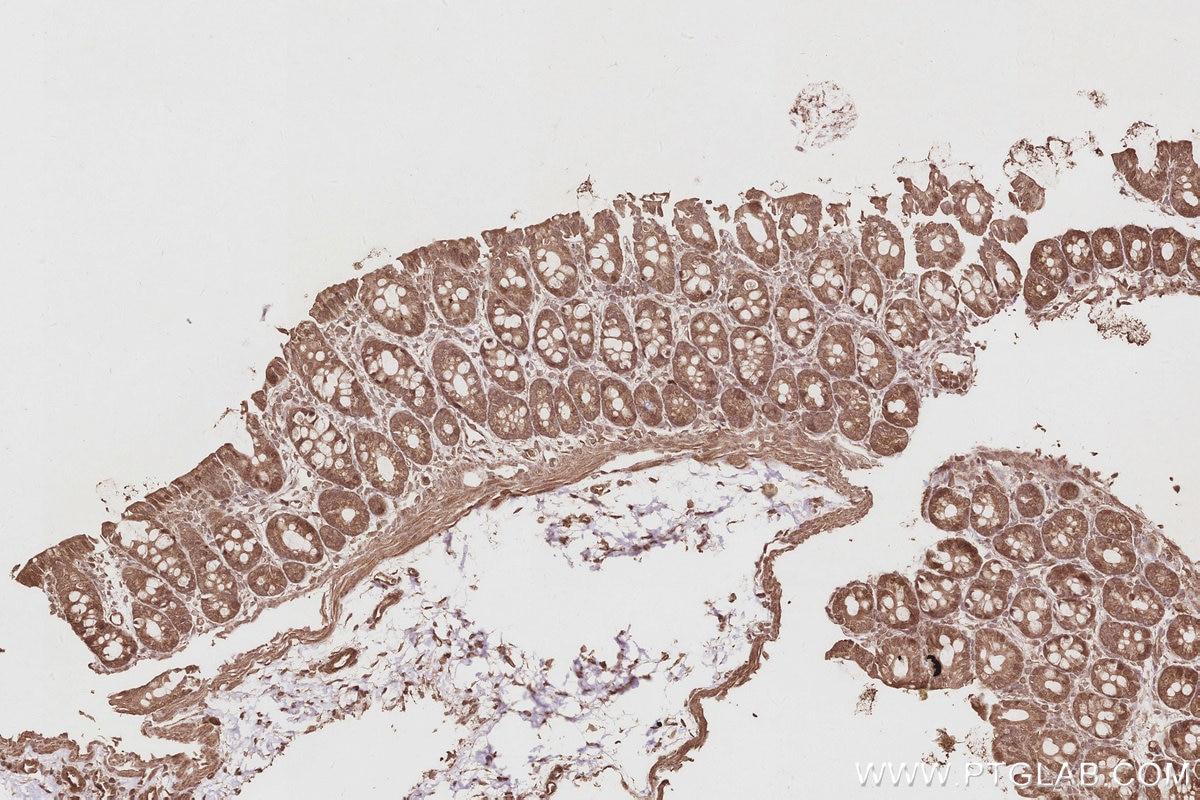
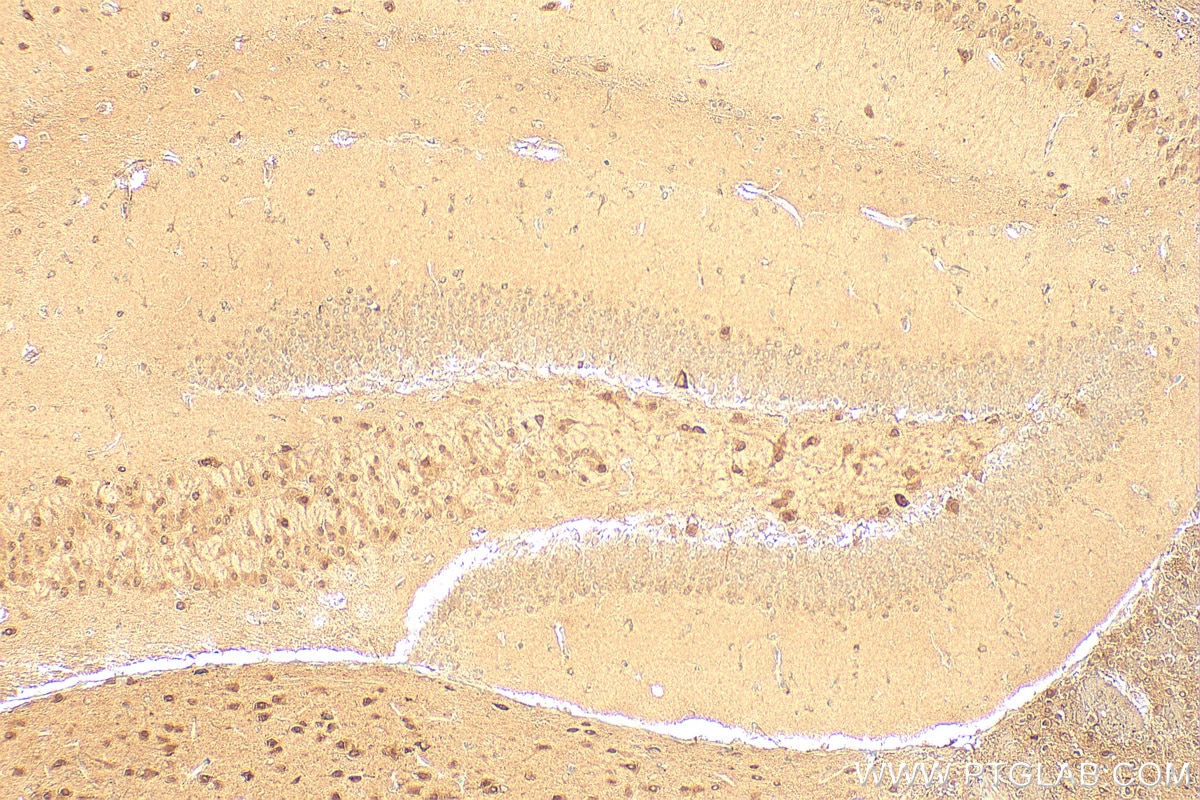
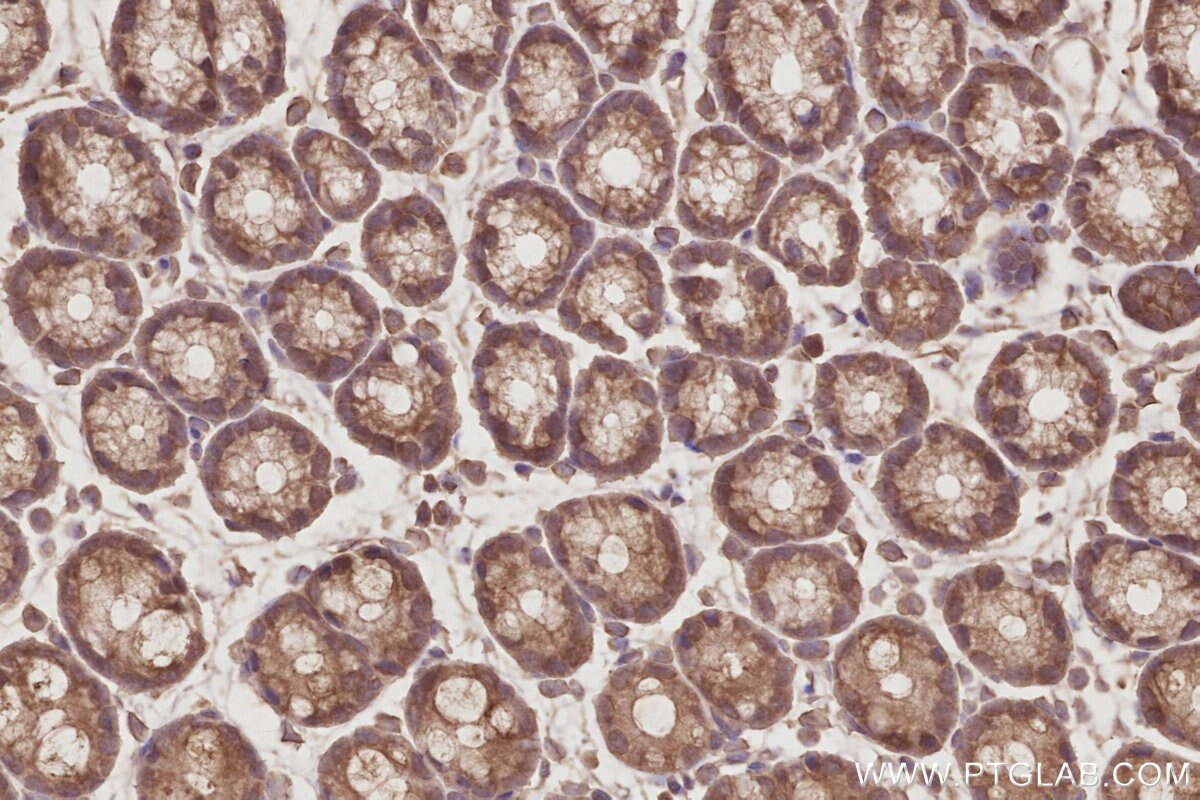
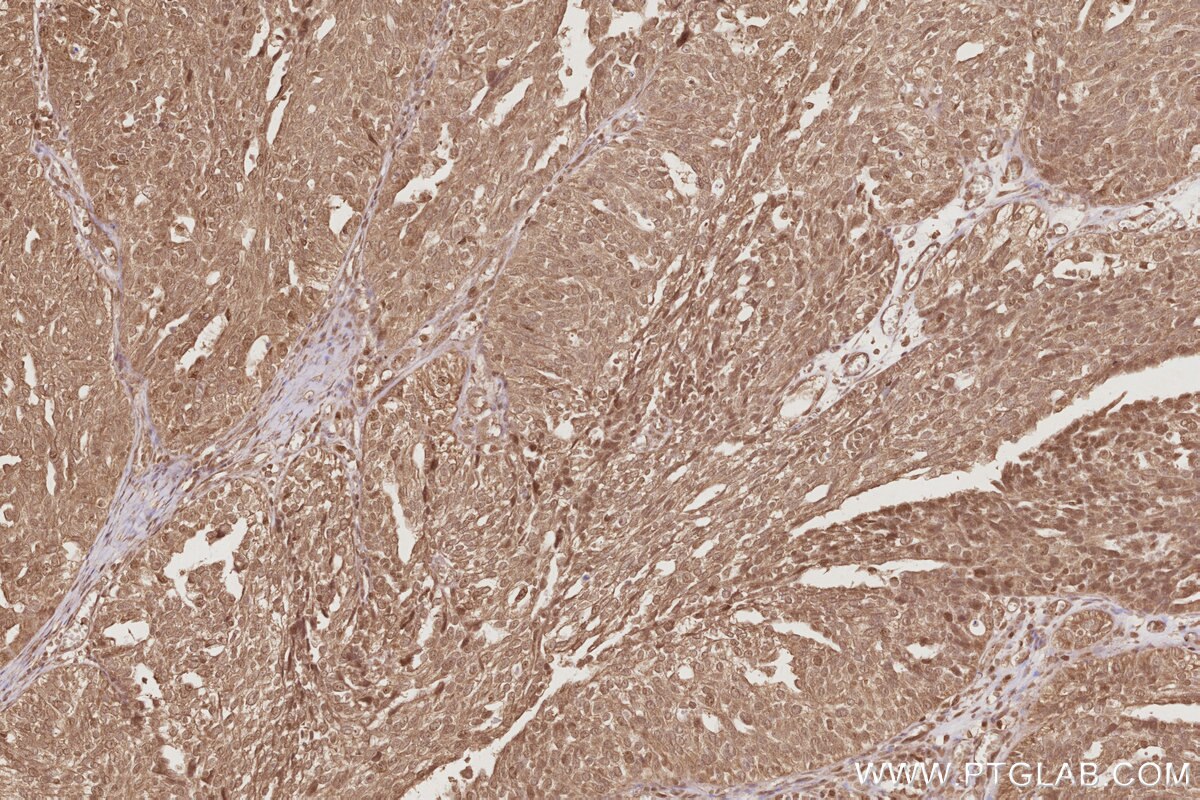
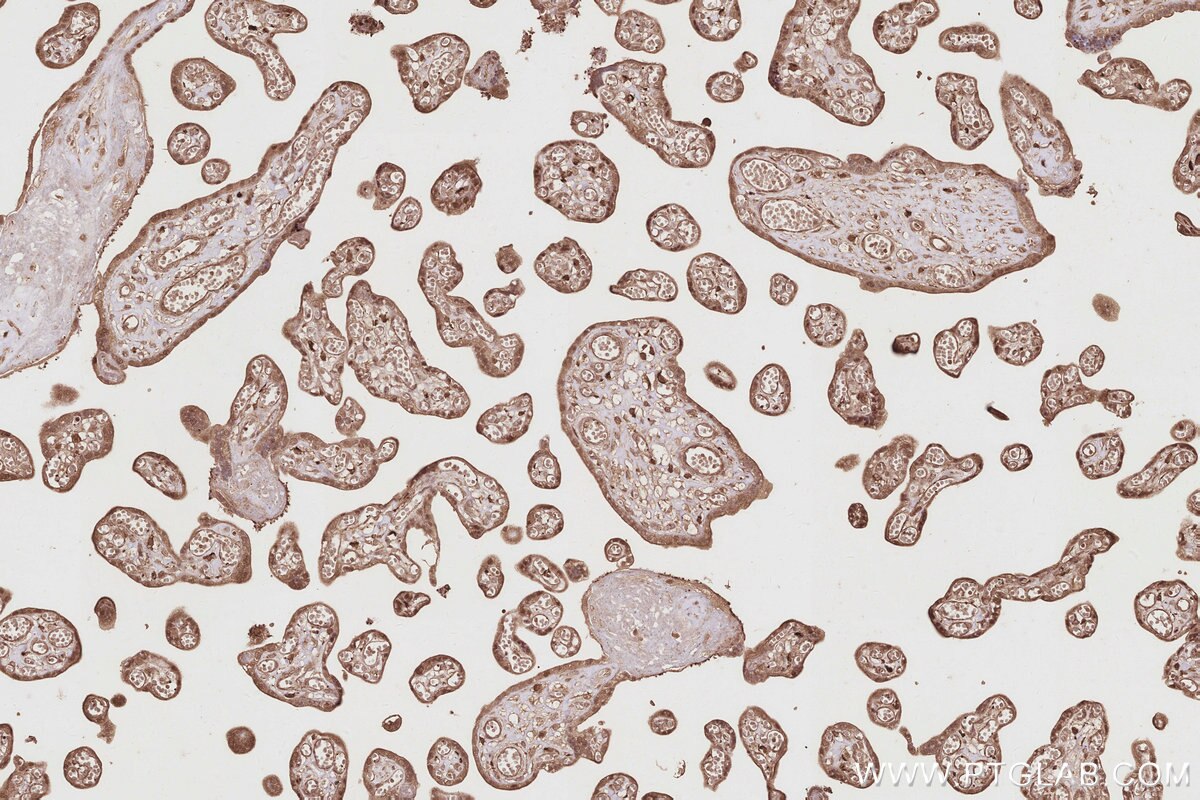
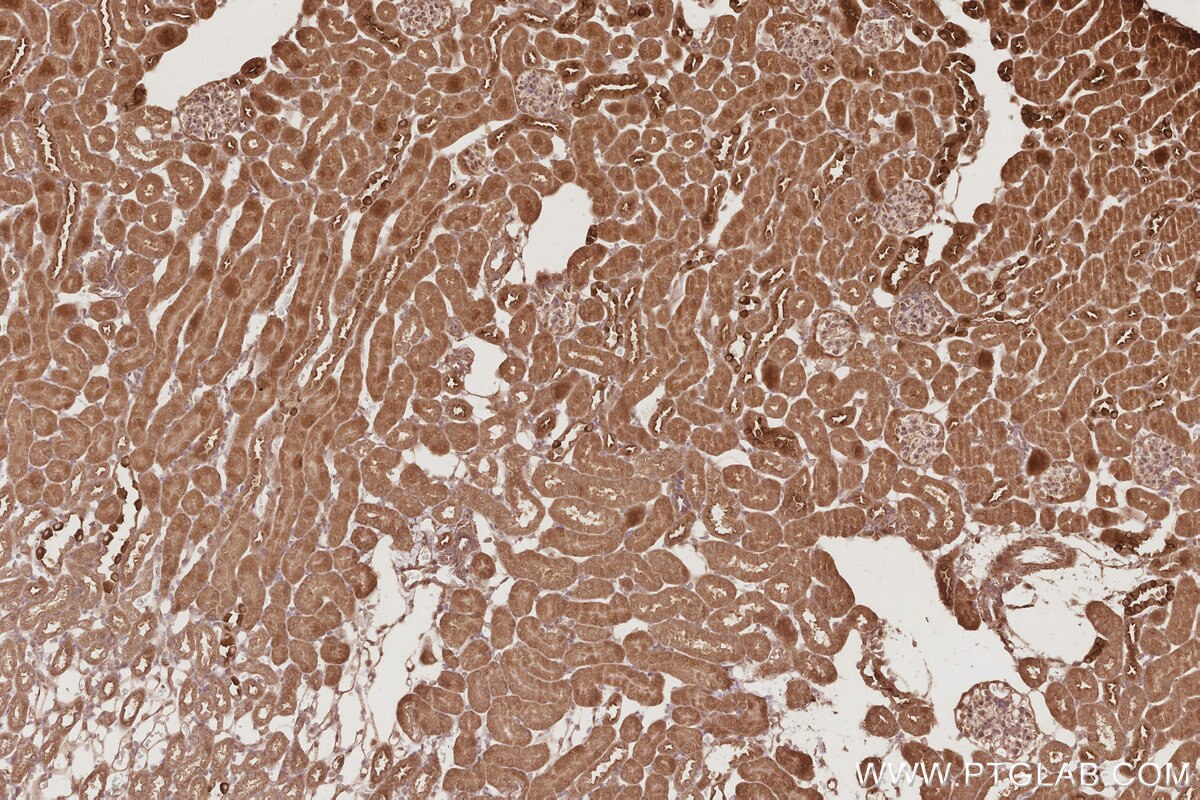
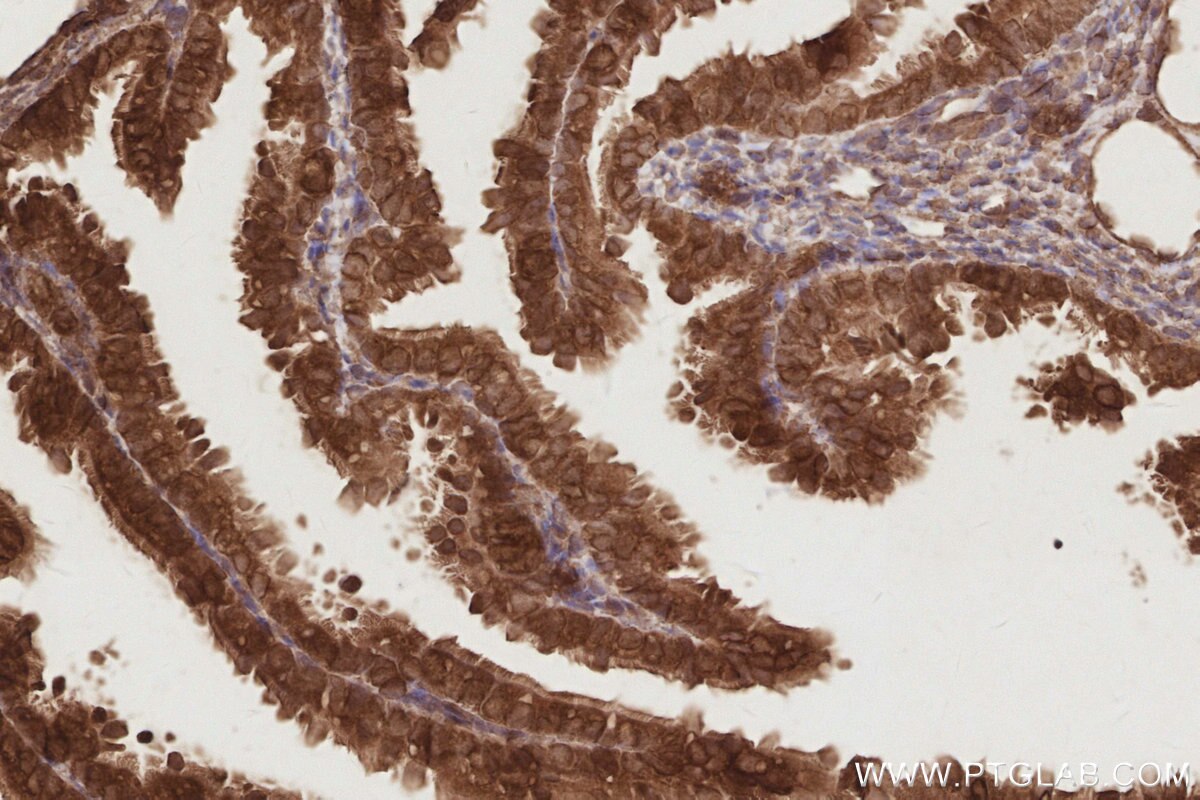
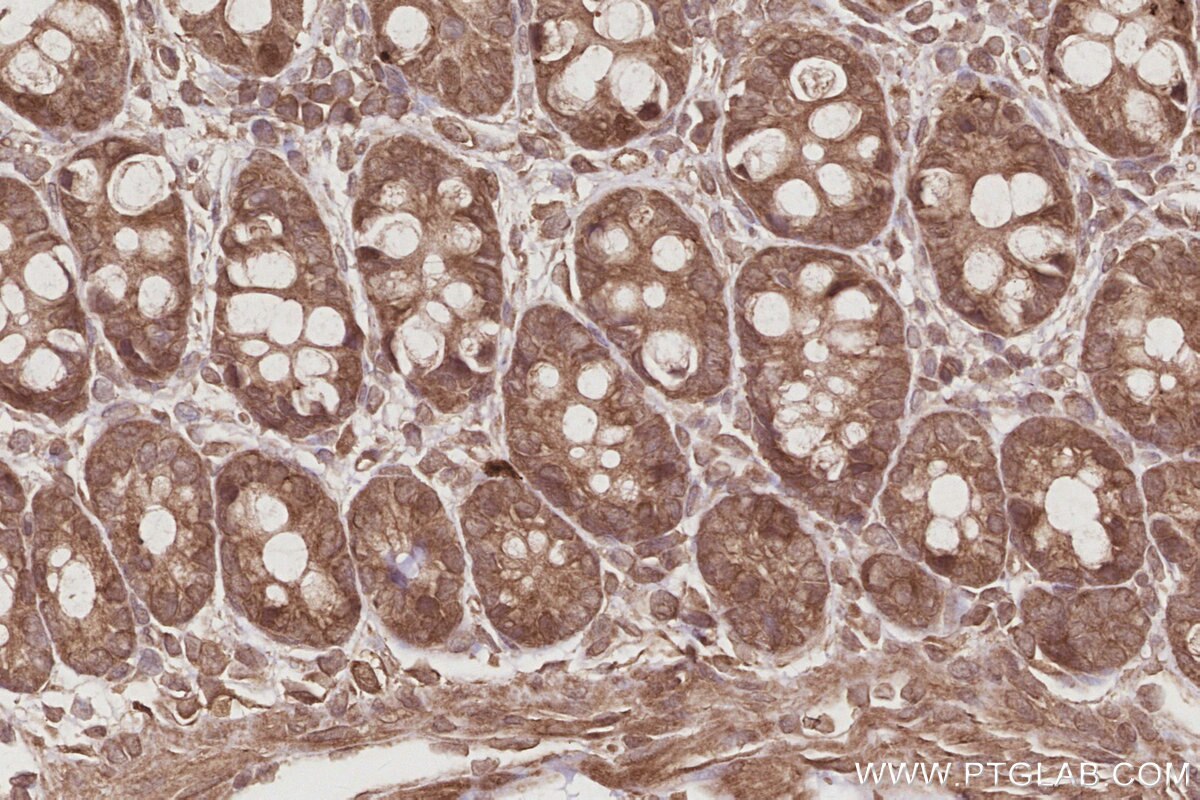
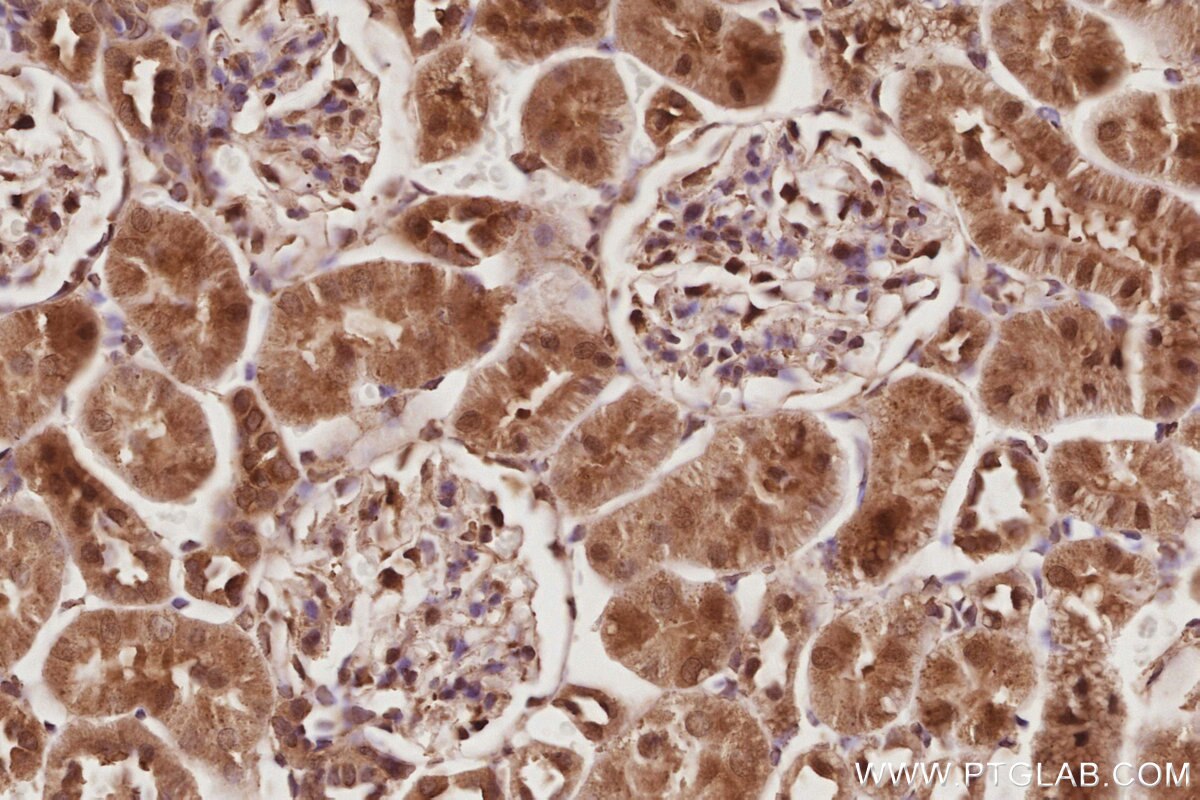
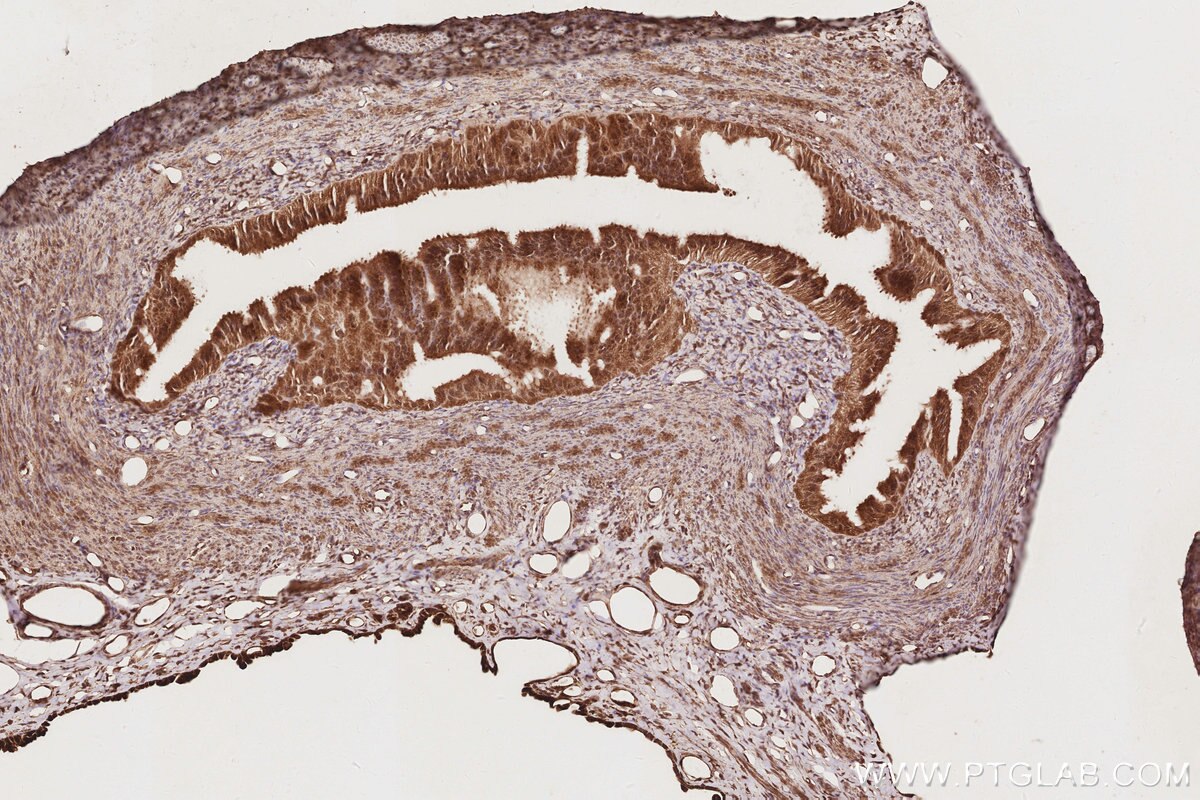
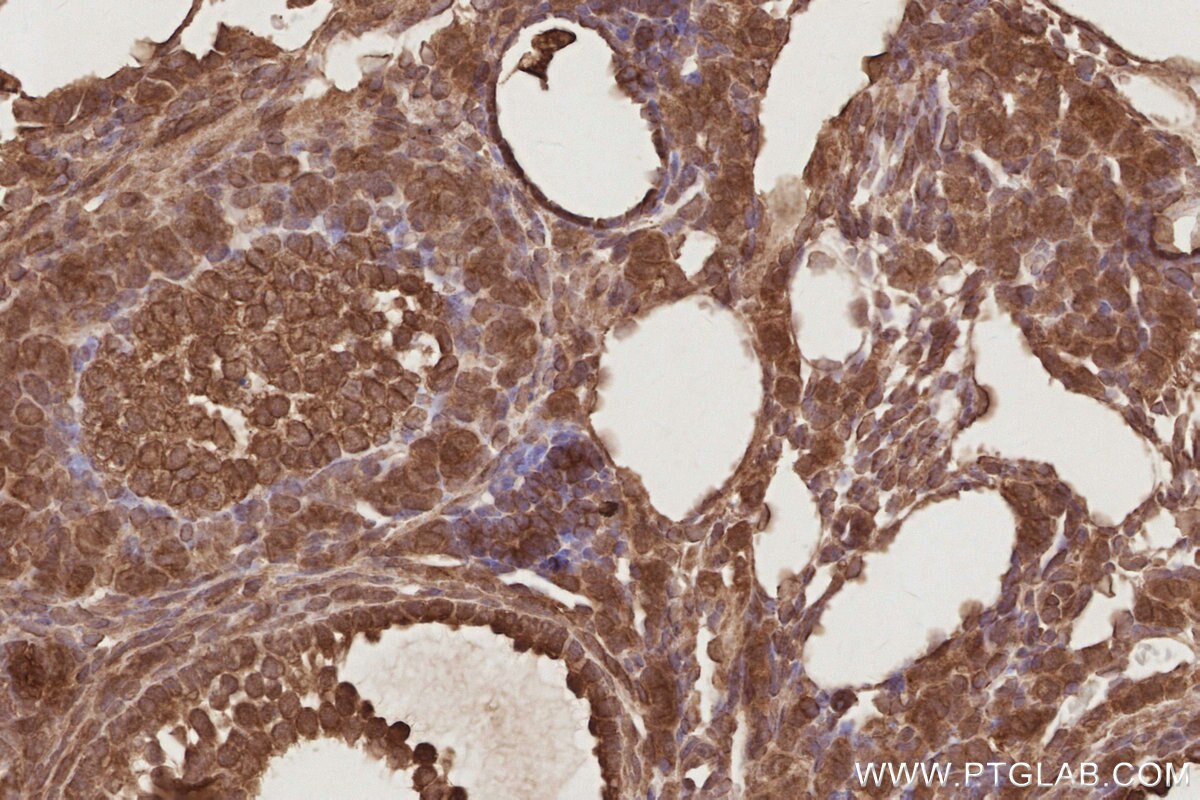
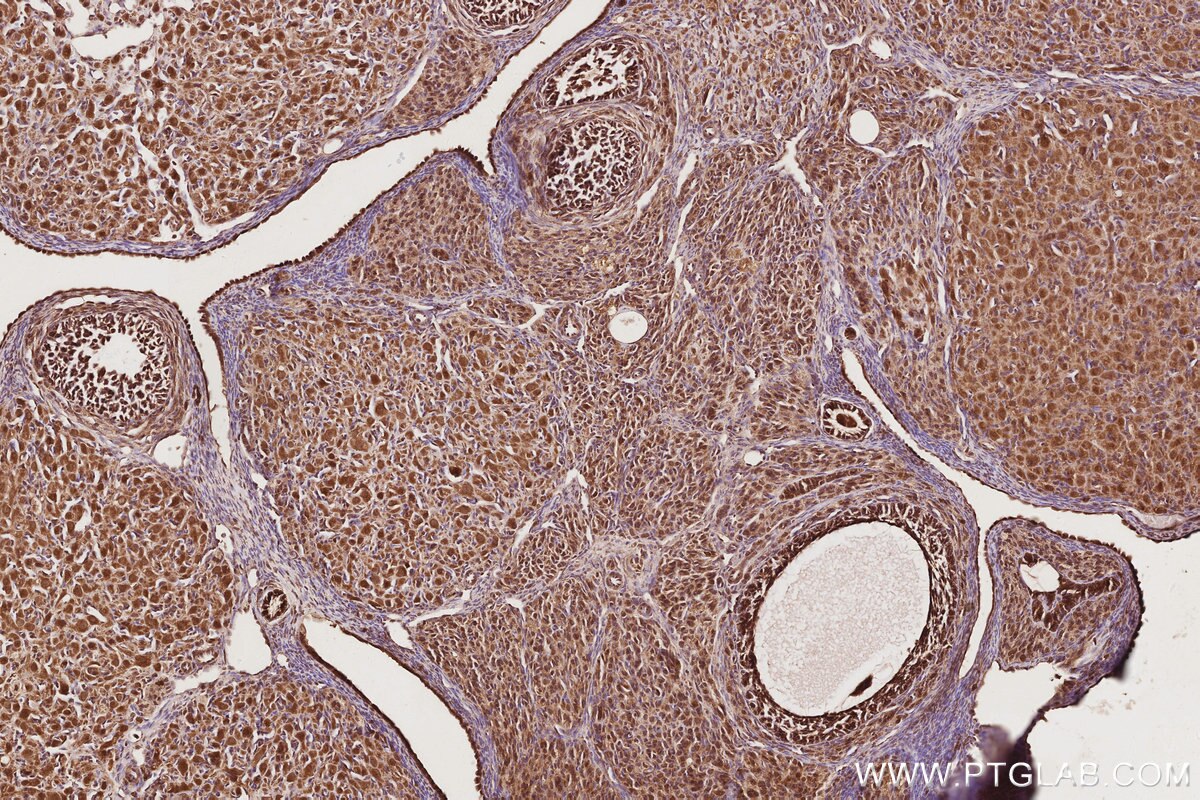
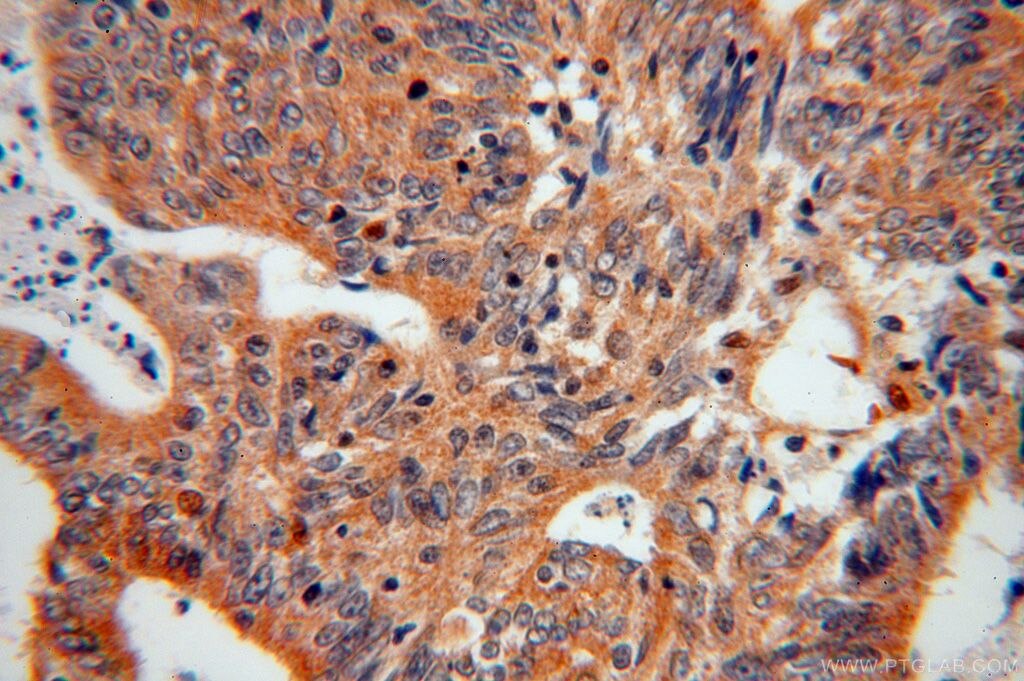
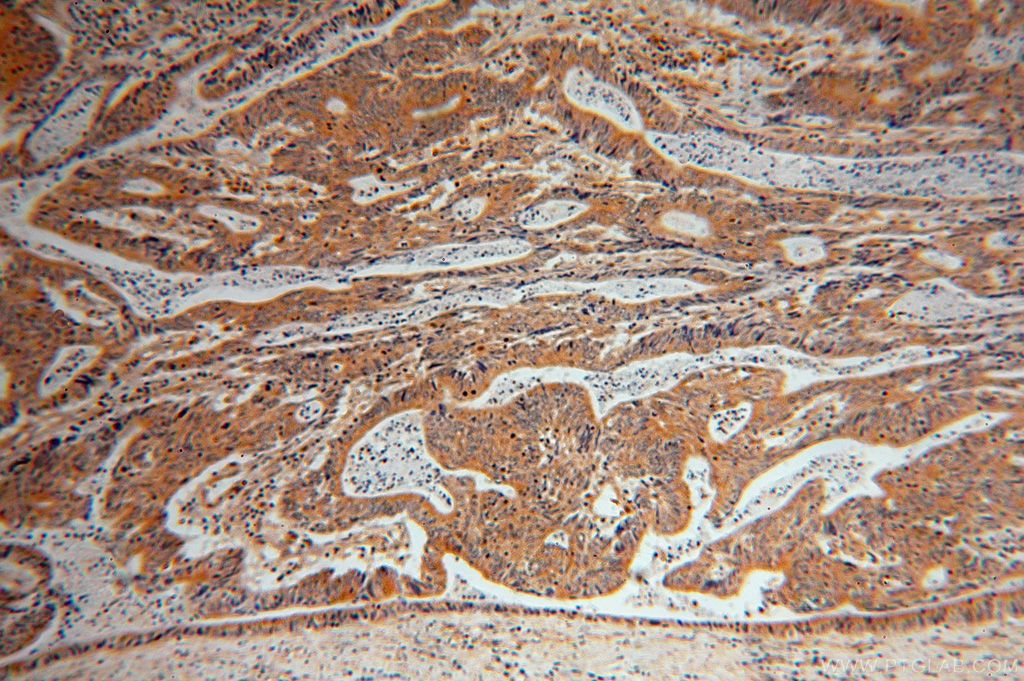
| Positive IHC detected in | rat colon tissue, human colon cancer tissue, human stomach cancer tissue, mouse kidney tissue, human ovary cancer tissue, human prostate cancer tissue, rat ovary tissue, mouse colon tissue, mouse ovary tissue, rat kidney tissue, human placenta tissue, mouse brain tissue Note: suggested antigen retrieval with TE buffer pH 9.0; (*) Alternatively, antigen retrieval may be performed with citrate buffer pH 6.0 |
Recommended dilution
| Application | Dilution |
|---|---|
| Western Blot (WB) | WB : 1:500-1:1000 |
| Immunoprecipitation (IP) | IP : 0.5-4.0 ug for 1.0-3.0 mg of total protein lysate |
| Immunohistochemistry (IHC) | IHC : 1:250-1:1000 |
| It is recommended that this reagent should be titrated in each testing system to obtain optimal results. | |
| Sample-dependent, Check data in validation data gallery. | |
Product Information
17069-1-AP targets EIF5A1/EIF5A2 in WB, IHC, IF, IP, RIP, ELISA applications and shows reactivity with human, mouse, rat samples.
| Tested Reactivity | human, mouse, rat |
| Cited Reactivity | human, mouse |
| Host / Isotype | Rabbit / IgG |
| Class | Polyclonal |
| Type | Antibody |
| Immunogen |
CatNo: Ag10895 Product name: Recombinant human EIF5A2 protein Source: e coli.-derived, PGEX-4T Tag: GST Domain: 1-153 aa of BC036072 Sequence: MADEIDFTTGDAGASSTYPMQCSALRKNGFVVLKGRPCKIVEMSTSKTGKHGHAKVHLVGIDIFTGKKYEDICPSTHNMDVPNIKRNDYQLICIQDGYLSLLTETGEVREDLKLPEGELGKEIEGKYNAGEDVQVSVMCAMSEEYAVAIKPCK Predict reactive species |
| Full Name | eukaryotic translation initiation factor 5A2 |
| Calculated Molecular Weight | 153 aa, 17 kDa |
| Observed Molecular Weight | 17 kDa |
| GenBank Accession Number | BC036072 |
| Gene Symbol | EIF5A2 |
| Gene ID (NCBI) | 56648 |
| RRID | AB_2262009 |
| Conjugate | Unconjugated |
| Form | Liquid |
| Purification Method | Antigen affinity purification |
| UNIPROT ID | Q9GZV4 |
| Storage Buffer | PBS with 0.02% sodium azide and 50% glycerol, pH 7.3. |
| Storage Conditions | Store at -20°C. Stable for one year after shipment. Aliquoting is unnecessary for -20oC storage. 20ul sizes contain 0.1% BSA. |
Background Information
Eukaryotic initiation factor 5A (EIF5A) plays an essential role in the viability of eukaryotic cells. EIF5A is known to act as a translation initiation factor specific for a small number of mRNAs, a cellular target of HIV-1 REV protein, and an exportin-4-dependent nuclear export cargo. It is also involved in mRNA turnover and the establishment of actin polarity. [PMID:16157662]. EIF5A2, one isoform of EIF5A, has a key at the level of mRNA turnoverby acting downstream of decapping. It also involved in actin dynamics and cell cycle progression, mRNA decay and probably in a pathway involved in stress response and maintenance of cell wall integrity [PMID:14622290]. EIF5A2 shares 84% identity of amino acid sequence with EIF5A1 isoform, so EIF5A2 poly-antibody could recognize both EIF5A2 and EIF5A1.
Protocols
| Product Specific Protocols | |
|---|---|
| IHC protocol for EIF5A1/EIF5A2 antibody 17069-1-AP | Download protocol |
| IP protocol for EIF5A1/EIF5A2 antibody 17069-1-AP | Download protocol |
| WB protocol for EIF5A1/EIF5A2 antibody 17069-1-AP | Download protocol |
| Standard Protocols | |
|---|---|
| Click here to view our Standard Protocols |
Publications
What published studies show
The anti-EIF5A antibody (Cat# 17069-1-AP) has 17 citations published in journals including Nature Communications, Advanced Science, Oncogene, PLoS Biology, FASEB Journal, and BMC Pulm Med. Research fields span cancer biology (lung, breast, ovarian, hepatocellular, head and neck, and laryngeal carcinomas), EMT, translation regulation, neurodegeneration (Huntington's disease), vascular biology, immunology, and pain signaling. Applications include WB, IP, IF, IHC, and RIP.
| Species | Application | Title |
|---|---|---|
Nat Commun Cytosolic Ptbp2 modulates axon growth in motoneurons through axonal localization and translation of Hnrnpr | ||
Adv Sci (Weinh) eIF4E Enriched Extracellular Vesicles Induce Immunosuppressive Macrophages through HMGCR-Mediated Metabolic Rewiring | ||
Cell Mol Biol Lett SUMOylation modulates eIF5A activities in both yeast and pancreatic ductal adenocarcinoma cells | ||
Oncogene Identification of genes that promote PI3K pathway activation and prostate tumour formation | ||
PLoS Biol Klf5 down-regulation induces vascular senescence through eIF5a depletion and mitochondrial fission. | ||
Neurobiol Dis Progressive alterations in polysomal architecture and activation of ribosome stalling relief factors in a mouse model of Huntington's disease |
Reviews
What customers say
One reviewer (Sarah-Eve Lemay, Feb 2023) gave this antibody a 5-star rating. She reported a very nice and specific signal that works well for both Western Blot and Immunofluorescence. Her dilutions were 1:1000 for WB and 1:200 for IF, tested on human pulmonary artery smooth muscle cells. Overall, the feedback is positive, highlighting strong specificity and reliable performance across two applications.
The reviews below have been submitted by verified Proteintech customers who received an incentive for providing their feedback.
Sarah-Eve (Verified Customer) (02-19-2023) | Very Nice and specific signal, works well
|























