


Tested Applications
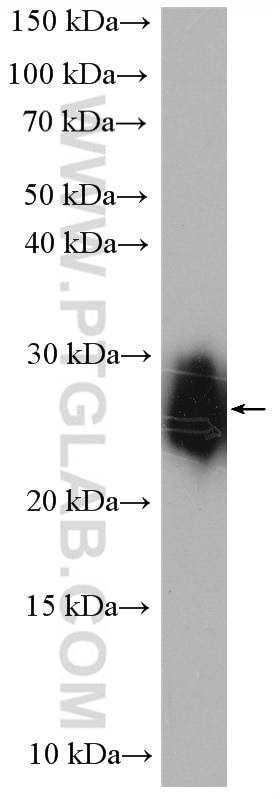
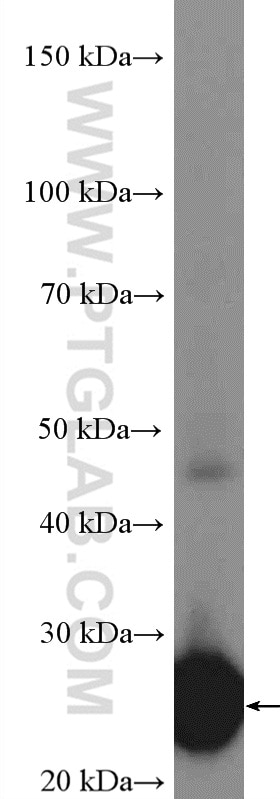
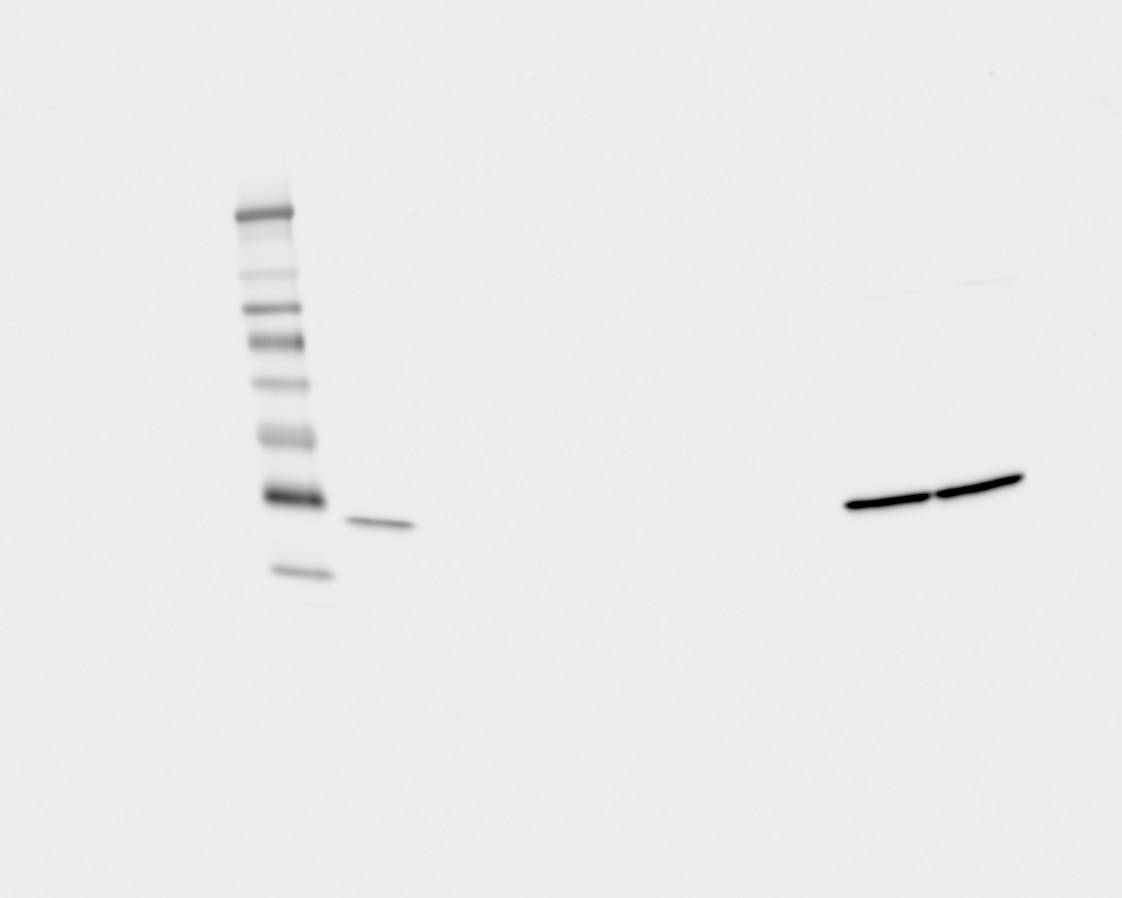
| Positive WB detected in | human testis tissue |
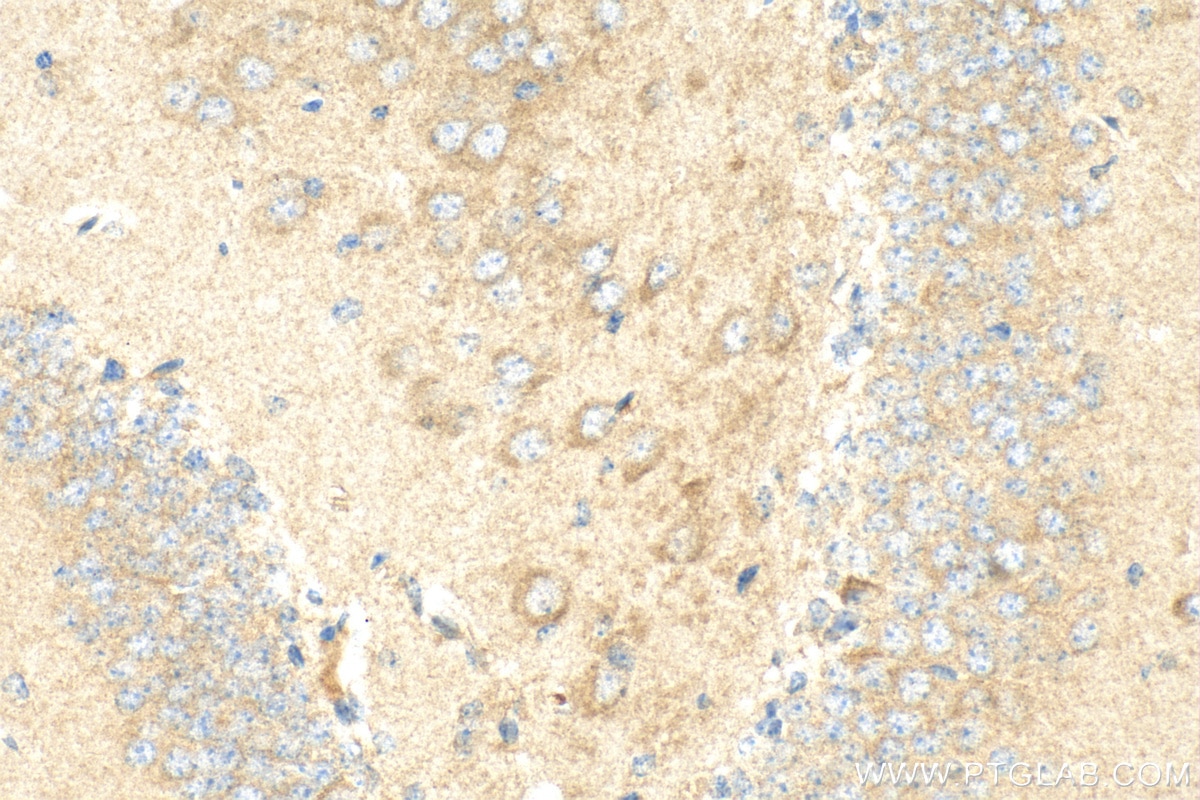
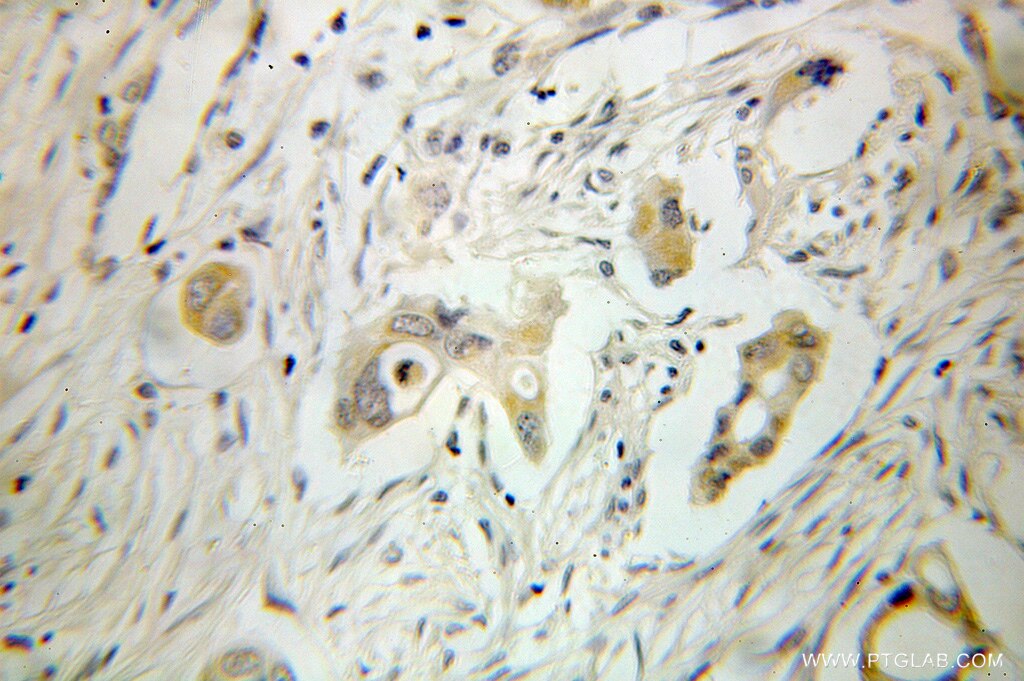
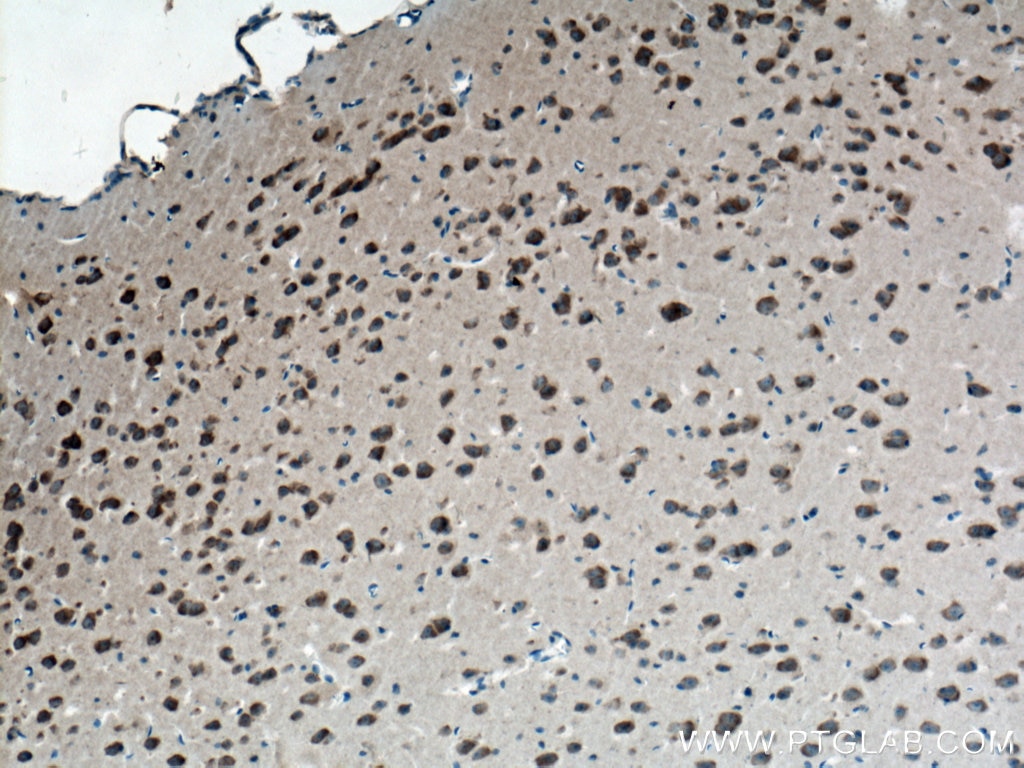
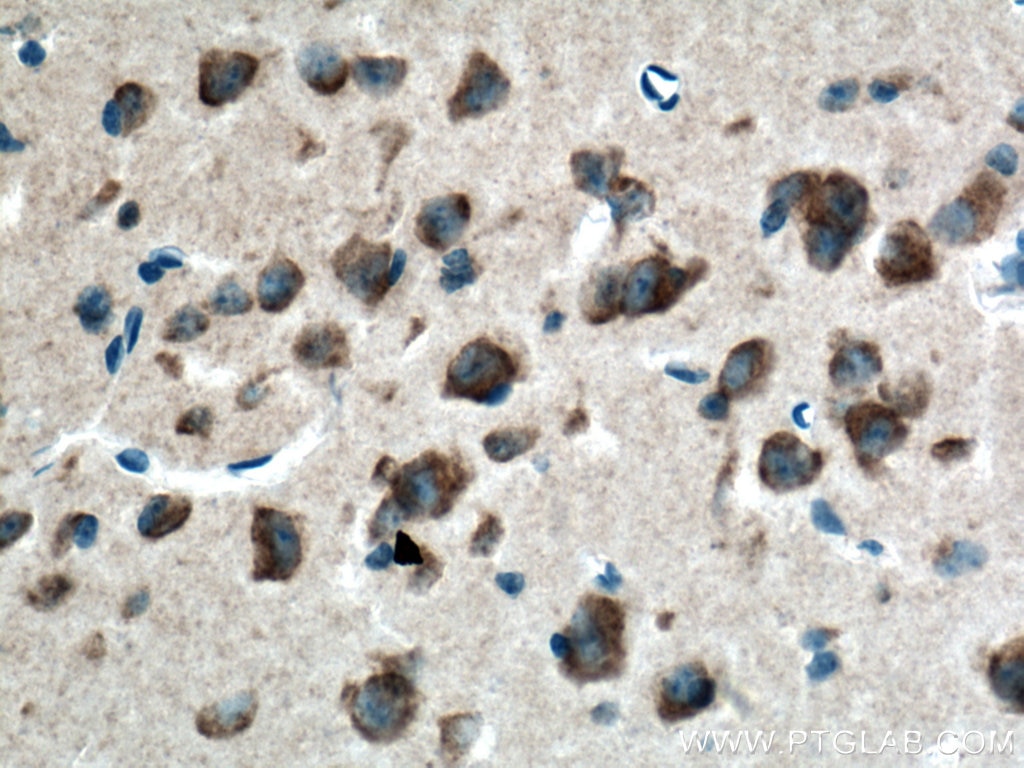
| Positive IHC detected in | mouse brain tissue, human pancreas cancer tissue Note: suggested antigen retrieval with TE buffer pH 9.0; (*) Alternatively, antigen retrieval may be performed with citrate buffer pH 6.0 |
Recommended dilution
| Application | Dilution |
|---|---|
| Western Blot (WB) | WB : 1:500-1:2000 |
| Immunohistochemistry (IHC) | IHC : 1:50-1:500 |
| It is recommended that this reagent should be titrated in each testing system to obtain optimal results. | |
| Sample-dependent, Check data in validation data gallery. | |
Product Information
10505-1-AP targets GSTA2 in WB, IHC, ELISA applications and shows reactivity with human, mouse, rat samples.
| Tested Reactivity | human, mouse, rat |
| Cited Reactivity | human, mouse, rat |
| Host / Isotype | Rabbit / IgG |
| Class | Polyclonal |
| Type | Antibody |
| Immunogen |
CatNo: Ag0781 Product name: Recombinant human GSTA2 protein Source: e coli.-derived, PGEX-4T Tag: GST Domain: 1-222 aa of BC002895 Sequence: MAEKPKLHYSNIRGRMESIRWLLAAAGVEFEEKFIKSAEDLDKLRNDGYLMFQQVPMVEIDGMKLVQTRAILNYIASKYNLYGKDIKEKALIDMYIEGIADLGEMILLLPFTQPEEQDAKLALIQEKTKNRYFPAFEKVLKSHGQDYLVGNKLSRADIHLVELLYYVEELDSSLISSFPLLKALKTRISNLPTVKKFLQPGSPRKPPMDEKSLEESRKIFRF Predict reactive species |
| Full Name | glutathione S-transferase alpha 2 |
| Calculated Molecular Weight | 26 kDa |
| Observed Molecular Weight | 26 kDa |
| GenBank Accession Number | BC002895 |
| Gene Symbol | GSTA2 |
| Gene ID (NCBI) | 2939 |
| RRID | AB_2248094 |
| Conjugate | Unconjugated |
| Form | Liquid |
| Purification Method | Antigen affinity purification |
| UNIPROT ID | P09210 |
| Storage Buffer | PBS with 0.02% sodium azide and 50% glycerol, pH 7.3. |
| Storage Conditions | Store at -20°C. Stable for one year after shipment. Aliquoting is unnecessary for -20oC storage. 20ul sizes contain 0.1% BSA. |
Background Information
Cytosolic and membrane-bound forms of glutathione S-transferase are encoded by two distinct supergene families. These enzymes function in the detoxification of electrophilic compounds, including carcinogens, therapeutic drugs, environmental toxins and products of oxidative stress, by conjugation with glutathione. Glutathione S-transferase A2 (GSTA2) which is a phase II detoxifying enzyme is highly expressed in the liver tissue functioning in detoxification of electrophilic compounds, such as products of oxidative stress.
Protocols
| Product Specific Protocols | |
|---|---|
| IHC protocol for GSTA2 antibody 10505-1-AP | Download protocol |
| WB protocol for GSTA2 antibody 10505-1-AP | Download protocol |
| Standard Protocols | |
|---|---|
| Click here to view our Standard Protocols |
Publications
What published studies show
The antibody (GSTA4, catalog 10505-1-AP) has 9 total citations. These appear in journals including Theranostics, Antioxidants, Journal of Investigative Dermatology, Antioxidants & Redox Signaling, iScience, European Journal of Nutrition, Journal of Pharmacological Sciences, Kidney & Blood Pressure Research, and Journal of Toxicologic Pathology. Research fields span hepatotoxicity screening, hepatocarcinogenesis, oxidative stress and chronic inflammation, melanoma, redox/glutathione metabolism, hepatoprotection, and diabetic nephropathy.
| Species | Application | Title |
|---|---|---|
Theranostics Generation of hepatic spheroids using human hepatocyte-derived liver progenitor-like cells for hepatotoxicity screening. | ||
Antioxidants (Basel) Isatin Counteracts Diethylnitrosamine/2-Acetylaminofluorene-Induced Hepatocarcinogenesis in Male Wistar Rats by Upregulating Anti-Inflammatory, Antioxidant, and Detoxification Pathways. | ||
J Invest Dermatol Retracing from Outcomes to Causes: NRF2-Driven GSTA4 Transcriptional Regulation Controls Chronic Inflammation and Oxidative Stress in Atopic Dermatitis Recurrence | ||
Antioxid Redox Signal 4-Octyl Itaconate Attenuates Cell Proliferation by Cellular Senescence via Glutathione Metabolism Disorders and Mitochondrial Dysfunction in Melanoma | ||
Eur J Nutr Multi-omics integration reveals the hepatoprotective mechanisms of ursolic acid intake against chronic alcohol consumption. | ||
iScience Inositol polyphosphate multikinase modulates redox signaling through nuclear factor erythroid 2-related factor 2 and glutathione metabolism |
Reviews
What customers say
The single review reports a 4-star rating for this antibody used in Western Blot. The user found it works best at a 1:500 dilution in TBST milk with overnight incubation, producing a beautiful blot on fallopian tube epithelial cells. Overall, the feedback is positive, highlighting reliable performance and clear results under the recommended conditions.
The reviews below have been submitted by verified Proteintech customers who received an incentive for providing their feedback.
Iru (Verified Customer) (02-27-2019) | This antibody works best at 1:500 in TBST milk with O/N incubation. I get beautiful blot with the use of this antibody.
 |








