Histone H3 antibody (mAb) (Clone MABI 0301)
Host / Isotype
Mouse / IgG2b
Reactivity
Human, Wide Range Predicted
Applications
ChIP, ChIP-Seq, ICC, IF, WB
CloneNo.
MABI 0301

Cat No : 39064,39763 39763
Synonyms
Validation Data Gallery
Product Information
| Tested Applications |
ChIP, ChIP-Seq, ICC, IF, WB
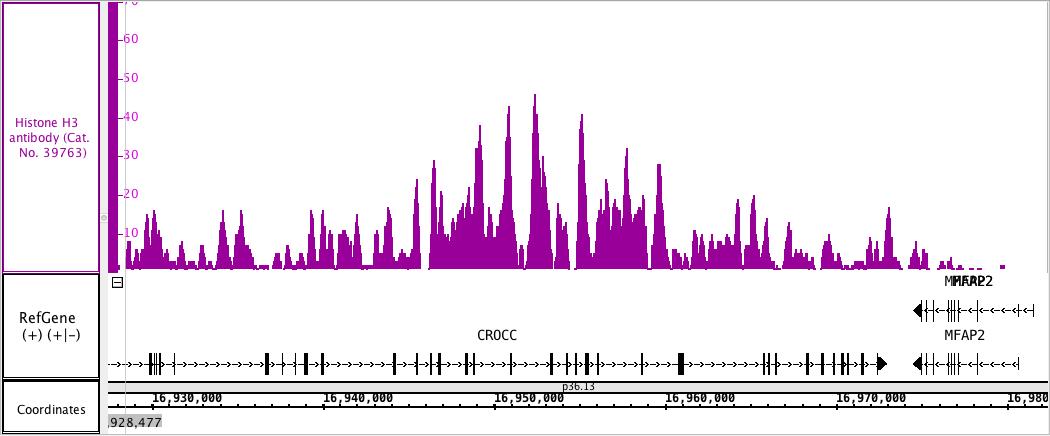
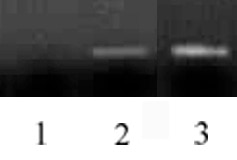
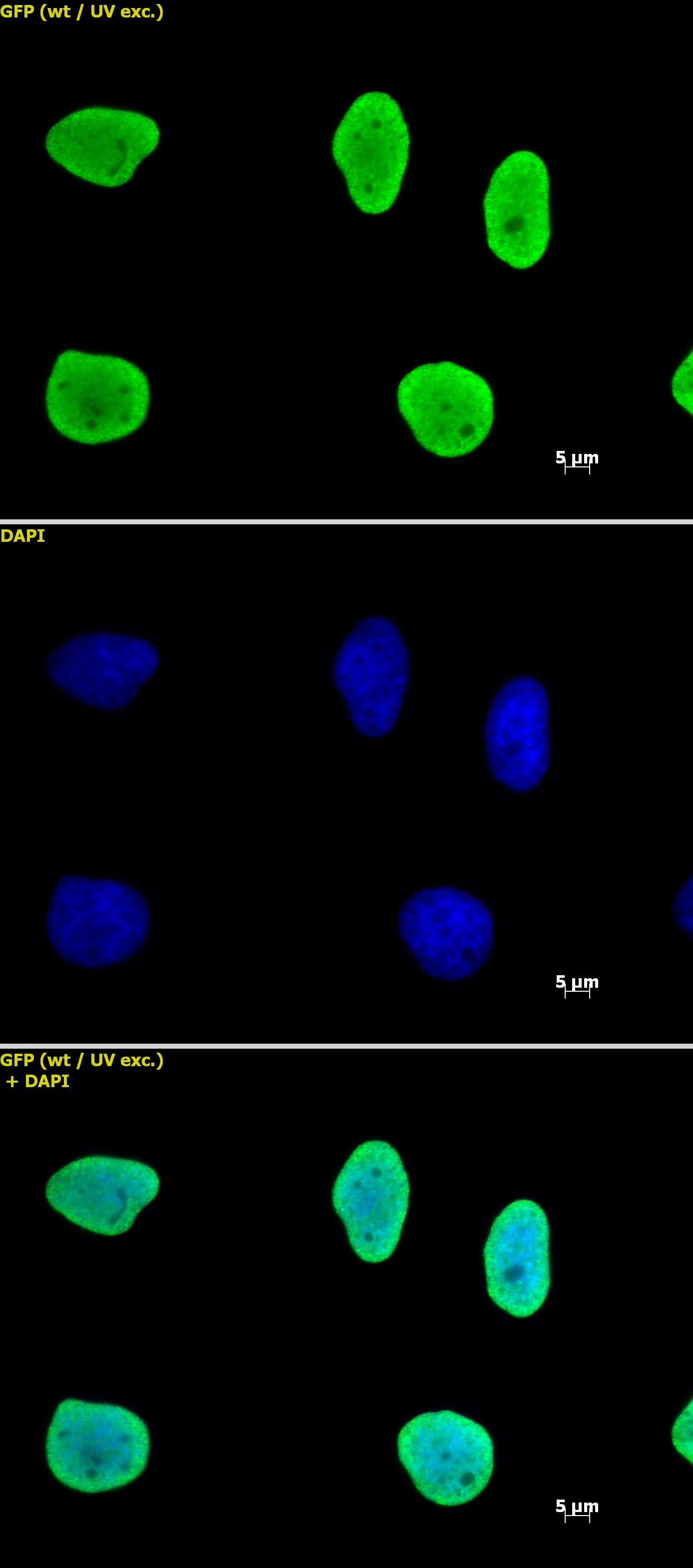
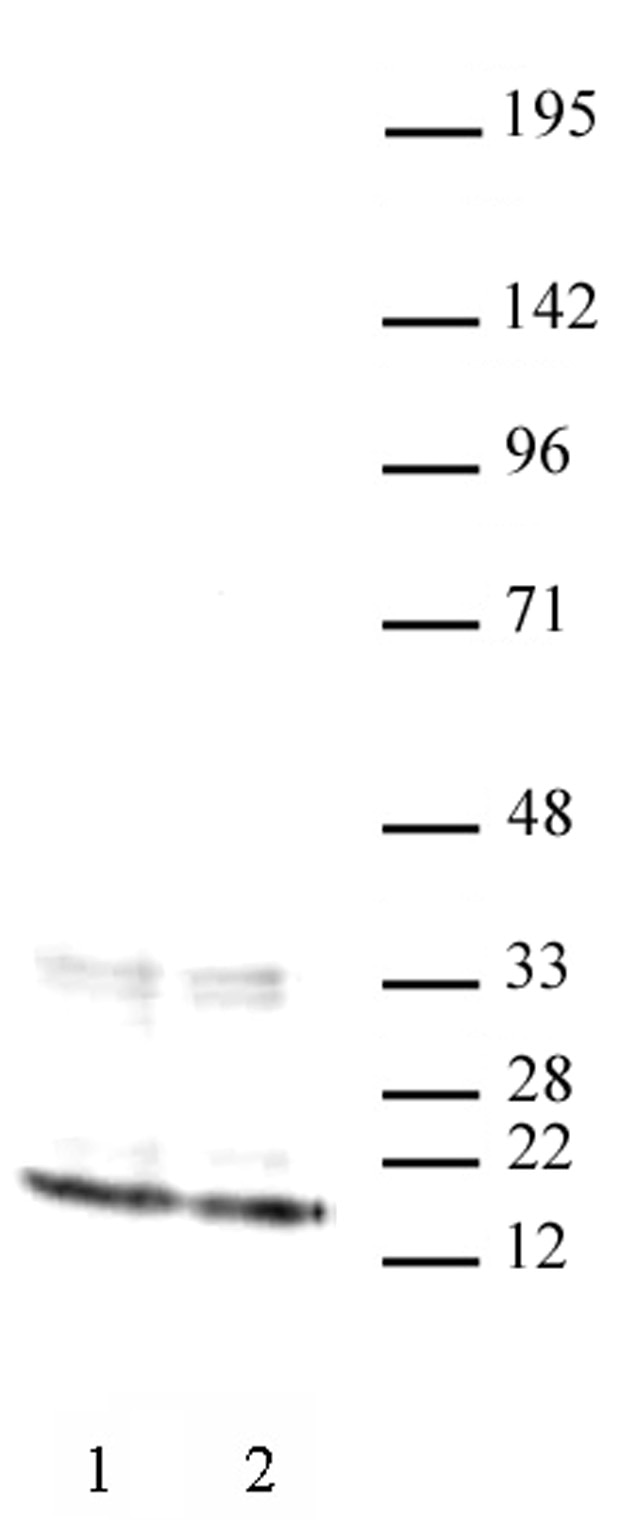
Applications Validated by Active Motif: ChIP-Seq: 4 ug per ChIP ChIP: 5 - 10 ug per ChIP ICC/IF: 1 ug/ml dilution WB: 0.5 - 2 ug/ml dilution For Histone H3, we also offer AbFlex Histone H3 Recombinant Antibody (rAb). For details, see Catalog No. 91297. |
| Tested Reactivity | Human, Wide Range Predicted |
| Host / Isotype | Mouse / IgG2b |
| Class | Monoclonal |
| Type | Antibody |
| Immunogen | This Histone H3 antibody (mAb) was raised against a peptide containing the N-terminus of histone H3. |
| Full Name | Histone H3 antibody (mAb) (Clone MABI 0301) |
| Synonyms | histone H3, histone, H3, histone-H3, histoneH3, c-terminal, pAb, polyclonal, antibody, antibodies, chip, chromatin immunoprecipitation, 61317 |
| Molecular weight | 17 kDa |
| GenBank accession number | NP_003522 |
| RRID | AB_2650522 |
| Purification Method | Protein G Chromatography |
| Buffer | PBS pH 7.5 containing 30% glycerol. 0.3M NaCl, and 0.035% sodium azide. Sodium azide is highly toxic. |
| Storage | Some products may be shipped at room temperature. This will not affect their stability or performance. Avoid repeated freeze/thaw cycles by aliquoting items into single-use fractions for storage at -20°C for up to 2 years. Keep all reagents on ice when not in storage. |
Background Information
Histone H3 is one of the core components of the nucleosome. The nucleosome is the smallest subunit of chromatin and consists of 147 base pairs of DNA wrapped around an octamer of core histone proteins (two each of Histone H2A, Histone H2B, Histone H3 and Histone H4). Histone H1 is a linker histone, present at the interface between the nucleosome core and DNA entry/exit points. Histone H1 is responsible for establishing higher-order chromatin structure. Each histone contains two domains. First, a main globular domain (C-terminal) forming the core of the nucleosome is involved in histone-histone interactions and in binding to the DNA. Secondly, an N-terminal tail is subject to post-translational modifications. Chromatin is subject to a variety of chemical modifications, including post-translational modifications of the histone proteins and the methylation of cytosine residues in the DNA. Reported histone modifications include acetylation, methylation, phosphorylation, ubiquitylation, glycosylation, ADP-ribosylation, carbonylation and SUMOylation; these modifications play a major role in regulating gene expression.