

Tested Applications
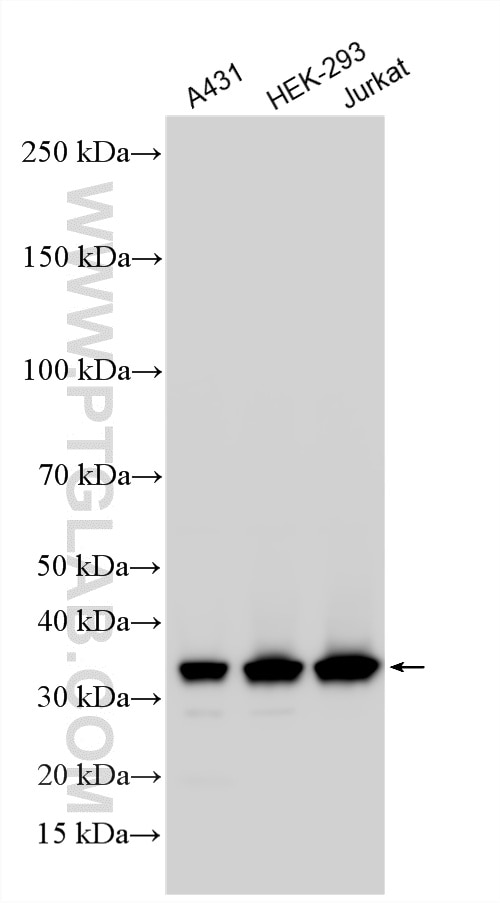
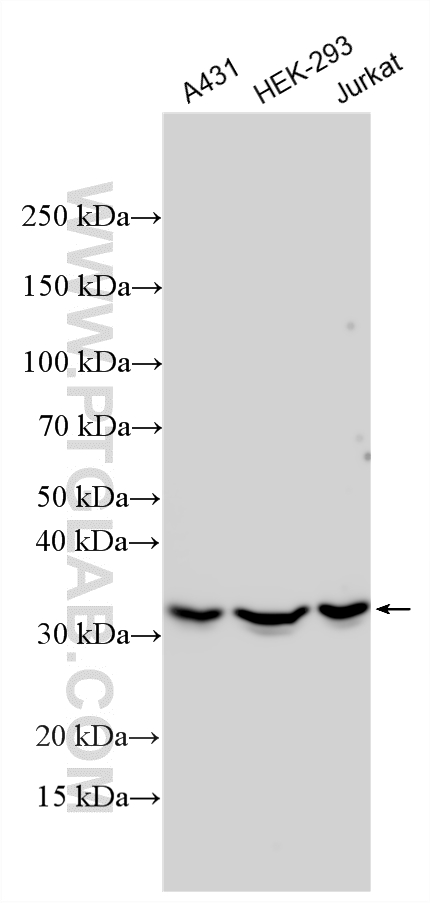
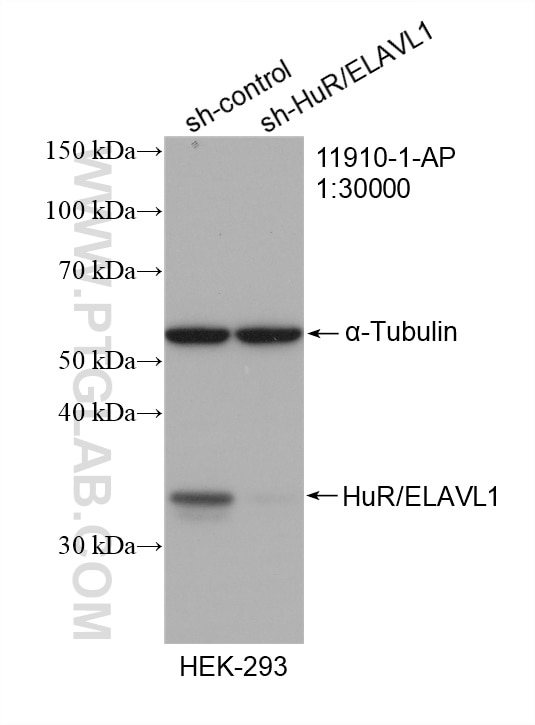
| Positive WB detected in | A431 cells, HEK-293 cells, Jurkat cells |
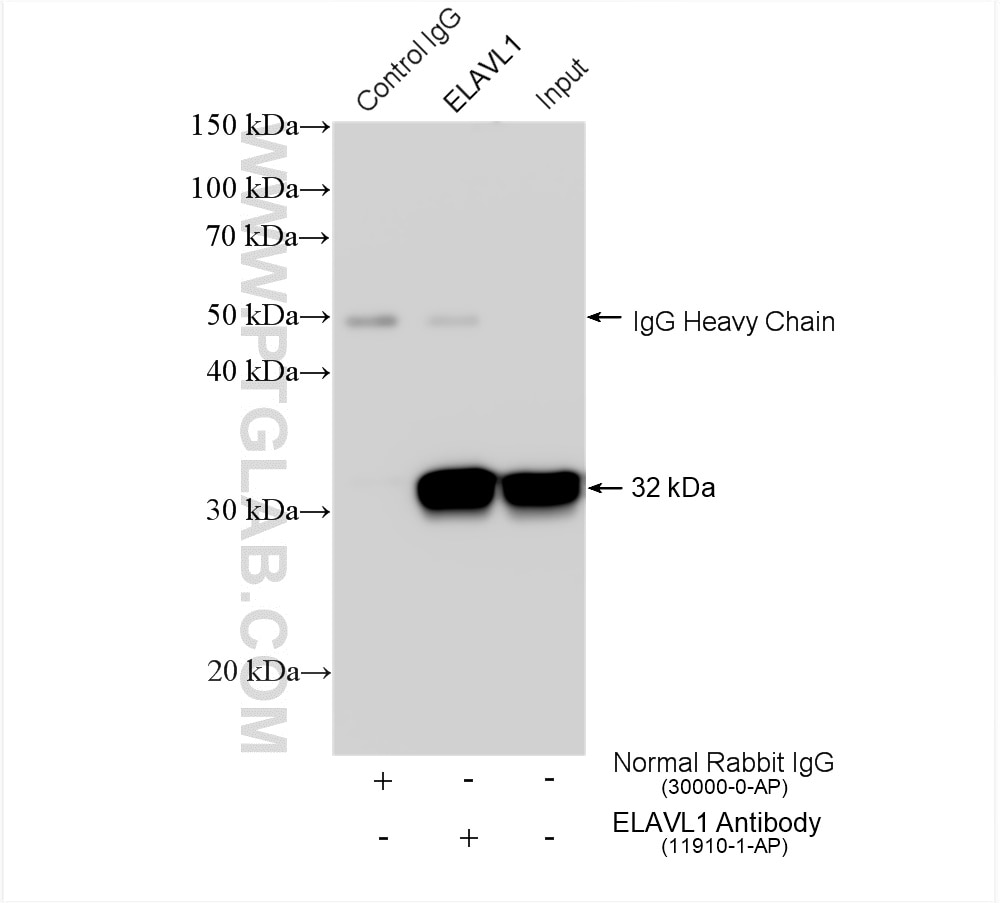
| Positive IP detected in | HEK-293 cells |
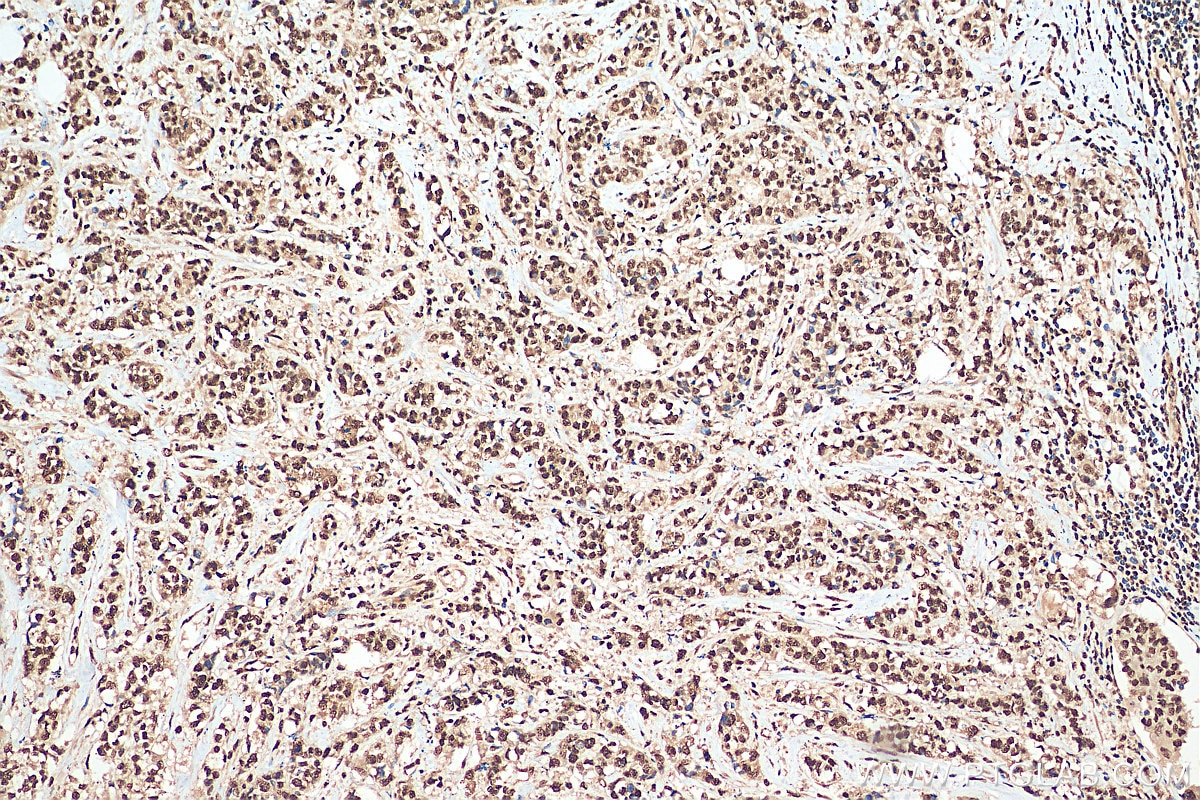
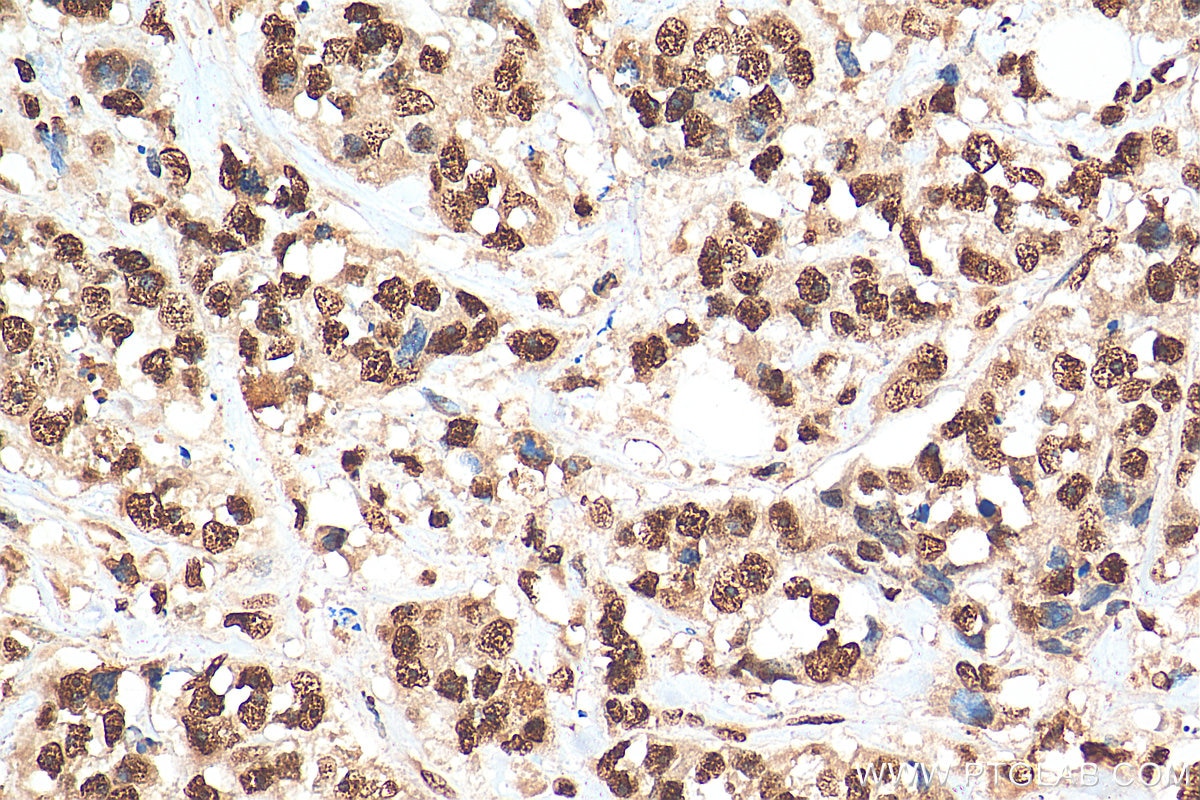
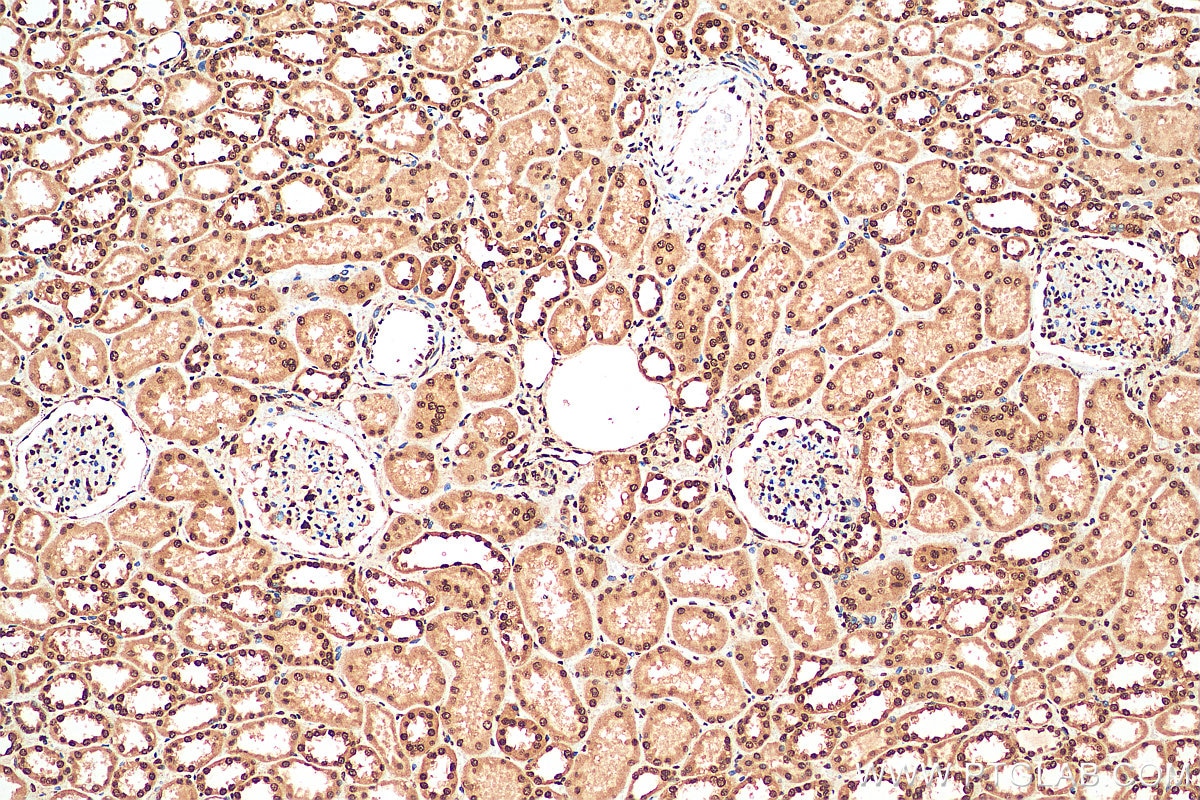
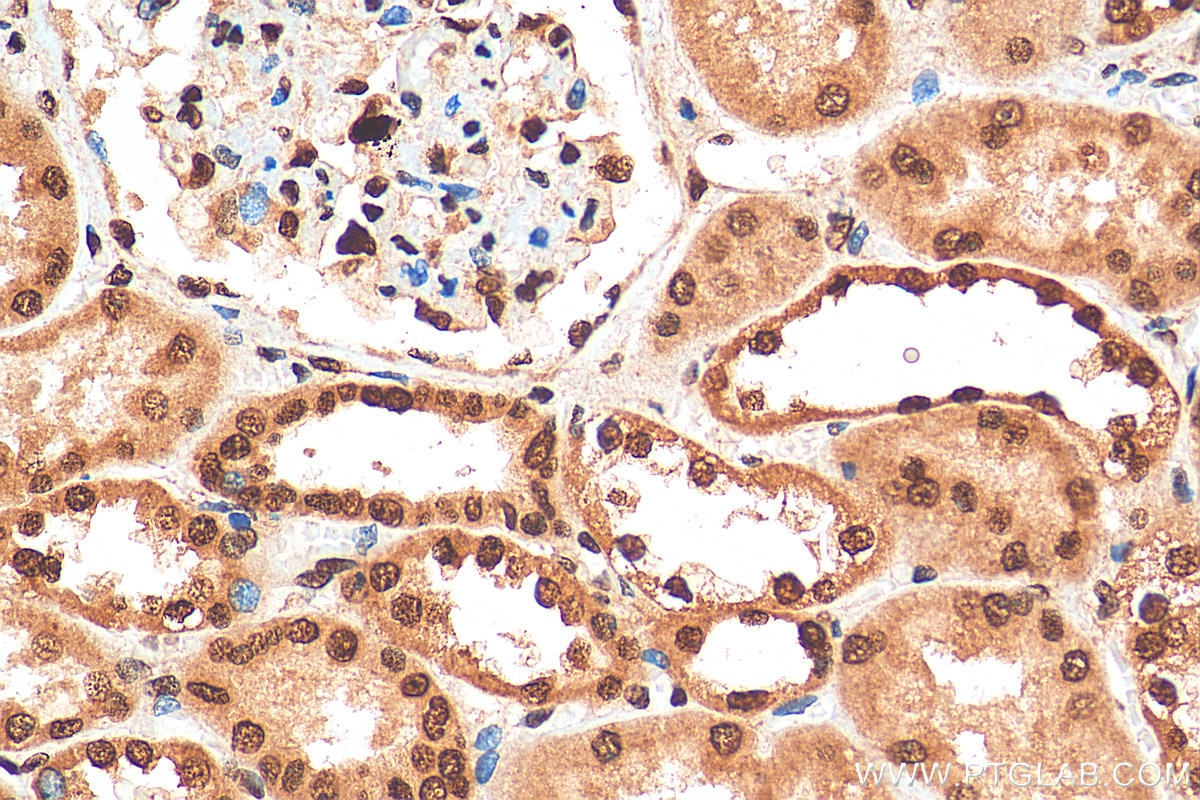
| Positive IHC detected in | human breast cancer tissue, human kidney tissue Note: suggested antigen retrieval with TE buffer pH 9.0; (*) Alternatively, antigen retrieval may be performed with citrate buffer pH 6.0 |
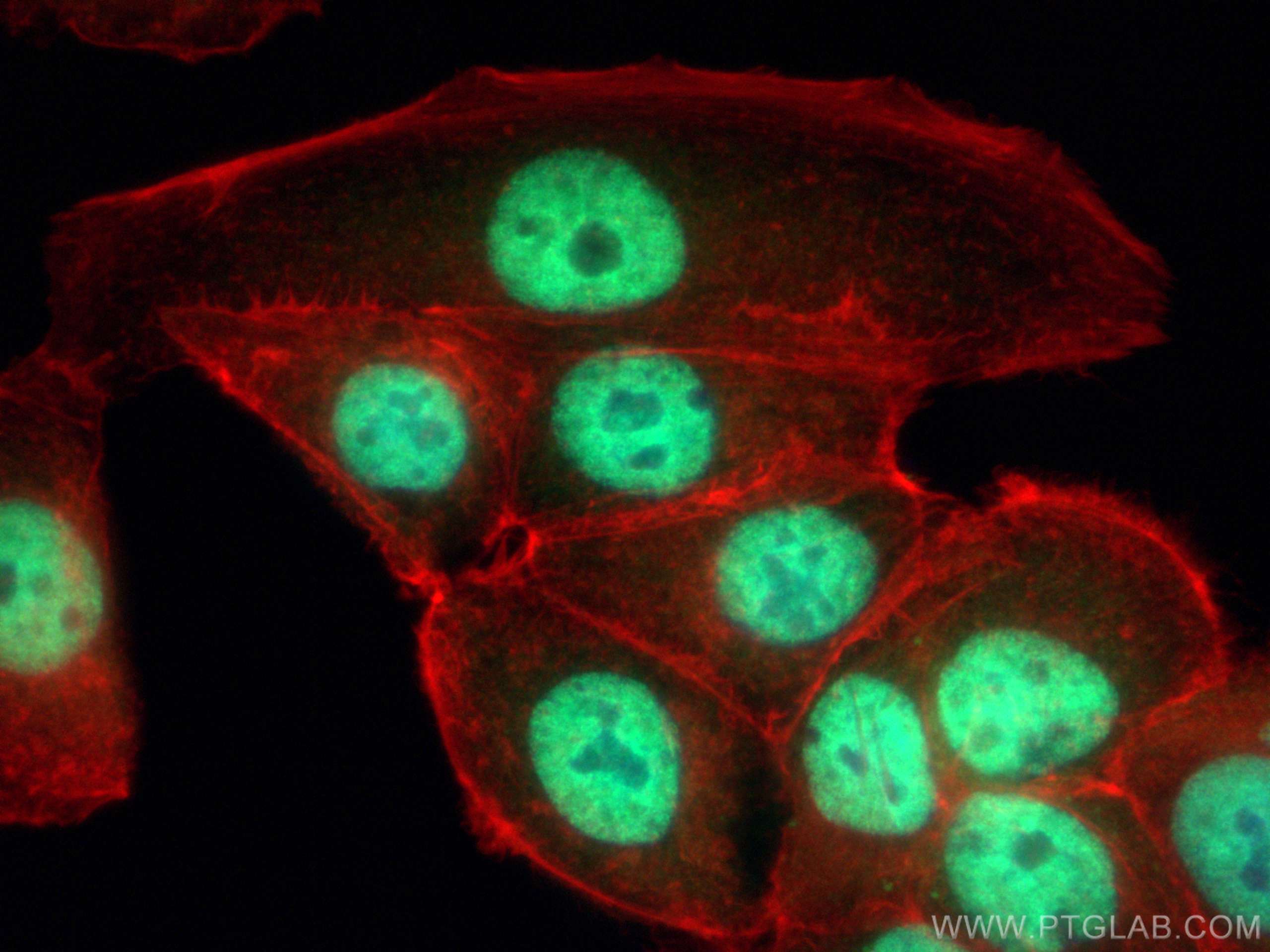
| Positive IF/ICC detected in | MCF-7 cells |
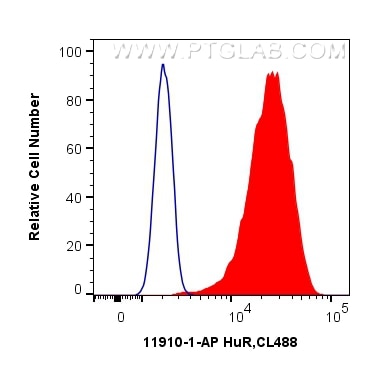
| Positive FC (Intra) detected in | MCF-7 cells |
Recommended dilution
| Application | Dilution |
|---|---|
| Western Blot (WB) | WB : 1:5000-1:50000 |
| Immunoprecipitation (IP) | IP : 0.5-4.0 ug for 1.0-3.0 mg of total protein lysate |
| Immunohistochemistry (IHC) | IHC : 1:50-1:500 |
| Immunofluorescence (IF)/ICC | IF/ICC : 1:50-1:500 |
| Flow Cytometry (FC) (INTRA) | FC (INTRA) : 0.40 ug per 10^6 cells in a 100 µl suspension |
| It is recommended that this reagent should be titrated in each testing system to obtain optimal results. | |
| Sample-dependent, Check data in validation data gallery. | |
Product Information
11910-1-AP targets HuR/ELAVL1 in WB, IHC, IF/ICC, FC (Intra), IP, CoIP, ChIP, RIP, ELISA, CLIP applications and shows reactivity with human, mouse, rat samples.
| Tested Reactivity | human, mouse, rat |
| Cited Reactivity | human, mouse, rat, chicken |
| Host / Isotype | Rabbit / IgG |
| Class | Polyclonal |
| Type | Antibody |
| Immunogen |
CatNo: Ag2249 Product name: Recombinant human HuR protein Source: e coli.-derived, PGEX-4T Tag: GST Domain: 1-326 aa of BC003376 Sequence: MSNGYEDHMAEDCRGDIGRTNLIVNYLPQNMTQDELRSLFSSIGEVESAKLIRDKVAGHSLGYGFVNYVTAKDAERAINTLNGLRLQSKTIKVSYARPSSEVIKDANLYISGLPRTMTQKDVEDMFSRFGRIINSRVLVDQTTGLSRGVAFIRFDKRSEAEEAITSFNGHKPPGSSEPITVKFAANPNQNKNVALLSQLYHSPARRFGGPVHHQAQRFRFSPMGVDHMSGLSGVNVPGNASSGWCIFIYNLGQDADEGILWQMFGPFGAVTNVKVIRDFNTNKCKGFGFVTMTNYEEAAMAIASLNGYRLGDKILQVSFKTNKSHK Predict reactive species |
| Full Name | ELAV (embryonic lethal, abnormal vision, Drosophila)-like 1 (Hu antigen R) |
| Calculated Molecular Weight | 326 aa, 36 kDa |
| Observed Molecular Weight | 30-37 kDa |
| GenBank Accession Number | BC003376 |
| Gene Symbol | HuR/ELAVL1 |
| Gene ID (NCBI) | 1994 |
| RRID | AB_11182183 |
| Conjugate | Unconjugated |
| Form | Liquid |
| Purification Method | Antigen affinity purification |
| UNIPROT ID | Q15717 |
| Storage Buffer | PBS with 0.02% sodium azide and 50% glycerol, pH 7.3. |
| Storage Conditions | Store at -20°C. Stable for one year after shipment. Aliquoting is unnecessary for -20oC storage. 20ul sizes contain 0.1% BSA. |
Background Information
ELAVL1, also named as HUR, belongs to the RRM elav family. It is involved in 3'-UTR ARE-mediated MYC stabilization. ELAVL1 binds avidly to the AU-rich element in FOS and IL3/interleukin-3 mRNAs. In the case of the FOS AU-rich element, ELAVL1 binds to a core element of 27 nucleotides that contain AUUUA, AUUUUA and AUUUUUA motifs.
Protocols
| Product Specific Protocols | |
|---|---|
| FC protocol for HuR/ELAVL1 antibody 11910-1-AP | Download protocol |
| IF protocol for HuR/ELAVL1 antibody 11910-1-AP | Download protocol |
| IHC protocol for HuR/ELAVL1 antibody 11910-1-AP | Download protocol |
| IP protocol for HuR/ELAVL1 antibody 11910-1-AP | Download protocol |
| WB protocol for HuR/ELAVL1 antibody 11910-1-AP | Download protocol |
| Standard Protocols | |
|---|---|
| Click here to view our Standard Protocols |
Publications
What published studies show
Anti-HuR (ELAVL1) antibody, catalog number 11910-1-AP, has accumulated 137 citations. Publications appear in prestigious journals such as Nature Communications, Nature Cell Biology, Molecular Cell, Nature Cancer, Cell Death & Differentiation, Nucleic Acids Research, Advanced Science, and Journal of Experimental Medicine. Key research fields include RNA biology and m6A modification, oncology (gastric, colorectal, breast, liver, lung cancers), stress granule dynamics, cardiac and pulmonary fibrosis, neurodegeneration (ALS), ferroptosis, immune regulation, lipid metabolism, and viral pathogenesis.
| Species | Application | Title |
|---|---|---|
Mol Cancer Exosomal circSHKBP1 promotes gastric cancer progression via regulating the miR-582-3p/HUR/VEGF axis and suppressing HSP90 degradation. | ||
Nat Cancer SULT1A1-dependent sulfonation of alkylators is a lineage-dependent vulnerability of liver cancers | ||
Nat Cell Biol An mRNA processing pathway suppresses metastasis by governing translational control from the nucleus | ||
Cancer Res Long Noncoding RNA VESTAR Regulates Lymphangiogenesis and Lymph Node Metastasis of Esophageal Squamous Cell Carcinoma by Enhancing VEGFC mRNA Stability | ||
Autophagy m6A reader YTHDC1 modulates autophagy by targeting SQSTM1 in diabetic skin
| ||
Nat Protoc Global analysis of RNA-binding protein dynamics by comparative and enhanced RNA interactome capture. |
Reviews
What customers say
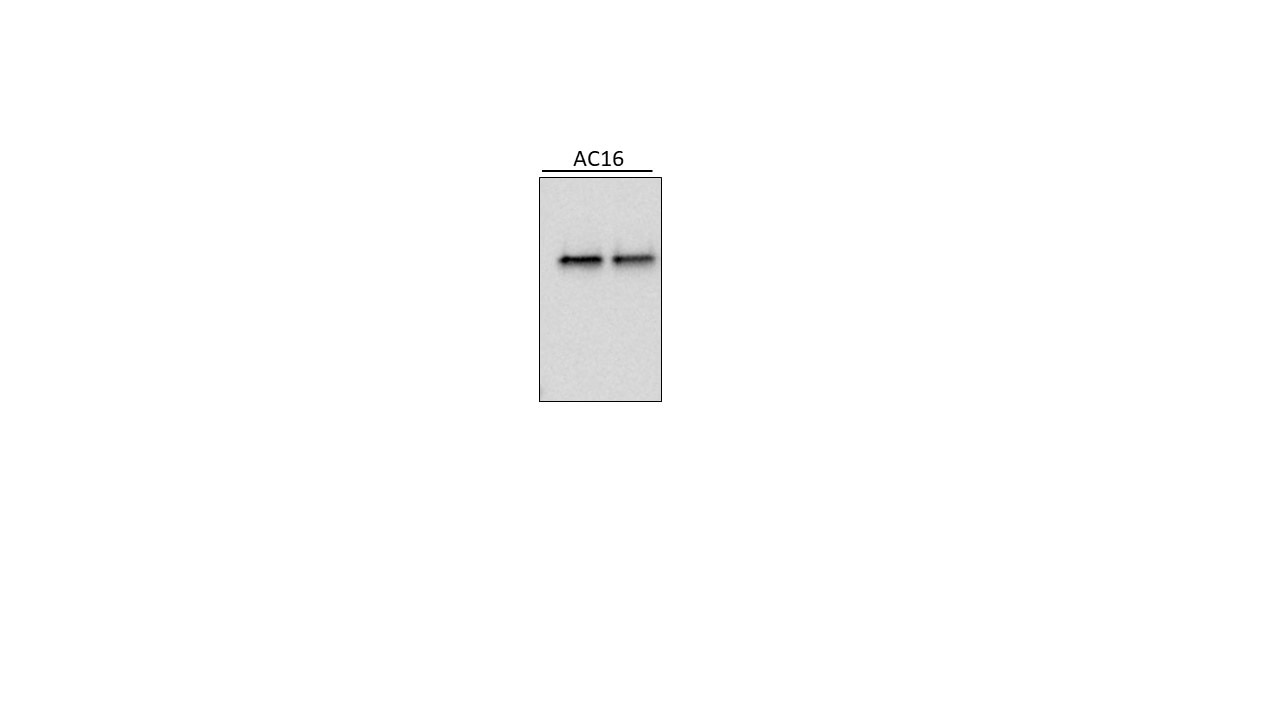
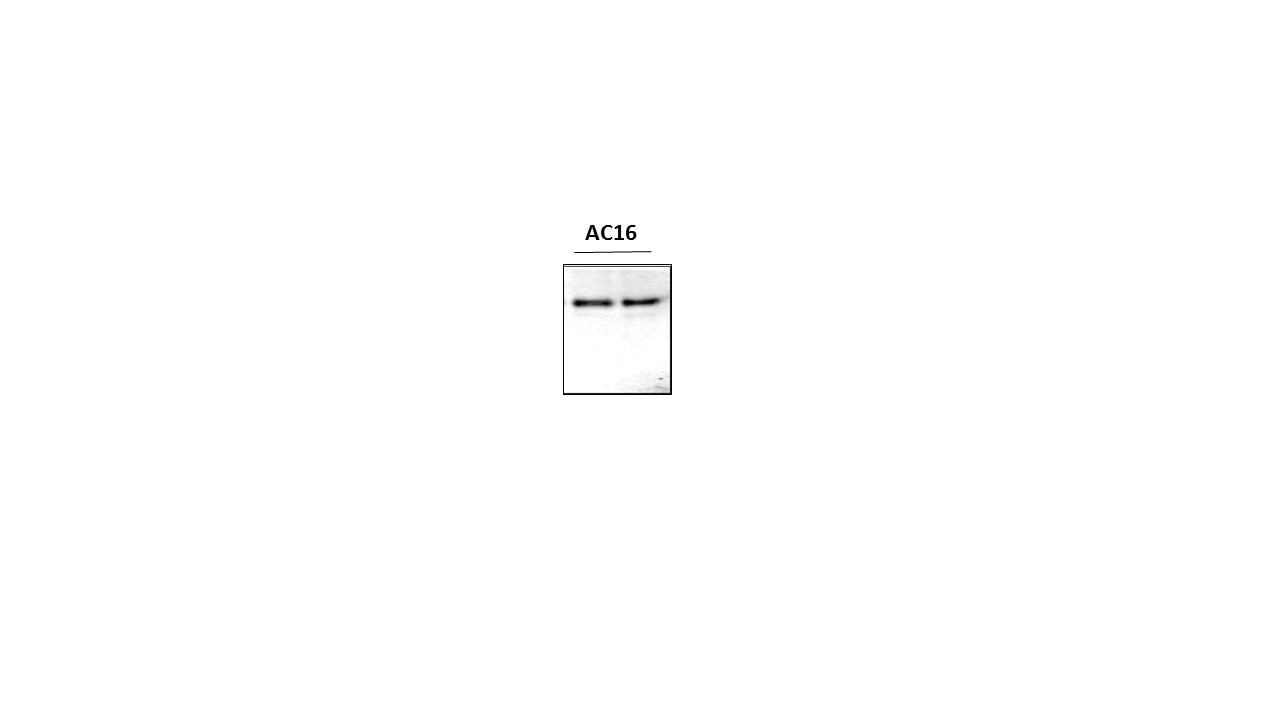
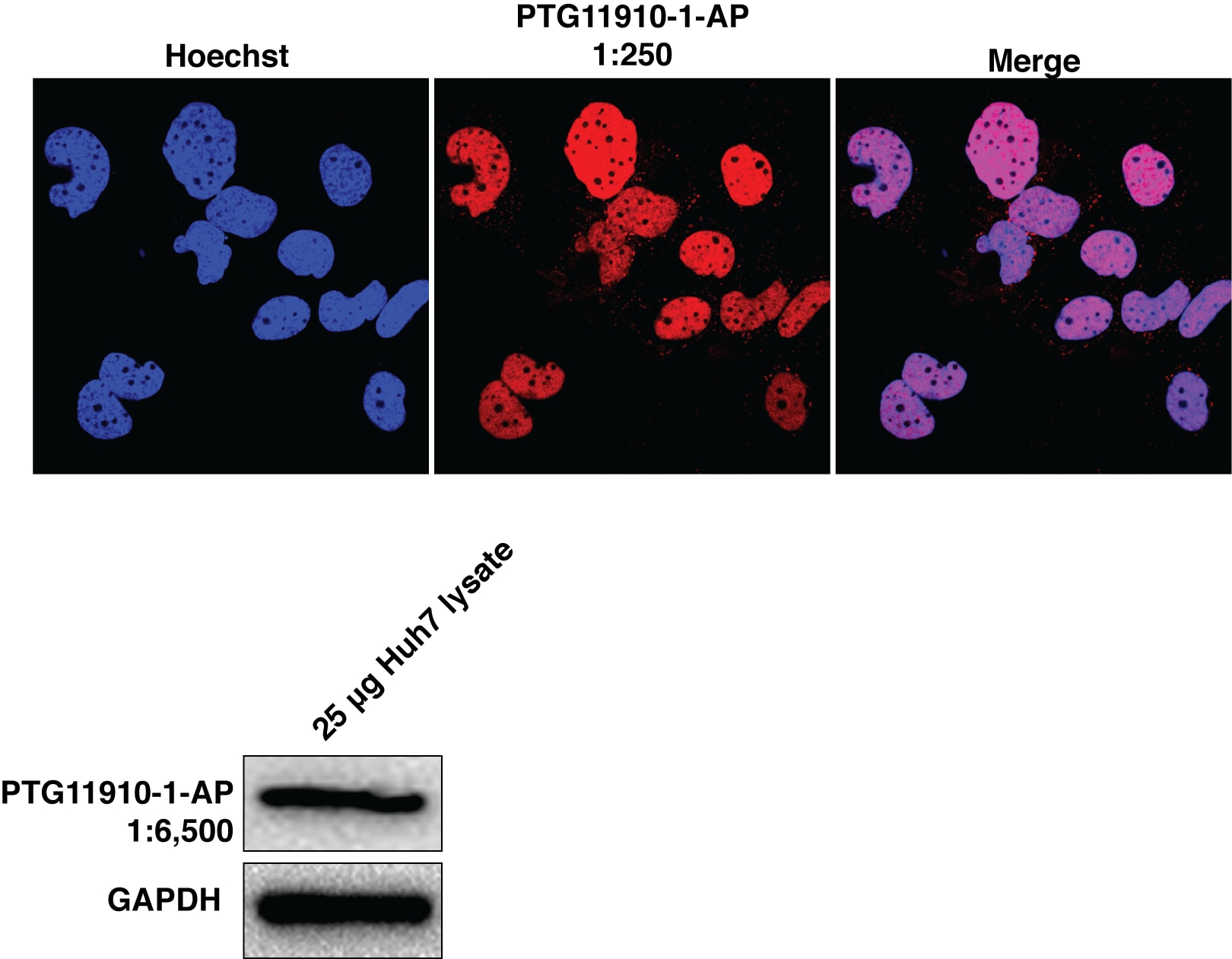
Customers consistently rate this antibody highly (average 4.7/5 across 7 reviews). It delivers strong, specific detection with minimal non-specific bands in Western Blot, immunoprecipitation, and immunofluorescence. Users report reliable performance across multiple cell lines including MCF7, H9C2, AC16, Huh7, and SH-SY5Y. One reviewer noted excellent long-term stability at -20°C over two years. The only minor concern was a weak band observed with mouse heart lysates. Overall, reviewers praise the clear dilution guidance and consistent results.
The reviews below have been submitted by verified Proteintech customers who received an incentive for providing their feedback.
Celine (Verified Customer) (02-03-2026) | Good advice for the dilution. Good application for western blot.
|
Adrianna (Verified Customer) (10-24-2022) | This antibody works very well - strong detection without unspecific bands. I usually incubate it over night at 4 deg C.
|
PK (Verified Customer) (07-08-2022) | Very Good
 |
S (Verified Customer) (04-19-2021) | Excellent!
 |
S (Verified Customer) (05-18-2020) | Good Antibody
 |
CHAO (Verified Customer) (01-30-2020) | Weak band for the heart lysates
|
Gaston (Verified Customer) (05-16-2019) | Antibody worked very well for wester blot detection and immunofluorescence in Huh7 and SH-SY5Y cells. Did not observe any signs of deteriorating detection when stored at -20 for over two years.
 |











