

Tested Applications
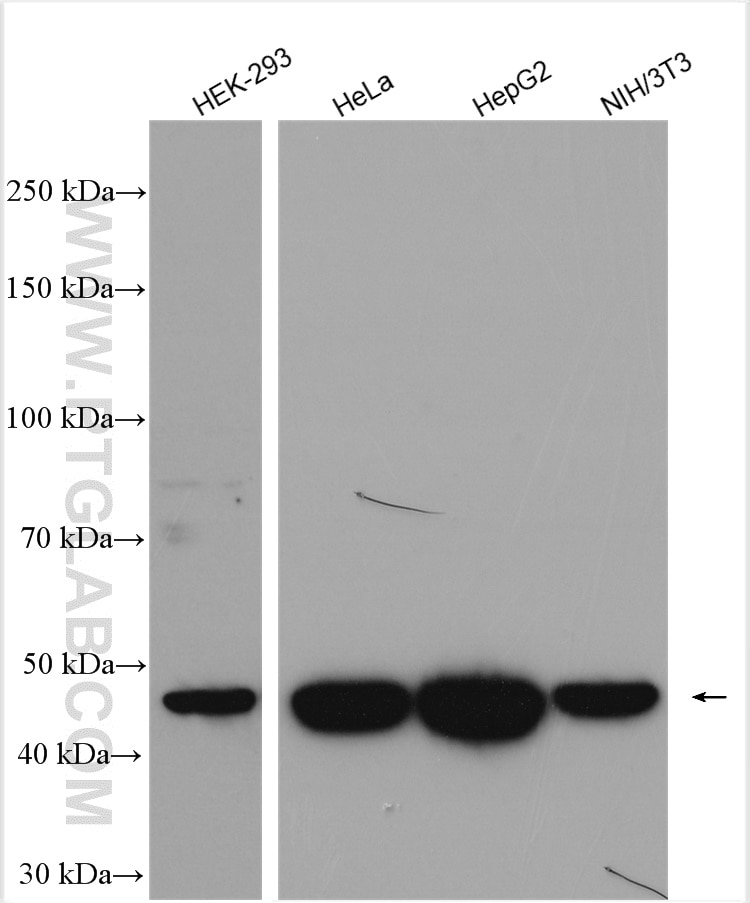
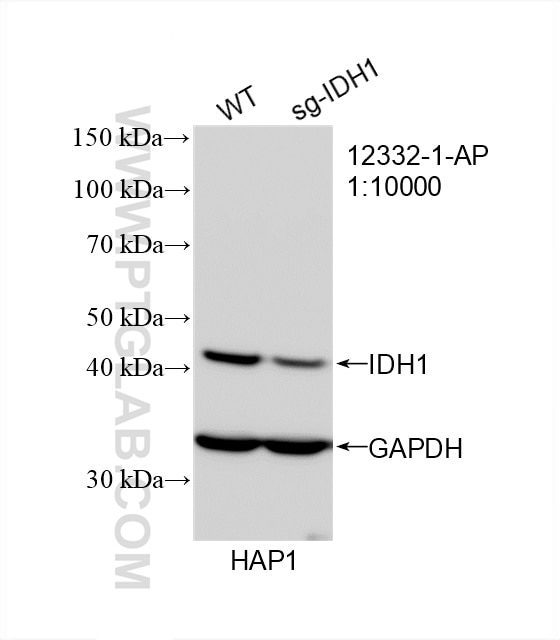
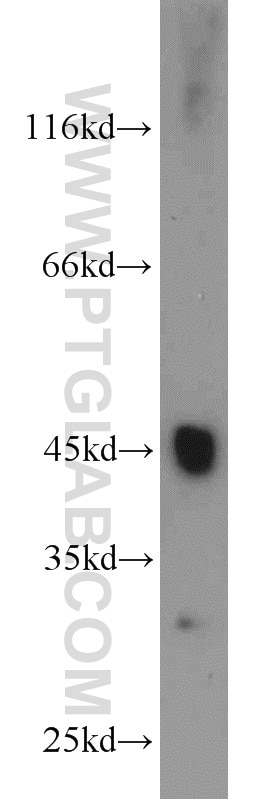
| Positive WB detected in | HEK-293 cells, HAP1 cells, rat liver tissue, HeLa cells, HepG2 cells, NIH/3T3 cells |
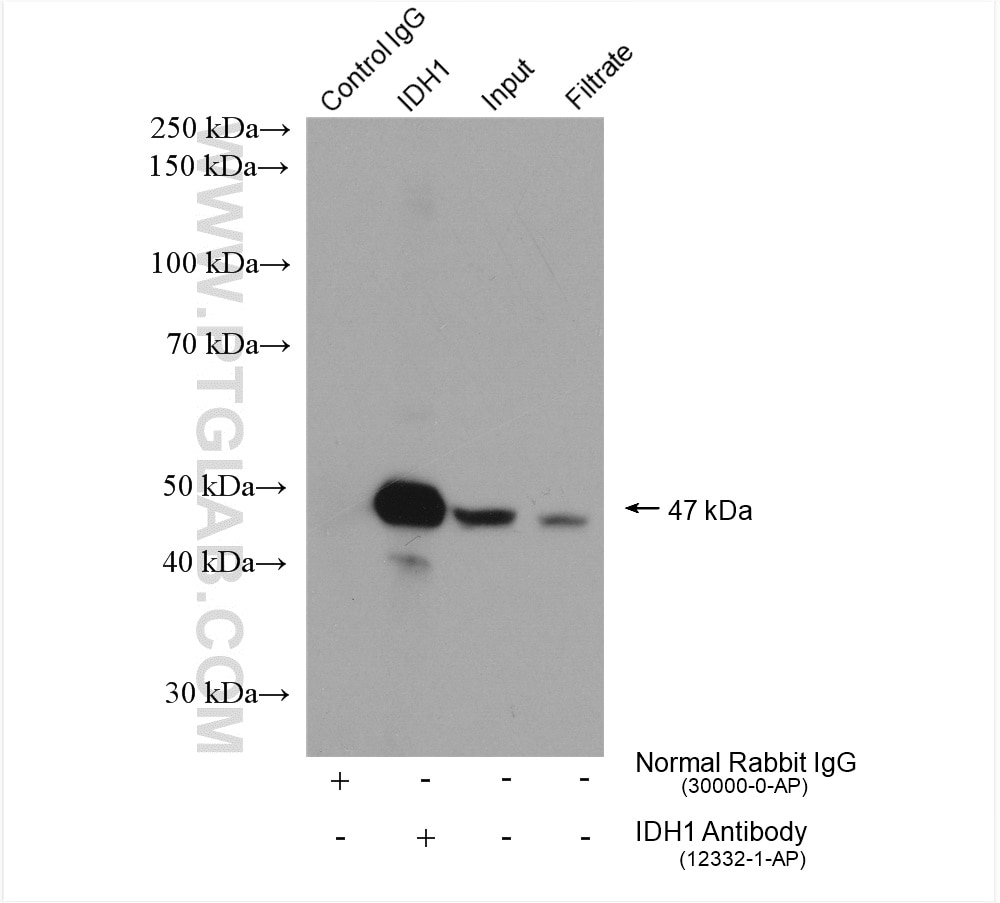
| Positive IP detected in | HepG2 cells |
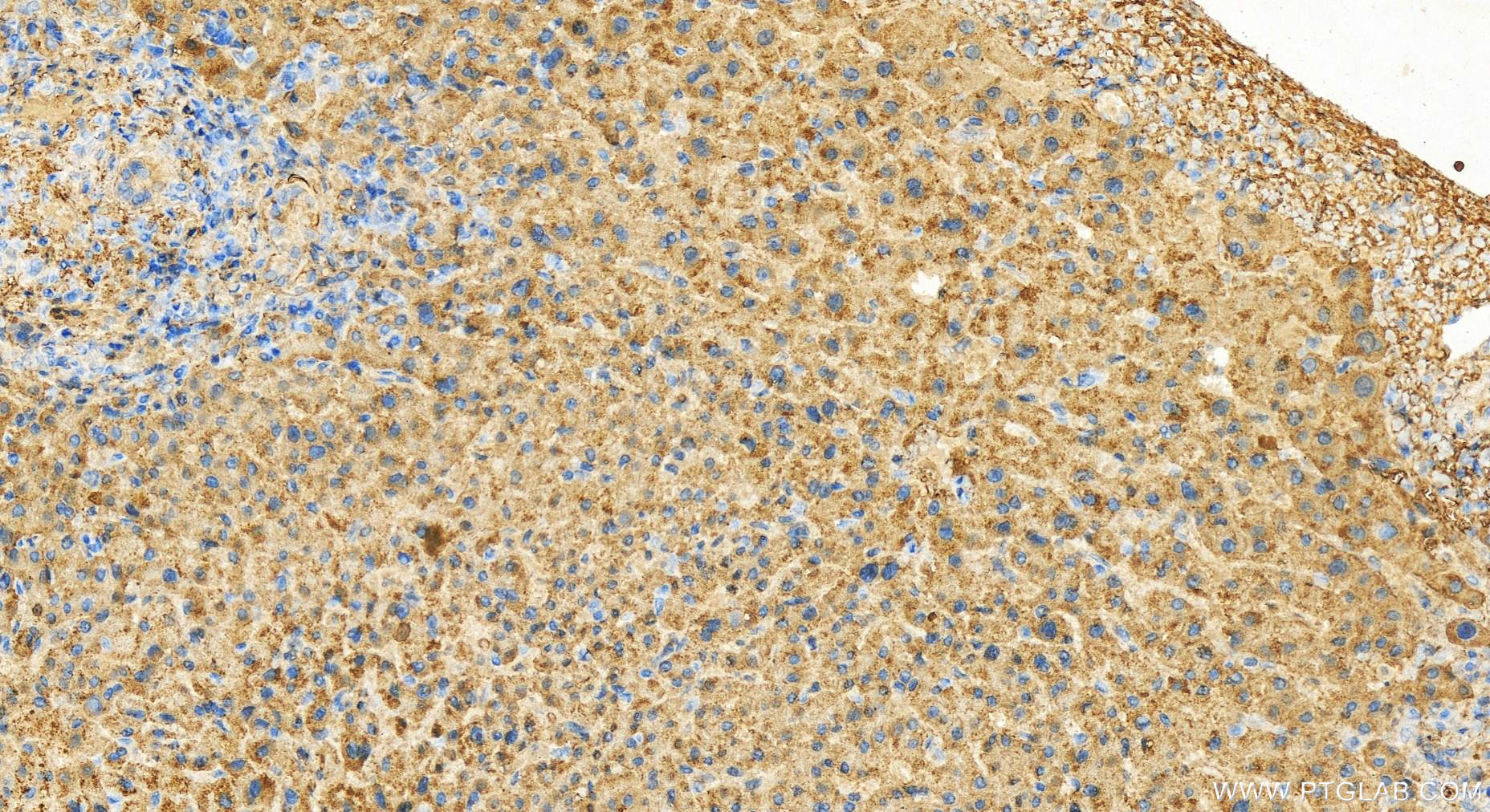
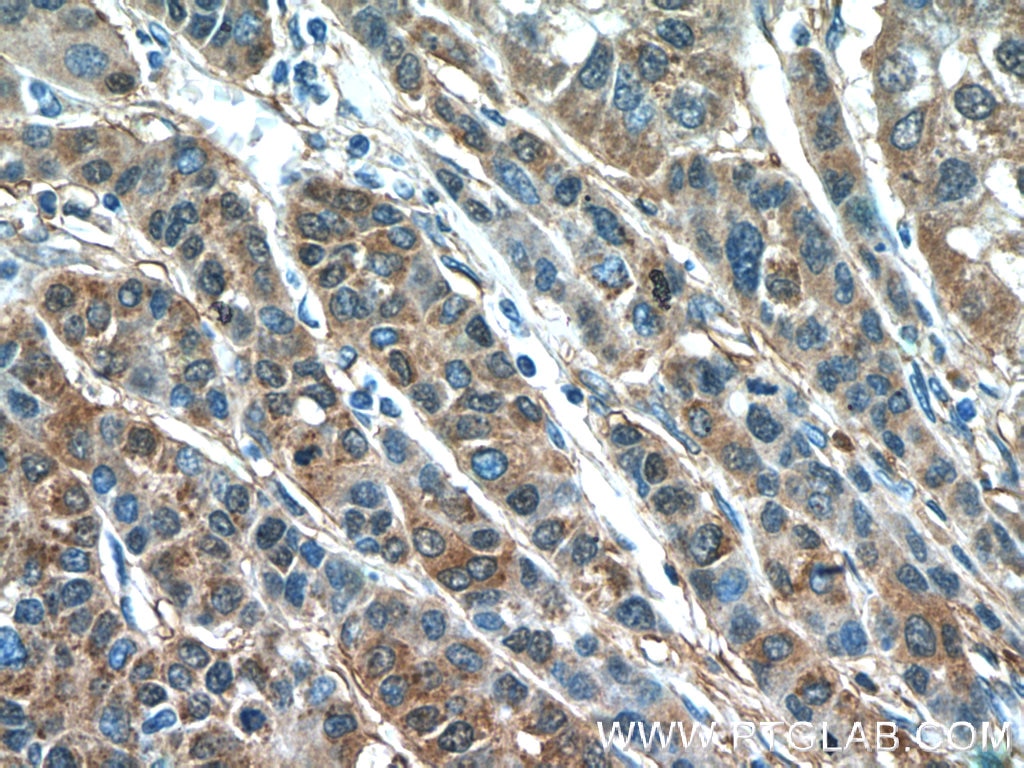
| Positive IHC detected in | human intrahepatic cholangiocarcinoma tissue, human liver cancer tissue Note: suggested antigen retrieval with TE buffer pH 9.0; (*) Alternatively, antigen retrieval may be performed with citrate buffer pH 6.0 |
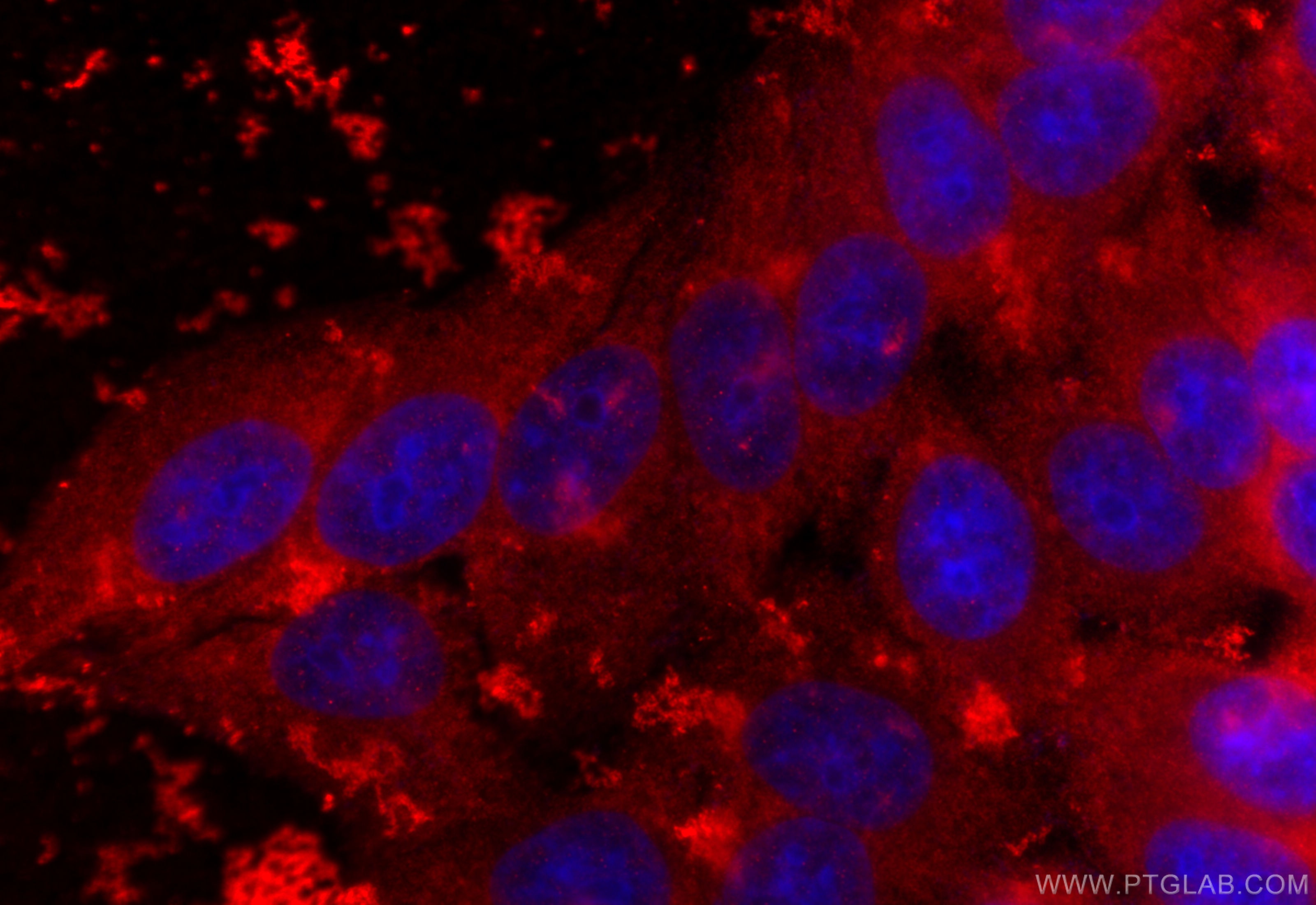
| Positive IF/ICC detected in | HepG2 cells |
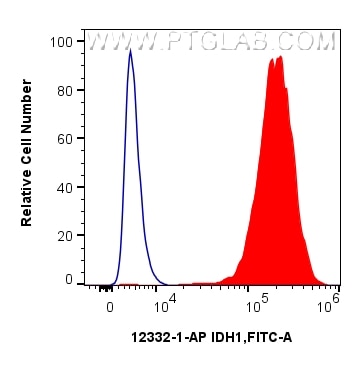
| Positive FC (Intra) detected in | HepG2 cells |
Recommended dilution
| Application | Dilution |
|---|---|
| Western Blot (WB) | WB : 1:2000-1:10000 |
| Immunoprecipitation (IP) | IP : 0.5-4.0 ug for 1.0-3.0 mg of total protein lysate |
| Immunohistochemistry (IHC) | IHC : 1:50-1:500 |
| Immunofluorescence (IF)/ICC | IF/ICC : 1:50-1:500 |
| Flow Cytometry (FC) (INTRA) | FC (INTRA) : 0.25 ug per 10^6 cells in a 100 ul suspension |
| It is recommended that this reagent should be titrated in each testing system to obtain optimal results. | |
| Sample-dependent, Check data in validation data gallery. | |
Product Information
12332-1-AP targets IDH1 in WB, IHC, IF/ICC, FC (Intra), IP, CoIP, ELISA applications and shows reactivity with human, mouse, rat samples.
| Tested Reactivity | human, mouse, rat |
| Cited Reactivity | human, mouse, zebrafish, sheep |
| Host / Isotype | Rabbit / IgG |
| Class | Polyclonal |
| Type | Antibody |
| Immunogen |
CatNo: Ag2986 Product name: Recombinant human IDH1 protein Source: e coli.-derived, PGEX-4T Tag: GST Domain: 119-414 aa of BC012846 Sequence: RLVSGWVKPIIIGRHAYGDQYRATDFVVPGPGKVEITYTPSDGTQKVTYLVHNFEEGGGVAMGMYNQDKSIEDFAHSSFQMALSKGWPLYLSTKNTILKKYDGRFKDIFQEIYDKQYKSQFEAQKIWYEHRLIDDMVAQAMKSEGGFIWACKNYDGDVQSDSVAQGYGSLGMMTSVLVCPDGKTVEAEAAHGTVTRHYRMYQKGQETSTNPIASIFAWTRGLAHRAKLDNNKELAFFANALEEVSIETIEAGFMTKDLAACIKGLPNVQRSDYLNTFEFMDKLGENLKIKLAQAKL Predict reactive species |
| Full Name | isocitrate dehydrogenase 1 (NADP+), soluble |
| Calculated Molecular Weight | 414 aa, 47 kDa |
| Observed Molecular Weight | 47 kDa |
| GenBank Accession Number | BC012846 |
| Gene Symbol | IDH1 |
| Gene ID (NCBI) | 3417 |
| RRID | AB_2123159 |
| Conjugate | Unconjugated |
| Form | Liquid |
| Purification Method | Antigen affinity purification |
| UNIPROT ID | O75874 |
| Storage Buffer | PBS with 0.02% sodium azide and 50% glycerol, pH 7.3. |
| Storage Conditions | Store at -20°C. Stable for one year after shipment. Aliquoting is unnecessary for -20oC storage. 20ul sizes contain 0.1% BSA. |
Background Information
IDH1, also named as PICD and IDP, belongs to the isocitrate and isopropylmalate dehydrogenases family. It is a common feature of a major subset of primary human brain cancers. It can form a homodimer(PMID:15173171). IDH1 mutation is always heterozygotic and IDH1 functions as a dimer, theoretically there will be 25% each wild type and mutant homo-dimers and 50% hetero-dimers present in the tumor cells(PMID:21079649 ).
Protocols
| Product Specific Protocols | |
|---|---|
| FC protocol for IDH1 antibody 12332-1-AP | Download protocol |
| IF protocol for IDH1 antibody 12332-1-AP | Download protocol |
| IHC protocol for IDH1 antibody 12332-1-AP | Download protocol |
| IP protocol for IDH1 antibody 12332-1-AP | Download protocol |
| WB protocol for IDH1 antibody 12332-1-AP | Download protocol |
| Standard Protocols | |
|---|---|
| Click here to view our Standard Protocols |
Publications
What published studies show
The IDH1 Polyclonal antibody (Cat# 12332-1-AP) has 79 citations. These appear in journals including Nature, Cancer Cell, Cell Research, Cancer Discovery, Cell Stem Cell, Nature Communications, Nature Chemical Biology, Nucleic Acids Research, Cell Reports, EMBO Reports, PNAS, Oncogene, and eLife. Research fields span cancer biology (glioma, leukemia, liver, lung, colorectal, ovarian, and other cancers), metabolic reprogramming, epigenetics, ferroptosis, inflammation, and mitochondrial function.
| Species | Application | Title |
|---|---|---|
Nature IDH mutation impairs histone demethylation and results in a block to cell differentiation. | ||
Cancer Cell Leukemic IDH1 and IDH2 mutations result in a hypermethylation phenotype, disrupt TET2 function, and impair hematopoietic differentiation. | ||
Reviews
What customers say
Able is busy answering your previous question. Please try again later.
The reviews below have been submitted by verified Proteintech customers who received an incentive for providing their feedback.
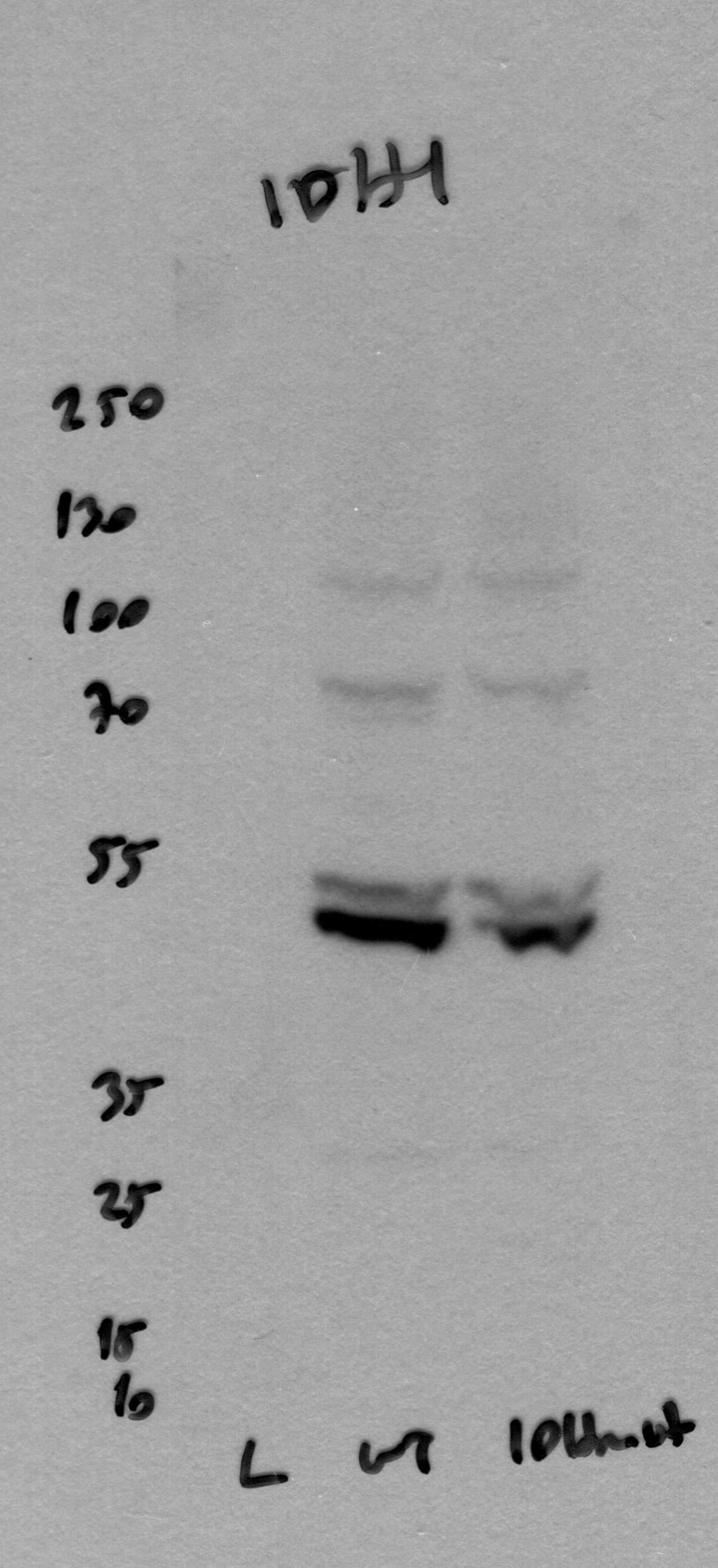
Umut (Verified Customer) (07-25-2023) | The antibody worked very well for Western Blot in a standard application with an average dilution and exposure.
 |









