
Tested Applications
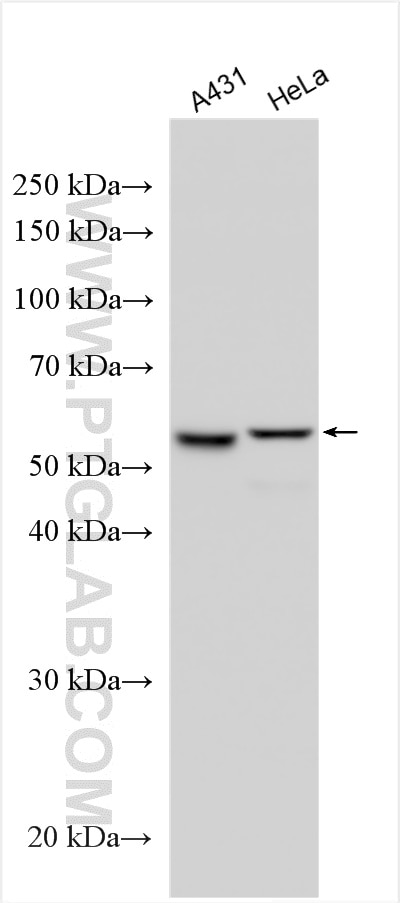
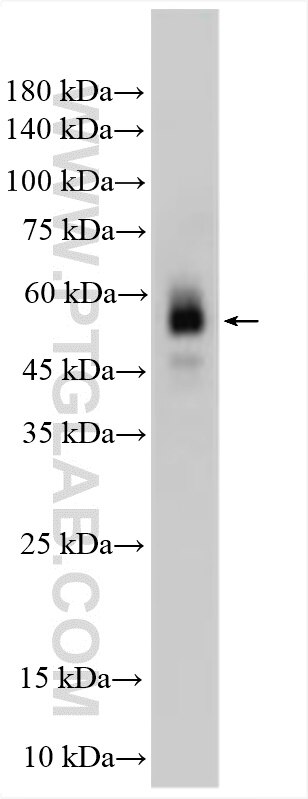
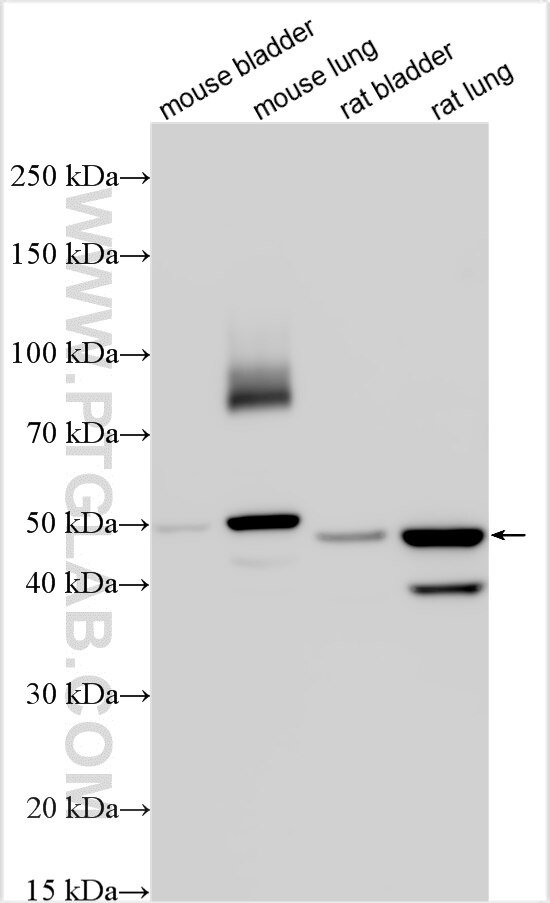
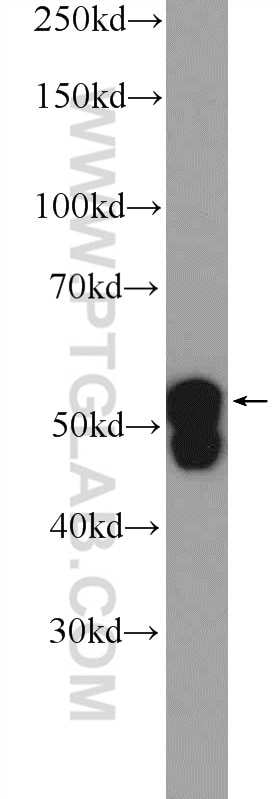
| Positive WB detected in | A431 cells, HeLa cells, T-47D cells, mouse bladder tissue, mouse lung tissue, rat bladder tissue, rat lung tissue |
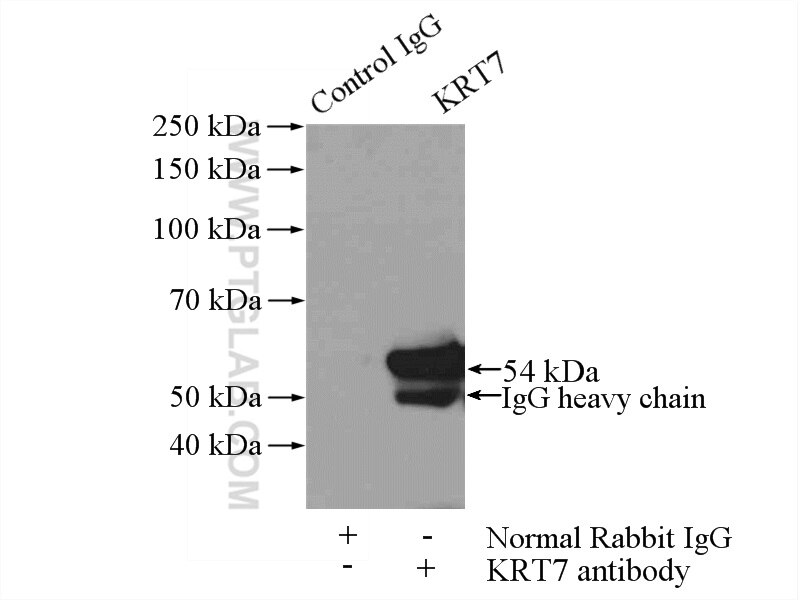
| Positive IP detected in | HepG2 cells |
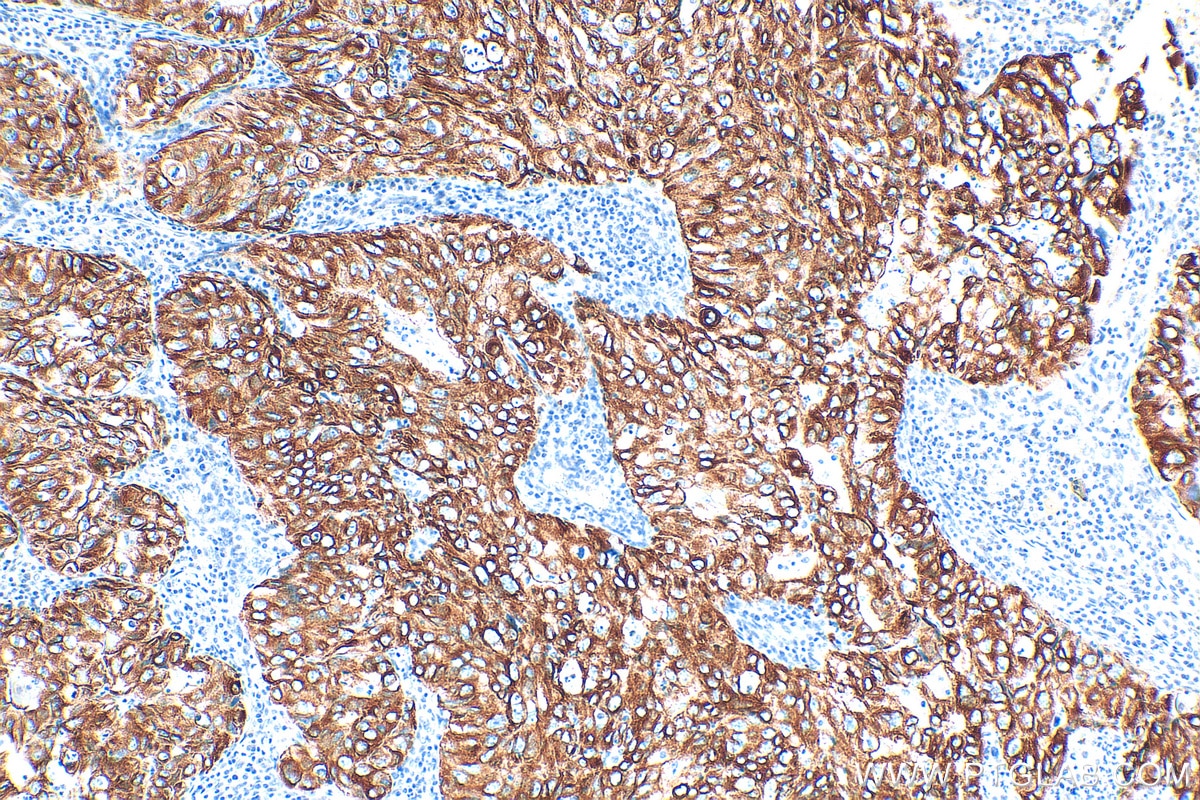
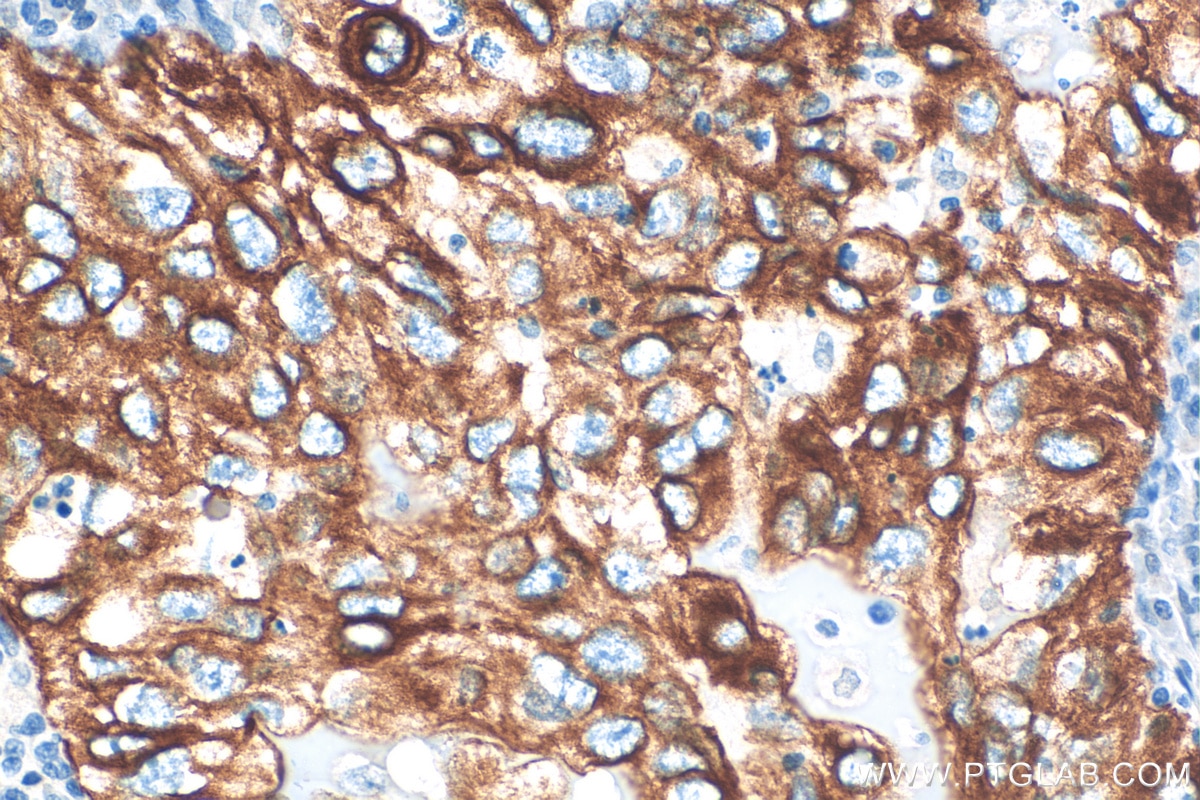
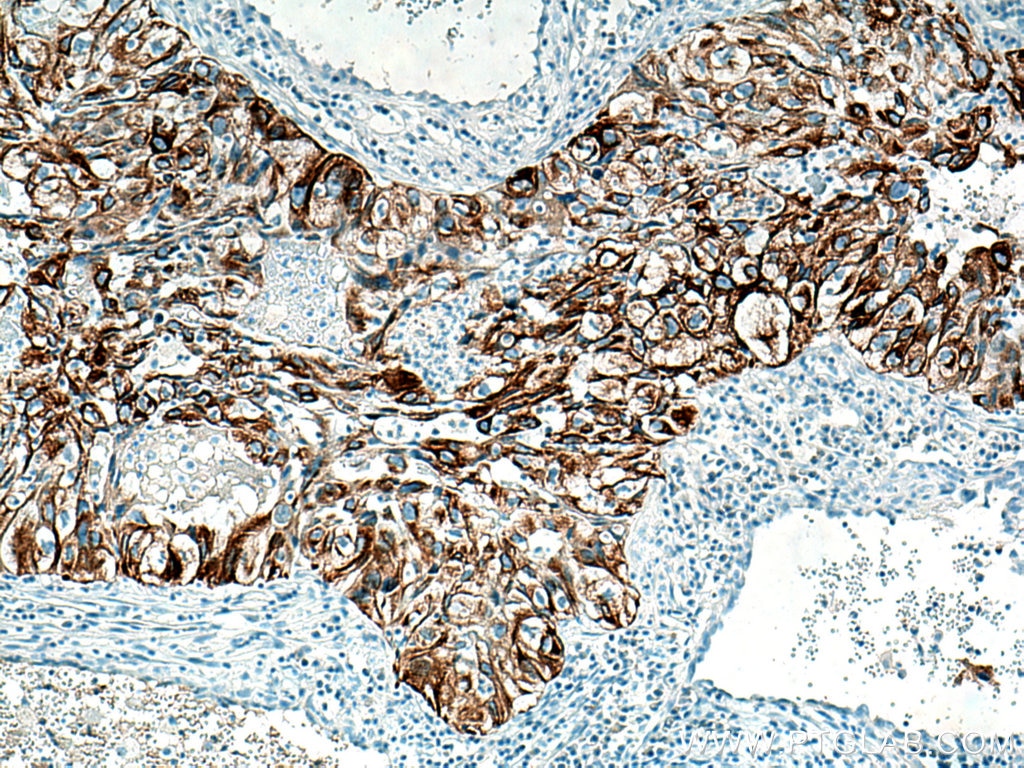
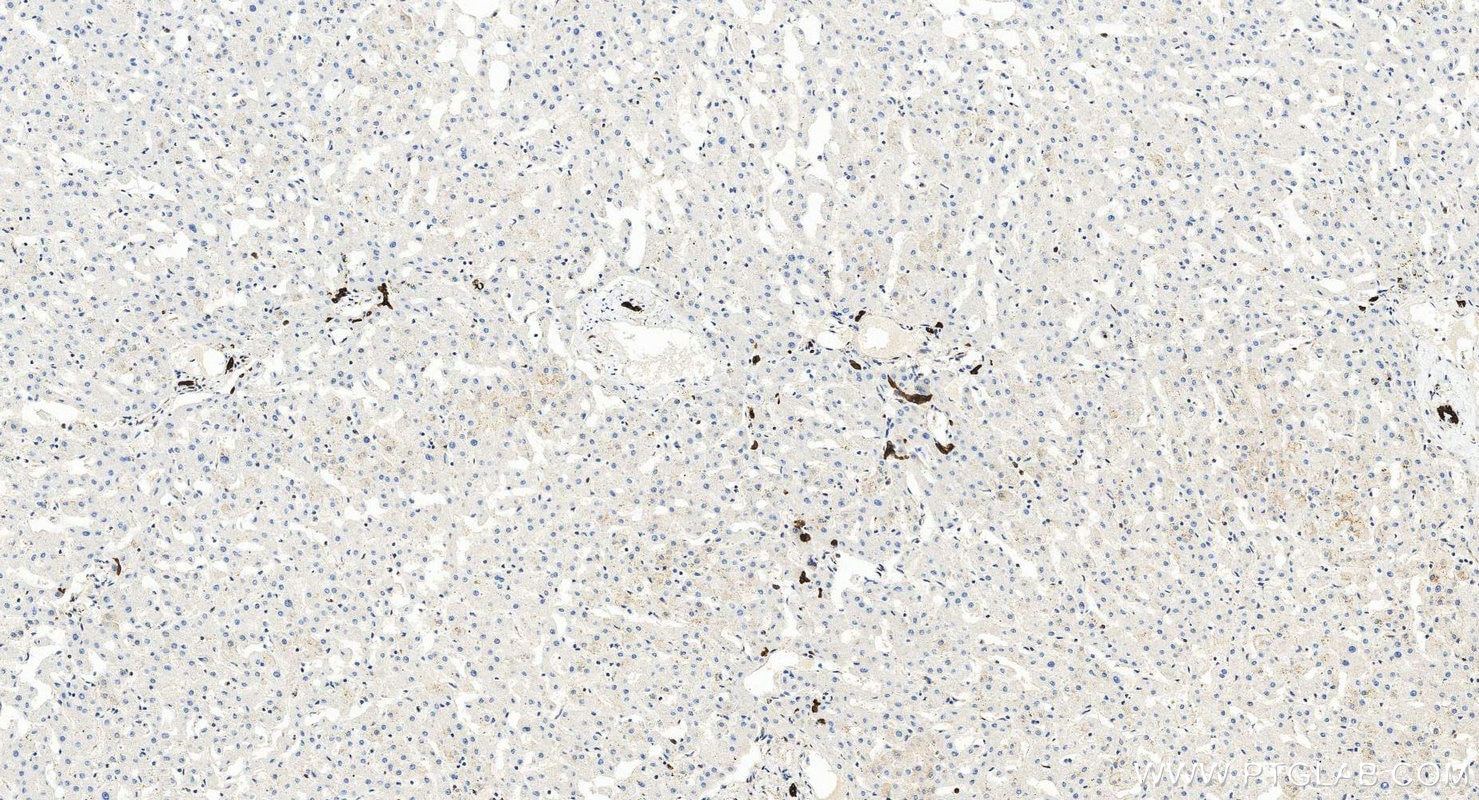
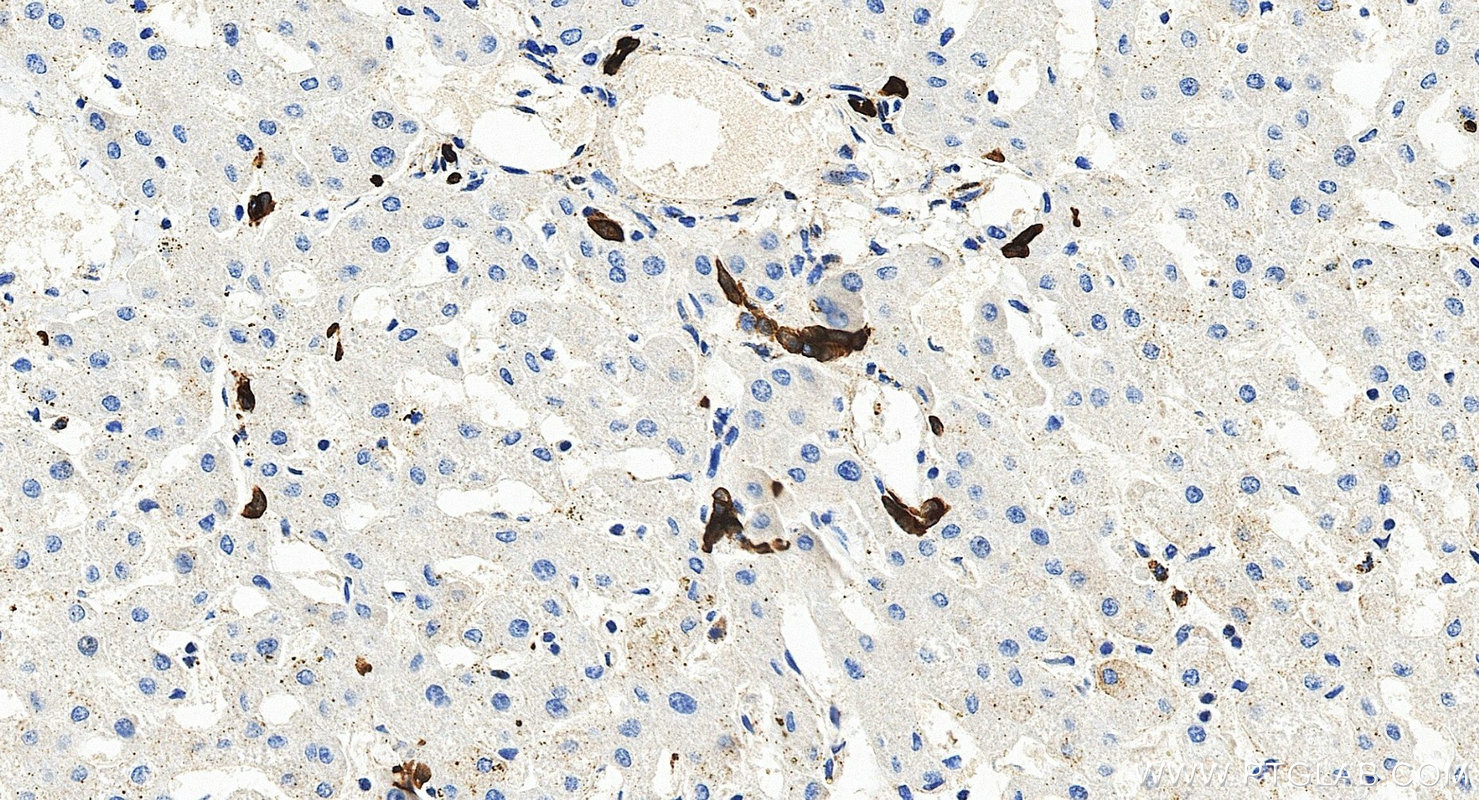
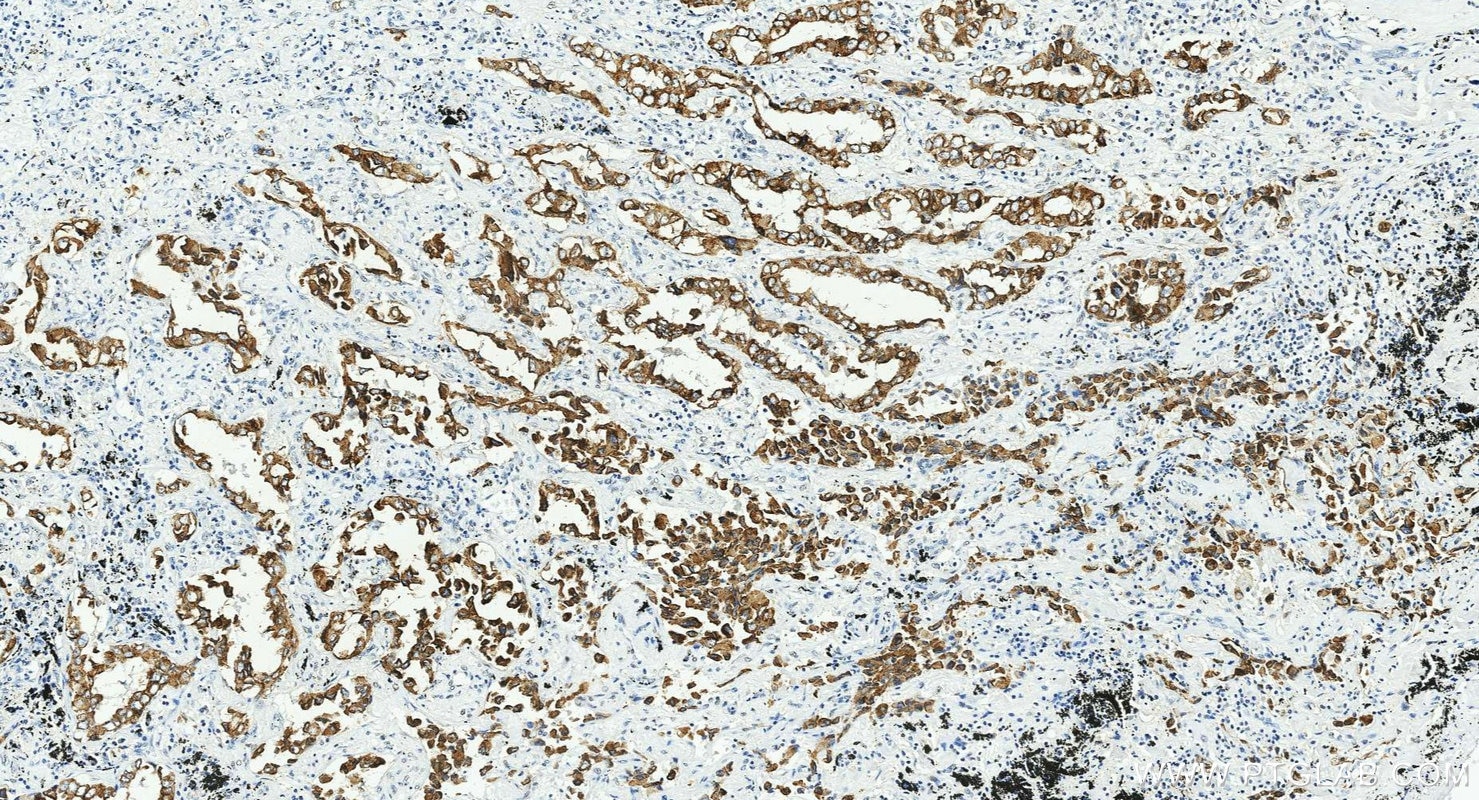
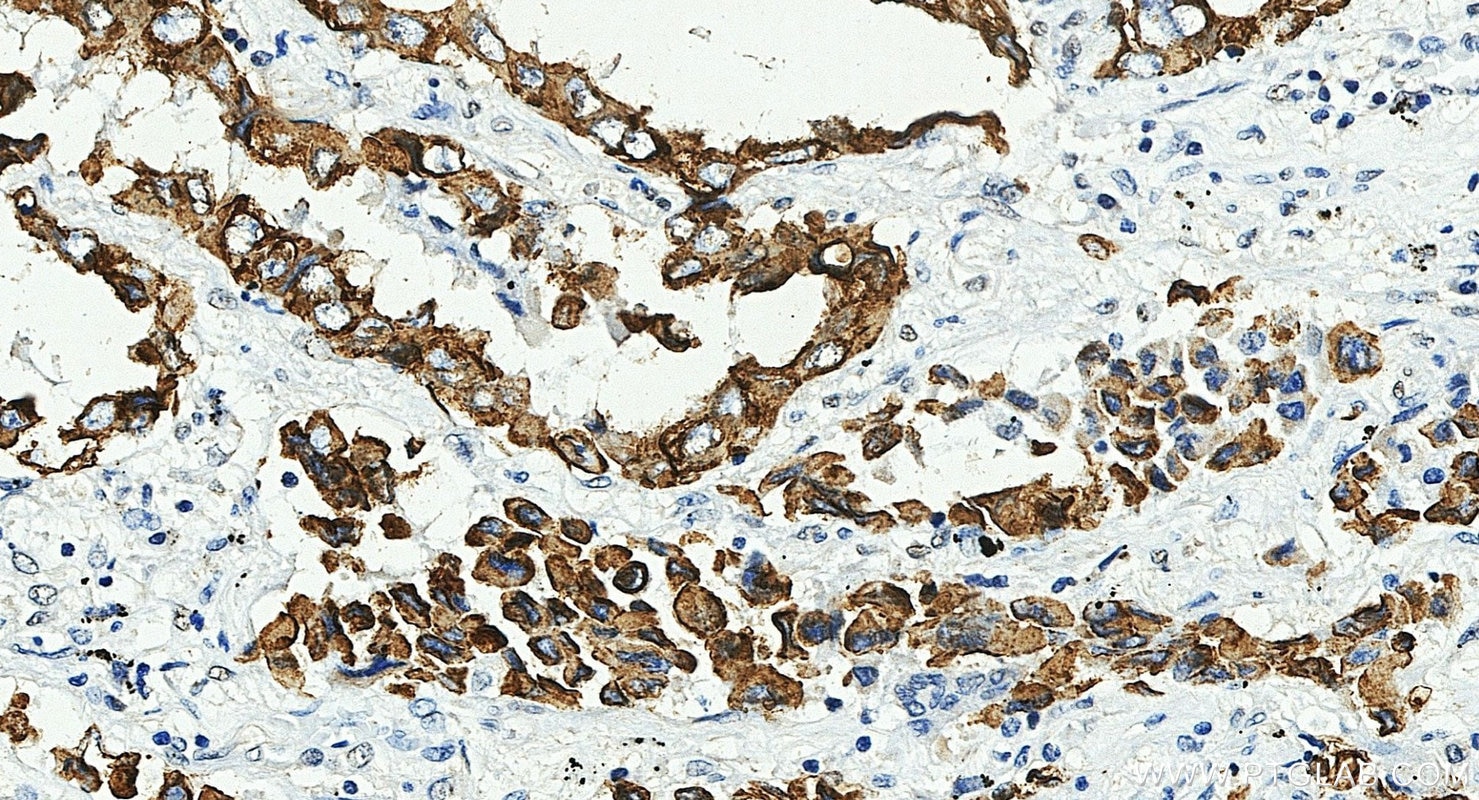
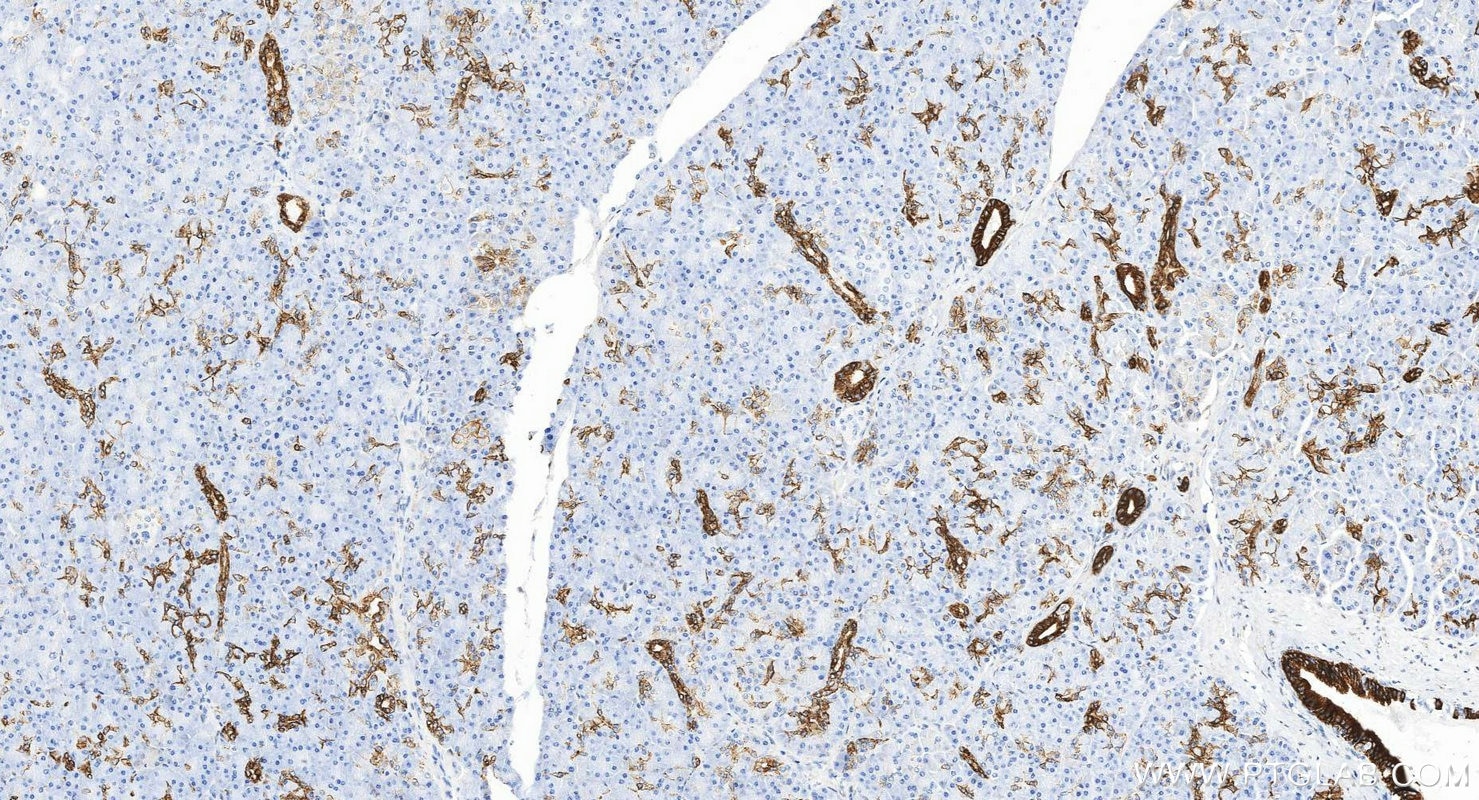
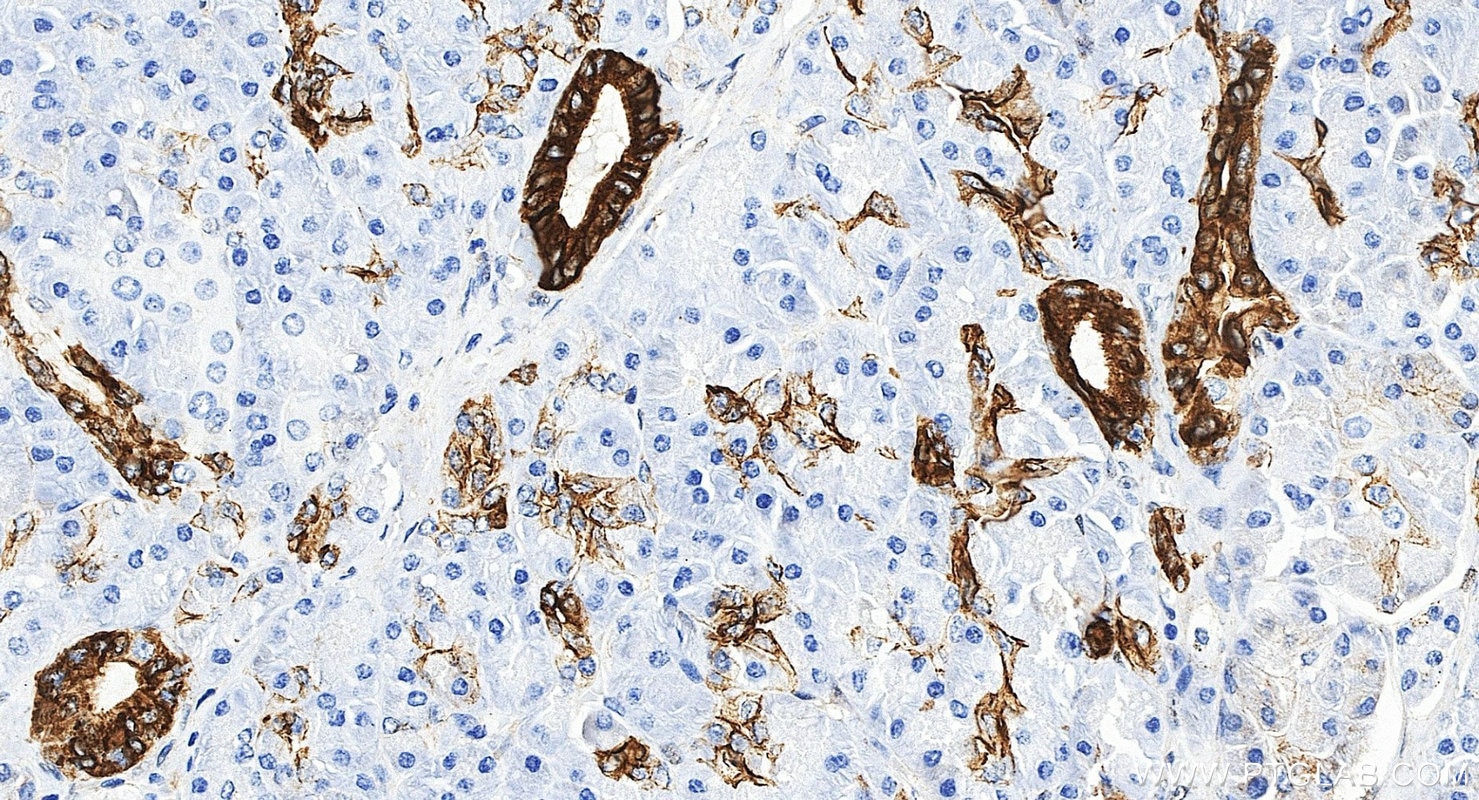
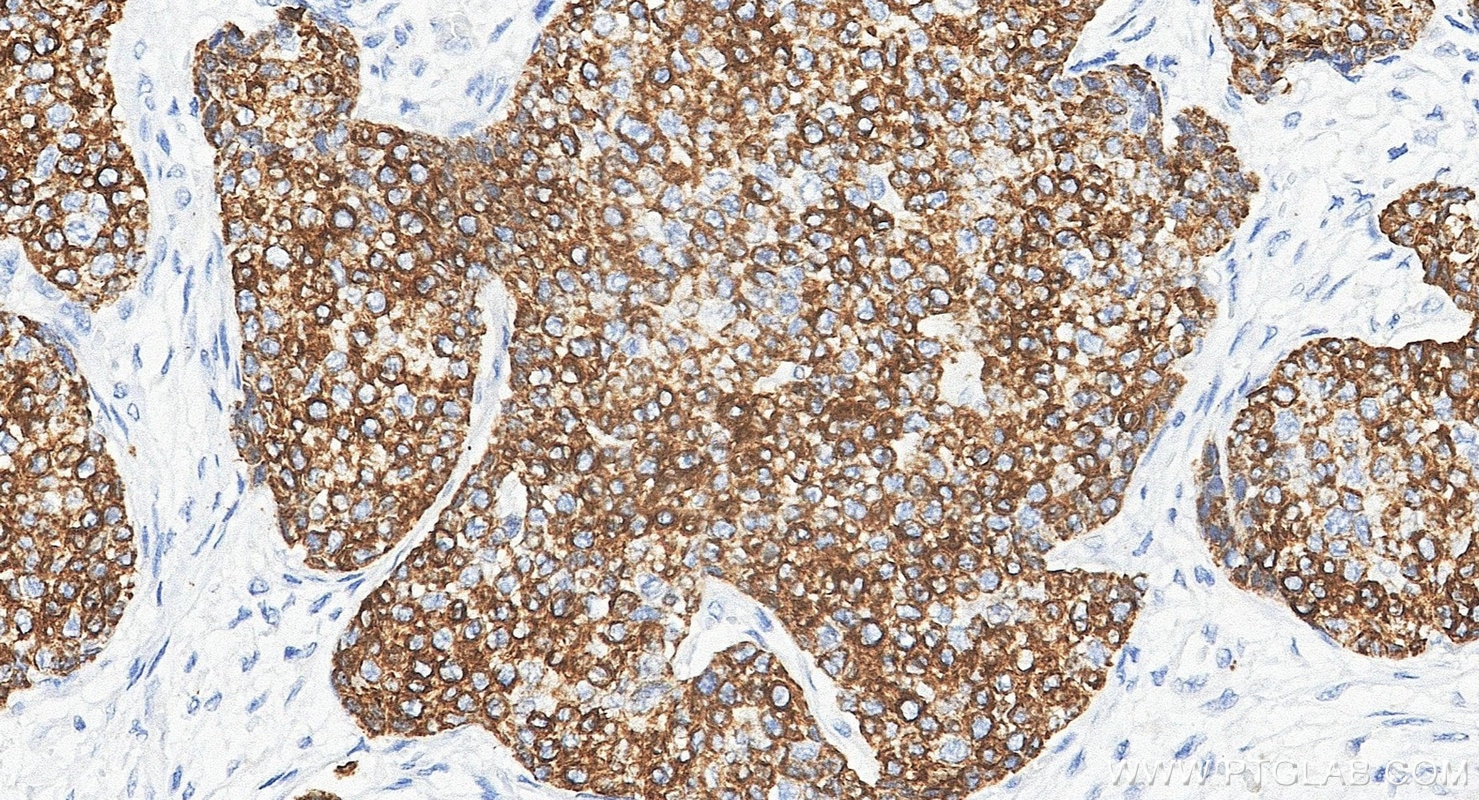
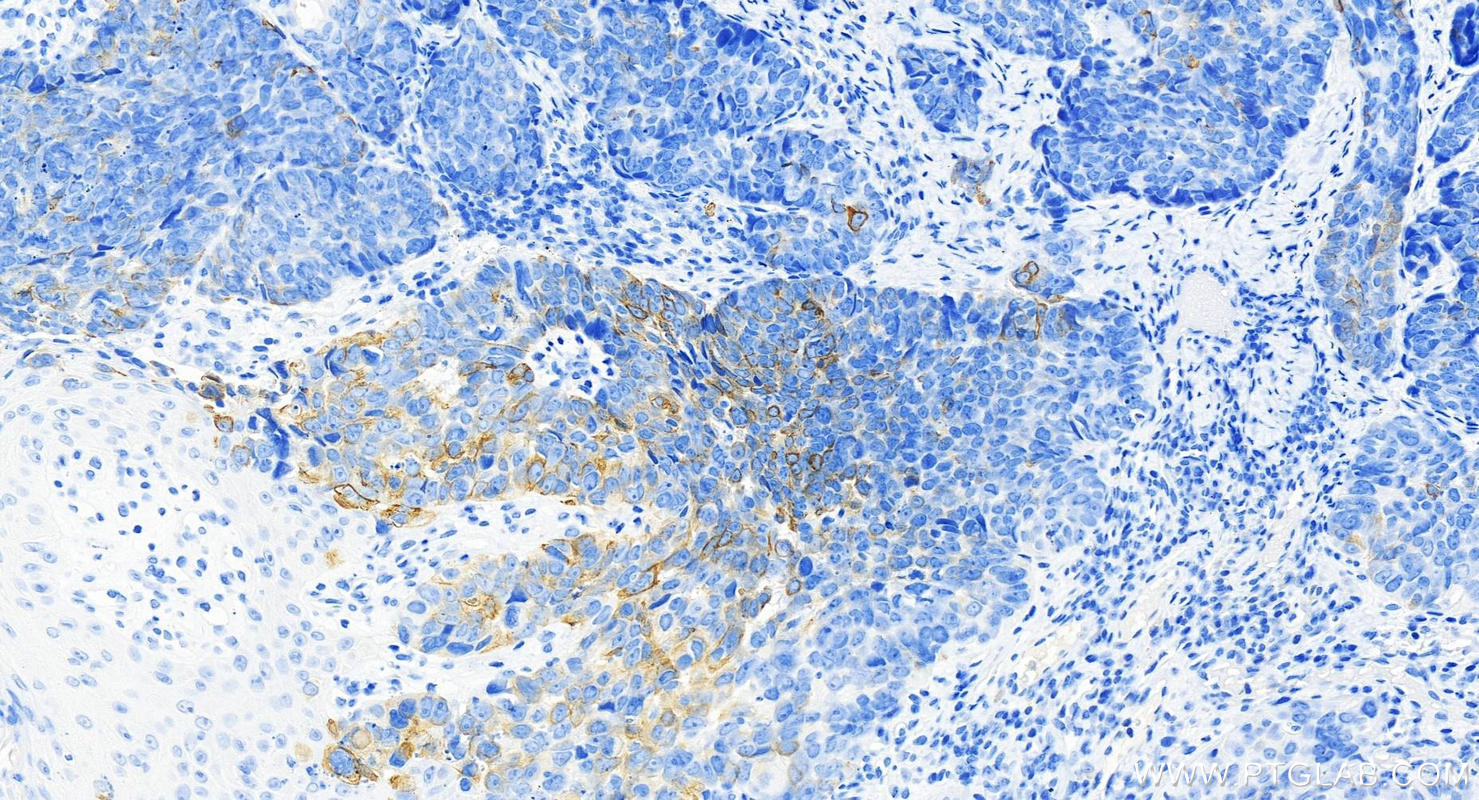
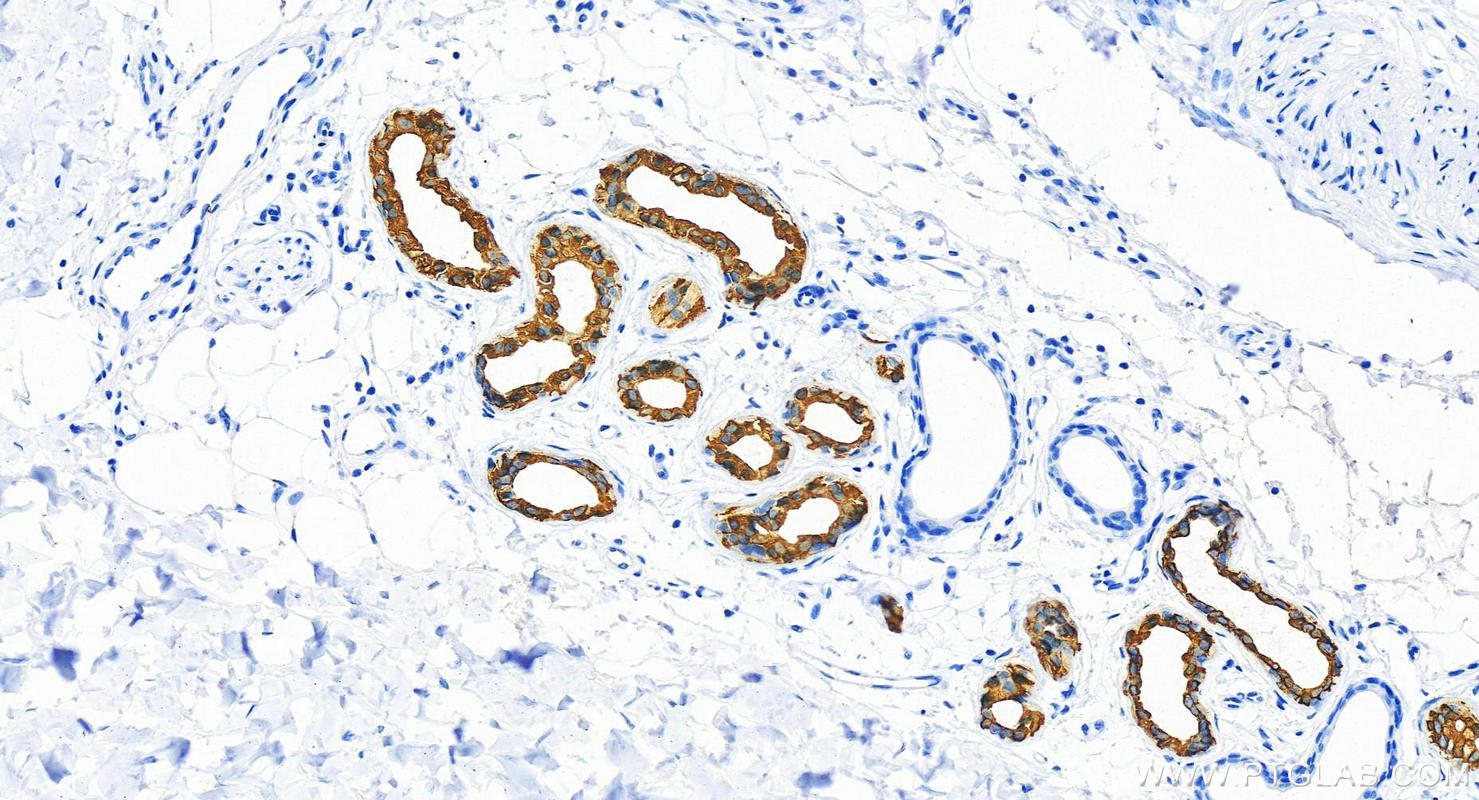
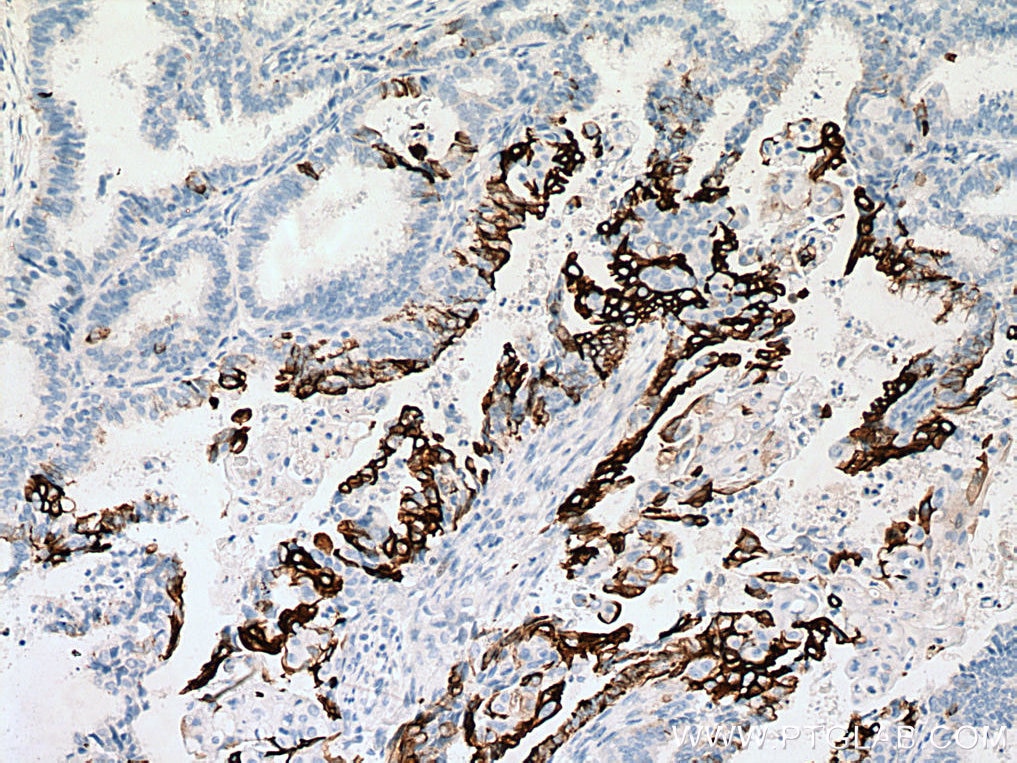
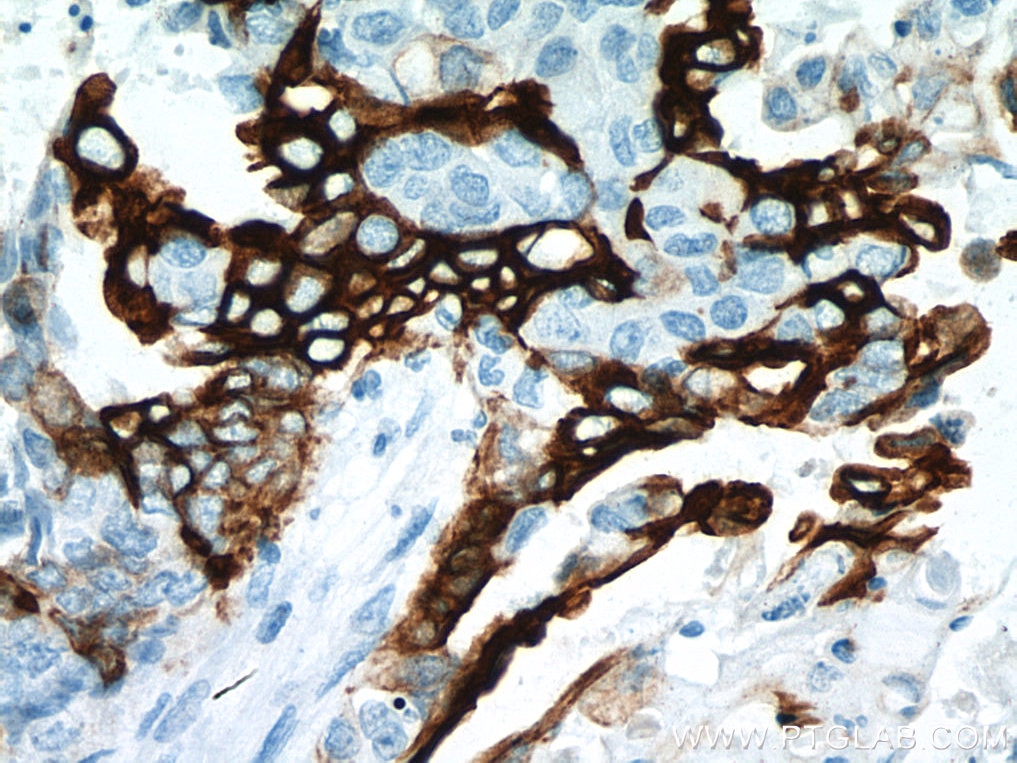
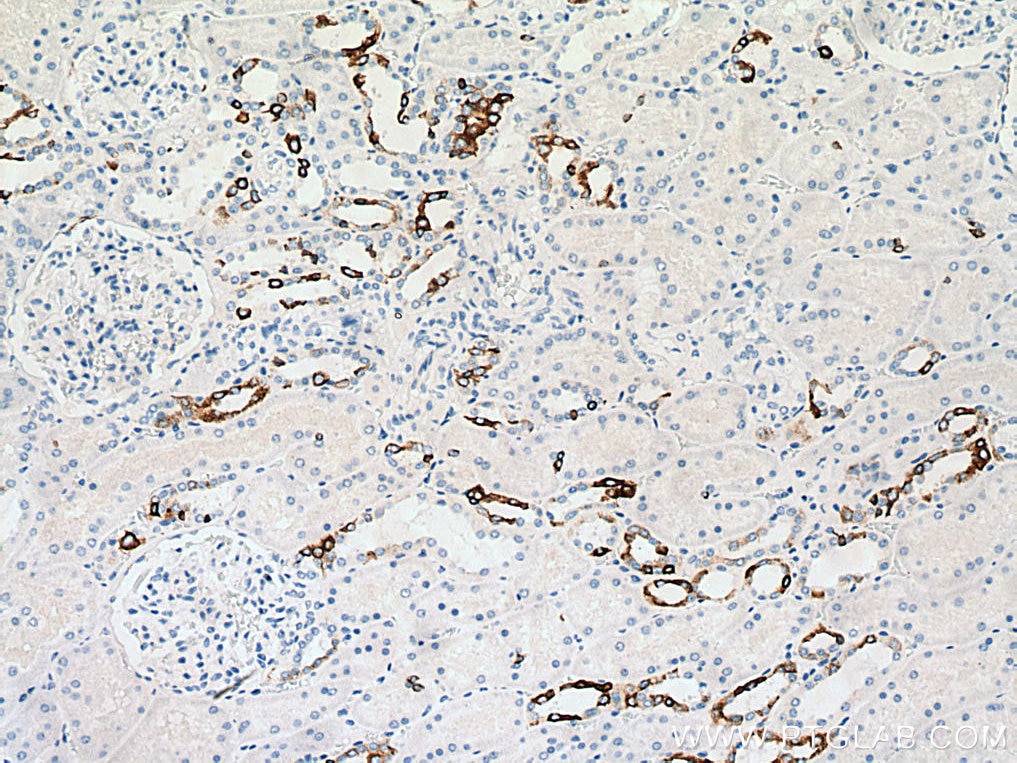
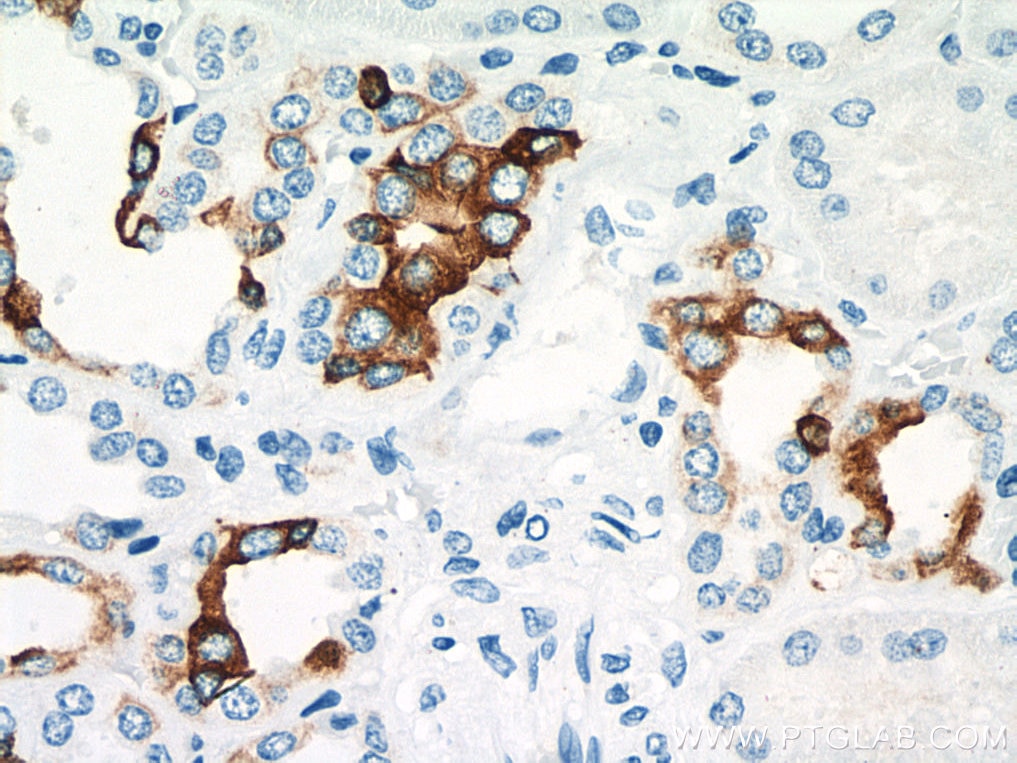
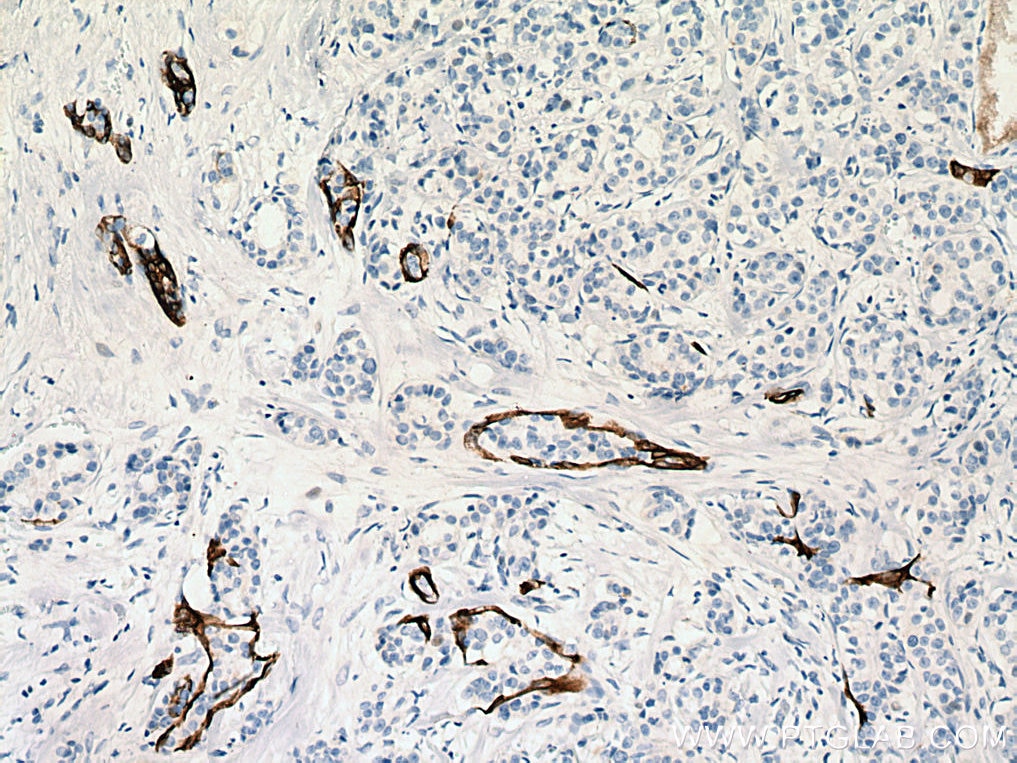
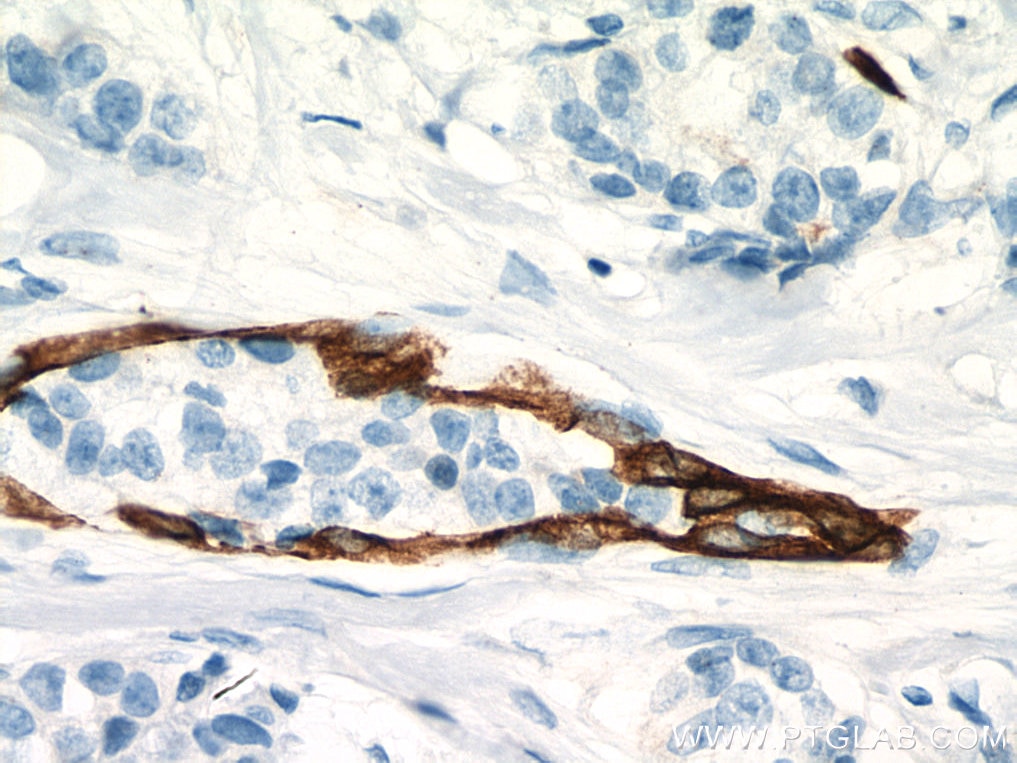
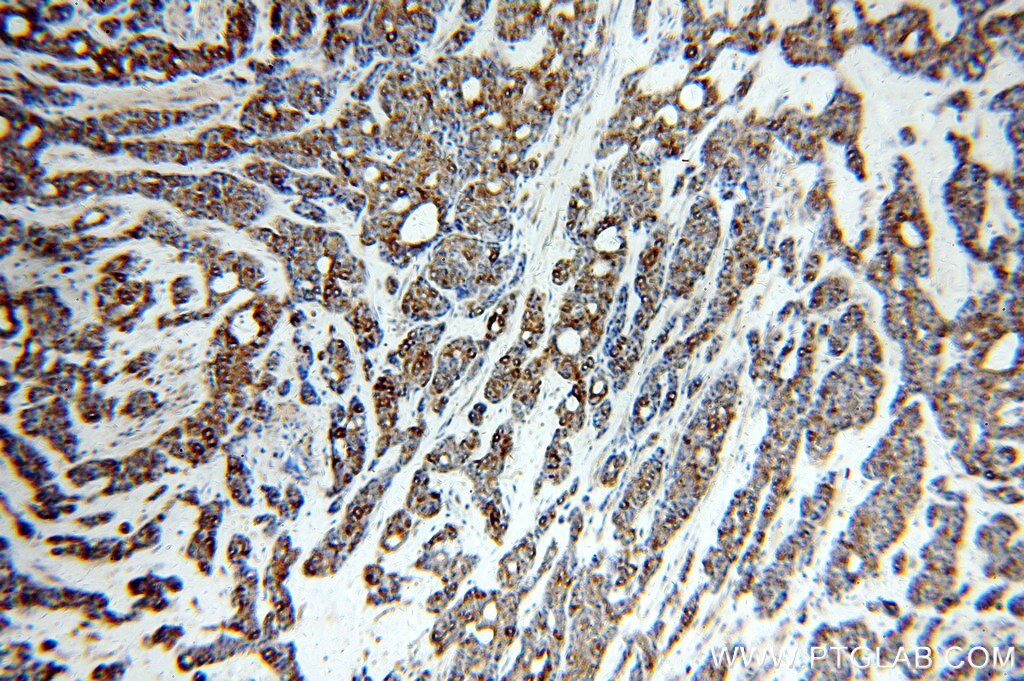
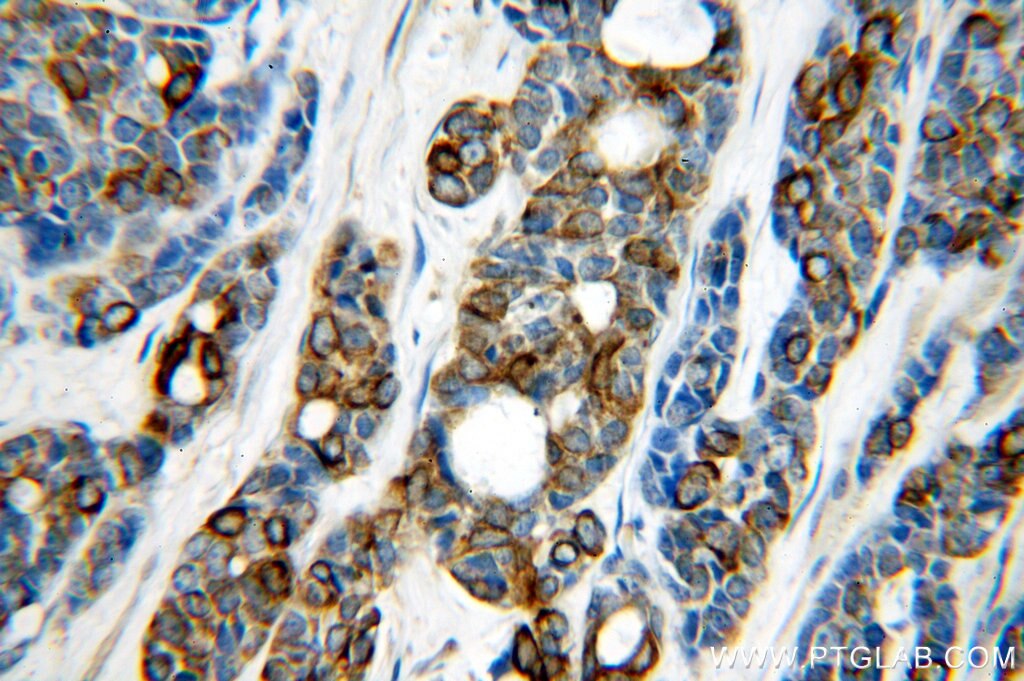
| Positive IHC detected in | human lung cancer tissue, human bowen disease tissue, human breast cancer tissue, human cervical cancer tissue, human kidney tissue, human liver tissue, human ovary tumor tissue, human pancreas tissue Note: suggested antigen retrieval with TE buffer pH 9.0; (*) Alternatively, antigen retrieval may be performed with citrate buffer pH 6.0 |
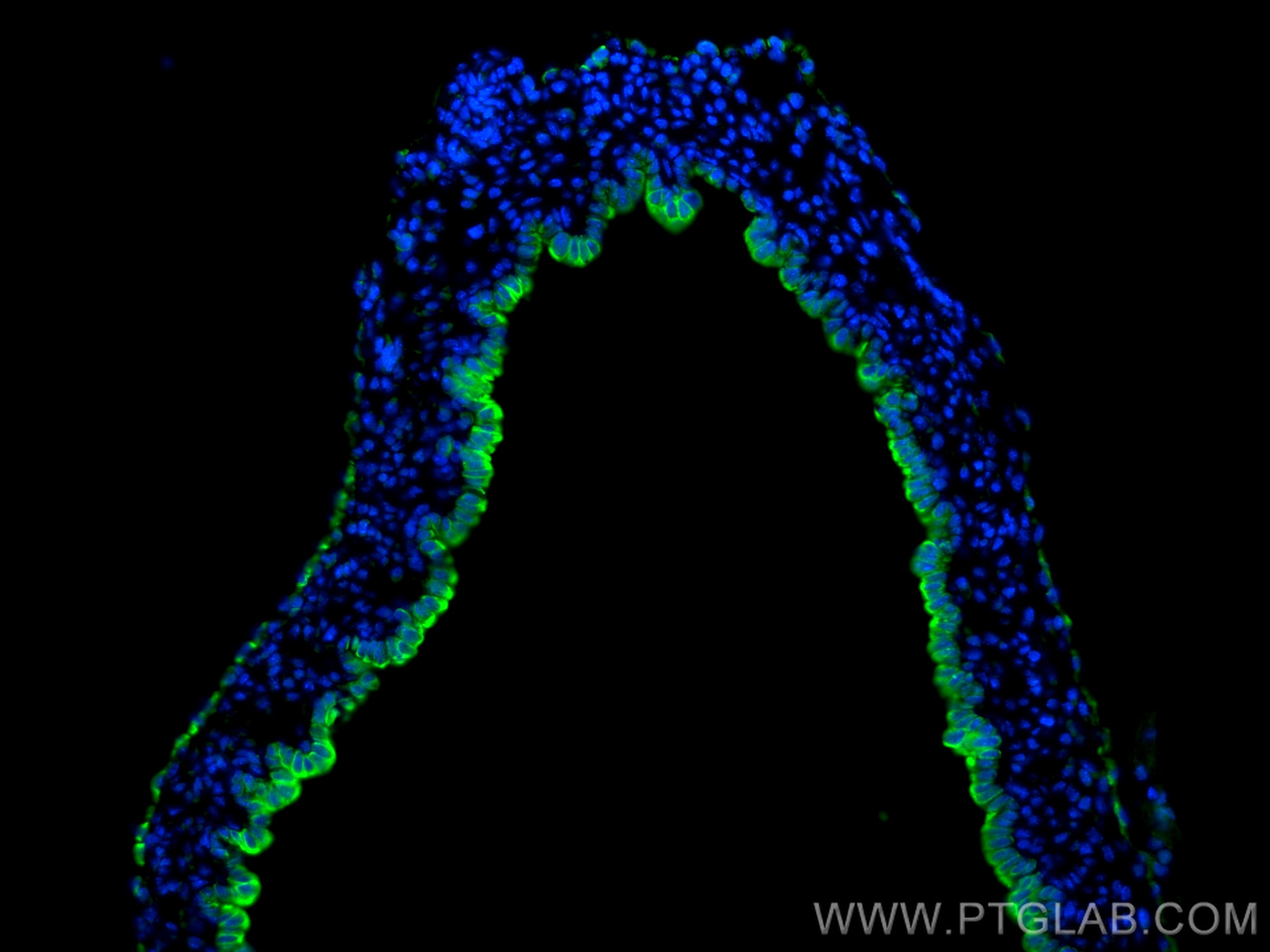
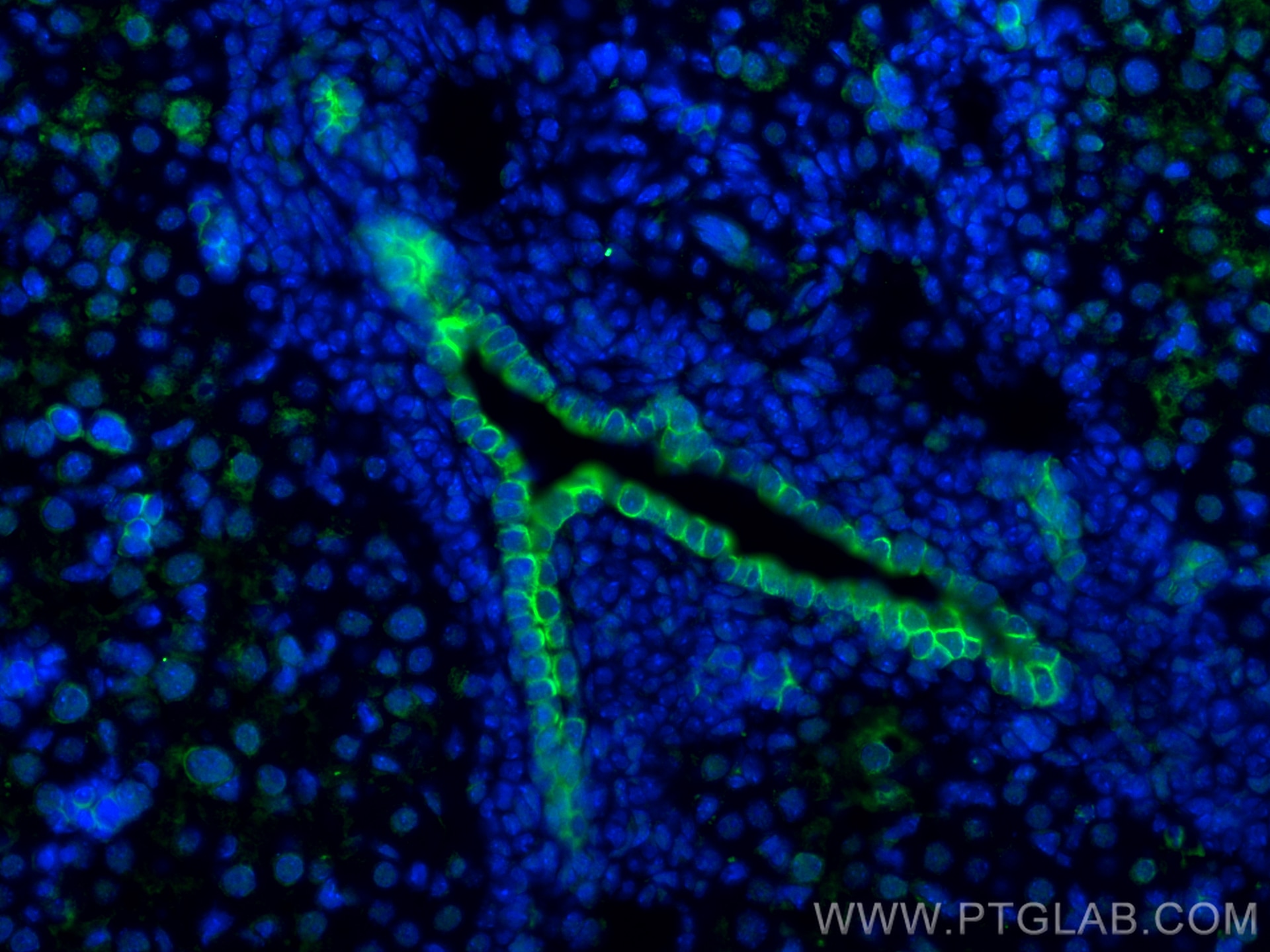
| Positive IF-P detected in | mouse liver tissue |
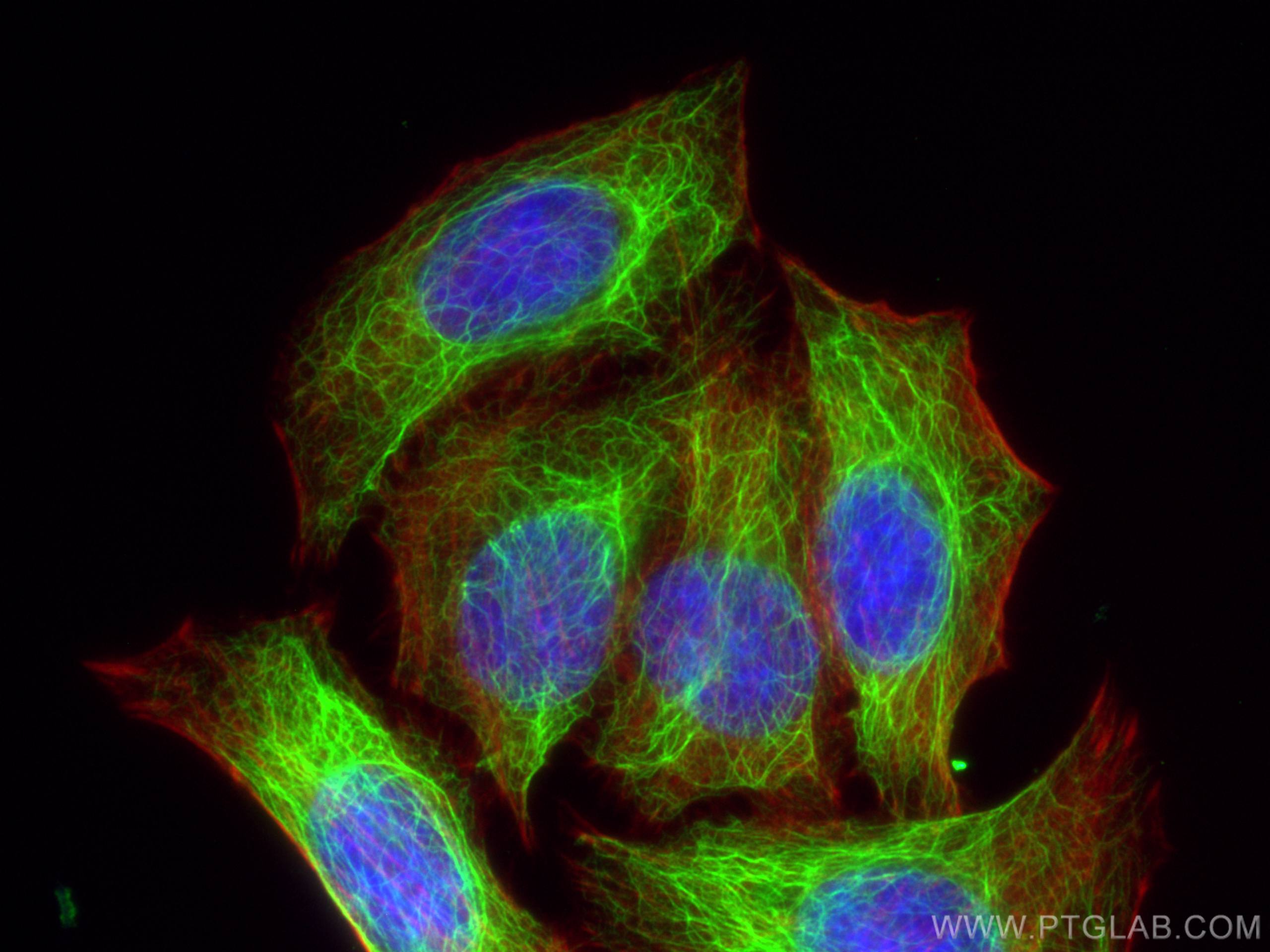
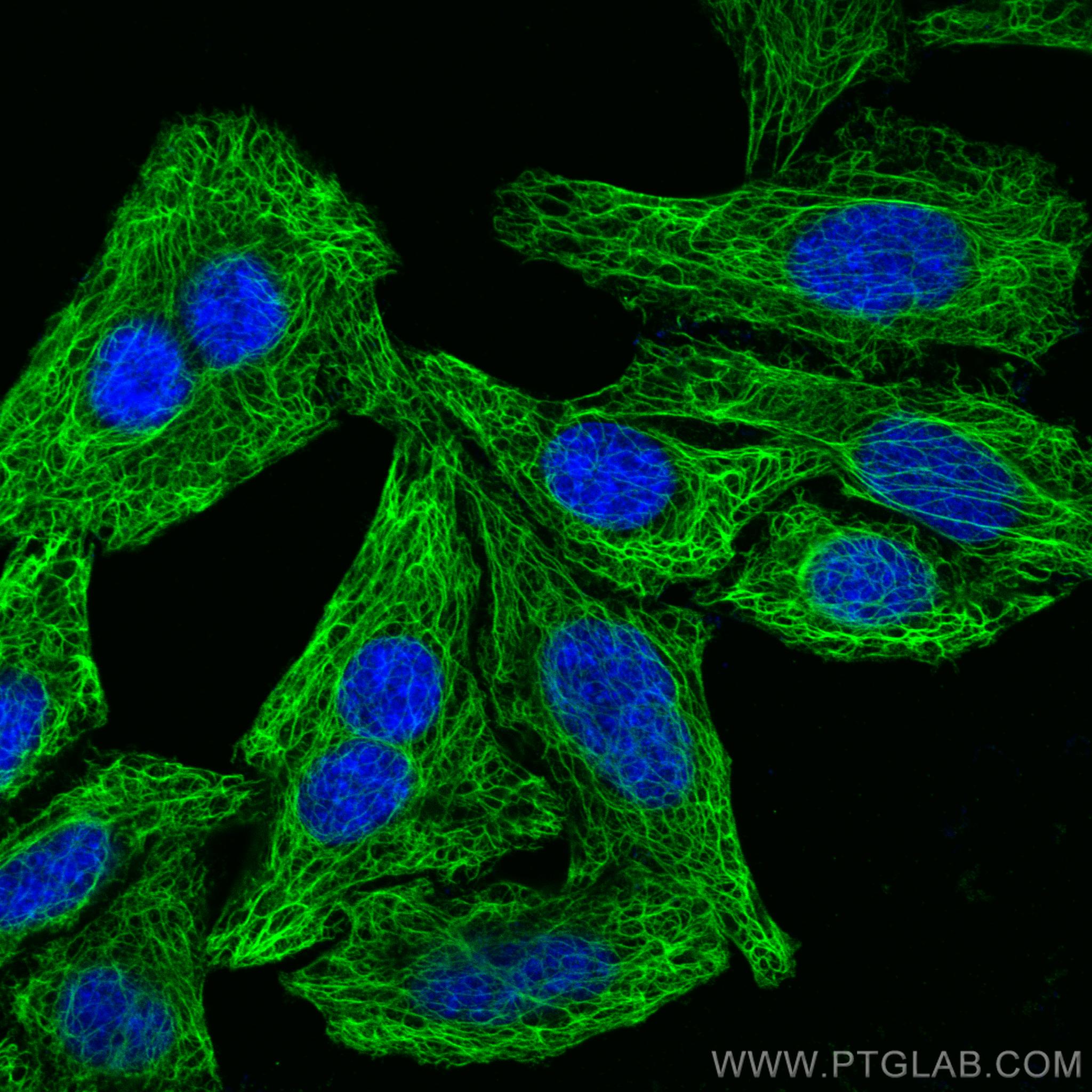
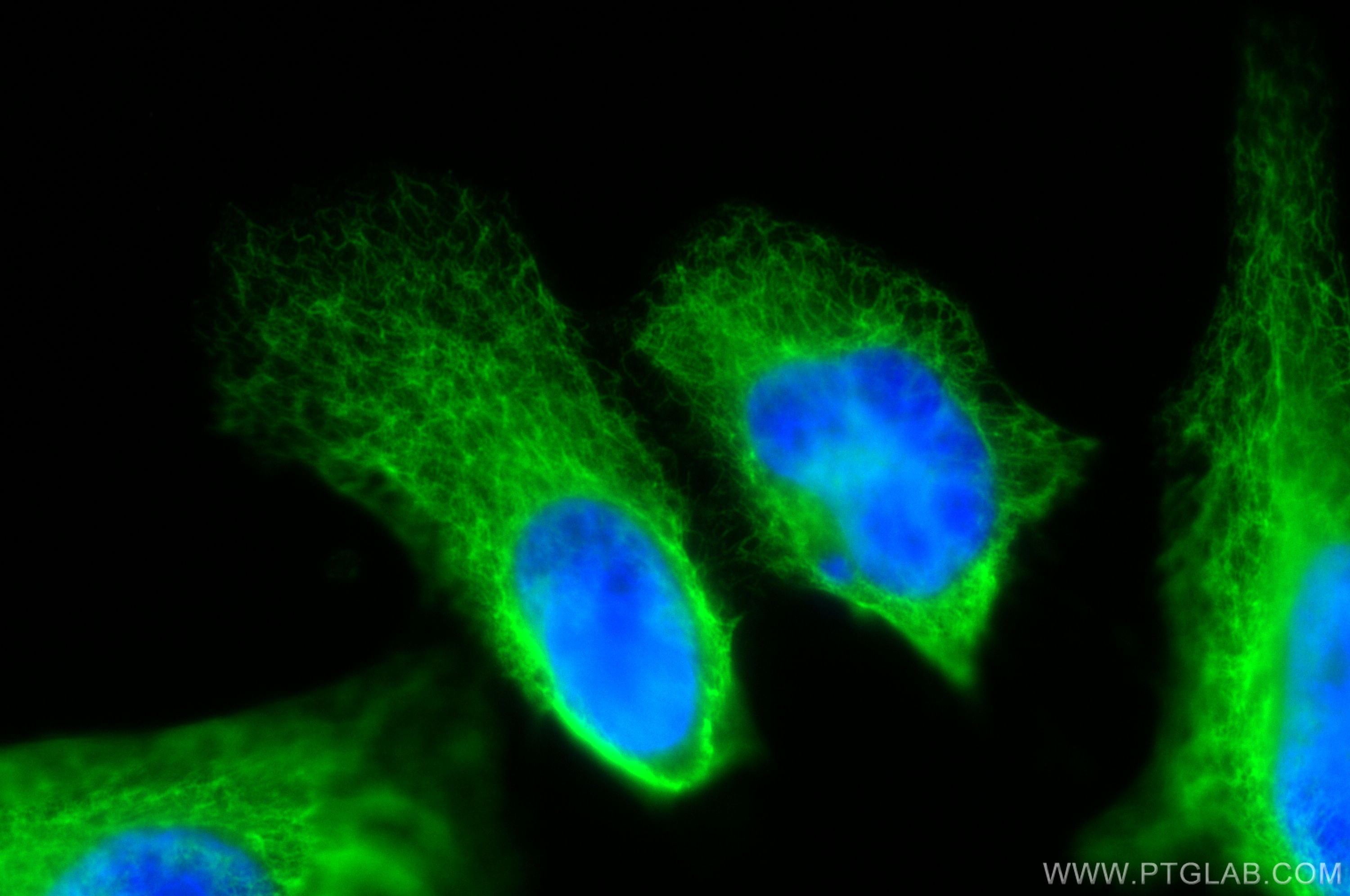
| Positive IF/ICC detected in | HeLa cells, HepG2 cells |
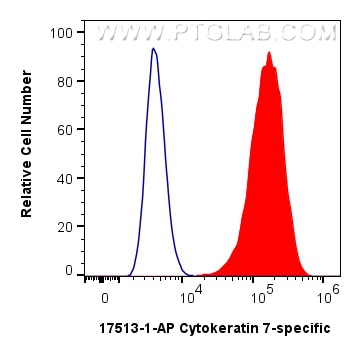
| Positive FC (Intra) detected in | HeLa cells |
Recommended dilution
| Application | Dilution |
|---|---|
| Western Blot (WB) | WB : 1:10000-1:50000 |
| Immunoprecipitation (IP) | IP : 0.5-4.0 ug for 1.0-3.0 mg of total protein lysate |
| Immunohistochemistry (IHC) | IHC : 1:1000-1:4000 |
| Immunofluorescence (IF)-P | IF-P : 1:200-1:800 |
| Immunofluorescence (IF)/ICC | IF/ICC : 1:50-1:500 |
| Flow Cytometry (FC) (INTRA) | FC (INTRA) : 0.25 ug per 10^6 cells in a 100 µl suspension |
| It is recommended that this reagent should be titrated in each testing system to obtain optimal results. | |
| Sample-dependent, Check data in validation data gallery. | |
Product Information
17513-1-AP targets Cytokeratin 7-specific in WB, IHC, IF/ICC, IF-P, FC (Intra), IP, ELISA applications and shows reactivity with human, mouse, rat samples.
| Tested Reactivity | human, mouse, rat |
| Cited Reactivity | human, mouse, rat, bovine |
| Host / Isotype | Rabbit / IgG |
| Class | Polyclonal |
| Type | Antibody |
| Immunogen |
Peptide Predict reactive species |
| Full Name | keratin 7 |
| Calculated Molecular Weight | 51 kDa |
| Observed Molecular Weight | 51 kDa |
| GenBank Accession Number | NM_005556 |
| Gene Symbol | Cytokeratin 7 |
| Gene ID (NCBI) | 3855 |
| RRID | AB_2134468 |
| Conjugate | Unconjugated |
| Form | Liquid |
| Purification Method | Antigen affinity purification |
| UNIPROT ID | P08729 |
| Storage Buffer | PBS with 0.02% sodium azide and 50% glycerol, pH 7.3. |
| Storage Conditions | Store at -20°C. Stable for one year after shipment. Aliquoting is unnecessary for -20oC storage. 20ul sizes contain 0.1% BSA. |
Background Information
Keratins are a large family of proteins that form the intermediate filament cytoskeleton of epithelial cells, which are classified into two major sequence types. Type I keratins are a group of acidic intermediate filament proteins, including K9-K23, and the hair keratins Ha1-Ha8. Type II keratins are the basic or neutral courterparts to the acidic type I keratins, including K1-K8, and the hair keratins, Hb1-Hb6. KRT7 is a type II keratin. It is specifically expressed in the simple epithelia lining the cavities of the internal organs and in the gland ducts and blood vessels. This antibody is specifically against KRT7.
Protocols
| Product Specific Protocols | |
|---|---|
| IHC protocol for Cytokeratin 7-specific antibody 17513-1-AP | Download protocol |
| IP protocol for Cytokeratin 7-specific antibody 17513-1-AP | Download protocol |
| WB protocol for Cytokeratin 7-specific antibody 17513-1-AP | Download protocol |
| FC protocol for Cytokeratin 7-specific antibody 17513-1-AP | Download protocol |
| IF protocol for Cytokeratin 7-specific antibody 17513-1-AP | Download protocol |
| Standard Protocols | |
|---|---|
| Click here to view our Standard Protocols |
Publications
What published studies show
| Species | Application | Title |
|---|---|---|
Signal Transduct Target Ther Protein C receptor maintains cancer stem cell properties via activating lipid synthesis in nasopharyngeal carcinoma. | ||
J Hematol Oncol Novel roles of DC-SIGNR in colon cancer cell adhesion, migration, invasion, and liver metastasis. | ||
Mol Cancer DC - SIGNR by influencing the lncRNA HNRNPKP2 upregulates the expression of CXCR4 in gastric cancer liver metastasis. | ||
Cell Res Genomic and transcriptomic dynamics in the stepwise progression of lung adenocarcinoma. | ||
Bioact Mater Biomimetic hydrogels with mesoscale collagen architecture for patient-derived tumor organoids culture | ||
Bioact Mater Probiotic-inspired hybrid nanovesicles for enhancing immune checkpoint therapy efficiency via tumor immune microenvironment modulation. |
































