

Tested Applications
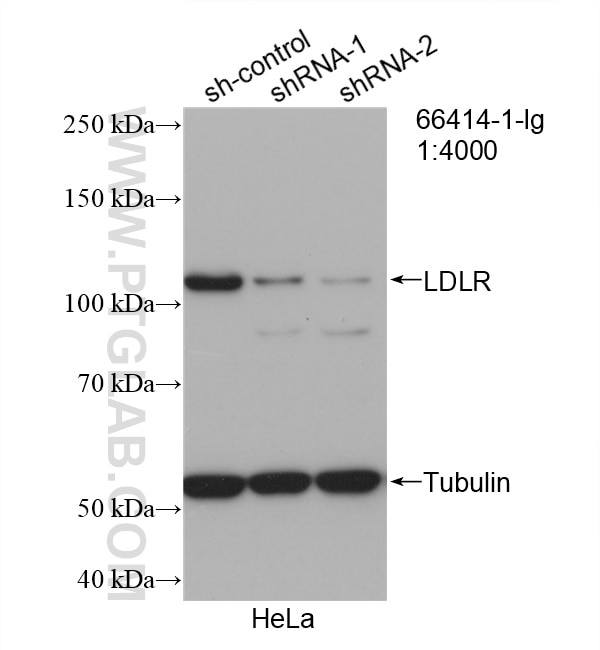
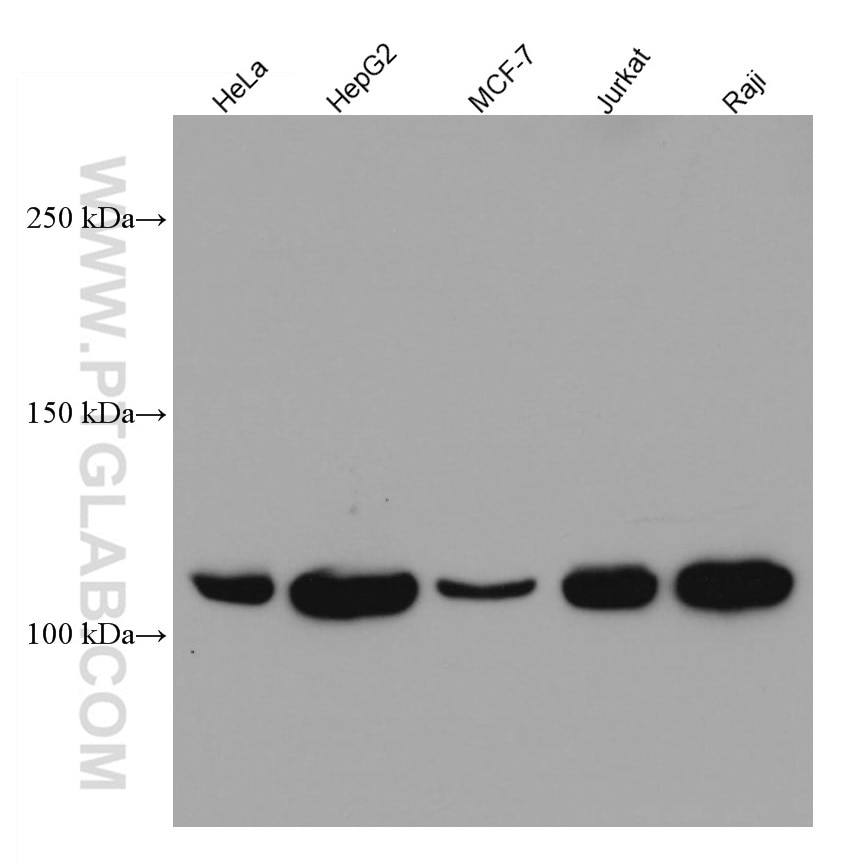
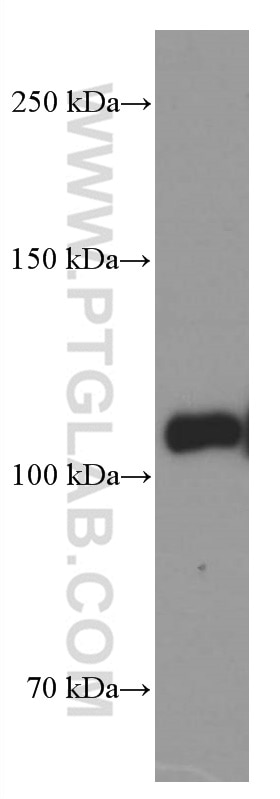
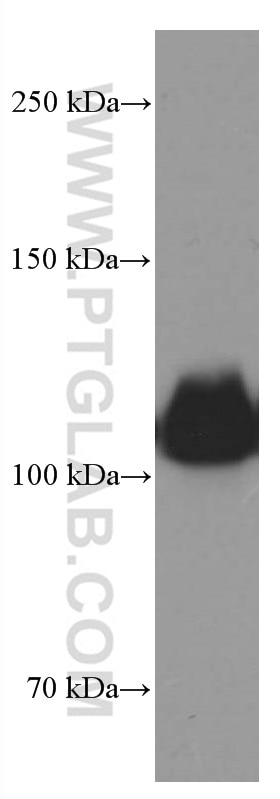
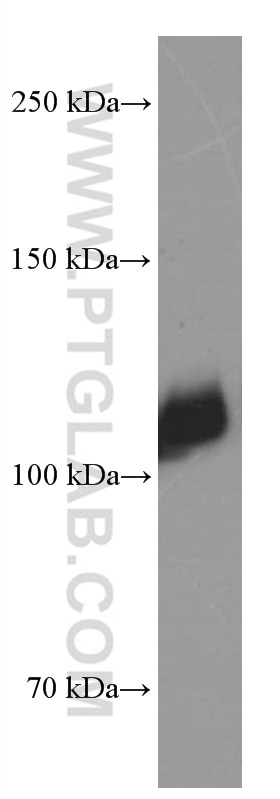
| Positive WB detected in | HeLa cells, HEK-293 cells, Jurkat cells, HepG2 cells, MCF-7 cells, Raji cells |
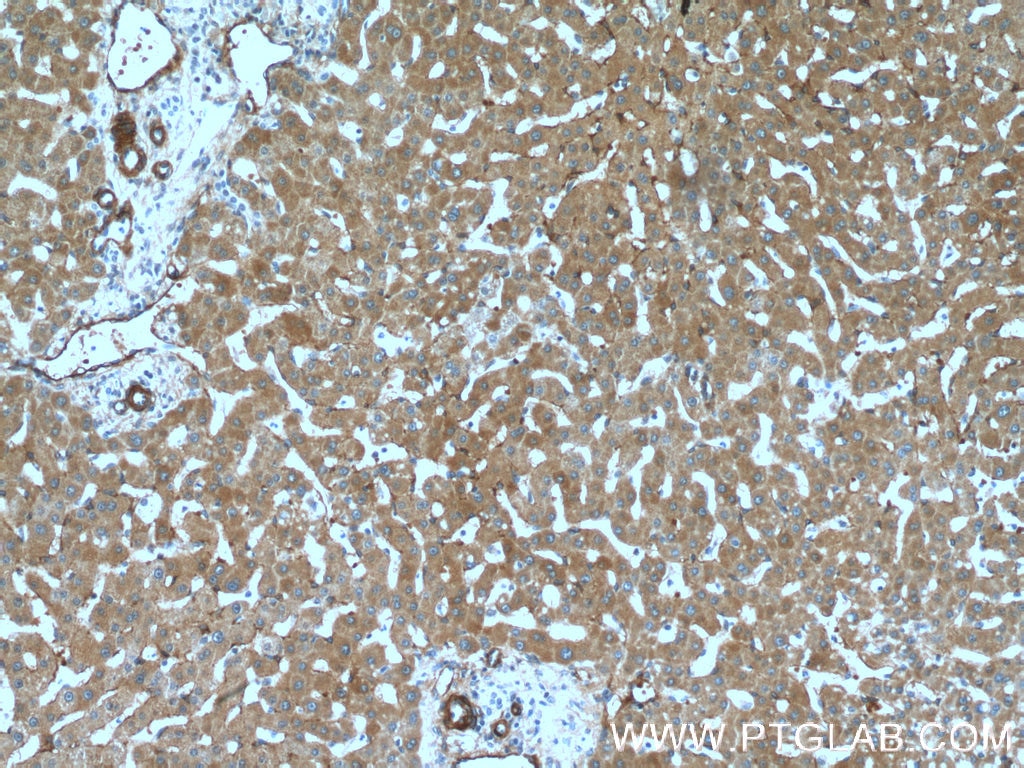
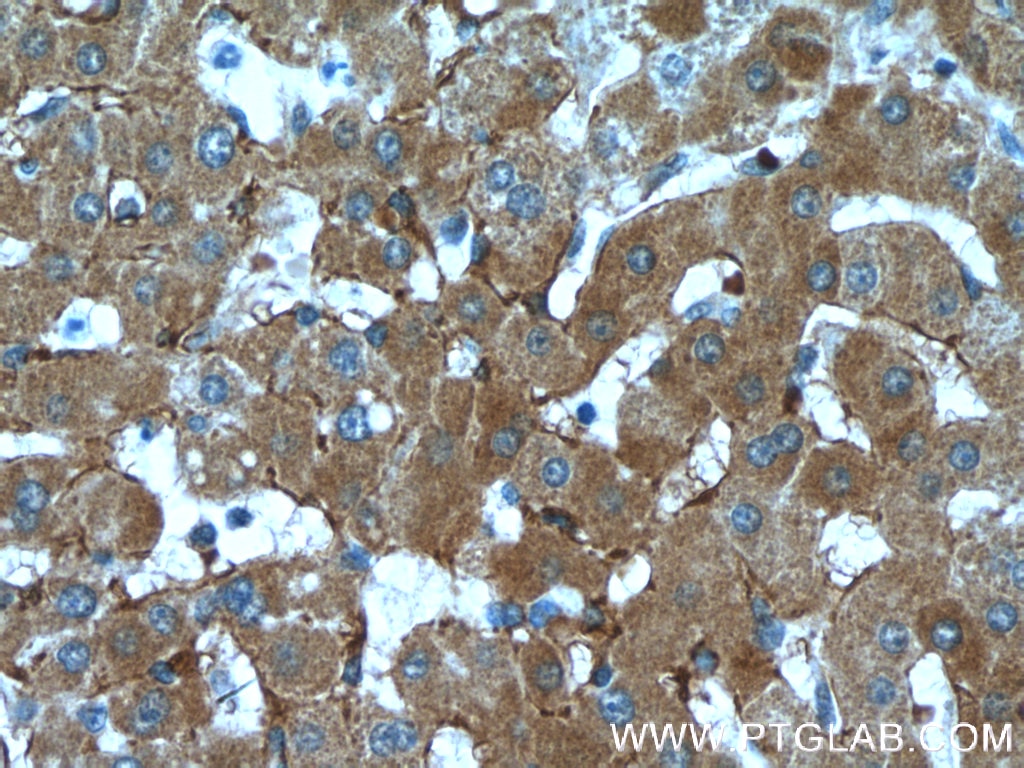
| Positive IHC detected in | human liver tissue Note: suggested antigen retrieval with TE buffer pH 9.0; (*) Alternatively, antigen retrieval may be performed with citrate buffer pH 6.0 |
Recommended dilution
| Application | Dilution |
|---|---|
| Western Blot (WB) | WB : 1:5000-1:15000 |
| Immunohistochemistry (IHC) | IHC : 1:50-1:500 |
| It is recommended that this reagent should be titrated in each testing system to obtain optimal results. | |
| Sample-dependent, Check data in validation data gallery. | |
Product Information
66414-1-Ig targets LDLR in WB, IHC, IF, ELISA applications and shows reactivity with human samples.
| Tested Reactivity | human |
| Cited Reactivity | human, hamster |
| Host / Isotype | Mouse / IgG1 |
| Class | Monoclonal |
| Type | Antibody |
| Immunogen |
CatNo: Ag1236 Product name: Recombinant human LDLR protein Source: e coli.-derived, PGEX-4T Tag: GST Domain: 1-350 aa of BC014514 Sequence: MGPWGWKLRWTVALLLAAAGTAVGDRCERNEFQCQDGKCISYKWVCDGSAECQDGSDESQETCLSVTCKSGDFSCGGRVNRCIPQFWRCDGQVDCDNGSDEQGCPPKTCSQDEFRCHDGKCISRQFVCDSDRDCLDGSDEASCPVLTCGPASFQCNSSTCIPQLWACDNDPDCEDGSDEWPQRCRGLYVFQGDSSPCSAFEFHCLSGECIHSSWRCDGGPDCKDKSDEENCAVATCRPDEFQCSDGNCIHGSRQCDREYDCKDMSDEVGCVNVTLCEGPNKFKCHSGECITLDKVCNMARDCRDWSDEPIKECGTNECLDNNGGCSHVCNDLKIGYECLCPDGFQLVAQR Predict reactive species |
| Full Name | low density lipoprotein receptor |
| Calculated Molecular Weight | 95 kDa |
| Observed Molecular Weight | 100-160 kDa |
| GenBank Accession Number | BC014514 |
| Gene Symbol | LDLR |
| Gene ID (NCBI) | 3949 |
| ENSEMBL Gene ID | ENSG00000130164 |
| RRID | AB_2881786 |
| Conjugate | Unconjugated |
| Form | Liquid |
| Purification Method | Protein G purification |
| UNIPROT ID | P01130 |
| Storage Buffer | PBS with 0.02% sodium azide and 50% glycerol, pH 7.3. |
| Storage Conditions | Store at -20°C. Stable for one year after shipment. Aliquoting is unnecessary for -20oC storage. 20ul sizes contain 0.1% BSA. |
Background Information
LDLR (low density lipoprotein receptor) is a member of the LDL receptor gene family and is involved in receptor-mediated endocytosis of specific ligands. The LDLR is a cell surface glycoprotein that scavenges LDL from the blood and regulates plasma LDL cholesterol. The cytoplasmic domain of the LDL receptor is necessary for the receptor to cluster in coated pits, which promotes the rapid endocytosis of bound LDL. The protein is highly glycosylated through N- and O-linkages and thus migrates at 100 to 160 kDa bands on SDS-PAGE.
Protocols
| Product Specific Protocols | |
|---|---|
| IHC protocol for LDLR antibody 66414-1-Ig | Download protocol |
| WB protocol for LDLR antibody 66414-1-Ig | Download protocol |
| Standard Protocols | |
|---|---|
| Click here to view our Standard Protocols |
Publications
What published studies show
The LDLR Monoclonal antibody (1A2A3), catalog number 66414-1-Ig, has 19 citations. These appear in journals including Nature Nanotechnology, Nature Protocols, Nature Communications, Research, Acta Pharmacologica Sinica, International Journal of Molecular Medicine, JCI Insight, Journal of Agricultural and Food Chemistry, European Journal of Medicinal Chemistry, Biochemical Pharmacology, FASEB Journal, and others. Research fields span lipid/cholesterol metabolism, cardiovascular disease, cancer, diabetes, viral infection, and gene delivery.
| Species | Application | Title |
|---|---|---|
Nat Nanotechnol Nanoparticles for inducing Gaucher disease-like damage in cancer cells
| ||
Nat Protoc Receptor discovery for nanomaterial soft and hard coronas via a biosensor-based Fishing strategy. | ||
Nat Commun Accurate profiling of single-cell alternative transcript start sites by correcting RNA degradation. | ||
Research (Wash D C) Targeting ApoE-KCC2 Signaling Rescues GABAergic Synaptic Dysfunction and Depression-like Behaviors in Mice | ||
Acta Pharmacol Sin AMPK activator C24 inhibits hepatic lipogenesis and ameliorates dyslipidemia in HFHC diet-induced animal models. |








