

Tested Applications
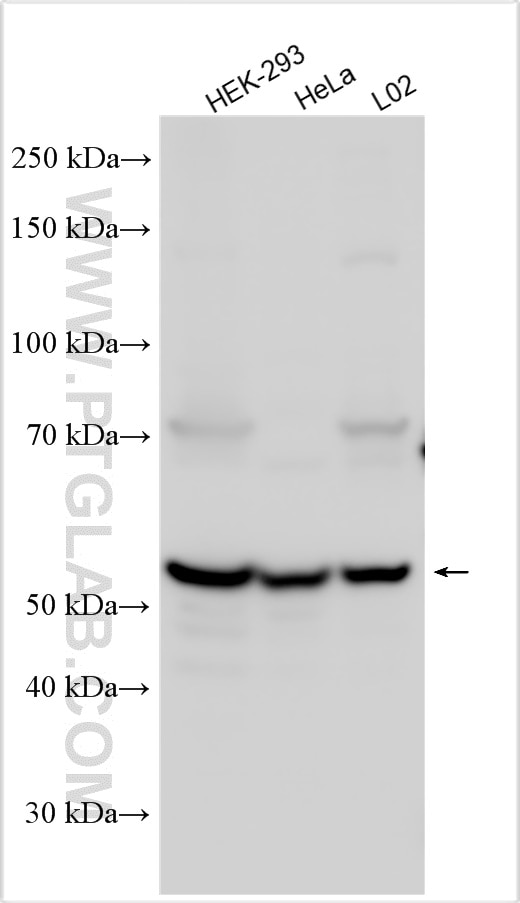
| Positive WB detected in | HEK-293 cells, HeLa cells, L02 cells |
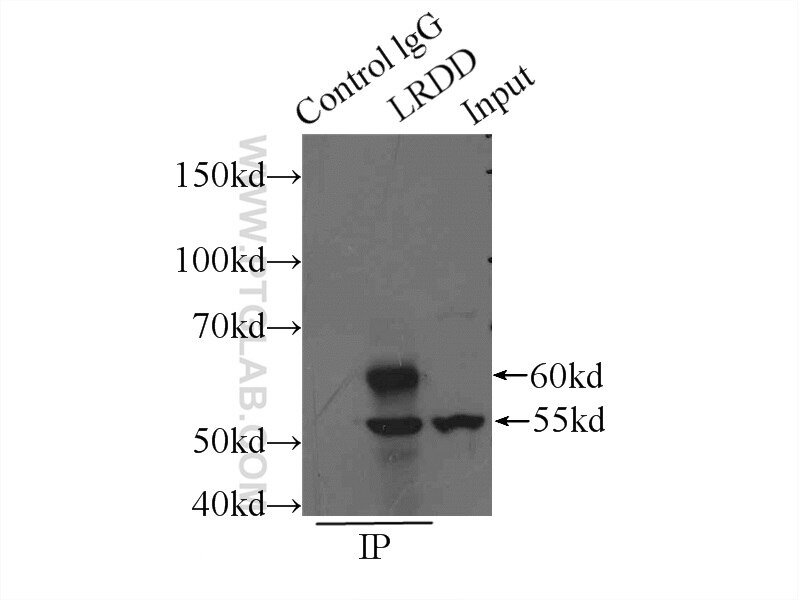
| Positive IP detected in | L02 cells |
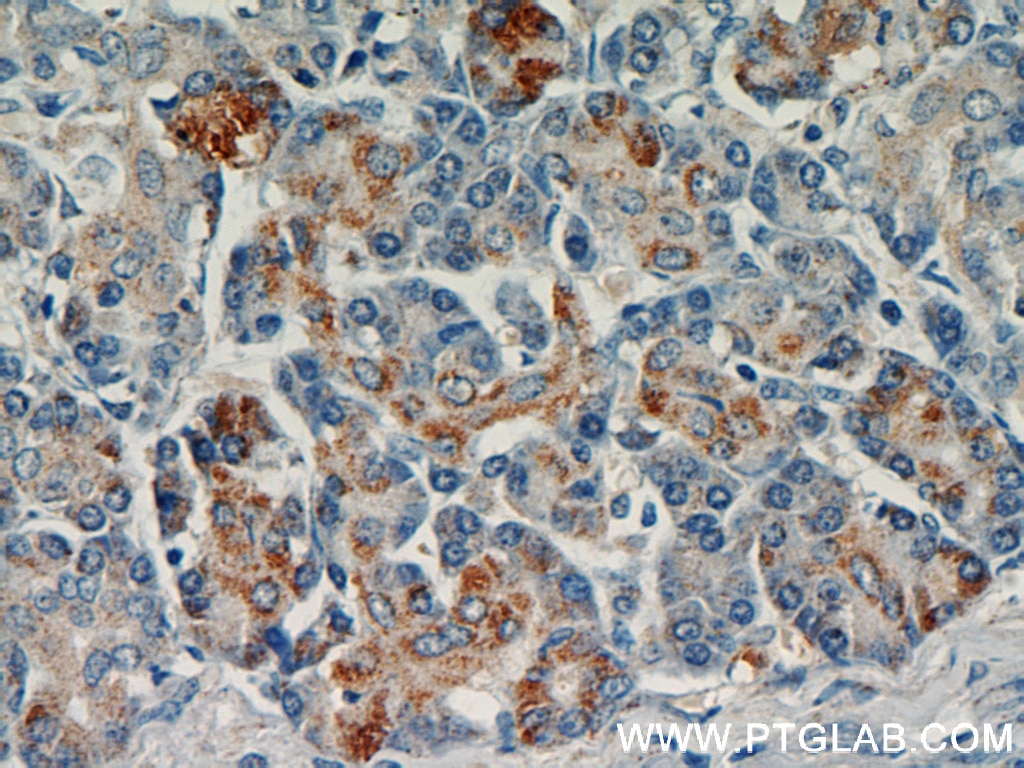
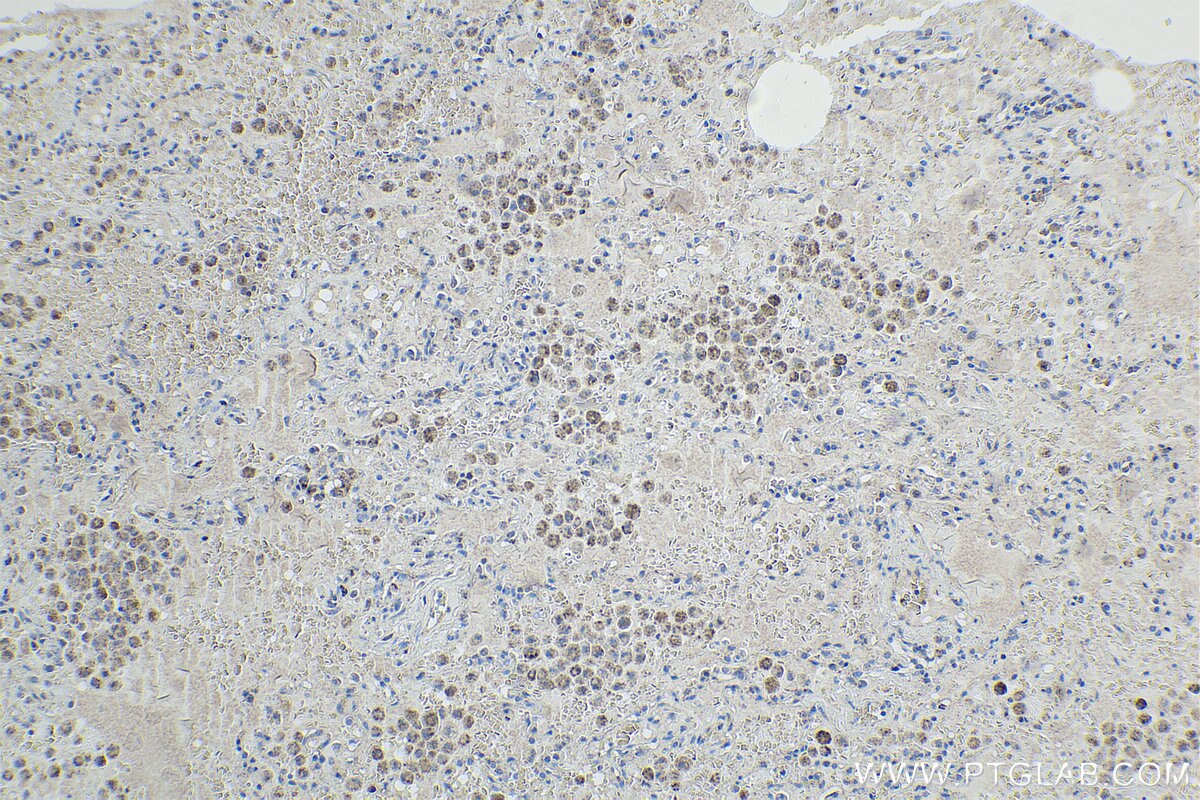
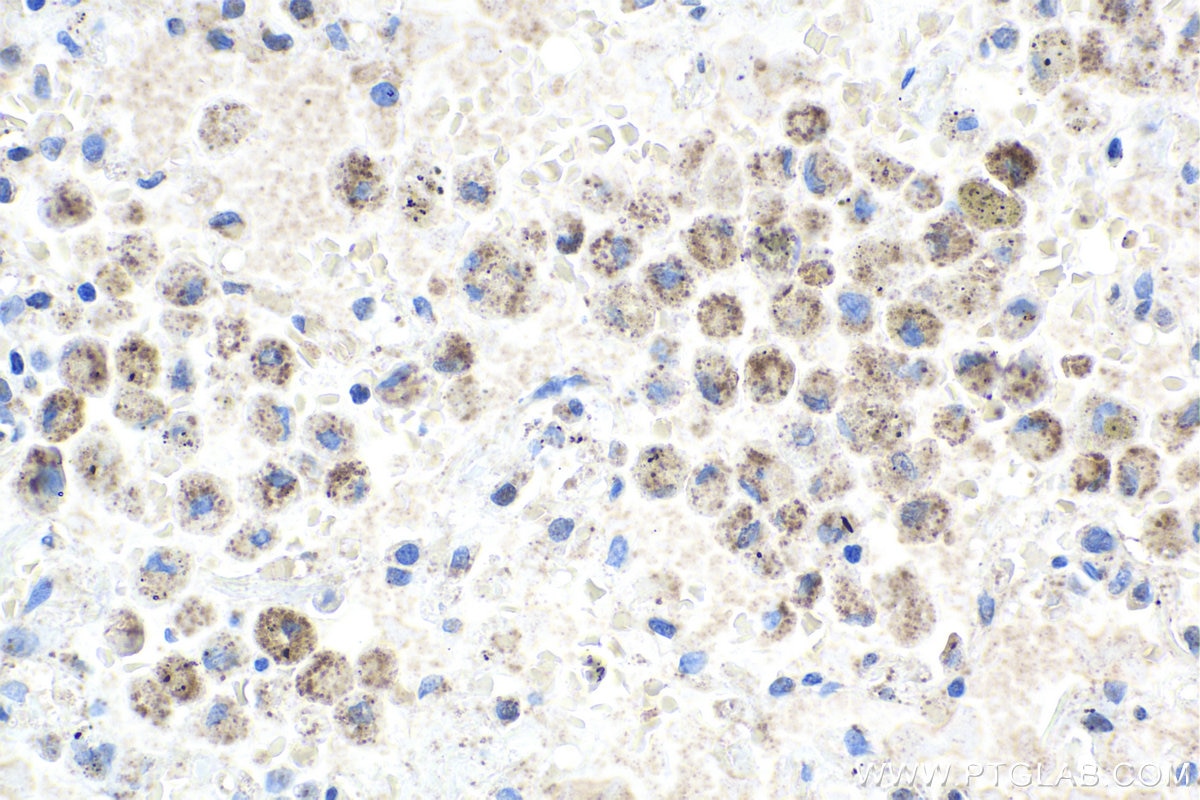
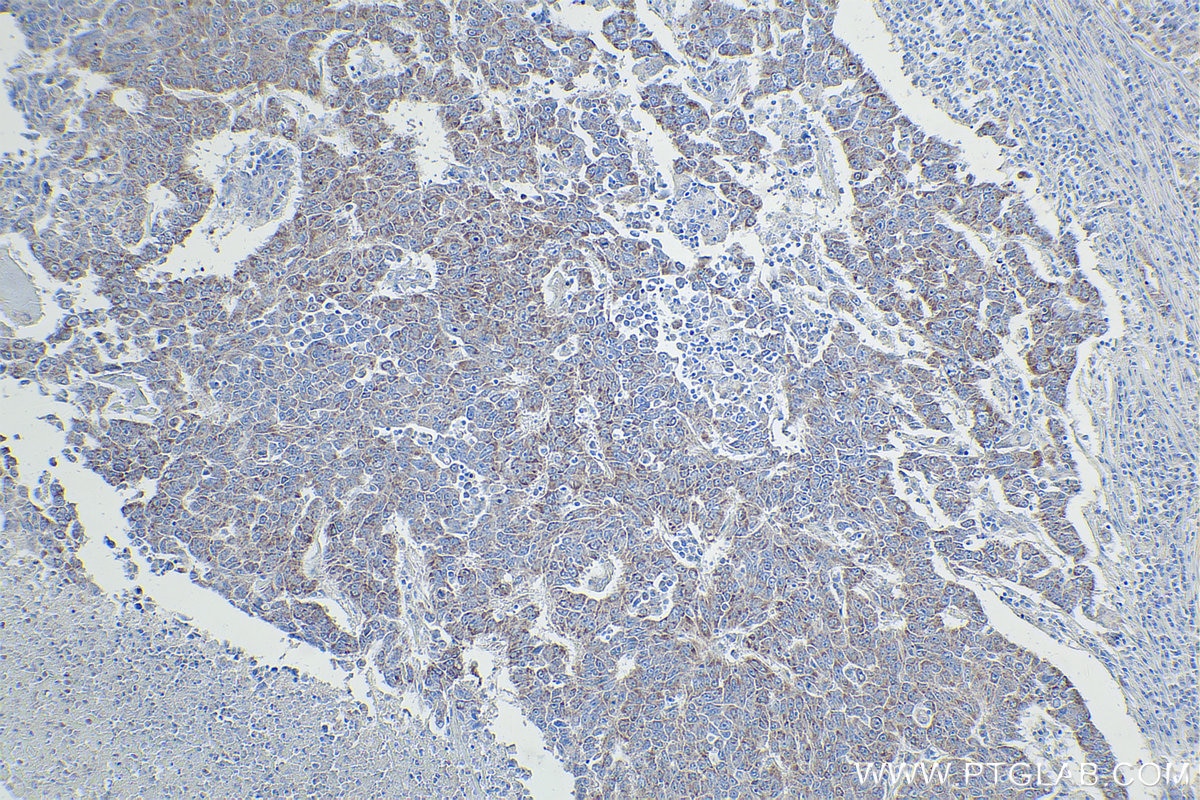
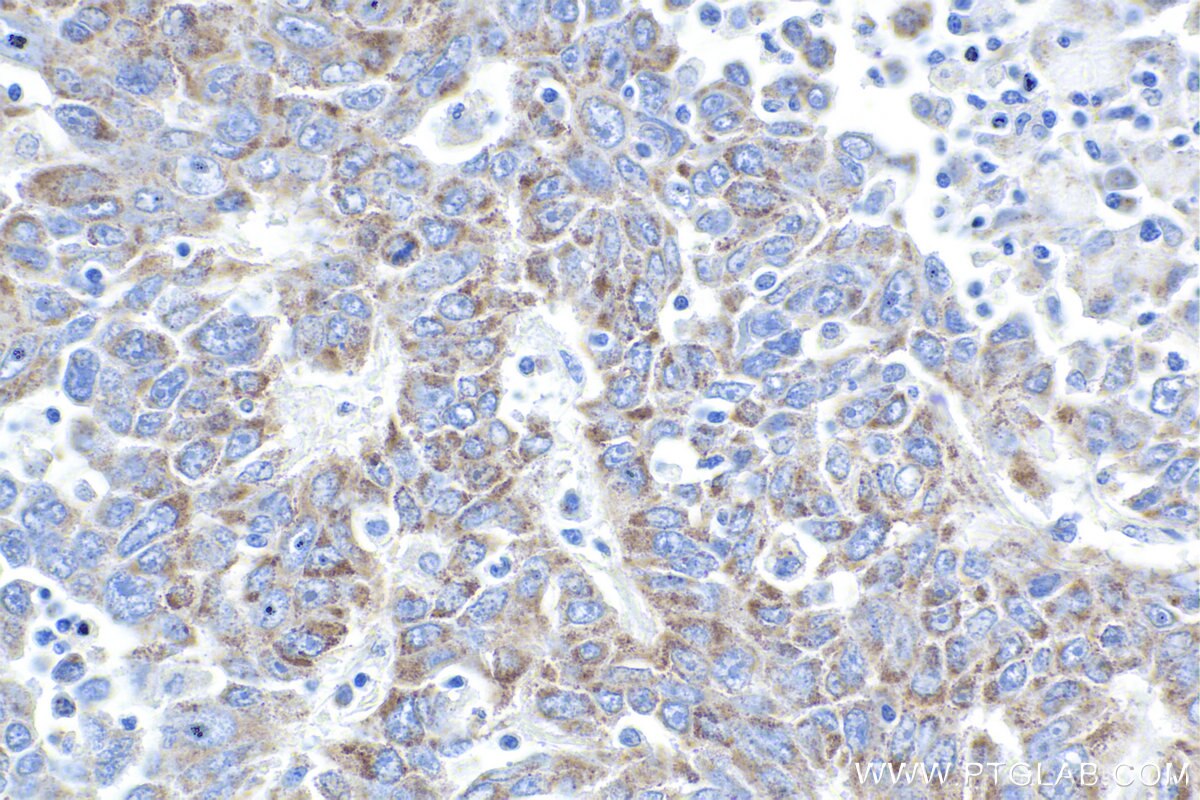
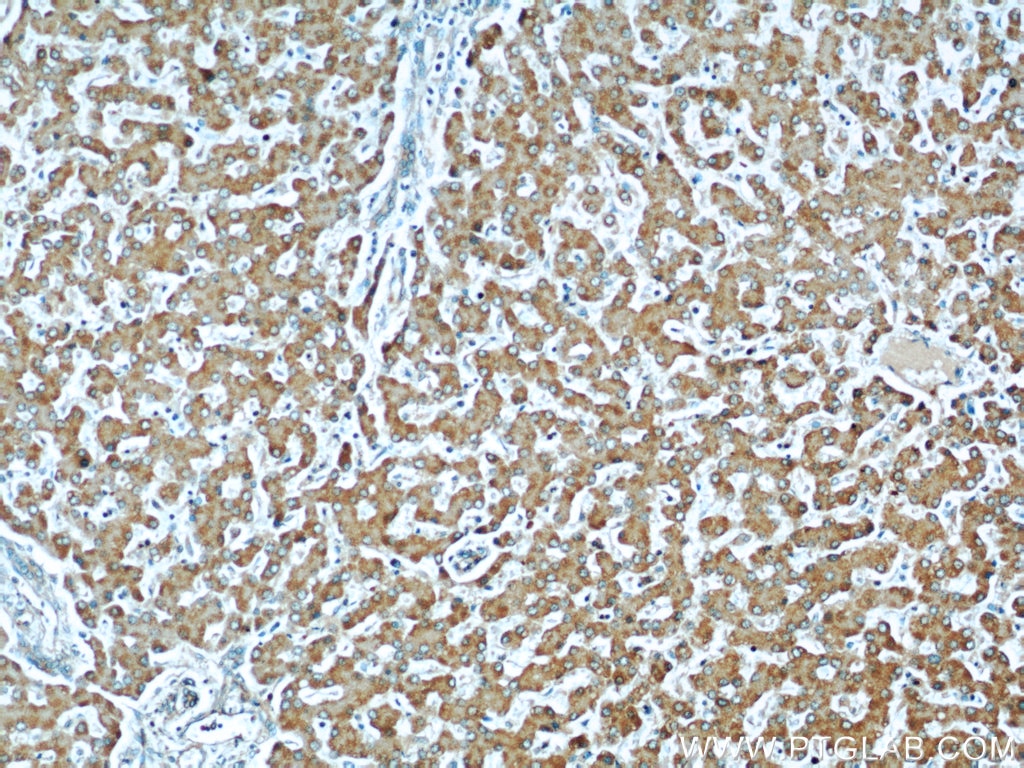
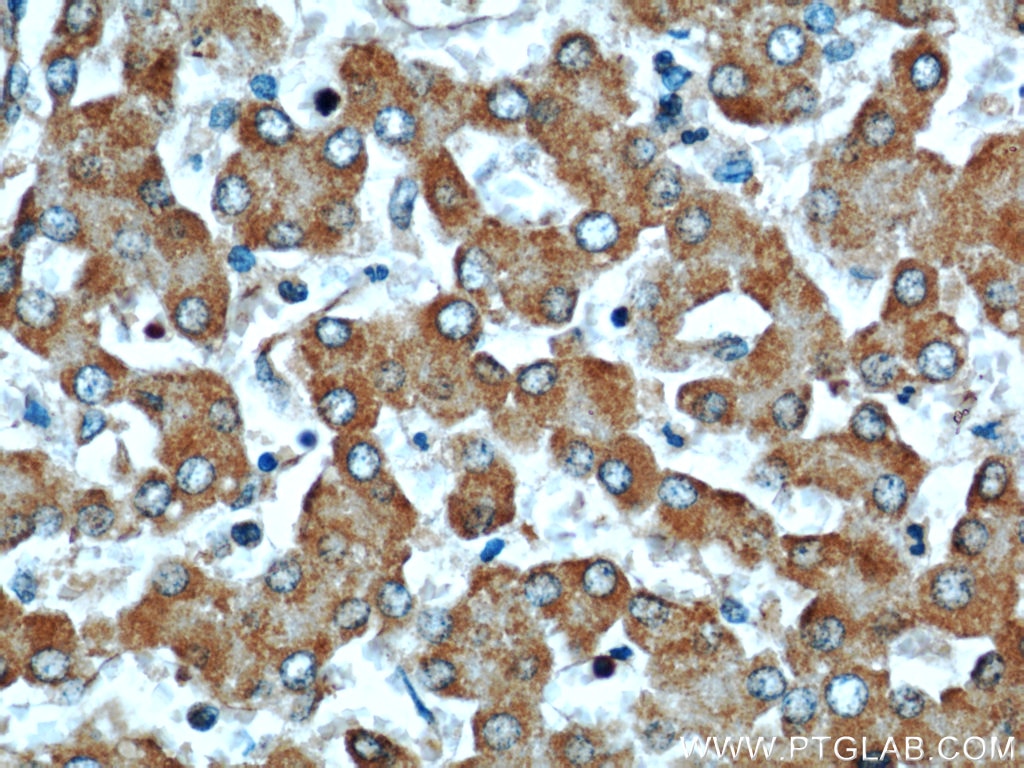
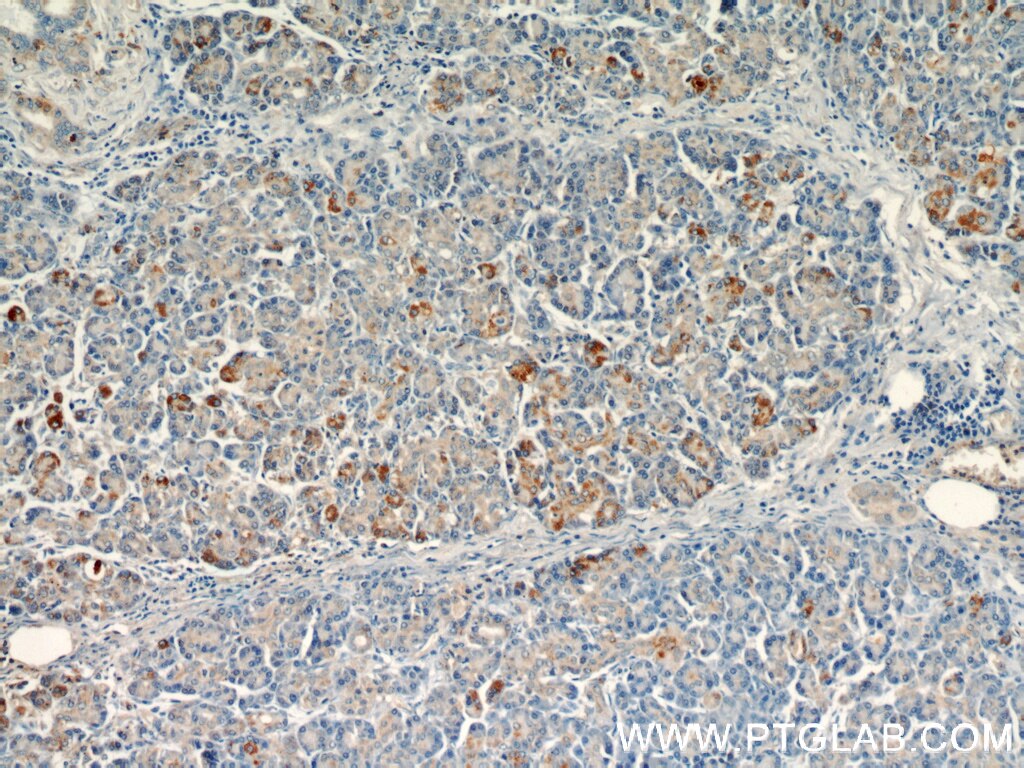
| Positive IHC detected in | human lung tissue, human pancreas tissue, human liver tissue, human lung cancer tissue Note: suggested antigen retrieval with TE buffer pH 9.0; (*) Alternatively, antigen retrieval may be performed with citrate buffer pH 6.0 |
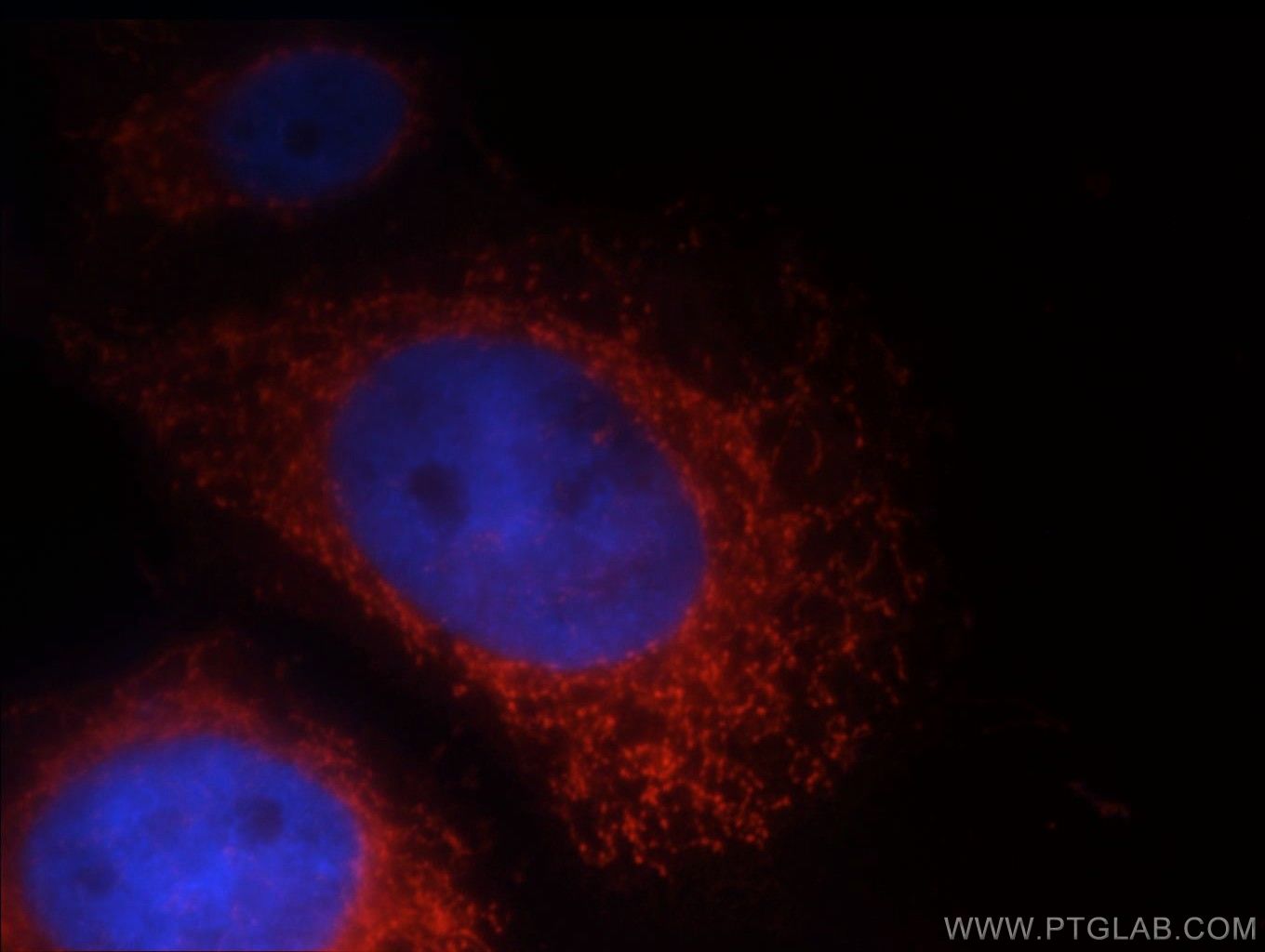
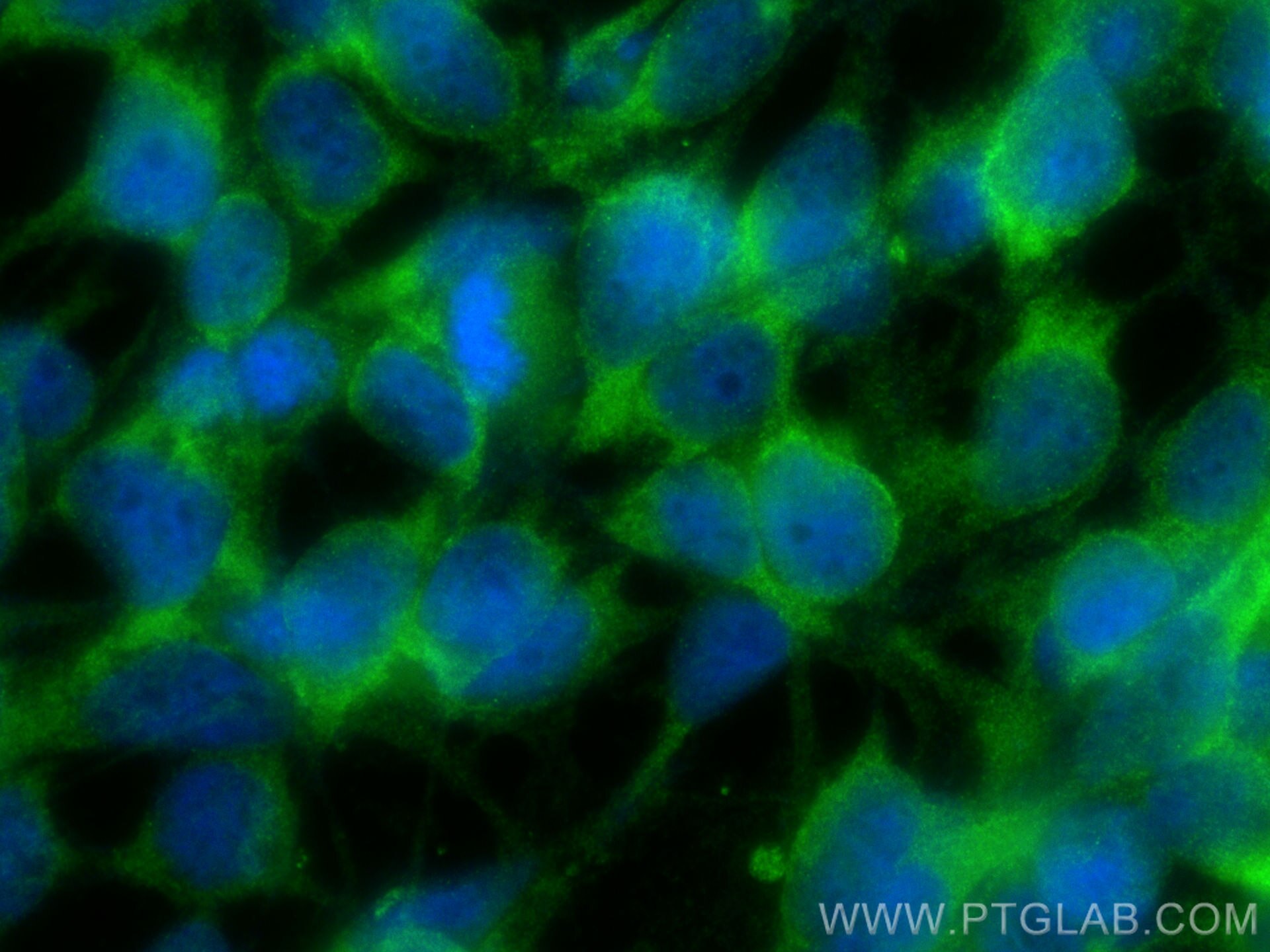
| Positive IF/ICC detected in | HEK-293 cells, HeLa cells |
Recommended dilution
| Application | Dilution |
|---|---|
| Western Blot (WB) | WB : 1:500-1:1000 |
| Immunoprecipitation (IP) | IP : 0.5-4.0 ug for 1.0-3.0 mg of total protein lysate |
| Immunohistochemistry (IHC) | IHC : 1:250-1:1000 |
| Immunofluorescence (IF)/ICC | IF/ICC : 1:200-1:800 |
| It is recommended that this reagent should be titrated in each testing system to obtain optimal results. | |
| Sample-dependent, Check data in validation data gallery. | |
Product Information
12119-1-AP targets LRDD in WB, IHC, IF/ICC, IP, ELISA applications and shows reactivity with human, mouse, rat samples.
| Tested Reactivity | human, mouse, rat |
| Cited Reactivity | mouse |
| Host / Isotype | Rabbit / IgG |
| Class | Polyclonal |
| Type | Antibody |
| Immunogen |
CatNo: Ag2761 Product name: Recombinant human LRDD protein Source: e coli.-derived, PET28a Tag: 6*His Domain: 1-350 aa of BC014904 Sequence: MAATVEGPELEAAAAAGDASEDSDAGSRALPFLGGNRLSLDLYPGGCQQLLHLCVQQPLQLLQVEFLRLSTHEDPQLLEATLAQLPQSLSCLRSLVLKGGQRRDTLGACLRGALTNLPAGLSGLAHLAHLDLSFNSLETLPACVLQMRGLGALLLSHNCLSELPEALGALPALTFLTVTHNRLQTLPPALGALSTLQRLDLSQNLLDTLPPEIGGLGSLLELNLASNRLQSLPASLAGLRSLRLLVLHSNLLASVPADLARLPLLTRLDLRDNQLRDLPPELLDAPFVRLQGNPLGEASPDAPSSPVAALIPEMPRLFLTSDLDSFPVTPRGCSVTLACGVRLQFPAGAT Predict reactive species |
| Full Name | leucine-rich repeats and death domain containing |
| Calculated Molecular Weight | 893 aa, 98 kDa |
| Observed Molecular Weight | 55 kDa |
| GenBank Accession Number | BC014904 |
| Gene Symbol | LRDD |
| Gene ID (NCBI) | 55367 |
| RRID | AB_10694424 |
| Conjugate | Unconjugated |
| Form | Liquid |
| Purification Method | Antigen affinity purification |
| UNIPROT ID | Q9HB75 |
| Storage Buffer | PBS with 0.02% sodium azide and 50% glycerol, pH 7.3. |
| Storage Conditions | Store at -20°C. Stable for one year after shipment. Aliquoting is unnecessary for -20oC storage. 20ul sizes contain 0.1% BSA. |
Background Information
P53-induced protein with a death domain (PIDD/LRDD) is a component of the PIDDosome. PIDD contains 910 residues with 7 leucine rich repeats (LRRs), 2 ZU-5 domains and a C-terminal death domain (DD). PIDD can be cleaved into shorter fragments generating a PIDD-N fragment of 48 kD (residues 1-446), a PIDD-C fragment of 51 kD (residues 447-910) and a PIDD-CC fragment of 37 kD (residues 589-910). Auto-cleavage of PIDD determines the downstream signaling events. The PIDD-C fragment mediates activation of NFκB via the recruitment of RIP1 and NEMO, while PIDD-CC causes caspase-2 activation, which leads to apoptosis.
Protocols
| Product Specific Protocols | |
|---|---|
| IF protocol for LRDD antibody 12119-1-AP | Download protocol |
| IHC protocol for LRDD antibody 12119-1-AP | Download protocol |
| IP protocol for LRDD antibody 12119-1-AP | Download protocol |
| WB protocol for LRDD antibody 12119-1-AP | Download protocol |
| Standard Protocols | |
|---|---|
| Click here to view our Standard Protocols |
Publications
What published studies show
The LRDD (PIDD) polyclonal antibody (Cat# 12119-1-AP) has 2 citations. These appear in Neural Regeneration Research and Experimental Neurology. The cited studies focus on neuroscience research fields: one investigates Neat1's role in reducing neuronal apoptosis following oxygen-glucose deprivation, and the other examines how microglia aggravate white matter injury via the C3/C3aR pathway after experimental subarachnoid hemorrhage. Both citations used the antibody for Western blot in mouse samples.
| Species | Application | Title |
|---|---|---|
Neural Regen Res Neat1 decreases neuronal apoptosis after oxygen and glucose deprivation. | ||
Exp Neurol Microglia aggravate white matter injury via C3/C3aR pathway after experimental subarachnoid hemorrhage |













