


Tested Applications
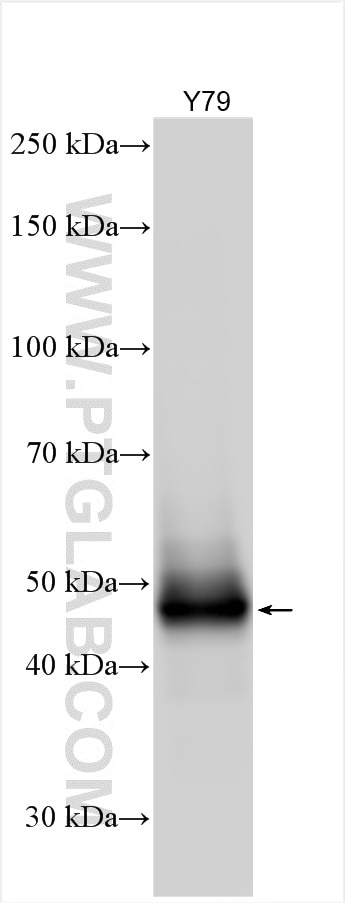
| Positive WB detected in | Y79 cells, mouse pancreas tissue, rat pancreas tissue |
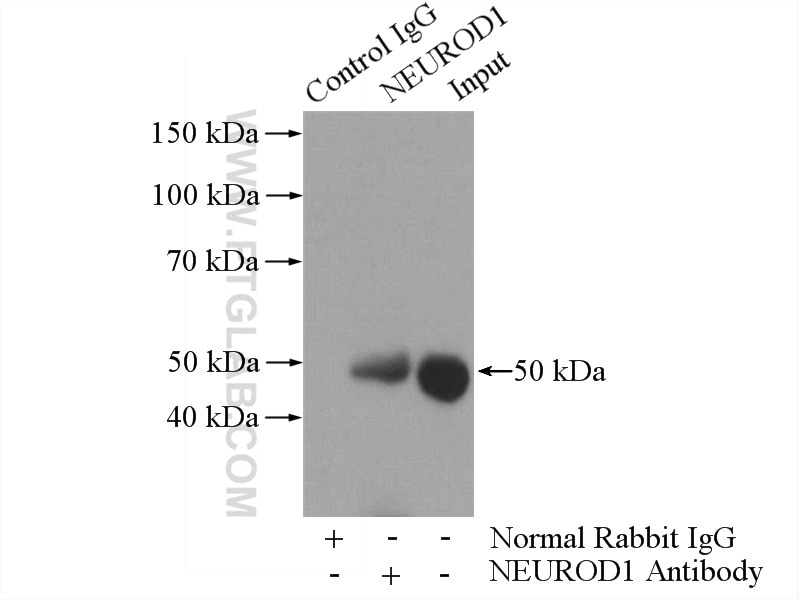
| Positive IP detected in | Y79 cells |
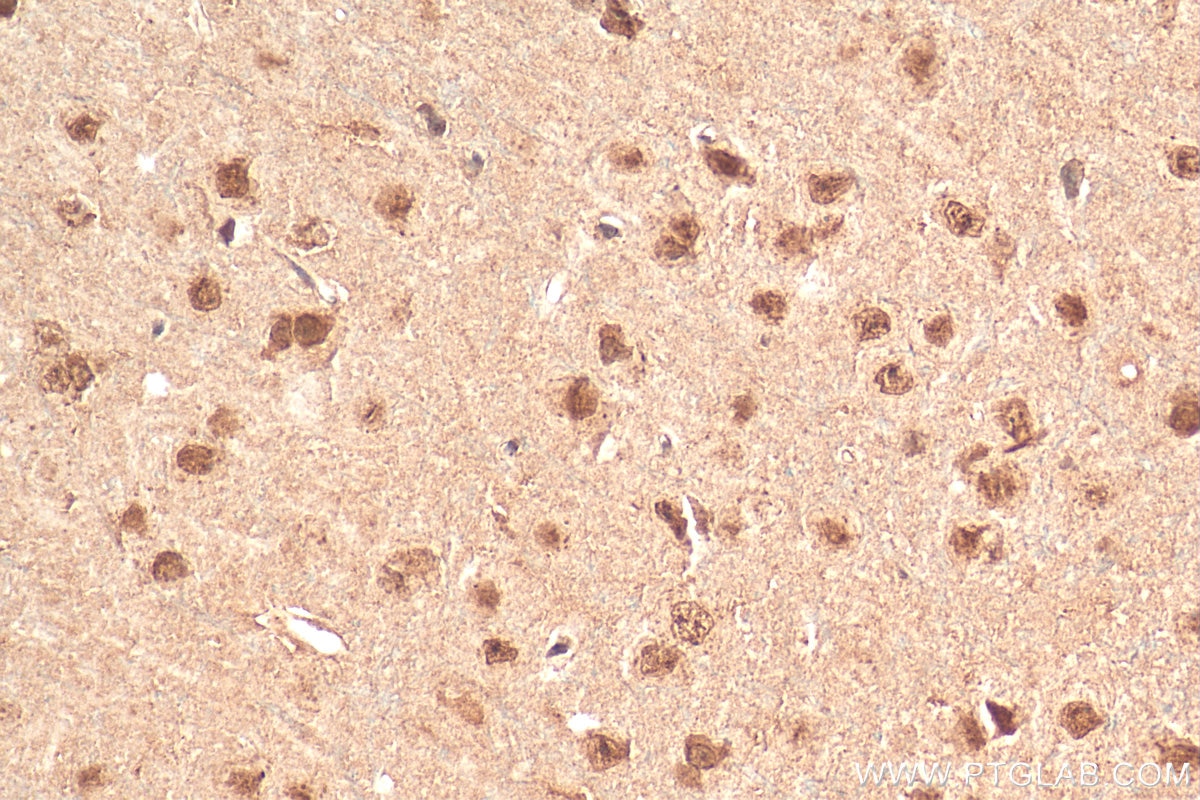
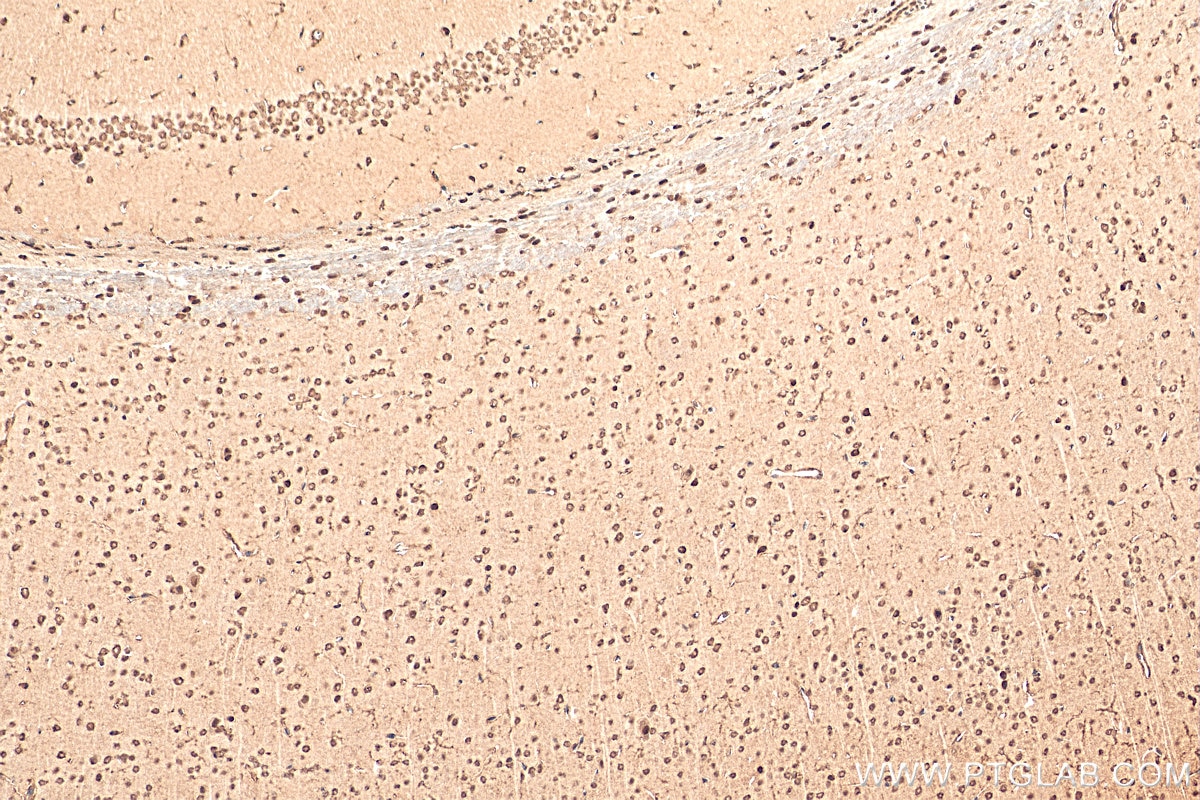
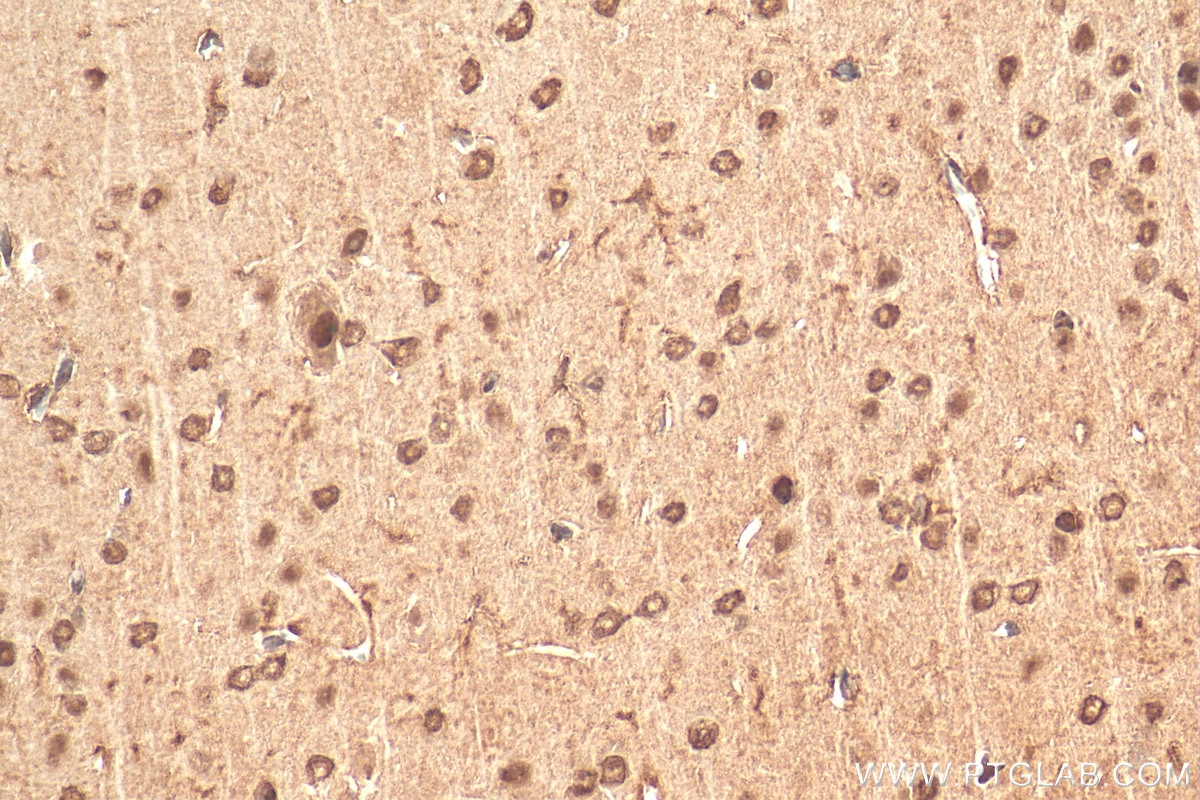
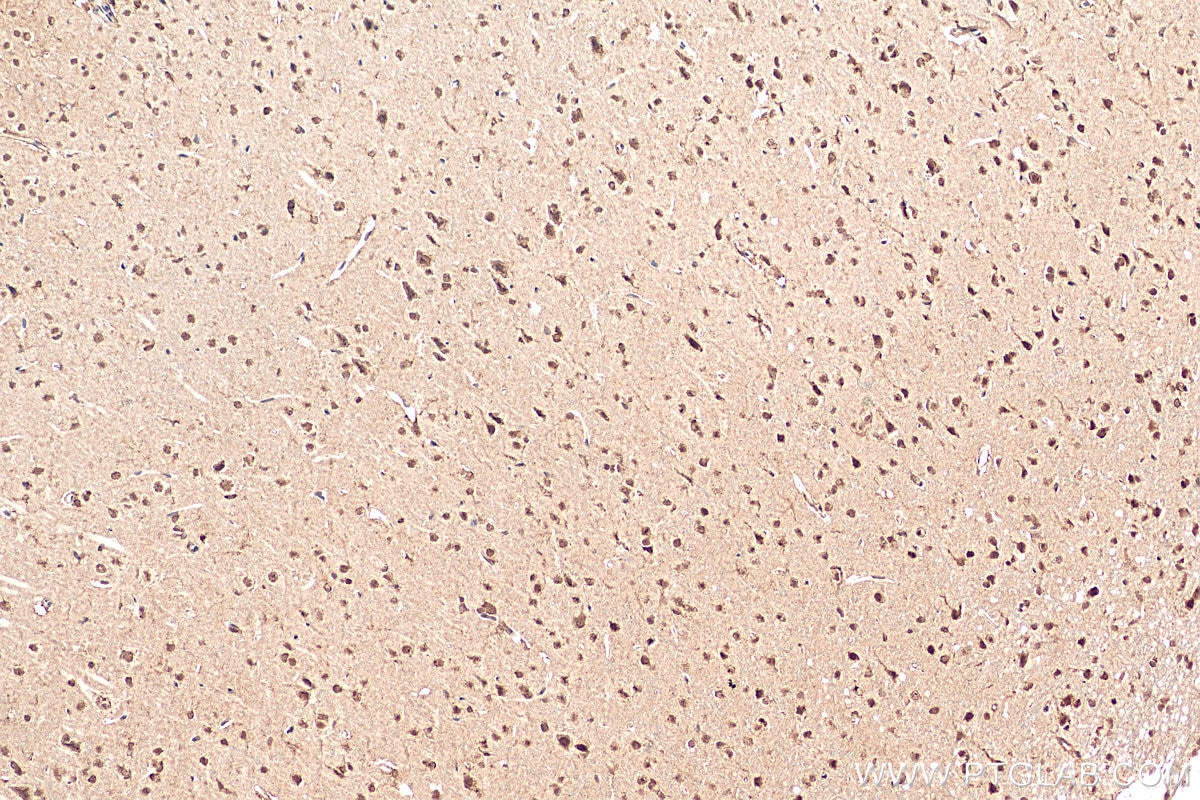
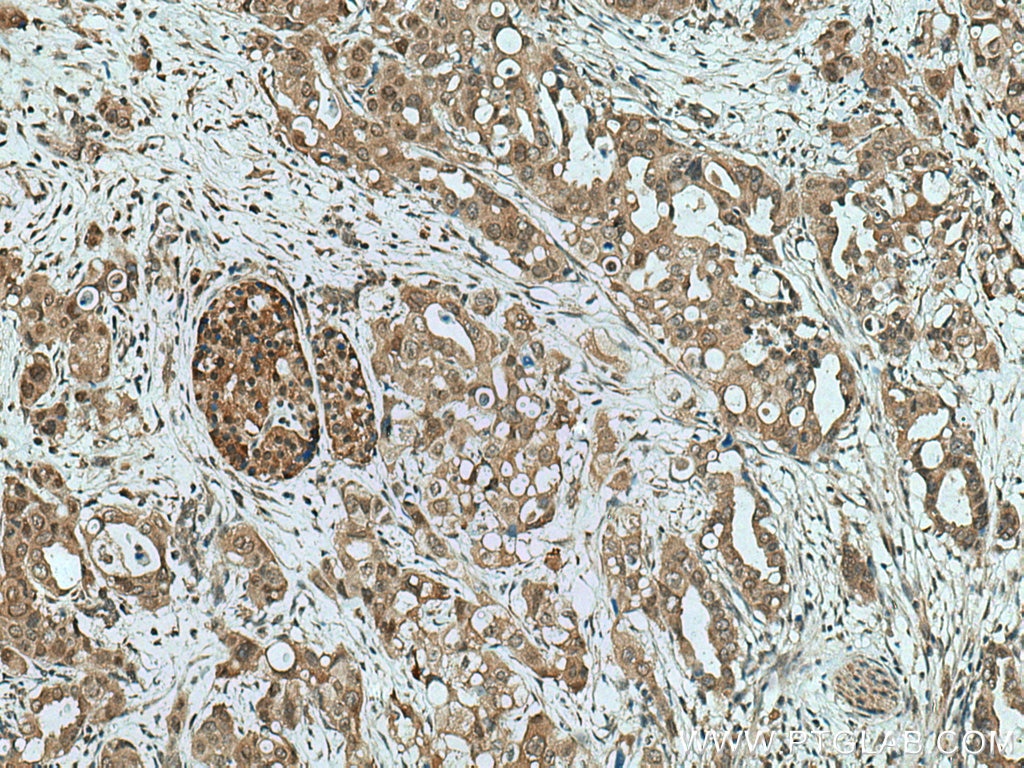
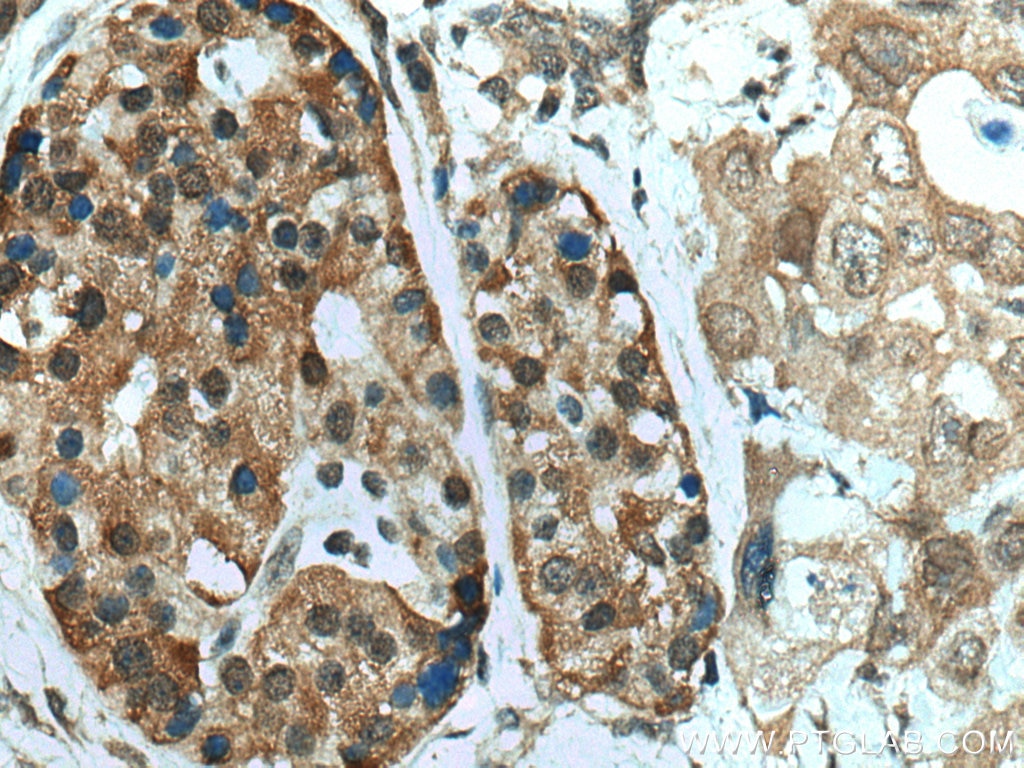
| Positive IHC detected in | rat brain tissue, human pancreas cancer tissue, mouse brain tissue Note: suggested antigen retrieval with TE buffer pH 9.0; (*) Alternatively, antigen retrieval may be performed with citrate buffer pH 6.0 |
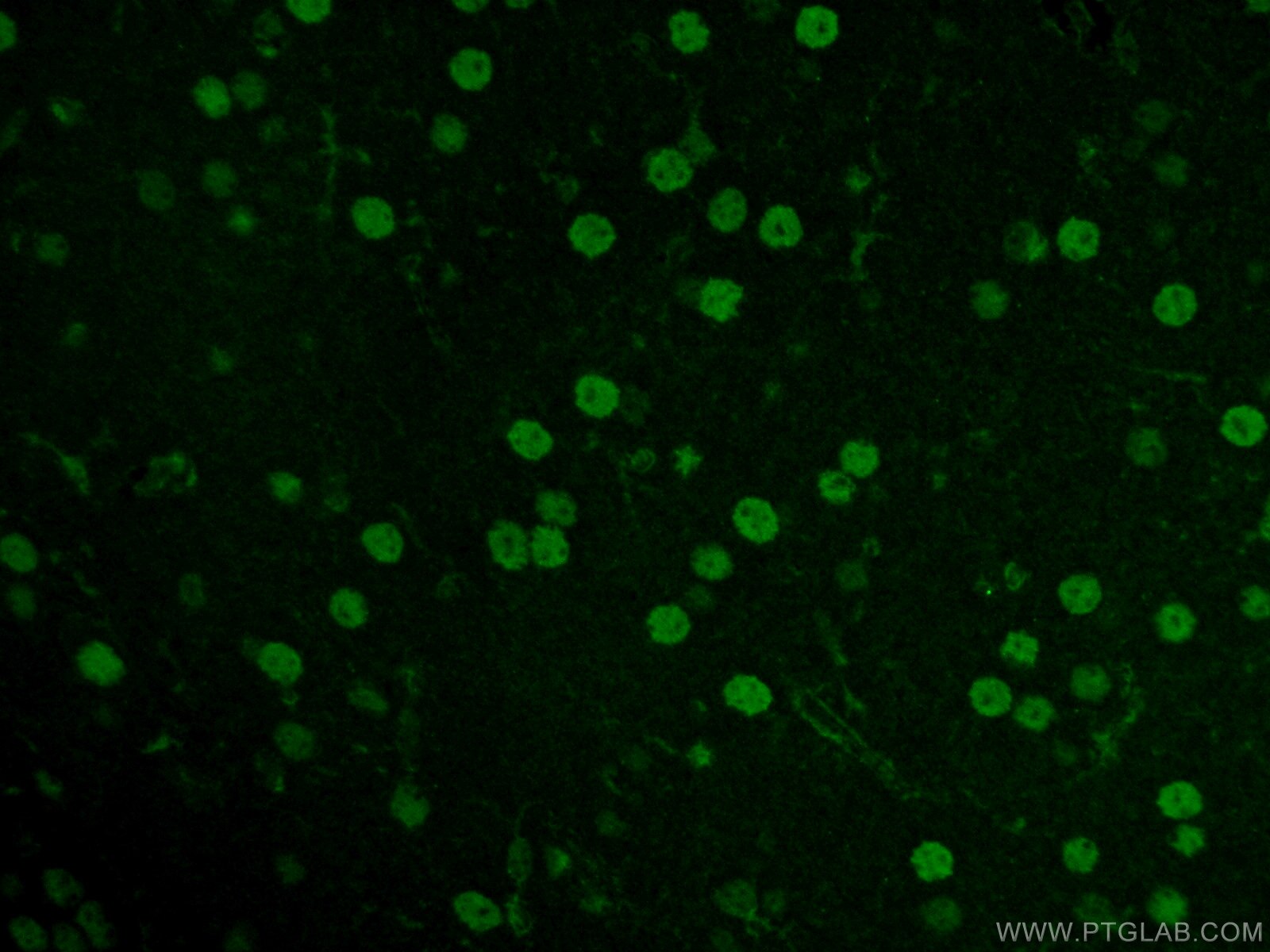
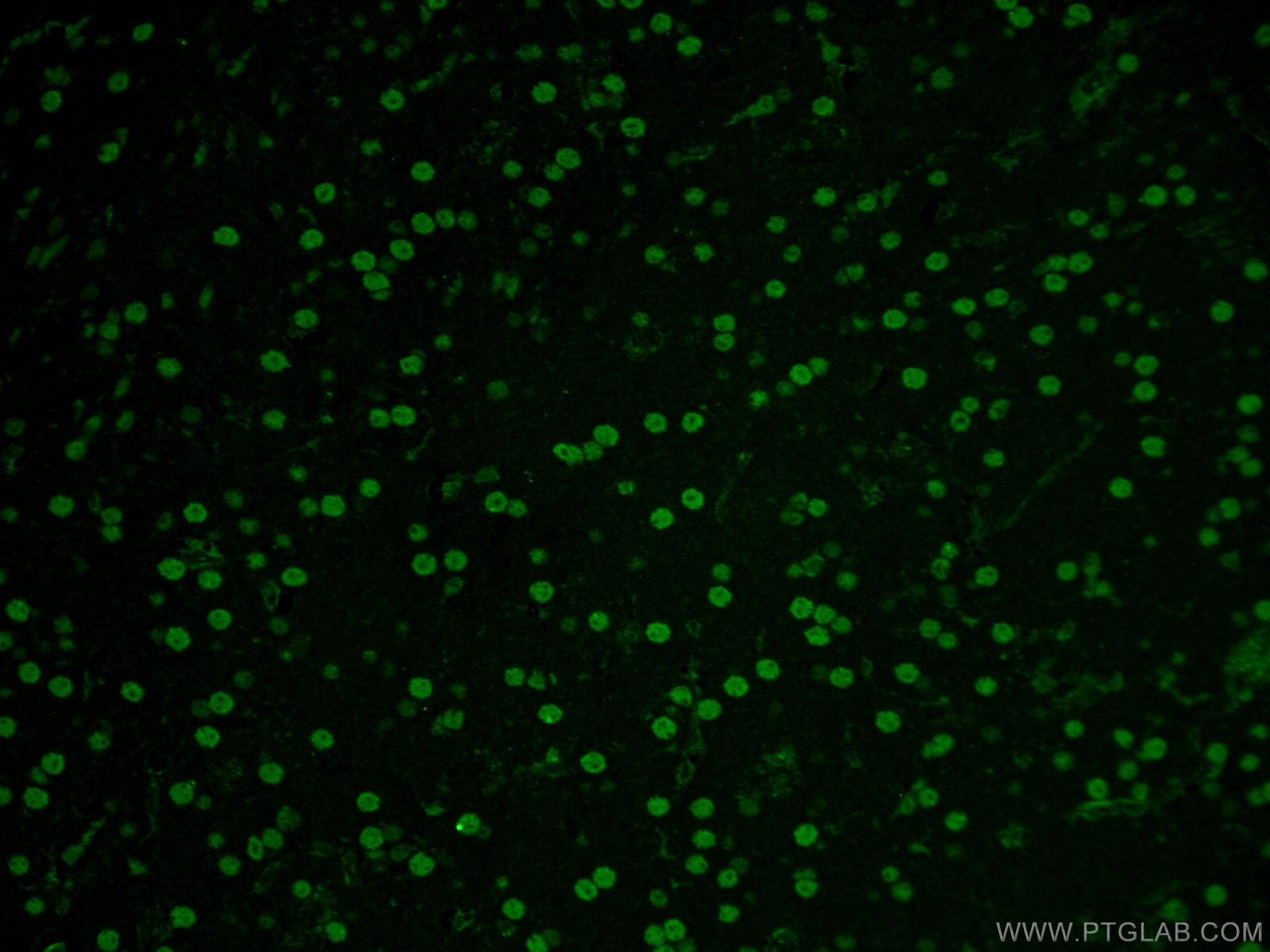
| Positive IF-P detected in | mouse brain tissue |
Recommended dilution
| Application | Dilution |
|---|---|
| Western Blot (WB) | WB : 1:500-1:1000 |
| Immunoprecipitation (IP) | IP : 0.5-4.0 ug for 1.0-3.0 mg of total protein lysate |
| Immunohistochemistry (IHC) | IHC : 1:50-1:500 |
| Immunofluorescence (IF)-P | IF-P : 1:50-1:500 |
| It is recommended that this reagent should be titrated in each testing system to obtain optimal results. | |
| Sample-dependent, Check data in validation data gallery. | |
Product Information
12081-1-AP targets NEUROD1 in WB, IHC, IF-P, IP, CoIP, ELISA, CUT&RUN applications and shows reactivity with human, mouse, rat samples.
| Tested Reactivity | human, mouse, rat |
| Cited Reactivity | human, mouse, rat |
| Host / Isotype | Rabbit / IgG |
| Class | Polyclonal |
| Type | Antibody |
| Immunogen |
CatNo: Ag2713 Product name: Recombinant human NEUROD1 protein Source: e coli.-derived, PGEX-4T Tag: GST Domain: 1-356 aa of BC009046 Sequence: MTKSYSESGLMGEPQPQGPPSWTDECLSSQDEEHEADKKEDDLEAMNAEEDSLRNGGEEEDEDEDLEEEEEEEEEDDDQKPKRRGPKKKKMTKARLERFKLRRMKANARERNRMHGLNAALDNLRKVVPCYSKTQKLSKIETLRLAKNYIWALSEILRSGKSPDLVSFVQTLCKGLSQPTTNLVAGCLQLNPRTFLPEQNQDMPPHLPTASASFPVHPYSYQSPGLPSPPYGTMDSSHVFHVKPPPHAYSAALEPFFESPLTDCTSPSFDGPLSPPLSINGNFSFKHEPSAEFEKNYAFTMHYPAATLAGAQSHGSIFSGTAAPRCEIPIDNIMSFDSHSHHERVMSAQLNAIFHD Predict reactive species |
| Full Name | neurogenic differentiation 1 |
| Calculated Molecular Weight | 356 aa, 40 kDa |
| Observed Molecular Weight | 50 kDa |
| GenBank Accession Number | BC009046 |
| Gene Symbol | NEUROD1 |
| Gene ID (NCBI) | 4760 |
| RRID | AB_2877823 |
| Conjugate | Unconjugated |
| Form | Liquid |
| Purification Method | Antigen affinity purification |
| UNIPROT ID | Q13562 |
| Storage Buffer | PBS with 0.02% sodium azide and 50% glycerol, pH 7.3. |
| Storage Conditions | Store at -20°C. Stable for one year after shipment. Aliquoting is unnecessary for -20oC storage. 20ul sizes contain 0.1% BSA. |
Background Information
NeuroD is a member of the basic helix-loop-helix (bHLH) family of transcription factors. The basic helix-loop-helix (bHLH) proteins are transcription factors that are required for several aspects of development, including cell type determination, terminal differentiation and sex determination. Members of the myogenic determination family, MyoD, myf5, myogenin and MRF4, all have bHLH domains.These proteins function by forming heterodimers with E-proteins and binding to the canonical E-box sequence CANNTG. Neuro D is expressed transiently in a subset of neurons in the central and peripheral nervous systems at the time of their terminal differentiation into mature neurons. Moreover, ectopic expression of Neuro D in Xenopus embryos induces premature differentiation of neuronal precursors and Neuro D can convert presumptive epidermal cells into neurons.The lack of NeuroD in the brain results in severe defects in development. Human mutations have been linked to a number of types of diabetes including type I diabetes mellitus and maturity-onset diabetes of the young. The calculated molecular weight of NEUROD1 is 39 kDa, but the modified NEUROD1 protein is about 45-50 kDa.
Protocols
| Product Specific Protocols | |
|---|---|
| IF protocol for NEUROD1 antibody 12081-1-AP | Download protocol |
| IHC protocol for NEUROD1 antibody 12081-1-AP | Download protocol |
| IP protocol for NEUROD1 antibody 12081-1-AP | Download protocol |
| WB protocol for NEUROD1 antibody 12081-1-AP | Download protocol |
| Standard Protocols | |
|---|---|
| Click here to view our Standard Protocols |
Publications
What published studies show
NEUROD1 Polyclonal antibody (Cat# 12081-1-AP) has accumulated 29 citations. Publications appear in high-impact journals including Nature Communications, Science Advances, PNAS, Cell Reports, EMBO Reports, Biomaterials, and International Journal of Biological Sciences. Research fields span neurogenesis and neural development, pancreatic cancer, small cell lung cancer, diabetes and β-cell function, neurodegeneration (Alzheimer's disease), rheumatoid arthritis, medulloblastoma, gastric neuroendocrine carcinoma, and cortical malformation.
| Species | Application | Title |
|---|---|---|
Nat Commun Slc22a17 governs postnatal neurogenesis by maintaining the iron homeostasis in hippocampus. | ||
Nat Commun Spint1 disruption in mouse pancreas leads to glucose intolerance and impaired insulin production involving HEPSIN/MAFA | ||
J Exp Clin Cancer Res Neurogenic inducers inhibit the proliferation of pancreatic cancer by promoting tumor cell transdifferentiation | ||
Cell Rep Med Targeting TCF21-TCF3 heterodimer in tumor-associated pericytes attenuates hematogenous metastasis by restoring pericyte gatekeeper function. | ||
Sci Adv Prototypical oncogene family Myc defines unappreciated distinct lineage states of small cell lung cancer. | ||
Sci Adv Neurons burdened by DNA double-strand breaks incite microglia activation through antiviral-like signaling in neurodegeneration |
Reviews
What customers say
Users report positive results with this antibody across multiple applications. One reviewer achieved strong immunofluorescence staining in PFA-fixed mouse brain cryosections at 1:200 dilution, using overnight 4°C incubation. Another confirmed reliable Western blot performance on mouse tissues at 1:500. Both applications were validated on mouse brain, with clear, specific staining and no notable issues reported. Overall, the antibody is well-regarded for its sensitivity and specificity in mouse tissue studies.
The reviews below have been submitted by verified Proteintech customers who received an incentive for providing their feedback.
Marion (Verified Customer) (07-15-2025) | Immunohistofluorescence (PFA-fixed cryosections) image of NeuroD1 stained mouse brain. Blocking step : 10 % Donkey Serum + 1% BSA + 0.02% Triton as blocking agent for 2 hours at RT Primary antiboby incubation time : 1 night / 4°C Secondary antibody : AlexaFluor 568 (ab175470 ; Abcam) ; 1/200
 |
Tanusree (Verified Customer) (12-03-2019) | This antibody works good in western blotting analysis using mouse tissues.
|












