
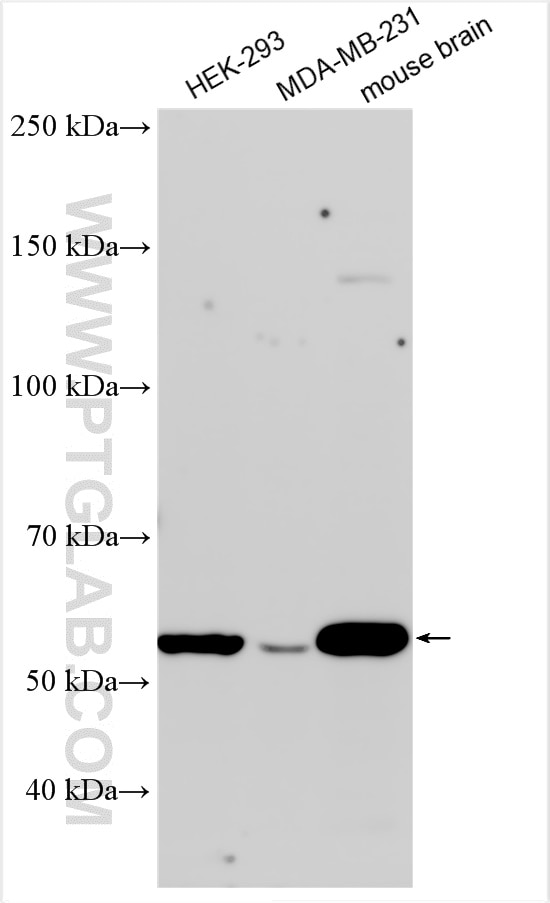

Tested Applications
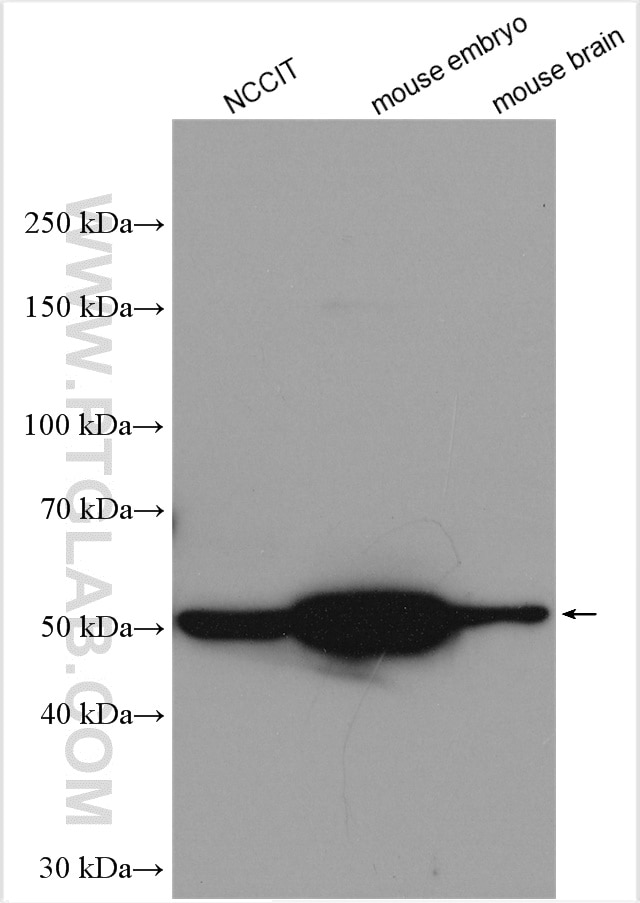
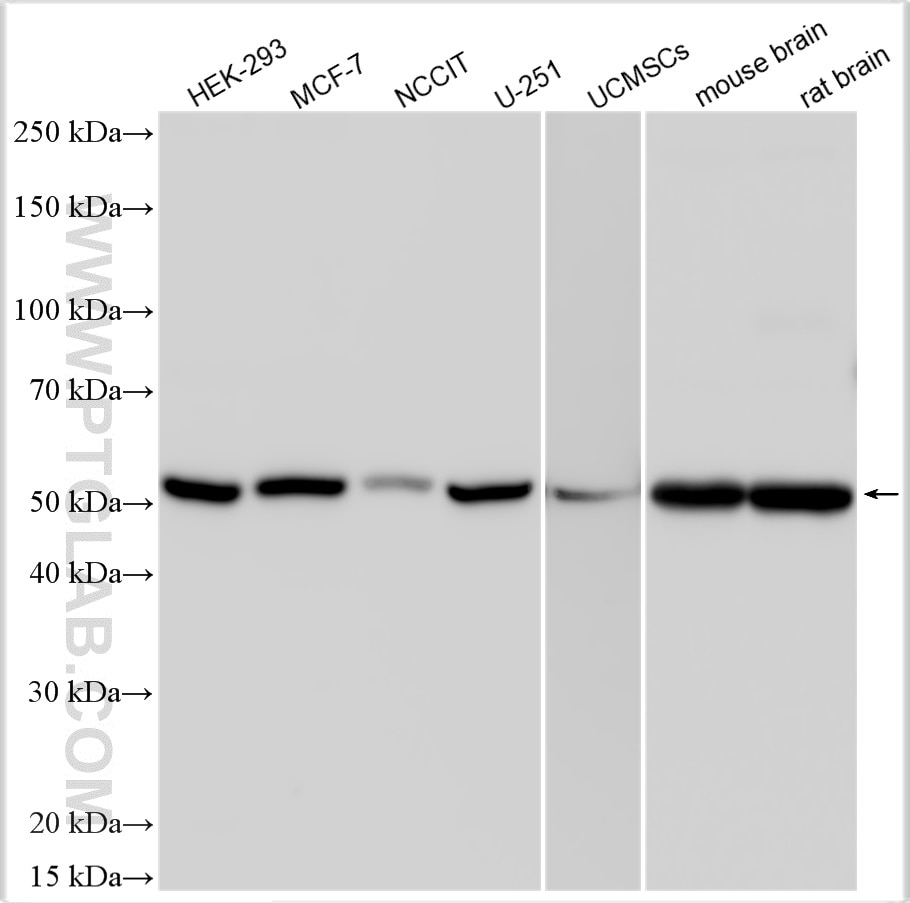
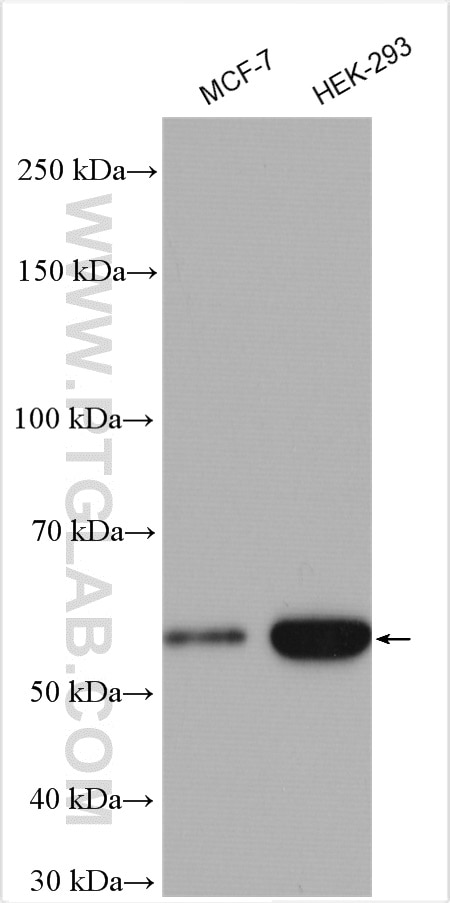
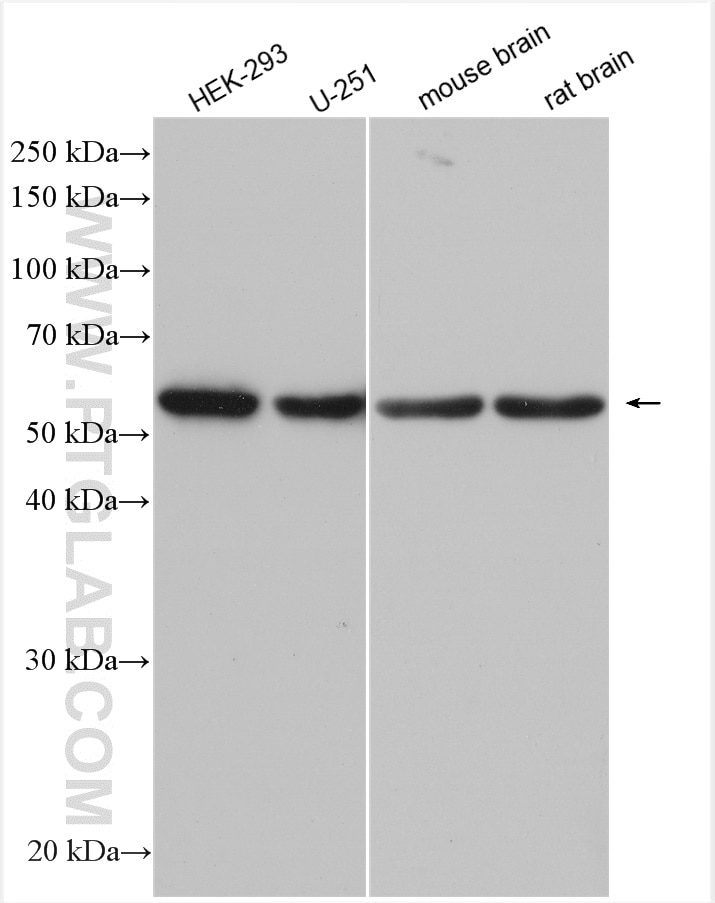
| Positive WB detected in | HEK-293 cells, MCF-7 cells, NCCIT cells, MDA-MB-231 cells, mouse brain tissue, U-251 cells, rat brain tissue, mouse embryo tissue |
Recommended dilution
| Application | Dilution |
|---|---|
| Western Blot (WB) | WB : 1:1000-1:5000 |
| It is recommended that this reagent should be titrated in each testing system to obtain optimal results. | |
| Sample-dependent, Check data in validation data gallery. | |
Product Information
11263-1-AP targets OCT4/POU5F1 in WB, IP, CoIP, ELISA applications and shows reactivity with human, mouse, rat samples.
| Tested Reactivity | human, mouse, rat |
| Cited Reactivity | human, mouse, rat, pig, sheep, goat |
| Host / Isotype | Rabbit / IgG |
| Class | Polyclonal |
| Type | Antibody |
| Immunogen |
CatNo: Ag1794 Product name: Recombinant human OCT4 protein Source: e coli.-derived, PGEX-4T Tag: GST Domain: 102-265 aa of BC020712 Sequence: MCKLRPLLQKWVEEADNNENLQEICKAETLVQARKRKRTSIENRVRGNLENLFLQCPKPTLQQISHIAQQLGLEKDVVRVWFCNRRQKGKRSSSDYAQREDFEAAGSPFSGGPVSFPLAPGPHFGTPGYGSPHFTALYSSVPFPEGEAFPPVSVTTLGSPMHSN Predict reactive species |
| Full Name | POU class 5 homeobox 1 |
| Calculated Molecular Weight | 39 kDa |
| Observed Molecular Weight | 38 kDa, 50-60 kDa |
| GenBank Accession Number | BC020712 |
| Gene Symbol | POU5F1 |
| Gene ID (NCBI) | 5460 |
| RRID | AB_2167545 |
| Conjugate | Unconjugated |
| Form | Liquid |
| Purification Method | Antigen affinity purification |
| UNIPROT ID | Q01860 |
| Storage Buffer | PBS with 0.02% sodium azide and 50% glycerol, pH 7.3. |
| Storage Conditions | Store at -20°C. Stable for one year after shipment. Aliquoting is unnecessary for -20oC storage. 20ul sizes contain 0.1% BSA. |
Background Information
Background
Octamer-binding protein 4 (OCT4), also known as POU5F1 or OCT3/4, is a member of the POU gene family and encoded by the human gene POU5F1 (POU domain class 5 transcription factor 1). OCT4 is a member of the Octamer class of transcription factors that recognize the 8-base pair consensus motif 5'-ATGCAAAT-3'. Expression of OCT4 is associated with an undifferentiated, pluripotent stem cell phenotype and tumors. OCT4 is also expressed in the developing brain, with the highest levels found in the cortex, olfactory bulb, and the hippocampus.
What is the molecular weight of OCT4?
The molecular weight of OCT4 is 38 kDa.
What are the isoforms of OCT4?
The human POU51F gene consists of five exons located on chromosome 6 and can generate three mRNA isoforms through alternative splicing - OCT4A, OCT4B, and OCT4B1 (PMID: 18787205). OCT4A and OCT4B1 orchestrate gene transcription in the nucleus supporting self-renewal and pluripotency maintenance in ESCs and embryonal carcinoma cells, whereas OCT4B is localized in the cytoplasm in various non-pluripotent cell types and cannot sustain self-renewal and pluripotency.
What is OCT4's involvement in pluripotency and self-renewal?
OCT4 forms a trimeric complex with SOX2 and DNA to control the expression of genes involved with embryonic development, such as FGF4 (PMID: 10801796), UTF1 (PMID: 10409735), or even NANOG (PMID: 15743839). OCT4 is critical for early embryogenesis (PMID: 9814708) and for embryonic stem cell pluripotency (PMID: 16153702). High levels of OCT4 are associated with the ability to self-renew, which is emphasized by OCT4 gene knockdowns promoting differentiation (PMID: 10742100). OCT4 is also one of the four key transcription factors used to generate induced pluripotent stem cells (iPSCs) by reprogramming fibroblasts to a pluripotent state (PMID: 16904174).
Protocols
| Product Specific Protocols | |
|---|---|
| WB protocol for OCT4/POU5F1 antibody 11263-1-AP | Download protocol |
| Standard Protocols | |
|---|---|
| Click here to view our Standard Protocols |
Publications
What published studies show
The OCT4/POU5F1 polyclonal antibody (Cat# 11263-1-AP) has accumulated 347 citations. Publications appear in high-impact journals including Nature Communications, Nature Nanotechnology, Molecular Cancer, Oncogene, Cell Death & Disease, Theranostics, Stem Cell Reports, and Journal of Experimental & Clinical Cancer Research, among over 80 journals. Research fields span cancer stem cell biology, pluripotency, epithelial-mesenchymal transition (EMT), chemoresistance, and tumor microenvironment studies across multiple cancer types.
| Species | Application | Title |
|---|---|---|
Signal Transduct Target Ther WIP1 promotes cancer stem cell properties by inhibiting p38 MAPK in NSCLC. | ||
Mol Cancer Myeloid-derived suppressor cells endow stem-like qualities to multiple myeloma cells by inducing piRNA-823 expression and DNMT3B activation. | ||
Mol Cancer Integrated single-cell and spatial transcriptomic profiling decodes lineage plasticity and immune microenvironment remodeling in prostate cancer progression. | ||
Bone Res Type II collagen-positive progenitors are important stem cells in controlling skeletal development and vascular formation. | ||
Nat Commun KK-LC-1 as a therapeutic target to eliminate ALDH+ stem cells in triple negative breast cancer |
Reviews
What customers say
All five reviewers gave this antibody a perfect 5-star rating. Four used it for Western Blot at dilutions of 1:1000–1:2000, reporting clear bands in mESCs, U2OS osteosarcoma cells, and 293T cells. One reviewer successfully applied it for immunofluorescence on hiPSCs at 1:500. Users consistently describe it as working well with no issues noted. The antibody has been tested across multiple lots and cell types, demonstrating reliable performance for both WB and IF applications.
The reviews below have been submitted by verified Proteintech customers who received an incentive for providing their feedback.
Claudia (Verified Customer) (03-06-2026) | Clear band in mouse ESCs 1:2000 overnight incubation
|
Zhiping (Verified Customer) (06-21-2023) | This antibody works well for WB.
|
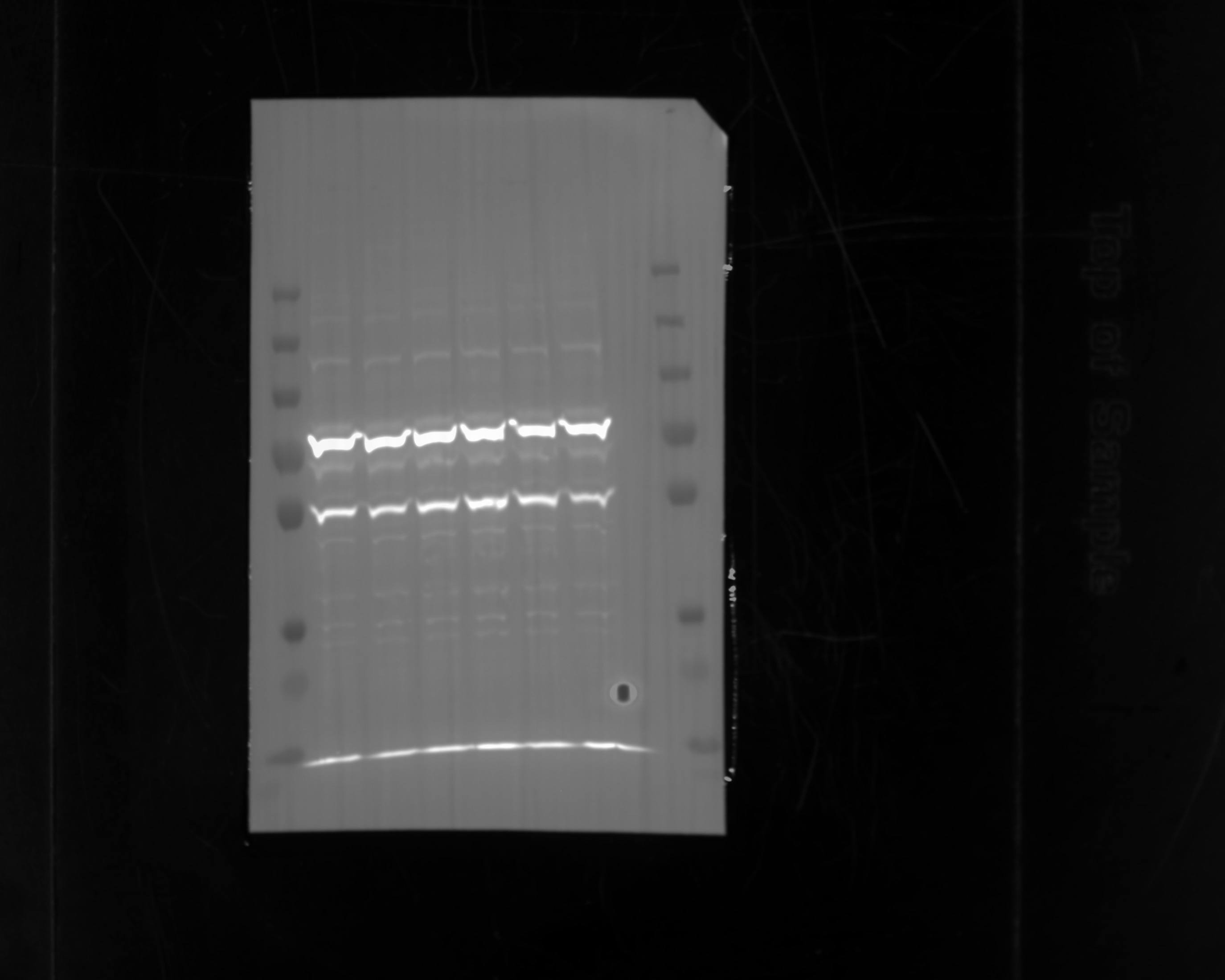
Udesh (Verified Customer) (11-18-2022) | Worked well in Osteosarcoma U2OS cells. 20ug protein loaded. Dilution 1:2000 in 5% NFDM.
 |
Gongsheng (Verified Customer) (11-02-2022) | This antibody works well in WB, diluation 1:1000, incubation at +4 °C.
|
Silvia (Verified Customer) (10-19-2021) | It works well for Immunofluorescence on hiPSCs
|






