

Tested Applications
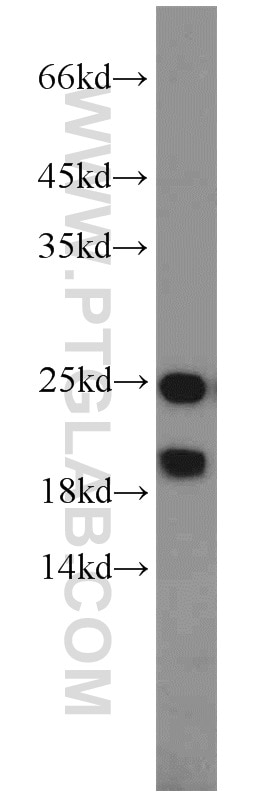
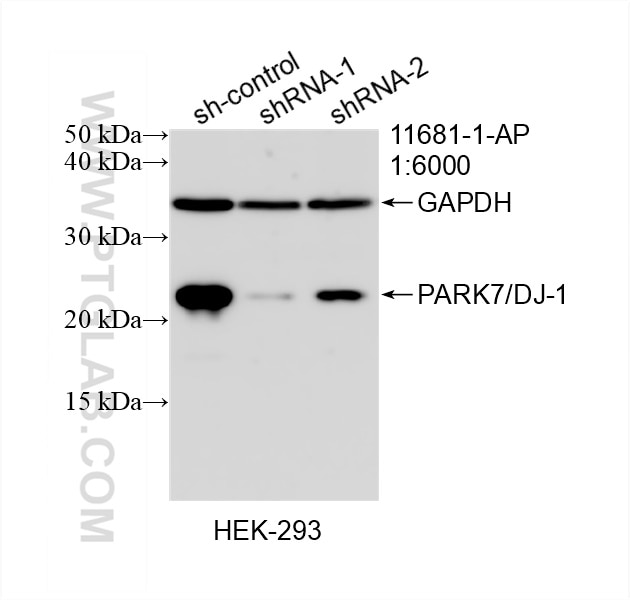
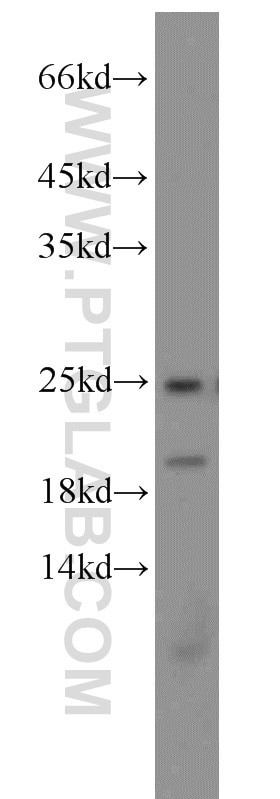
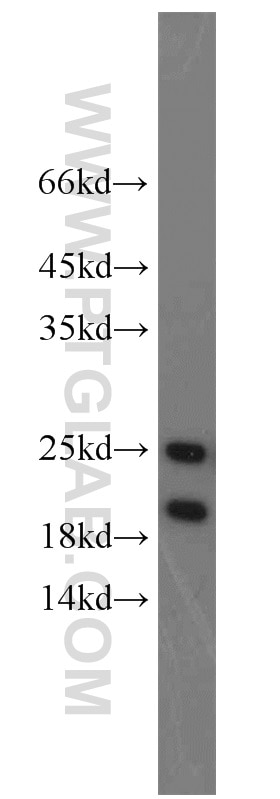
| Positive WB detected in | HeLa cells, Jurkat cells, HEK-293 cells |
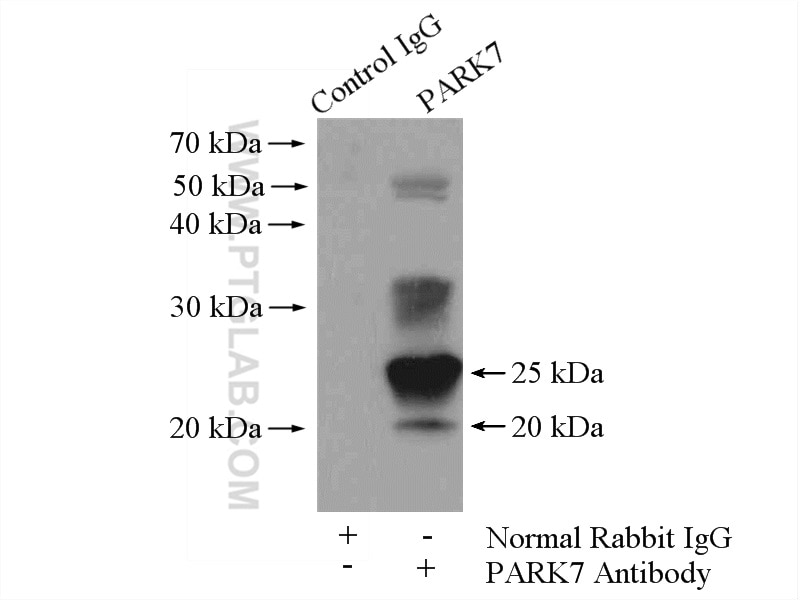
| Positive IP detected in | HeLa cells |
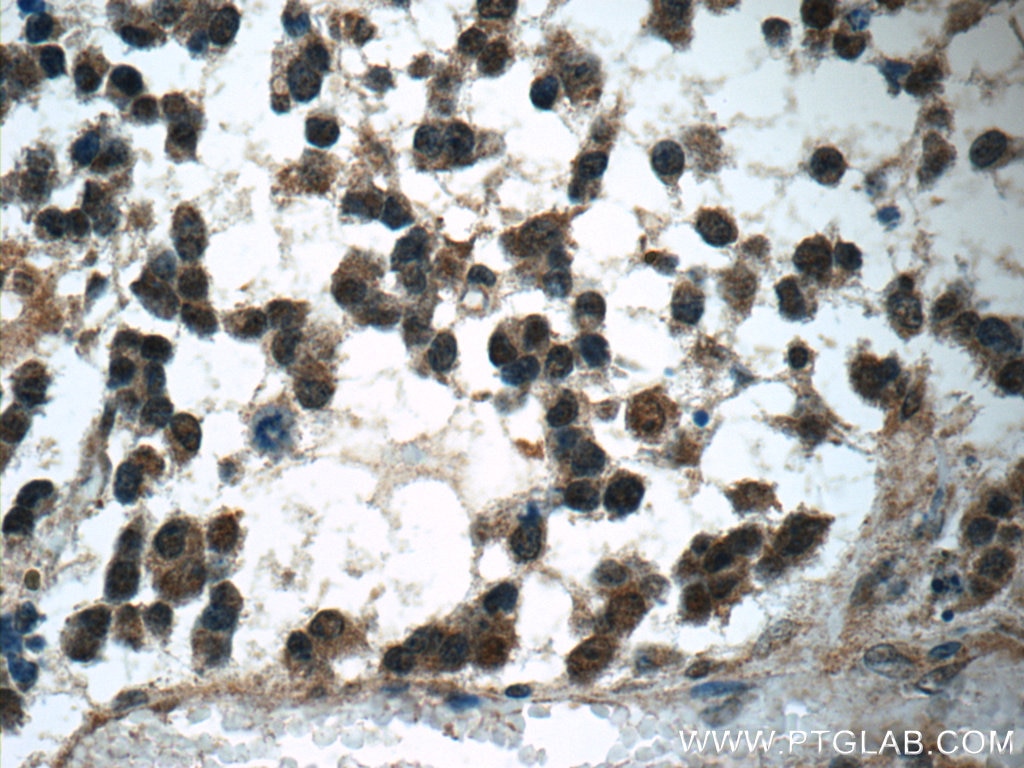
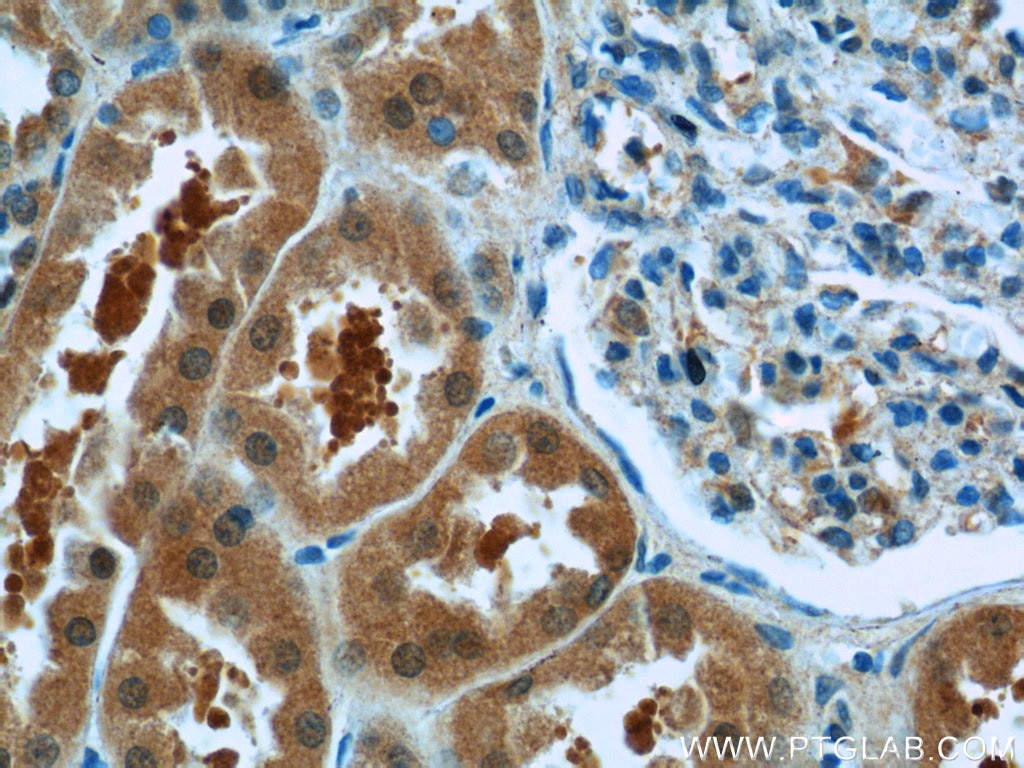
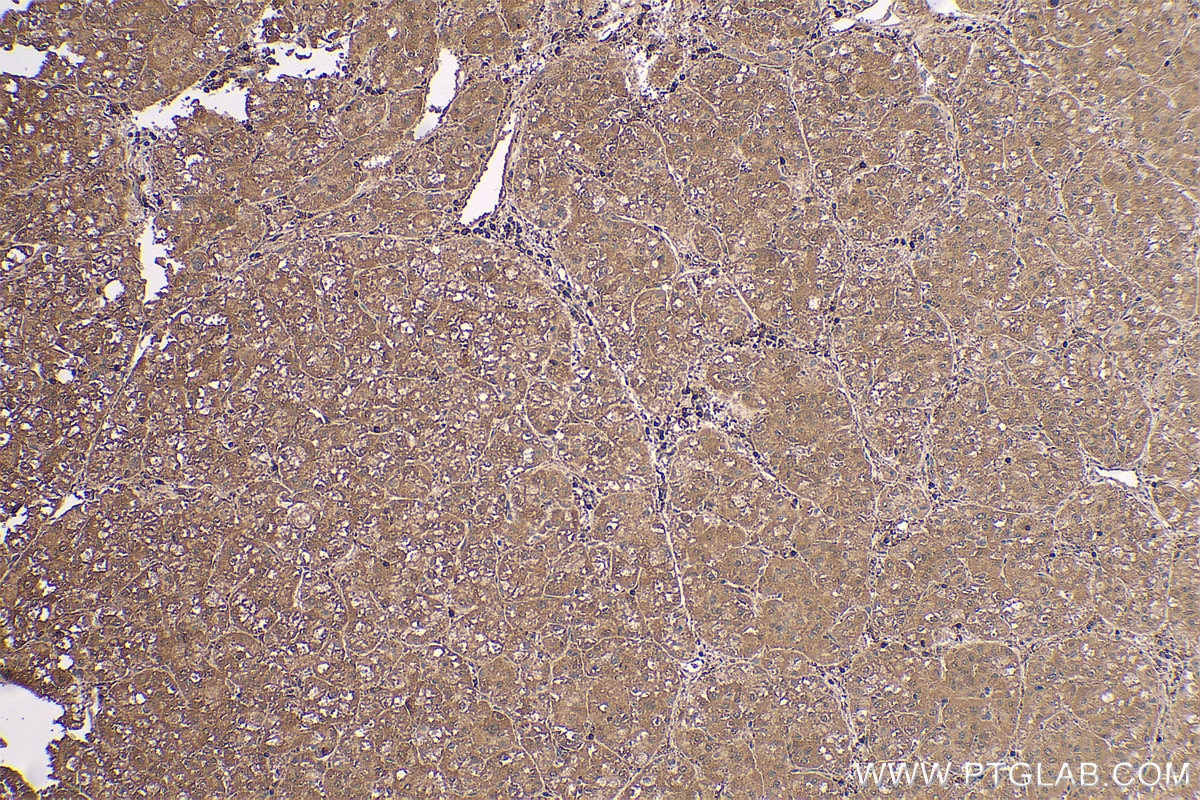
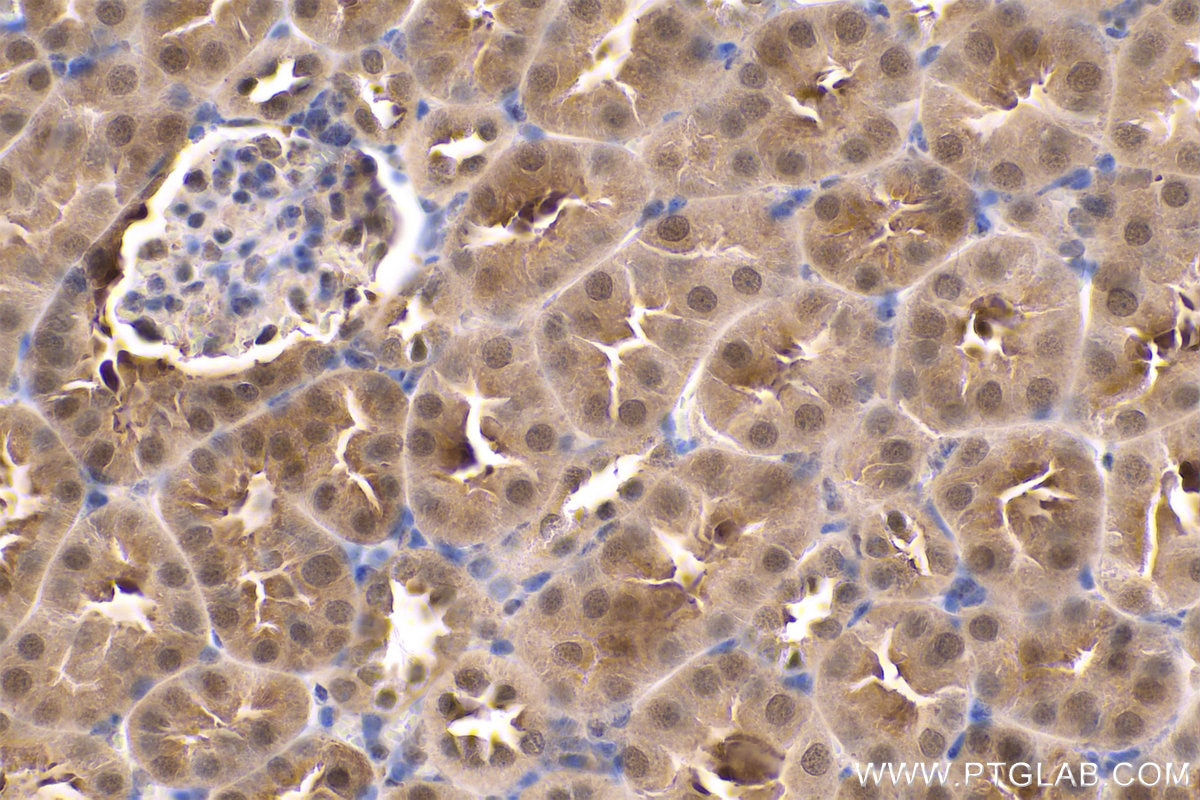
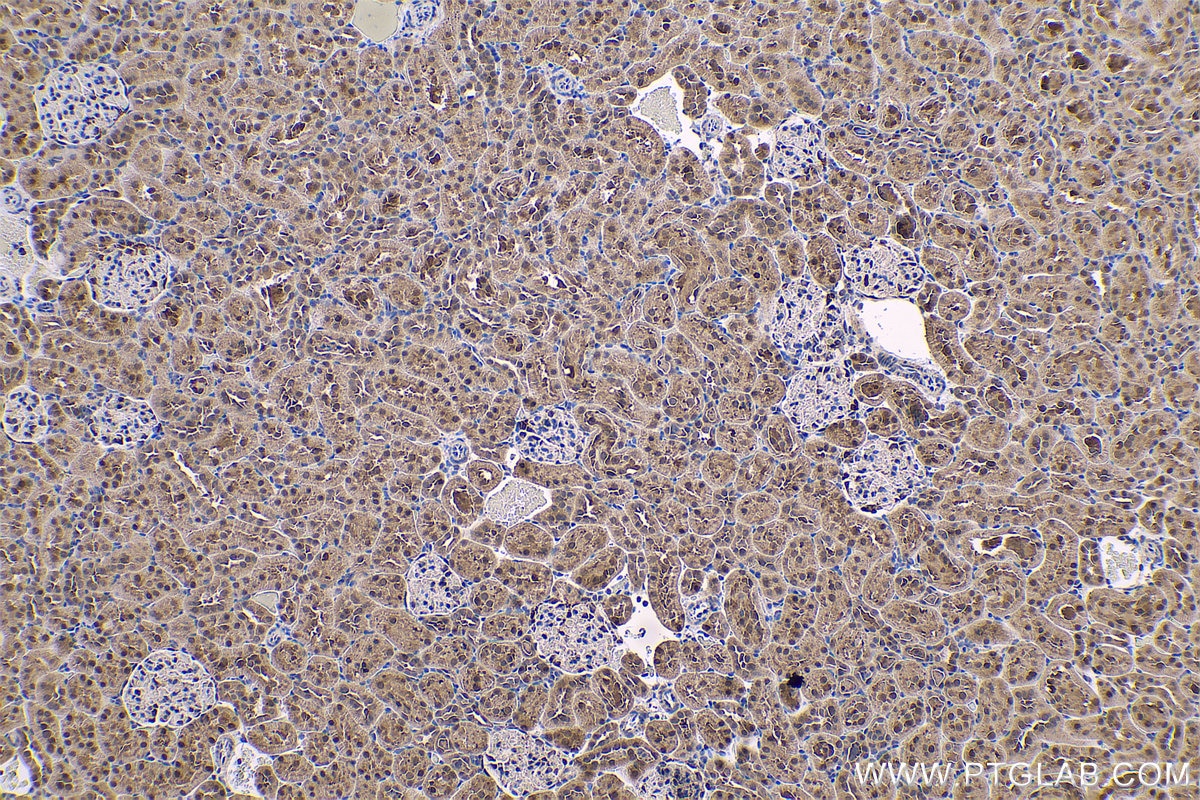
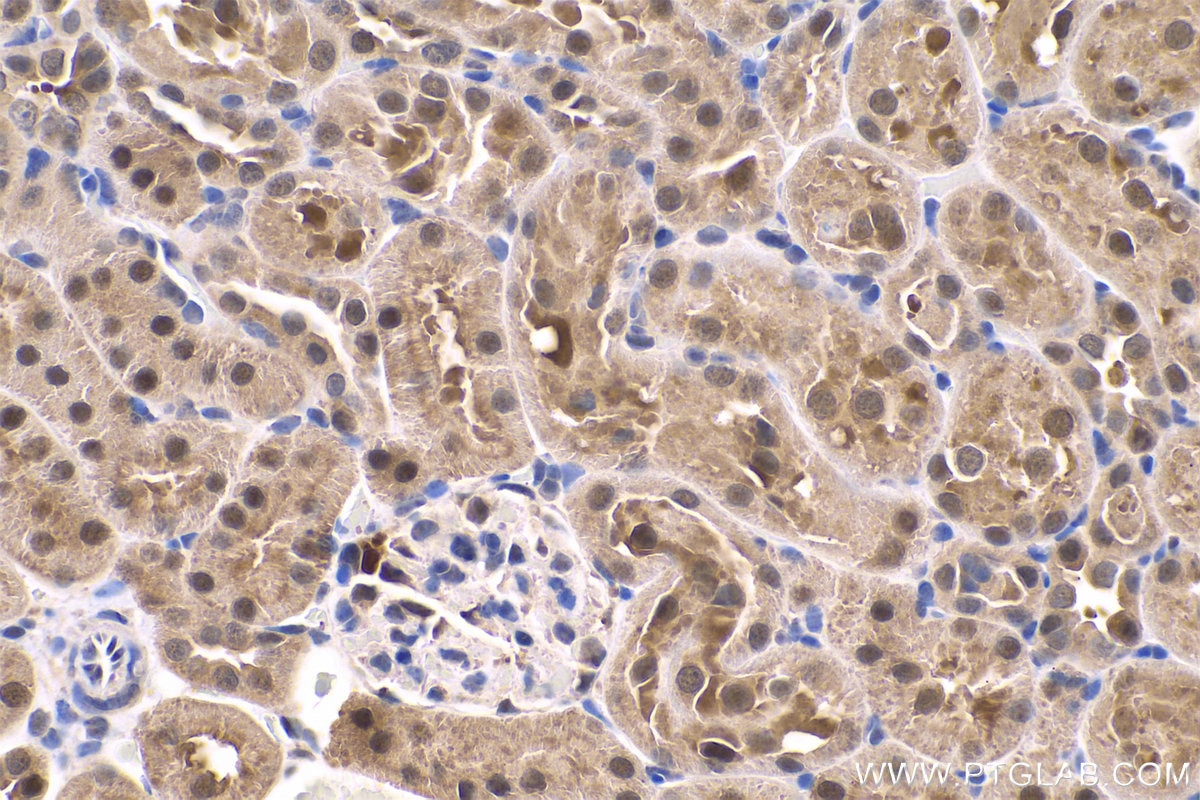
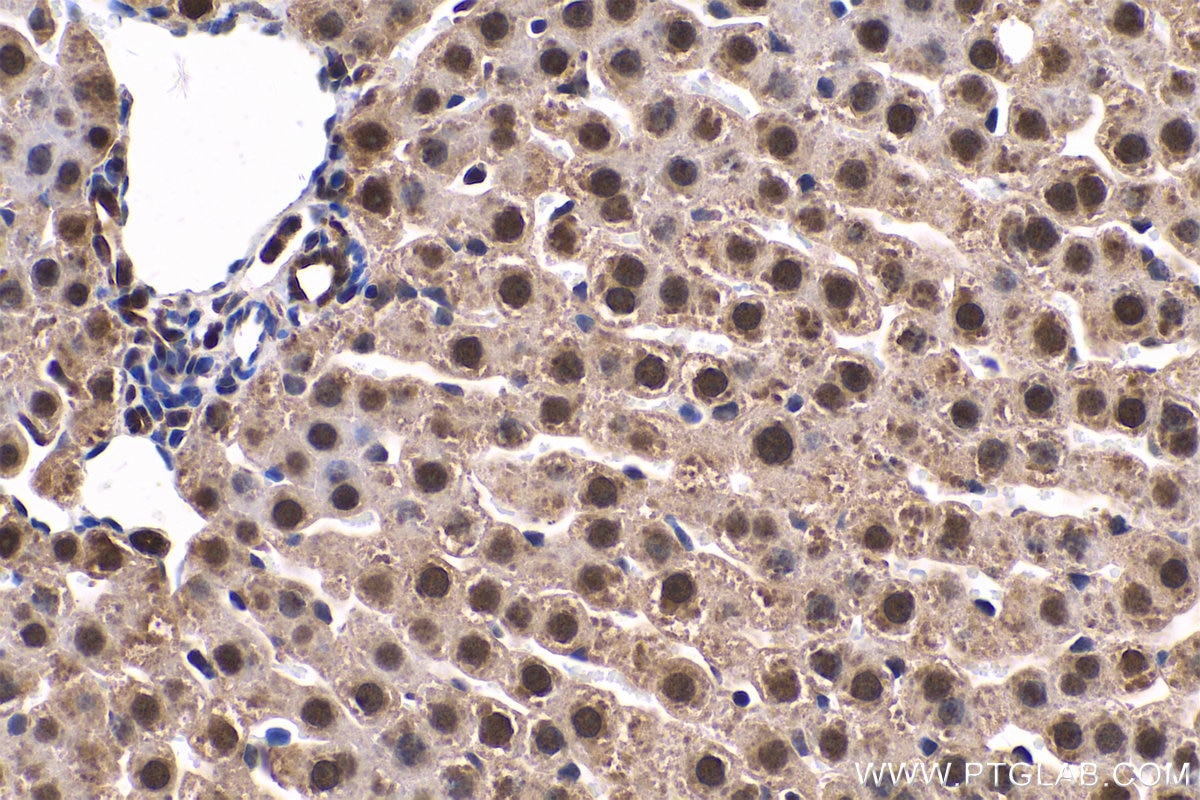
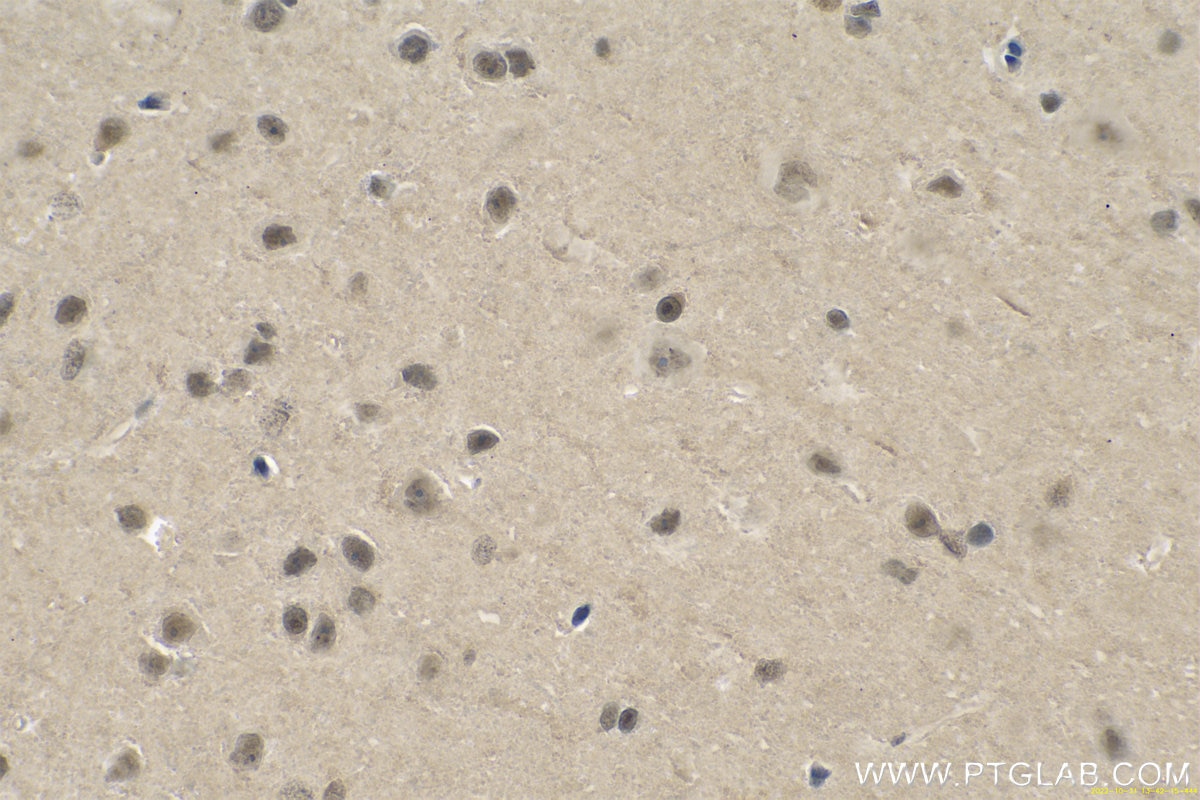
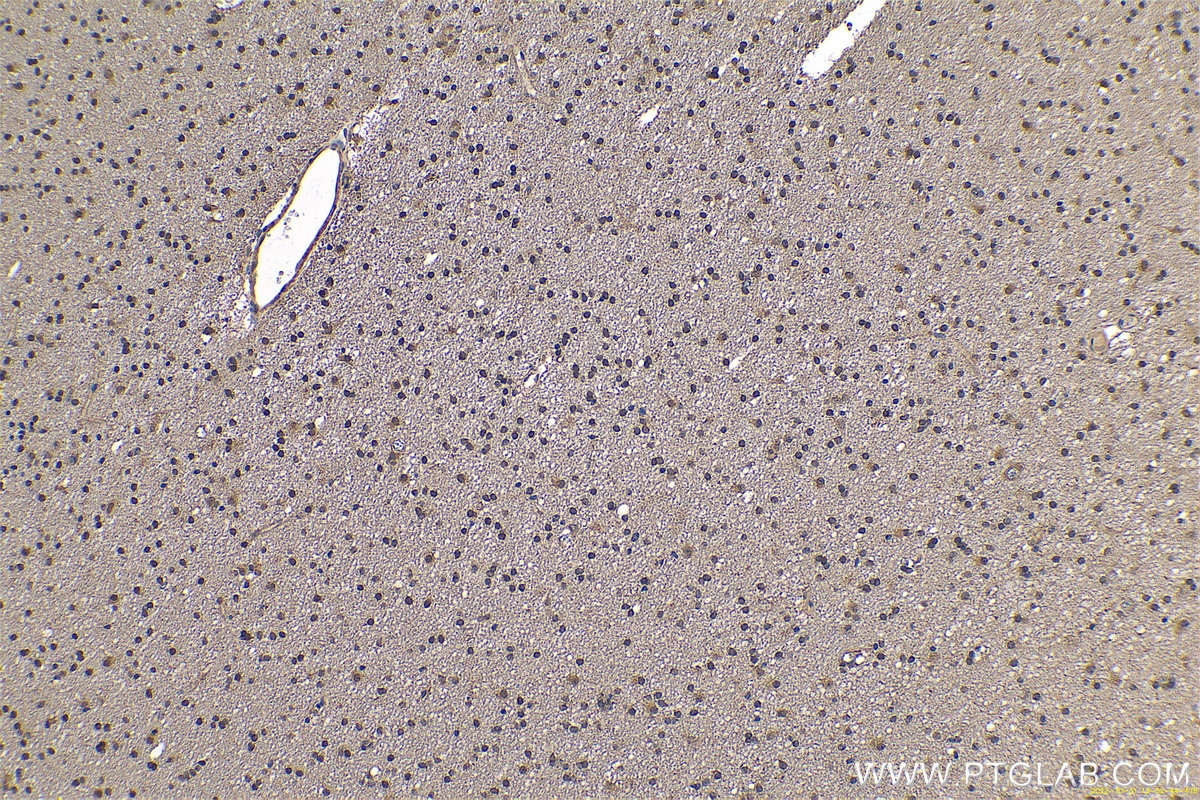
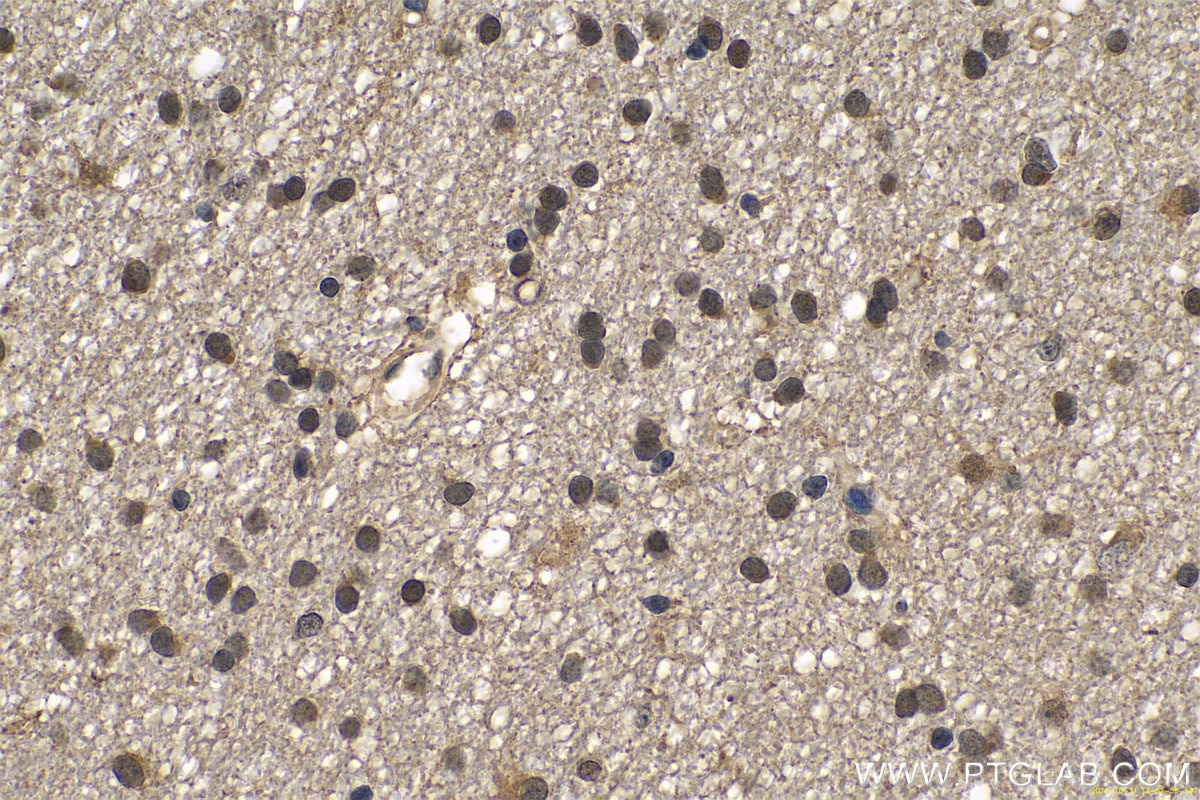
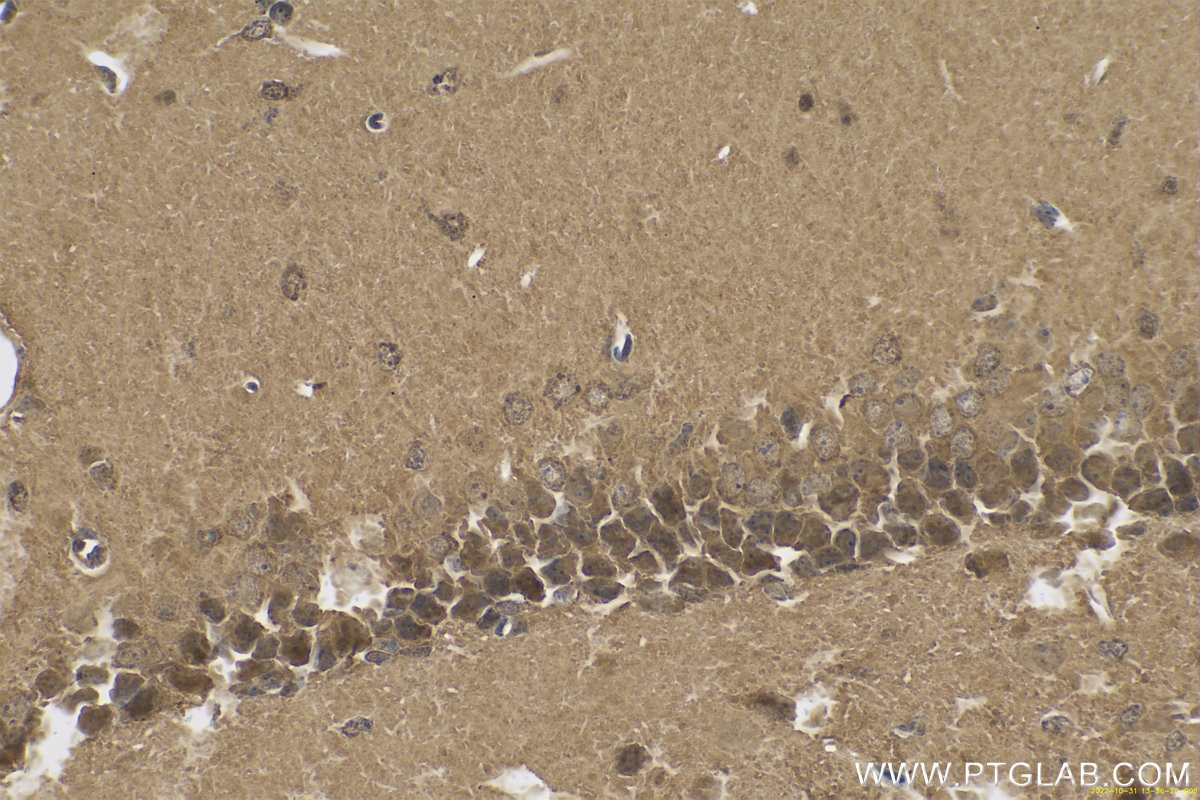
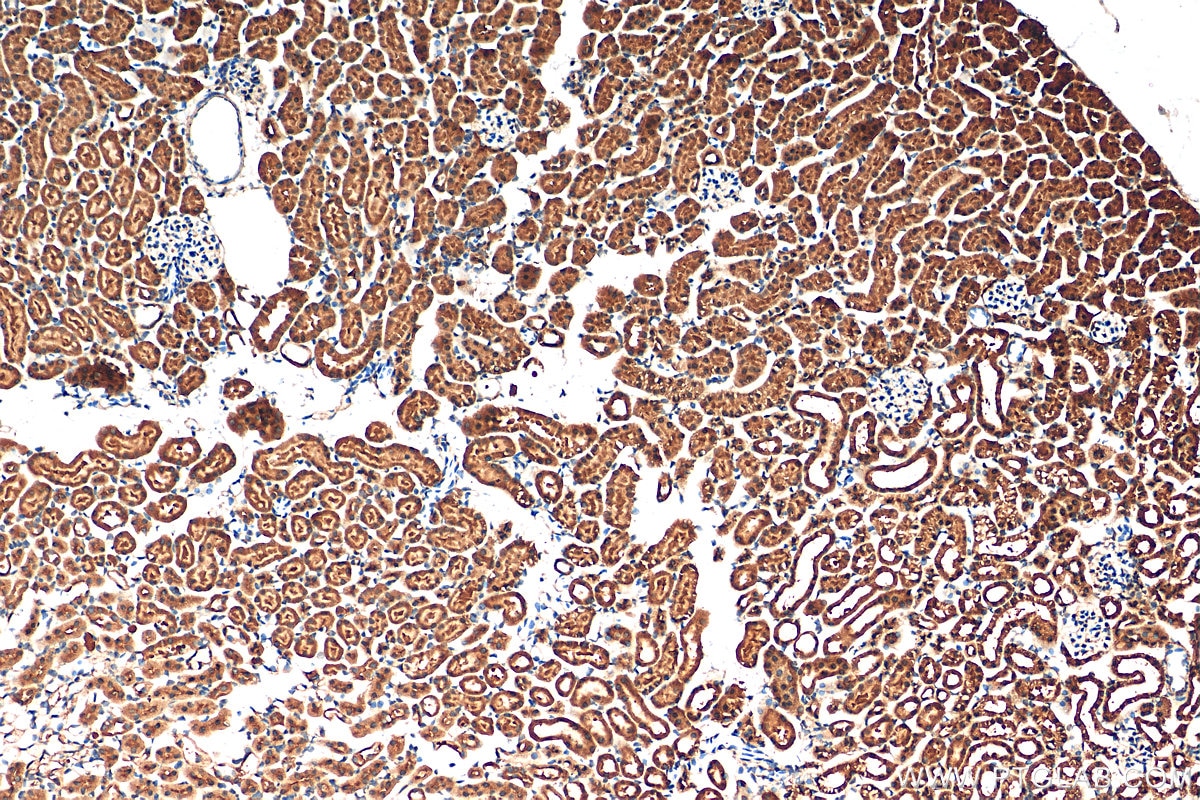
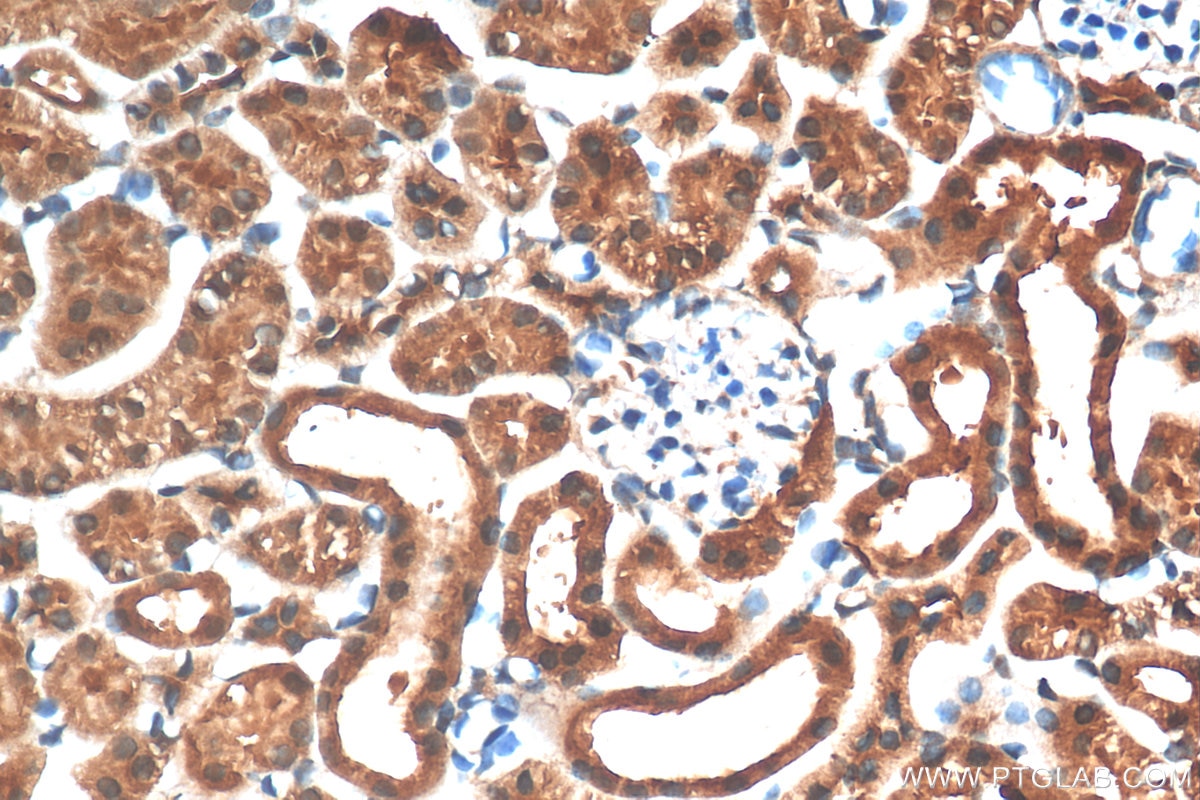
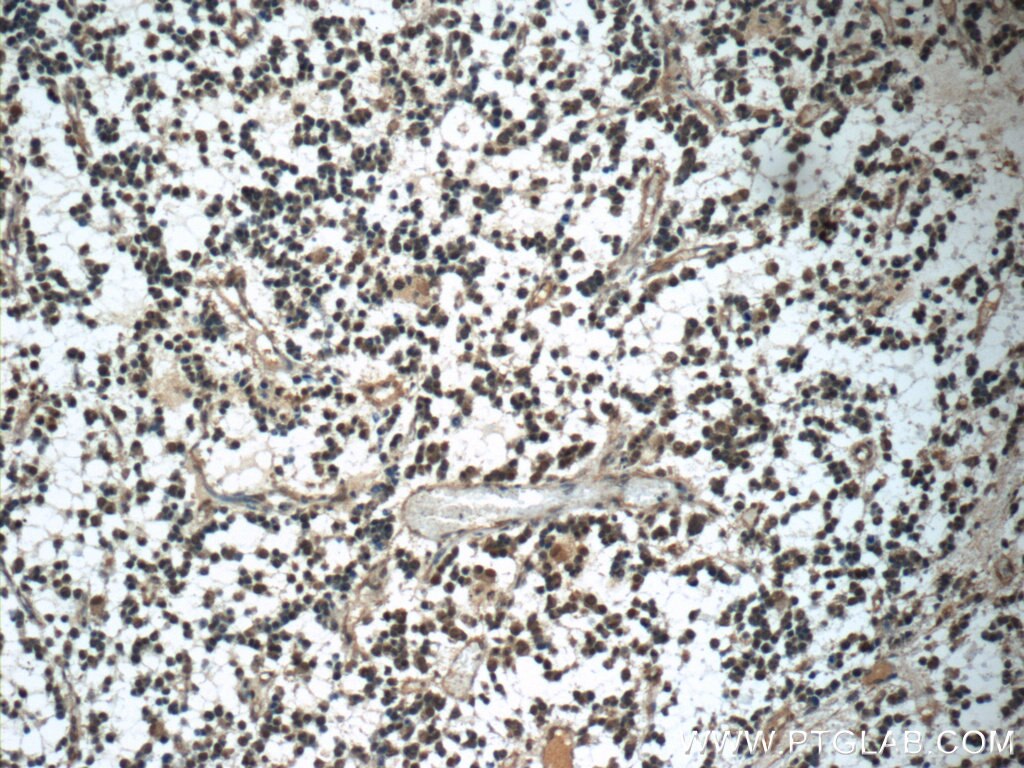
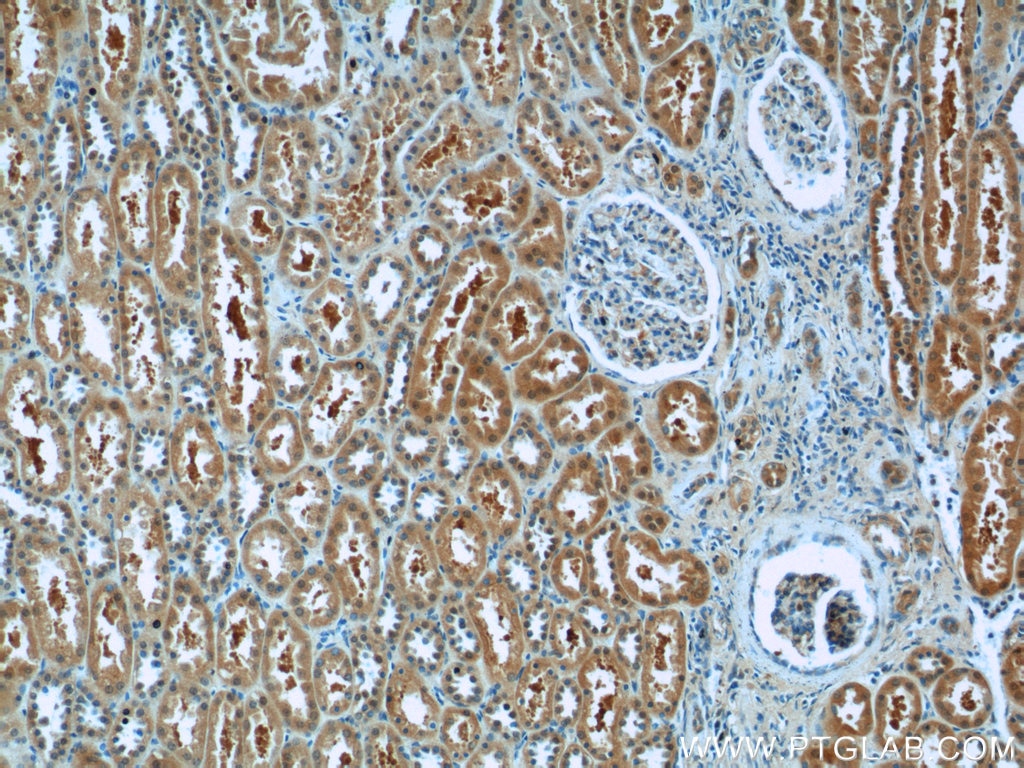
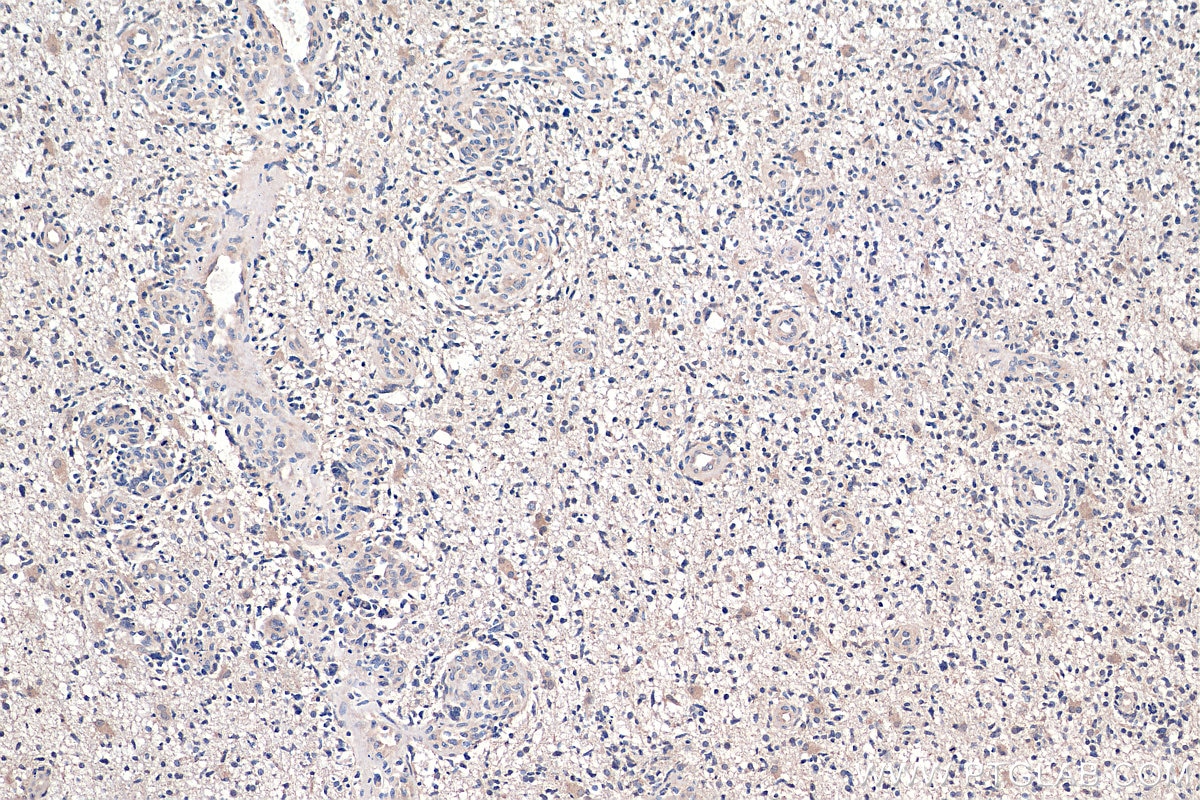
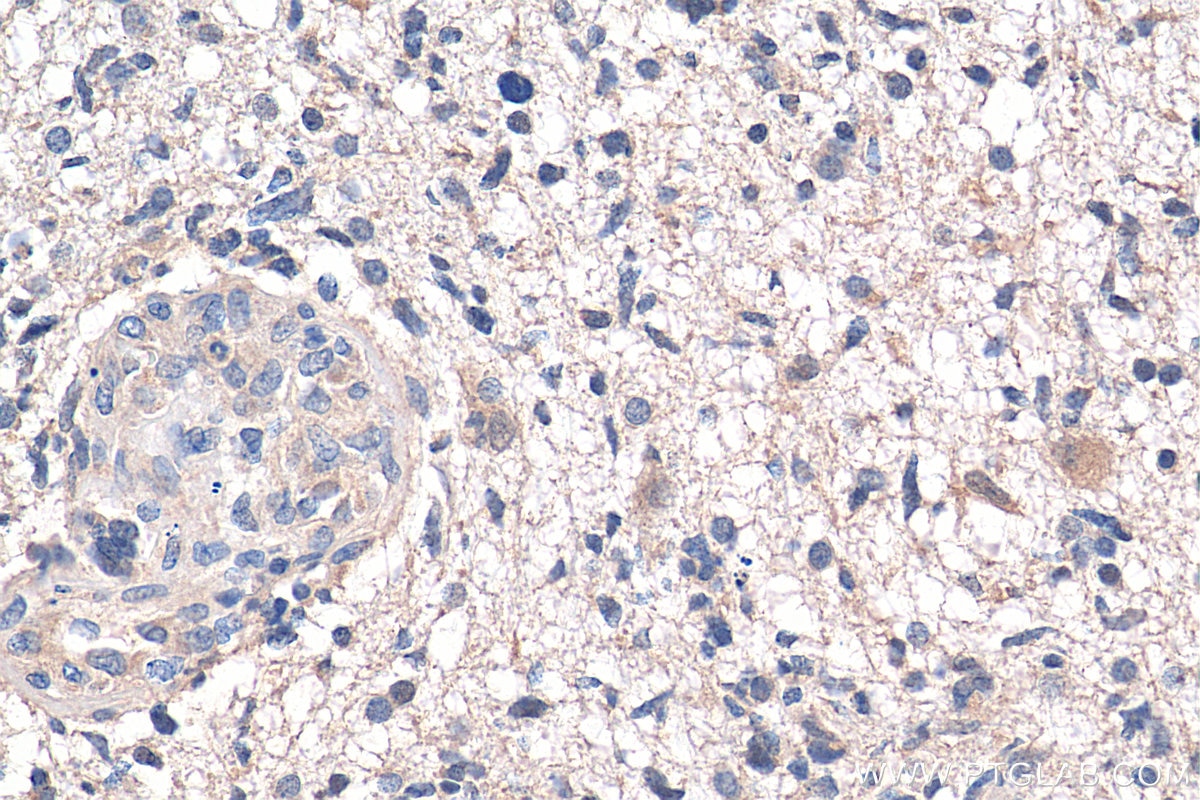
| Positive IHC detected in | human gliomas tissue, human liver cancer tissue, human kidney tissue, mouse kidney tissue, rat kidney tissue, rat liver tissue, mouse brain tissue, rat brain tissue Note: suggested antigen retrieval with TE buffer pH 9.0; (*) Alternatively, antigen retrieval may be performed with citrate buffer pH 6.0 |
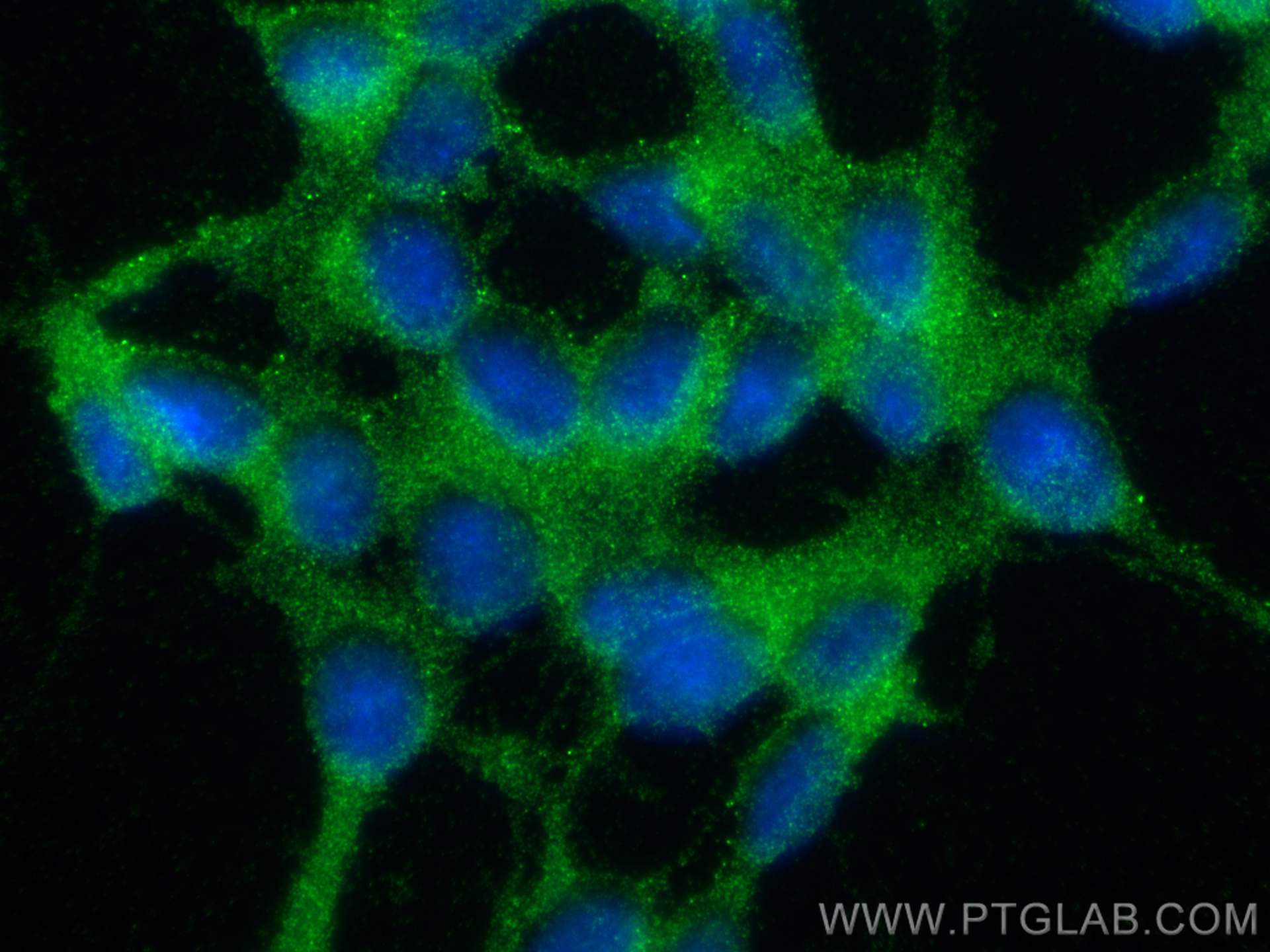
| Positive IF/ICC detected in | SH-SY5Y cells |
Recommended dilution
| Application | Dilution |
|---|---|
| Western Blot (WB) | WB : 1:500-1:2000 |
| Immunoprecipitation (IP) | IP : 0.5-4.0 ug for 1.0-3.0 mg of total protein lysate |
| Immunohistochemistry (IHC) | IHC : 1:1000-1:4000 |
| Immunofluorescence (IF)/ICC | IF/ICC : 1:50-1:500 |
| It is recommended that this reagent should be titrated in each testing system to obtain optimal results. | |
| Sample-dependent, Check data in validation data gallery. | |
Product Information
11681-1-AP targets PARK7/DJ-1 in WB, IHC, IF/ICC, IP, ELISA applications and shows reactivity with human, mouse, rat samples.
| Tested Reactivity | human, mouse, rat |
| Cited Reactivity | human, mouse, rat |
| Host / Isotype | Rabbit / IgG |
| Class | Polyclonal |
| Type | Antibody |
| Immunogen |
CatNo: Ag2287 Product name: Recombinant human PARK7,DJ-1 protein Source: e coli.-derived, PGEX-4T Tag: GST Domain: 1-189 aa of BC008188 Sequence: MASKRALVILAKGAEEMETVIPVDVMRRAGIKVTVAGLAGKDPVQCSRDVVICPDASLEDAKKEGPYDVVVLPGGNLGAQNLSESAAVKEILKEQENRKGLIAAICAGPTALLAHEIGFGSKVTTHPLAKDKMMNGGHYTYSENRVEKDGLILTSRGPGTSFEFALAIVEALNGKEVAAQVKAPLVLKD Predict reactive species |
| Full Name | Parkinson disease (autosomal recessive, early onset) 7 |
| Calculated Molecular Weight | 189 aa, 20 kDa |
| Observed Molecular Weight | 20 kDa, 25 kDa |
| GenBank Accession Number | BC008188 |
| Gene Symbol | PARK7 |
| Gene ID (NCBI) | 11315 |
| RRID | AB_2160099 |
| Conjugate | Unconjugated |
| Form | Liquid |
| Purification Method | Antigen affinity purification |
| UNIPROT ID | Q99497 |
| Storage Buffer | PBS with 0.02% sodium azide and 50% glycerol, pH 7.3. |
| Storage Conditions | Store at -20°C. Stable for one year after shipment. Aliquoting is unnecessary for -20oC storage. 20ul sizes contain 0.1% BSA. |
Background Information
PARK7, also named as DJ1, belongs to the peptidase C56 family. It protects cells against oxidative stress and cell death. PARK7 plays a role in regulating expression or stability of the mitochondrial uncoupling proteins SLC25A14 and SLC25A27 in dopaminergic neurons of the substantia nigra pars compacta and attenuates the oxidative stress induced by calcium entry into the neurons via L-type channels during pacemaking. It eliminates hydrogen peroxide and protects cells against hydrogen peroxide-induced cell death. PARK7 has cell-growth promoting activity and transforming activity. It may function as a redox-sensitive chaperone. It's precursor undergoes a cleavage of a C-terminal peptide and subsequent activation of protease activity in response to oxidative stress. The amino acid replace at 166 (L → P) reduces PARK7 protein stability and leads to increased degradation. The predicted MW of this protein is 20 kDa, An additional 25 kDa band can be observed due to modification (PMID: 31767755).
Protocols
| Product Specific Protocols | |
|---|---|
| IF protocol for PARK7/DJ-1 antibody 11681-1-AP | Download protocol |
| IHC protocol for PARK7/DJ-1 antibody 11681-1-AP | Download protocol |
| IP protocol for PARK7/DJ-1 antibody 11681-1-AP | Download protocol |
| WB protocol for PARK7/DJ-1 antibody 11681-1-AP | Download protocol |
| Standard Protocols | |
|---|---|
| Click here to view our Standard Protocols |
Publications
What published studies show
The PARK7/DJ-1 Polyclonal antibody (Cat# 11681-1-AP) has 29 citations across 27 journals, including Nature Communications, Nature Chemical Biology, Cell Death & Differentiation, and PLoS Biology. Research fields span Parkinson's disease and neurodegeneration, ferroptosis, cancer (breast, gastric, hepatocellular, lymphoma, osteosarcoma), mitochondrial dysfunction, oxidative stress, inflammation, diabetes, heart failure, kidney injury, and protein post-translational modifications. Applications include WB, IF, IHC, and IP.
| Species | Application | Title |
|---|---|---|
Nat Commun Disuse-associated loss of the protease LONP1 in muscle impairs mitochondrial function and causes reduced skeletal muscle mass and strength.
| ||
Nat Chem Biol Chemical proteomics reveals new targets of cysteine sulfinic acid reductase. | ||
Cell Death Differ Quantitative reactive cysteinome profiling reveals a functional link between ferroptosis and proteasome-mediated degradation
| ||
Phytomedicine Rosmarinic acid exerts an anticancer effect on osteosarcoma cells by inhibiting DJ-1 via regulation of the PTEN-PI3K-Akt signaling pathway. | ||
Br J Pharmacol Riboflavin protects against heart failure via SCAD-dependent DJ-1- Keap1-Nrf2 signaling pathway | ||
Reviews
What customers say
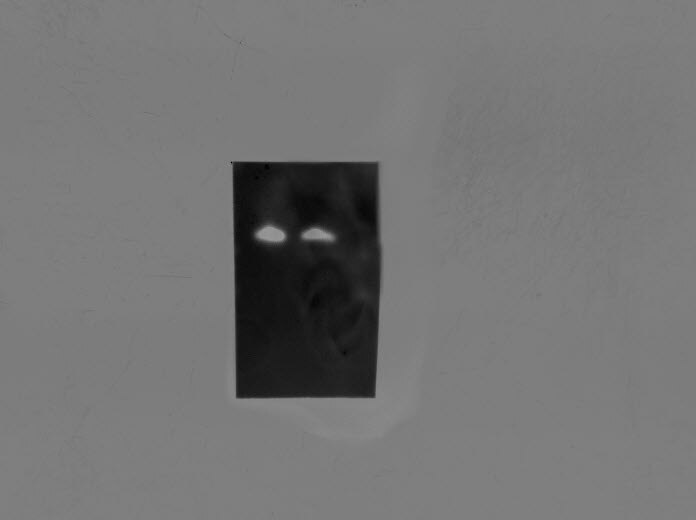
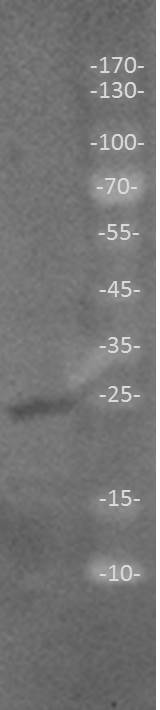
Both reviewers rated this antibody 5 stars for Western Blot. One user tested it at 1:2000 dilution on mouse brain lysate, describing it as a very good and clean antibody that detected the correct molecular weight. Another user validated it at 1:1000 dilution on human kidney cancer cells (RCC4), confirming a specific band. Overall, customers report strong specificity, clean signal, and reliable performance across species and cell types.
The reviews below have been submitted by verified Proteintech customers who received an incentive for providing their feedback.
X (Verified Customer) (07-11-2022) | A very good and clean antibody with the right molecular weight for WB.
 |
Daniel (Verified Customer) (04-16-2019) | Specific band in RCC4 cells
 |
























