
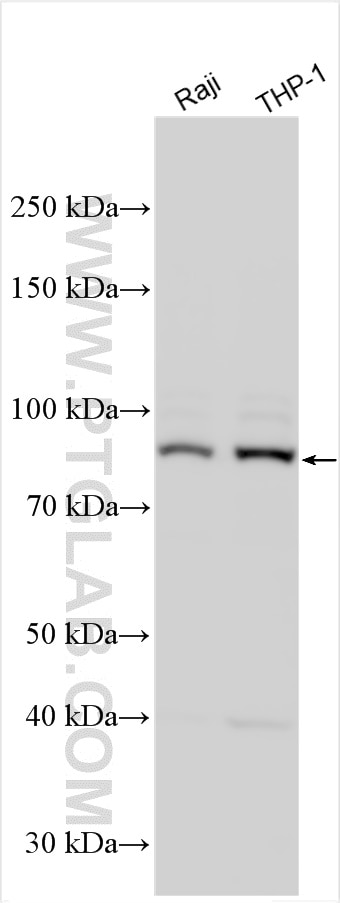
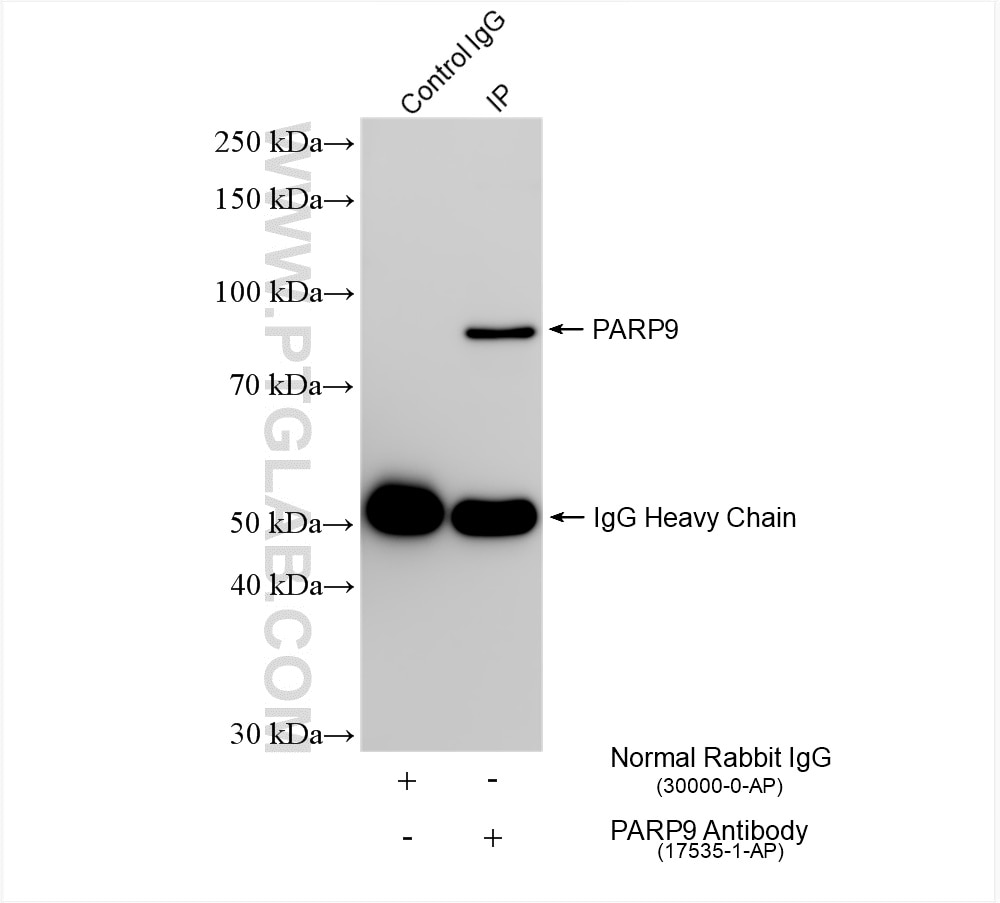
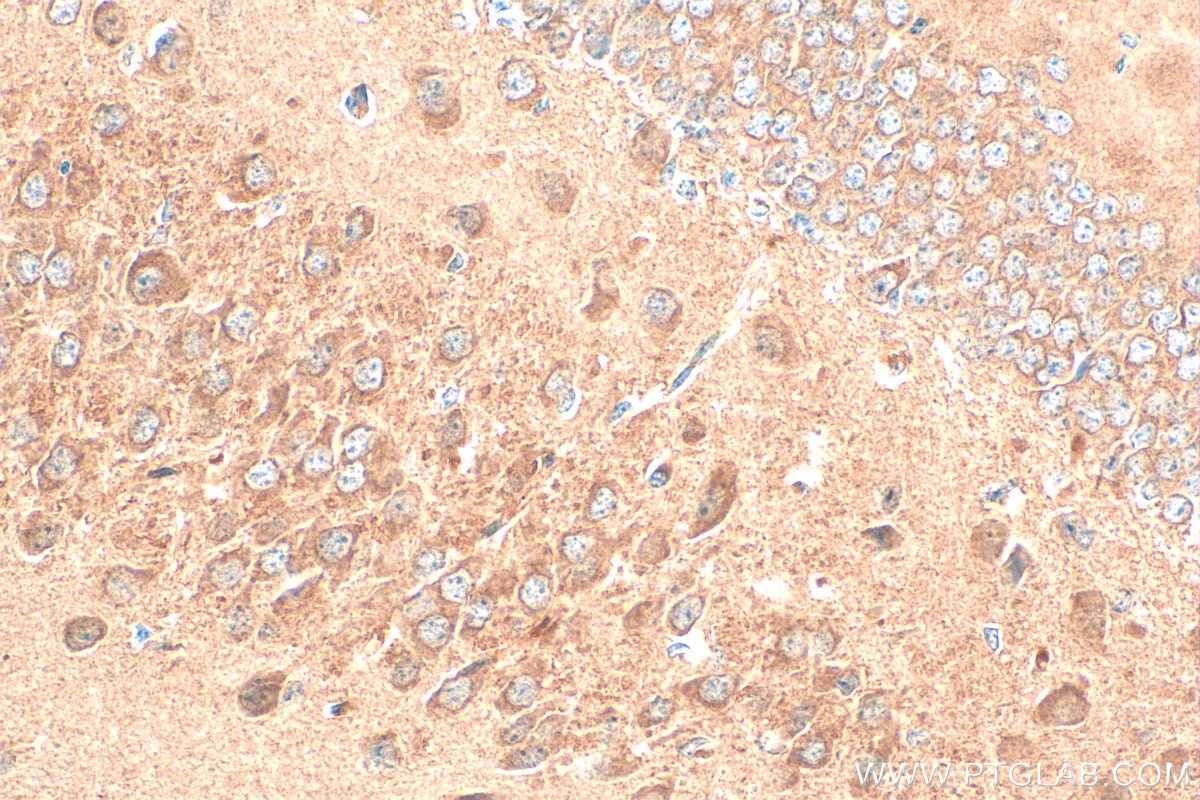
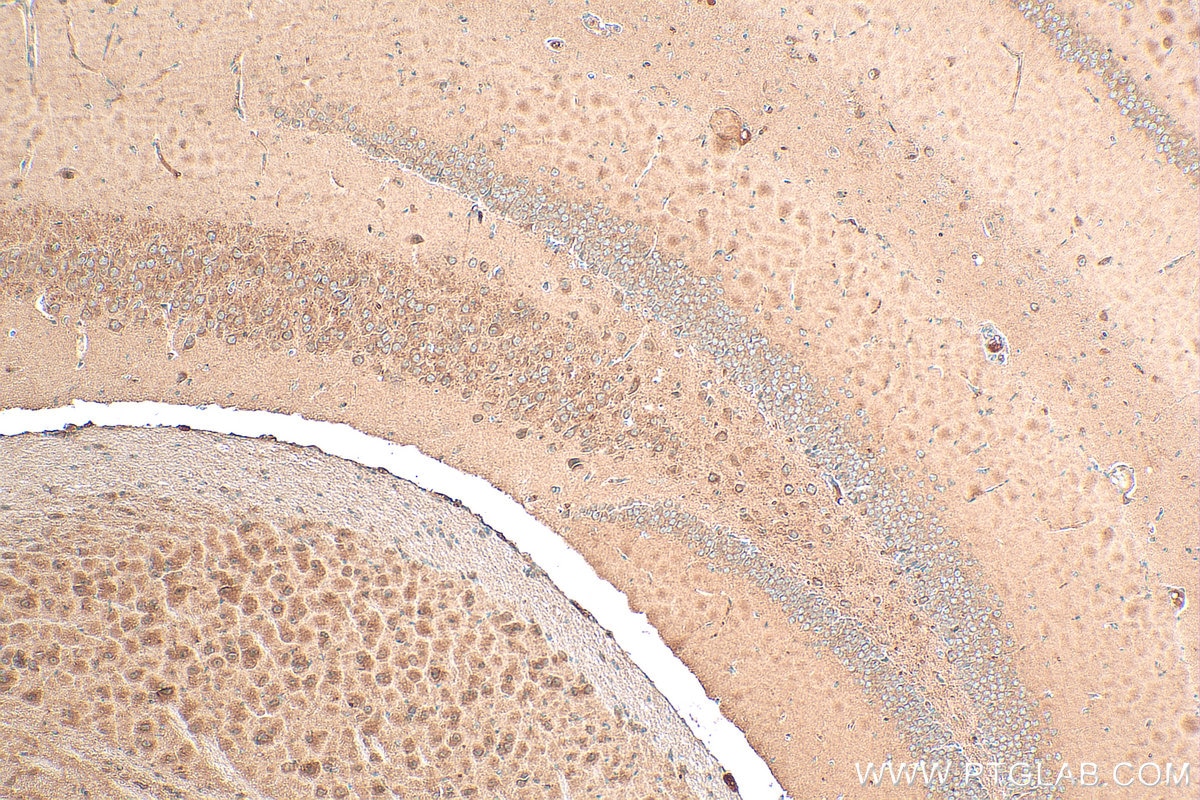


Tested Applications
| Positive WB detected in | Raji cells, THP-1 cells |
| Positive IP detected in | MCF-7 cells |
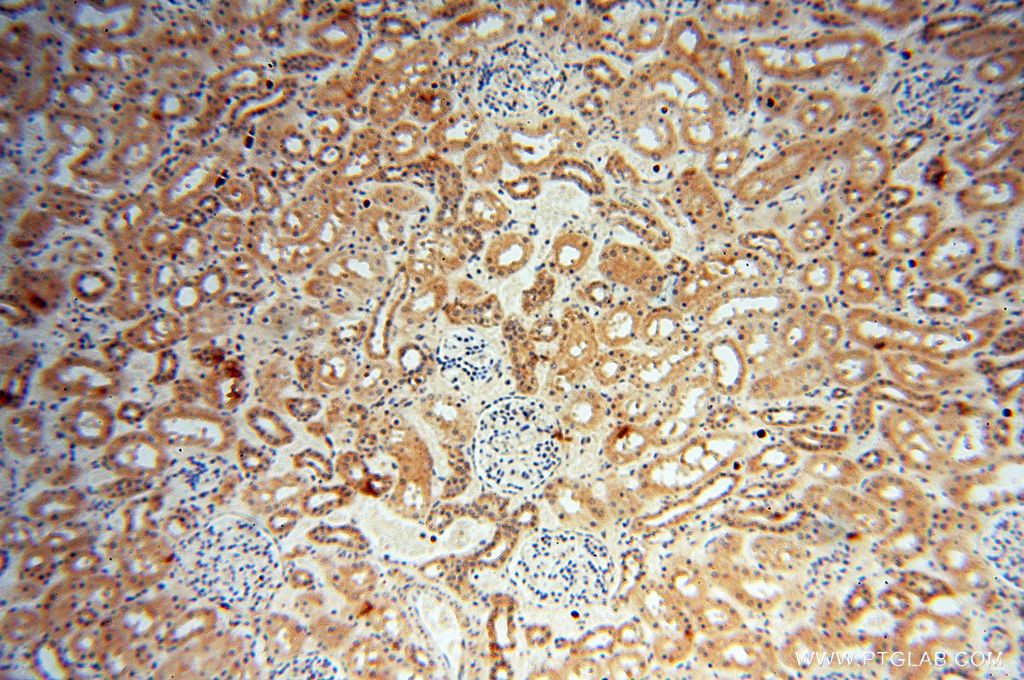
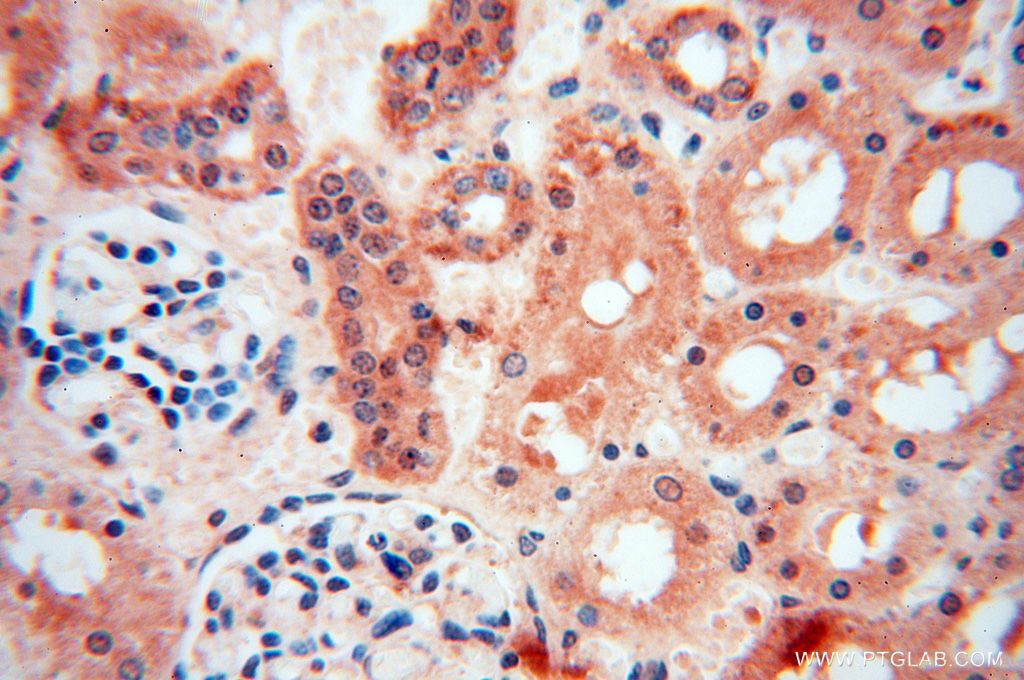
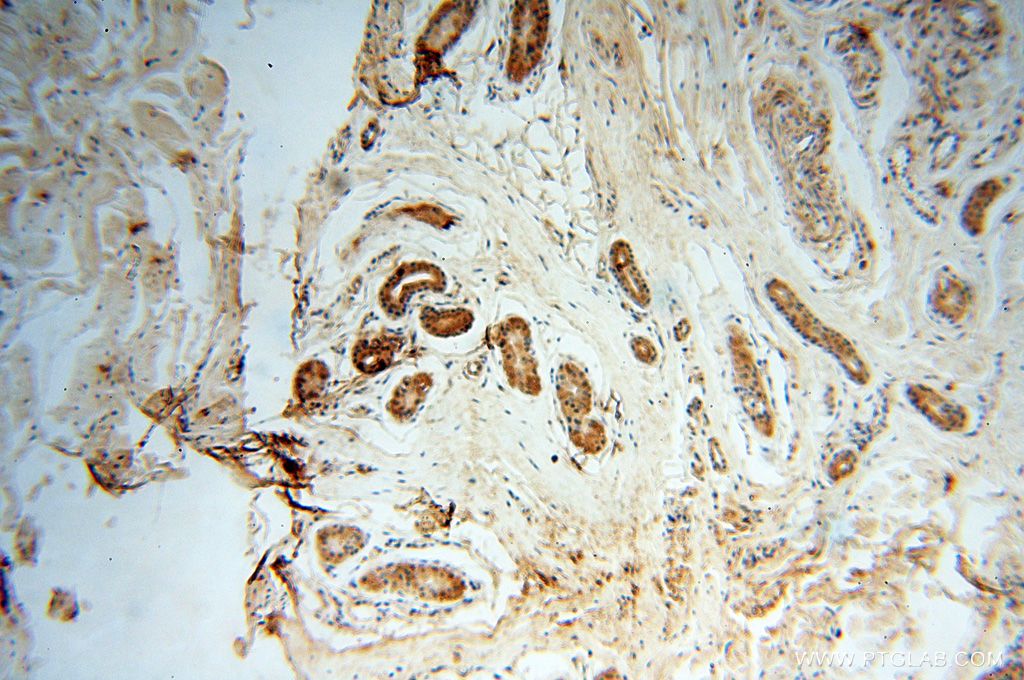
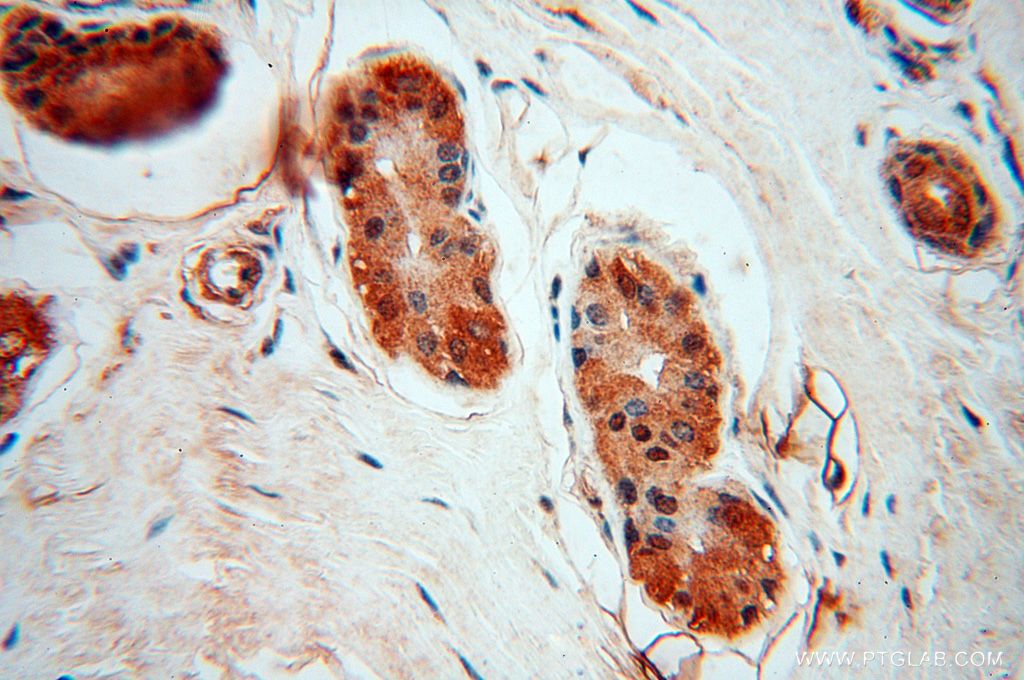
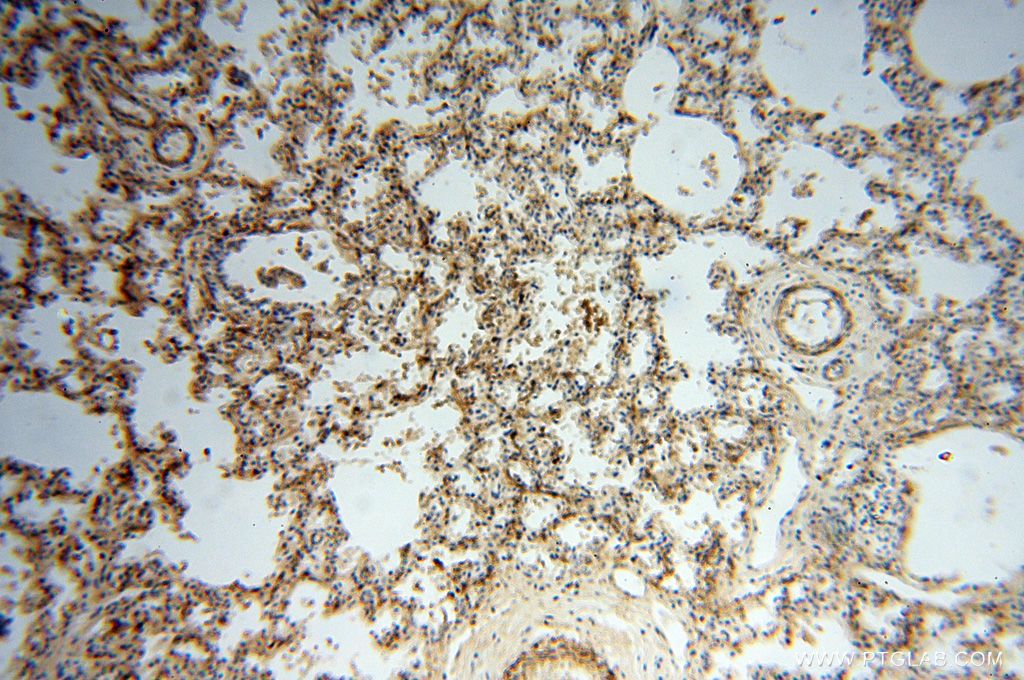
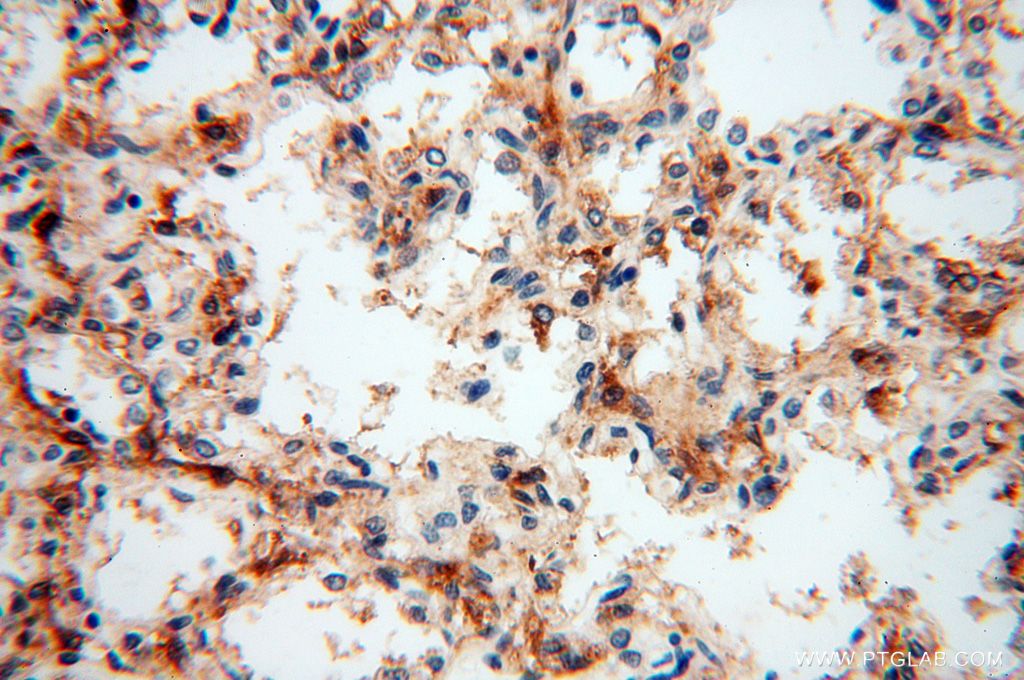
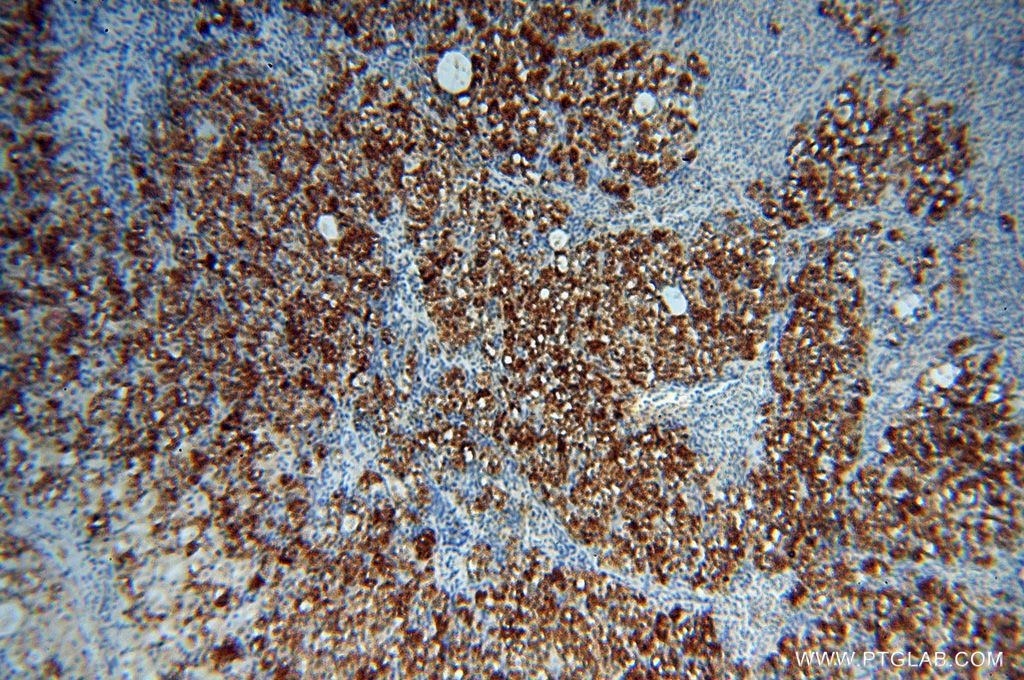
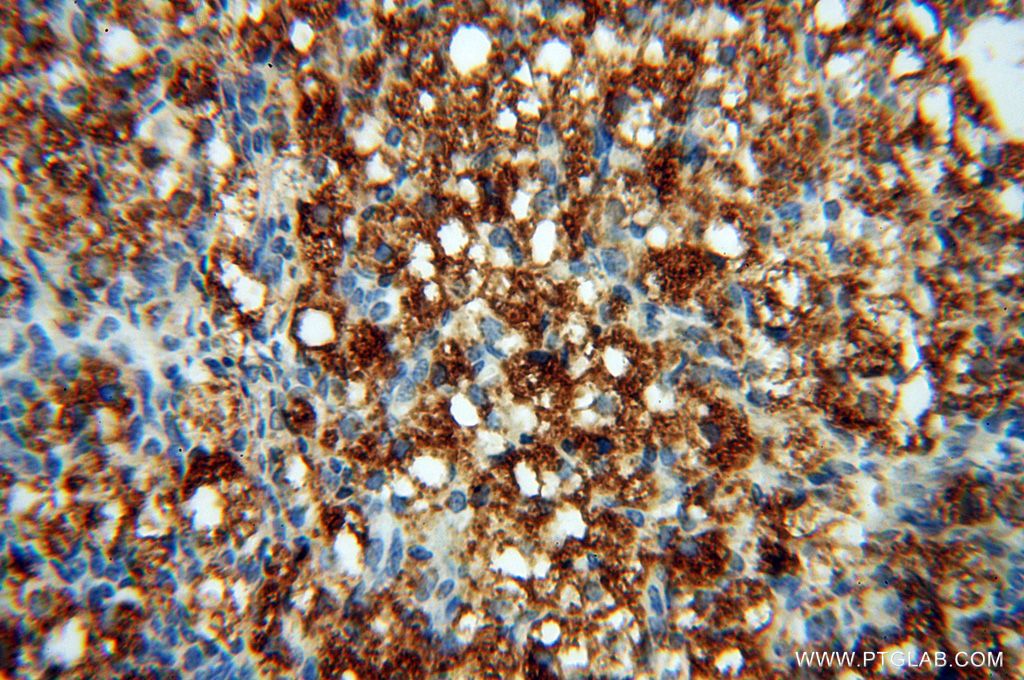
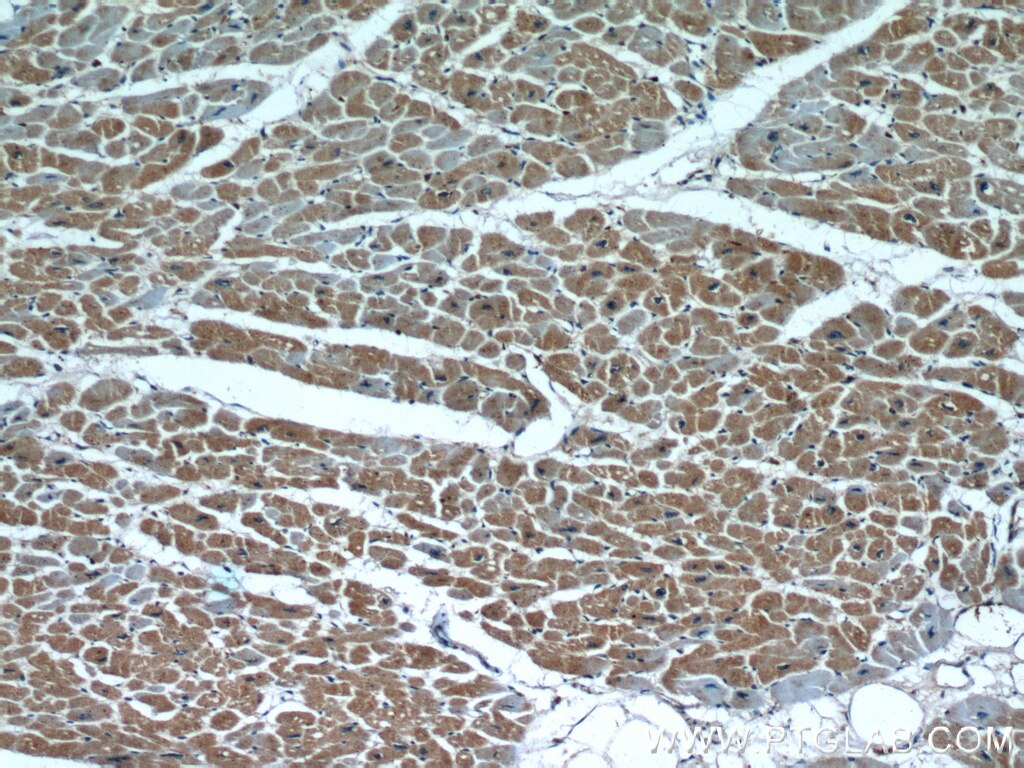
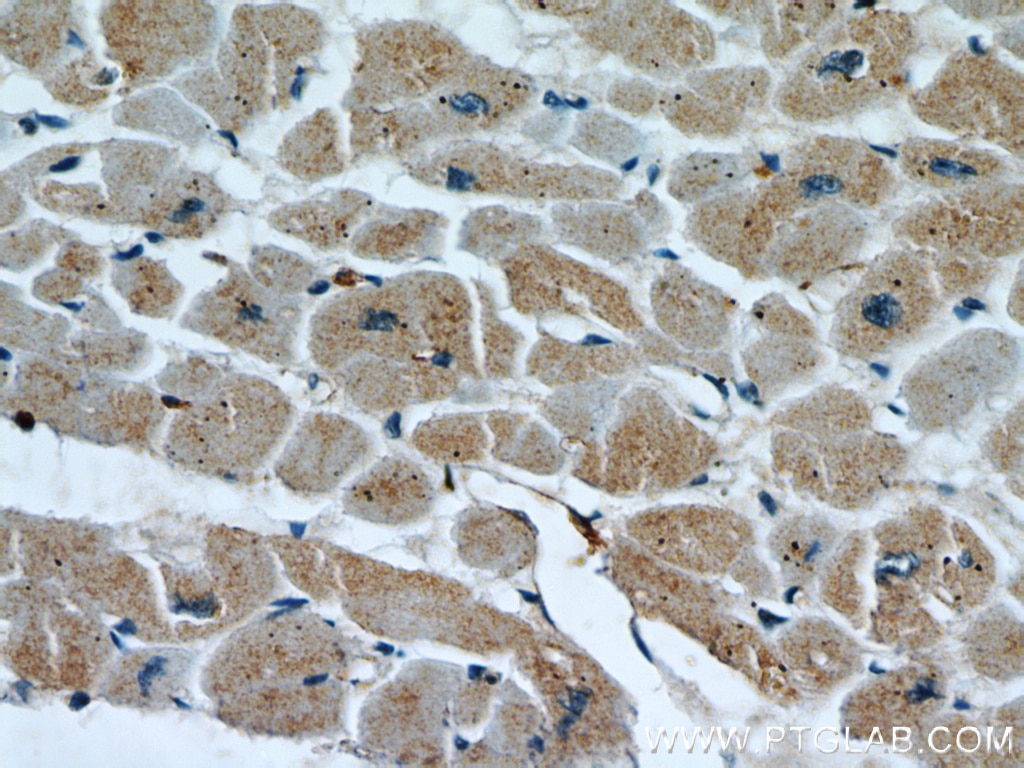
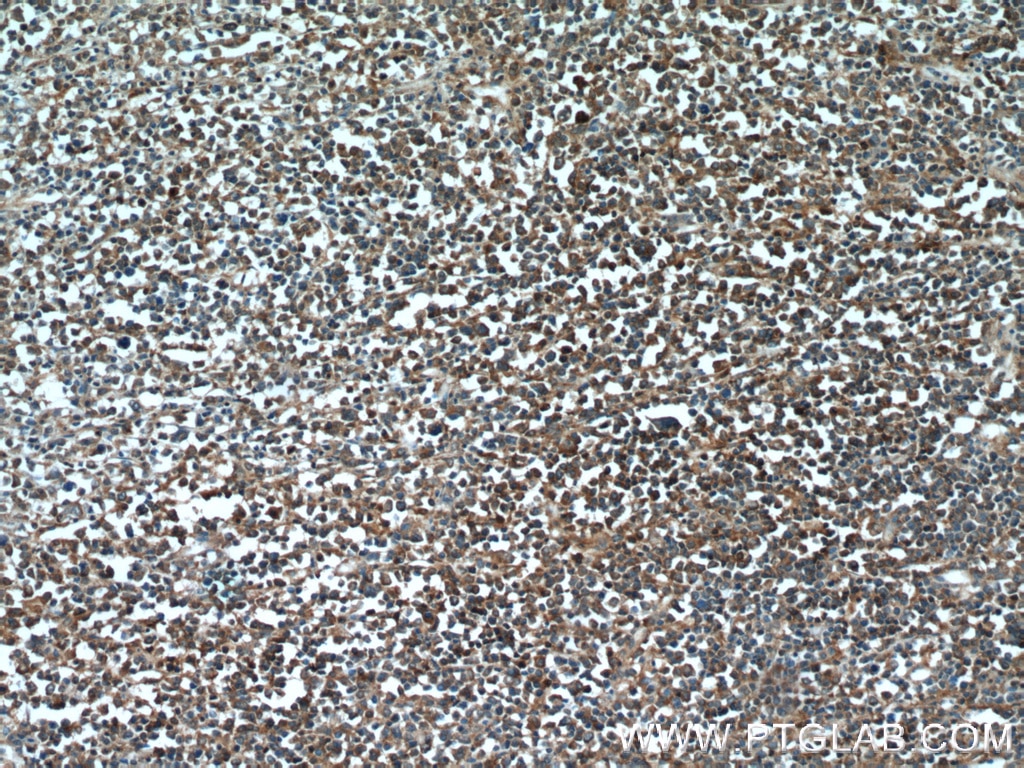
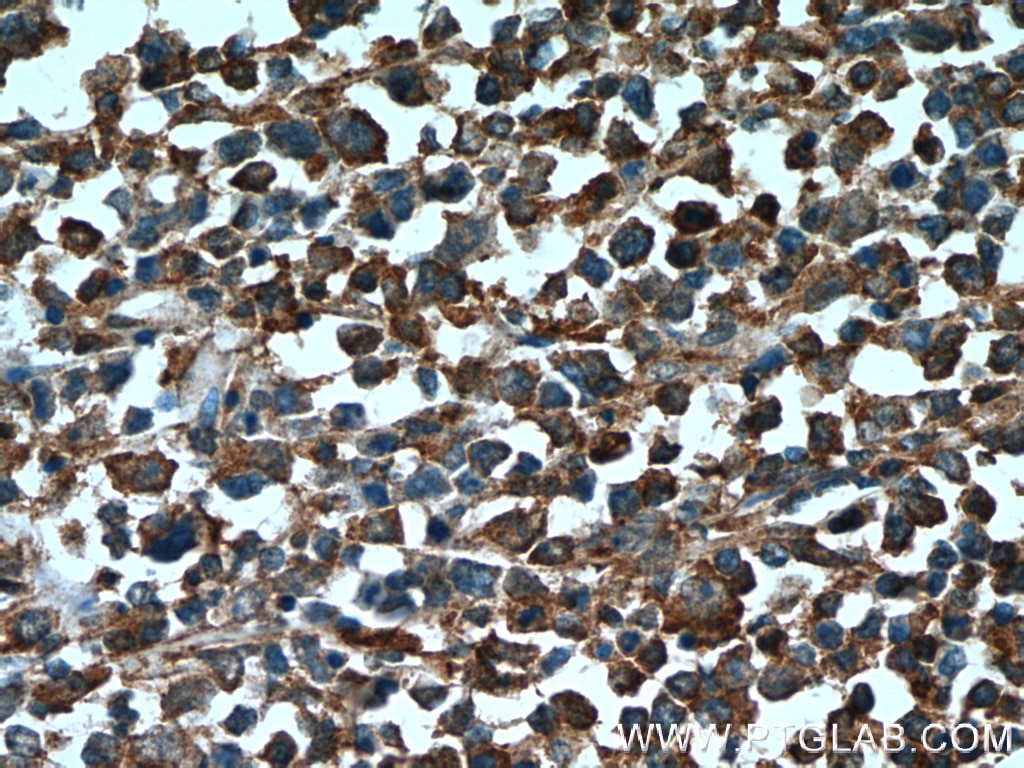
| Positive IHC detected in | mouse brain tissue, human heart tissue, human kidney tissue, human lung tissue, human lymphoma tissue, human ovary tissue, human skin tissue Note: suggested antigen retrieval with TE buffer pH 9.0; (*) Alternatively, antigen retrieval may be performed with citrate buffer pH 6.0 |
| Positive IF/ICC detected in | THP-1 cells |
Recommended dilution
| Application | Dilution |
|---|---|
| Western Blot (WB) | WB : 1:2000-1:12000 |
| Immunoprecipitation (IP) | IP : 0.5-4.0 ug for 1.0-3.0 mg of total protein lysate |
| Immunohistochemistry (IHC) | IHC : 1:250-1:1000 |
| Immunofluorescence (IF)/ICC | IF/ICC : 1:200-1:800 |
| It is recommended that this reagent should be titrated in each testing system to obtain optimal results. | |
| Sample-dependent, Check data in validation data gallery. | |
Product Information
17535-1-AP targets PARP9 in WB, IHC, IF/ICC, IP, ELISA applications and shows reactivity with human, mouse, rat samples.
| Tested Reactivity | human, mouse, rat |
| Cited Reactivity | human, treeshrew |
| Host / Isotype | Rabbit / IgG |
| Class | Polyclonal |
| Type | Antibody |
| Immunogen |
CatNo: Ag11587 Product name: Recombinant human PARP9 protein Source: e coli.-derived, PGEX-4T Tag: GST Domain: 476-819 aa of BC039580 Sequence: EARSPAINLMGFNVEEMYEAHAWIQRILSLQNHHIIENNHILYLGRKEHDILSQLQKTSSVSITEIISPGRTELEIEGARADLIEVVMNIEDMLCKVQEEMARKKERGLWRSLGQWTIQQQKTQDEMKENIIFLKCPVPPTQELLDQKKQFEKCGLQVLKVEKIDNEVLMAAFQRKKKMMEEKLHRQPVSHRLFQQVPYQFCNVVCRVGFQRMYSTPCDPKYGAGIYFTKNLKNLAEKAKKISAADKLIYVFEAEVLTGFFCQGHPLNIVPPPLSPGAIDGHDSVVDNVSSPETFVIFSGMQAIPQYLWTCTQEYVQSQDYSSGPMRPFAQHPWRGFASGSPVD Predict reactive species |
| Full Name | poly (ADP-ribose) polymerase family, member 9 |
| Calculated Molecular Weight | 819 aa, 92 kDa |
| Observed Molecular Weight | 88 kDa |
| GenBank Accession Number | BC039580 |
| Gene Symbol | PARP9 |
| Gene ID (NCBI) | 83666 |
| RRID | AB_2158929 |
| Conjugate | Unconjugated |
| Form | Liquid |
| Purification Method | Antigen affinity purification |
| UNIPROT ID | Q8IXQ6 |
| Storage Buffer | PBS with 0.02% sodium azide and 50% glycerol, pH 7.3. |
| Storage Conditions | Store at -20°C. Stable for one year after shipment. Aliquoting is unnecessary for -20oC storage. 20ul sizes contain 0.1% BSA. |
Background Information
Poly(ADP-ribosyl)ation is a post-translational modification of proteins mediated by one of the 17 members of the poly(ADP-ribose) polymerases (PARP). PARP-9 belongs to the subfamily of macroPARPs, associating one to three macro domains to the PARP domain. Overexpression of PARP-9 stimulates cell migration in vitro, suggesting a role for PARP-9 in the promotion of malignant B cell migration and dissemination in high risk DLBCL. PARP-9 is also likely a transcription coactivator, its overexpression in B lymphocytes, stimulated by IFNγ, inducing the transcription of IFNγ-controlled genes.
Protocols
| Product Specific Protocols | |
|---|---|
| IF protocol for PARP9 antibody 17535-1-AP | Download protocol |
| IHC protocol for PARP9 antibody 17535-1-AP | Download protocol |
| IP protocol for PARP9 antibody 17535-1-AP | Download protocol |
| WB protocol for PARP9 antibody 17535-1-AP | Download protocol |
| Standard Protocols | |
|---|---|
| Click here to view our Standard Protocols |
Publications
What published studies show
The anti-PARP9 (DTX3L) antibody (Cat# 17535-1-AP) has 10 citations spanning journals including Molecular Cell, Nucleic Acids Research, Molecular Therapy, Phenomics, Journal of Molecular Biology, Journal of Biological Chemistry, BMC Cancer, Journal of Immunology, Immunity and Inflammation Disease, and Oncology Letters. Research fields cover cancer biology (breast, gastric), genome integrity, exosome-mediated drug delivery, tuberculosis infection, protein-protein interactions, metabolic reprogramming, STING antiviral signaling, ferroptosis in Crohn's disease, and ubiquitin modification.
| Species | Application | Title |
|---|---|---|
Nucleic Acids Res CHD1L maintains genome integrity by facilitating okazaki fragment maturation. | ||
Phenomics Identification of Poly(ADP-ribose) Polymerase 9 (PARP9) as a Potent Suppressor for Mycobacterium tuberculosis Infection
| ||
J Mol Biol KH-like domains in PARP9/DTX3L and PARP14 coordinate protein-protein interactions to promote cancer cell survival
| ||
BMC Cancer BALs are prognostic biomarkers and correlate with malignant behaviors in breast cancer
|
Reviews
What customers say
Both reviewers report positive experiences with this PARP9 antibody. One user (5/5) calls it a "game changer" for detecting PARP9 signals, noting it works well at 1:500 dilution both at room temperature and overnight across multiple mammalian cell lines including HeLa and HNSCC cells. The other reviewer (4/5) used it at 1:800 for immunofluorescence on HEK293 and U2OS cells, describing it as a good working antibody. Overall, users find it reliable and effective for PARP9 detection in both WB and IF applications.
The reviews below have been submitted by verified Proteintech customers who received an incentive for providing their feedback.
Lisa (Verified Customer) (07-23-2025) | Good working antibody for WB.
|
Hadil (Verified Customer) (05-25-2023) | I have had trouble detecting PARP9 signals with other PARP9 antibodies, however, this antibody is a game changer. It works well both at room temperature (1.5 -2 hrs) and also overnight at 1:500 dilution. Would highly recommend to anyone who's studying PARP9.
|


















