
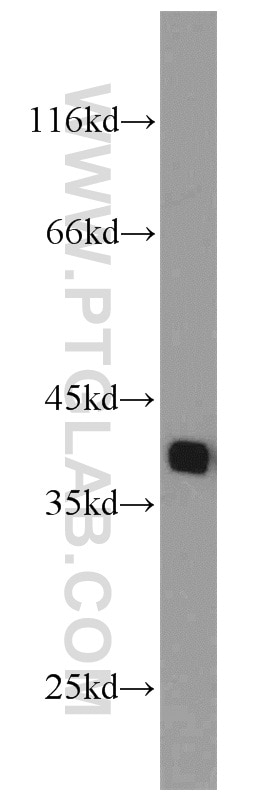
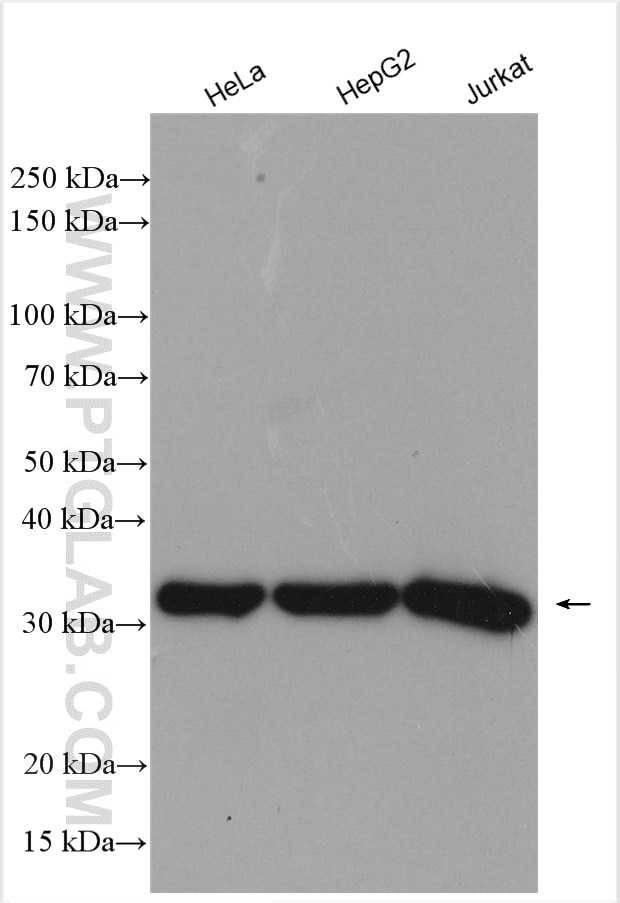
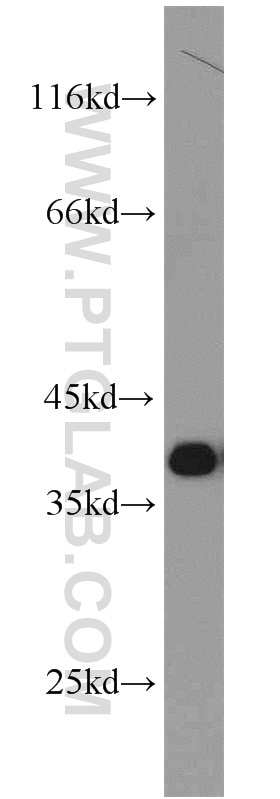
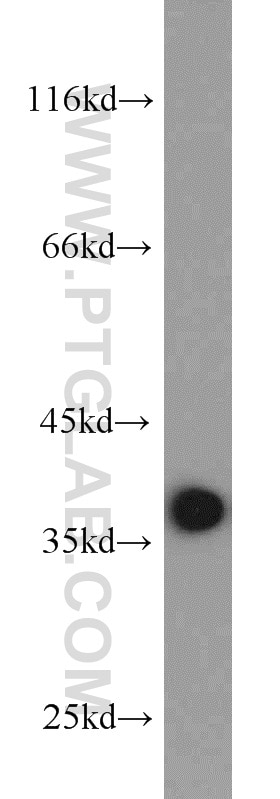
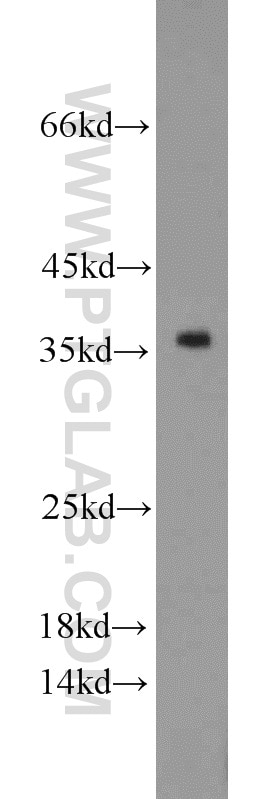
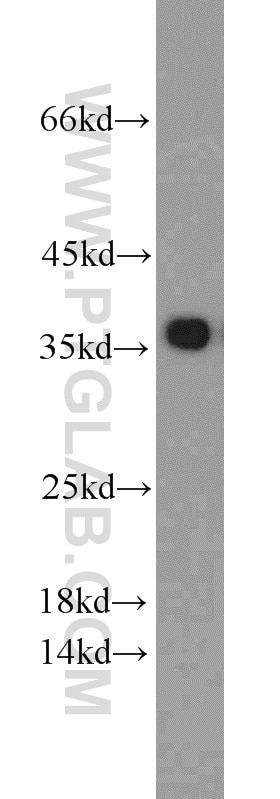
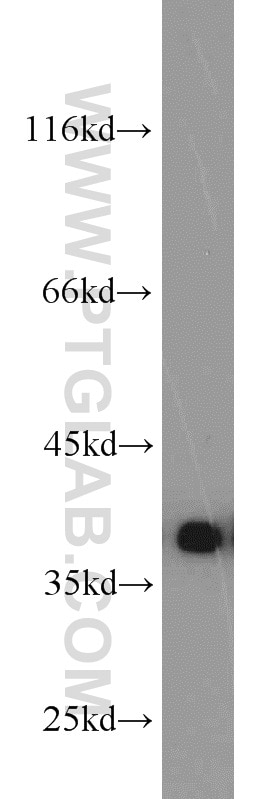
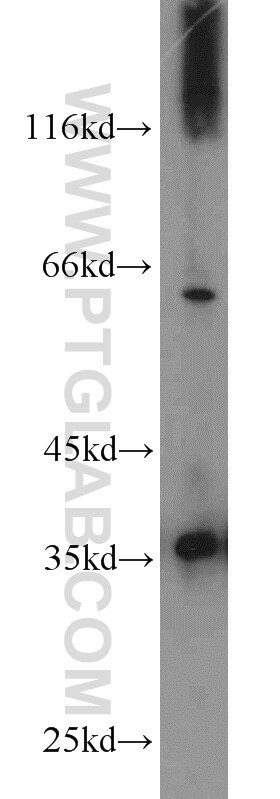

Tested Applications
| Positive WB detected in | HeLa cells, mouse testis tissue, Raji cells, HEK-293 cells, NIH/3T3 cells, MCF-7 cells, rat liver tissue, HepG2 cells, Jurkat cells |
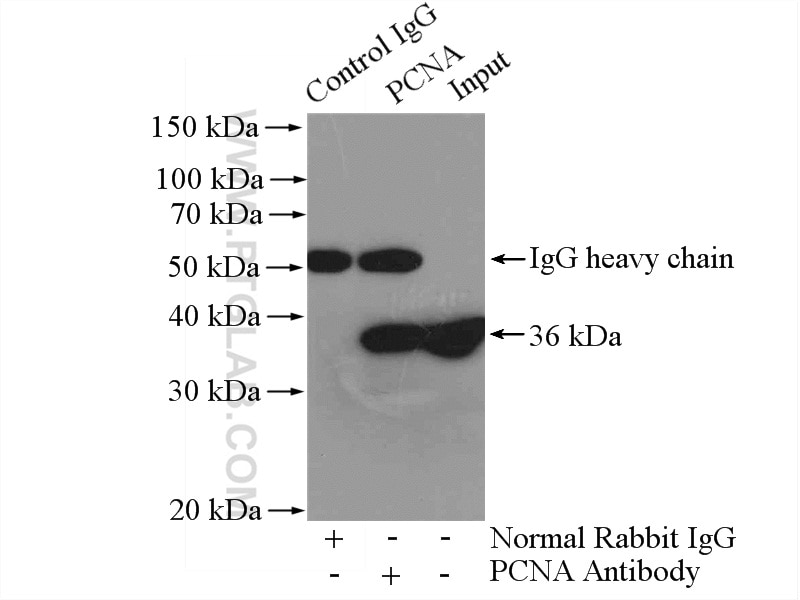
| Positive IP detected in | HEK-293 cells |
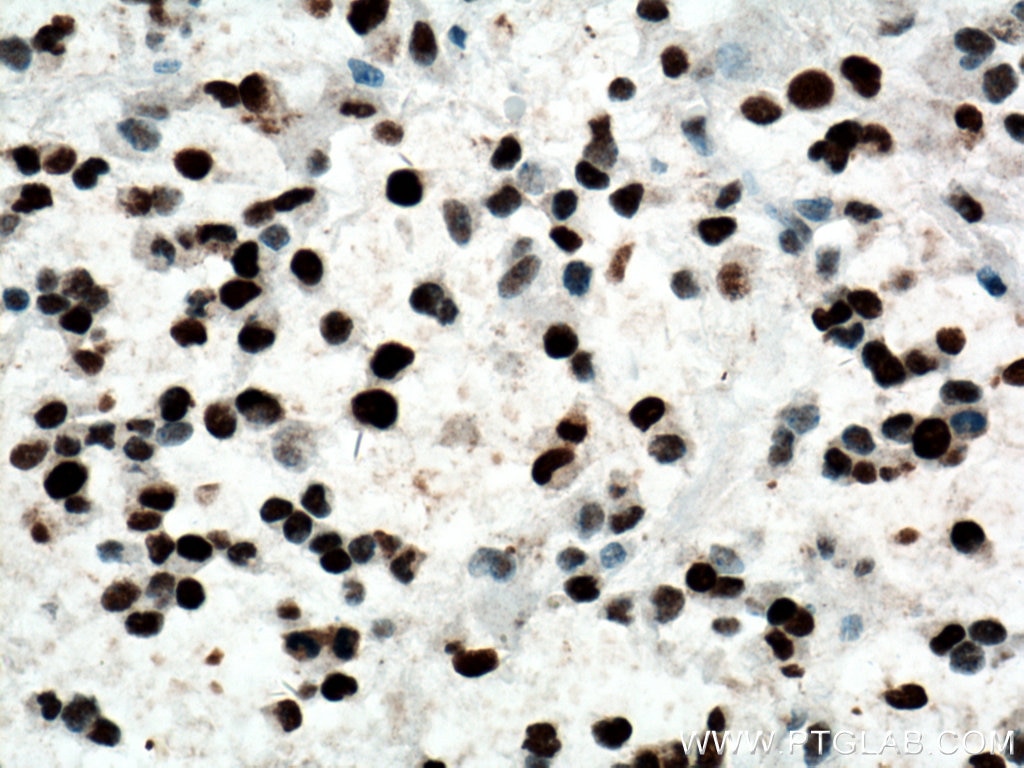
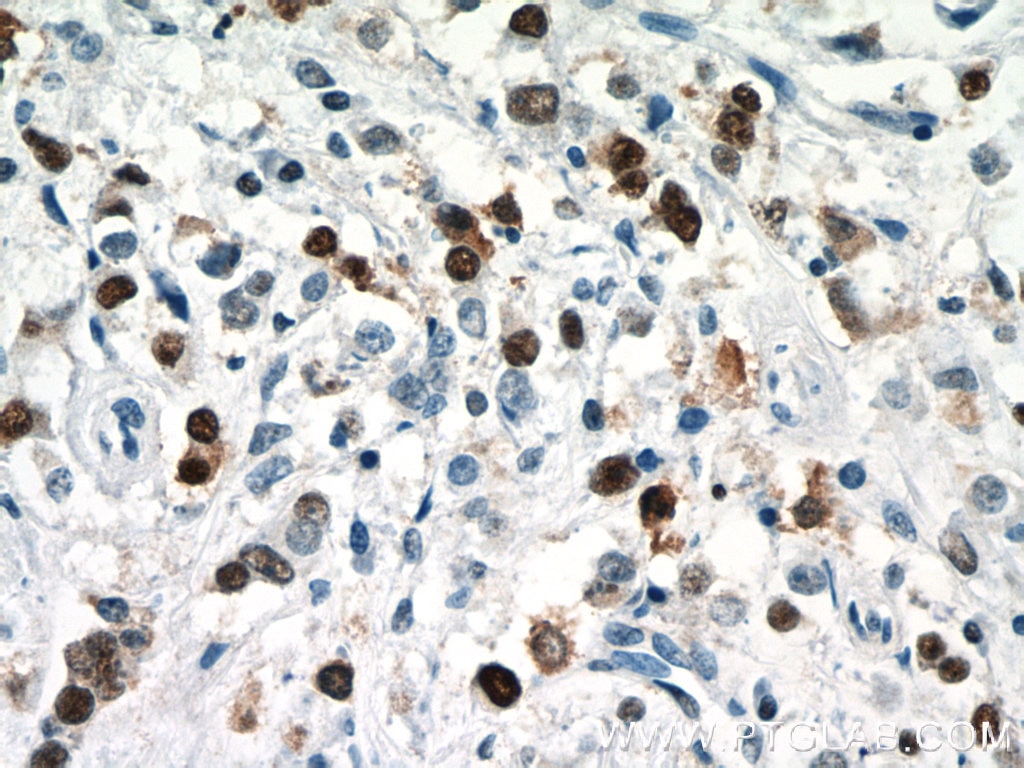
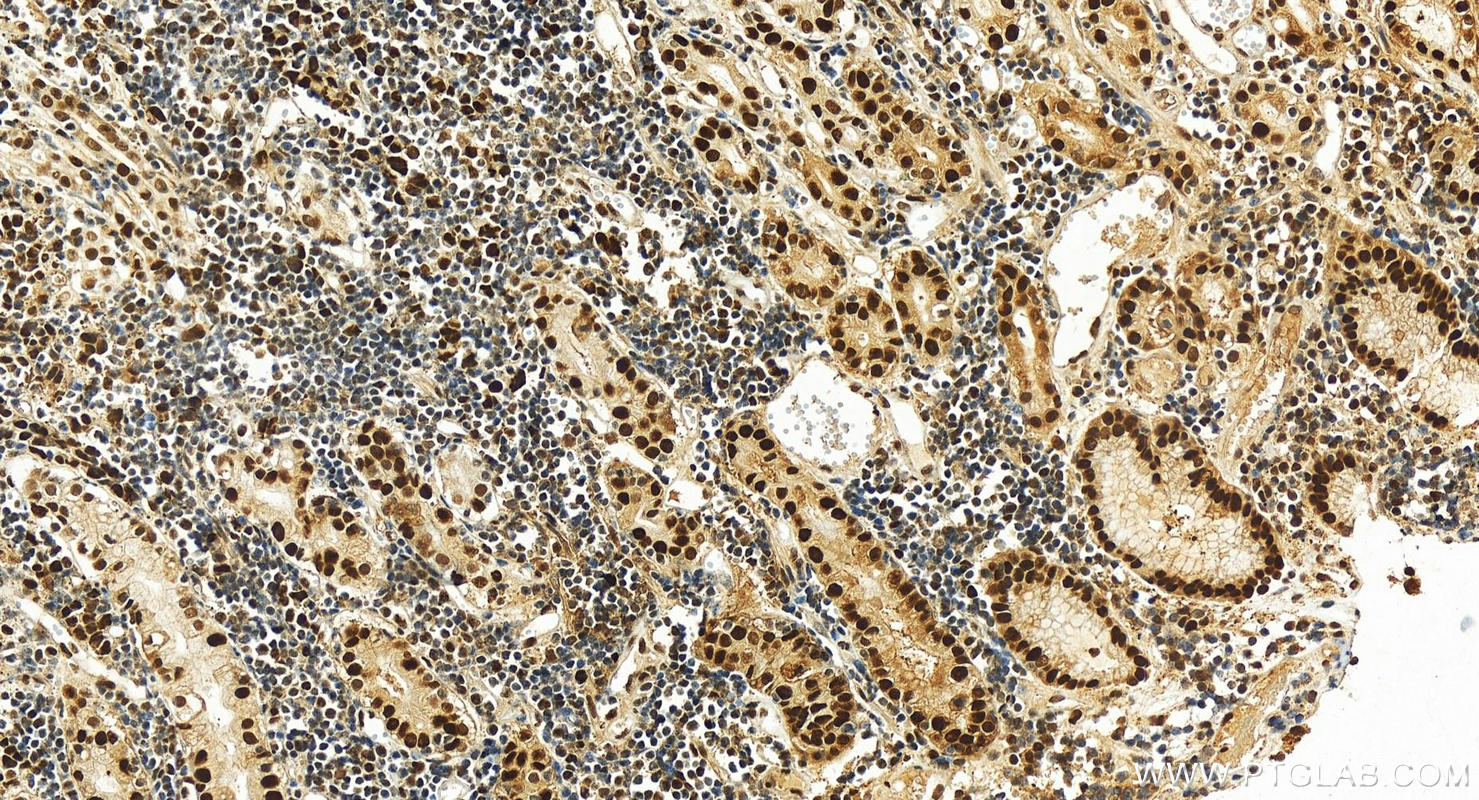
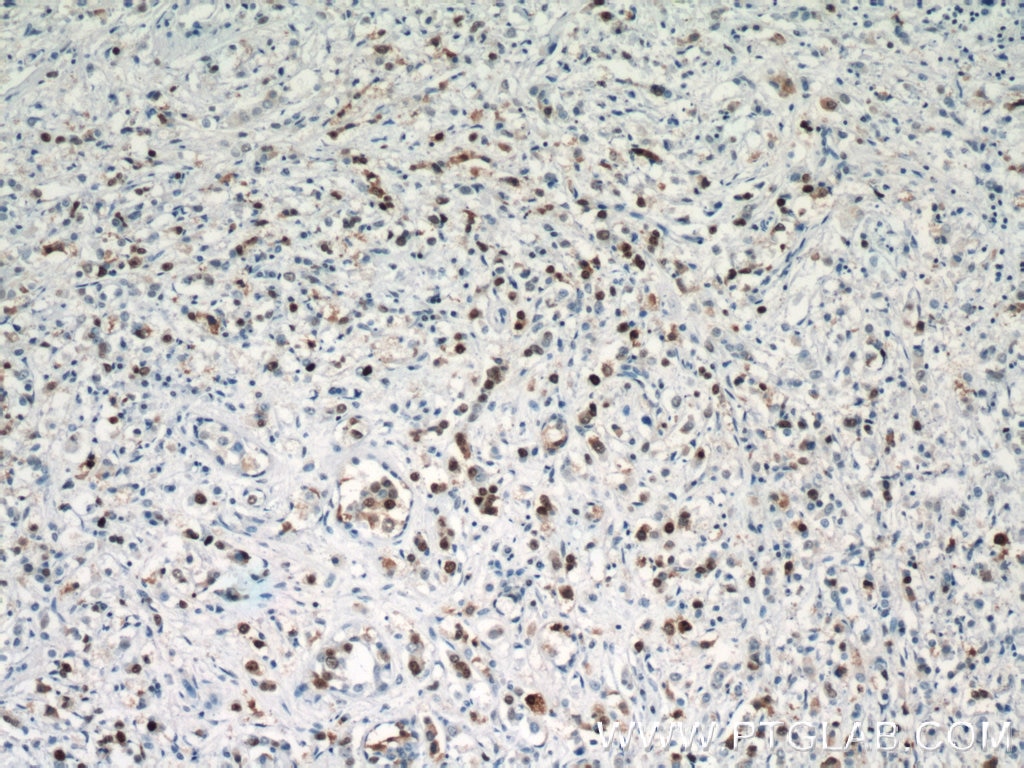
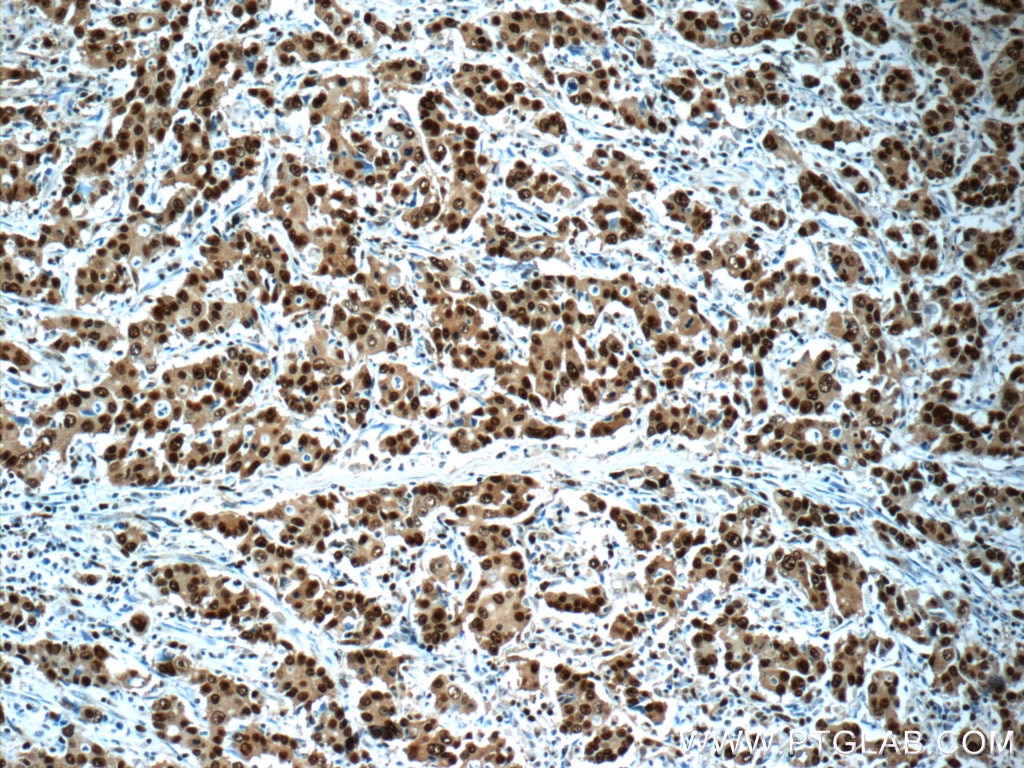
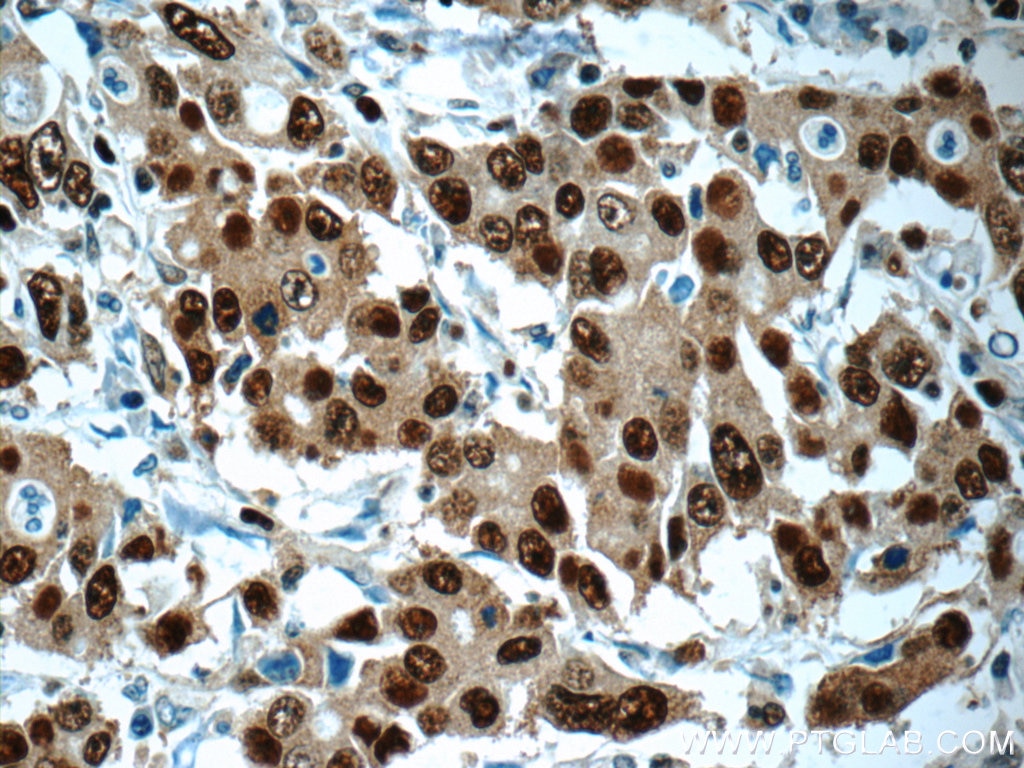
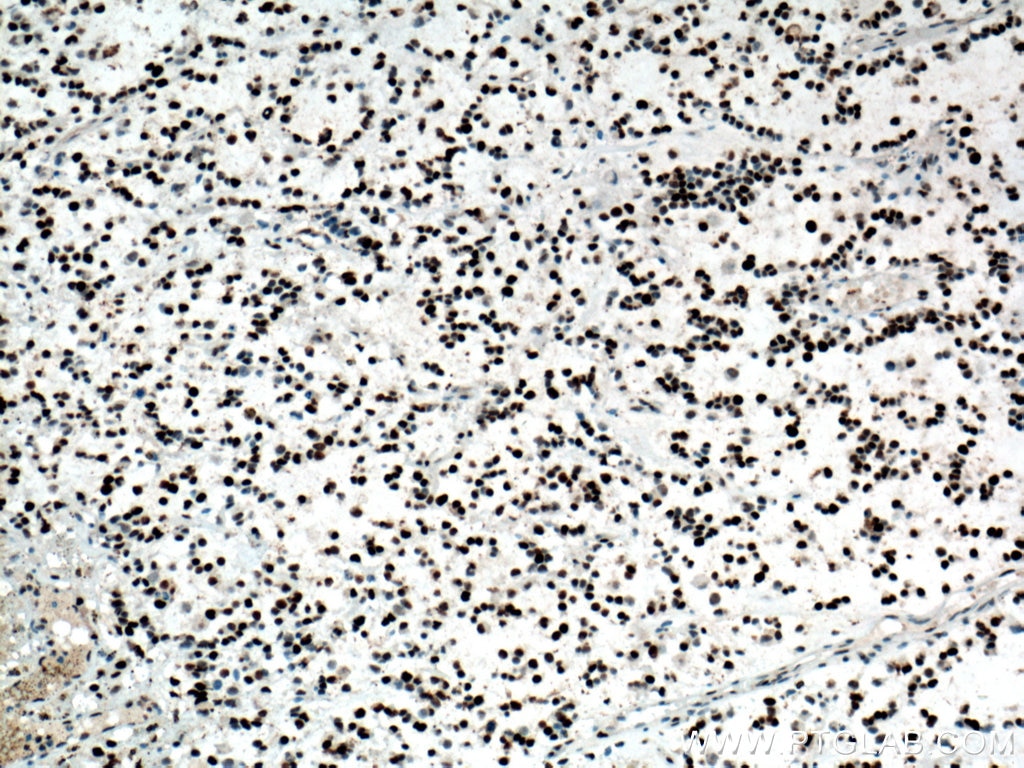
| Positive IHC detected in | human breast cancer tissue, human gliomas tissue, human stomach cancer tissue Note: suggested antigen retrieval with TE buffer pH 9.0; (*) Alternatively, antigen retrieval may be performed with citrate buffer pH 6.0 |
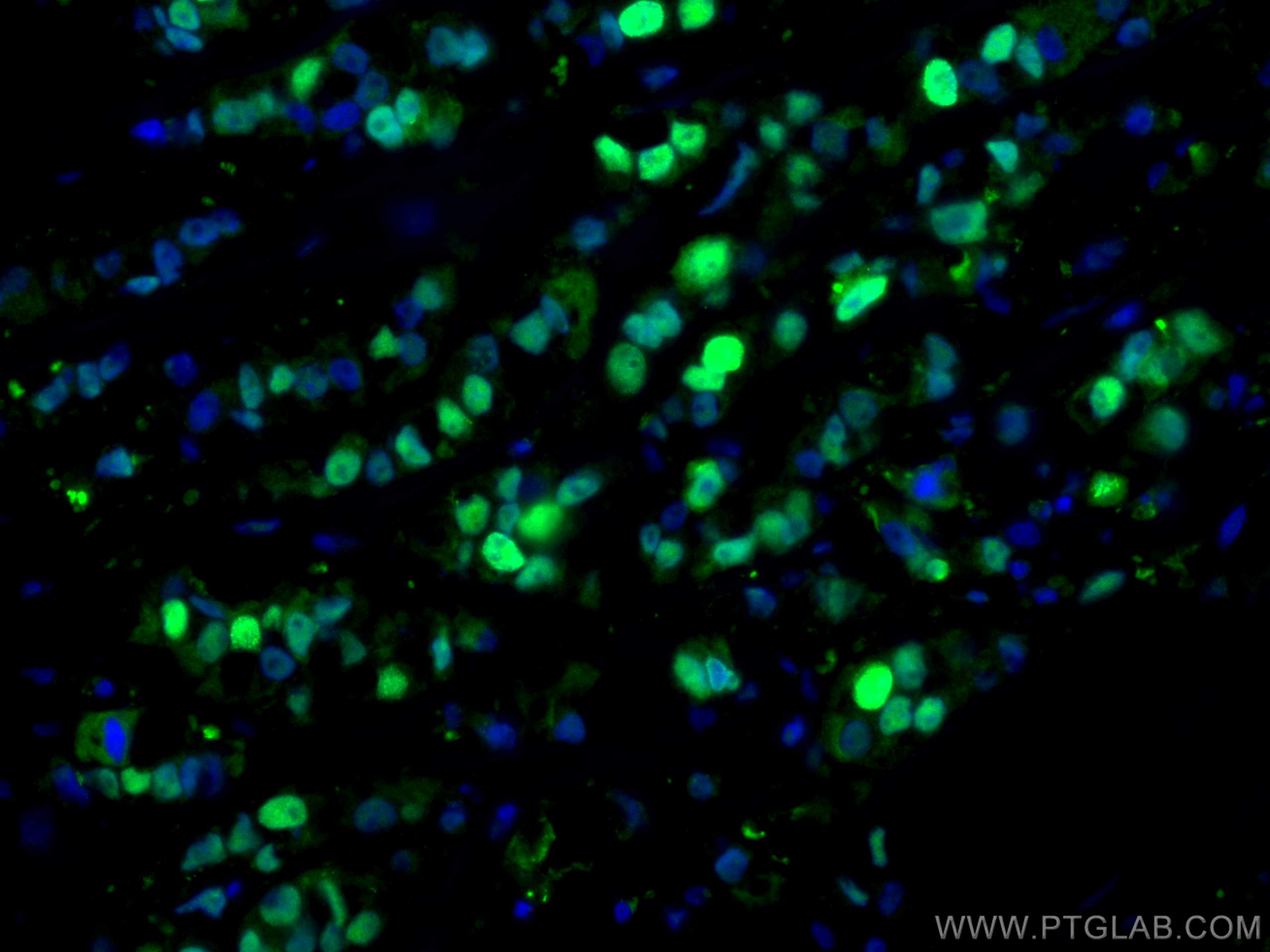
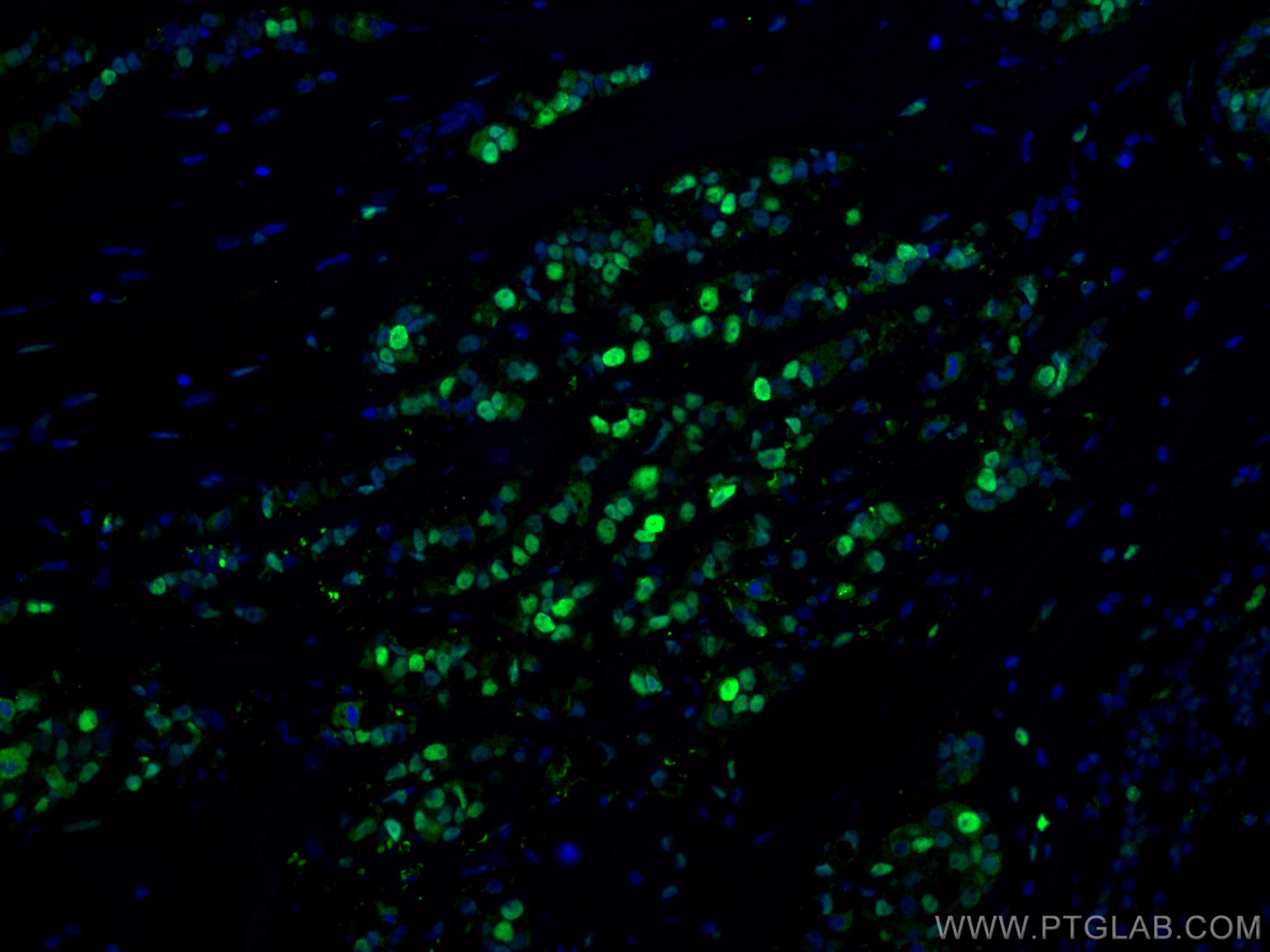
| Positive IF-P detected in | human breast cancer tissue |
Recommended dilution
| Application | Dilution |
|---|---|
| Western Blot (WB) | WB : 1:2000-1:14000 |
| Immunoprecipitation (IP) | IP : 0.5-4.0 ug for 1.0-3.0 mg of total protein lysate |
| Immunohistochemistry (IHC) | IHC : 1:20-1:200 |
| Immunofluorescence (IF)-P | IF-P : 1:50-1:500 |
| It is recommended that this reagent should be titrated in each testing system to obtain optimal results. | |
| Sample-dependent, Check data in validation data gallery. | |
Product Information
24036-1-AP targets PCNA in WB, IHC, IF-P, IP, RIP, ELISA applications and shows reactivity with human, mouse, rat samples.
| Tested Reactivity | human, mouse, rat |
| Cited Reactivity | human, mouse, rat, rabbit, zebrafish |
| Host / Isotype | Rabbit / IgG |
| Class | Polyclonal |
| Type | Antibody |
| Immunogen |
CatNo: Ag7416 Product name: Recombinant human PCNA protein Source: e coli.-derived, PET28a Tag: 6*His Domain: 8-256 aa of BC000491 Sequence: QGSILKKVLEALKDLINEACWDISSSGVNLQSMDSSHVSLVQLTLRSEGFDTYRCDRNLAMGVNLTSMSKILKCAGNEDIITLRAEDNADTLALVFEAPNQEKVSDYEMKLMDLDVEQLGIPEQEYSCVVKMPSGEFARICRDLSHIGDAVVISCAKDGVKFSASGELGNGNIKLSQTSNVDKEEEAVTIEMNEPVQLTFALRYLNFFTKATPLSSTVTLSMSADVPLVVEYKIADMGHLKYYLAPKIE Predict reactive species |
| Full Name | proliferating cell nuclear antigen |
| Calculated Molecular Weight | 29 kDa/31 kDa |
| Observed Molecular Weight | 36-38 kDa |
| GenBank Accession Number | BC000491 |
| Gene Symbol | PCNA |
| Gene ID (NCBI) | 5111 |
| RRID | AB_2879414 |
| Conjugate | Unconjugated |
| Form | Liquid |
| Purification Method | Antigen affinity purification |
| UNIPROT ID | P12004 |
| Storage Buffer | PBS with 0.02% sodium azide and 50% glycerol, pH 7.3. |
| Storage Conditions | Store at -20°C. Stable for one year after shipment. Aliquoting is unnecessary for -20oC storage. 20ul sizes contain 0.1% BSA. |
Background Information
The proliferating cell nuclear antigen (PCNA), a protein synthesized in early G1 and S phases of the cell cycle, functions in cell cycle progression, DNA replication and DNA repair. In early S phase, PCNA exhibits granular distribution and is absent from the nucleoli; however, in late S phase, it relocates to the nucleoli. PCNA exists in two basic forms: one involved in ongoing DNA replication, which localizes specifically to the nucleus, and a second, soluble form, not implicated in constant synthesis. Interestingly, the latter form degrades in the presence of organic solvents, rendering it undetectable by histological methods in tissues using organic fixatives, and thus also providing a method of visualizing only the synthesizing form.This antibody specifically react with the 36kd human PCNA protein.
Protocols
| Product Specific Protocols | |
|---|---|
| IF protocol for PCNA antibody 24036-1-AP | Download protocol |
| IHC protocol for PCNA antibody 24036-1-AP | Download protocol |
| IP protocol for PCNA antibody 24036-1-AP | Download protocol |
| WB protocol for PCNA antibody 24036-1-AP | Download protocol |
| Standard Protocols | |
|---|---|
| Click here to view our Standard Protocols |
Publications
What published studies show
The PCNA Polyclonal antibody (Cat# 24036-1-AP) has 43 citations across journals including Int J Biol Sci, Cell Death & Discovery, Br J Pharmacol, Biochem Pharmacol, JCI Insight, Front Pharmacol, BMC Cancer, and PLoS ONE. Research fields span oncology (hepatocellular, ovarian, breast, esophageal cancers), pulmonary hypertension, bone biology, reproductive physiology, neurodevelopment, and cell cycle regulation.
| Species | Application | Title |
|---|---|---|
Int J Biol Sci Tendon Cells Root Into (Instead of Attach to) Humeral Bone Head via Fibrocartilage-Enthesis | ||
Cell Death Discov Zona pellucida is required for oocyte actin cortex and oocyte-somatic cell interactions during oocyte growth. | ||
Int J Surg Selenomethionine alleviates aortic dissection via PGC-1α/NRF2/TFAM-mediated mitochondrial biosynthesis against ferroptosis: an experimental study. | ||
Int J Biol Macromol YTHDF2 promotes arsenic carcinogenesis through m(6)A-dependent SMAD7 decay and PRR5 escape from decay. | ||
Phytother Res Phenethyl Isothiocyanate Suppresses Hepatocellular Carcinoma Progression and Immune Evasion via ZNF652 Regulation of PD-L1. | ||
Br J Pharmacol Squalene epoxidase promotes hepatocellular carcinoma development by activating STRAP transcription and TGF-β/SMAD signaling |



















