

Tested Applications
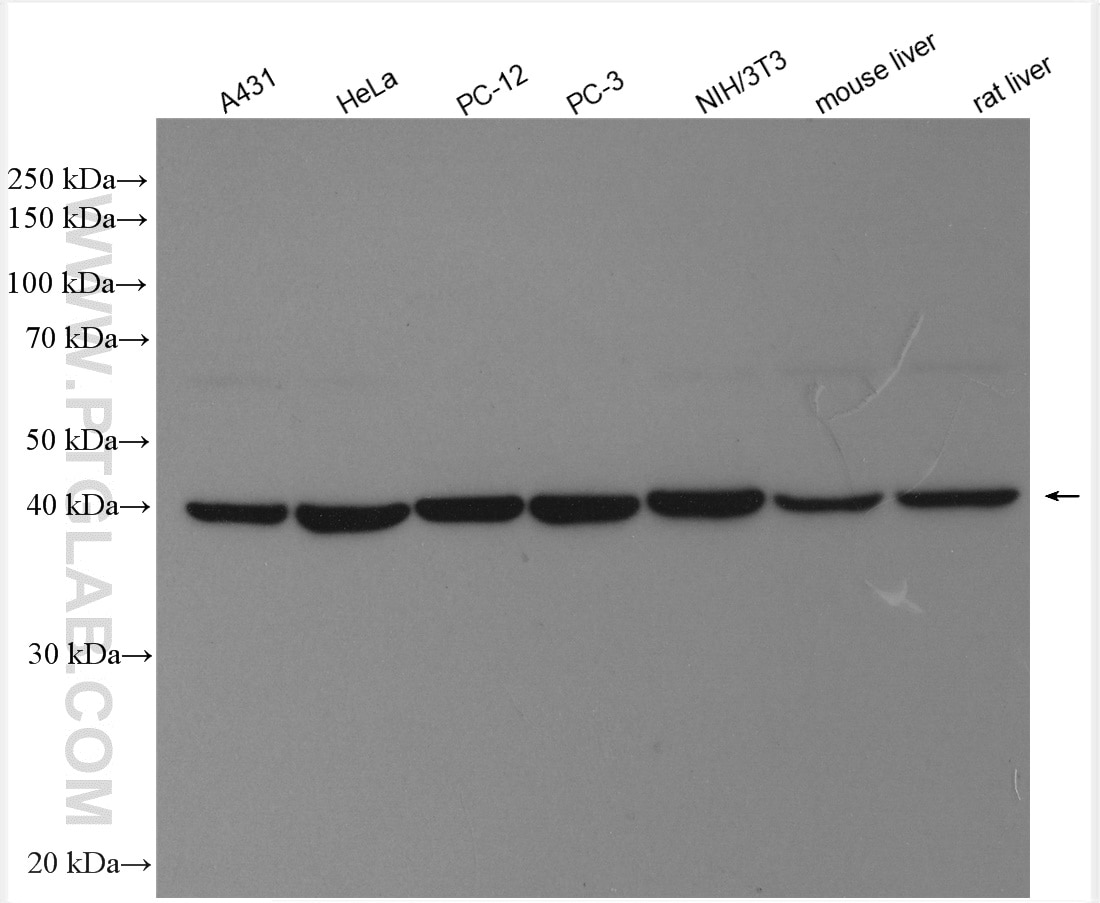
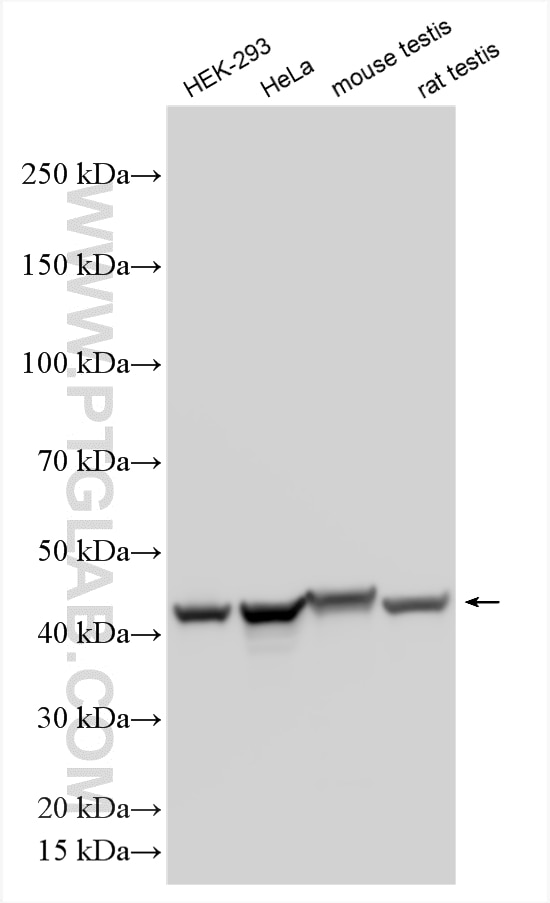
| Positive WB detected in | A431 cells, HEK-293 cells, HeLa cells, HepG2 cells, PC-12 cells, PC-3 cells, NIH/3T3 cells, mouse liver tissue, rat liver tissue, mouse testis tissue, rat testis tissue |
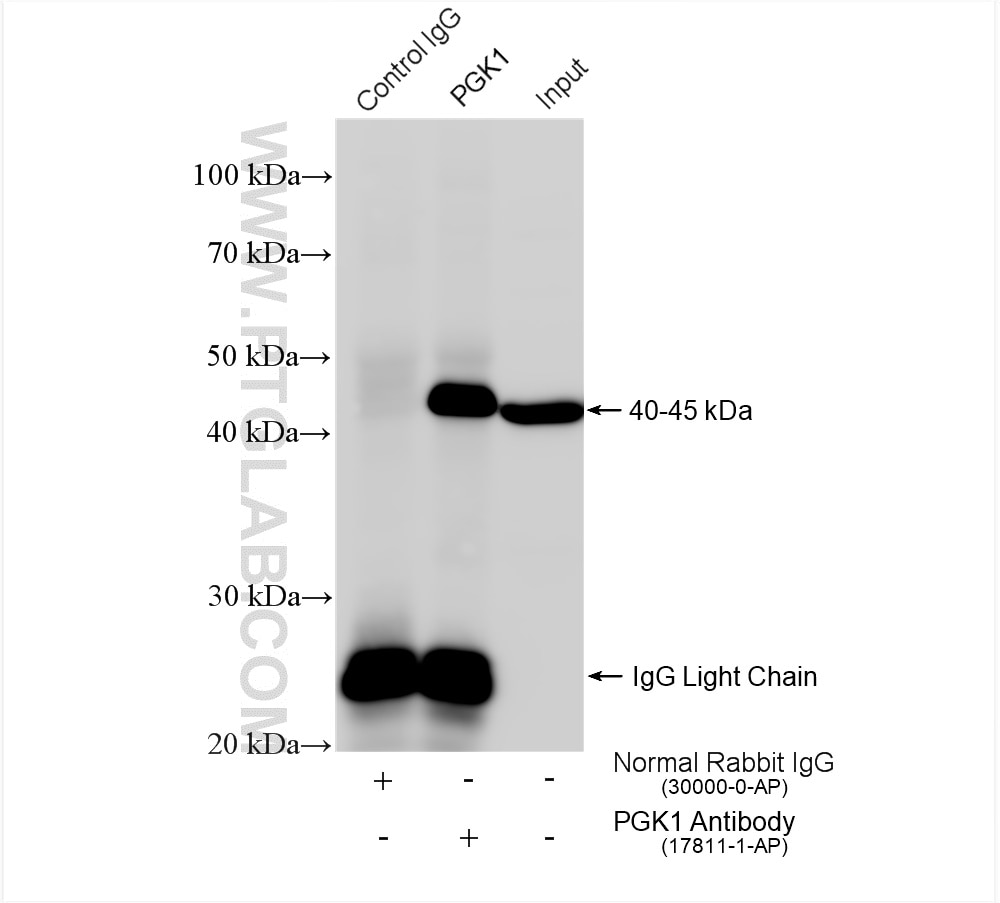
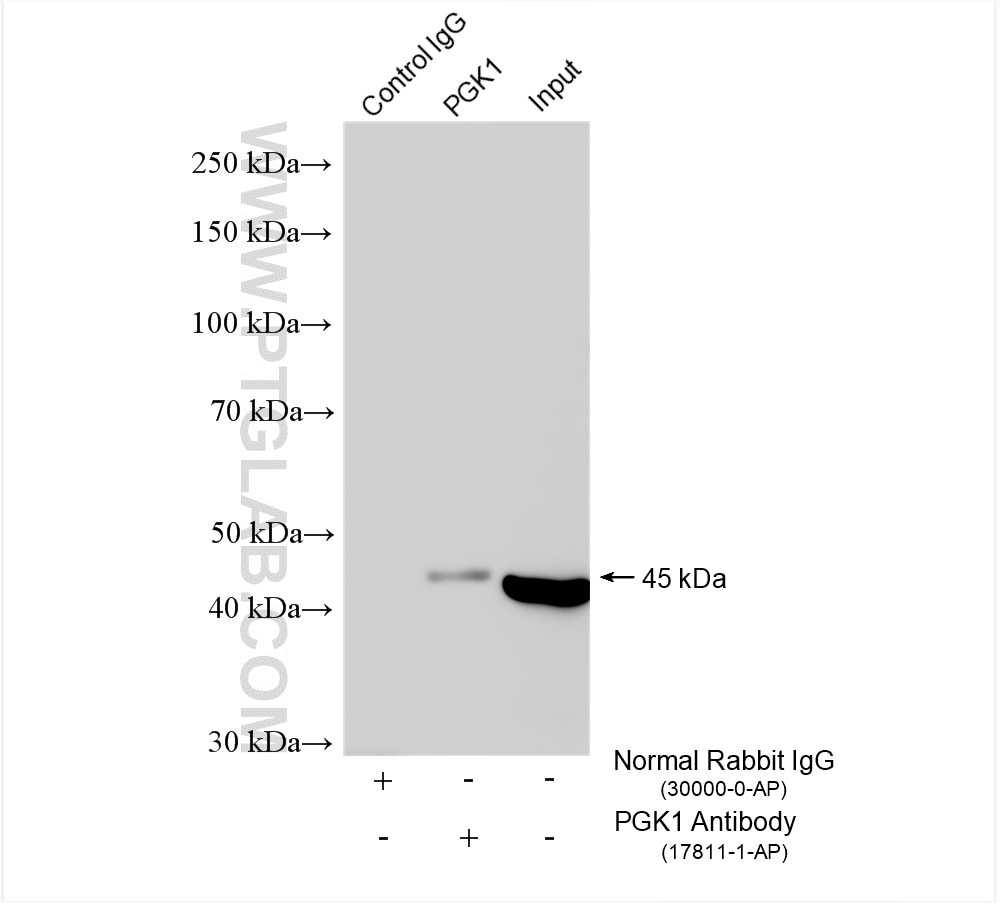
| Positive IP detected in | SW 1990 cells, HeLa cells |
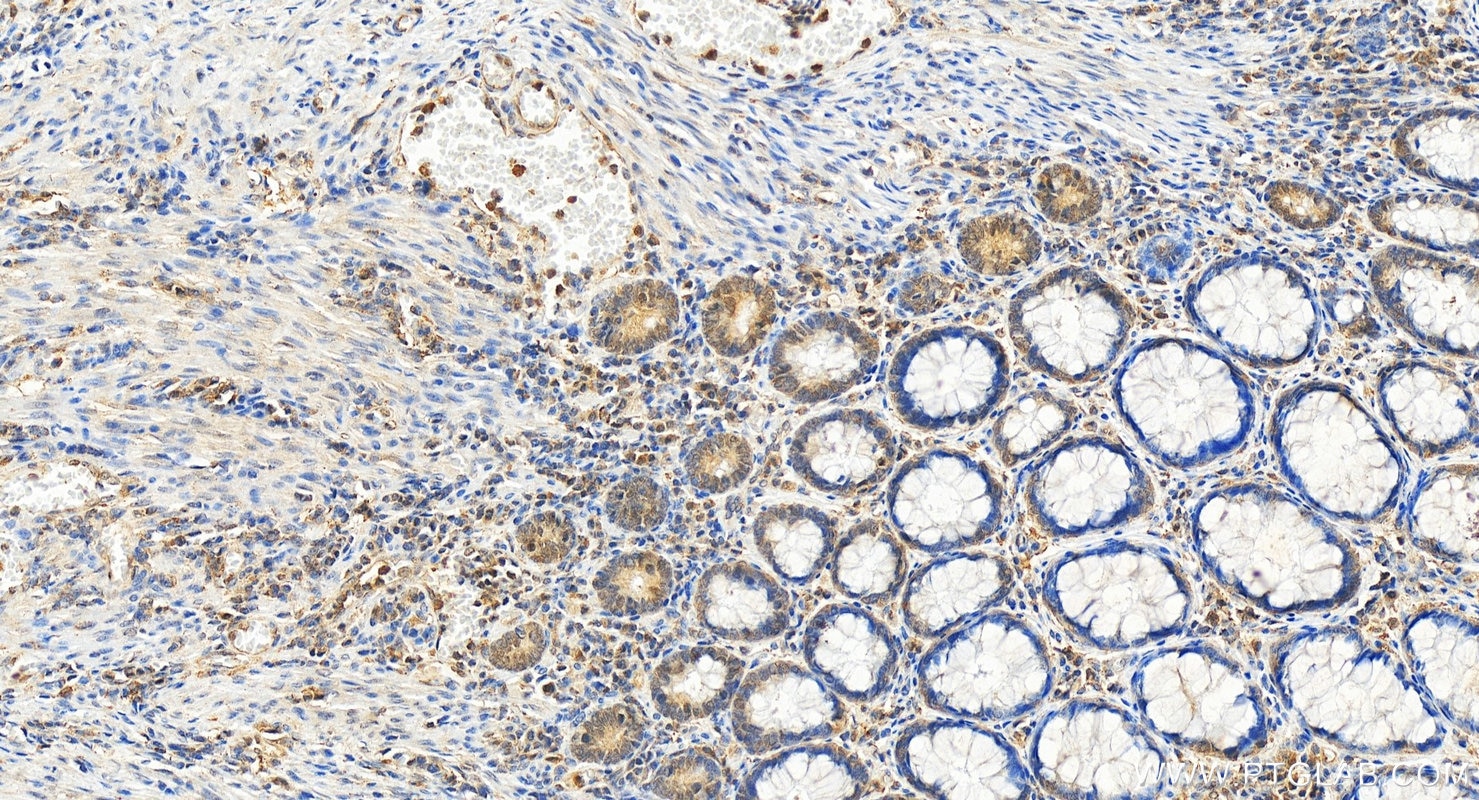
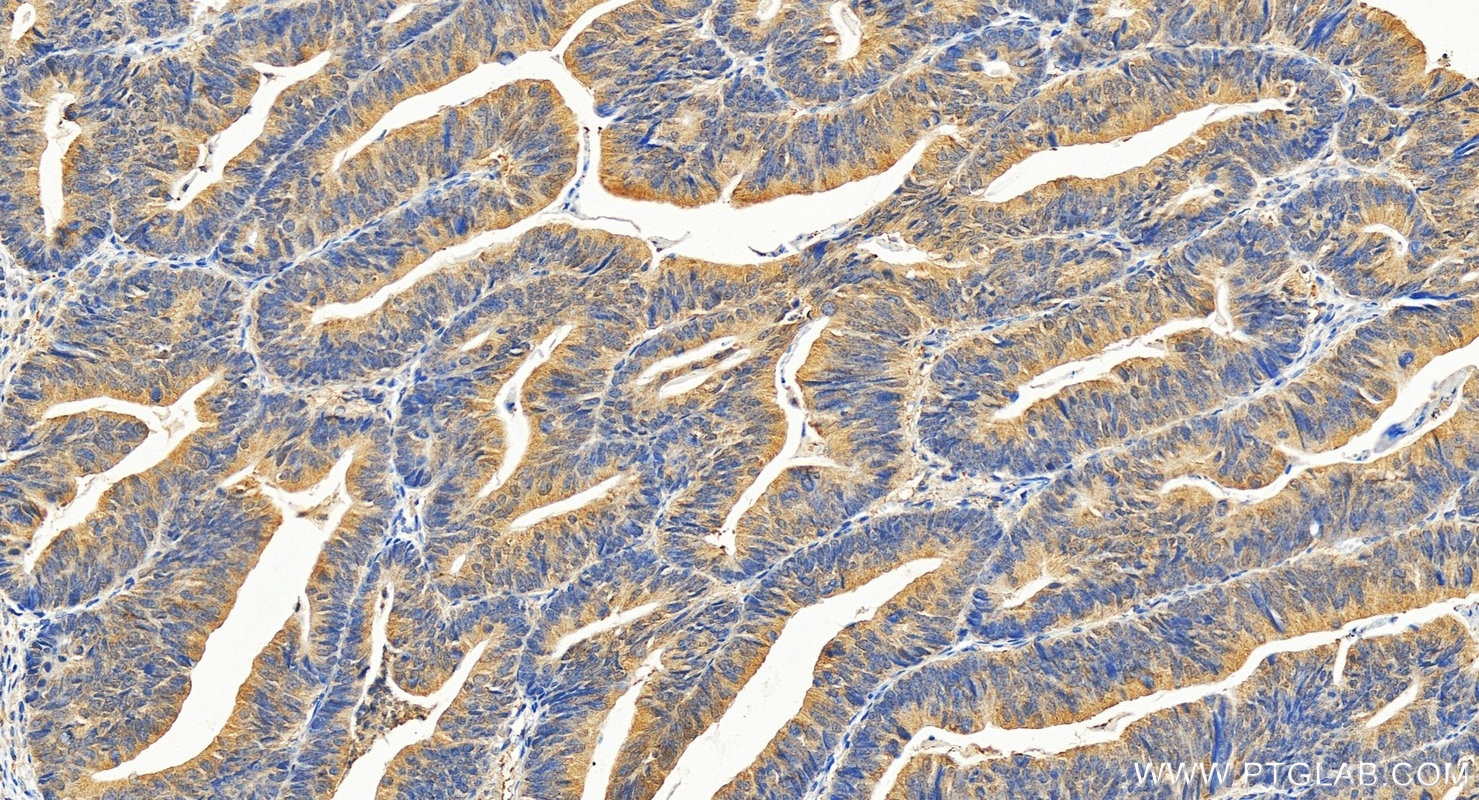
| Positive IHC detected in | human colon cancer tissue Note: suggested antigen retrieval with TE buffer pH 9.0; (*) Alternatively, antigen retrieval may be performed with citrate buffer pH 6.0 |
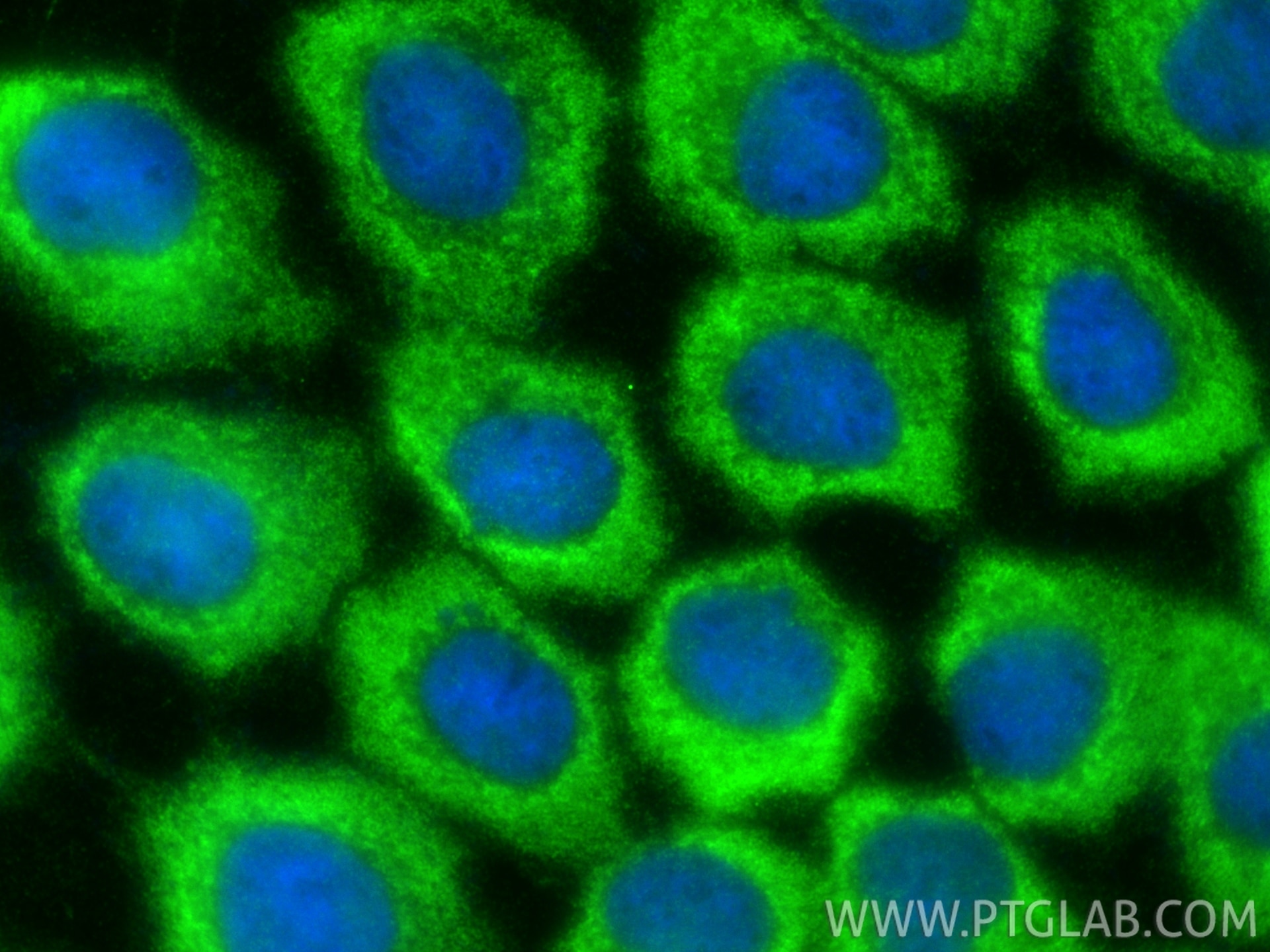
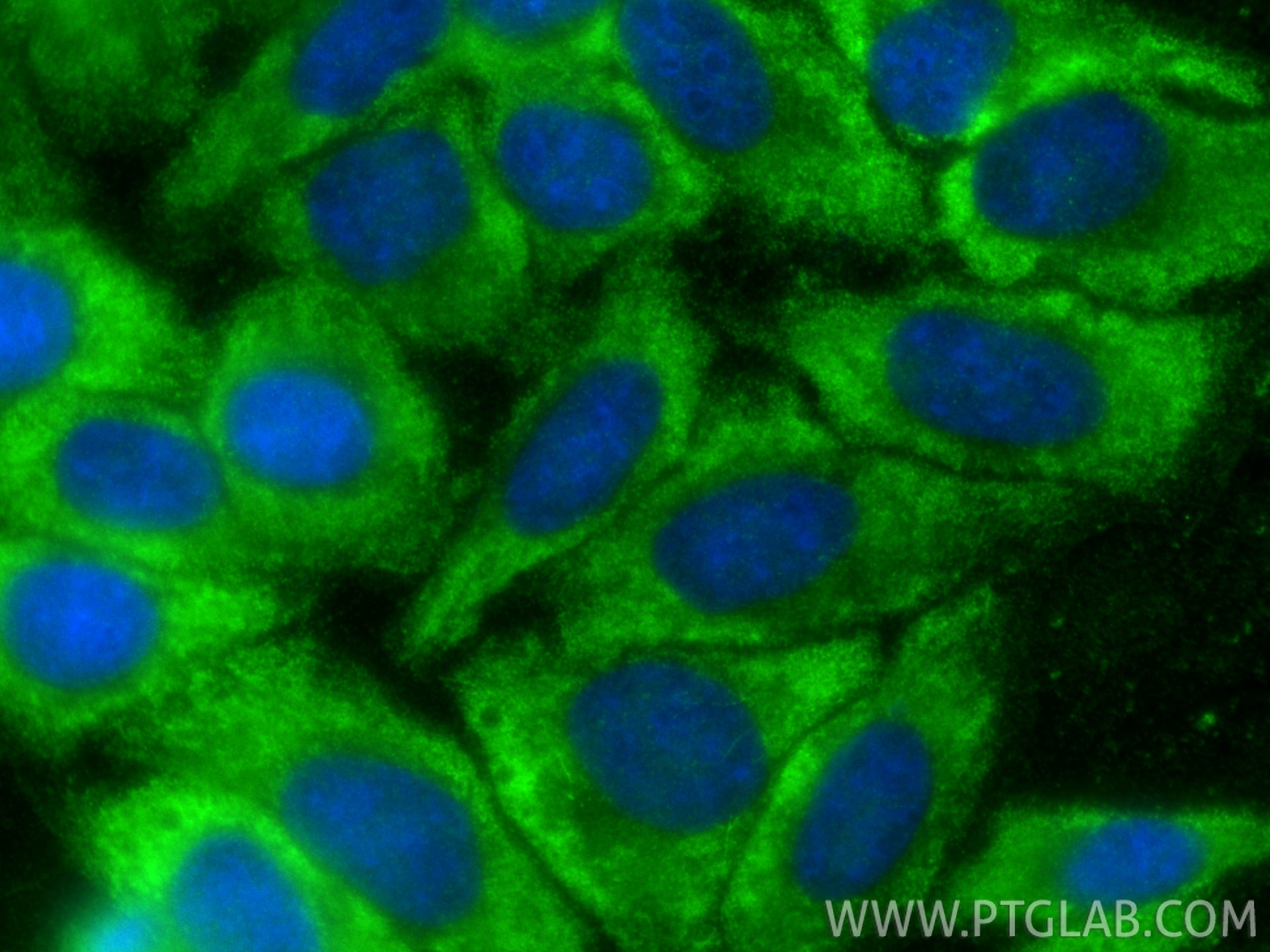
| Positive IF/ICC detected in | A431 cells, HepG2 cells |
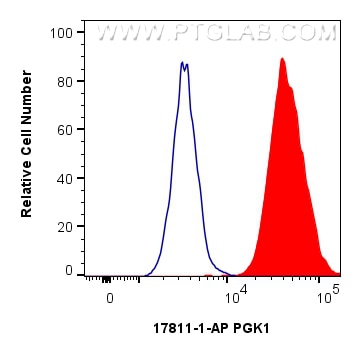
| Positive FC (Intra) detected in | HeLa cells |
Recommended dilution
| Application | Dilution |
|---|---|
| Western Blot (WB) | WB : 1:5000-1:50000 |
| Immunoprecipitation (IP) | IP : 0.5-4.0 ug for 1.0-3.0 mg of total protein lysate |
| Immunohistochemistry (IHC) | IHC : 1:1000-1:4000 |
| Immunofluorescence (IF)/ICC | IF/ICC : 1:200-1:800 |
| Flow Cytometry (FC) (INTRA) | FC (INTRA) : 0.25 ug per 10^6 cells in a 100 µl suspension |
| It is recommended that this reagent should be titrated in each testing system to obtain optimal results. | |
| Sample-dependent, Check data in validation data gallery. | |
Product Information
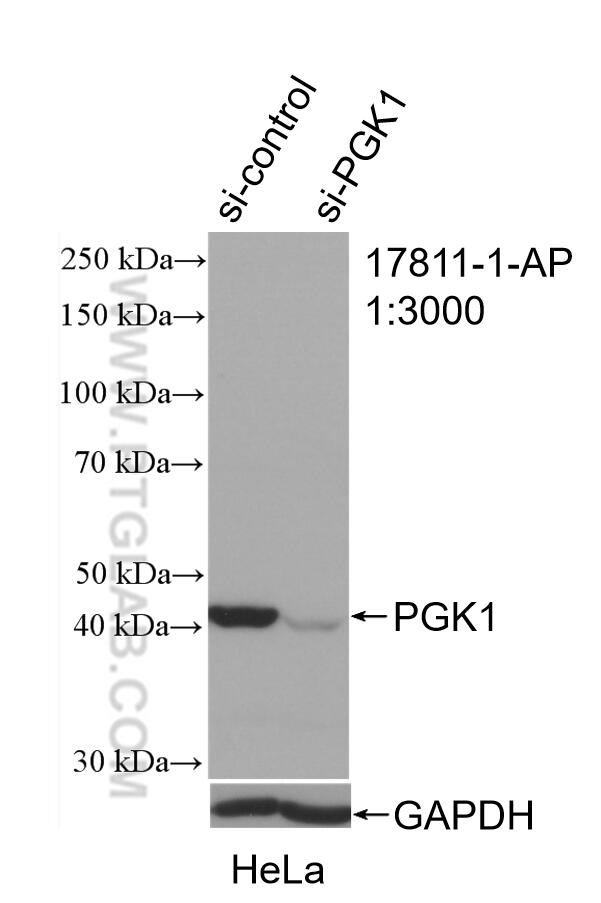
17811-1-AP targets PGK1 in WB, IHC, IF/ICC, FC (Intra), IP, CoIP, ELISA applications and shows reactivity with human, mouse, rat samples.
| Tested Reactivity | human, mouse, rat |
| Cited Reactivity | human, mouse, rat, pig |
| Host / Isotype | Rabbit / IgG |
| Class | Polyclonal |
| Type | Antibody |
| Immunogen |
CatNo: Ag12119 Product name: Recombinant human PGK1 protein Source: e coli.-derived, PGEX-4T Tag: GST Domain: 1-417 aa of BC103752 Sequence: MSLSNKLTLDKLDVKGKRVVMRVDFNVPMKNNQITNNQRIKAAVPSIKFCLDNGAKSVVLMSHLGRPDGVPMPDKYSLEPVAVELKSLLGKDVLFLKDCVGPEVEKACANPAAGSVILLENLRFHVEEEGKGKDASGNKVKAEPAKIEAFRASLSKLGDVYVNDAFGTAHRAHSSMVGVNLPQKAGGFLMKKELNYFAKALESPERPFLAILGGAKVADKIQLINNMLDKVNEMIIGGGMAFTFLKVLNNMEIGTSLFDEEGAKIVKDLMSKAEKNGVKITLPVDFVTADKFDENAKTGQATVASGIPAGWMGLDCGPESSKKYAEAVTRAKQIVWNGPVGVFEWEAFARGTKALMDEVVKATSRGCITIIGGGDTATCCAKWNTEDKVSHVSTGGGASLELLEGKVLPGVDALSNI Predict reactive species |
| Full Name | phosphoglycerate kinase 1 |
| Calculated Molecular Weight | 417 aa, 45 kDa |
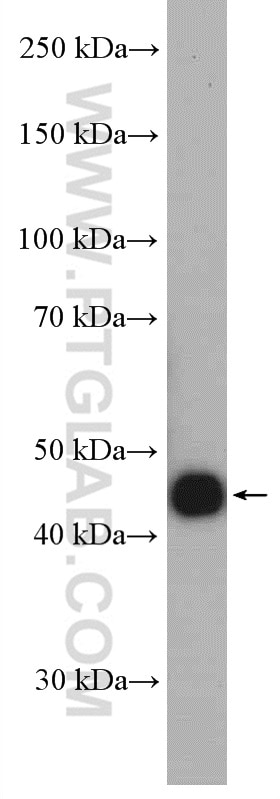
| Observed Molecular Weight | 40-45 kDa |
| GenBank Accession Number | BC103752 |
| Gene Symbol | PGK1 |
| Gene ID (NCBI) | 5230 |
| RRID | AB_2161218 |
| Conjugate | Unconjugated |
| Form | Liquid |
| Purification Method | Antigen affinity purification |
| UNIPROT ID | P00558 |
| Storage Buffer | PBS with 0.02% sodium azide and 50% glycerol, pH 7.3. |
| Storage Conditions | Store at -20°C. Stable for one year after shipment. Aliquoting is unnecessary for -20oC storage. 20ul sizes contain 0.1% BSA. |
Background Information
The PGK1 gene encodes phosphoglycerate kinase-1, also known as ATP:3-phosphoglycerate 1-phosphotransferase (EC 2.7.2.3), which catalyzes the reversible conversion of 1,3-diphosphoglycerate to 3-phosphoglycerate during glycolysis, generating one molecule of ATP. It belongs to the phosphoglycerate kinase family and defects in PGK1 are the cause of phosphoglycerate kinase 1 deficiency (PGK1D). PGK1 has 2 isoforms with the molecular mass of 45 kDa and 41 kDa.
Protocols
| Product Specific Protocols | |
|---|---|
| FC protocol for PGK1 antibody 17811-1-AP | Download protocol |
| IF protocol for PGK1 antibody 17811-1-AP | Download protocol |
| IHC protocol for PGK1 antibody 17811-1-AP | Download protocol |
| IP protocol for PGK1 antibody 17811-1-AP | Download protocol |
| WB protocol for PGK1 antibody 17811-1-AP | Download protocol |
| Standard Protocols | |
|---|---|
| Click here to view our Standard Protocols |
Publications
What published studies show
Anti-PGK1 antibody (Cat# 17811-1-AP) has accumulated 126 citations across high-impact journals including Nature Communications, Cell Reports, Cell Death & Disease, Cancer Cell, Molecular Cell, Nature Cell Biology, and Journal of Experimental & Clinical Cancer Research. Research fields predominantly encompass cancer glycolysis and the Warburg effect, ferroptosis, tumor immunology, epigenetic/post-translational regulation of metabolic enzymes, diabetic complications, and neurodegeneration. Applications are mainly Western blot, IHC, and IF.
| Species | Application | Title |
|---|---|---|
Mol Cancer Long non-coding RNA GBCDRlnc1 induces chemoresistance of gallbladder cancer cells by activating autophagy.
| ||
Cell Metab The diapause-like colorectal cancer cells induced by SMC4 attenuation are characterized by low proliferation and chemotherapy insensitivity | ||
Cell Res cMyc-mediated activation of serine biosynthesis pathway is critical for cancer progression under nutrient deprivation conditions. | ||
Bioact Mater Polydopamine-mediated graphene oxide and nanohydroxyapatite-incorporated conductive scaffold with an immunomodulatory ability accelerates periodontal bone regeneration in diabetes. | ||
Nat Cell Biol An mRNA processing pathway suppresses metastasis by governing translational control from the nucleus |
Reviews
What customers say
Based on available reviews, 17811-1-AP has received positive feedback. One reviewer (Prakash Chaudhary) rated it 5 stars after using it for Western Blot on liver tissue, noting that it "works good in western." Overall, the limited review data suggests satisfactory performance for WB applications.
The reviews below have been submitted by verified Proteintech customers who received an incentive for providing their feedback.
Prakash (Verified Customer) (10-28-2025) | works good in western.
|












