

Tested Applications
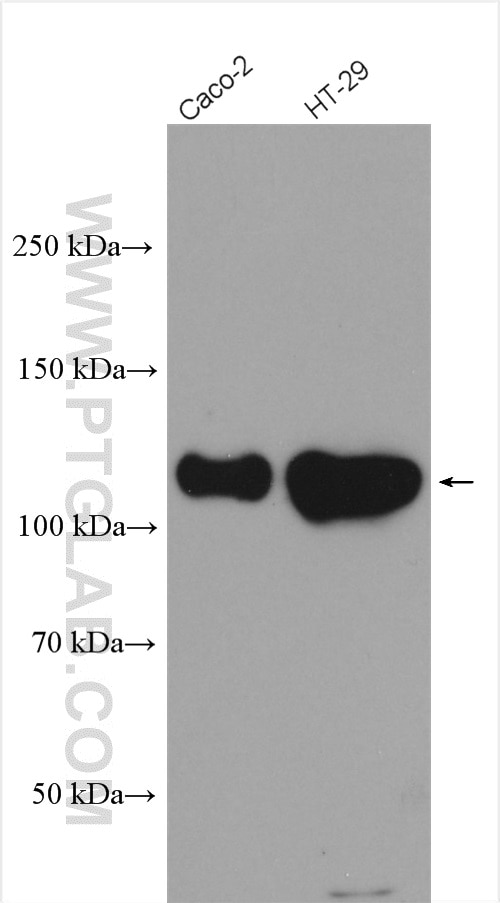
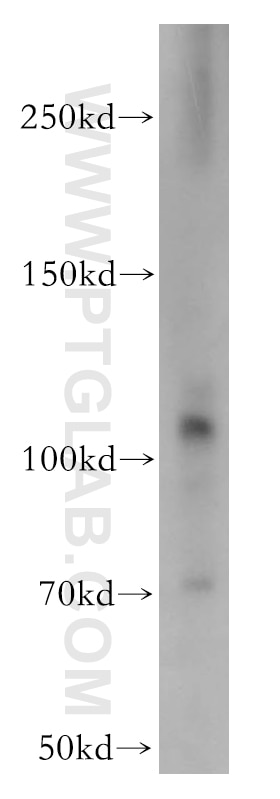
| Positive WB detected in | Caco-2 cells, mouse skeletal muscle tissue, HT-29 cells |
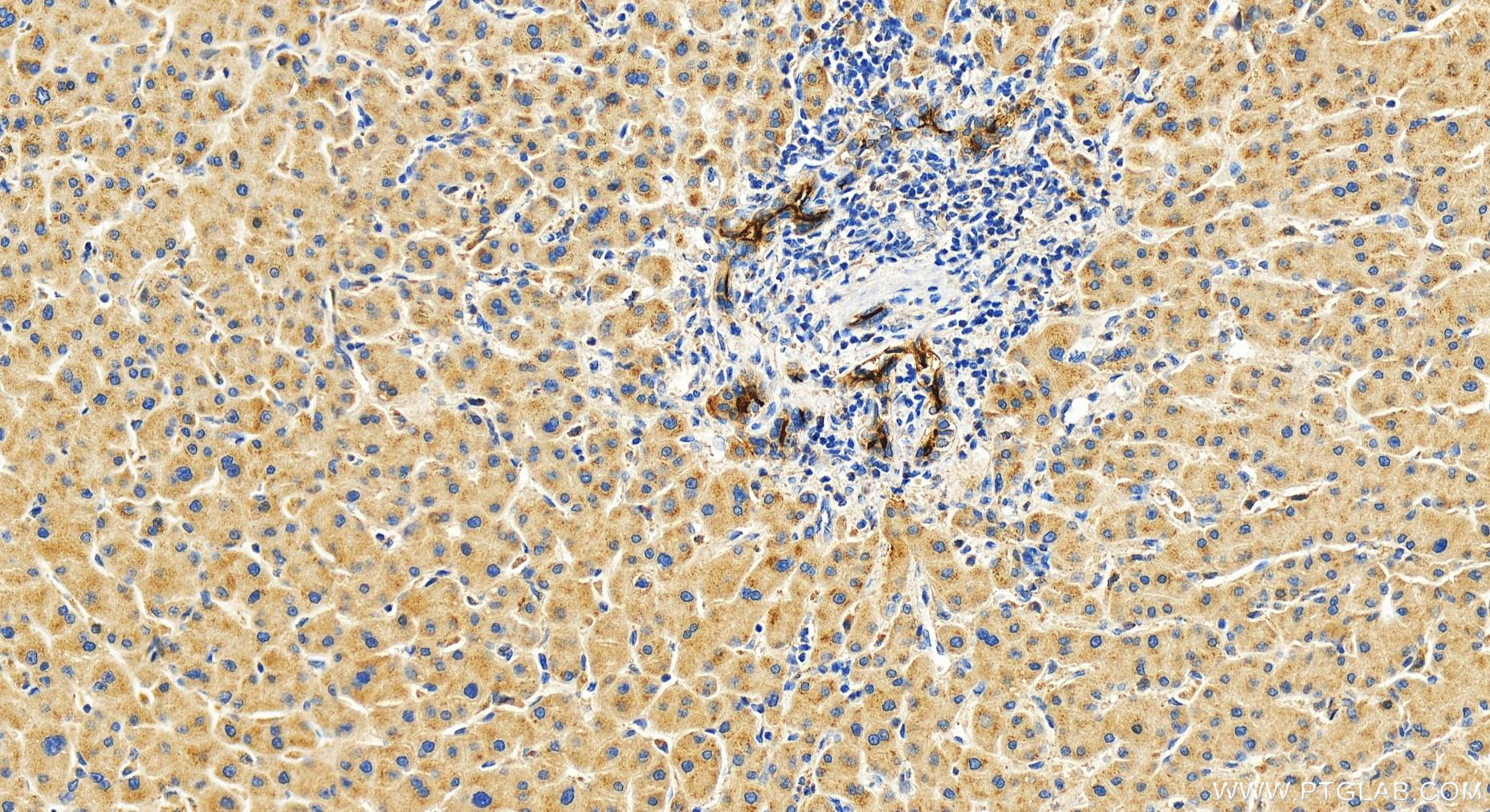
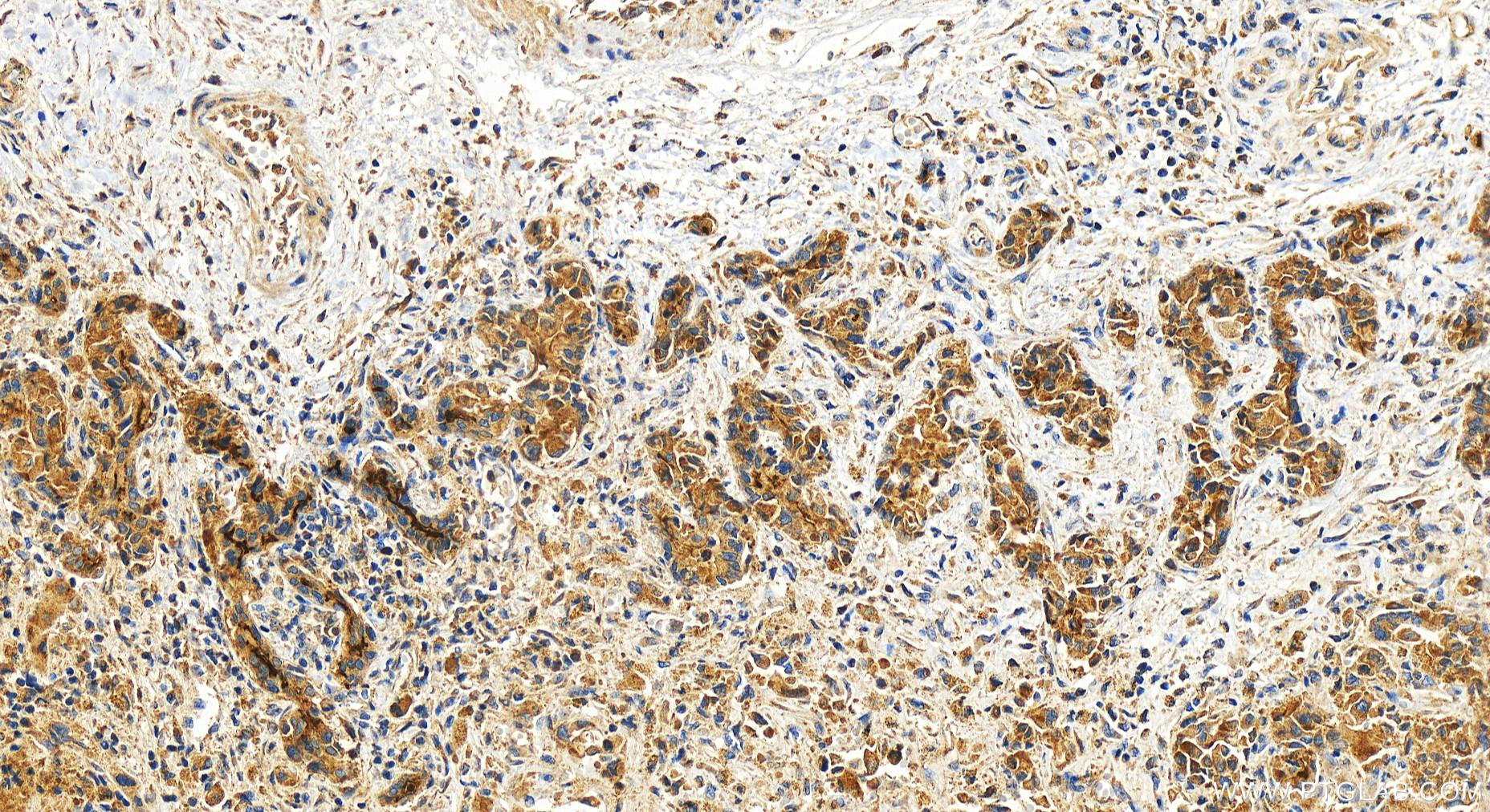
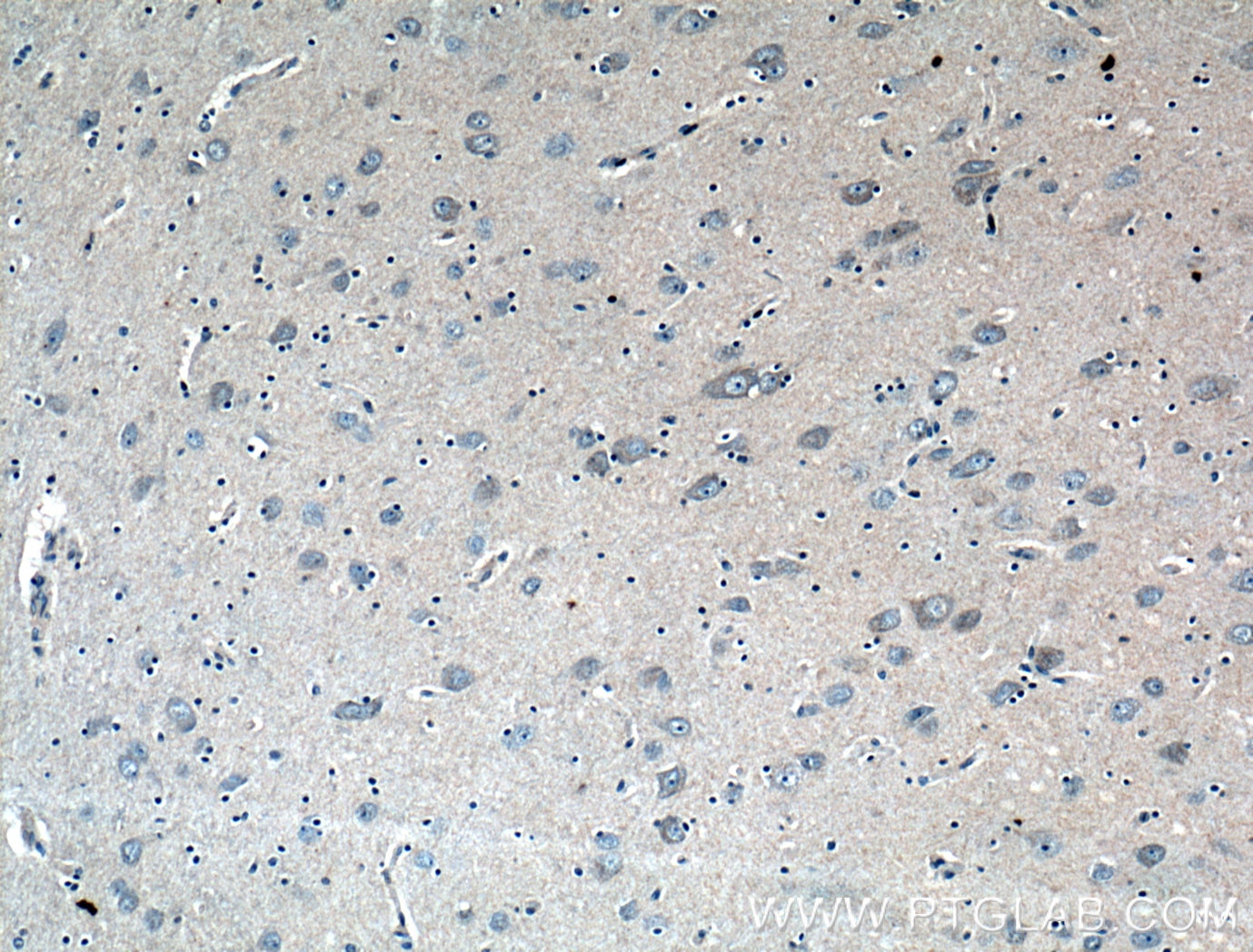
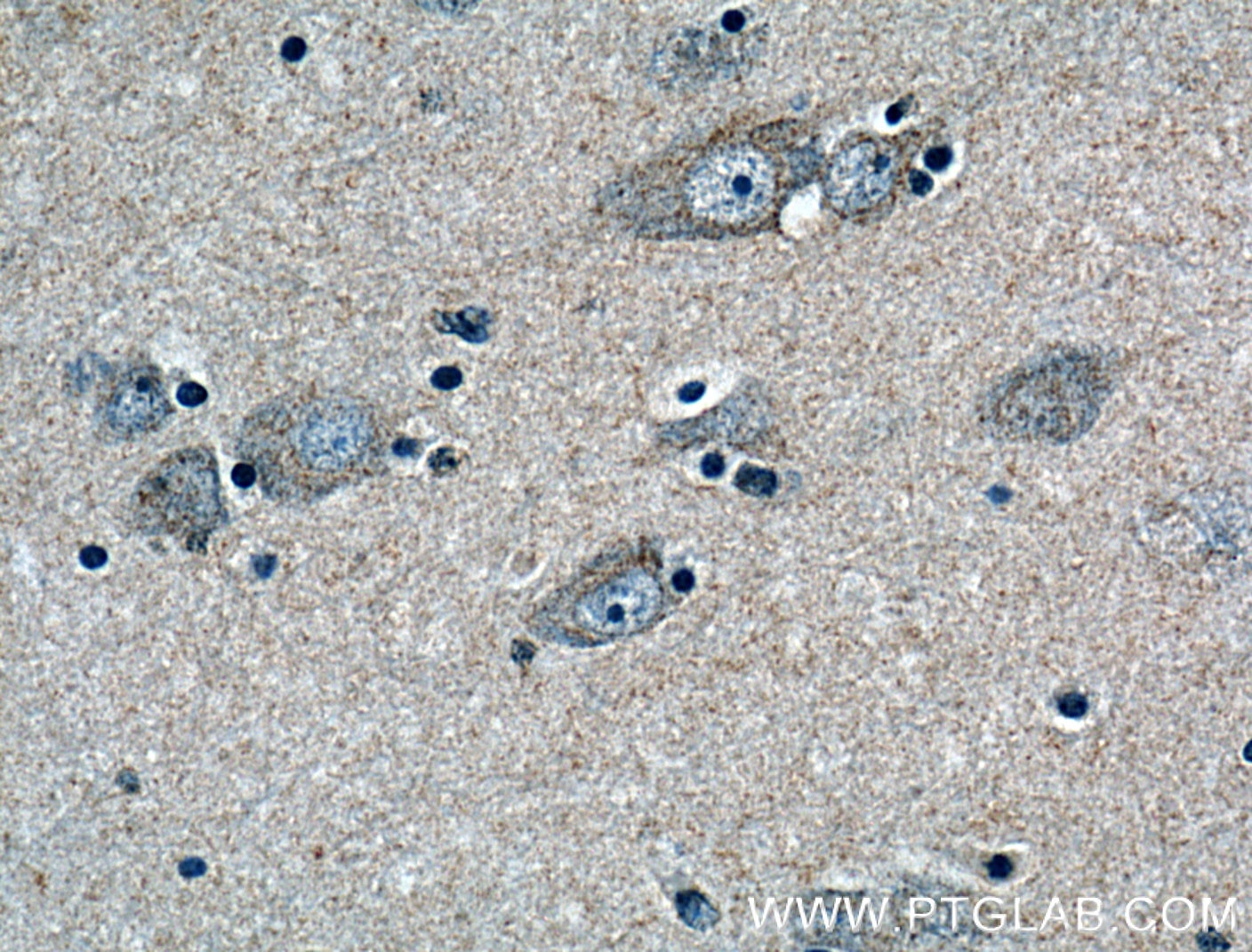
| Positive IHC detected in | human intrahepatic cholangiocarcinoma tissue, human brain tissue Note: suggested antigen retrieval with TE buffer pH 9.0; (*) Alternatively, antigen retrieval may be performed with citrate buffer pH 6.0 |
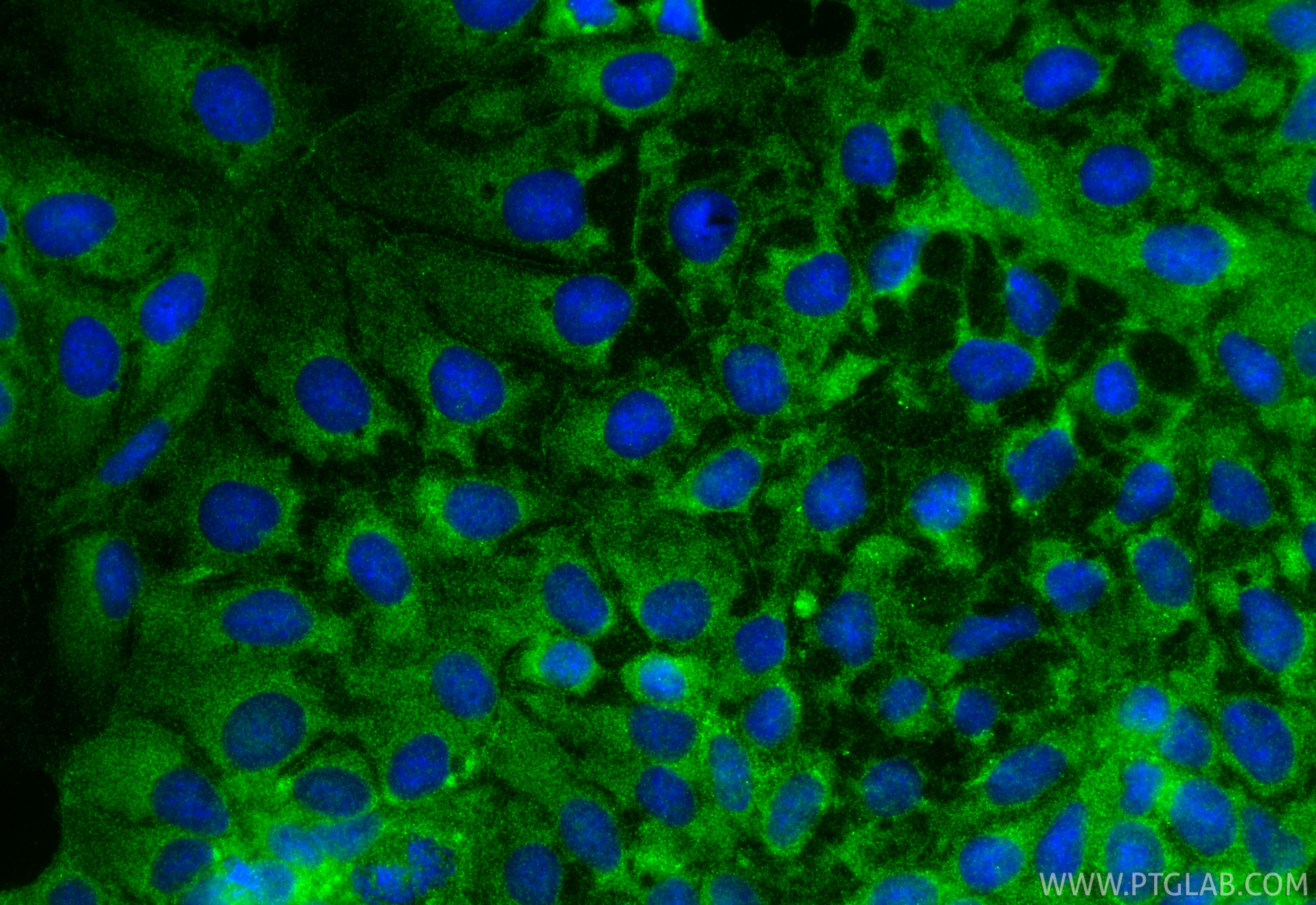
| Positive IF/ICC detected in | Caco-2 cells |
Recommended dilution
| Application | Dilution |
|---|---|
| Western Blot (WB) | WB : 1:500-1:1000 |
| Immunohistochemistry (IHC) | IHC : 1:300-1:1200 |
| Immunofluorescence (IF)/ICC | IF/ICC : 1:50-1:500 |
| It is recommended that this reagent should be titrated in each testing system to obtain optimal results. | |
| Sample-dependent, Check data in validation data gallery. | |
Product Information
18495-1-AP targets CD133 in WB, IHC, IF/ICC, ELISA applications and shows reactivity with human, mouse samples.
| Tested Reactivity | human, mouse |
| Cited Reactivity | human, mouse |
| Host / Isotype | Rabbit / IgG |
| Class | Polyclonal |
| Type | Antibody |
| Immunogen |
CatNo: Ag13327 Product name: Recombinant human CD133 protein Source: e coli.-derived, PGEX-4T Tag: GST Domain: 505-782 aa of BC012089 Sequence: LICEPYTSKELFRVLDTPYLLNEDWEYYLSGKLFNKSKMKLTFEQVYSDCKKNRGTYGTLHLQNSFNISEHLNINEHTGSISSELESLKVNLNIFLLGAAGRKNLQDFAACGIDRMNYDSYLAQTGKSPAGVNLLSFAYDLEAKANSLPPGNLRNSLKRDAQTIKTIHQQRVLPIEQSLSTLYQSVKILQRTGNGLLERVTRILASLDFAQNFITNNTSSVIIEETKKYGRTIIGYFEHYLQWIEFSISEKVASCKPVATALDTAVDVFLCSYIIDPL Predict reactive species |
| Full Name | prominin 1 |
| Calculated Molecular Weight | 97 kDa |
| Observed Molecular Weight | 110-115 kDa |
| GenBank Accession Number | BC012089 |
| Gene Symbol | CD133 |
| Gene ID (NCBI) | 8842 |
| RRID | AB_2172858 |
| Conjugate | Unconjugated |
| Form | Liquid |
| Purification Method | Antigen affinity purification |
| UNIPROT ID | O43490 |
| Storage Buffer | PBS with 0.02% sodium azide and 50% glycerol, pH 7.3. |
| Storage Conditions | Store at -20°C. Stable for one year after shipment. Aliquoting is unnecessary for -20oC storage. 20ul sizes contain 0.1% BSA. |
Background Information
CD133, also known as PROM1 (prominin-1) or AC133, belongs to the prominin family. CD133 is a transmembrane glycoprotein with an NH2-terminal extracellular domain, five transmembrane loops and a cytoplasmic tail. The expression of CD133 has been reported in hematopoietic stem cells, endothelial progenitor cells, neuronal and glial stem cells, suggesting the potential role of CD133 as a cell surface marker of adult stem cells. CD133 has also been reported as a marker of cancer stem cells in various human tumors.
Protocols
| Product Specific Protocols | |
|---|---|
| IF protocol for CD133 antibody 18495-1-AP | Download protocol |
| IHC protocol for CD133 antibody 18495-1-AP | Download protocol |
| WB protocol for CD133 antibody 18495-1-AP | Download protocol |
| Standard Protocols | |
|---|---|
| Click here to view our Standard Protocols |
Publications
What published studies show
The CD133 Polyclonal antibody (Cat# 18495-1-AP) has 15 citations published in journals including ACS Nano, Biomaterials, Oncogene, eLife, Cancer Med, Exp Cell Res, Front Oncol, and others. Research fields span cancer stem cell biology, glioma, pancreatic cancer, colorectal cancer, gastric cancer, melanoma, osteosarcoma, and cholangiocarcinoma, with applications in radio-immunotherapy, EMT, stemness regulation, and stroke research.
| Species | Application | Title |
|---|---|---|
ACS Nano Mesenchymal Stem Cell-Derived Mitochondrial Transfer Promotes Tip Cell Phenotype via Glutathione Metabolic Reprogramming in Stroke Mice | ||
Biomaterials Radiation-triggerable bioreactors enable bioenergetic reprograming of cancer stem cell plasticity via targeted arginine metabolism disruption for augmented radio-immunotherapy | ||
Oncogene Cancer stem cells-derived exosomal TSPAN8 enhances non-stem cancer cells stemness and promotes malignant progression in PDAC | ||
J Oncol The Role of Purine Metabolism-Related Genes PPAT and IMPDH1 in the Carcinogenesis of Intrahepatic Cholangiocarcinoma Based on Metabonomic and Bioinformatic Analyses | ||
Biomedicines Engineering Bone-Mimetic Microspheres to Recapitulate the Tumor Microenvironment for In Vitro Osteosarcoma Modeling. | ||
Exp Cell Res Downregulation of CTRP1 Reduces Radio-resistance in Glioblastoma Cells by Inhibiting the Expression of CD133 after X-ray and Carbon Ion Irradiation |








