

Tested Applications
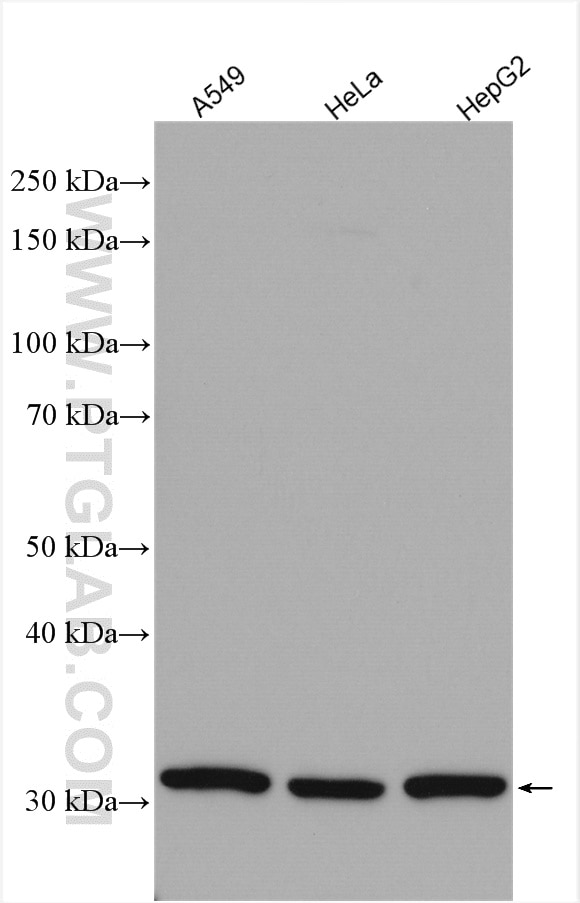
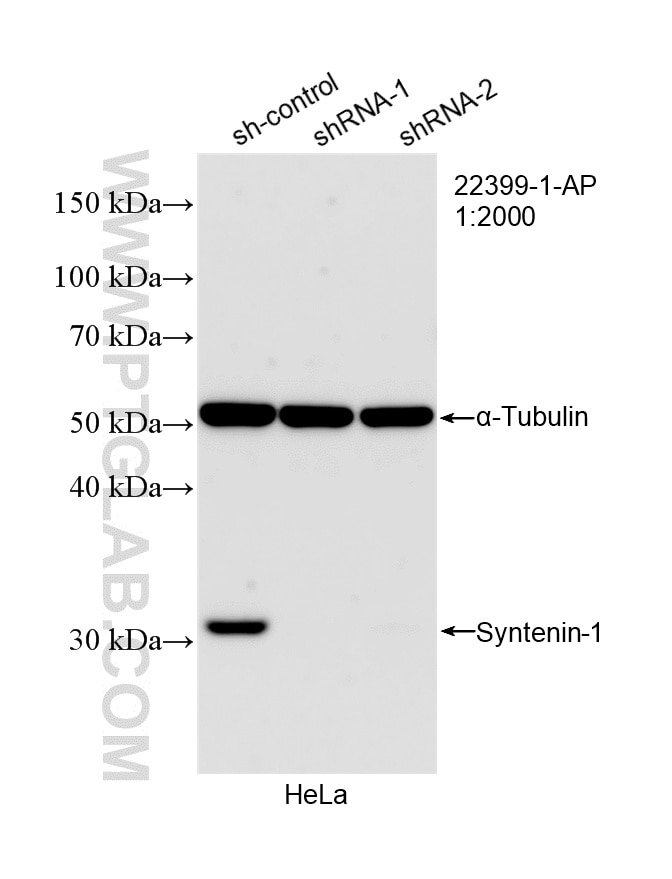
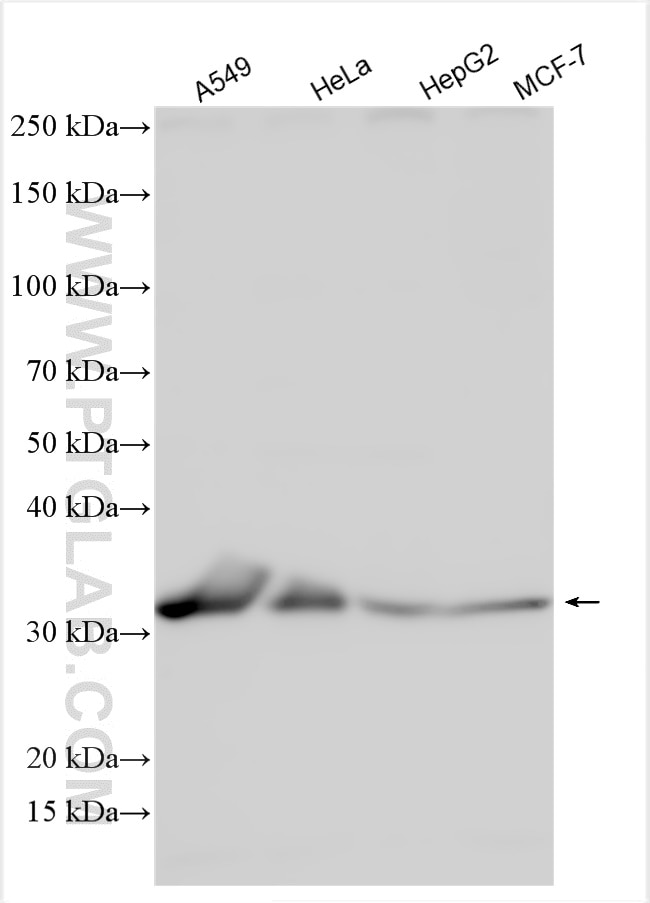
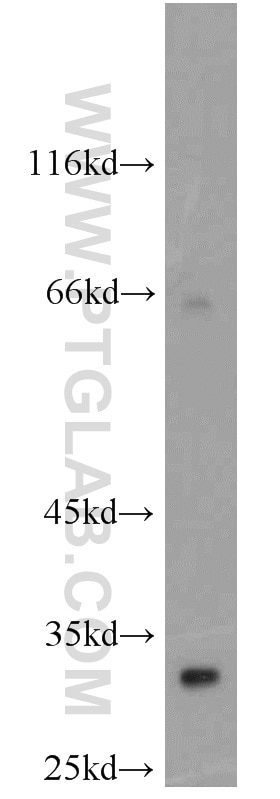
| Positive WB detected in | A549 cells, human placenta tissue, HeLa cells, HepG2 cells, MCF-7 cells |
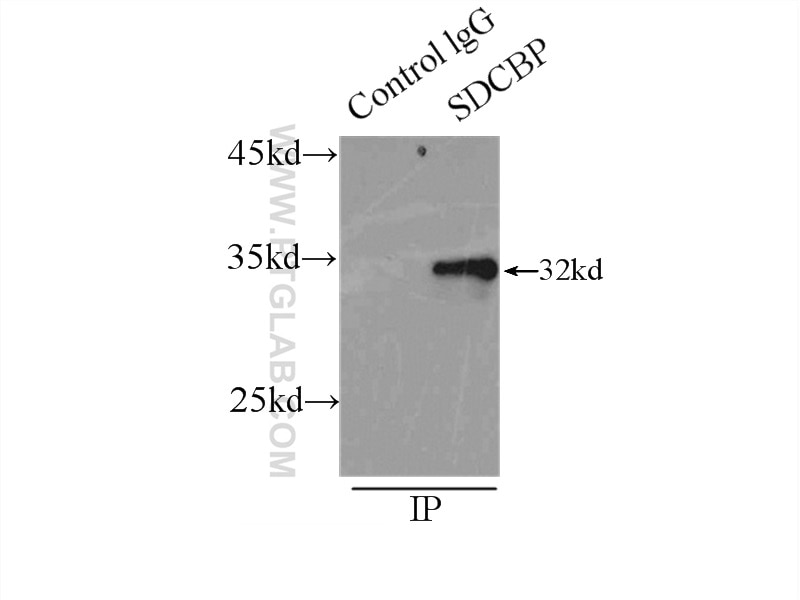
| Positive IP detected in | HeLa cells |
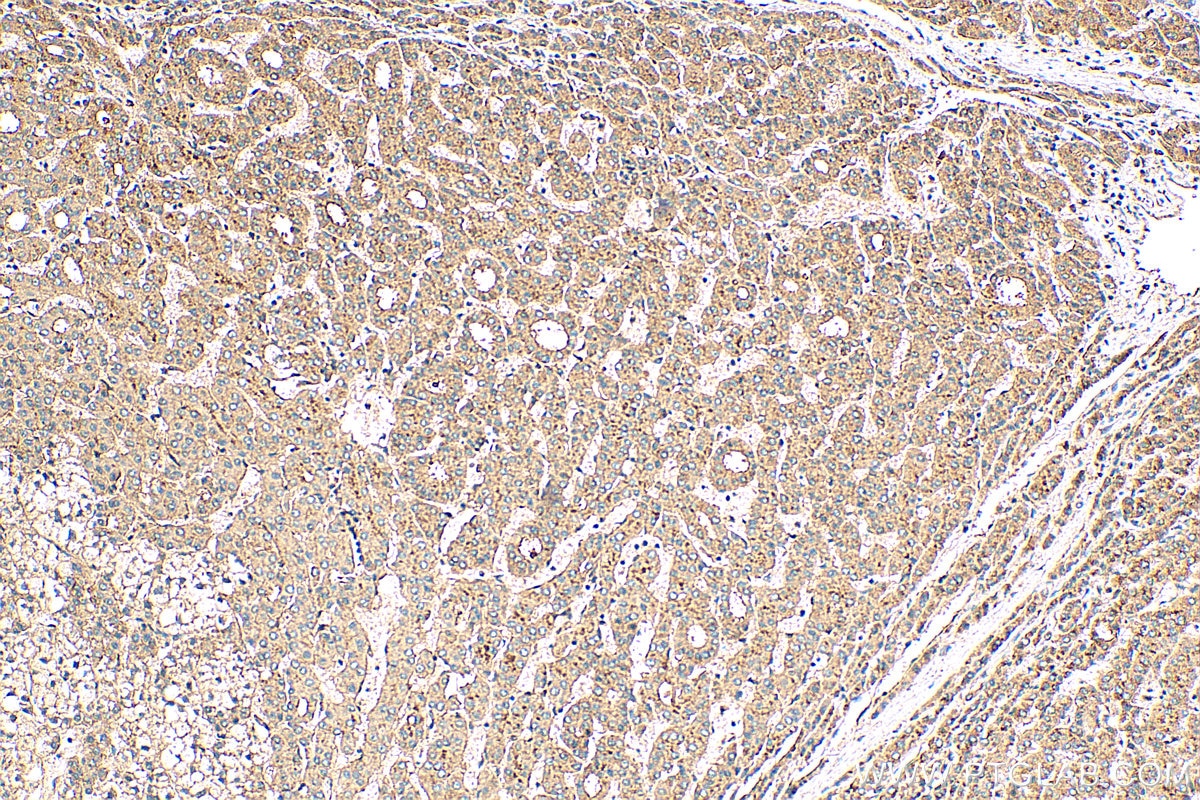
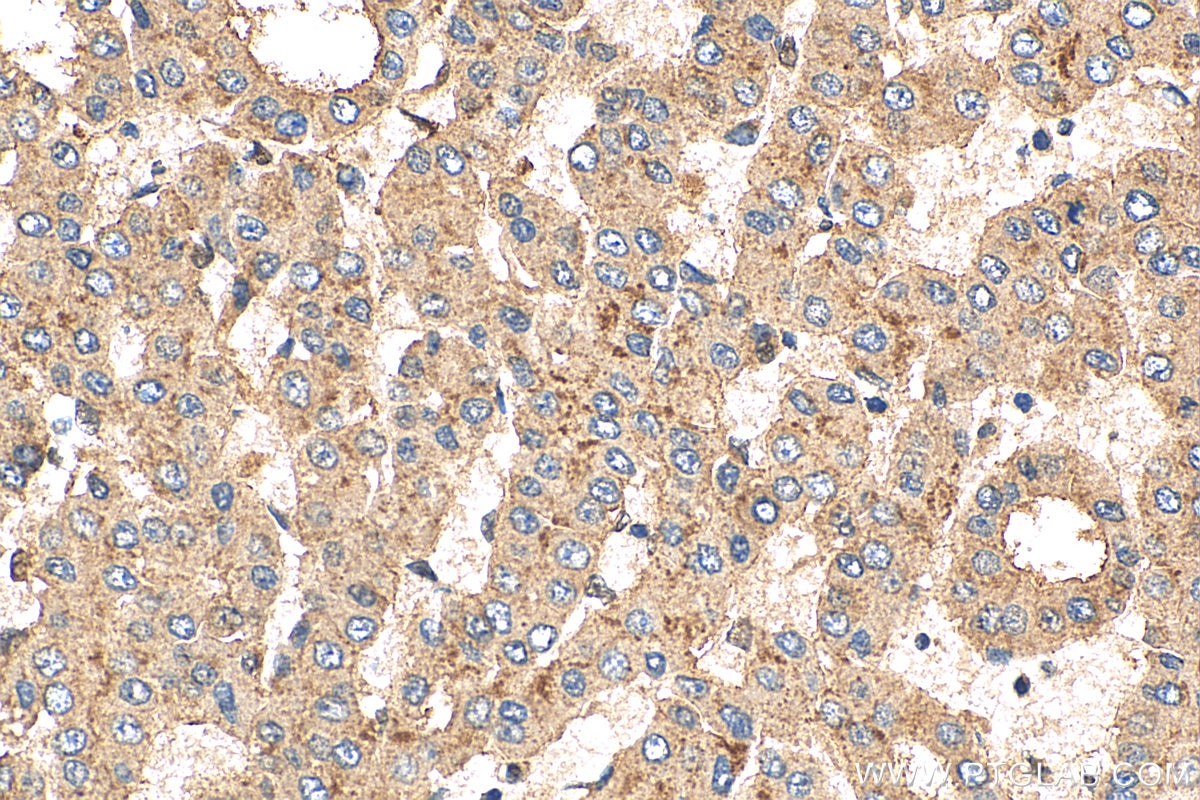
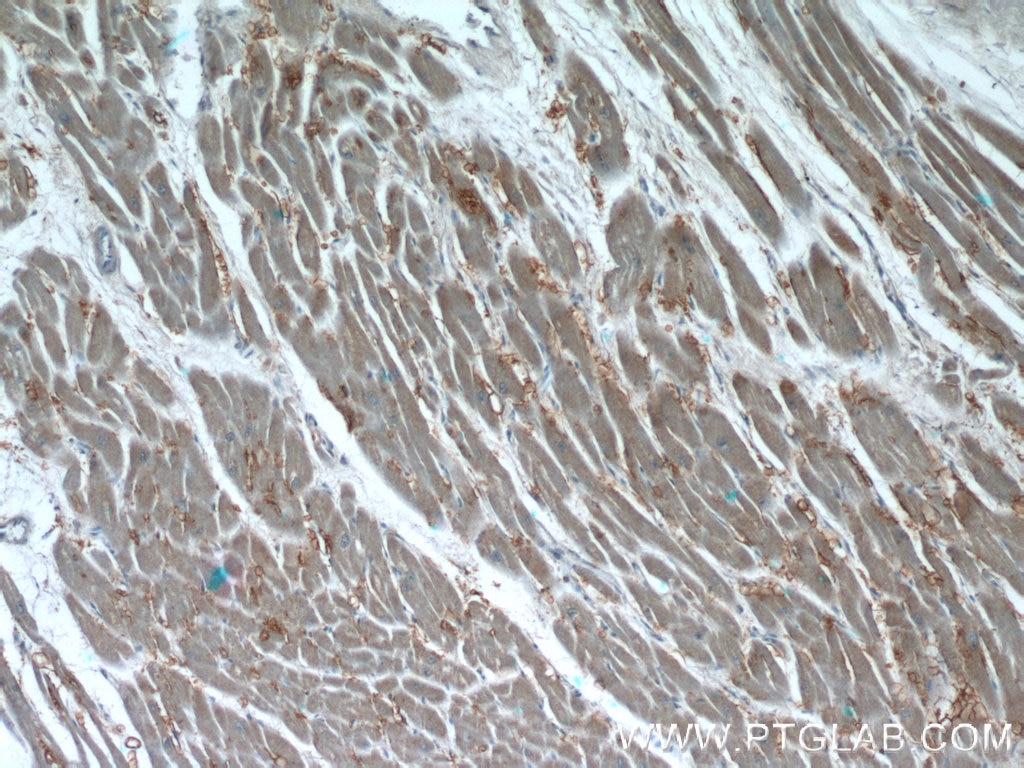
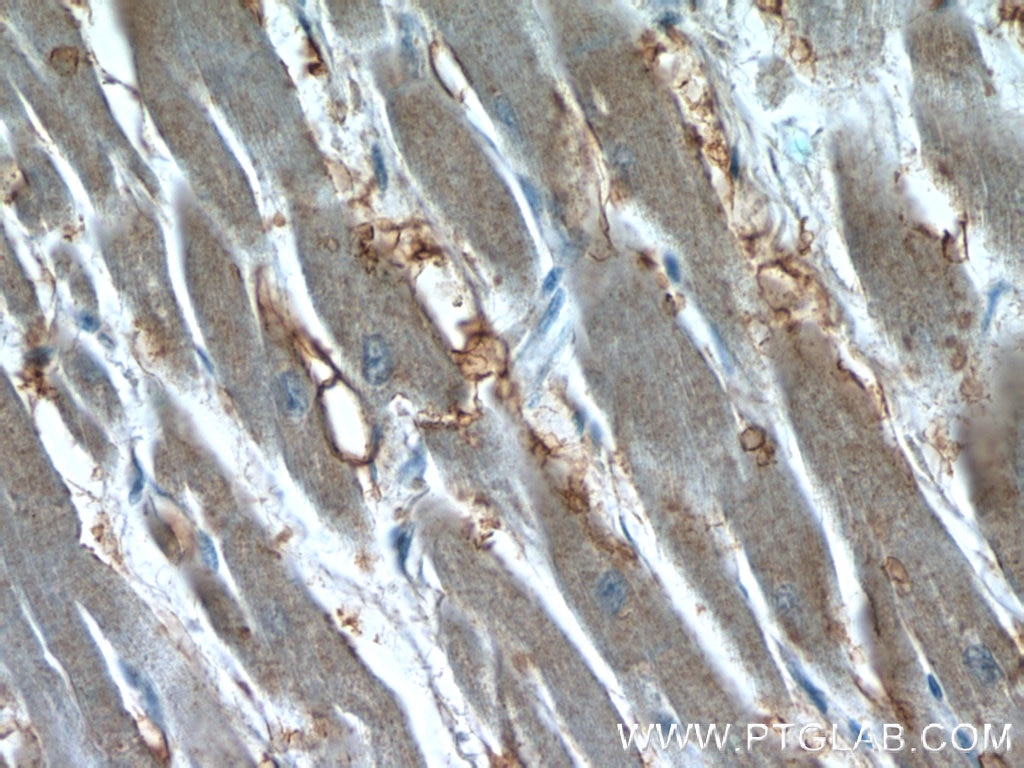
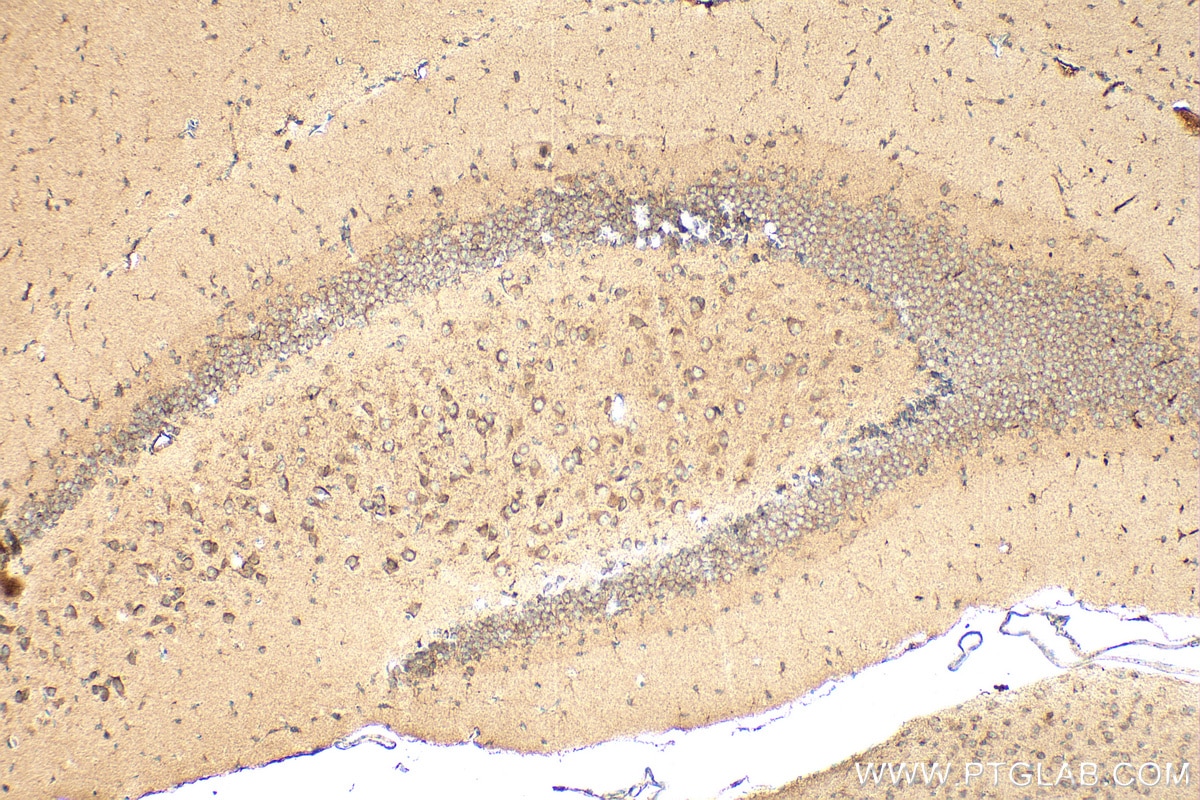
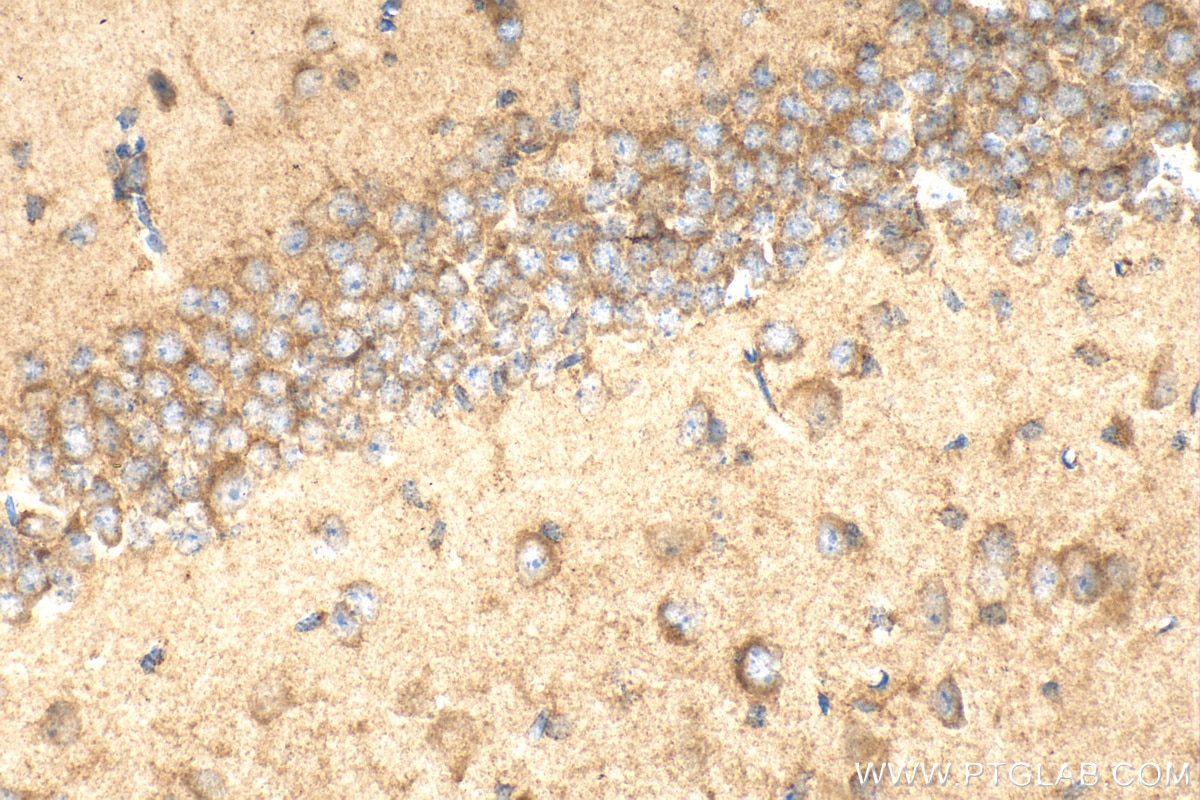
| Positive IHC detected in | human liver cancer tissue, mouse brain tissue, human heart tissue Note: suggested antigen retrieval with TE buffer pH 9.0; (*) Alternatively, antigen retrieval may be performed with citrate buffer pH 6.0 |
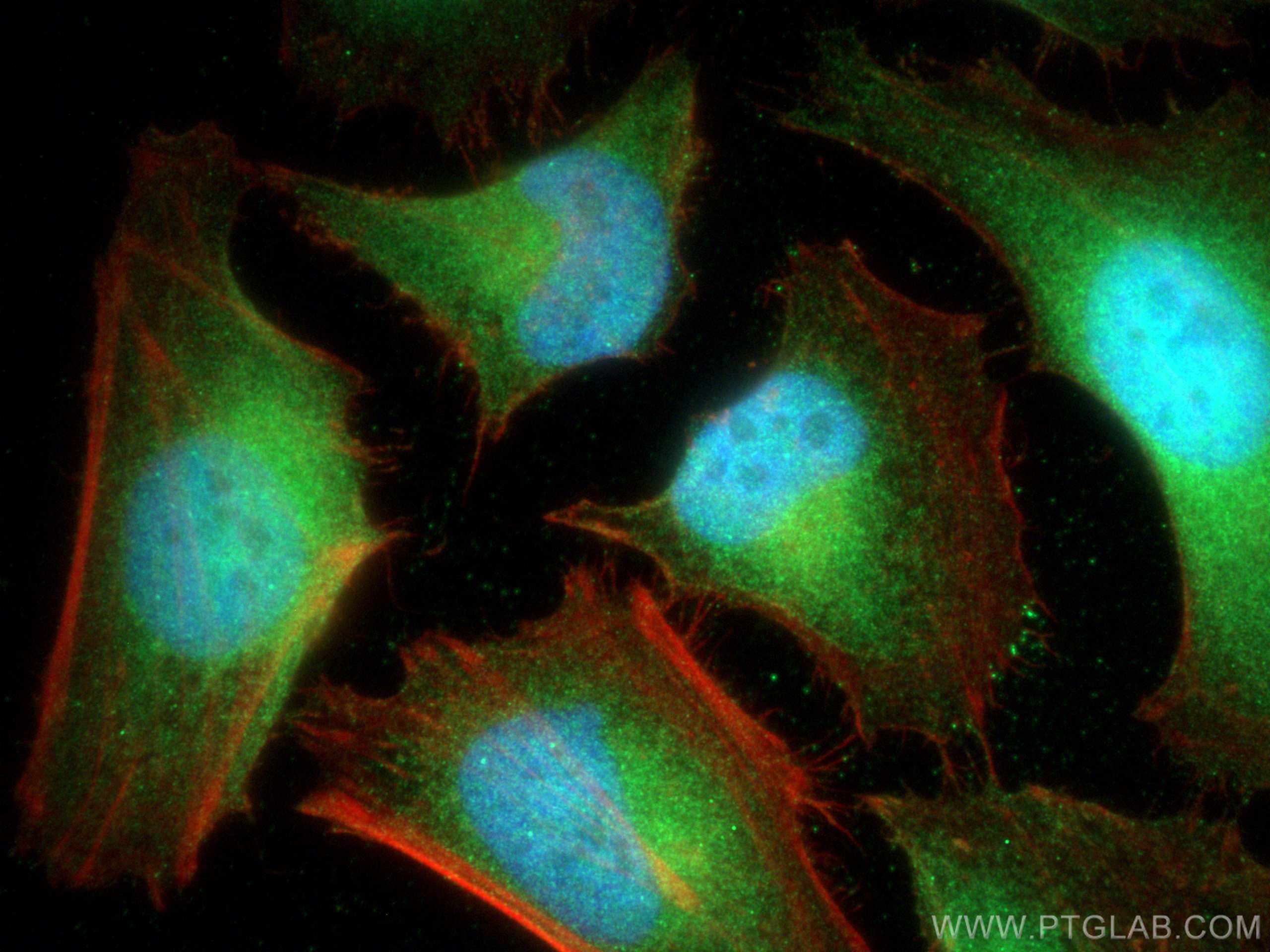
| Positive IF/ICC detected in | HeLa cells |
Recommended dilution
| Application | Dilution |
|---|---|
| Western Blot (WB) | WB : 1:500-1:2000 |
| Immunoprecipitation (IP) | IP : 0.5-4.0 ug for 1.0-3.0 mg of total protein lysate |
| Immunohistochemistry (IHC) | IHC : 1:50-1:500 |
| Immunofluorescence (IF)/ICC | IF/ICC : 1:200-1:800 |
| It is recommended that this reagent should be titrated in each testing system to obtain optimal results. | |
| Sample-dependent, Check data in validation data gallery. | |
Product Information
22399-1-AP targets Syntenin-1 in WB, IHC, IF/ICC, IP, CoIP, ELISA applications and shows reactivity with human, mouse samples.
| Tested Reactivity | human, mouse |
| Cited Reactivity | human, mouse, monkey |
| Host / Isotype | Rabbit / IgG |
| Class | Polyclonal |
| Type | Antibody |
| Immunogen |
CatNo: Ag18078 Product name: Recombinant human SDCBP protein Source: e coli.-derived, PET28a Tag: 6*His Domain: 12-139 aa of BC113674 Sequence: VDKVIQAQTAFSANPANPAILSEASAPIPHDGNLYPRLYPELSQYMGLSLNEEEIRANVAVVSGAPLQGQLVARPSSINYMVAPVTGNDVGIRRAEIKQGIREVILCKDQDGKIGLRLKSIDNGIFVQ Predict reactive species |
| Full Name | syndecan binding protein (syntenin) |
| Calculated Molecular Weight | 298 aa, 32 kDa |
| Observed Molecular Weight | 32 kDa |
| GenBank Accession Number | BC113674 |
| Gene Symbol | Syntenin-1 |
| Gene ID (NCBI) | 6386 |
| RRID | AB_2879100 |
| Conjugate | Unconjugated |
| Form | Liquid |
| Purification Method | Antigen affinity purification |
| UNIPROT ID | O00560 |
| Storage Buffer | PBS with 0.02% sodium azide and 50% glycerol, pH 7.3. |
| Storage Conditions | Store at -20°C. Stable for one year after shipment. Aliquoting is unnecessary for -20oC storage. 20ul sizes contain 0.1% BSA. |
Background Information
Syntenin-1, also known as SDCBP (syndecan binding protein) and MDA-9 (melanoma differentiation-associated protein 9), was initially identified as a molecule linking syndecan-mediated signaling to the cytoskeleton. Syntenin-1 is a PDZ-domain-containing molecule that has many interaction partners, and regulates transmembrane-receptor trafficking, cell adhesion, tumor-cell metastasis and neuronal-synapse function. Syntenin-1 is primarily localized to membrane-associated adherens junctions and focal adhesions but is also found at the endoplasmic reticulum and nucleus.
Protocols
| Product Specific Protocols | |
|---|---|
| IF protocol for Syntenin-1 antibody 22399-1-AP | Download protocol |
| IHC protocol for Syntenin-1 antibody 22399-1-AP | Download protocol |
| IP protocol for Syntenin-1 antibody 22399-1-AP | Download protocol |
| WB protocol for Syntenin-1 antibody 22399-1-AP | Download protocol |
| Standard Protocols | |
|---|---|
| Click here to view our Standard Protocols |
Publications
What published studies show
Anti-Syntenin-1 Polyclonal antibody (Cat# 22399-1-AP) has accumulated 44 citations across prestigious journals including Cell, Nature Methods, Nature Communications, Cell Research, Cell Metabolism, Cell Discovery, EMBO Journal, and Journal of Biological Chemistry. The research fields encompassed by these citations include extracellular vesicle and exosome biology, cancer progression and metastasis, autophagy, neuroinflammation, viral infections, pulmonary fibrosis, and immune regulation.
| Species | Application | Title |
|---|---|---|
Cell Transplantation of gasdermin pores by extracellular vesicles propagates pyroptosis to bystander cells | ||
Cell Metab Arachidonic acid triggers spermidine synthase secretion from primary tumor to induce skeletal muscle weakness upon irradiation | ||
Cell Res Intercellular transfer of activated STING triggered by RAB22A-mediated non-canonical autophagy promotes antitumor immunity | ||
Nat Methods SEVtras delineates small extracellular vesicles at droplet resolution from single-cell transcriptomes | ||
J Extracell Vesicles Identification of a Biomarker Panel in Extracellular Vesicles Derived From Non-Small Cell Lung Cancer (NSCLC) Through Proteomic Analysis and Machine Learning |













