
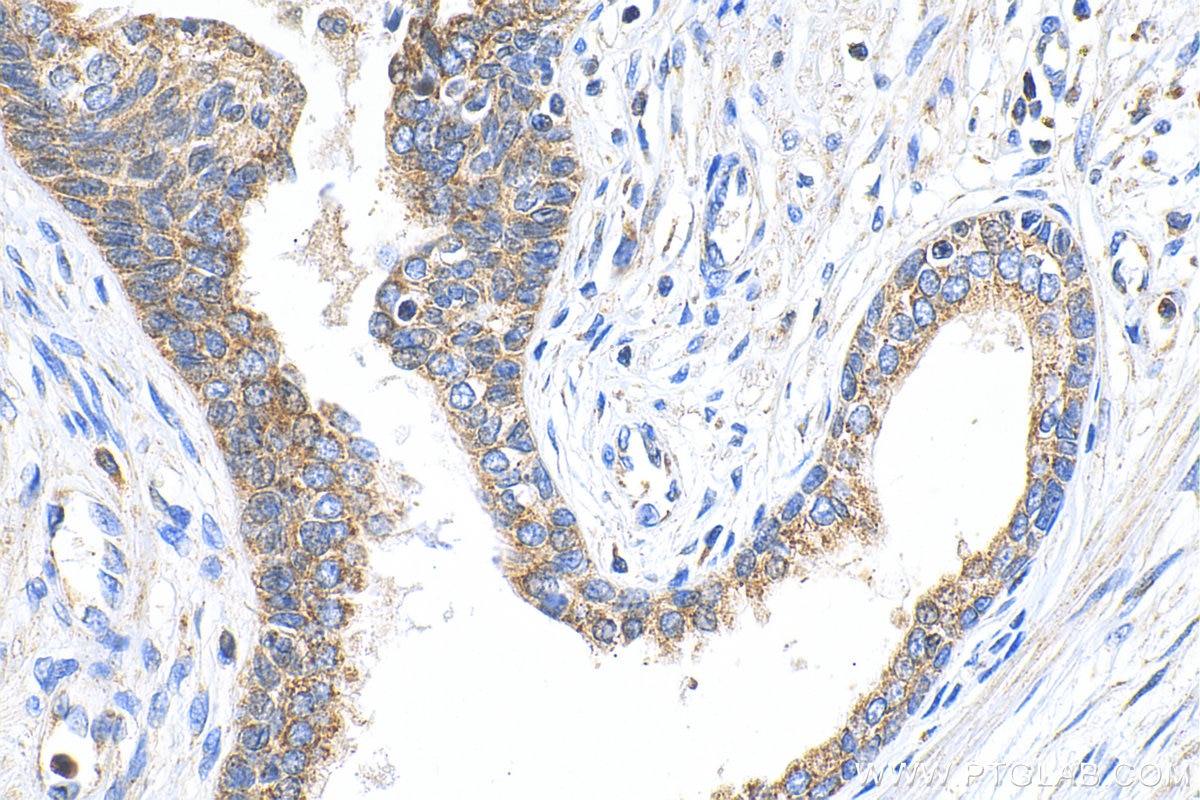

Tested Applications
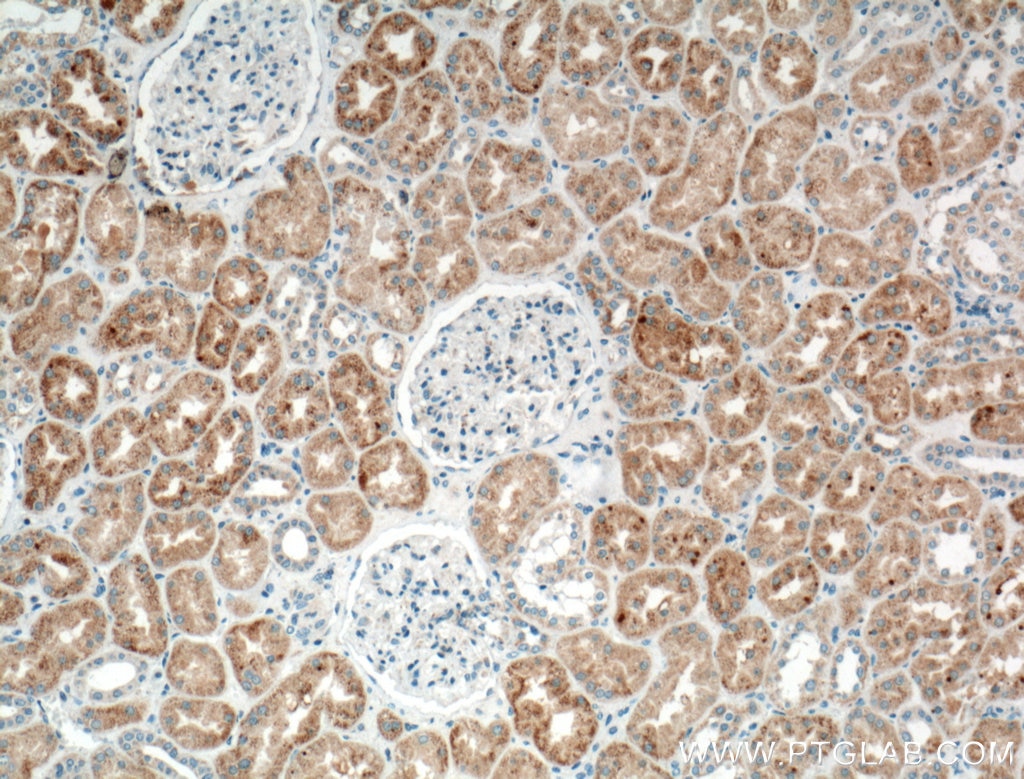
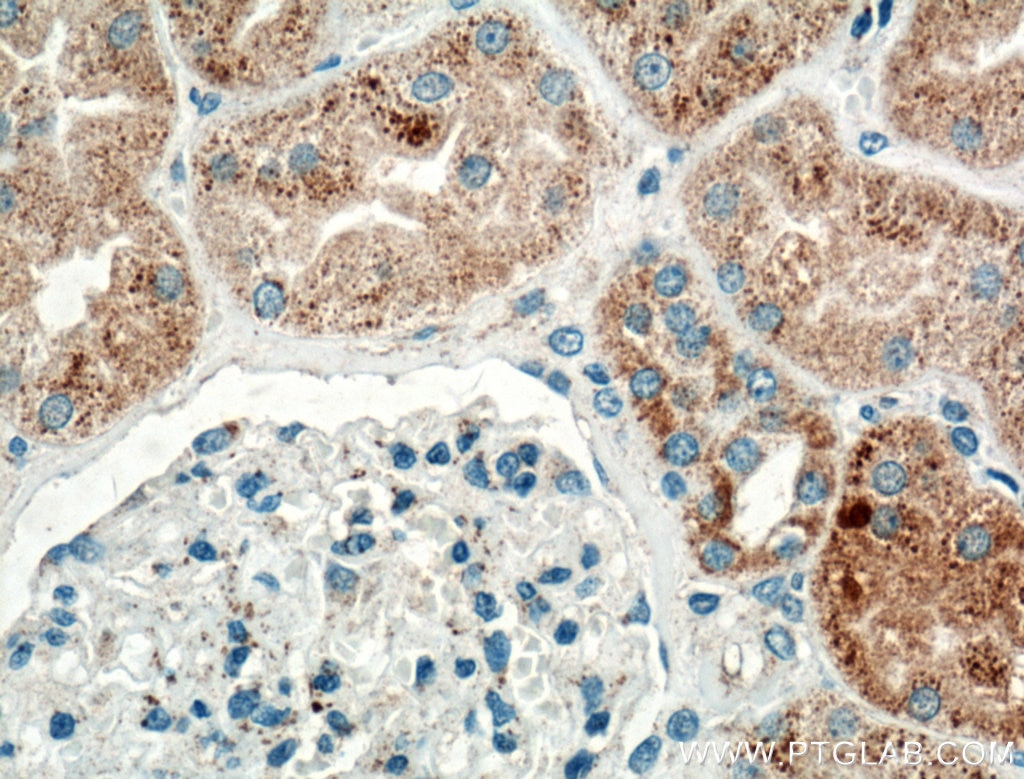
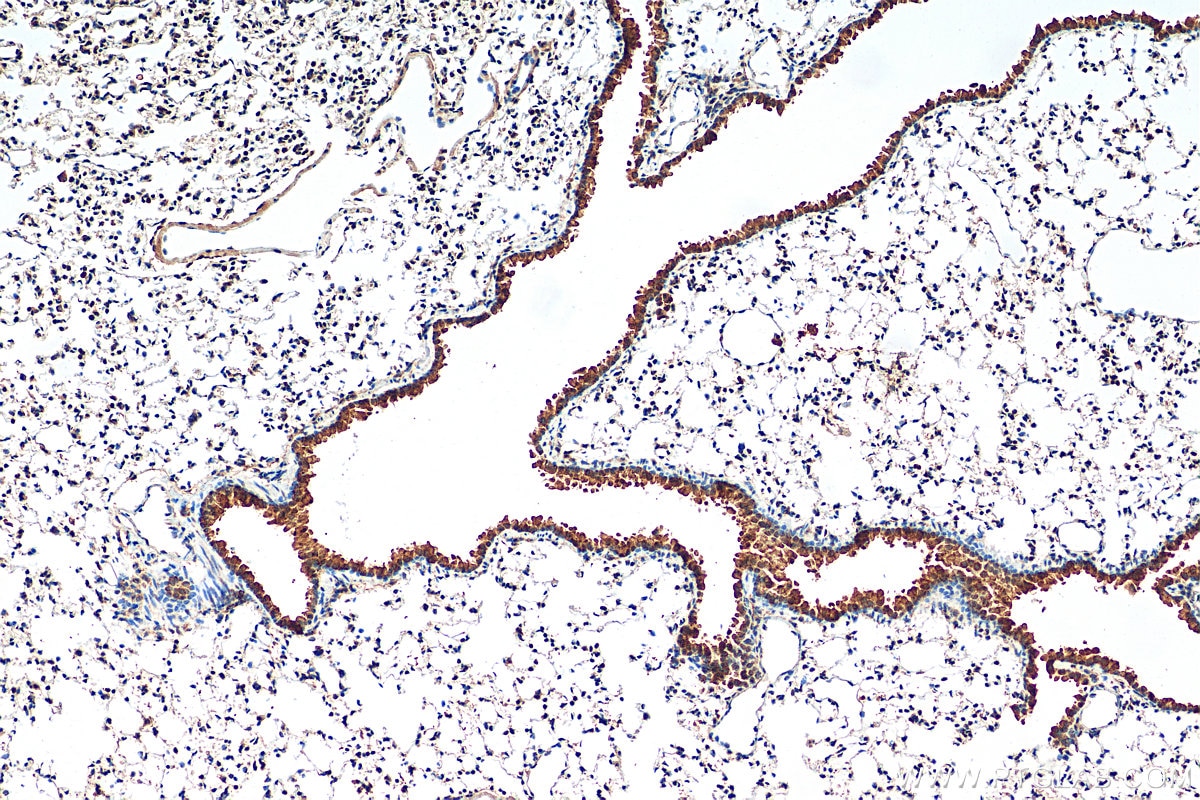
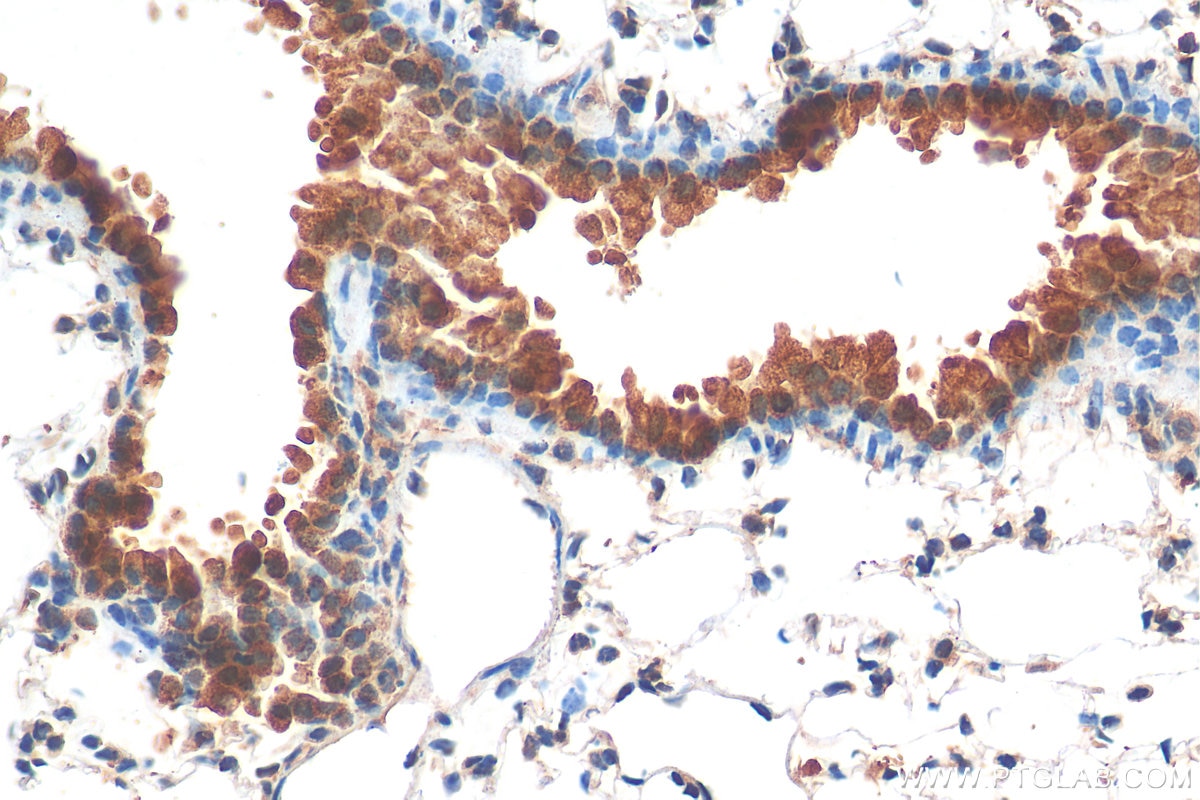
| Positive IHC detected in | human kidney tissue, mouse lung tissue, human prostate cancer tissue Note: suggested antigen retrieval with TE buffer pH 9.0; (*) Alternatively, antigen retrieval may be performed with citrate buffer pH 6.0 |
Recommended dilution
| Application | Dilution |
|---|---|
| Immunohistochemistry (IHC) | IHC : 1:50-1:500 |
| It is recommended that this reagent should be titrated in each testing system to obtain optimal results. | |
| Sample-dependent, Check data in validation data gallery. | |
Product Information
17353-1-AP targets TIMP2 in IHC, IF, ELISA applications and shows reactivity with human, mouse, rat samples.
| Tested Reactivity | human, mouse, rat |
| Cited Reactivity | human, mouse, rat, bovine |
| Host / Isotype | Rabbit / IgG |
| Class | Polyclonal |
| Type | Antibody |
| Immunogen |
CatNo: Ag10051 Product name: Recombinant human TIMP2 protein Source: e coli.-derived, PET28a Tag: 6*His Domain: 6-220 aa of BC052605 Sequence: RTLRLALGLLLLATLLRPADACSCSPVHPQQAFCNADVVIRAKAVSEKEVDSGNDIYGNPIKRIQYEIKQIKMFKGPEKDIEFIYTAPSSAVCGVSLDVGGKKEYLIAGKAEGDGKMHITLCDFIVPWDTLSTTQKKSLNHRYQMGCECKITRCPMIPCYISSPDECLWMDWVTEKNINGHQAKFFACIKRSDGSCAWYRGAAPPKQEFLDIEDP Predict reactive species |
| Full Name | TIMP metallopeptidase inhibitor 2 |
| Calculated Molecular Weight | 220 aa, 24 kDa |
| GenBank Accession Number | BC052605 |
| Gene Symbol | TIMP2 |
| Gene ID (NCBI) | 7077 |
| RRID | AB_2287495 |
| Conjugate | Unconjugated |
| Form | Liquid |
| Purification Method | Antigen affinity purification |
| UNIPROT ID | P16035 |
| Storage Buffer | PBS with 0.02% sodium azide and 50% glycerol, pH 7.3. |
| Storage Conditions | Store at -20°C. Stable for one year after shipment. Aliquoting is unnecessary for -20oC storage. 20ul sizes contain 0.1% BSA. |
Background Information
The TIMPs are natural highly specific endogenous inhibitors of MMPs. Human TIMP family consists of four 21-28 kDa proteins known as TIMP1, TIMP2, TIMP3, and TIMP4 encoded by four paralogous genes.TIMPs are vital to the maintenance of ECM homeostasis primarily through their MMP inhibitory functions. TIMP2, a member of the TIMP family, regulates the proteolytic activity of all MMPs and is involved in cell differentiation, growth, migration, angiogenesis, and apoptosis. Urinary TIMP2 has been recently recognized as an early biomarker to predict Acute kidney injury (AKI) in critically ill patients.
Protocols
| Product Specific Protocols | |
|---|---|
| IHC protocol for TIMP2 antibody 17353-1-AP | Download protocol |
| Standard Protocols | |
|---|---|
| Click here to view our Standard Protocols |
Publications
What published studies show
The TIMP2 Polyclonal antibody (Cat# 17353-1-AP) has 45 citations across journals including Cell Death & Disease, Oncogene, Clinical Cancer Research, Molecules, International Journal of Molecular Sciences, Biochemical and Biophysical Research Communications, Scientific Reports, and Cell Signaling. Research fields span cancer biology (hepatocellular, gastric, bladder, nasopharyngeal, and glioma), fibrosis (hepatic, renal, endometriosis), preeclampsia and trophoblast invasion, cardiovascular disease, extracellular matrix regulation, and ophthalmology.
| Species | Application | Title |
|---|---|---|
Cell Death Dis α1,3-fucosylation of MEST promotes invasion potential of cytotrophoblast cells by activating translation initiation | ||
Cell Death Dis Circular RNA circ_0111277 attenuates human trophoblast cell invasion and migration by regulating miR-494/HTRA1/Notch-1 signal pathway in pre-eclampsia. | ||
Int J Biol Sci TDG suppresses the migration and invasion of human colon cancer cells via the DNMT3A/TIMP2 axis. | ||
Clin Cancer Res RAB37 Hypermethylation Regulates Metastasis and Resistance to Docetaxel-Based Induction Chemotherapy in Nasopharyngeal Carcinoma. | ||
Chin Med J (Engl) Suppression of METTL3 expression attenuated matrix stiffness-induced vaginal fibroblast-to-myofibroblast differentiation and abnormal modulation of the extracellular matrix in pelvic organ prolapse | ||
Oncogene Cystathionine γ-lyase mediates cell proliferation, migration, and invasion of nasopharyngeal carcinoma |






