


Tested Applications
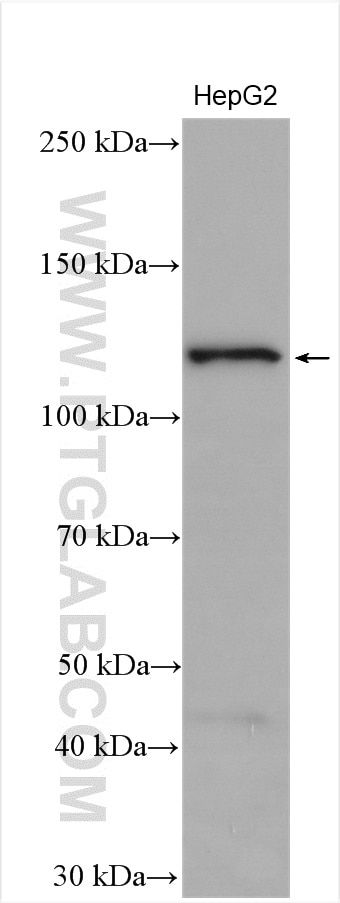
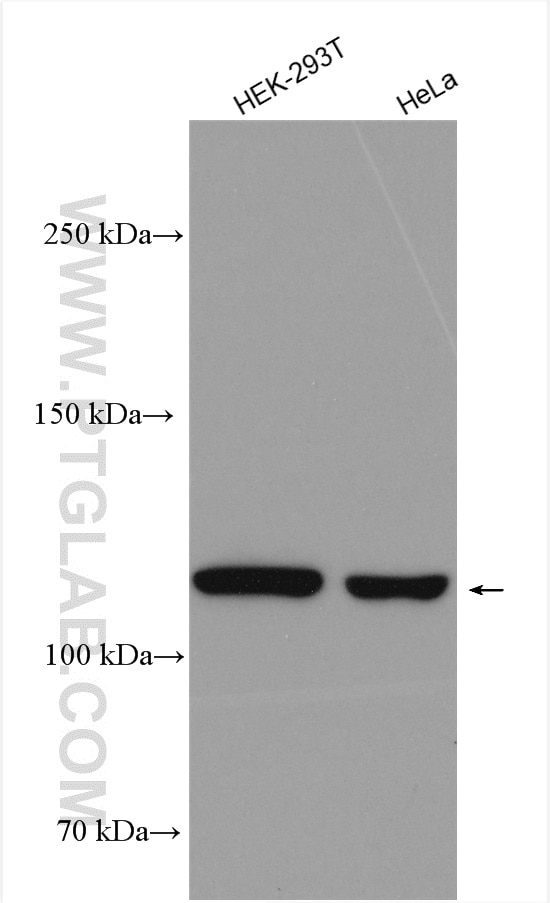
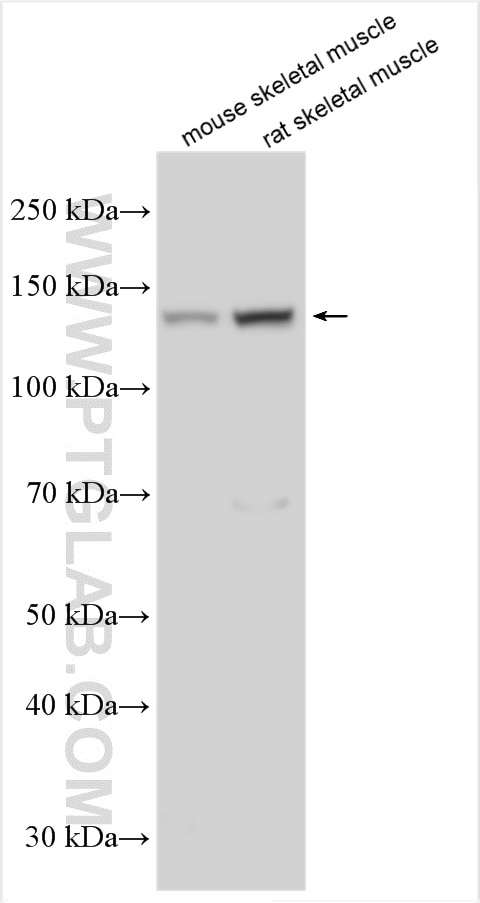
| Positive WB detected in | mouse skeletal muscle tissue, HepG2 cells, HEK-293T cells, rat skeletal muscle tissue, HeLa cells |
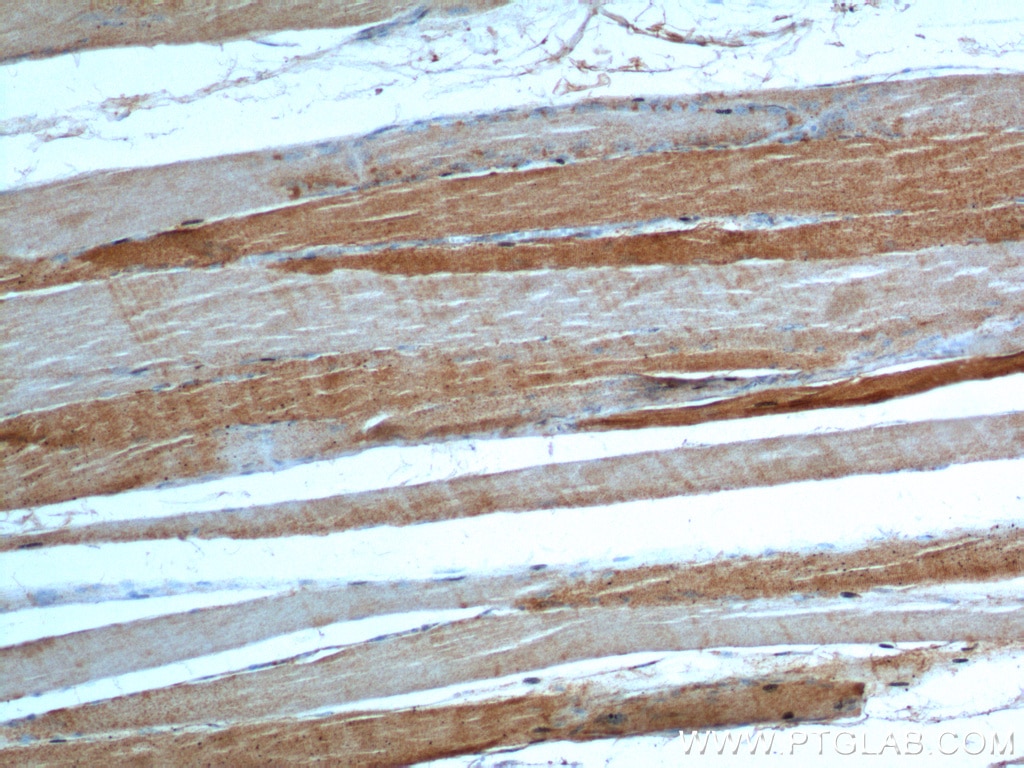
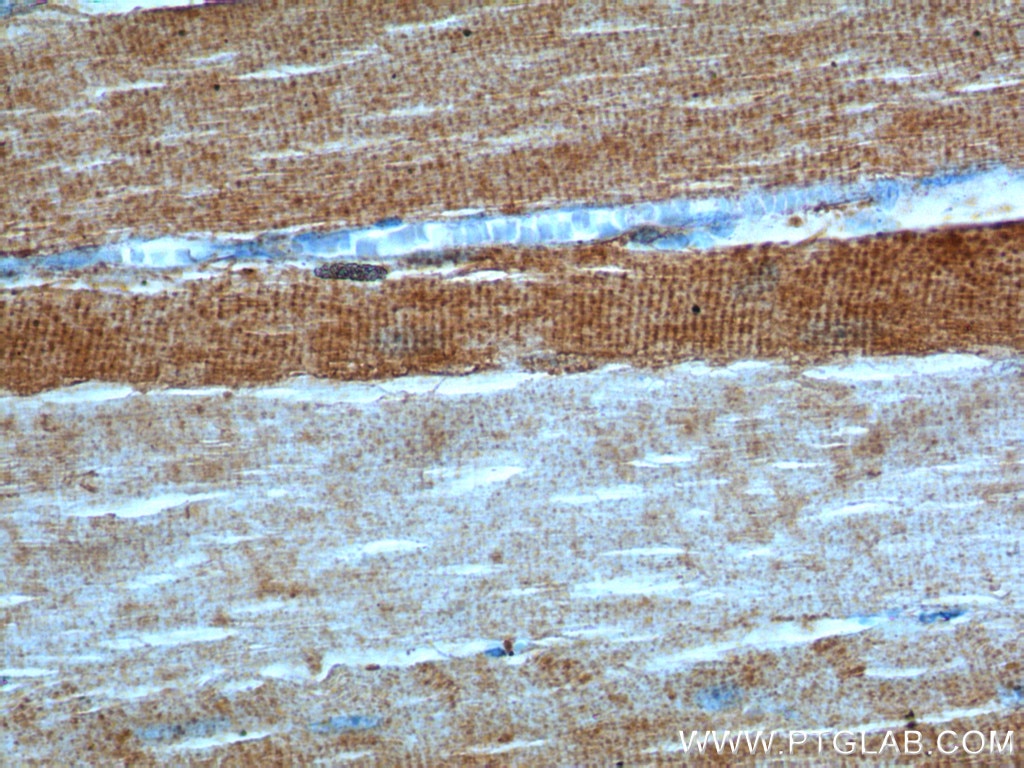
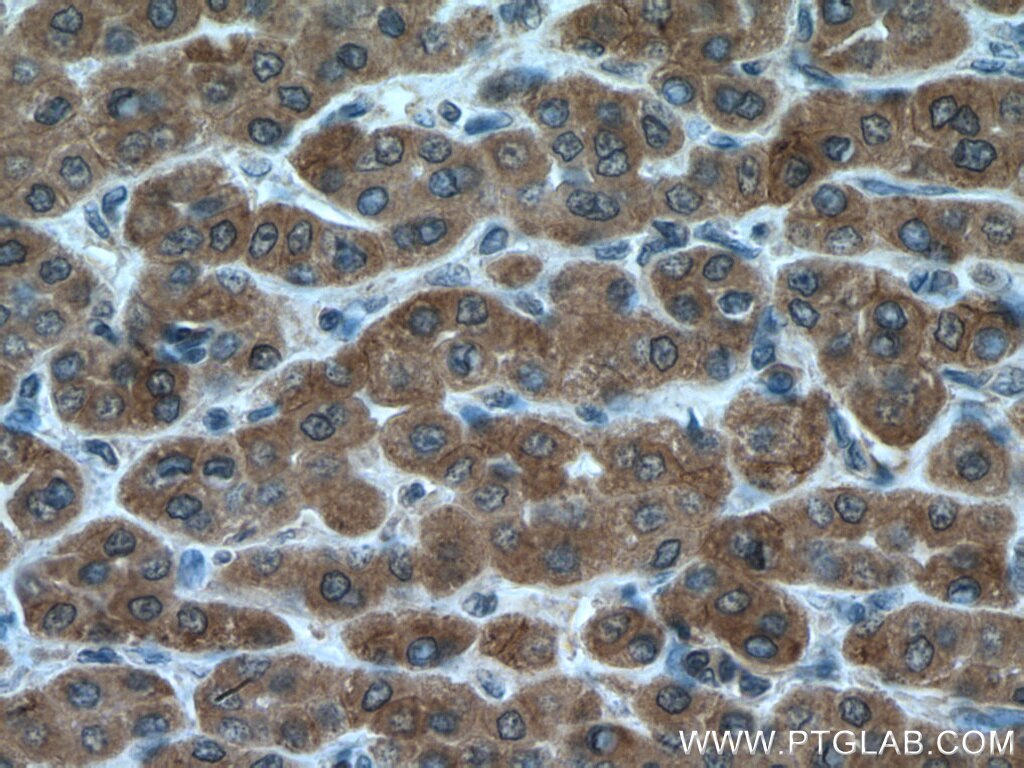
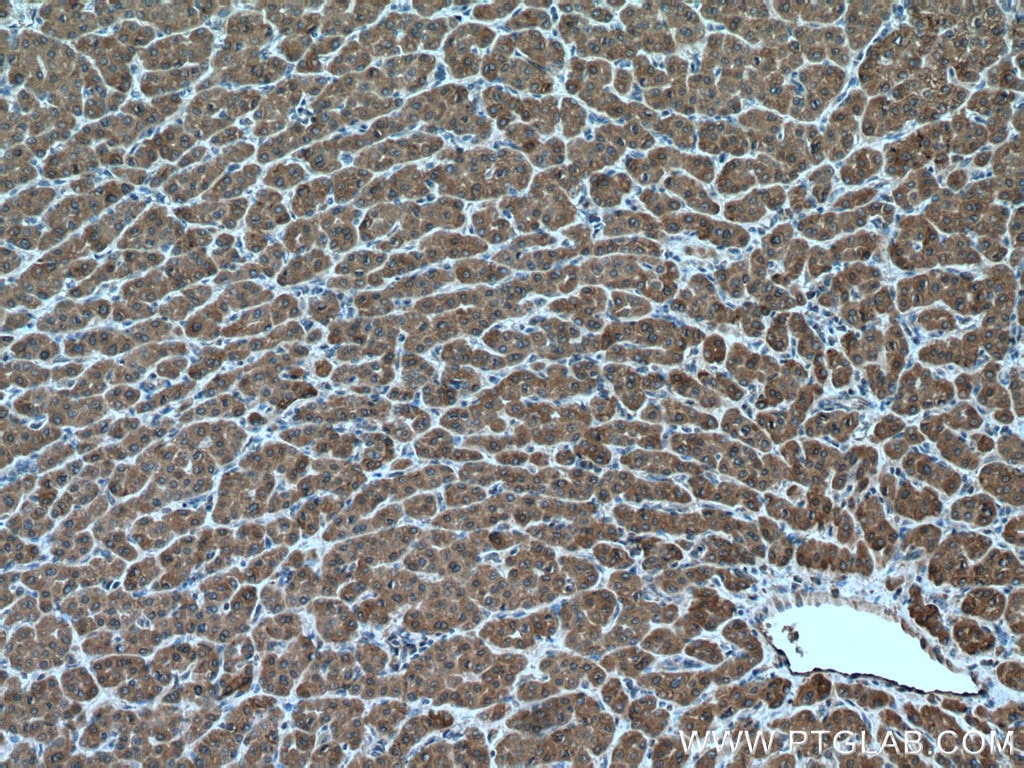
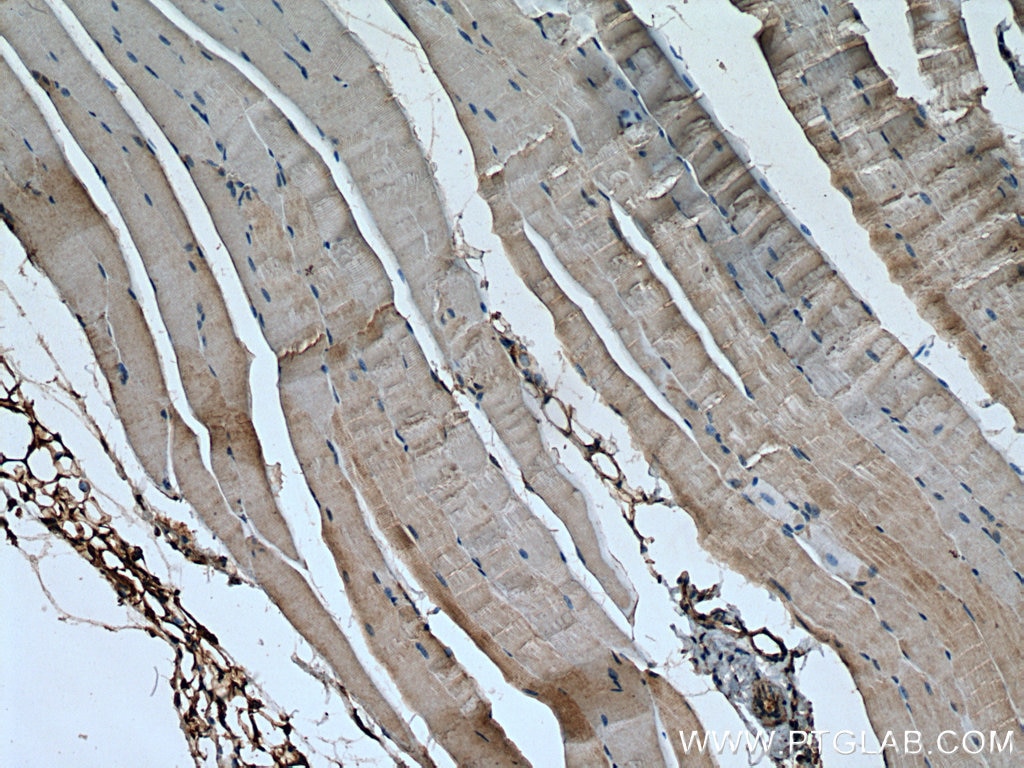
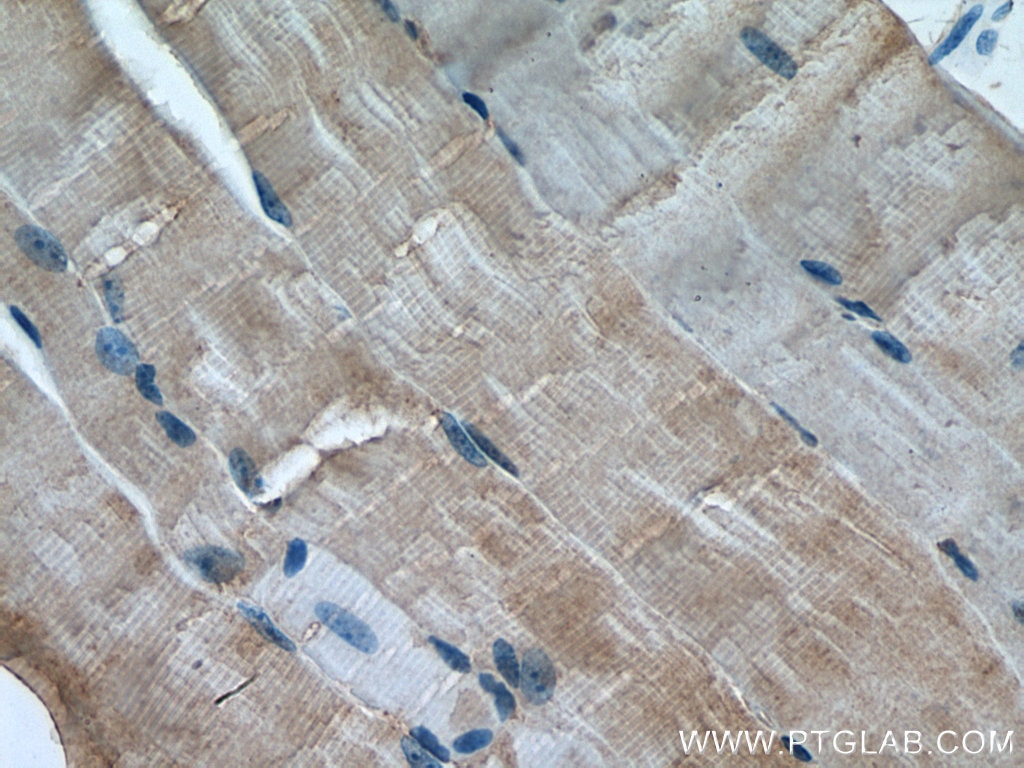
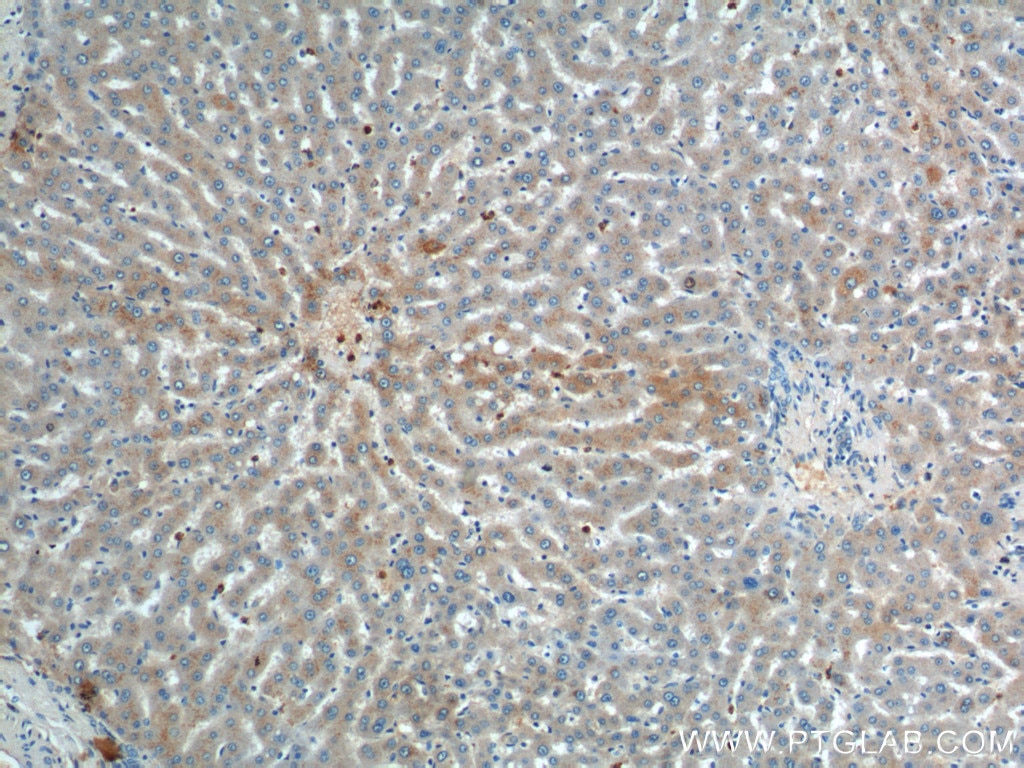
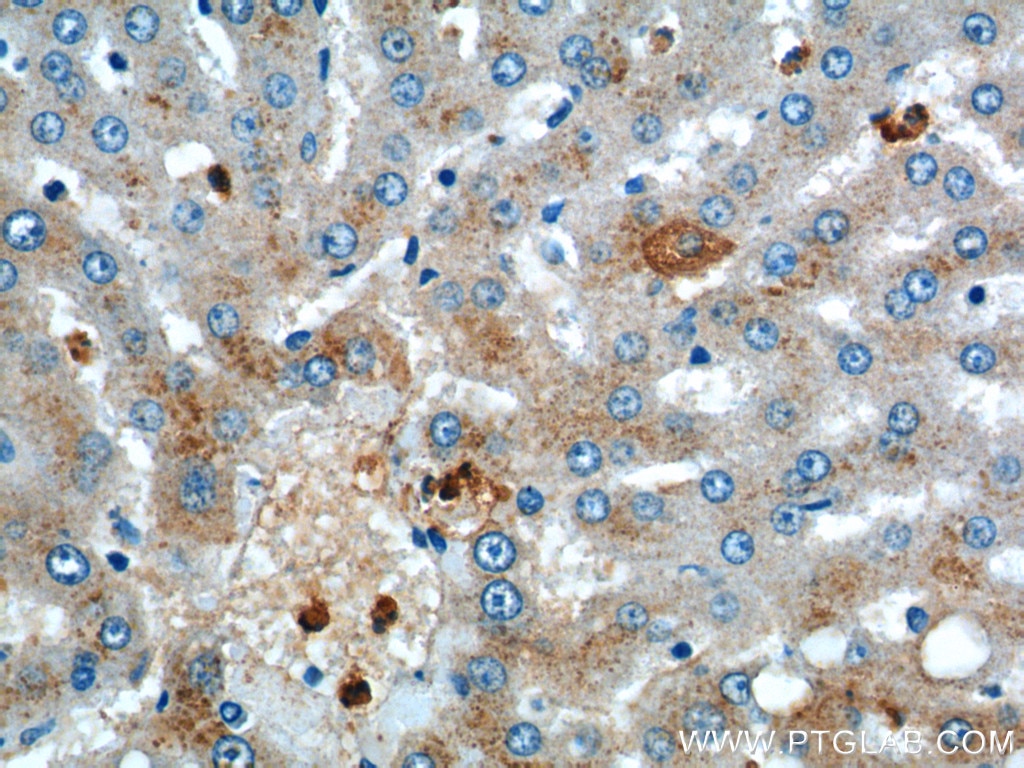
| Positive IHC detected in | human skeletal muscle tissue, human liver cancer tissue, human liver tissue, mouse skeletal muscle tissue Note: suggested antigen retrieval with TE buffer pH 9.0; (*) Alternatively, antigen retrieval may be performed with citrate buffer pH 6.0 |
| Positive IF/ICC detected in | HeLa cells |
Recommended dilution
| Application | Dilution |
|---|---|
| Western Blot (WB) | WB : 1:500-1:2000 |
| Immunohistochemistry (IHC) | IHC : 1:50-1:500 |
| Immunofluorescence (IF)/ICC | IF/ICC : 1:50-1:500 |
| It is recommended that this reagent should be titrated in each testing system to obtain optimal results. | |
| Sample-dependent, Check data in validation data gallery. | |
Product Information
20986-1-AP targets ULK1 in WB, IHC, IF/ICC, IP, ELISA applications and shows reactivity with human, mouse, rat samples.
| Tested Reactivity | human, mouse, rat |
| Cited Reactivity | human, mouse, rat, bovine, goat, duck |
| Host / Isotype | Rabbit / IgG |
| Class | Polyclonal |
| Type | Antibody |
| Immunogen |
Peptide Predict reactive species |
| Full Name | unc-51-like kinase 1 (C. elegans) |
| Calculated Molecular Weight | 113 kDa |
| Observed Molecular Weight | 120-150 kDa |
| GenBank Accession Number | NM_003565 |
| Gene Symbol | ULK1 |
| Gene ID (NCBI) | 8408 |
| RRID | AB_2878783 |
| Conjugate | Unconjugated |
| Form | Liquid |
| Purification Method | Antigen affinity purification |
| UNIPROT ID | O75385 |
| Storage Buffer | PBS with 0.02% sodium azide and 50% glycerol, pH 7.3. |
| Storage Conditions | Store at -20°C. Stable for one year after shipment. Aliquoting is unnecessary for -20oC storage. 20ul sizes contain 0.1% BSA. |
Background Information
ULK1, also named as KIAA0722, belongs to the protein kinase superfamily, Ser/Thr protein kinase family and APG1/unc-51/ULK1 subfamily. It is involved in autophagy. ULK1 is required for autophagosome formation. It forms a stable complex with Atg13 and focal adhesion kinase (FAK) family interacting protein of 200 kDa (FIP 200)(PMID:21460634). ULK1 phosphorylates ATG13/KIAA0652. It is involved in axon growth. ULK1 plays an essential role in neurite extension of cerebellar granule cells. ULK1 represents a potential novel prognostic biomarker for HCC patients and may play an important role during the progression of HCC(PMID:23573318).
Protocols
| Product Specific Protocols | |
|---|---|
| IF protocol for ULK1 antibody 20986-1-AP | Download protocol |
| IHC protocol for ULK1 antibody 20986-1-AP | Download protocol |
| WB protocol for ULK1 antibody 20986-1-AP | Download protocol |
| Standard Protocols | |
|---|---|
| Click here to view our Standard Protocols |
Publications
What published studies show
The ULK1 Polyclonal antibody (Cat# 20986-1-AP) has 122 citations across journals including Nature, Science, Cancer Cell, Autophagy, Cell Death & Disease, Science Advances, Developmental Cell, and EMBO Reports. Research fields span autophagy and mitophagy regulation, cancer biology, metabolic disorders (diabetes, obesity, lipid metabolism), neurodegeneration, inflammation, and ferroptosis, with applications primarily in Western blot, IHC, IF, and IP across human, mouse, rat, and other species.
| Species | Application | Title |
|---|---|---|
Science Liver ALKBH5 regulates glucose and lipid homeostasis independently through GCGR and mTORC1 signaling | ||
Autophagy PSAT1 inhibits mTORC1 activation by preventing Rag heterodimer formation in lung adenocarcinoma | ||
Autophagy MLKL-USP7-UBA52 signaling is indispensable for autophagy in brain through maintaining ubiquitin homeostasis | ||













