

Tested Applications
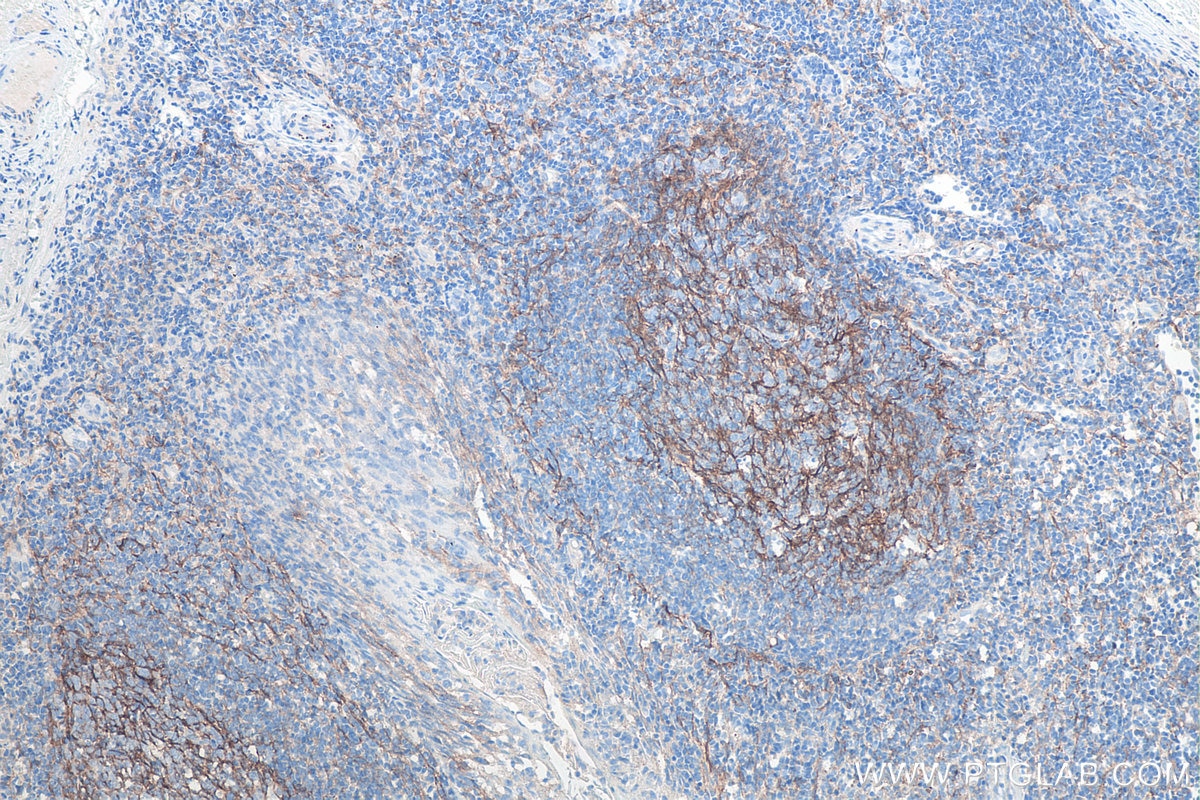
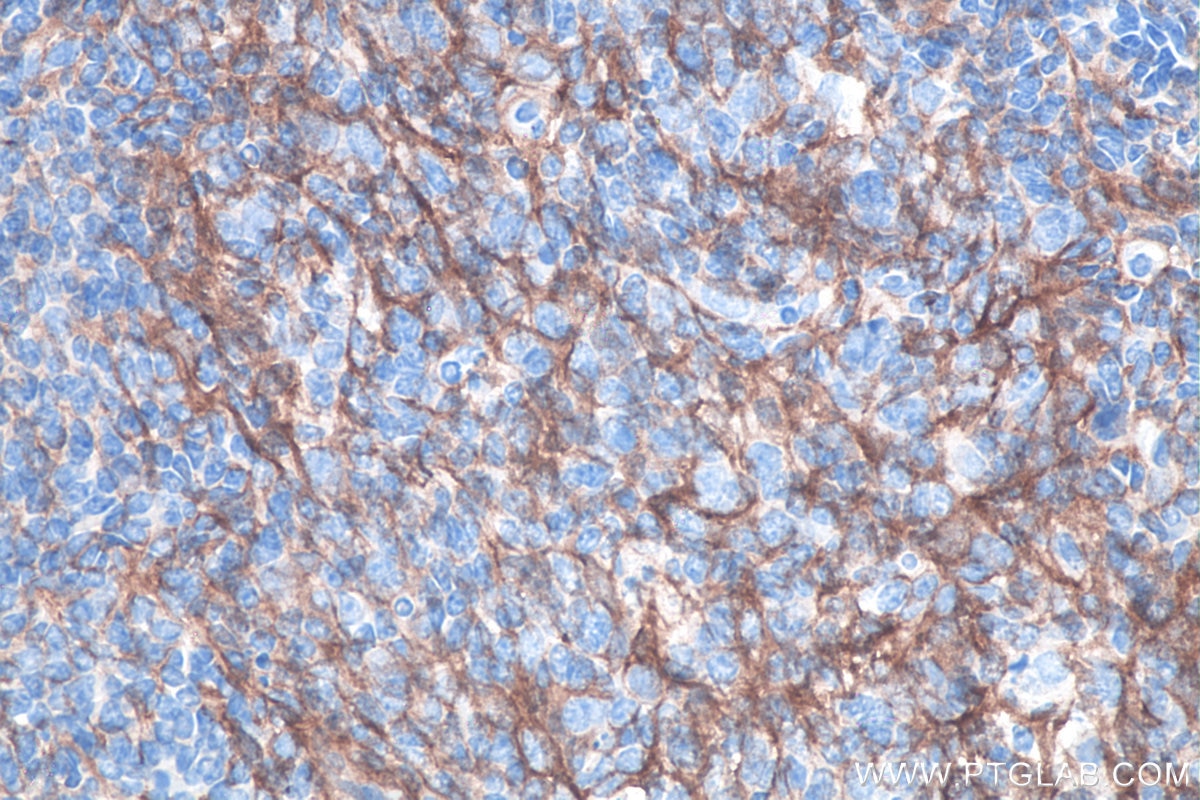
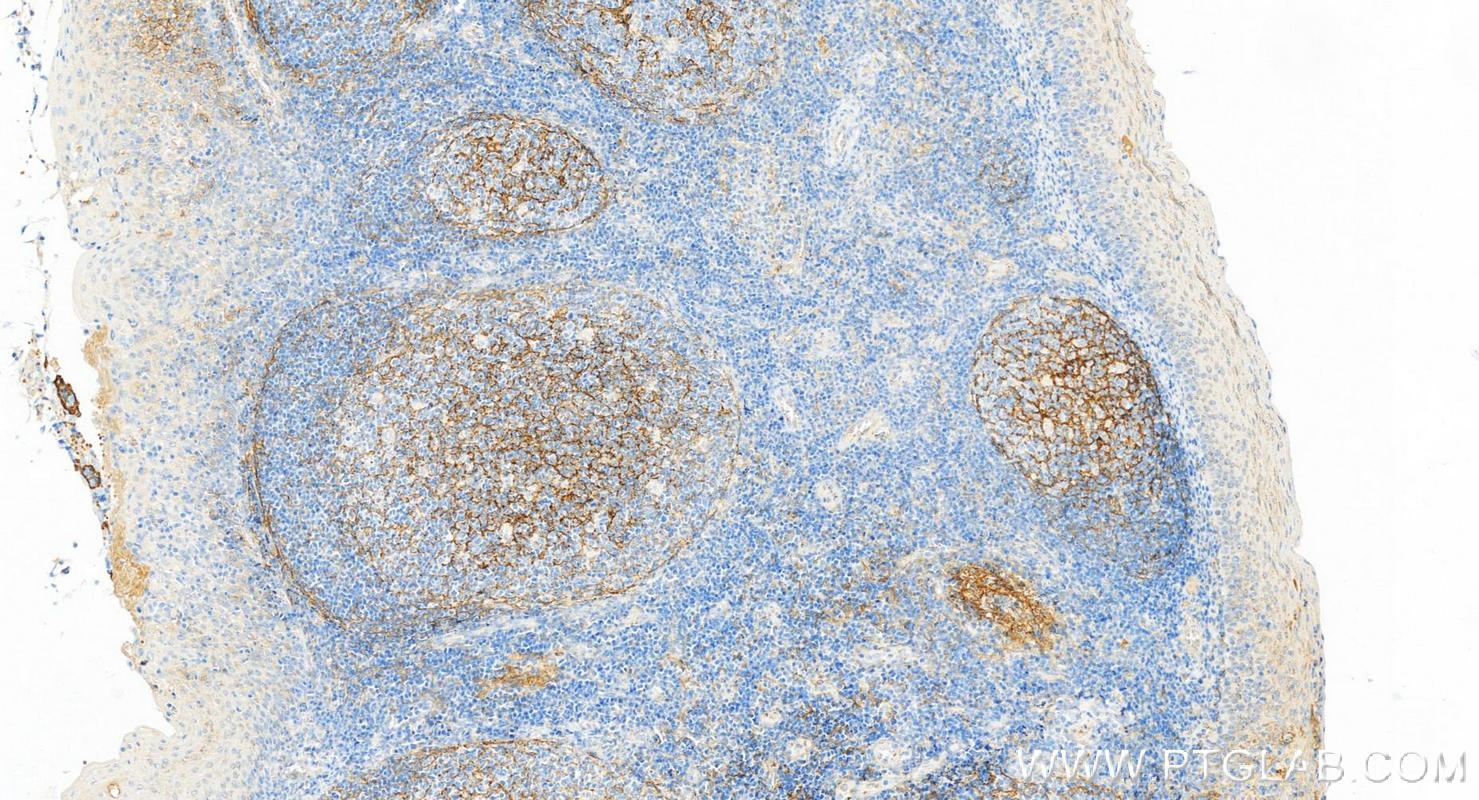
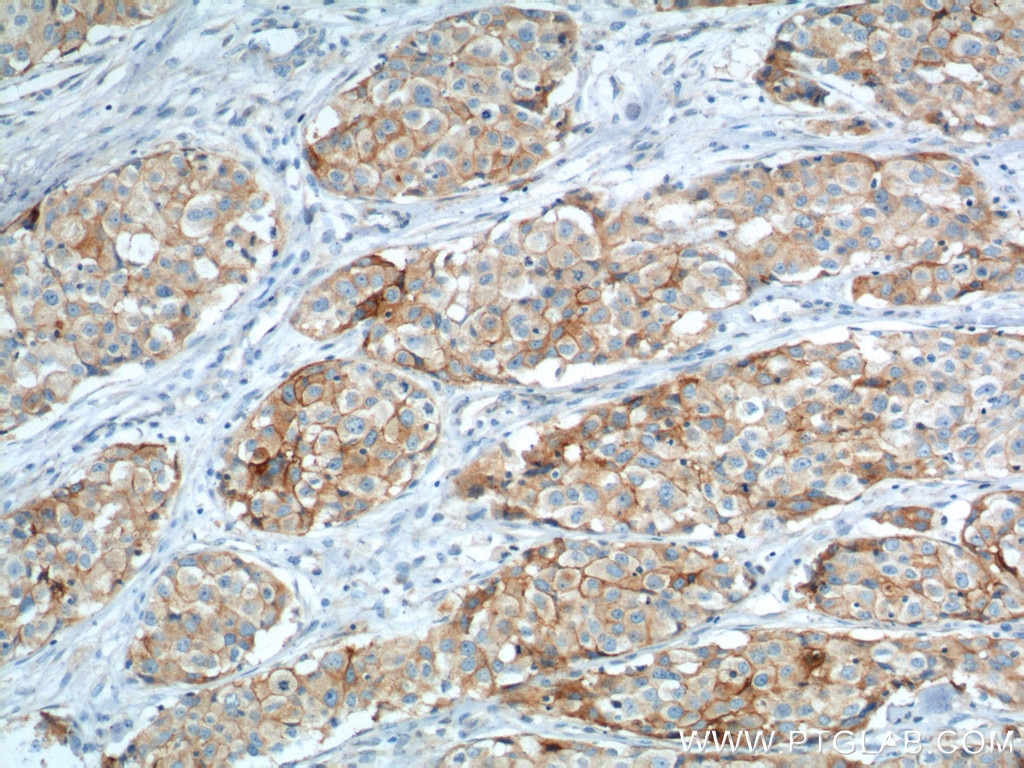
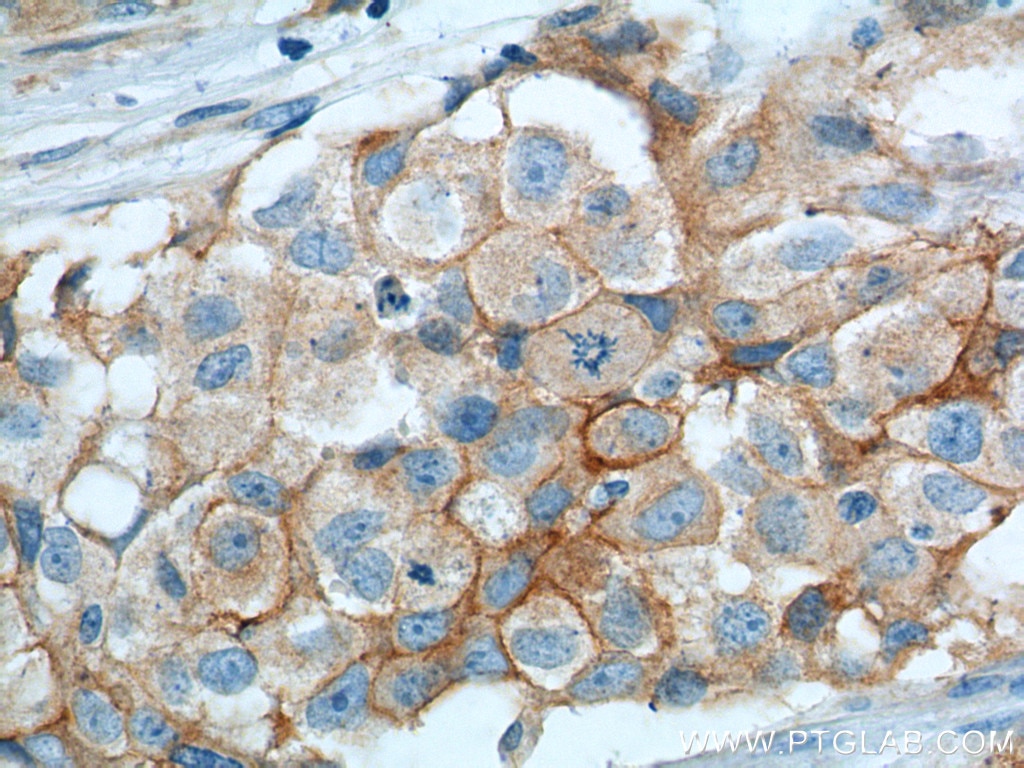
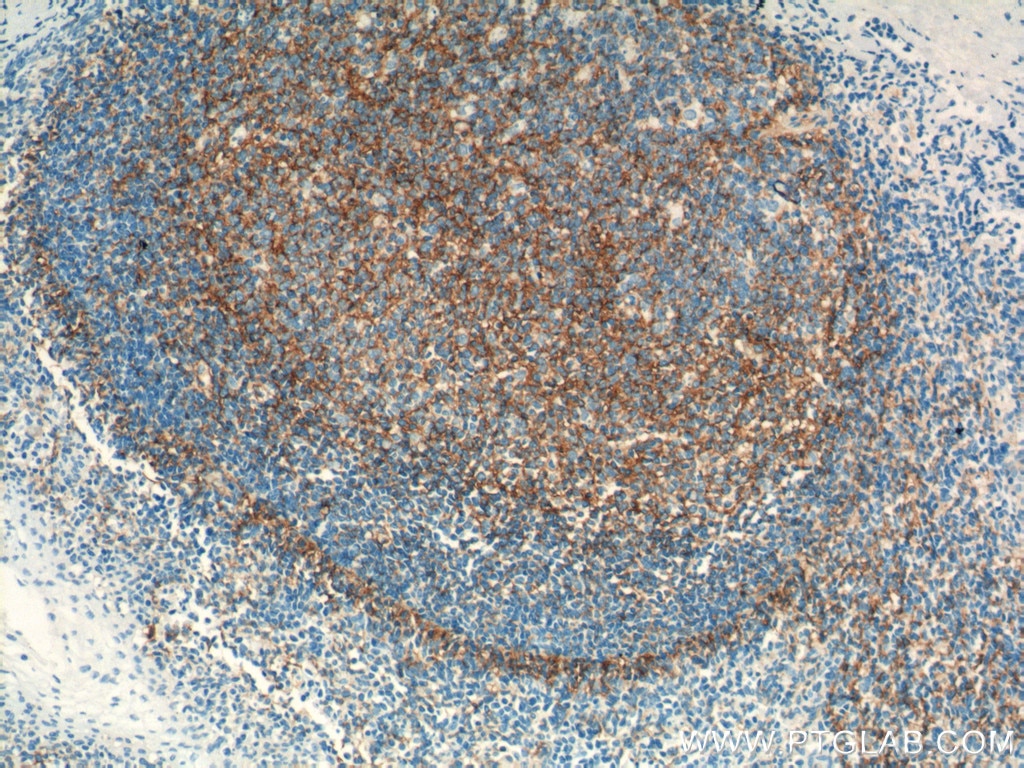
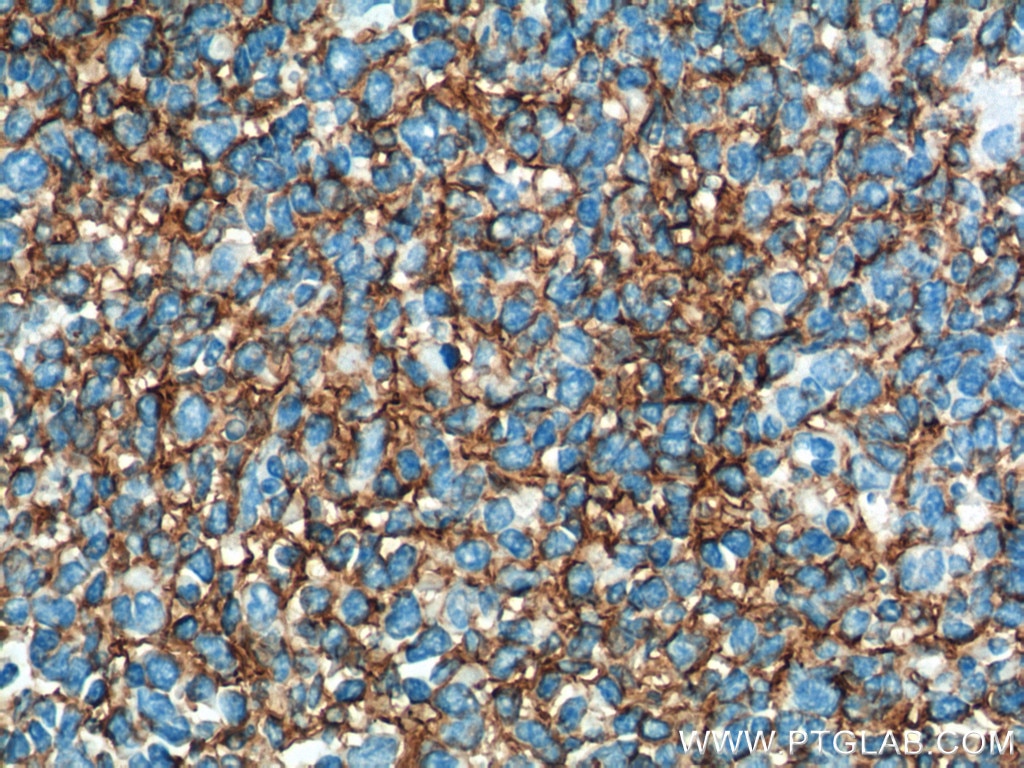
| Positive IHC detected in | human tonsillitis tissue, human lung cancer tissue Note: suggested antigen retrieval with TE buffer pH 9.0; (*) Alternatively, antigen retrieval may be performed with citrate buffer pH 6.0 |
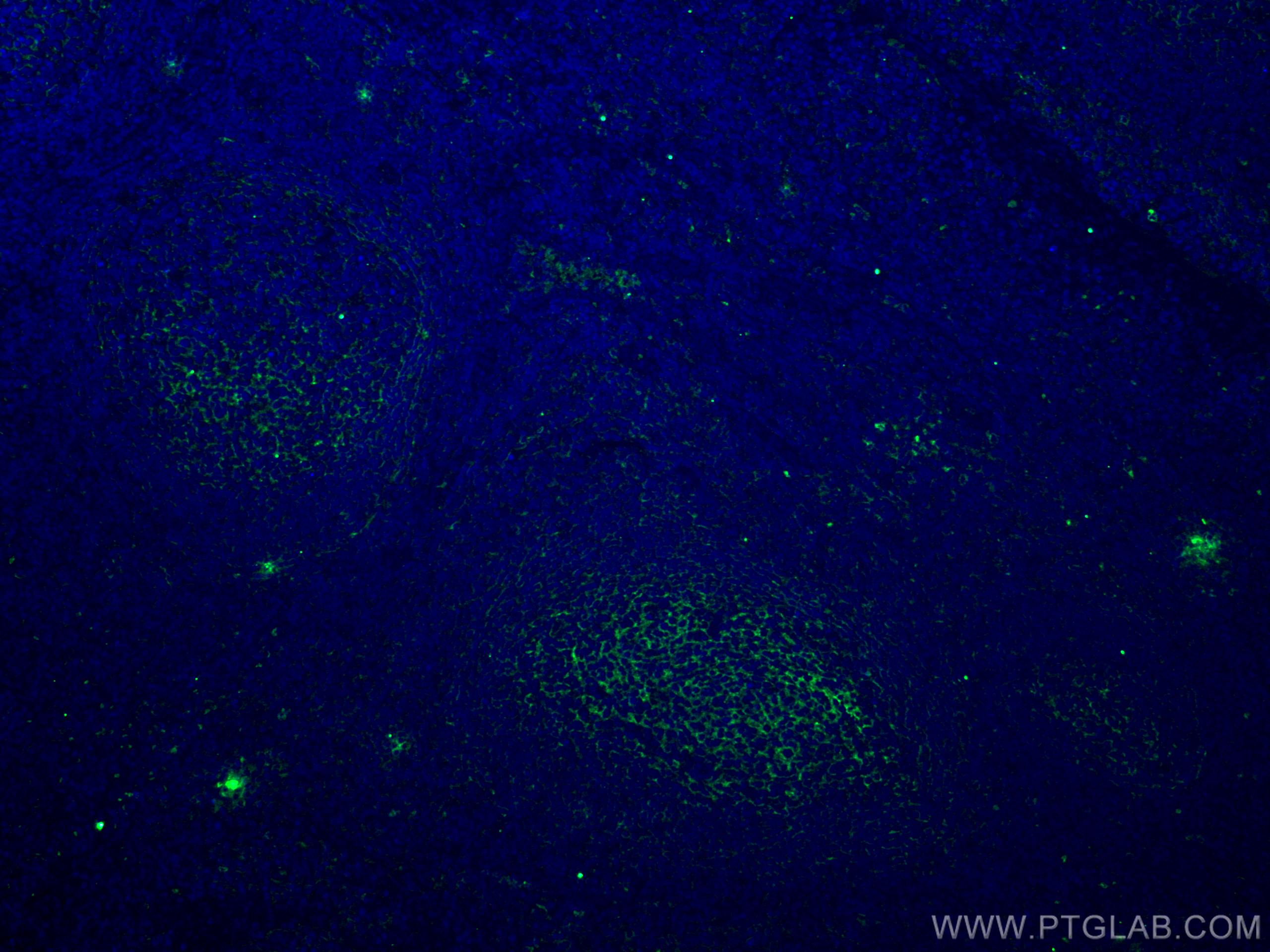
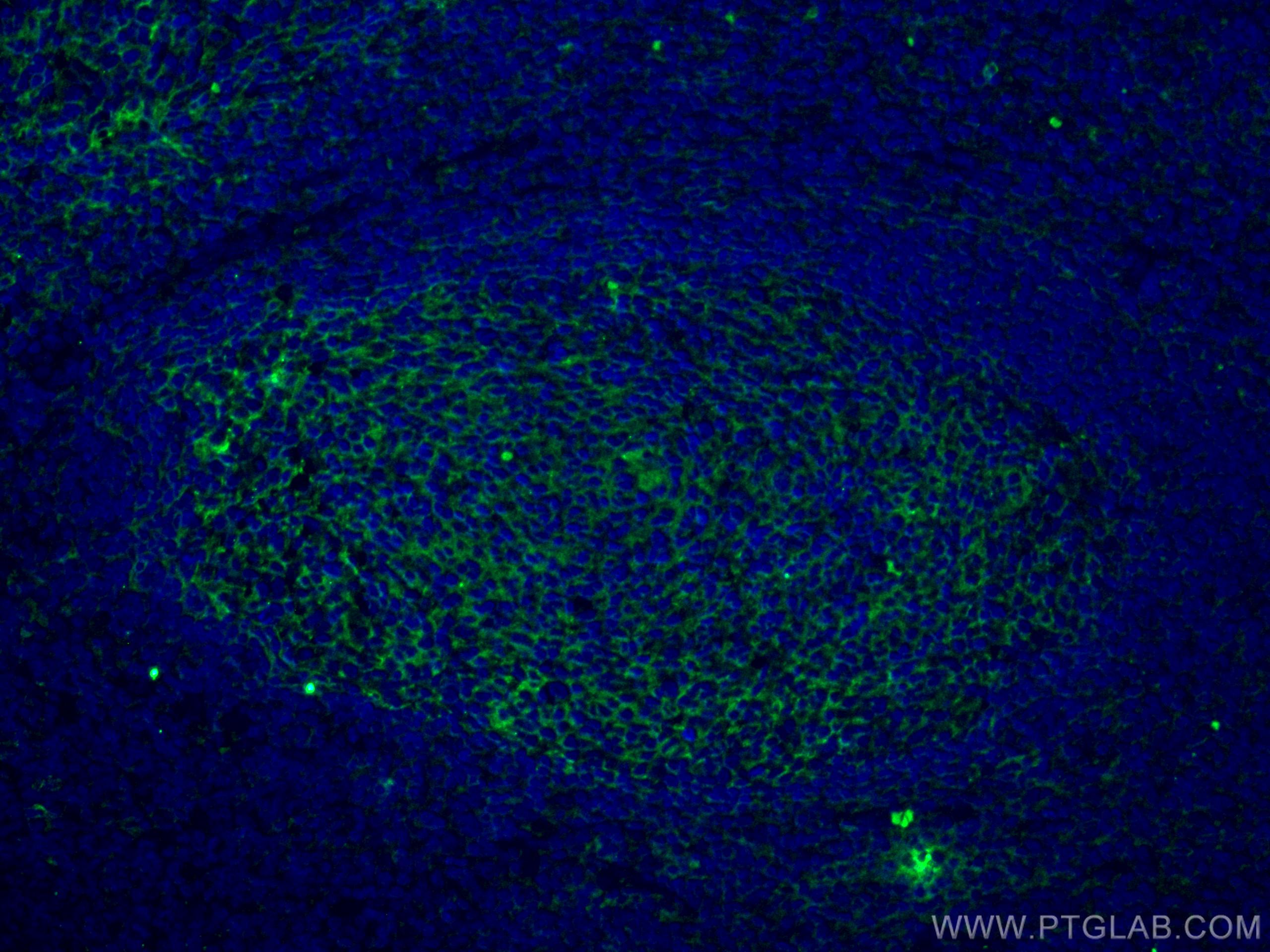
| Positive IF-P detected in | human tonsillitis tissue |
Recommended dilution
| Application | Dilution |
|---|---|
| Immunohistochemistry (IHC) | IHC : 1:2000-1:8000 |
| Immunofluorescence (IF)-P | IF-P : 1:200-1:800 |
| It is recommended that this reagent should be titrated in each testing system to obtain optimal results. | |
| Sample-dependent, Check data in validation data gallery. | |
Product Information
66294-1-Ig targets VCAM-1/CD106 in IHC, IF-P, ELISA applications and shows reactivity with human samples.
| Tested Reactivity | human |
| Cited Reactivity | human, rat |
| Host / Isotype | Mouse / IgG2a |
| Class | Monoclonal |
| Type | Antibody |
| Immunogen |
CatNo: Ag24697 Product name: Recombinant human VCAM-1 protein Source: e coli.-derived, PET30a Tag: 6*His Domain: 341-739 aa of BC017276 Sequence: ESPSFSWRTQIDSPLSGKVRSEGTNSTLTLSPVSFENEHSYLCTVTCGHKKLEKGIQVELYSFPRDPEIEMSGGLVNGSSVTVSCKVPSVYPLDRLEIELLKGETILENIEFLEDTDMKSLENKSLEMTFIPTIEDTGKALVCQAKLHIDDMEFEPKQRQSTQTLYVNVAPRDTTVLVSPSSILEEGSSVNMTCLSQGFPAPKILWSRQLPNGELQPLSENATLTLISTKMEDSGVYLCEGINQAGRSRKEVELIIQVTPKDIKLTAFPSESVKEGDTVIISCTCGNVPETWIILKKKAETGDTVLKSIDGAYTIRKAQLKDAGVYECESKNKVGSQLRSLTLDVQGRENNKDYFSPELLVLYFASSLIIPAIGMIIYFARKANMKGSYSLVEAQKSKV Predict reactive species |
| Full Name | vascular cell adhesion molecule 1 |
| Calculated Molecular Weight | 739 aa, 81 kDa |
| Observed Molecular Weight | 110 kDa |
| GenBank Accession Number | BC017276 |
| Gene Symbol | VCAM-1 |
| Gene ID (NCBI) | 7412 |
| RRID | AB_2881677 |
| Conjugate | Unconjugated |
| Form | Liquid |
| Purification Method | Protein A purification |
| UNIPROT ID | P19320 |
| Storage Buffer | PBS with 0.02% sodium azide and 50% glycerol, pH 7.3. |
| Storage Conditions | Store at -20°C. Stable for one year after shipment. Aliquoting is unnecessary for -20oC storage. 20ul sizes contain 0.1% BSA. |
Background Information
Vascular cell adhesion molecule 1 (VCAM1), also known as CD106, is a 110-kDa transmembrane glycoprotein belonging to the immunoglobulin gene superfamily. VCAM1 is expressed by cytokine-activated endothelium, interacts with integrin VLA4 (α4β1) present on the surface of leukocytes, and mediates both adhesion and signal transduction. It is also expressed either constitutively or inducibly in a variety of other cell types, including vascular smooth muscle cells, differentiating skeletal muscle cells, renal and neural epithelial cells, macrophages (Kupffer cells), dendritic cells, and bone marrow stromal cells (PMID: 7507076, 11359843).
Protocols
| Product Specific Protocols | |
|---|---|
| IF protocol for VCAM-1/CD106 antibody 66294-1-Ig | Download protocol |
| IHC protocol for VCAM-1/CD106 antibody 66294-1-Ig | Download protocol |
| Standard Protocols | |
|---|---|
| Click here to view our Standard Protocols |
Publications
What published studies show
The anti-VCAM-1 antibody (Cat# 66294-1-Ig) has 41 citations published in journals including Redox Biology, Advanced Science, Cardiovascular Research, Atherosclerosis, Journal of Molecular and Cellular Cardiology, International Journal of Molecular Sciences, Frontiers in Pharmacology, and Science China Life Sciences. Associated research fields predominantly encompass atherosclerosis, vascular endothelial dysfunction, inflammation, cardiovascular disease, cancer metastasis, and neurovascular biology.
| Species | Application | Title |
|---|---|---|
Redox Biol Targeting mitochondria-inflammation circle by renal denervation reduces atheroprone endothelial phenotypes and atherosclerosis. | ||
J Nanobiotechnology Macrophage-cancer hybrid membrane-coated nanoparticles for targeting lung metastasis in breast cancer therapy. | ||
Adv Sci (Weinh) The GRK2/AP-1 Signaling Axis Mediates Vascular Endothelial Dysfunction and Atherosclerosis Induced by Oscillatory Low Shear Stress | ||
Cardiovasc Res METTL3-catalyzed m6A methylation facilitates the contribution of vascular smooth muscle cells to atherosclerosis | ||
Phytomedicine Rhamnocitrin extracted from Nervilia fordii inhibited vascular endothelial activation via miR-185/STIM-1/SOCE/NFATc3. | ||
J Hazard Mater Amorphous silica nanoparticles induce inflammation via activation of NLRP3 inflammasome and HMGB1/TLR4/MYD88/NF-kb signaling pathway in HUVEC cells. |
Reviews
What customers say
One verified user reviewed this product with a 5-star rating. The reviewer used the antibody for immunofluorescence at a 1:200 dilution on human colon tissue and reported excellent performance, stating it "worked really well" for their application. Overall, the feedback is highly positive, indicating reliable results in IF applications on human tissue.
The reviews below have been submitted by verified Proteintech customers who received an incentive for providing their feedback.
Julia (Verified Customer) (05-08-2026) | This antibody worked really well for my applications!
|










