
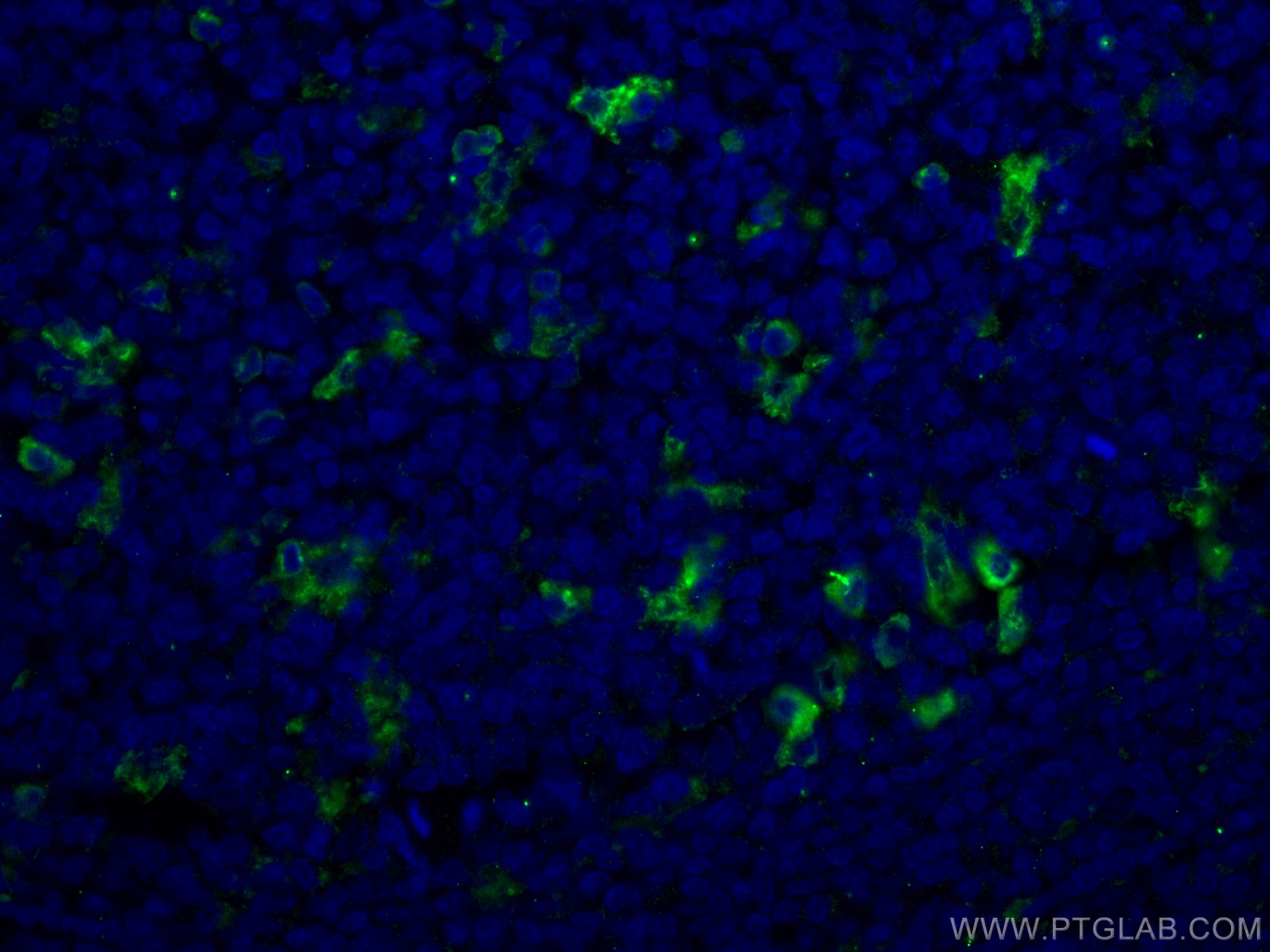

Tested Applications
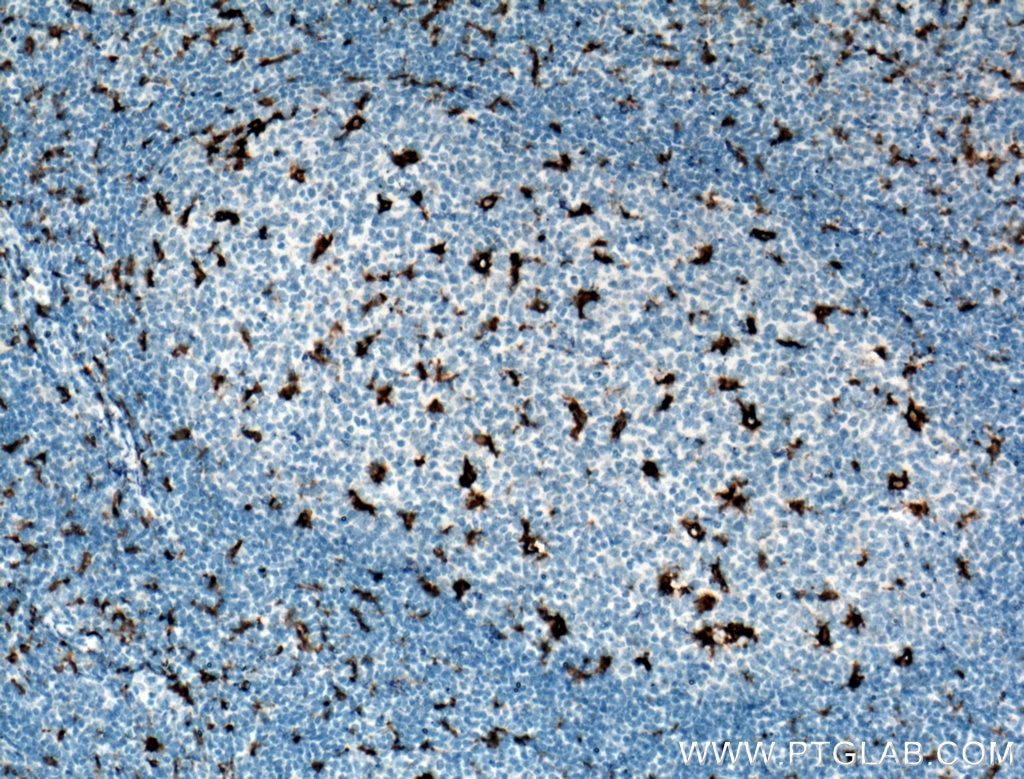
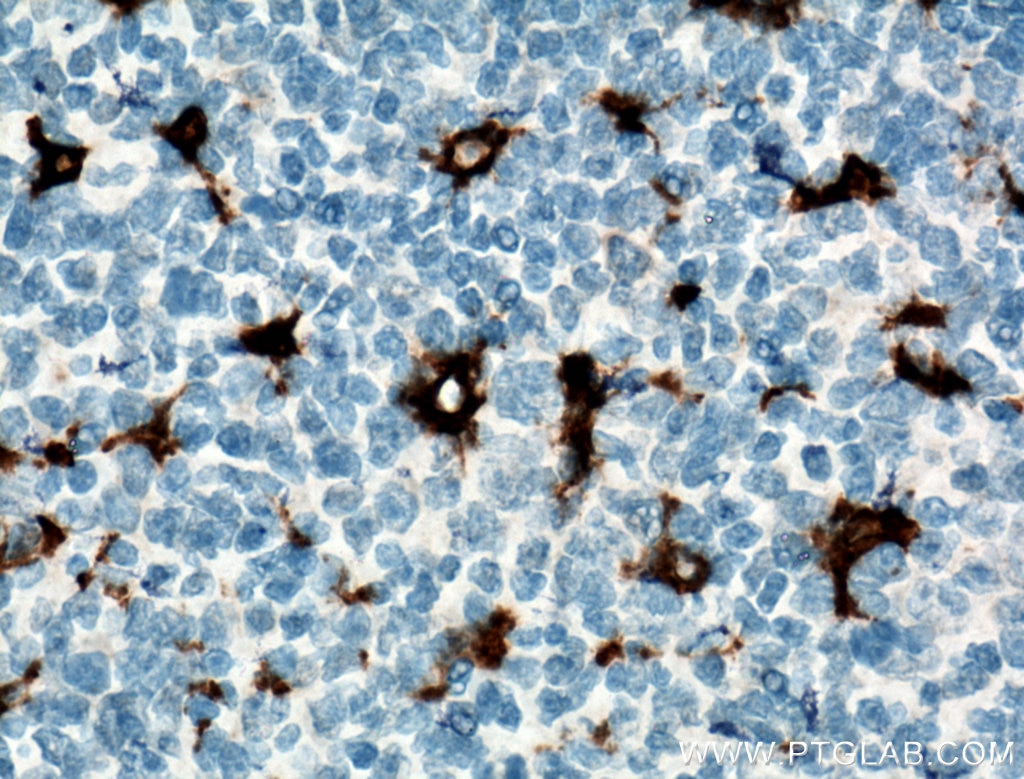
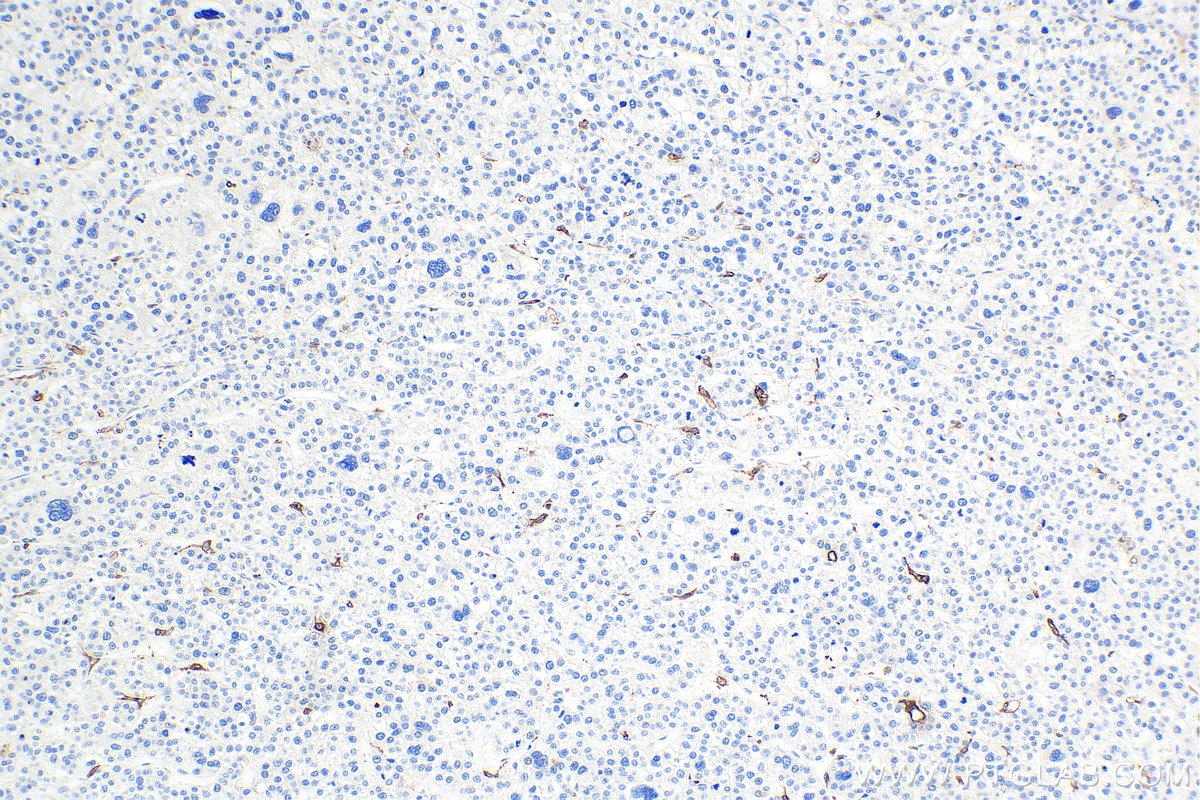
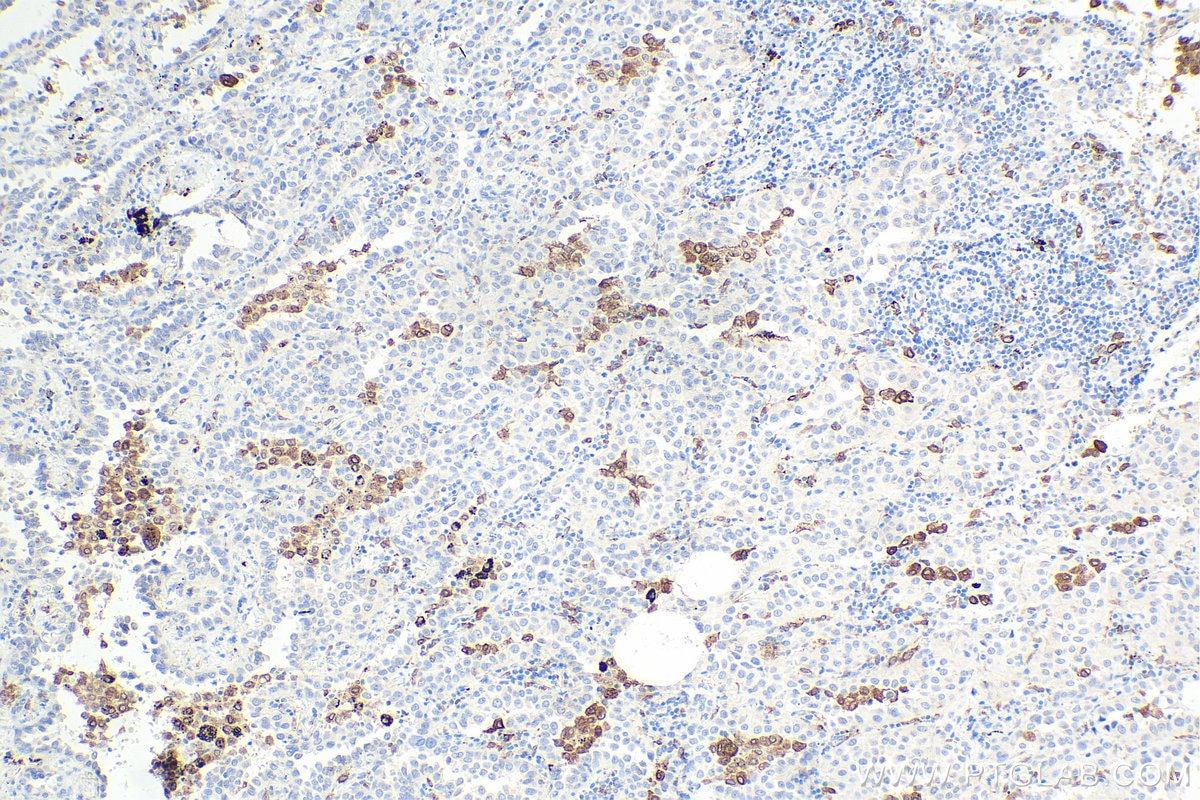
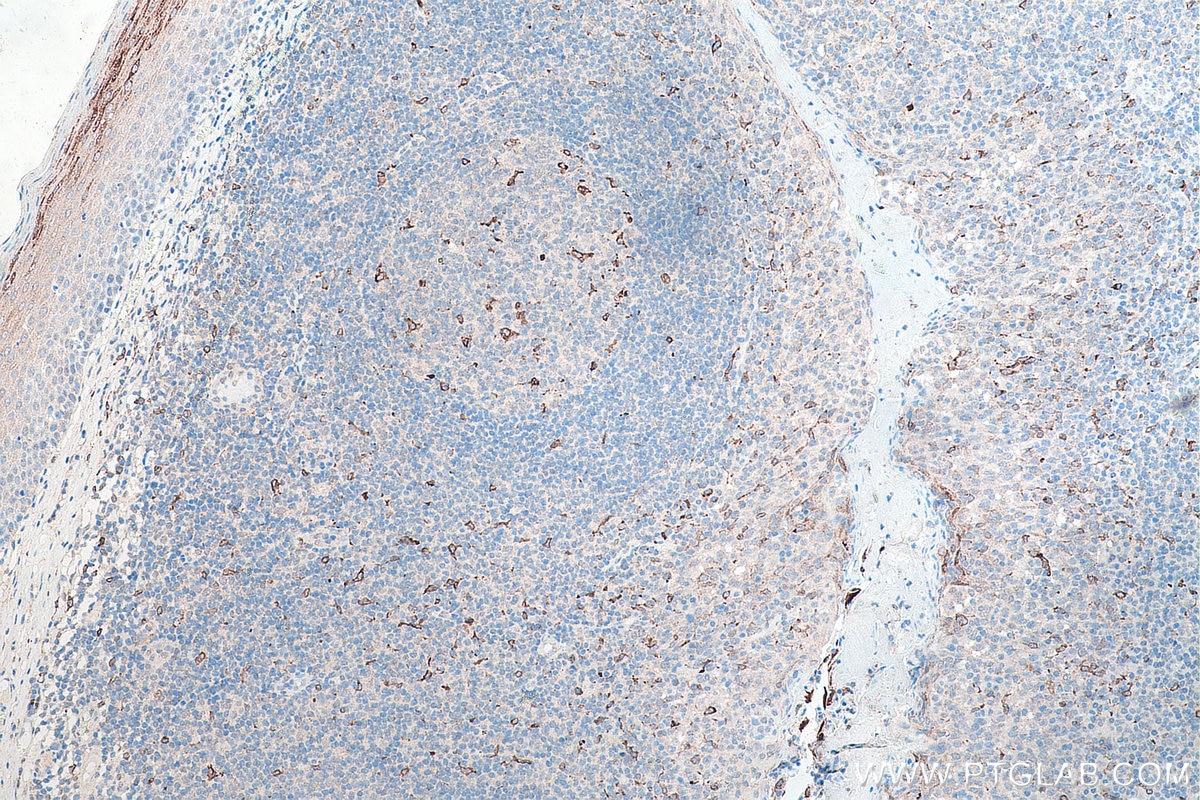
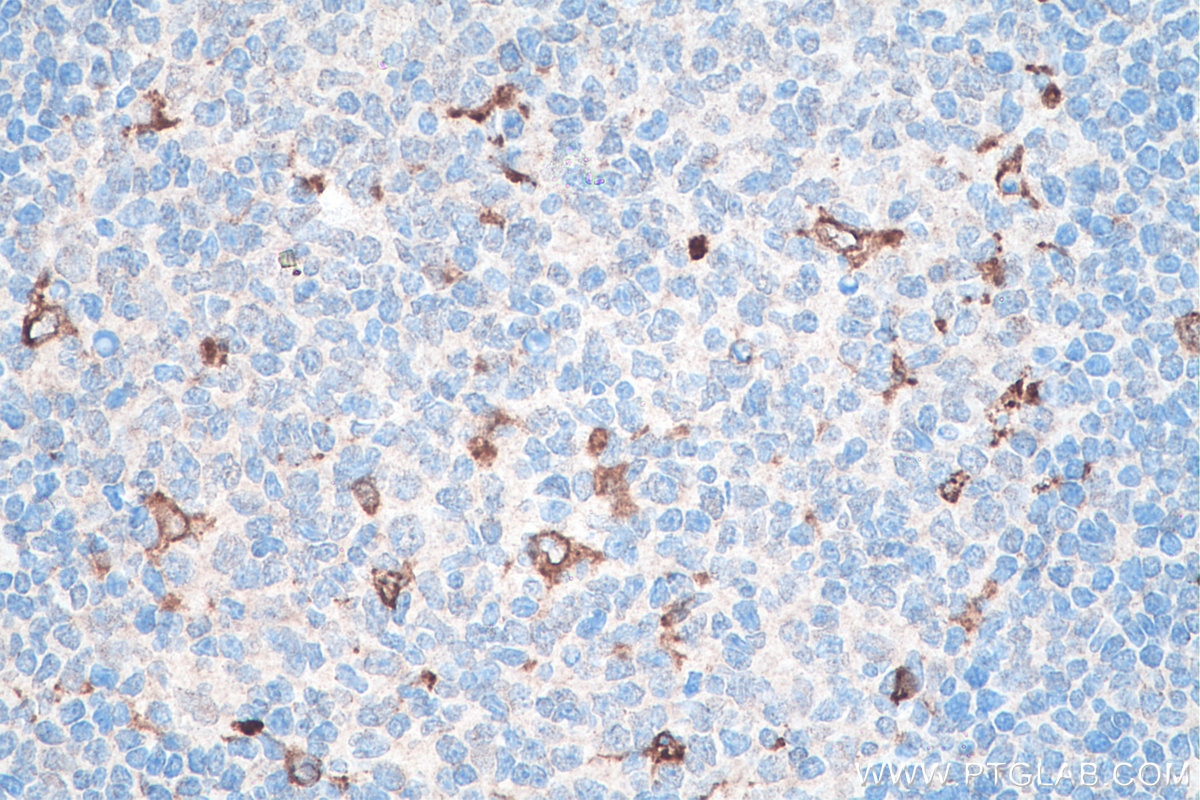
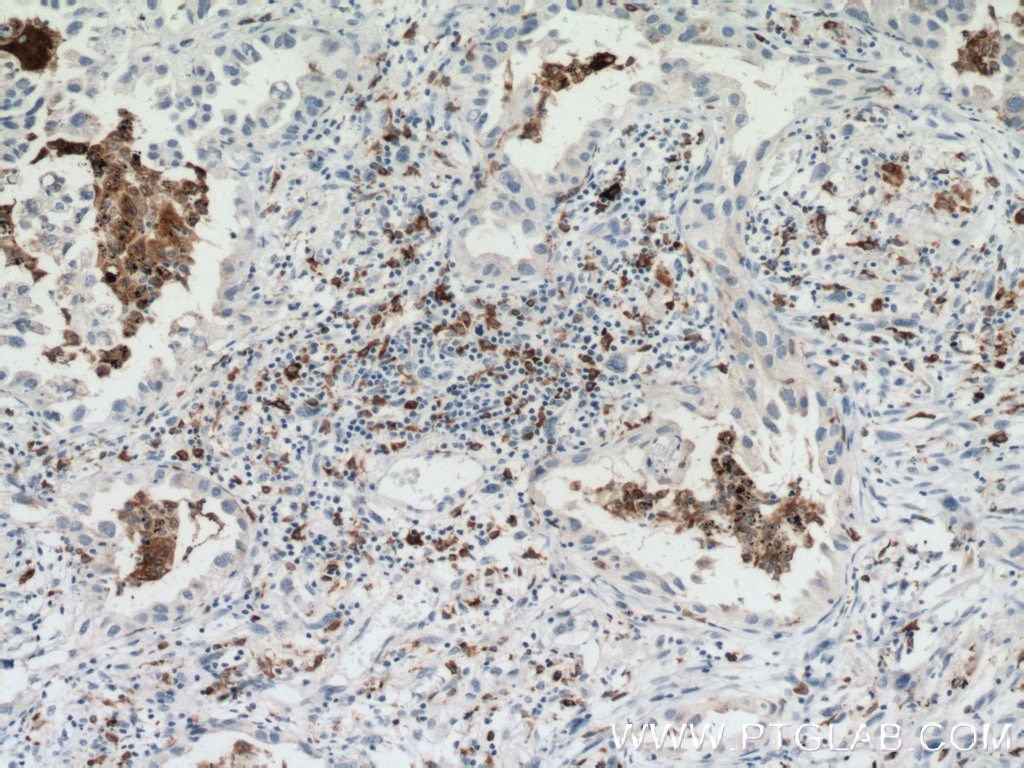
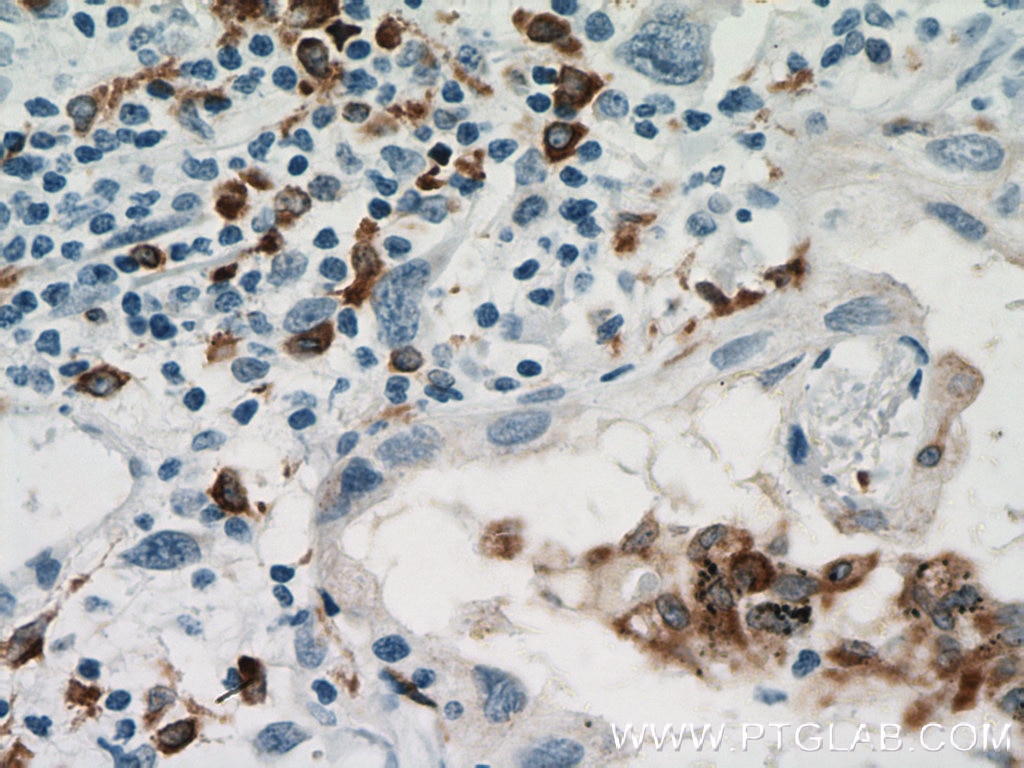
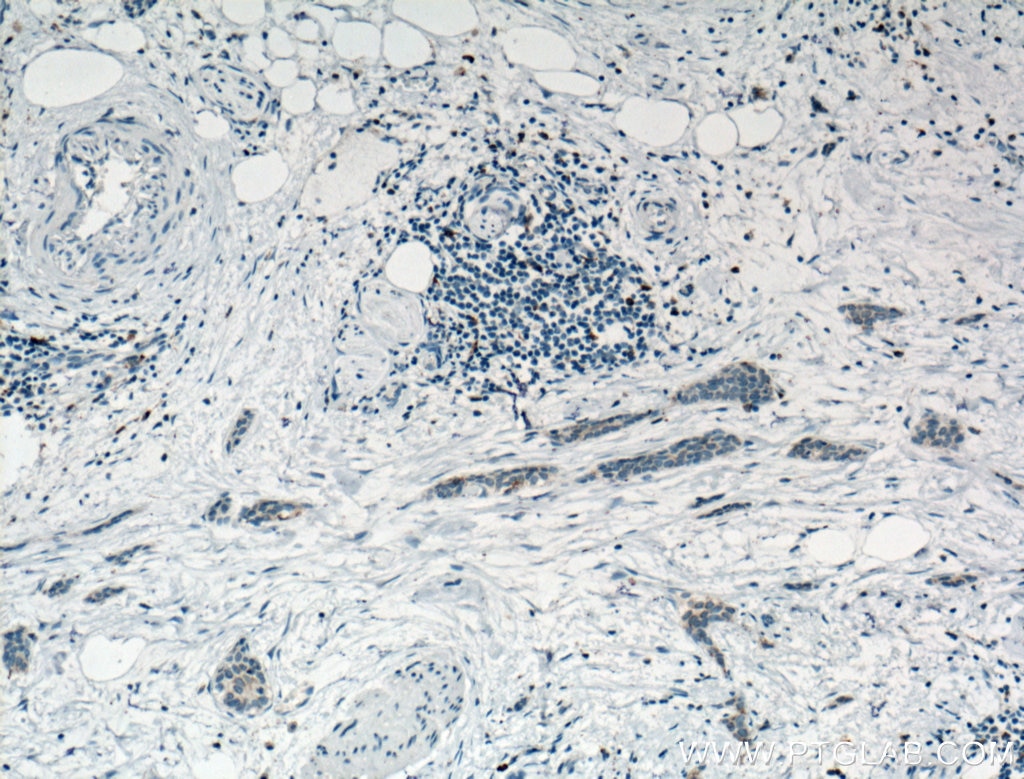
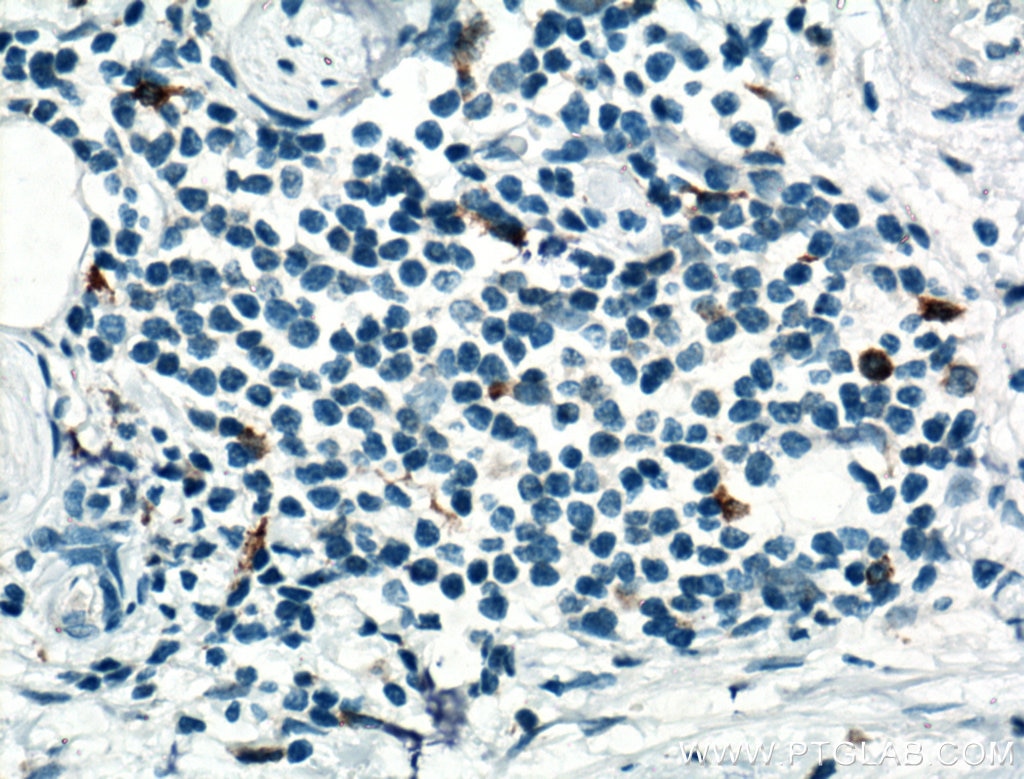
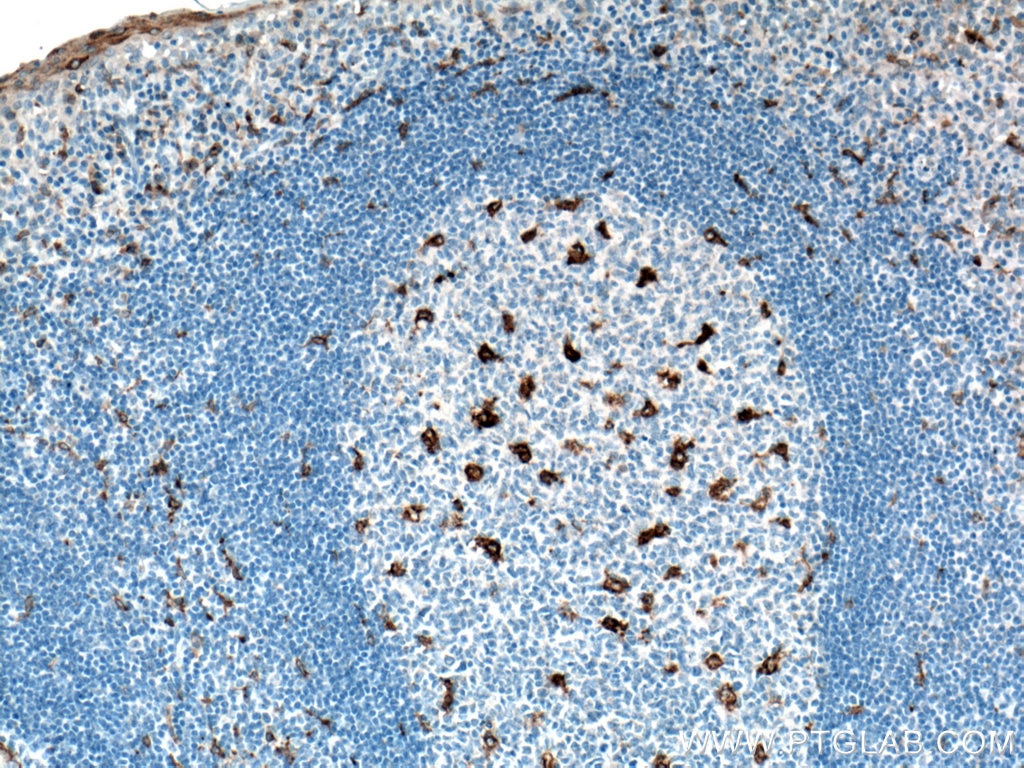
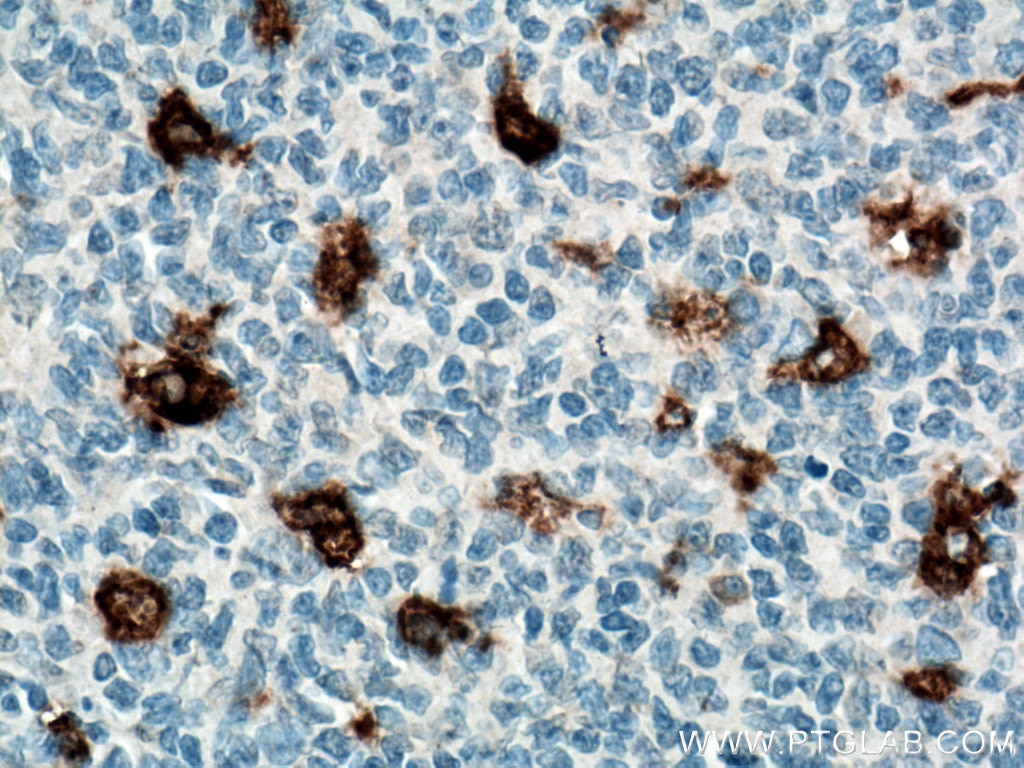
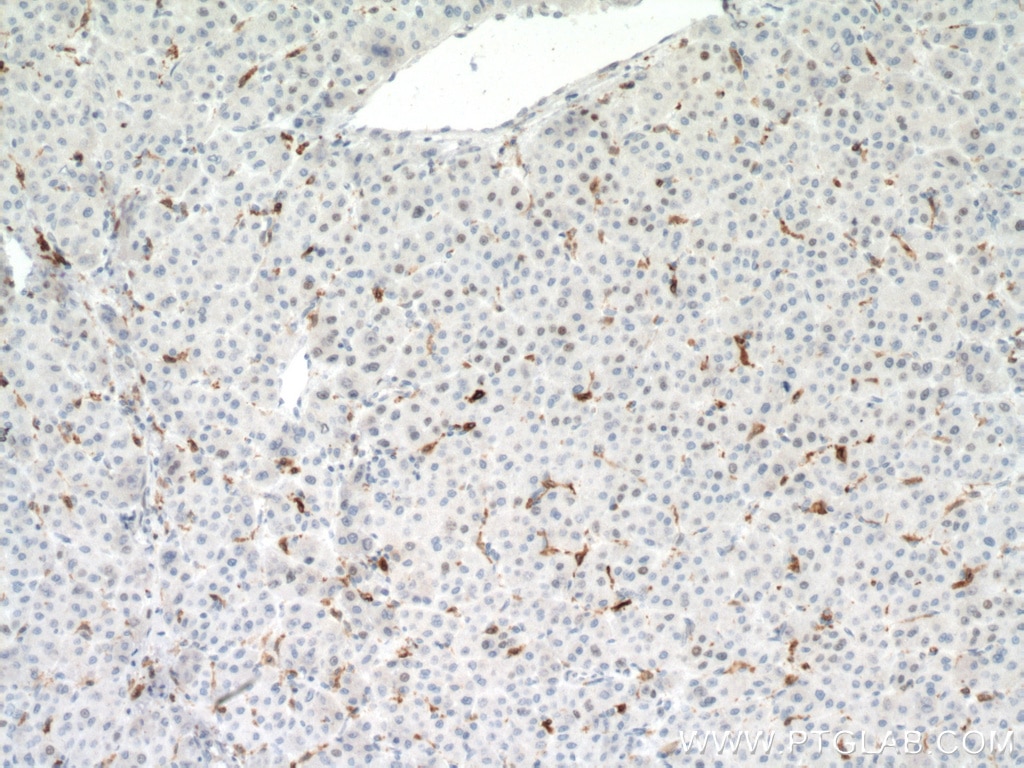
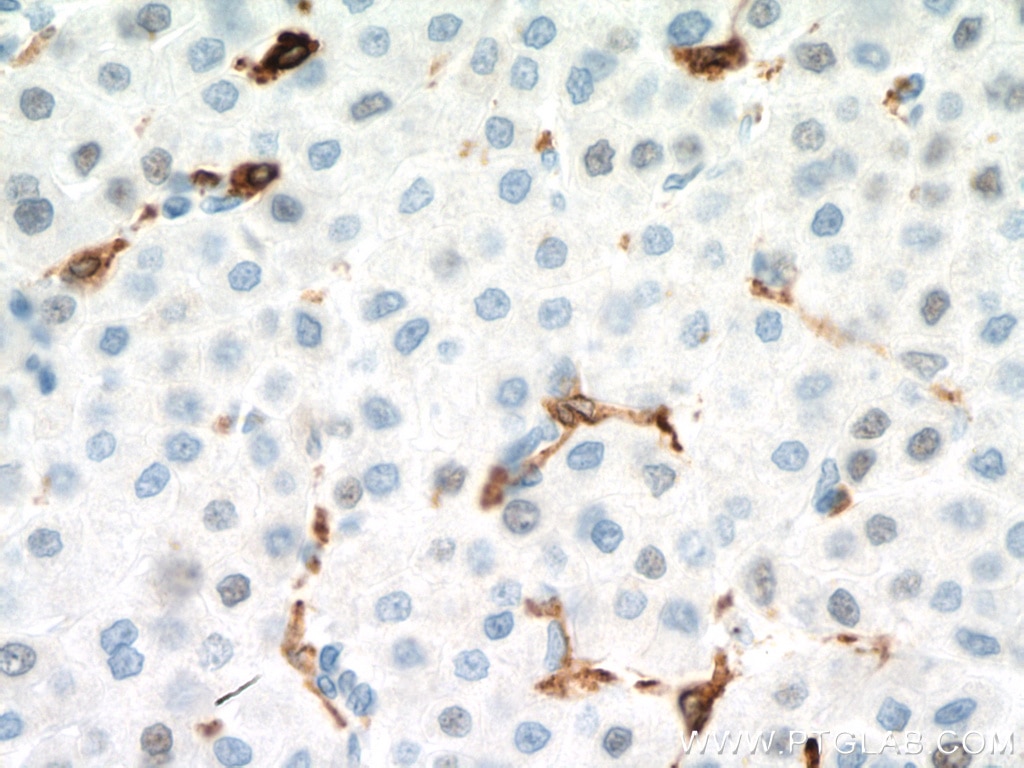
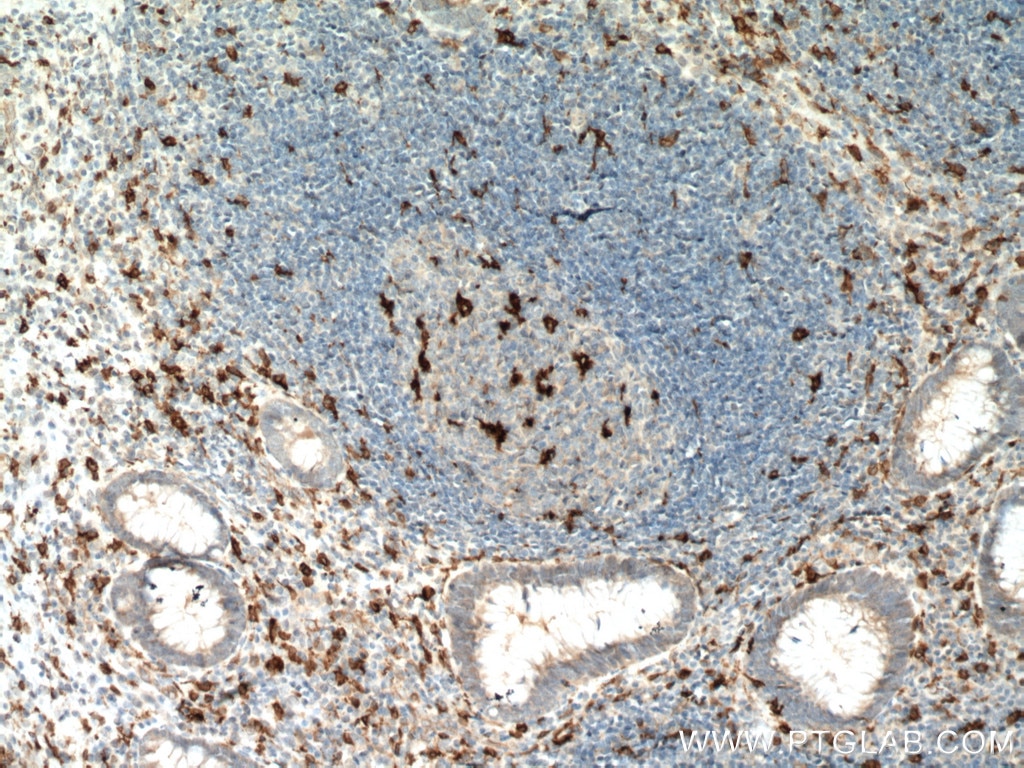
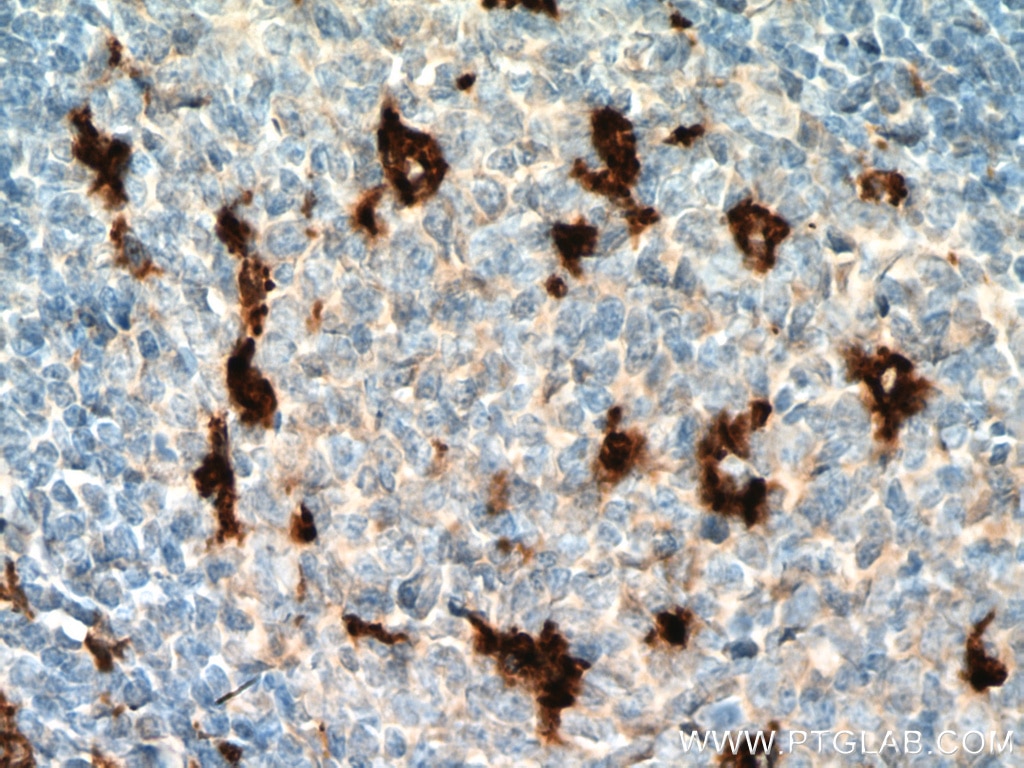
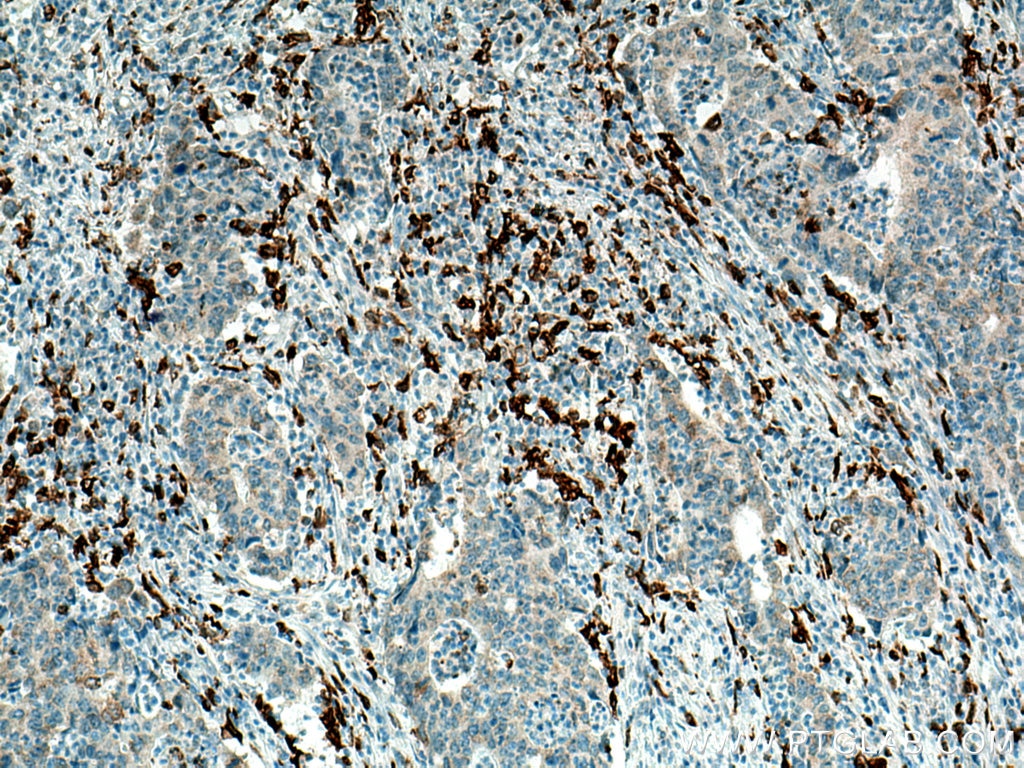
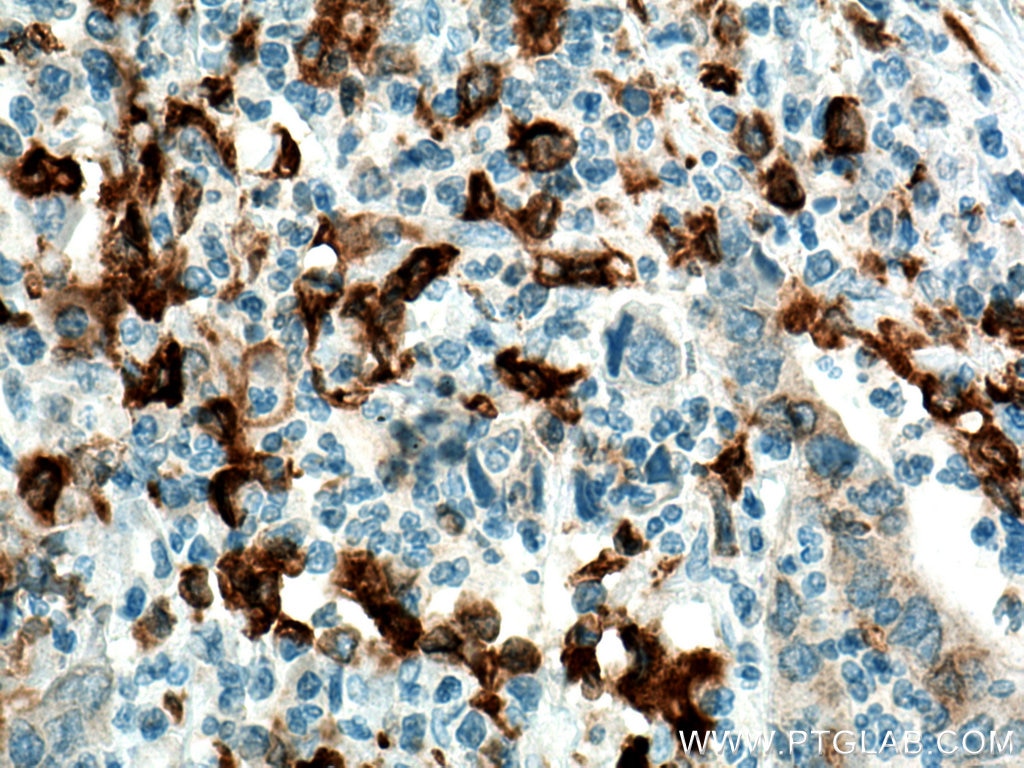
| Positive IHC detected in | human tonsillitis tissue, human colon cancer tissue, human appendicitis tissue, human lung cancer tissue, human liver cancer tissue, human urothelial carcinoma tissue Note: suggested antigen retrieval with TE buffer pH 9.0; (*) Alternatively, antigen retrieval may be performed with citrate buffer pH 6.0 |
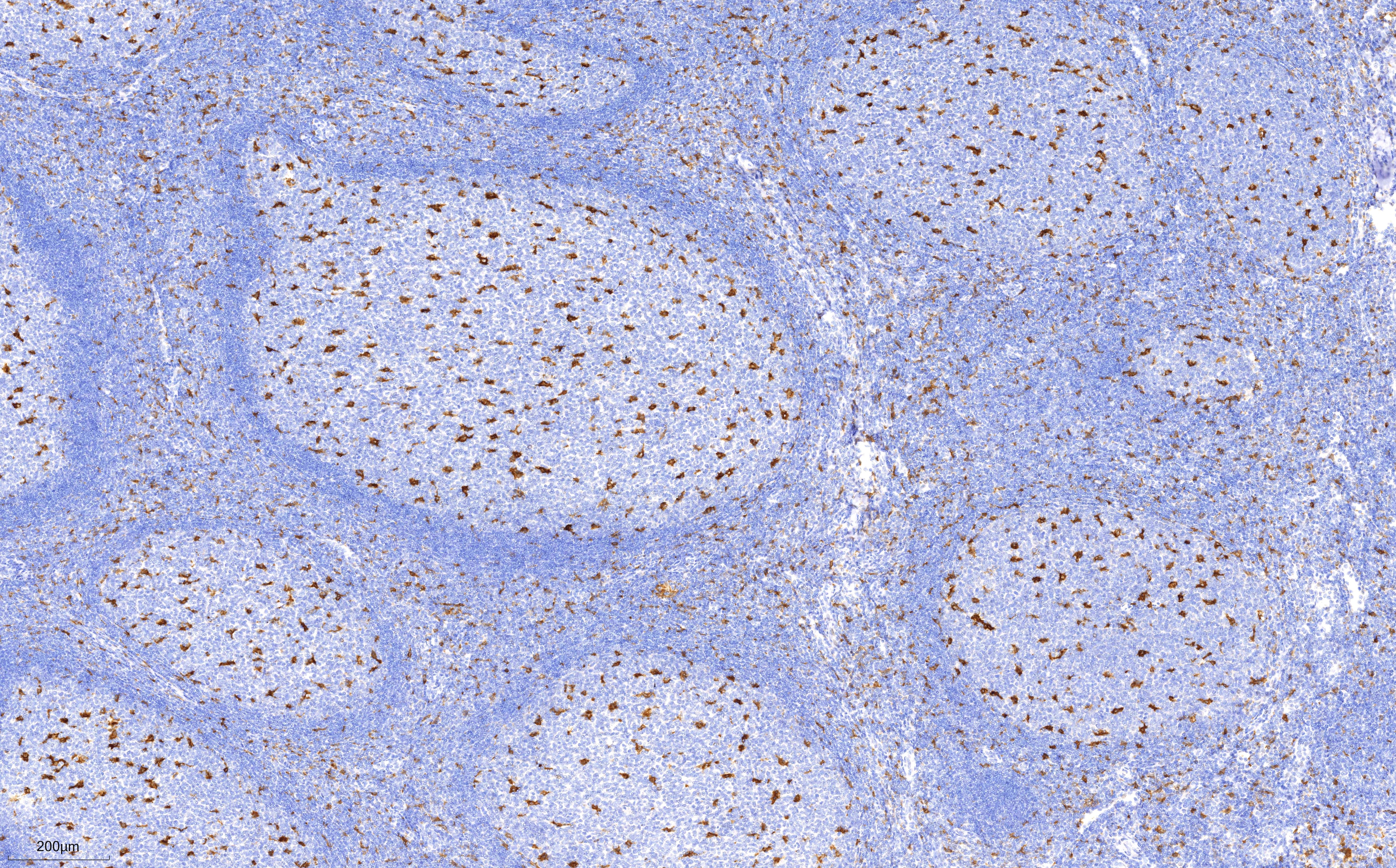
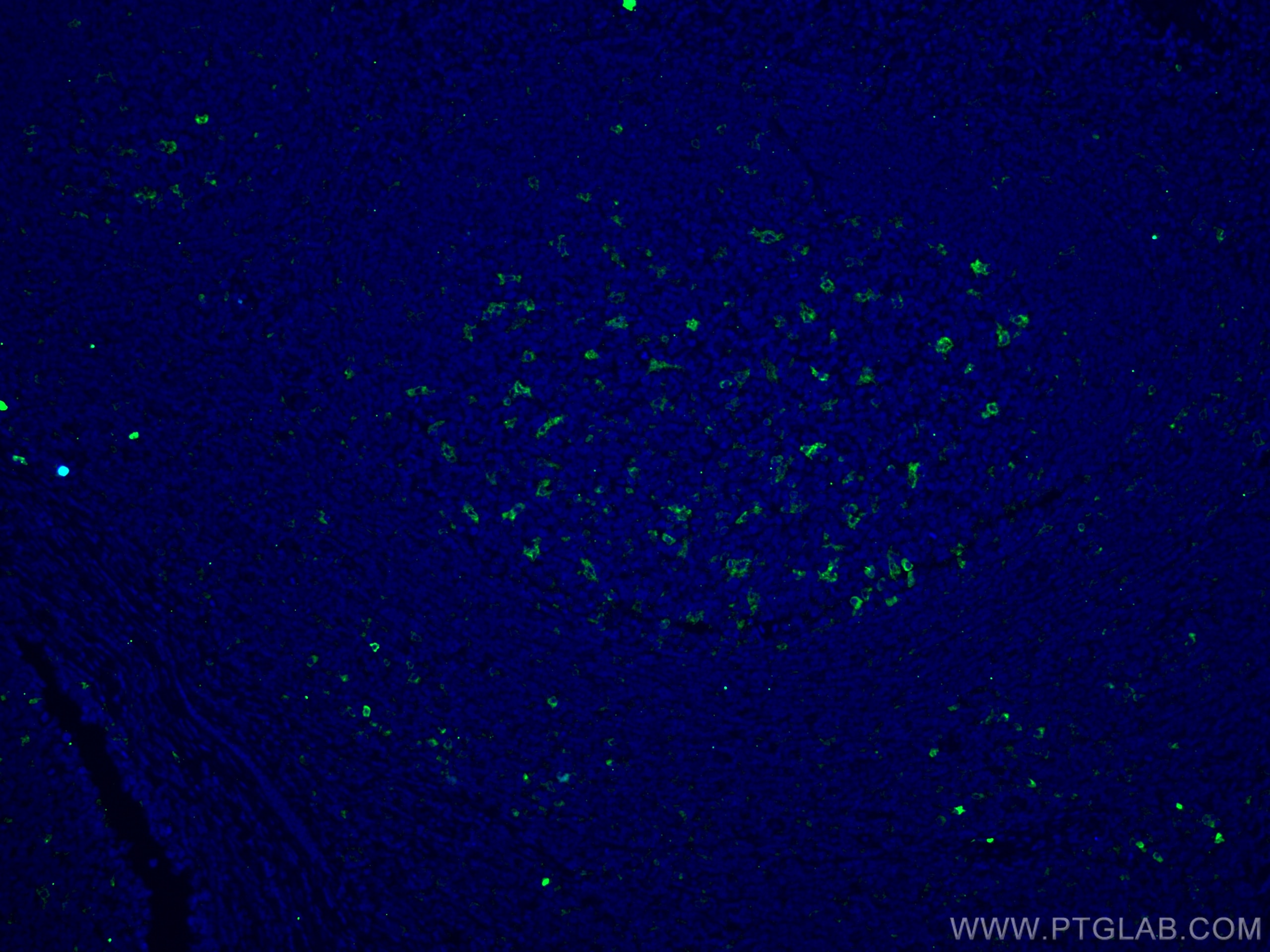
| Positive IF-P detected in | human tonsillitis tissue |
Recommended dilution
| Application | Dilution |
|---|---|
| Immunohistochemistry (IHC) | IHC : 1:1000-1:6000 |
| Immunofluorescence (IF)-P | IF-P : 1:3000-1:12000 |
| It is recommended that this reagent should be titrated in each testing system to obtain optimal results. | |
| Sample-dependent, Check data in validation data gallery. | |
Product Information
66231-2-Ig targets CD68 in IHC, IF-P, ELISA applications and shows reactivity with human samples.
| Tested Reactivity | human |
| Cited Reactivity | human, pig |
| Host / Isotype | Mouse / IgG1 |
| Class | Monoclonal |
| Type | Antibody |
| Immunogen |
CatNo: Ag22815 Product name: Recombinant human CD68 protein Source: e coli.-derived, PET28a Tag: 6*His Domain: 29-319 aa of BC015557 Sequence: SATLLPSFTVTPTVTESTGTTSHRTTKSHKTTTHRTTTTGTTSHGPTTATHNPTTTSHGNVTVHPTSNSTATSQGPSTATHSPATTSHGNATVHPTSNSTATSPGFTSSAHPEPPPPSPSPSPTSKETIGDYTWTNGSQPCVHLQAQIQIRVMYTTQGGGEAWGISVLNPNKTKVQGSCEGAHPHLLLSFPYGHLSFGFMQDLQQKVVYLSYMAVEYNVSFPHAAQWTFSAQNASLRDLQAPLGQSFSCSNSSIILSPAVHLDLLSLRLQAAQLPHTGVFGQSFSCPSDRS Predict reactive species |
| Full Name | CD68 molecule |
| Calculated Molecular Weight | 37 kDa |
| GenBank Accession Number | BC015557 |
| Gene Symbol | CD68 |
| Gene ID (NCBI) | 968 |
| RRID | AB_2881622 |
| Conjugate | Unconjugated |
| Form | Liquid |
| Purification Method | Protein G purification |
| UNIPROT ID | P34810 |
| Storage Buffer | PBS with 0.02% sodium azide and 50% glycerol, pH 7.3. |
| Storage Conditions | Store at -20°C. Stable for one year after shipment. Aliquoting is unnecessary for -20oC storage. 20ul sizes contain 0.1% BSA. |
Background Information
CD68 is a type I transmembrane glycoprotein that is highly expressed by human monocytes and tissue macrophages. It belongs to the lysosomal/endosomal-associated membrane glycoprotein (LAMP) family and primarily localizes to lysosomes and endosomes with a smaller fraction circulating to the cell surface. CD68 is also a member of the scavenger receptor family. It may play a role in phagocytic activities of tissue macrophages.
Protocols
| Product Specific Protocols | |
|---|---|
| IF protocol for CD68 antibody 66231-2-Ig | Download protocol |
| IHC protocol for CD68 antibody 66231-2-Ig | Download protocol |
| Standard Protocols | |
|---|---|
| Click here to view our Standard Protocols |
Publications
What published studies show
CD68 Monoclonal antibody (3A9A7), catalog number 66231-2-Ig, has accumulated 148 citations across more than 80 journals, including high-impact publications such as Cell, Nature Communications, Nature Aging, Journal of Clinical Investigation, Advanced Materials, Biomaterials, and Frontiers in Immunology. Associated research fields span macrophage biology, tumor immunology and microenvironment, neuroinflammation, cardiovascular disease, tissue engineering, fibrosis, and regenerative medicine. Cited applications are primarily IF and IHC.
| Species | Application | Title |
|---|---|---|
Cell Metab The foam cell-derived exosomes exacerbate ischemic white matter injury via transmitting metabolic defects to microglia | ||
Adv Mater Zwitterionic Brush-Grafted Interfacial Bio-Lubricant Evades Complement C3-Mediated Macrophage Phagocytosis for Osteoarthritis Therapy | ||
Adv Mater A Pseudo-Mytilus Edulis Foot Protein-Based Hydrogel Adhesive with Osteo-Vascular-Immune Coupling Effects for Osteoporotic Bone-Implant Integration. | ||
Nat Aging Senescent macrophages induce ferroptosis in skeletal muscle and accelerate osteoarthritis-related muscle atrophy | ||
Bioact Mater Controlled TPCA-1 delivery engineers a pro-tenogenic niche to initiate tendon regeneration by targeting IKKβ/NF-κB signaling |
Reviews
What customers say
Both reviewers gave this antibody a perfect 5-star rating. One user performed immunofluorescence on human adipose and ectopic endometrial tissue at 1/3000 dilution, finding it optimal and highly impressive for a primary antibody. The other used it for immunohistochemistry on colon tissue at 1:1000 dilution, praising its excellent performance with no background signal. Overall, users report strong specificity, low background, and reliable results across different applications and tissues.
The reviews below have been submitted by verified Proteintech customers who received an incentive for providing their feedback.
Cohen (Verified Customer) (06-02-2025) | Received a generous test sample of 20ul which stretched far. While the suggested dilutions ranged from 1/3000 to 12000, I found that 1/3000 was optimal for human adipose tissue and ectopic endometrial tissue. This is very impressive for a primary antibody, in my experience.
|
Balawant (Verified Customer) (12-25-2023) | This excellent antibody has no background.
|






















