
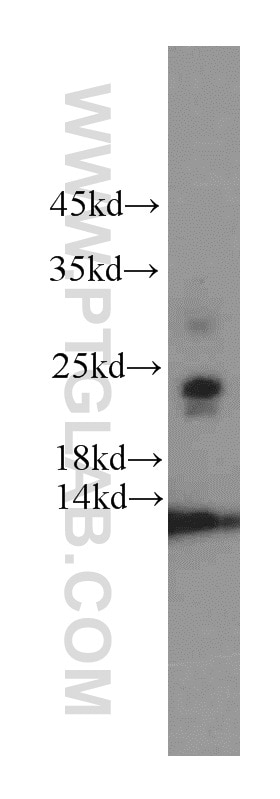
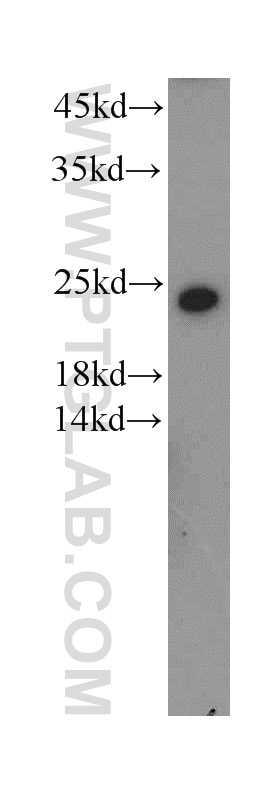
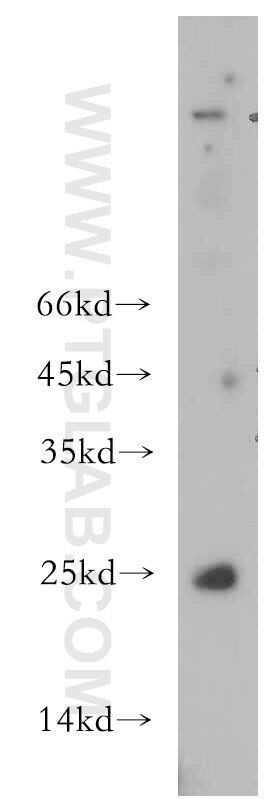
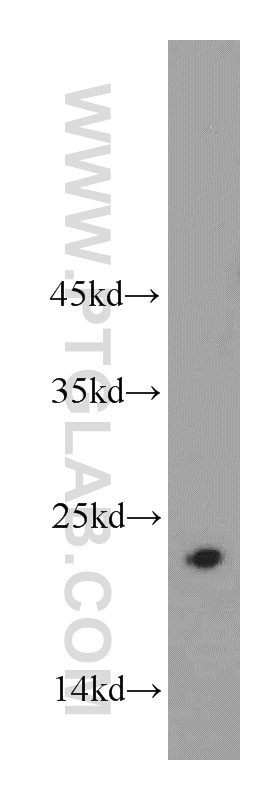

Tested Applications
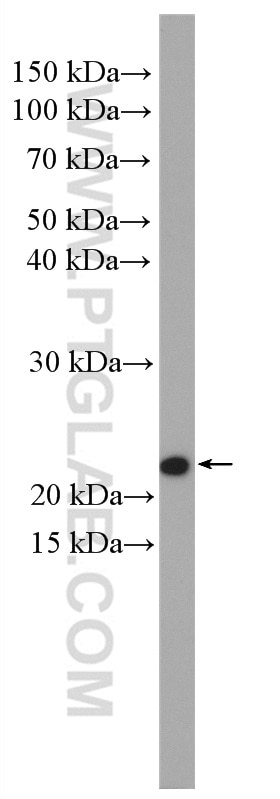
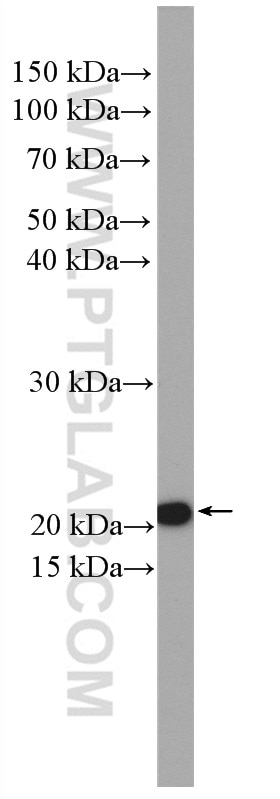
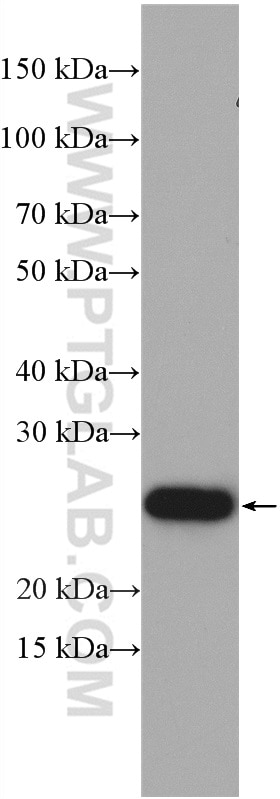
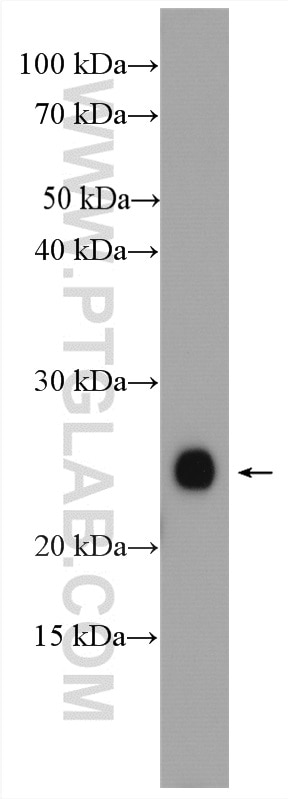
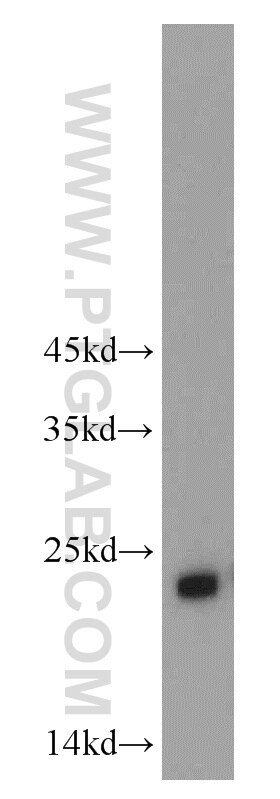
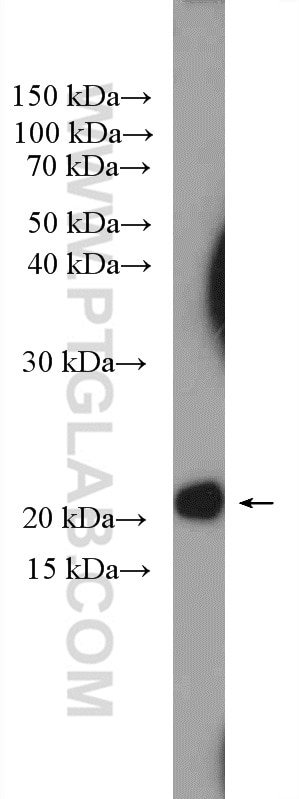
| Positive WB detected in | Daudi cells, human heart tissue, mouse lung tissue, mouse spleen tissue, L02 cells, mouse kidney tissue, Ramos cells, Raji cells, rat brain tissue, mouse brain tissue |
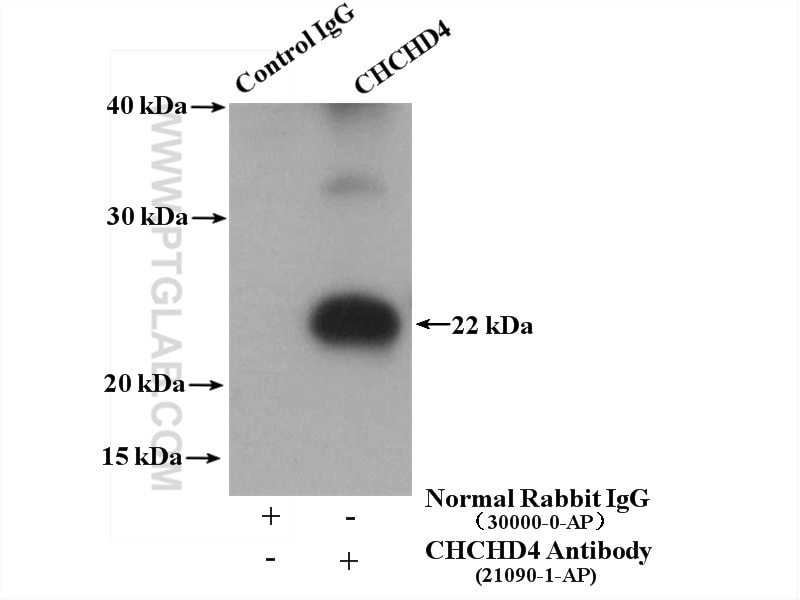
| Positive IP detected in | mouse brain tissue |
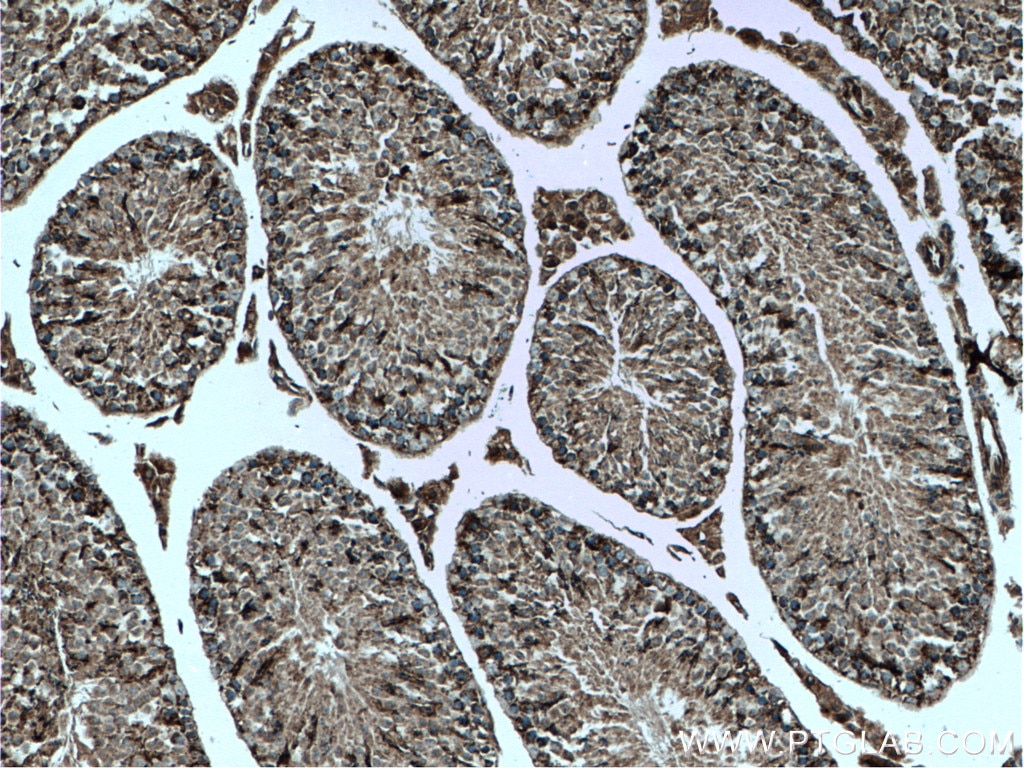
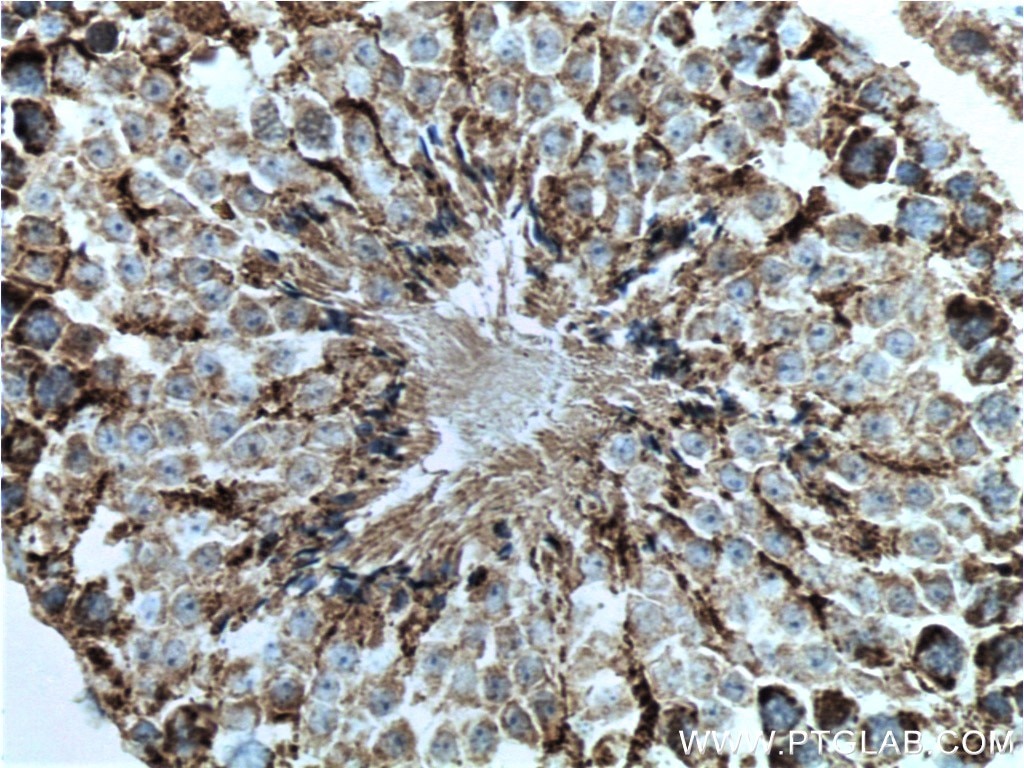
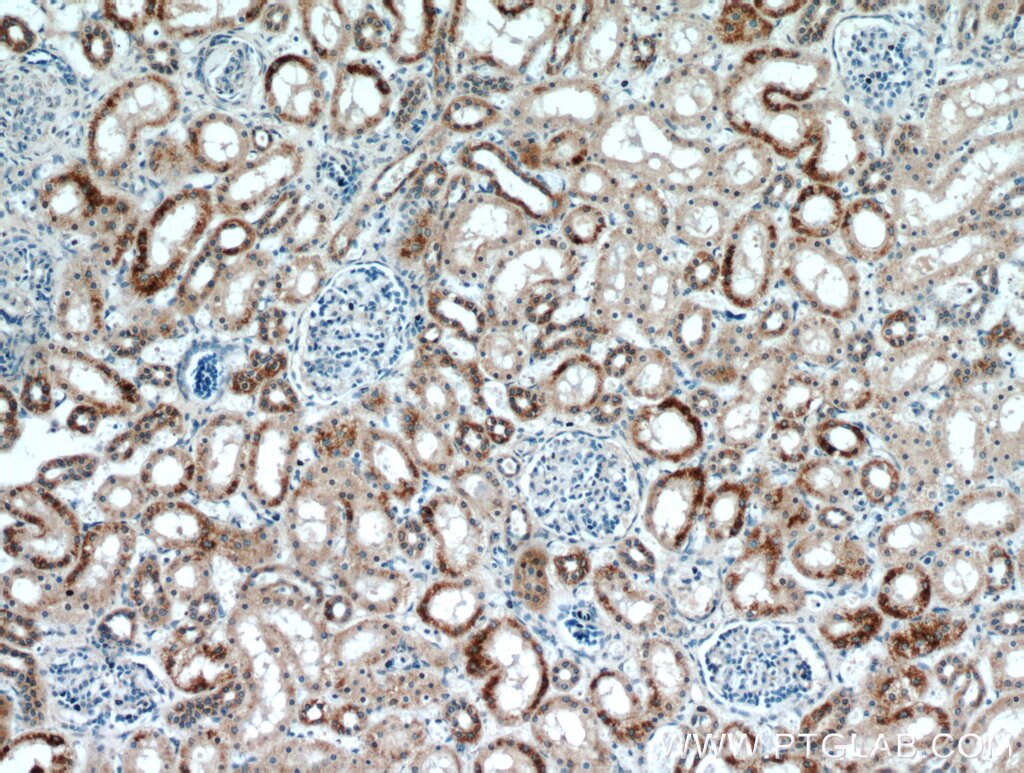
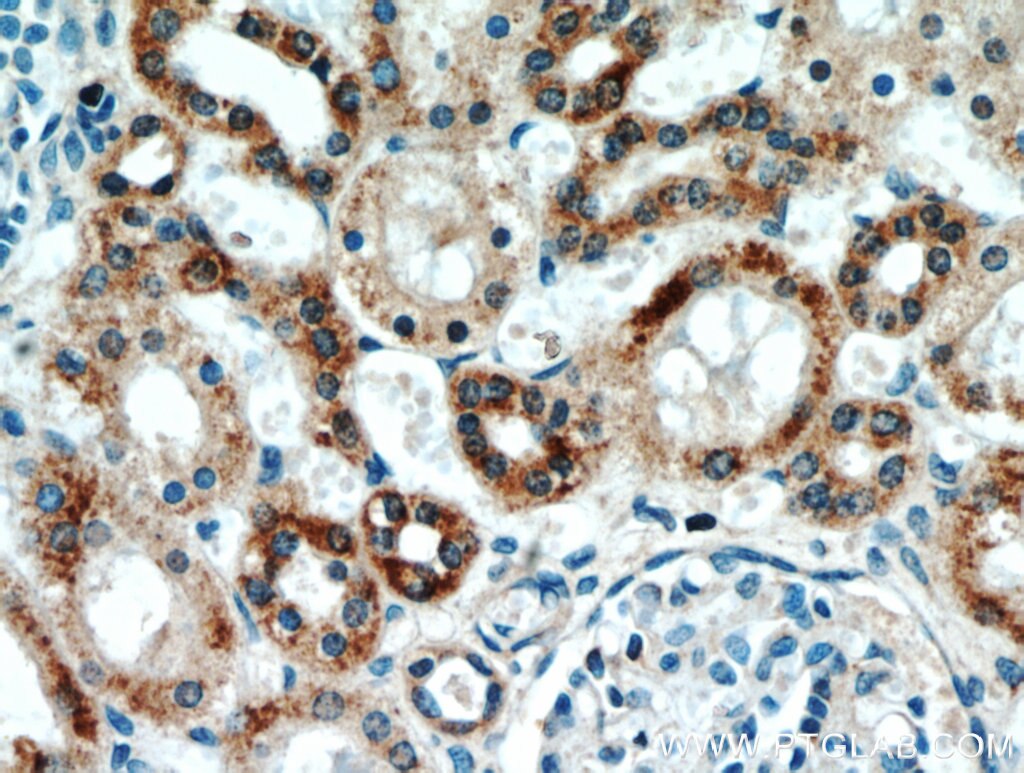
| Positive IHC detected in | mouse testis tissue, human kidney tissue Note: suggested antigen retrieval with TE buffer pH 9.0; (*) Alternatively, antigen retrieval may be performed with citrate buffer pH 6.0 |
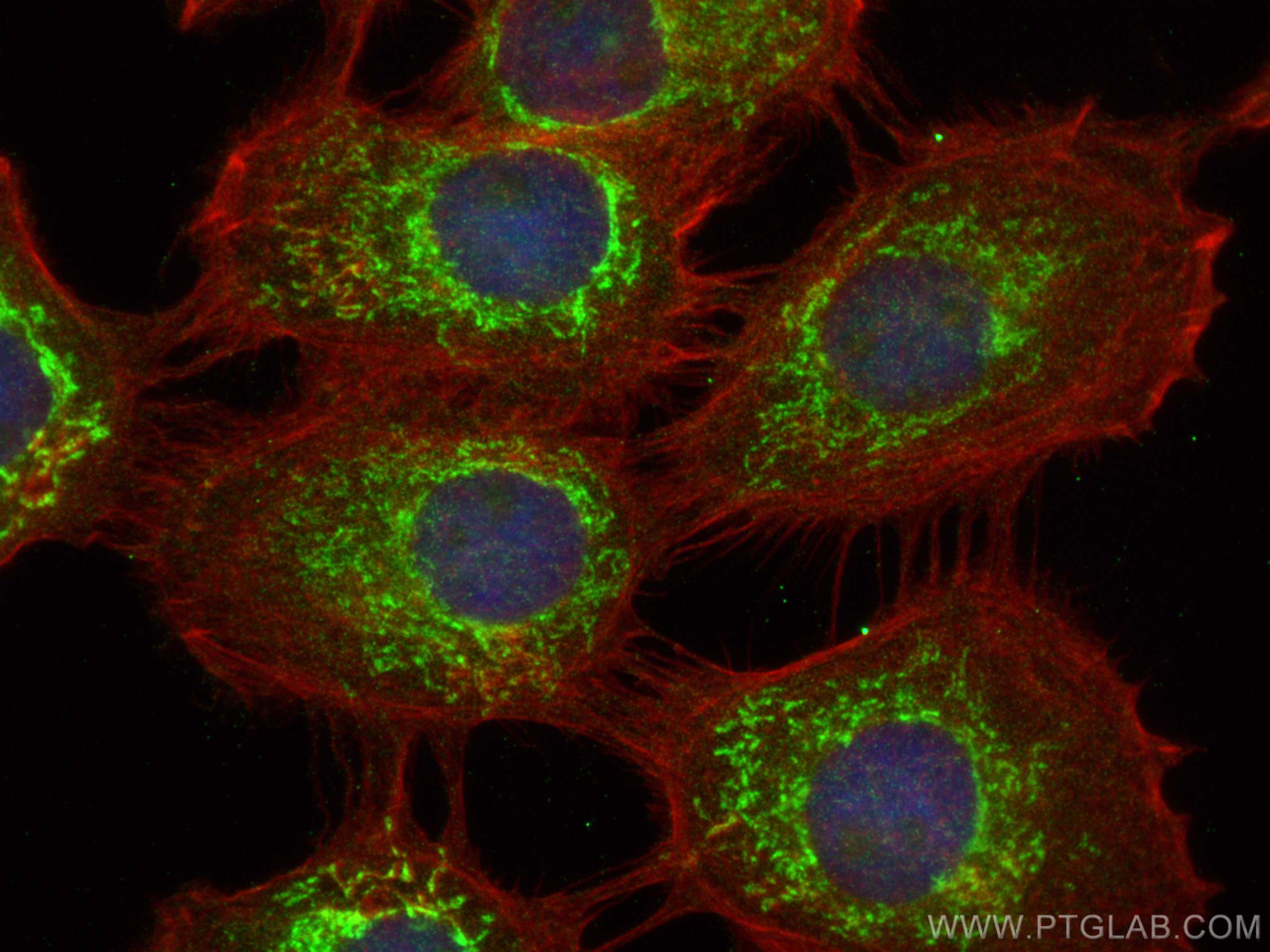
| Positive IF/ICC detected in | A431 cells |
Recommended dilution
| Application | Dilution |
|---|---|
| Western Blot (WB) | WB : 1:1000-1:4000 |
| Immunoprecipitation (IP) | IP : 0.5-4.0 ug for 1.0-3.0 mg of total protein lysate |
| Immunohistochemistry (IHC) | IHC : 1:50-1:500 |
| Immunofluorescence (IF)/ICC | IF/ICC : 1:50-1:500 |
| It is recommended that this reagent should be titrated in each testing system to obtain optimal results. | |
| Sample-dependent, Check data in validation data gallery. | |
Product Information
21090-1-AP targets CHCHD4 in WB, IHC, IF/ICC, IP, CoIP, ELISA applications and shows reactivity with human, mouse, rat samples.
| Tested Reactivity | human, mouse, rat |
| Cited Reactivity | human, mouse, rat |
| Host / Isotype | Rabbit / IgG |
| Class | Polyclonal |
| Type | Antibody |
| Immunogen |
CatNo: Ag15339 Product name: Recombinant human CHCHD4 protein Source: e coli.-derived, PGEX-4T Tag: GST Domain: 1-142 aa of BC033775 Sequence: MSYCRQEGKDRIIFVTKEDHETPSSAELVADDPNDPYEEHGLILPNGNINWNCPCLGGMASGPCGEQFKSAFSCFHYSTEEIKGSDCVDQFRAMQECMQKYPDLYPQEDEDEEEEREKKPAEQAEETAPIEATATKEEEGSS Predict reactive species |
| Full Name | coiled-coil-helix-coiled-coil-helix domain containing 4 |
| Calculated Molecular Weight | 142 aa, 16 kDa |
| Observed Molecular Weight | 22 kDa |
| GenBank Accession Number | BC033775 |
| Gene Symbol | CHCHD4 |
| Gene ID (NCBI) | 131474 |
| RRID | AB_10734583 |
| Conjugate | Unconjugated |
| Form | Liquid |
| Purification Method | Antigen affinity purification |
| UNIPROT ID | Q8N4Q1 |
| Storage Buffer | PBS with 0.02% sodium azide and 50% glycerol, pH 7.3. |
| Storage Conditions | Store at -20°C. Stable for one year after shipment. Aliquoting is unnecessary for -20oC storage. 20ul sizes contain 0.1% BSA. |
Background Information
CHCHD4, a component of human mitochondria, belongs to a protein family. It functions as chaperone and catalyzes the formation of disulfide bonds in substrate proteins, such as COX17. It is required for the import and folding of small cysteine-containing proteins (small Tim) in the mitochondrial intermembrane space (IMS).
Protocols
| Product Specific Protocols | |
|---|---|
| IF protocol for CHCHD4 antibody 21090-1-AP | Download protocol |
| IHC protocol for CHCHD4 antibody 21090-1-AP | Download protocol |
| IP protocol for CHCHD4 antibody 21090-1-AP | Download protocol |
| WB protocol for CHCHD4 antibody 21090-1-AP | Download protocol |
| Standard Protocols | |
|---|---|
| Click here to view our Standard Protocols |
Publications
What published studies show
The AIFM1 (CHCHD4/Mia40) antibody (Cat# 21090-1-AP) has 35 citations across 31 journals, including Science, Cell Stem Cell, Nature Cell Biology, Molecular Cell, EMBO Journal, Oncogene, and Redox Biology. Research fields span mitochondrial biology, neurodegeneration, cancer, redox signaling, mitochondrial protein import, and metabolic regulation. Applications are predominantly Western blot, with some IF, CoIP, and IHC.
| Species | Application | Title |
|---|---|---|
Cell Stem Cell Disrupting Mitochondrial Copper Distribution Inhibits Leukemic Stem Cell Self-Renewal. | ||
Nat Cell Biol Regulators of mitonuclear balance link mitochondrial metabolism to mtDNA expression | ||
Nat Cell Biol Small heat shock proteins operate as molecular chaperones in the mitochondrial intermembrane space | ||
Exp Mol Med SIRT5-related desuccinylation modification of AIFM1 protects against compression-induced intervertebral disc degeneration by regulating mitochondrial homeostasis | ||
Redox Biol Lead aggravates Alzheimer's disease pathology via mitochondrial copper accumulation regulated by COX17 |
Reviews
What customers say
Users report strong Western Blot performance with clear, specific bands at 1:1000 dilution on mitochondrial fractions and whole-cell lysates (HEK293T, HeLa), with no aspecific signal. One user noted good colocalization with TOMM20 in immunofluorescence at 1:100, though some cytosolic non-specific binding was observed, resulting in a lower rating. Overall, the antibody is well-received for WB applications, while IF results are mixed.
The reviews below have been submitted by verified Proteintech customers who received an incentive for providing their feedback.
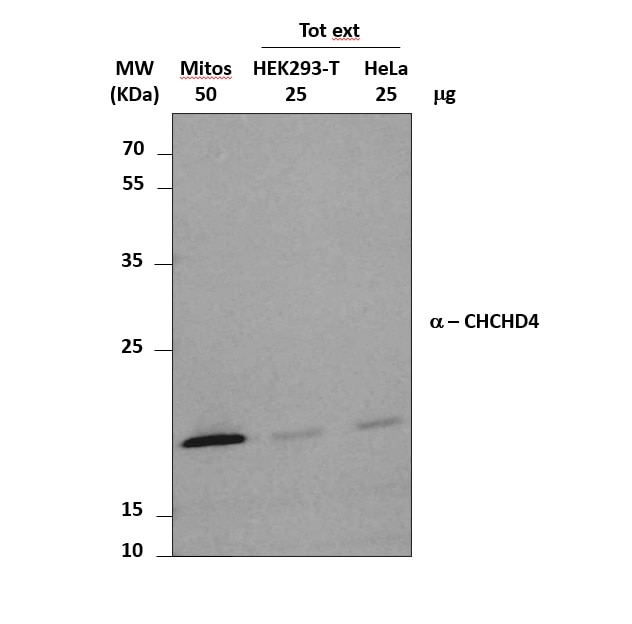
Veronica (Verified Customer) (10-17-2023) | First time I find an anti-CHCHD4 antibody that works fine. We are testing it in IF as well, but till now I am already really happy with the result in WB. No aspecific signal, clear band. Reccomended! Conditions: Gradient gel 8-15% Ab’: 1:1000 in 5% milk O/N
 |
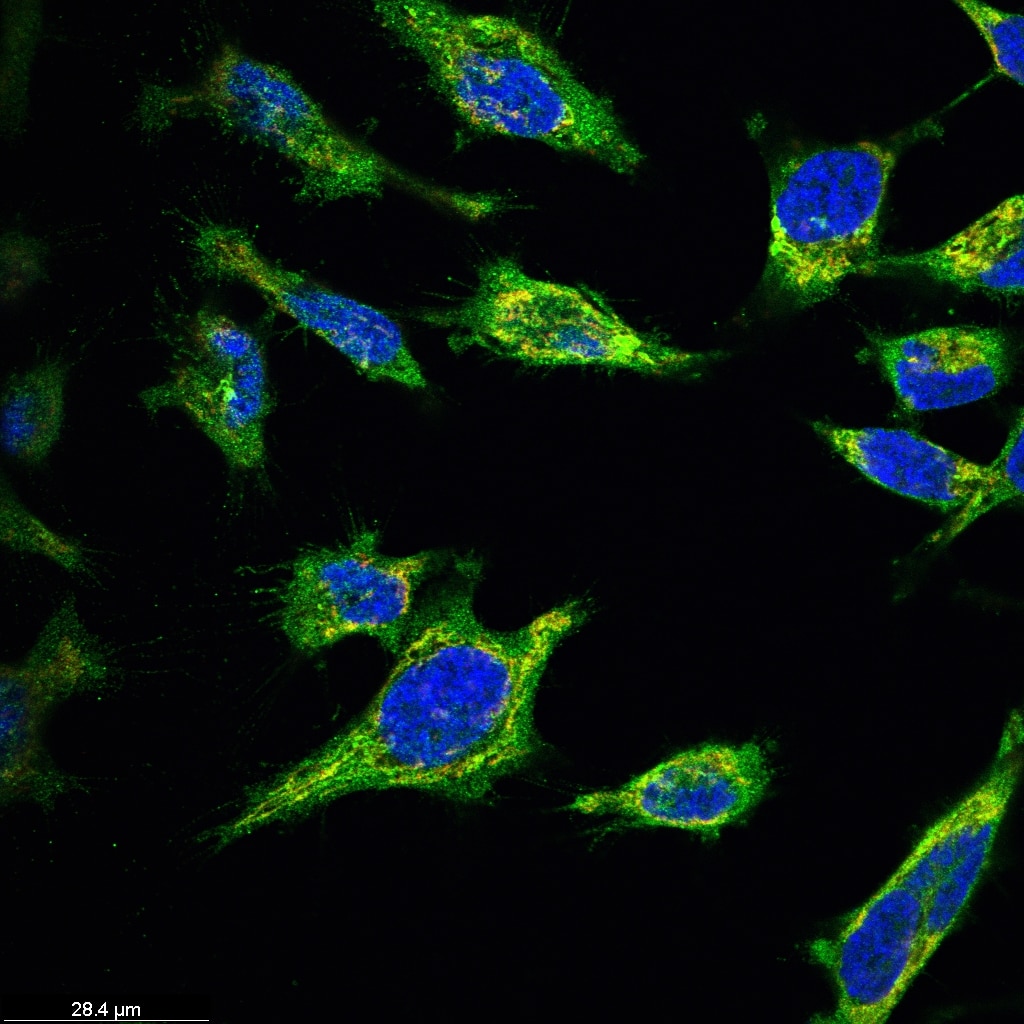
Süleyman (Verified Customer) (01-23-2022) | CHCHD4 antibody (Green) is used 1:100 dilution (2 hour at RT) and 1:700 of Alexa Fluor 488 secondary antibody (1 hour RT). 4% Paraformaldehyde fixation for 10 min at RT. Permeabilization with 0.3% Triton X for 10-15 minutes at RT. 5% FBS in PBS used for blocking for 1 hour at RT. The image is colocalized with TOMM20 (Red). Blue is DAPI. As you can see there is colocalization with TOMM20 as CHCHD4 supposed to be in IMS but I also see unspecific bindings in cytosolic proteins. Therefore my rating is 3 as it might be binding unspecifically.
 |
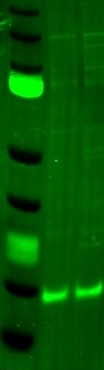
Lana (Verified Customer) (08-13-2019) | SDS-PAGE: 10 ug/ul RIPA lysate of the mitochondrial fraction of HEK293t. 4-12% Bis-tris gradient gel.Transfer: Immobilon-FL transfer membranes (Millipore) O/N at 30V, 4CBlocking: SEA Block Blocking Buffer 1hPrimary Ab: O/N incubation at 4CSecondary Ab: IRDye 800CW Goat anti-Rabbit
 |

















