
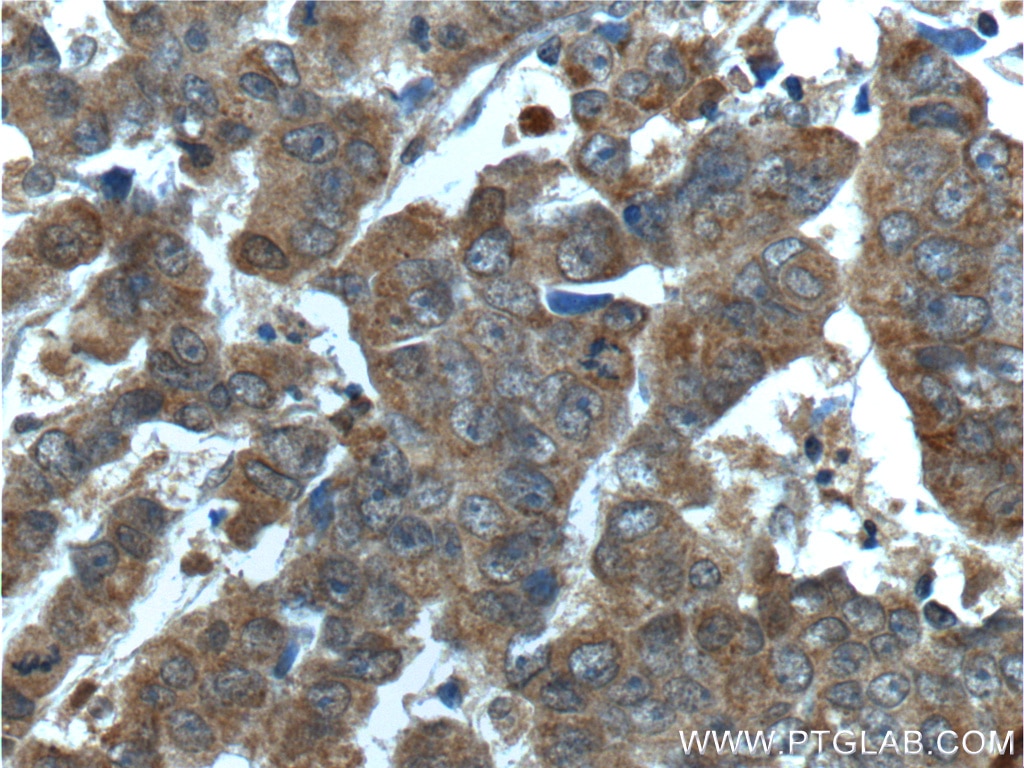
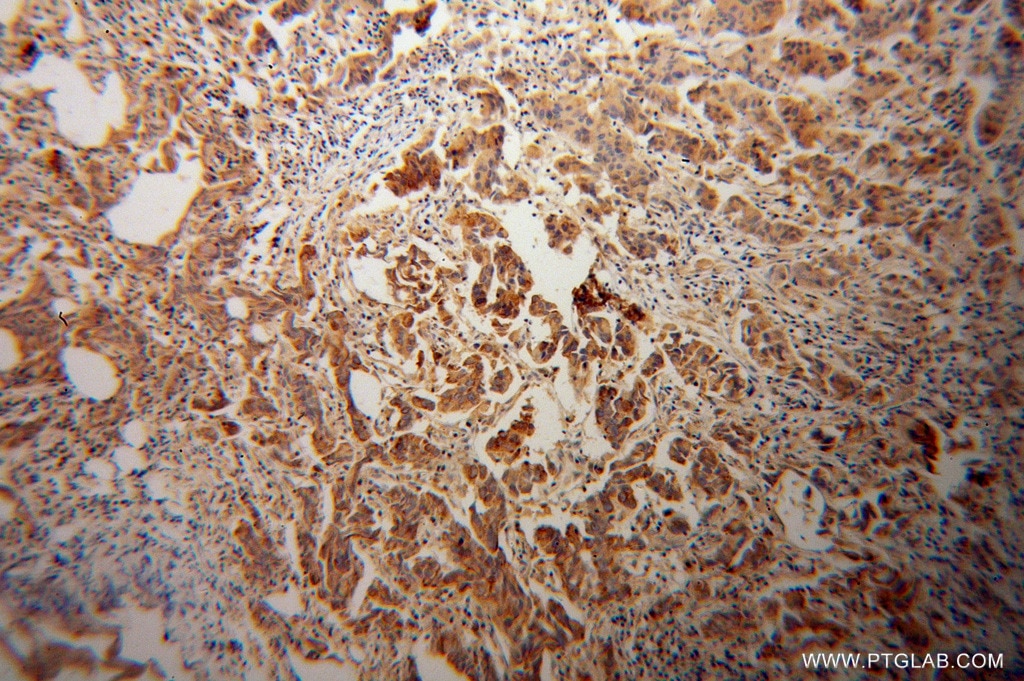
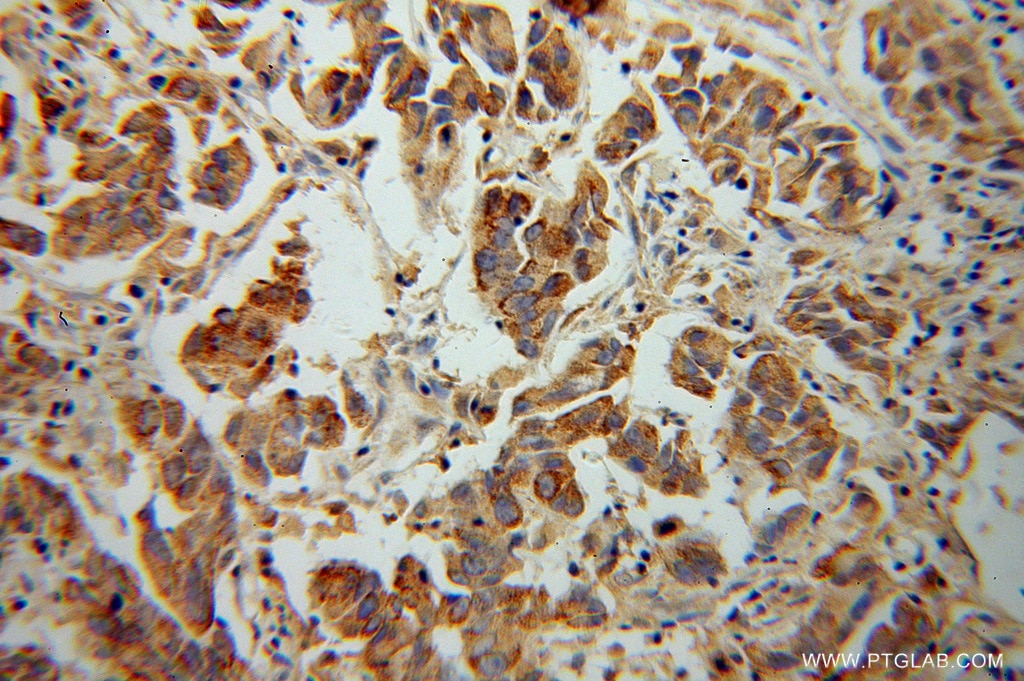
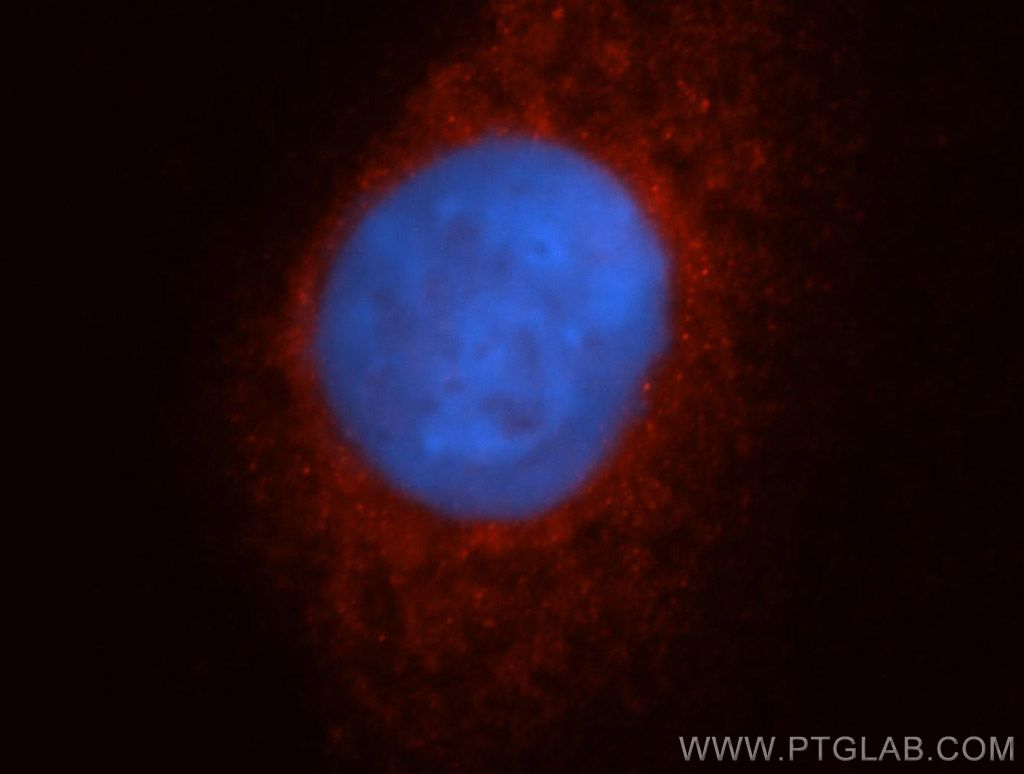

Tested Applications
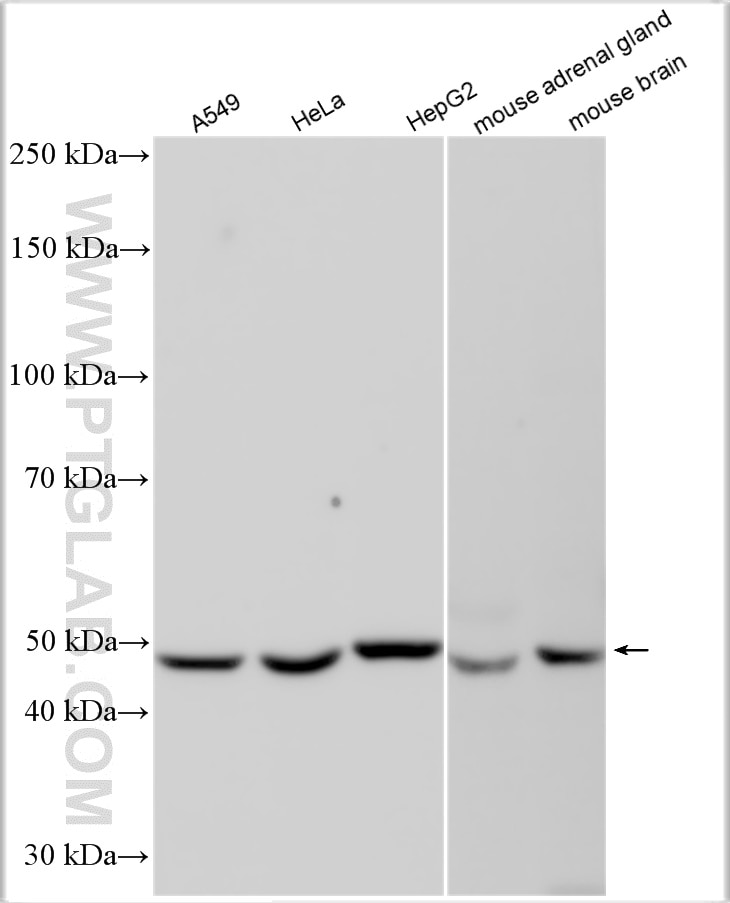
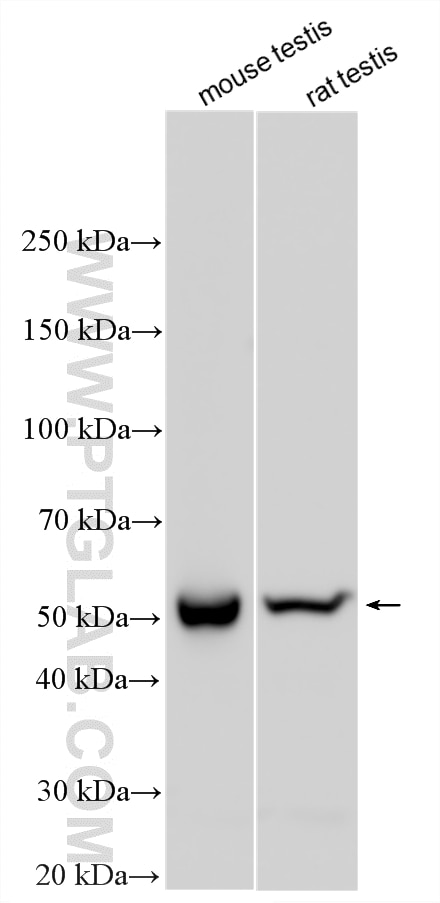
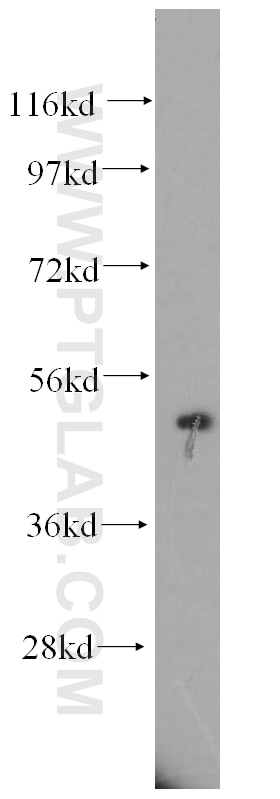
| Positive WB detected in | A549 cells, Jurkat cells, mouse testis tissue, HeLa cells, HepG2 cells, mouse adrenal gland tissue, mouse brain tissue, rat testis tissue |
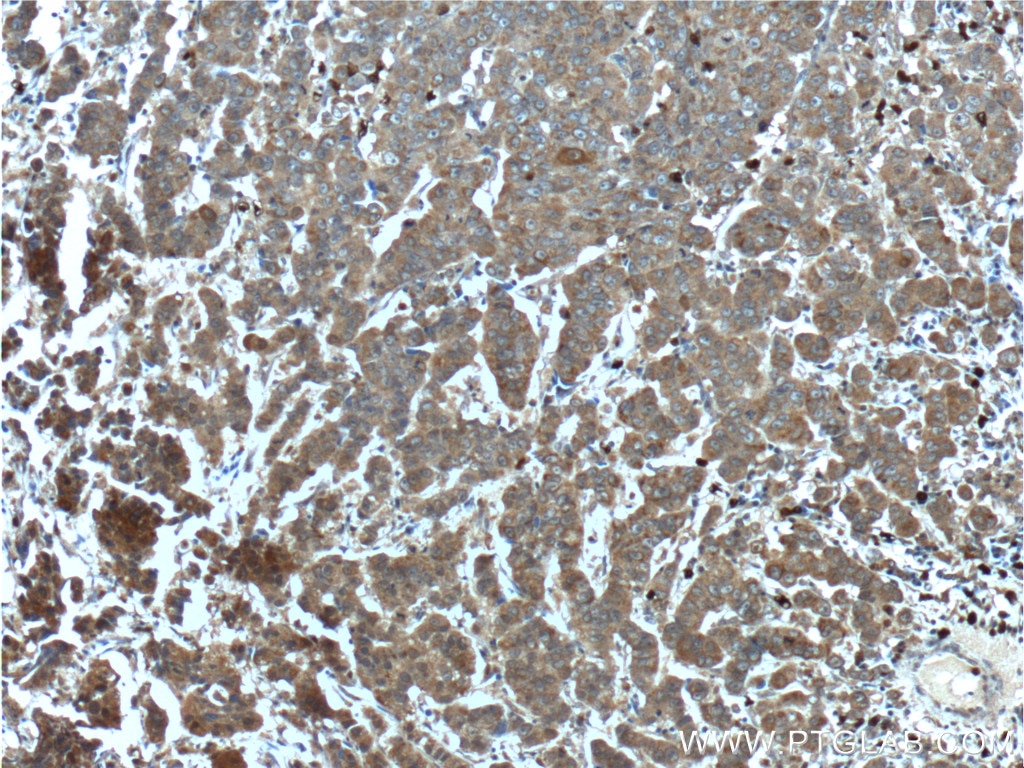
| Positive IHC detected in | human prostate cancer tissue Note: suggested antigen retrieval with TE buffer pH 9.0; (*) Alternatively, antigen retrieval may be performed with citrate buffer pH 6.0 |
| Positive IF/ICC detected in | HepG2 cells |
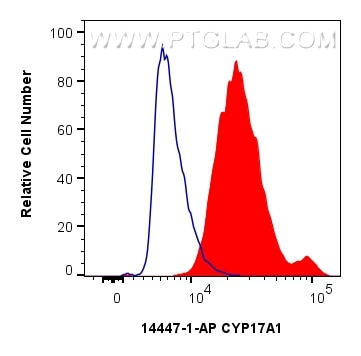
| Positive FC (Intra) detected in | HepG2 cells |
Recommended dilution
| Application | Dilution |
|---|---|
| Western Blot (WB) | WB : 1:2000-1:12000 |
| Immunohistochemistry (IHC) | IHC : 1:100-1:400 |
| Immunofluorescence (IF)/ICC | IF/ICC : 1:20-1:200 |
| Flow Cytometry (FC) (INTRA) | FC (INTRA) : 0.40 ug per 10^6 cells in a 100 µl suspension |
| It is recommended that this reagent should be titrated in each testing system to obtain optimal results. | |
| Sample-dependent, Check data in validation data gallery. | |
Product Information
14447-1-AP targets CYP17A1 in WB, IHC, IF/ICC, FC (Intra), ELISA applications and shows reactivity with human, mouse, rat samples.
| Tested Reactivity | human, mouse, rat |
| Cited Reactivity | human, mouse, rat, pig, rabbit, sheep, goat |
| Host / Isotype | Rabbit / IgG |
| Class | Polyclonal |
| Type | Antibody |
| Immunogen |
CatNo: Ag5899 Product name: Recombinant human CYP17A1 protein Source: e coli.-derived, PGEX-4T Tag: GST Domain: 160-508 aa of BC062997 Sequence: HNGQSIDISFPVFVAVTNVISLICFNTSYKNGDPELNVIQNYNEGIIDNLSKDSLVDLVPWLKIFPNKTLEKLKSHVKIRNDLLNKILENYKEKFRSDSITNMLDTLMQAKMNSDNGNAGPDQDSELLSDNHILTTIGDIFGAGVETTTSVVKWTLAFLLHNPQVKKKLYEEIDQNVGFSRTPTISDRNRLLLLEATIREVLRLRPVAPMLIPHKANVDSSIGEFAVDKGTEVIINLWALHHNEKEWHQPDQFMPERFLNPAGTQLISPSVSYLPFGAGPRSCIGEILARQELFLIMAWLLQRFDLEVPDDGQLPSLEGIPKVVFLIDSFKVKIKVRQAWREAQAEGST Predict reactive species |
| Full Name | cytochrome P450, family 17, subfamily A, polypeptide 1 |
| Calculated Molecular Weight | 57 kDa |
| Observed Molecular Weight | 50-57 kDa |
| GenBank Accession Number | BC062997 |
| Gene Symbol | CYP17A1 |
| Gene ID (NCBI) | 1586 |
| RRID | AB_2292527 |
| Conjugate | Unconjugated |
| Form | Liquid |
| Purification Method | Antigen affinity purification |
| UNIPROT ID | P05093 |
| Storage Buffer | PBS with 0.02% sodium azide and 50% glycerol, pH 7.3. |
| Storage Conditions | Store at -20°C. Stable for one year after shipment. Aliquoting is unnecessary for -20oC storage. 20ul sizes contain 0.1% BSA. |
Background Information
Cytochrome P450 17A1 (CYP17A1) is a critical steroidogenic enzyme, essential for producing glucocorticoids and sex hormones (PMID: 33781841). The CYP17A1 gene is expressed in the adrenal cortex and the gonads but not in the placenta (PMID: 19403566). Although CYP17A1 has been shown to be a 50-kDa protein, the presence of a lower molecular mass(30 kDa) immunoreactive form in rat Leydig cells was previously shown and it is either a degradation product or a truncated form of the 50 kDa enzyme (PMID: 15761033). Defects in CYP17A1 are the cause of adrenal hyperplasia type 5 (AH5) and CYP17A1 is an important target for inhibition in the treatment of prostate cancer (PMID: 27505042).
Protocols
| Product Specific Protocols | |
|---|---|
| FC protocol for CYP17A1 antibody 14447-1-AP | Download protocol |
| IF protocol for CYP17A1 antibody 14447-1-AP | Download protocol |
| IHC protocol for CYP17A1 antibody 14447-1-AP | Download protocol |
| WB protocol for CYP17A1 antibody 14447-1-AP | Download protocol |
| Standard Protocols | |
|---|---|
| Click here to view our Standard Protocols |
Publications
What published studies show
The CYP17A1 antibody (Cat# 14447-1-AP) has 79 citations published in journals including Nature Communications, Advanced Science, Cancer Letters, Gut Microbes, Journal of Advanced Research, FASEB Journal, Environmental Pollution, Biochemical Pharmacology, Reproductive Toxicology, Journal of Steroid Biochemistry and Molecular Biology, and others. Research fields encompass steroidogenesis, reproductive endocrinology (PCOS, Leydig cell biology, ovarian/testicular function), endocrine disruptor toxicity, ferroptosis, cancer, and metabolic regulation.
| Species | Application | Title |
|---|---|---|
Nat Commun SEMA6A drives GnRH neuron-dependent puberty onset by tuning median eminence vascular permeability | ||
J Adv Res SLC7A11 as a therapeutic target to attenuate phthalates-driven testosterone level decline in mice. | ||
Metabolism Proteomic profiling reveals novel insights into hypercortisolism adrenal adenomas. | ||
Gut Microbes High-fat diet-induced L-saccharopine accumulation inhibits estradiol synthesis and damages oocyte quality by disturbing mitochondrial homeostasis | ||
Adv Sci (Weinh) Mapping Steroidogenic Perturbations Under Endocrine Disruptor Mixtures Across Demographic Subgroups: Structural and Metabolomic Insights. | ||
Cancer Lett Dual inhibition of CYP17A1 and HDAC6 by abiraterone-installed hydroxamic acid overcomes temozolomide resistance in glioblastoma through inducing DNA damage and oxidative stress |
Reviews
What customers say
Users report mixed results. One reviewer found the recognized protein size smaller than expected. Two reviewers noted non-specific bands on Western blots—one saw two extra bands but could distinguish the correct one, while another found a persistent band just below the target that required extended runs to resolve. However, the antibody was praised as the top choice for immunofluorescence in mouse testis after comparing multiple vendors. Overall, IF performance is strong, but WB users should expect some background bands.
The reviews below have been submitted by verified Proteintech customers who received an incentive for providing their feedback.
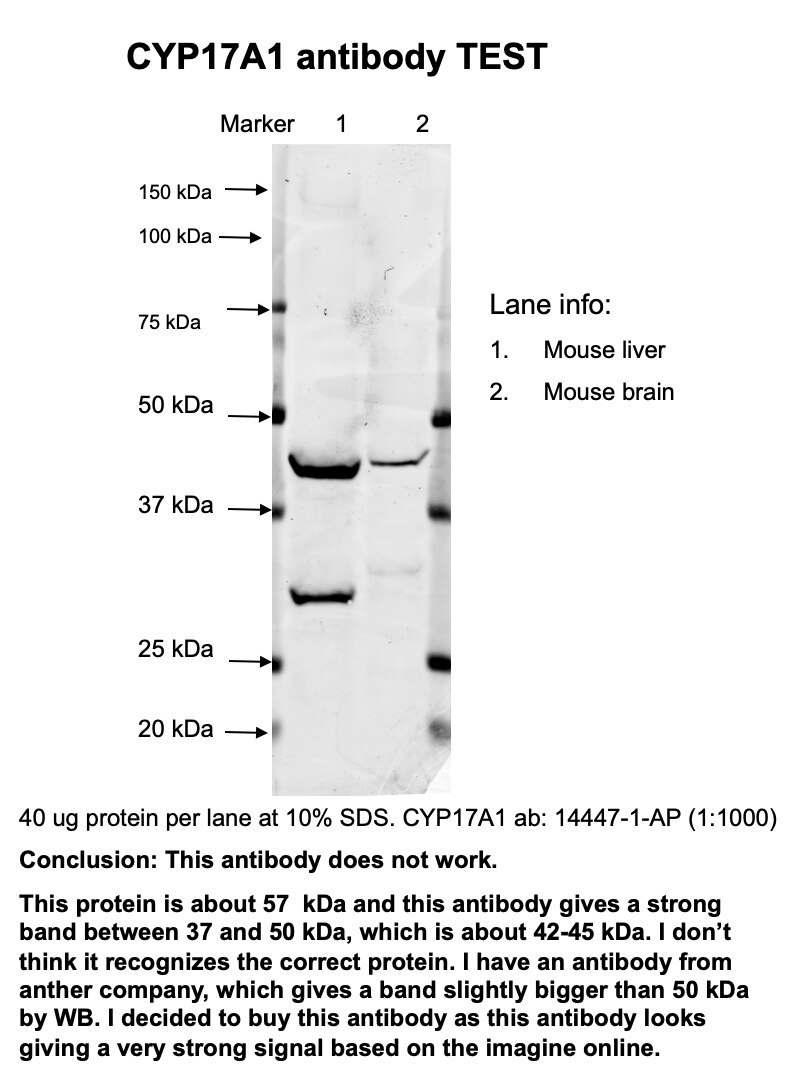
Hua (Verified Customer) (04-26-2024) | The size of the protein that the antibody recognizes in samples is much smaller than expected.
 |
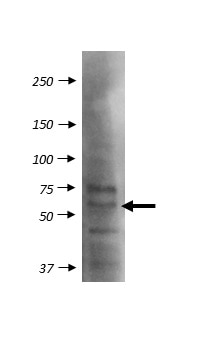
Tom (Verified Customer) (08-25-2021) | 2 non-specific bands appear on membrane, but the correct band can be distinguished.
 |
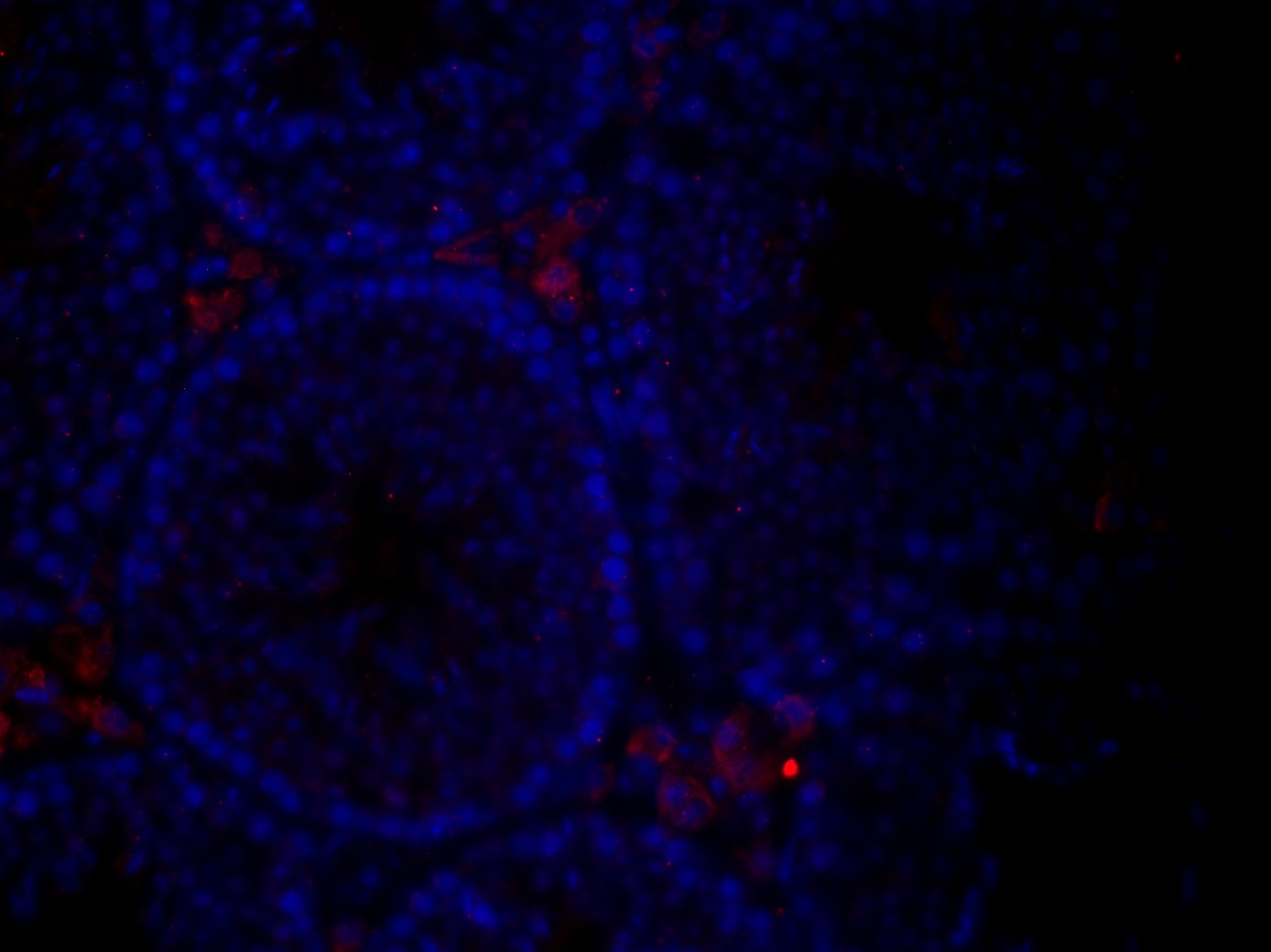
Hailey (Verified Customer) (10-07-2019) | This antibody works very well for IF in mouse testis. We use Cyp17a1 as a marker for a lot of my experiments, and after comparing Cyp17a1 antibodies from many companies, this is our antibody of choice for IF. However for westerns, there is a pesky non-specific band that appears right below the correct band, and it is difficult to differentiate them unless you run the WB for a long time.
 |










