

Tested Applications
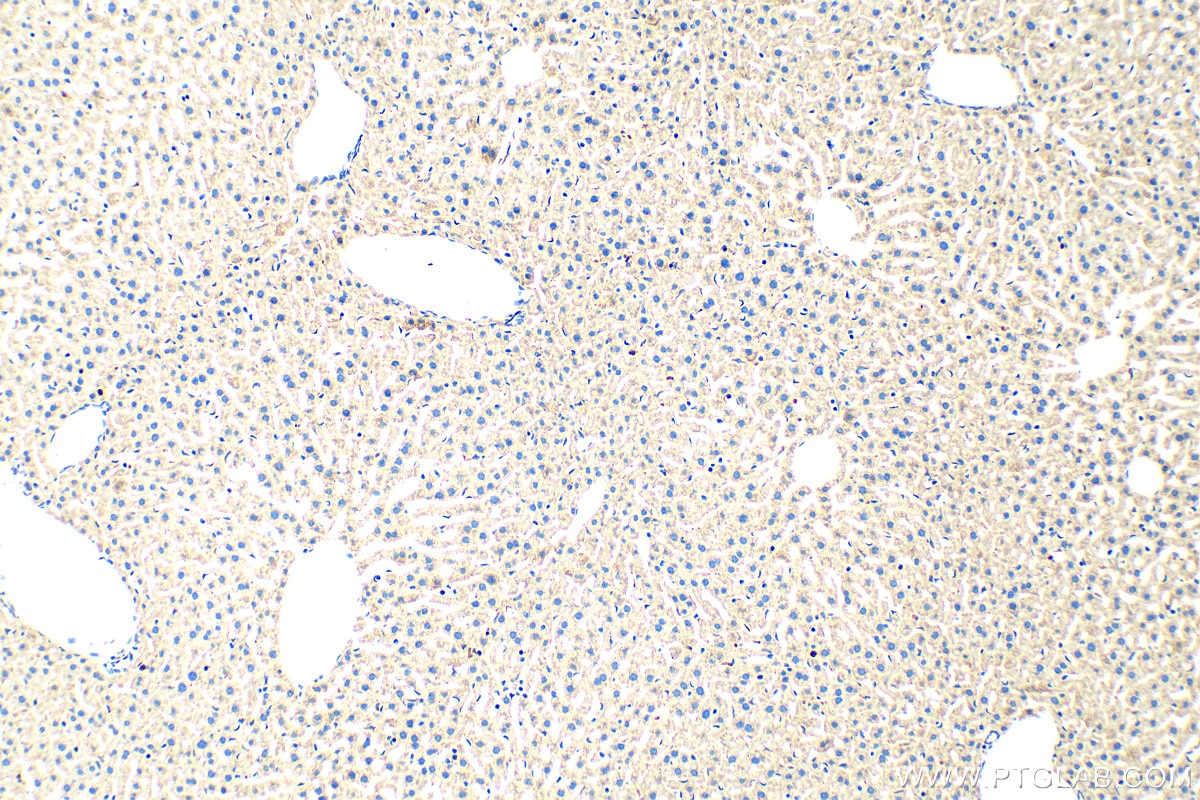
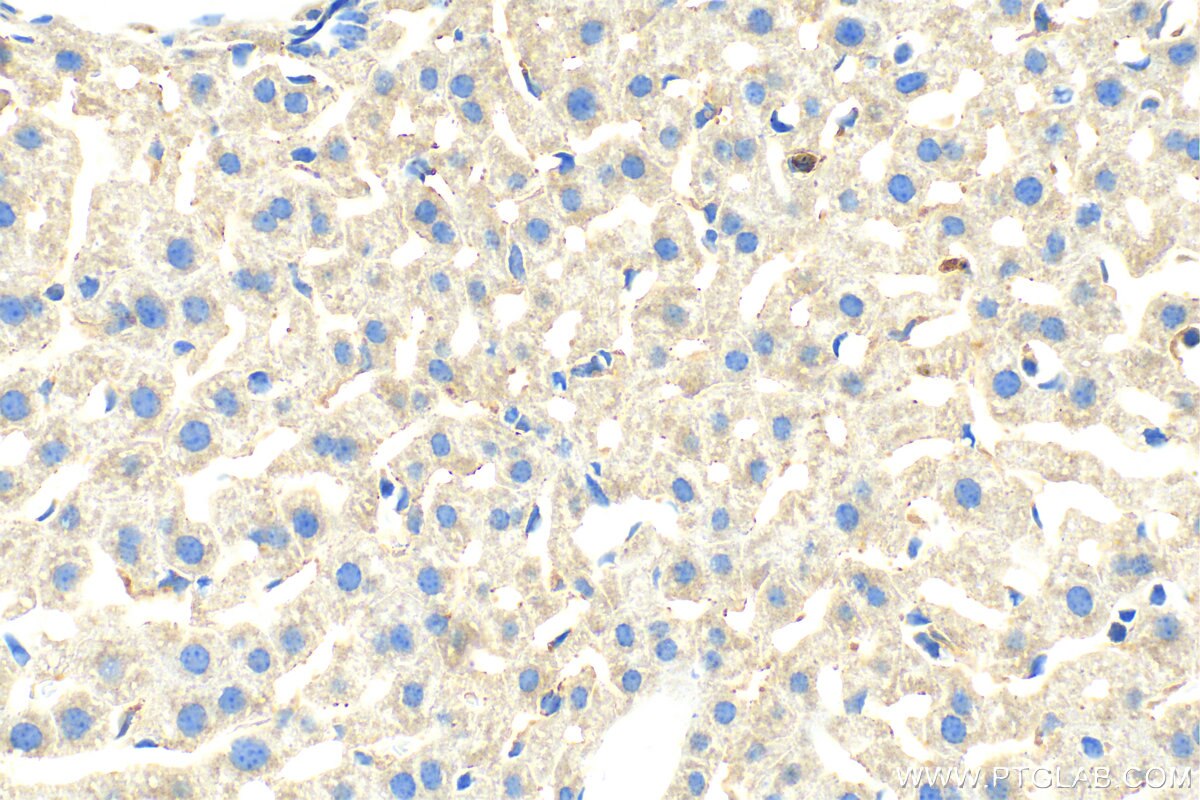
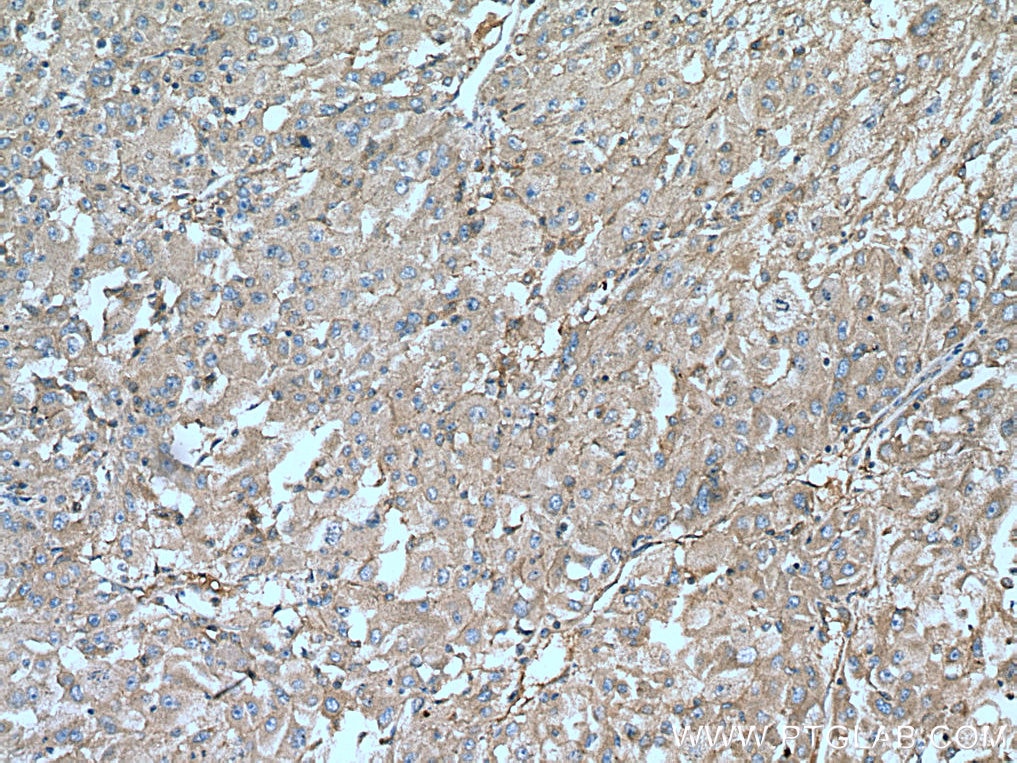
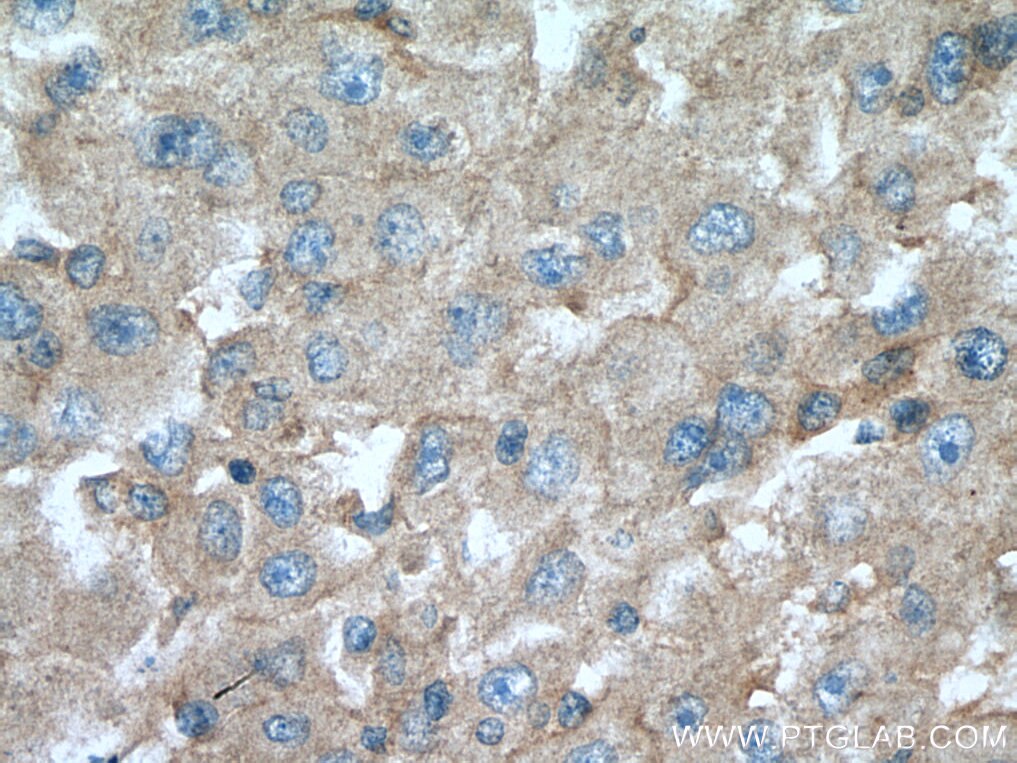
| Positive IHC detected in | mouse liver tissue, human liver cancer tissue Note: suggested antigen retrieval with TE buffer pH 9.0; (*) Alternatively, antigen retrieval may be performed with citrate buffer pH 6.0 |
Recommended dilution
| Application | Dilution |
|---|---|
| Immunohistochemistry (IHC) | IHC : 1:300-1:1200 |
| It is recommended that this reagent should be titrated in each testing system to obtain optimal results. | |
| Sample-dependent, Check data in validation data gallery. | |
Product Information
20214-1-AP targets IGF1A-Specific in WB, IHC, IF, ELISA applications and shows reactivity with human, mouse samples.
| Tested Reactivity | human, mouse |
| Cited Reactivity | human, mouse, rat, pig |
| Host / Isotype | Rabbit / IgG |
| Class | Polyclonal |
| Type | Antibody |
| Immunogen |
Peptide Predict reactive species |
| Full Name | insulin-like growth factor 1 (somatomedin C) |
| Calculated Molecular Weight | 17 kDa |
| Gene Symbol | IGF1 |
| Gene ID (NCBI) | 3479 |
| RRID | AB_10666736 |
| Conjugate | Unconjugated |
| Form | Liquid |
| Purification Method | Antigen affinity purification |
| UNIPROT ID | P05019 |
| Storage Buffer | PBS with 0.02% sodium azide and 50% glycerol, pH 7.3. |
| Storage Conditions | Store at -20°C. Stable for one year after shipment. Aliquoting is unnecessary for -20oC storage. 20ul sizes contain 0.1% BSA. |
Background Information
IGF1, also named as IBP1, MGF, IGF-IA and Somatomedin-C, belongs to the INS family. IGF1 is structurally and functionally related to INS but have a much higher growth-promoting activity. Altered expression or mutation of IGF-1 is associated with several human disorders, including type I diabetes and various forms of cancer. Defects in IGF1 are the cause of INS-like growth factor I deficiency (IGF1 deficiency) which is an autosomal recessive disorder characterized by growth retardation, sensorineural deafness and mental retardation. The antibody is specific to isoform IGF-1A.
Protocols
| Product Specific Protocols | |
|---|---|
| IHC protocol for IGF1A-Specific antibody 20214-1-AP | Download protocol |
| Standard Protocols | |
|---|---|
| Click here to view our Standard Protocols |
Publications
What published studies show
The IGF1 antibody (Cat# 20214-1-AP) has 21 citations published in journals including J Hepatol, Gastroenterology, Cancer Lett, PNAS, FEBS J, PLoS One, and Int J Cancer. Research fields span hepatology, oncology (colorectal, lung, glioma, pancreatic), obesity and metabolic regulation, ALS/neurodegeneration, type 2 diabetes, skeletal muscle injury and regeneration, orthodontics, and osteoarthritis. Applications are predominantly WB and IHC across human, mouse, rat, and pig species.
| Species | Application | Title |
|---|---|---|
J Hepatol Deficiency of insulin-like growth factor 1 attenuates aging-induced changes in hepatic function: Role of autophagy. | ||
Gastroenterology Regulator of Calcineurin 1 Gene Isoform 4, Downregulated in Hepatocellular Carcinoma, Prevents Proliferation, Migration, and Invasive Activity of Cancer Cells and Growth of Orthotopic Tumors by Inhibiting Nuclear Translocation of NFAT1. | ||
Cancer Lett IFN-γ-mediated IRF1/miR-29b feedback loop suppresses colorectal cancer cell growth and metastasis by repressing IGF1. | ||
Sci China Life Sci Targeting IGF1 to alleviate obesity through regulating energy expenditure and fat deposition | ||
Proc Natl Acad Sci U S A Disruption of the AMPK-TBC1D1 nexus increases lipogenic gene expression and causes obesity in mice via promoting IGF1 secretion. | ||
Front Endocrinol (Lausanne) The Dipeptide Pro-Gly Promotes IGF-1 Expression and Secretion in HepG2 and Female Mice via PepT1-JAK2/STAT5 Pathway. |





