
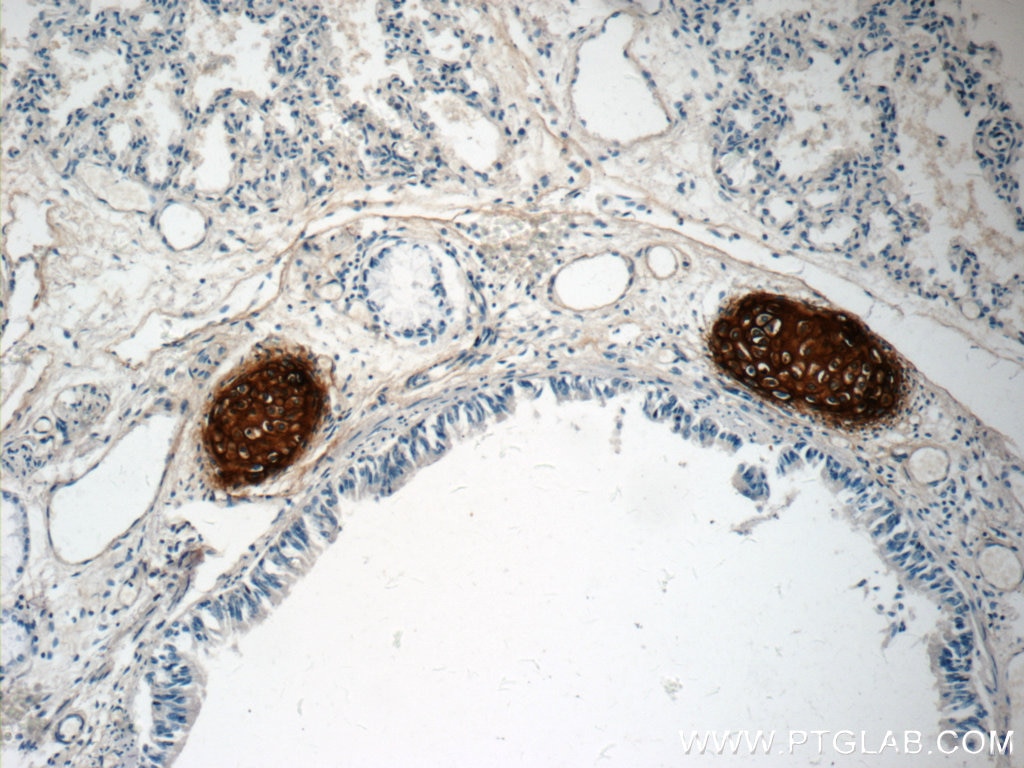
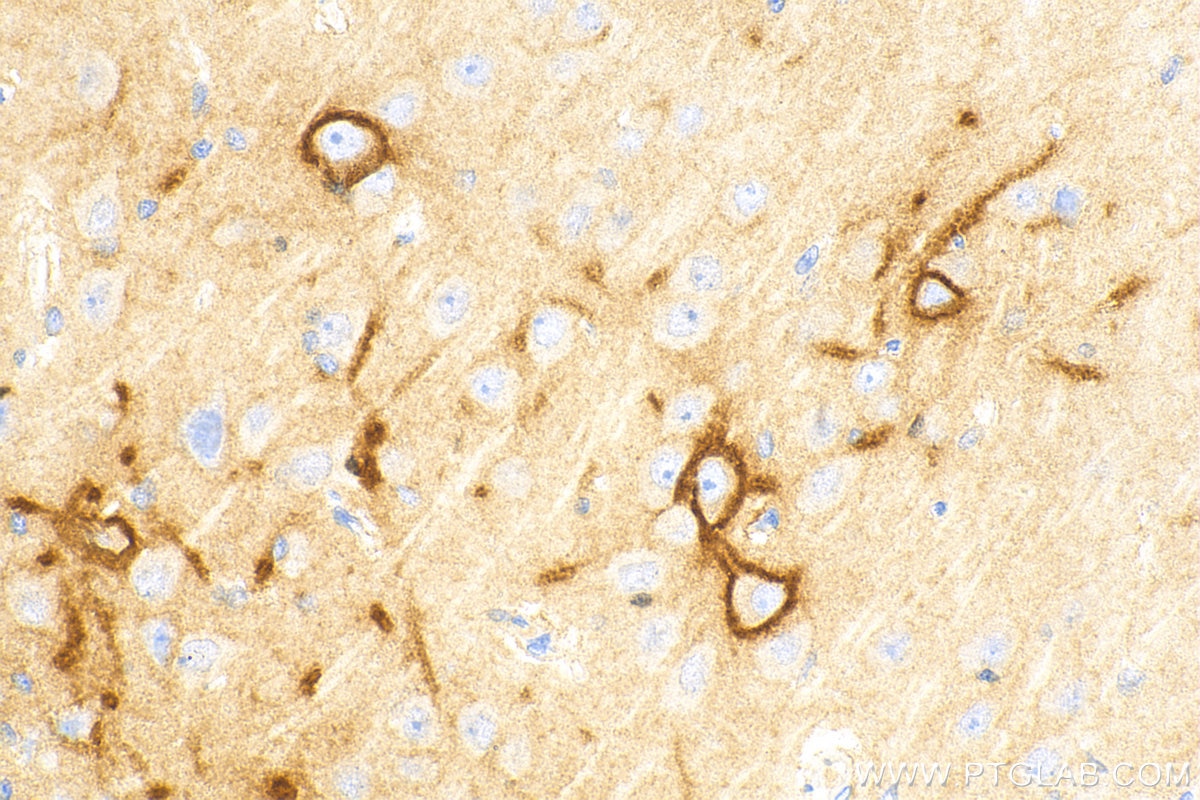
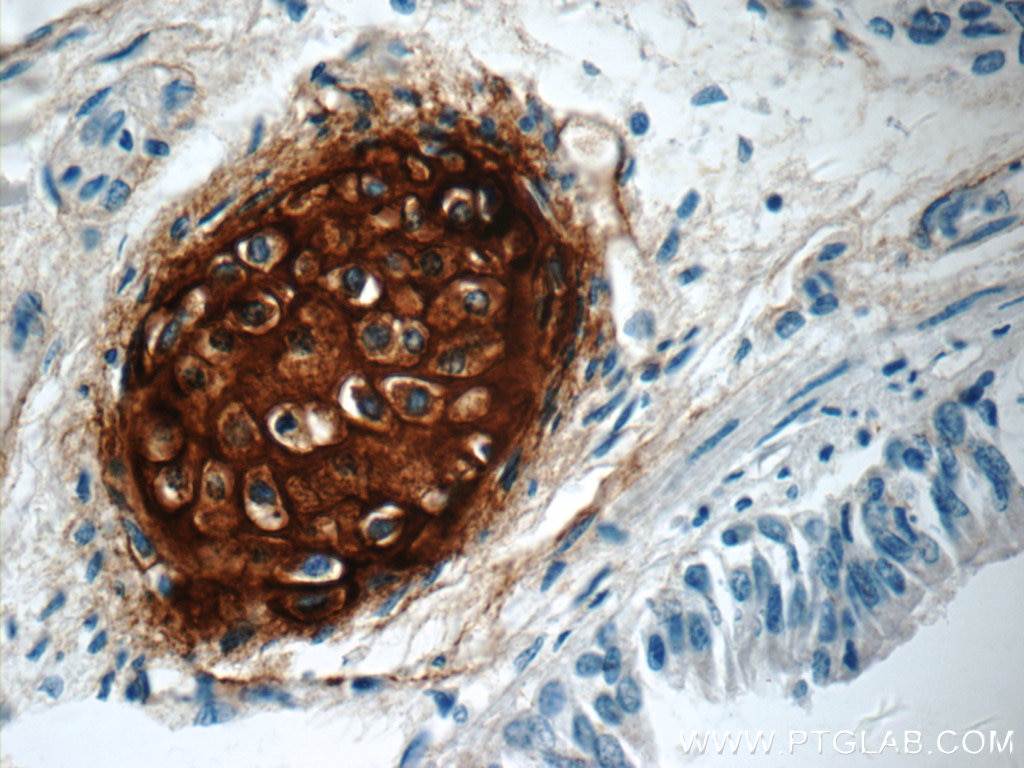
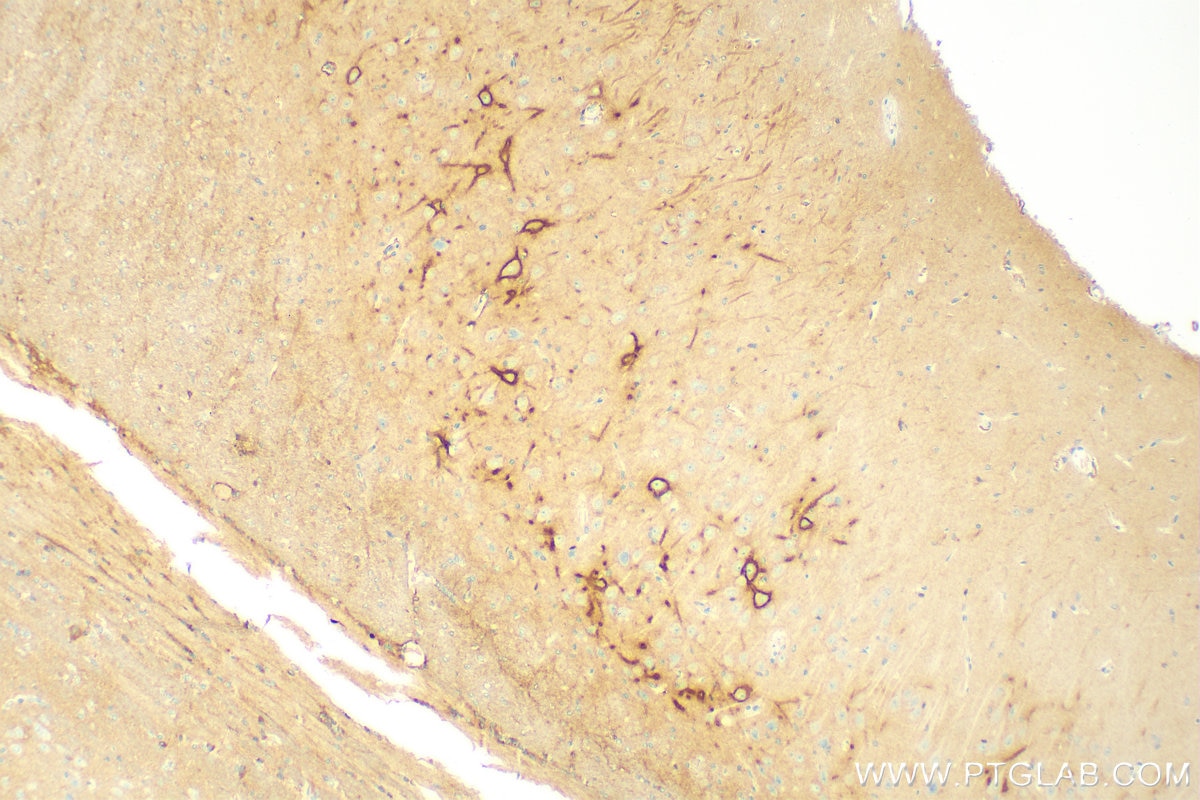

Tested Applications
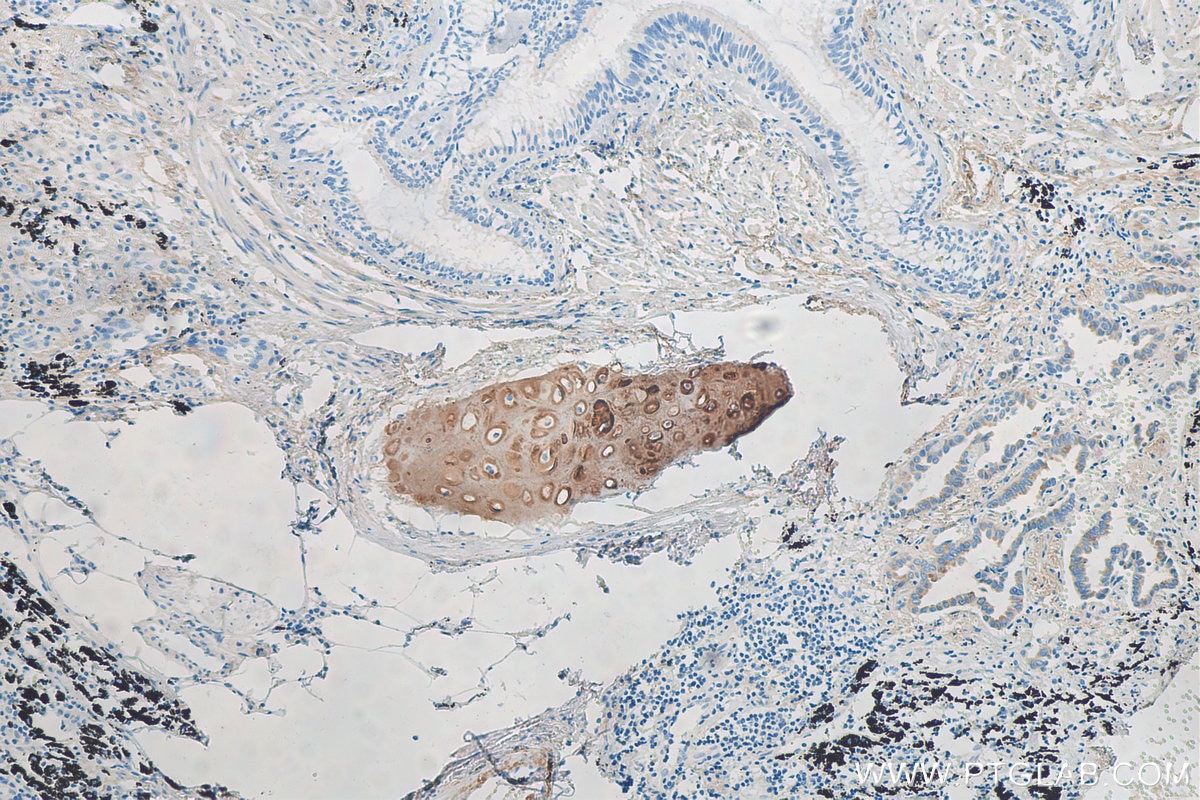
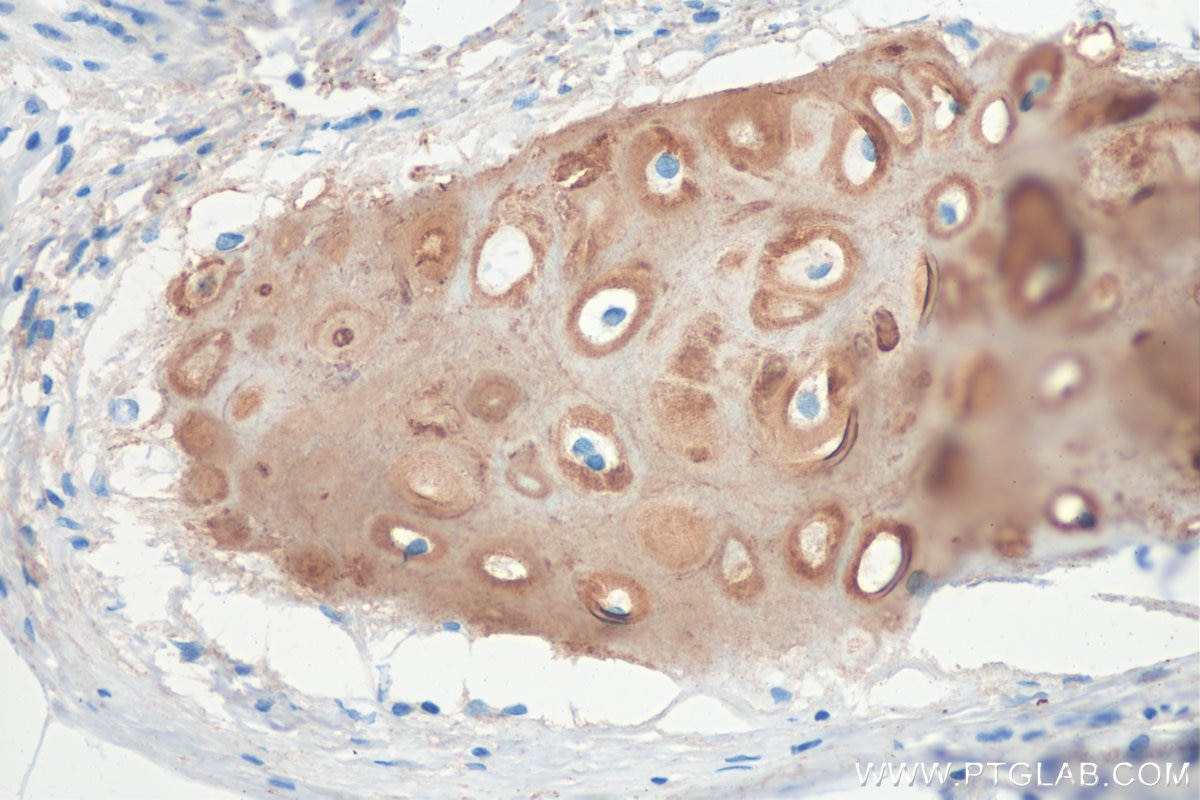
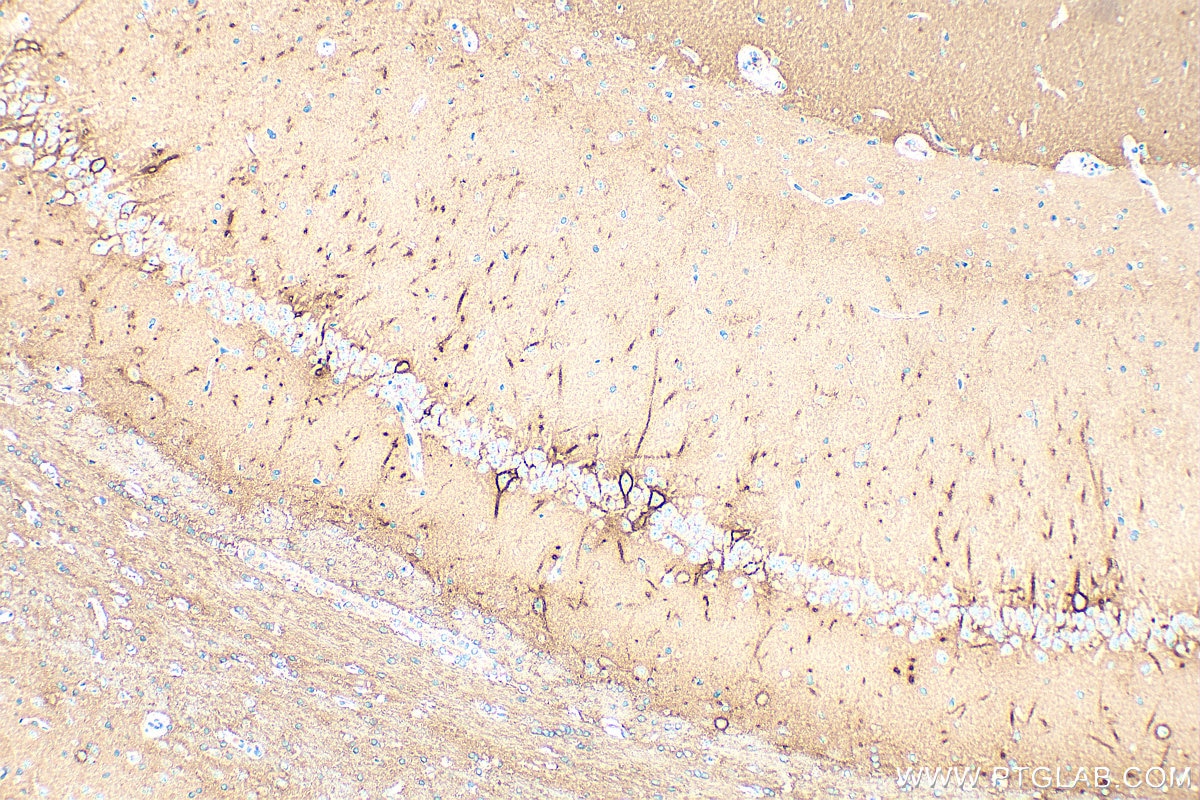
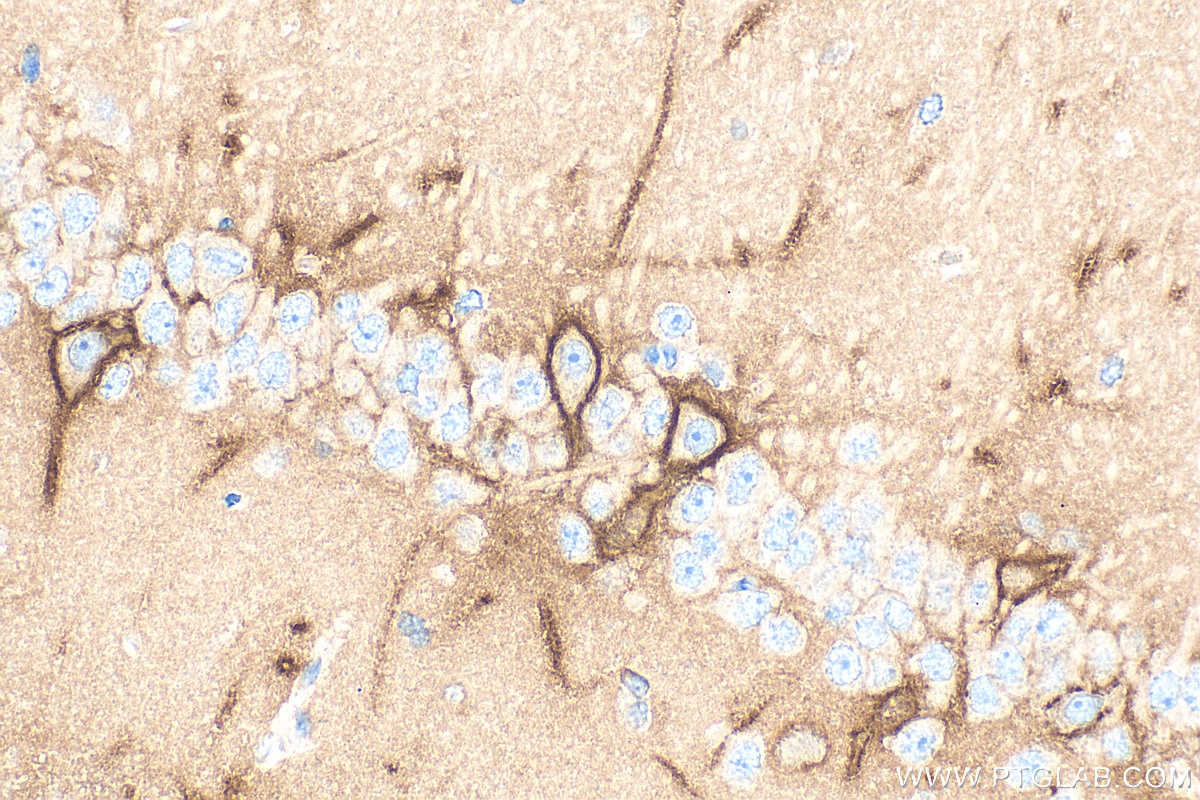
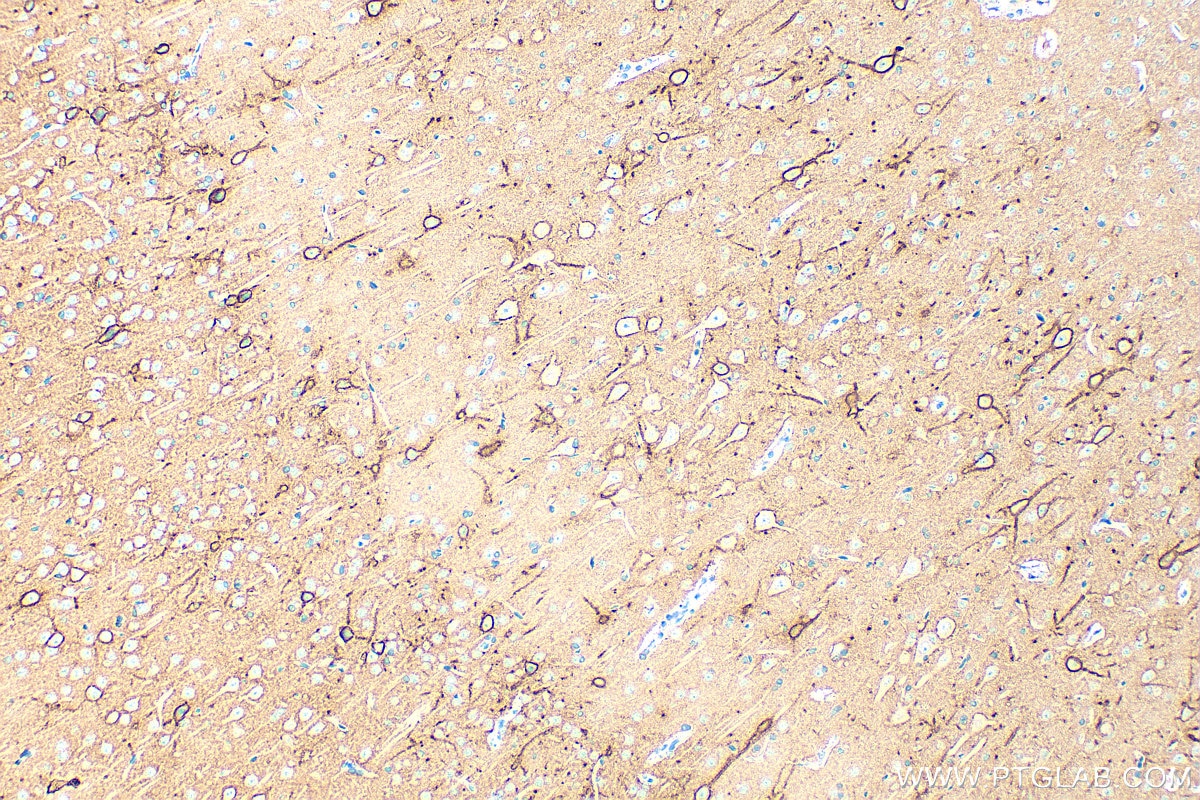
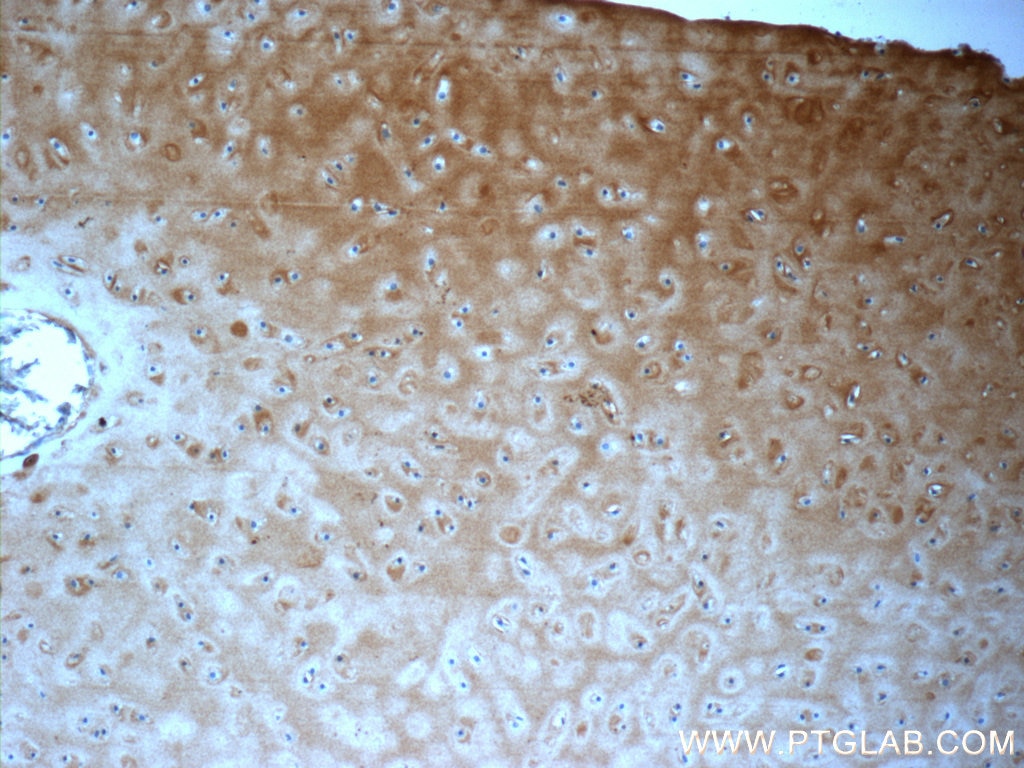
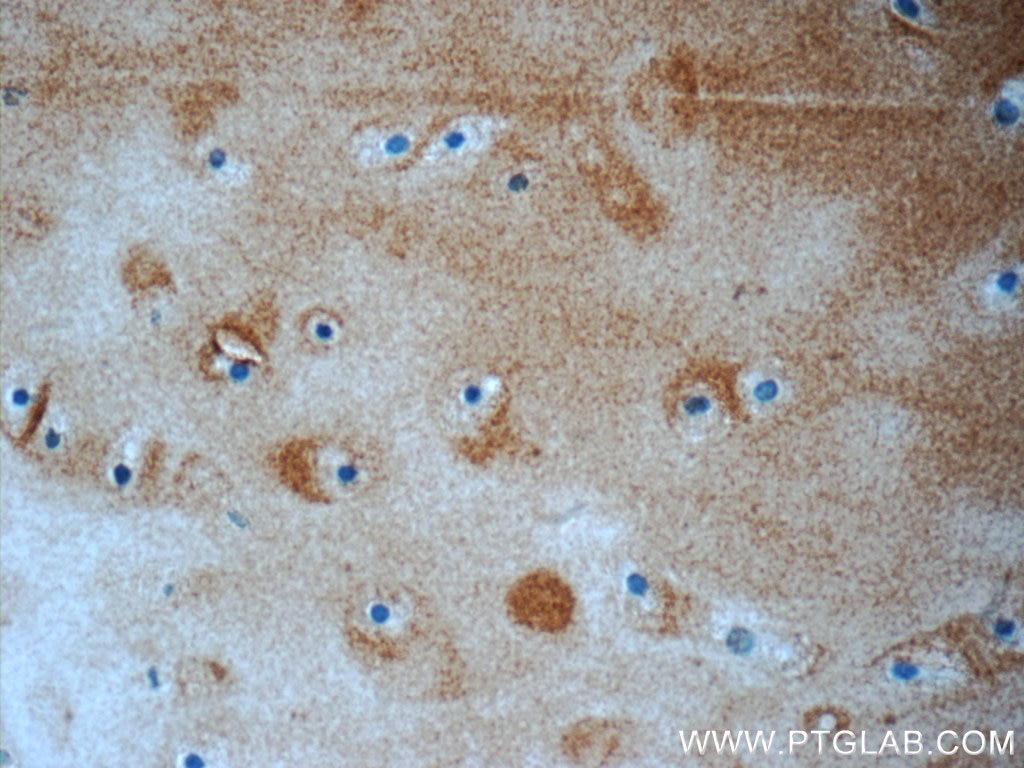
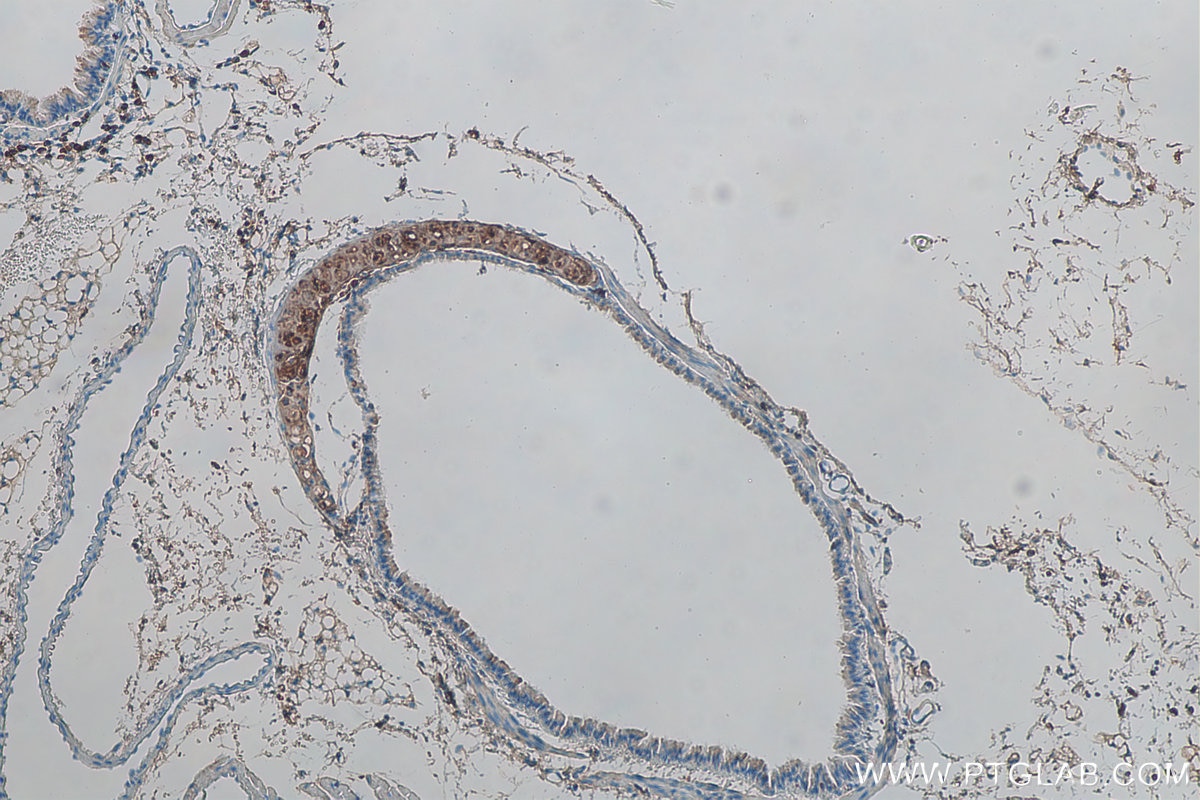
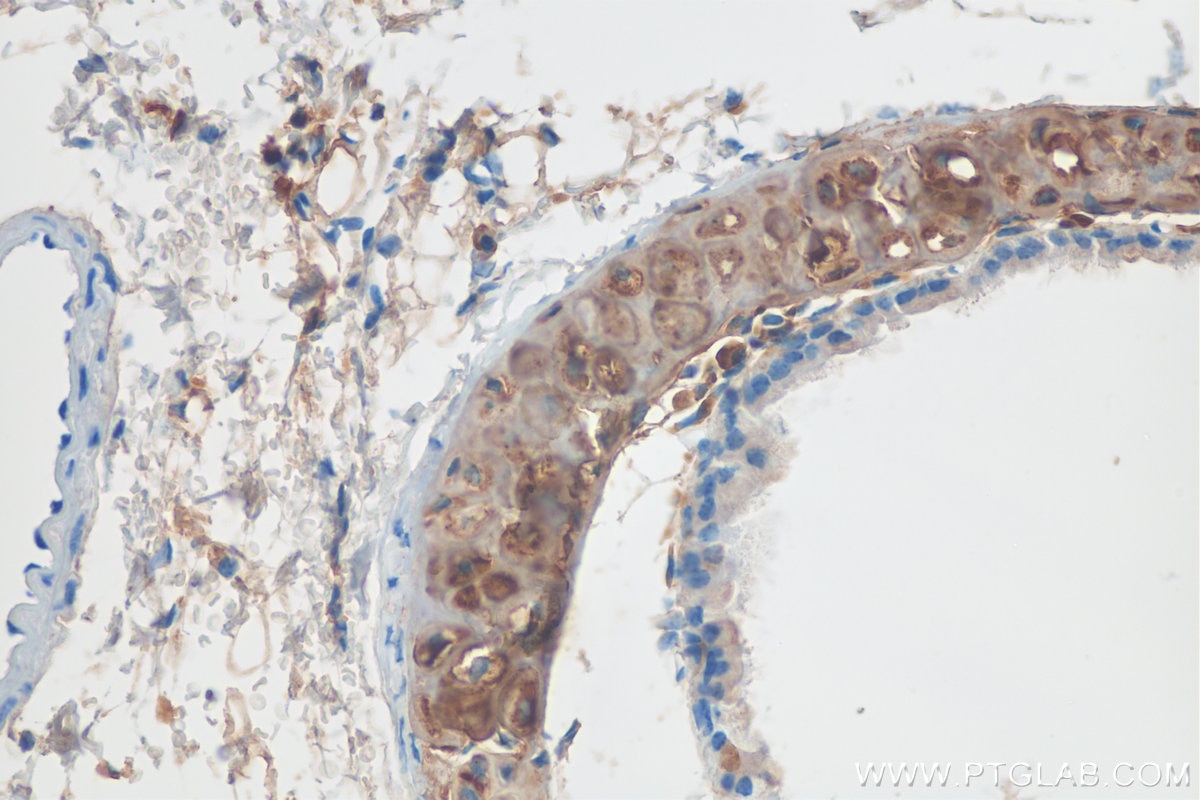
| Positive IHC detected in | human lung tissue, human cartilage tissue, human lung cancer tissue, mouse lung tissue, rat brain tissue Note: suggested antigen retrieval with TE buffer pH 9.0; (*) Alternatively, antigen retrieval may be performed with citrate buffer pH 6.0 |
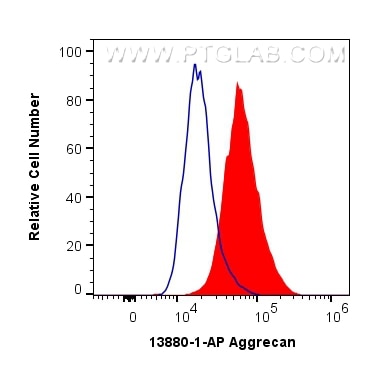
| Positive FC (Intra) detected in | ATDC-5 cells |
Recommended dilution
| Application | Dilution |
|---|---|
| Immunohistochemistry (IHC) | IHC : 1:200-1:800 |
| Flow Cytometry (FC) (INTRA) | FC (INTRA) : 0.80 ug per 10^6 cells in a 100 µl suspension |
| It is recommended that this reagent should be titrated in each testing system to obtain optimal results. | |
| Sample-dependent, Check data in validation data gallery. | |
Product Information
13880-1-AP targets Aggrecan in IHC, IF, FC (Intra), ELISA applications and shows reactivity with human, mouse, rat samples.
| Tested Reactivity | human, mouse, rat |
| Cited Reactivity | human, mouse, rat, pig, rabbit, canine, zebrafish, goat |
| Host / Isotype | Rabbit / IgG |
| Class | Polyclonal |
| Type | Antibody |
| Immunogen |
CatNo: Ag4985 Product name: Recombinant human ACAN protein Source: e coli.-derived, PGEX-4T Tag: GST Domain: 1-298 aa of BC036445 Sequence: MTTLLWVFVTLRVITAAVTVETSDHDNSLSVSIPQPSPLRVLLGTSLTIPCYFIDPMHPVTTAPSTAPLAPRIKWSRVSKEKEVVLLVATEGRVRVNSAYQDKVSLPNYPAIPSDATLEVQSLRSNDSGVYRCEVMHGIEDSEATLEVVVKGIVFHYRAISTRYTLDFDRAQRACLQNSAIIATPEQLQAAYEDGFHQCDAGWLADQTVRYPIHTPREGCYGDKDEFPGVRTYGIRDTNETYDVYCFAEEMEGEVFYATSPEKFTFQEAANECRRLGARLATTGQLYLAWQAGMDMCS Predict reactive species |
| Full Name | aggrecan |
| Calculated Molecular Weight | 250 kDa |
| GenBank Accession Number | BC036445 |
| Gene Symbol | ACAN |
| Gene ID (NCBI) | 176 |
| RRID | AB_2722780 |
| Conjugate | Unconjugated |
| Form | Liquid |
| Purification Method | Antigen affinity purification |
| UNIPROT ID | P16112 |
| Storage Buffer | PBS with 0.02% sodium azide and 50% glycerol, pH 7.3. |
| Storage Conditions | Store at -20°C. Stable for one year after shipment. Aliquoting is unnecessary for -20oC storage. 20ul sizes contain 0.1% BSA. |
Background Information
Aggrecan (ACAN), also named as CSPCP, AGC1 and MSK16, belongs to the aggrecan/versican proteoglycan family (also including versican, brevican and neurocan). It is a major component of extracellular matrix of cartilaginous tissues. A major function of aggrecan is to resist compression in cartilage. It binds avidly to hyaluronic acid via an N-terminal globular region.
Protocols
| Product Specific Protocols | |
|---|---|
| FC protocol for Aggrecan antibody 13880-1-AP | Download protocol |
| IHC protocol for Aggrecan antibody 13880-1-AP | Download protocol |
| Standard Protocols | |
|---|---|
| Click here to view our Standard Protocols |
Publications
What published studies show
The Aggrecan polyclonal antibody (Cat# 13880-1-AP) has accumulated 454 citations. These appear in high-impact journals including Nature, Cell Metabolism, Nature Communications, Bioactive Materials, Biomaterials, Advanced Science, Theranostics, Autophagy, Bone Research, and Journal of Nanobiotechnology. The research fields are predominantly osteoarthritis, intervertebral disc degeneration, cartilage regeneration, rheumatoid arthritis, tissue engineering, nanomedicine, ferroptosis, and autophagy, with applications mainly in IHC and IF.
| Species | Application | Title |
|---|---|---|
Cell Metab An integrated multi-omics analysis reveals osteokines involved in global regulation | ||
Mil Med Res Downregulation of FTO aggravates osteoarthritis with obesity by erasing m(6)A methylation of PDP2. | ||
Ann Rheum Dis A brain-driven neural circuit contributes to tissue regeneration in joint cartilage. | ||
Ann Rheum Dis Piezo1-mediated mechanotransduction promotes entheseal pathological new bone formation in ankylosing spondylitis |















