
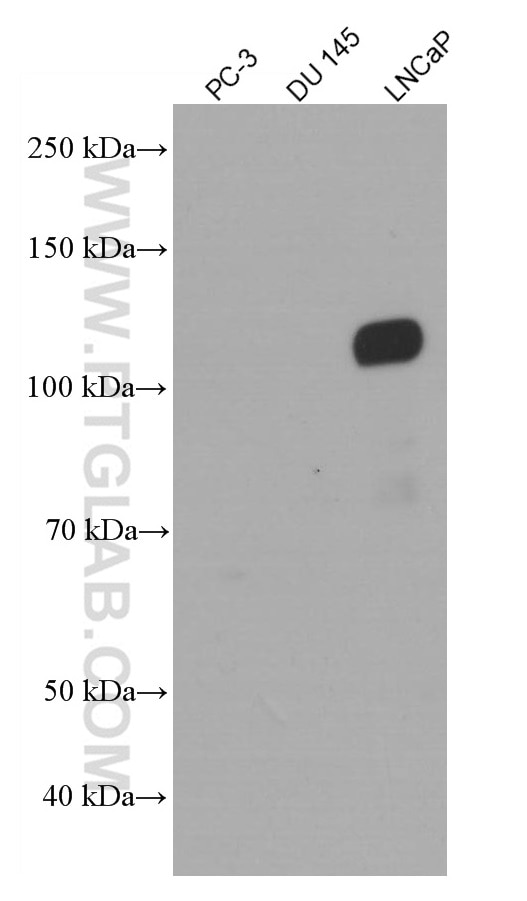
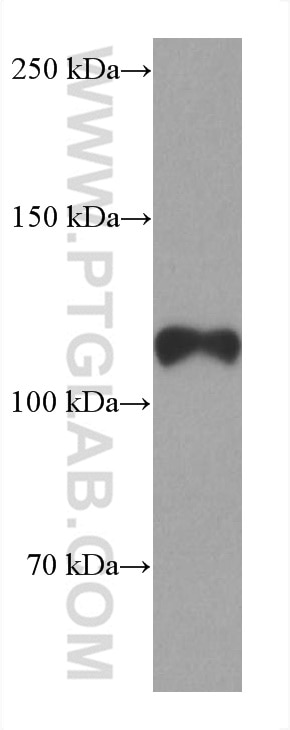
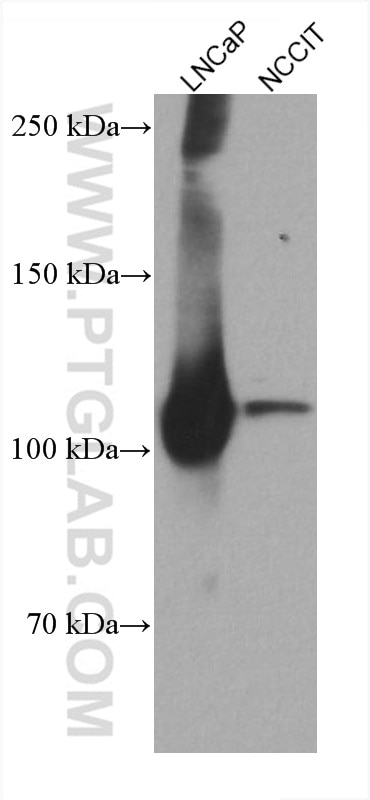
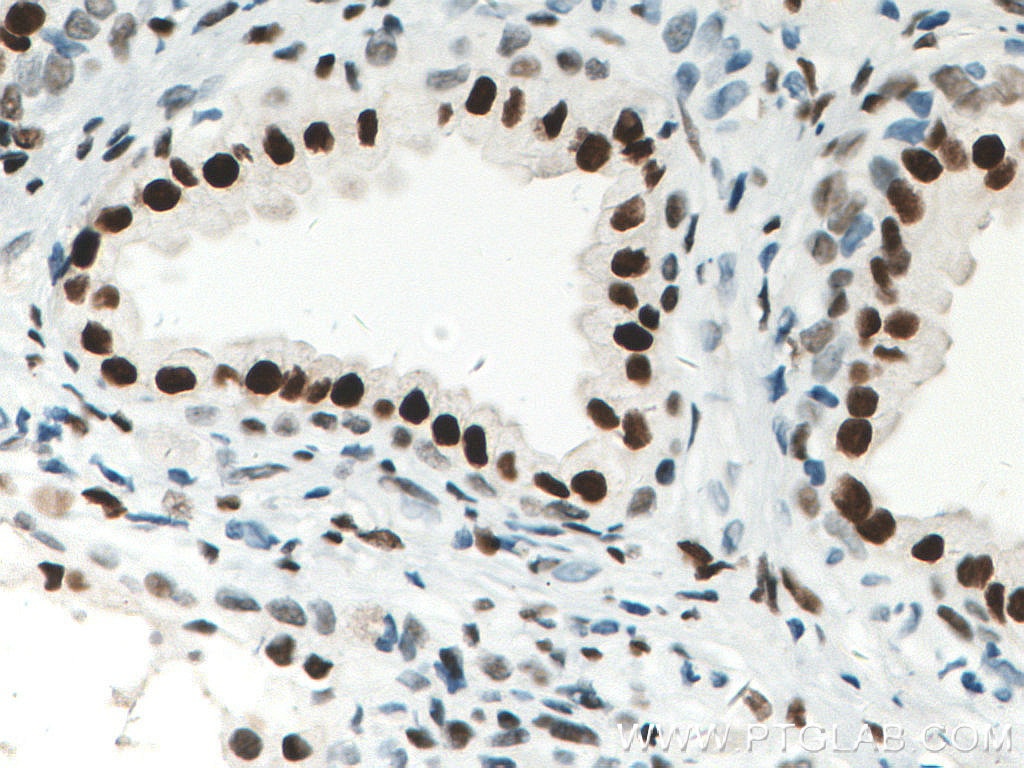
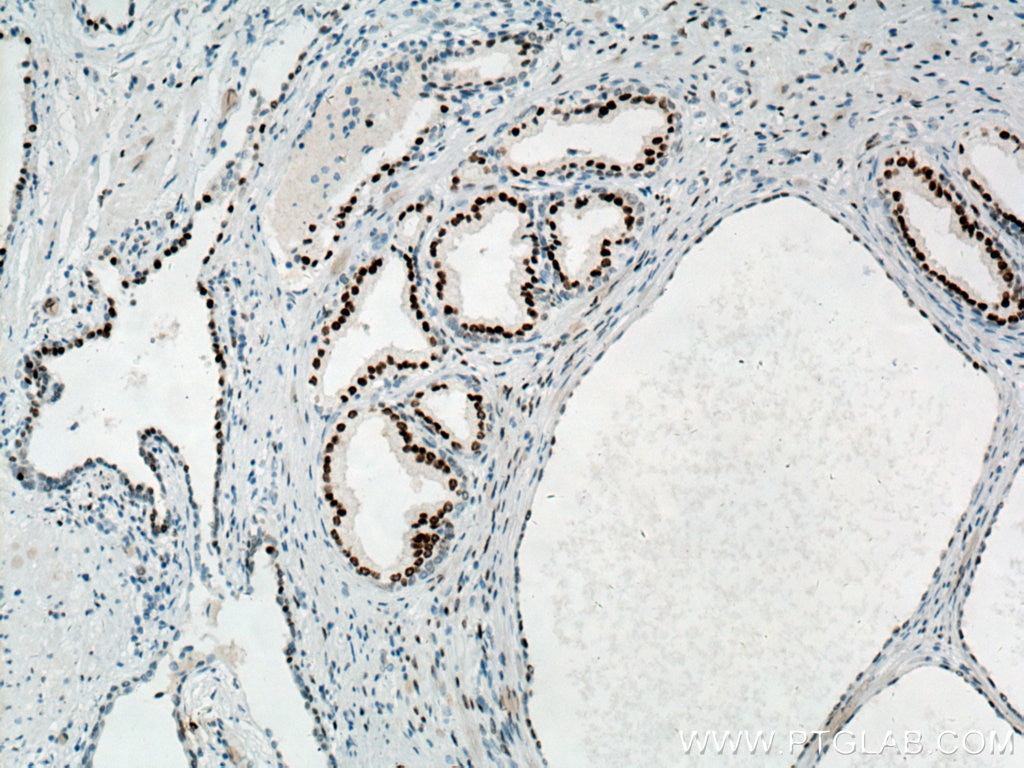
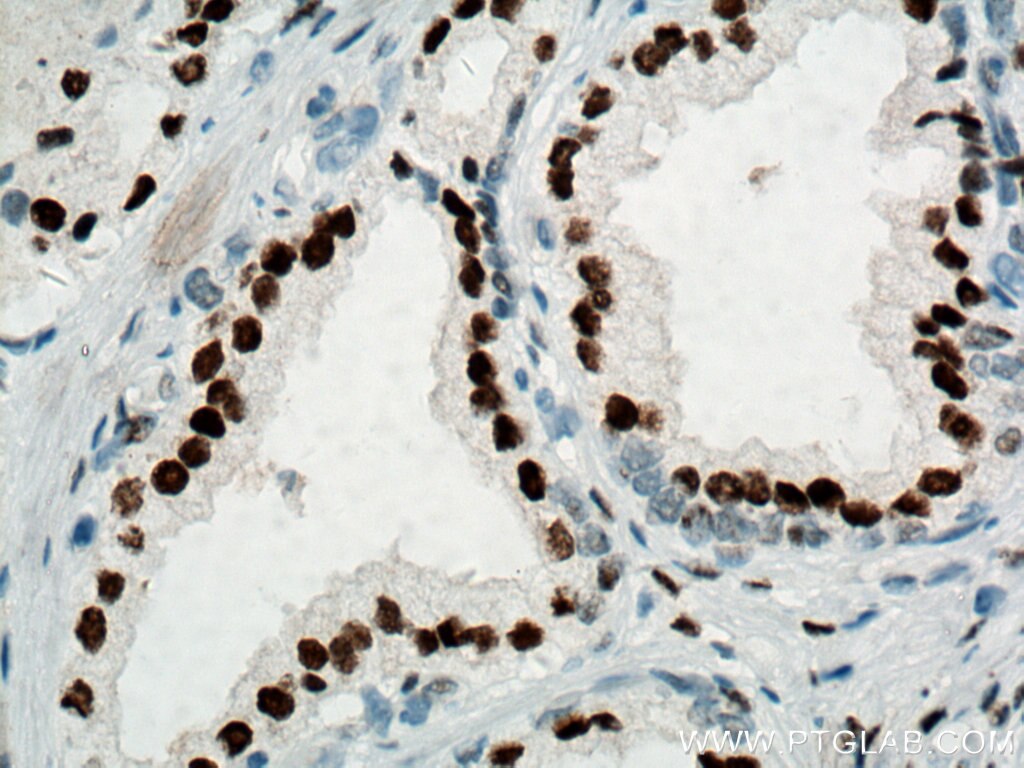
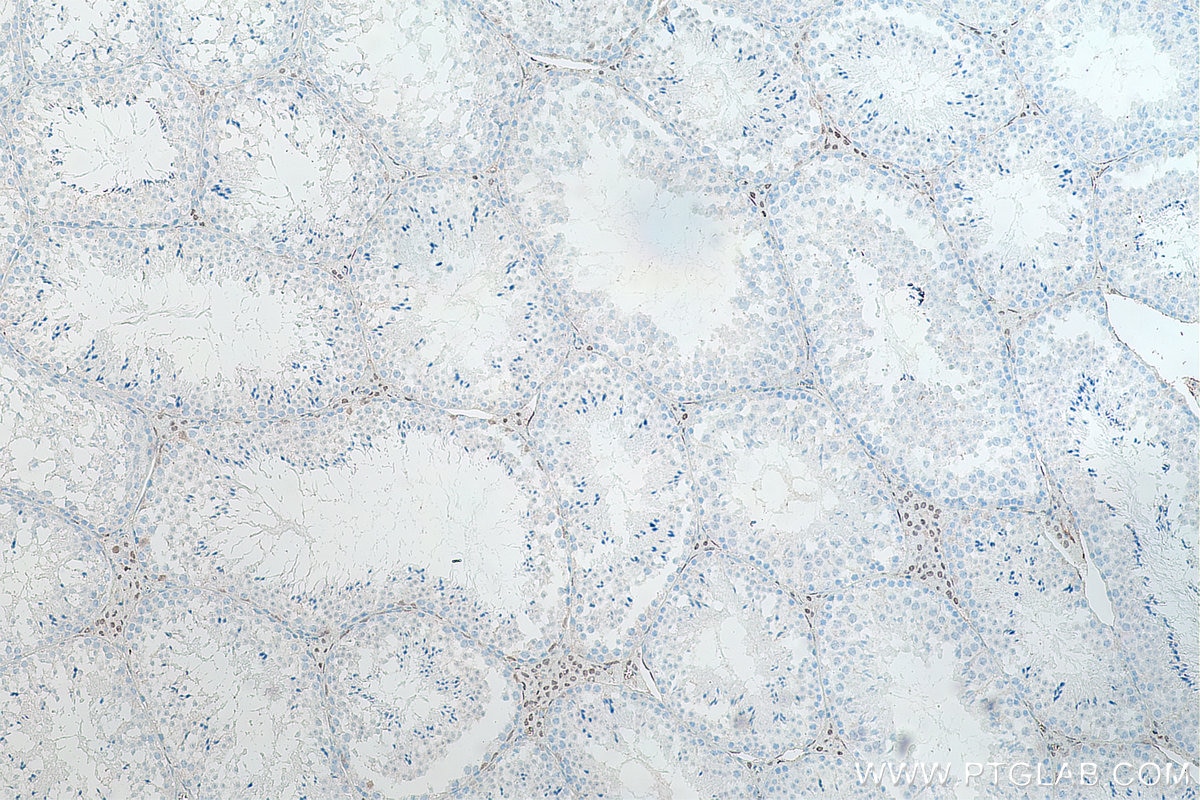
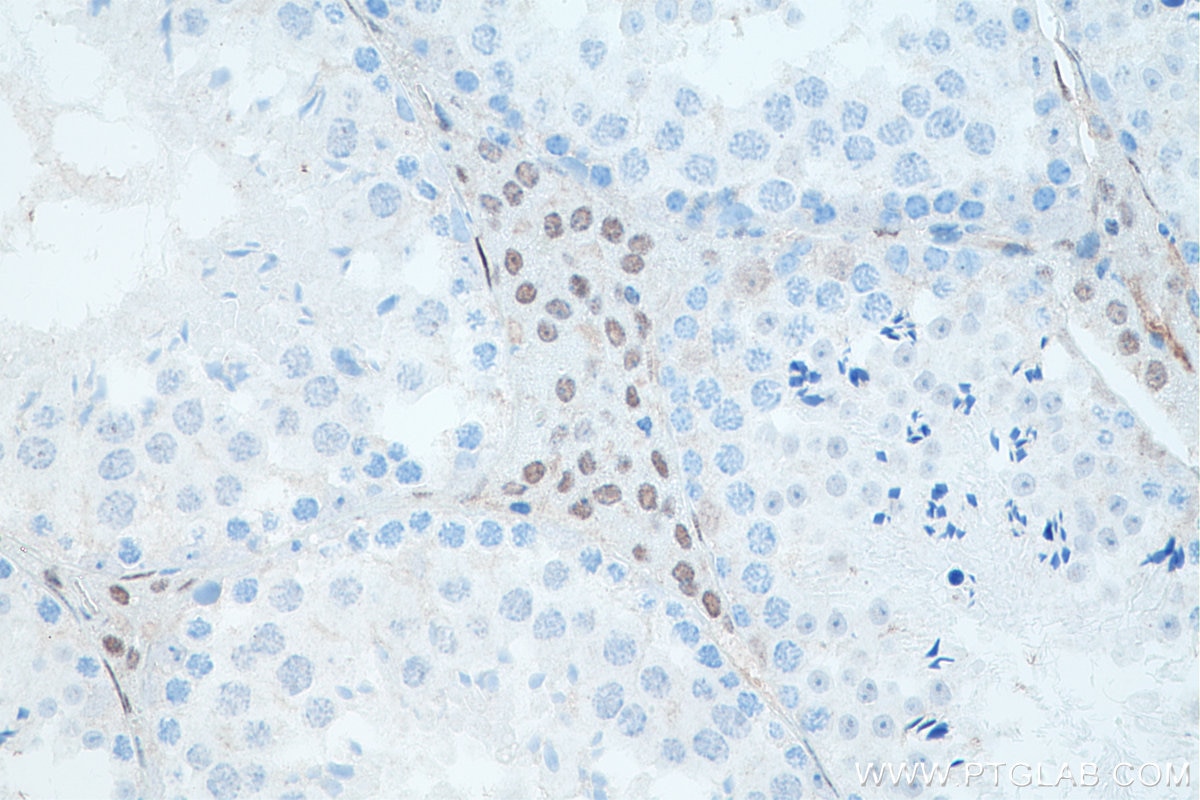
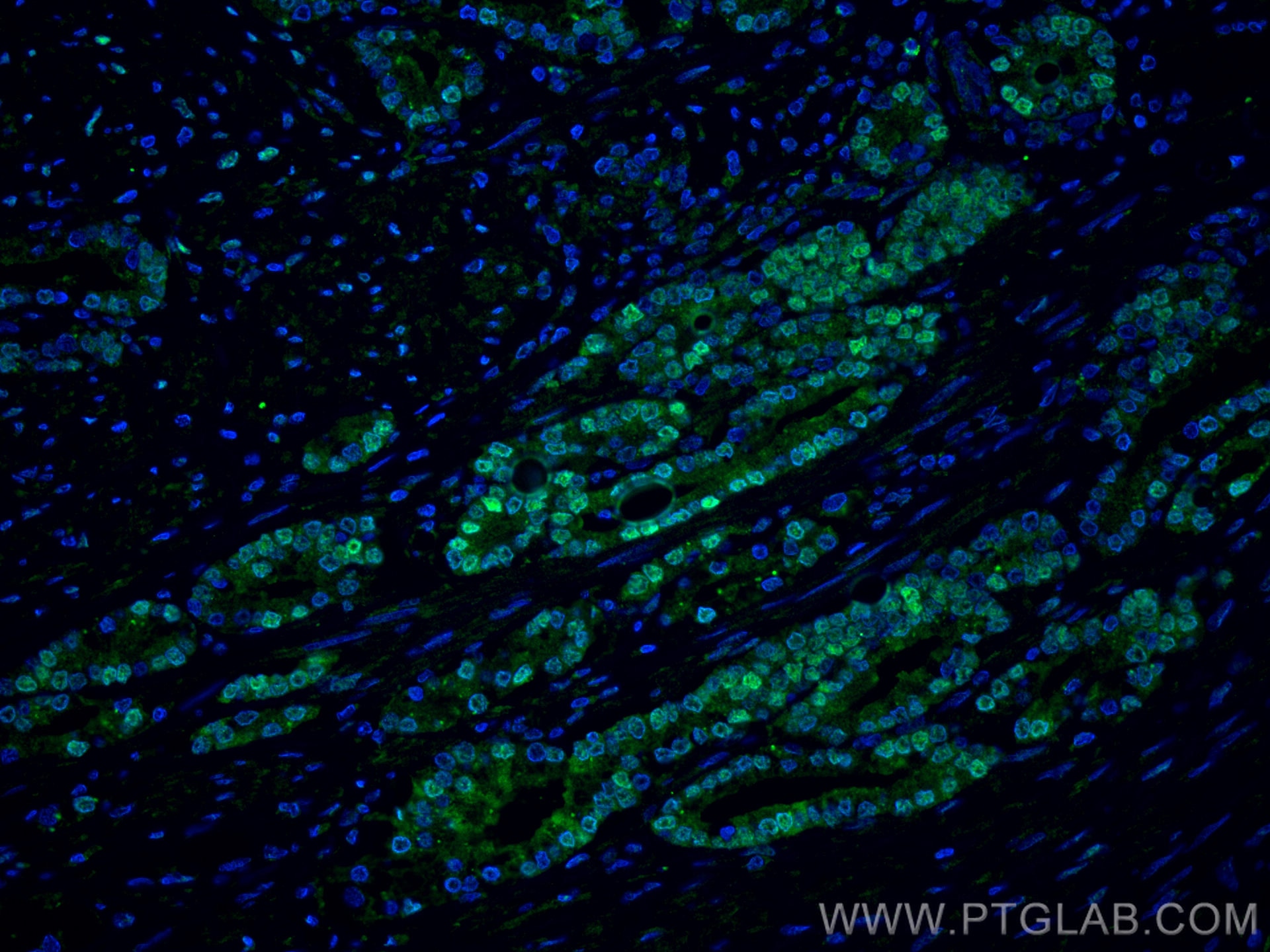
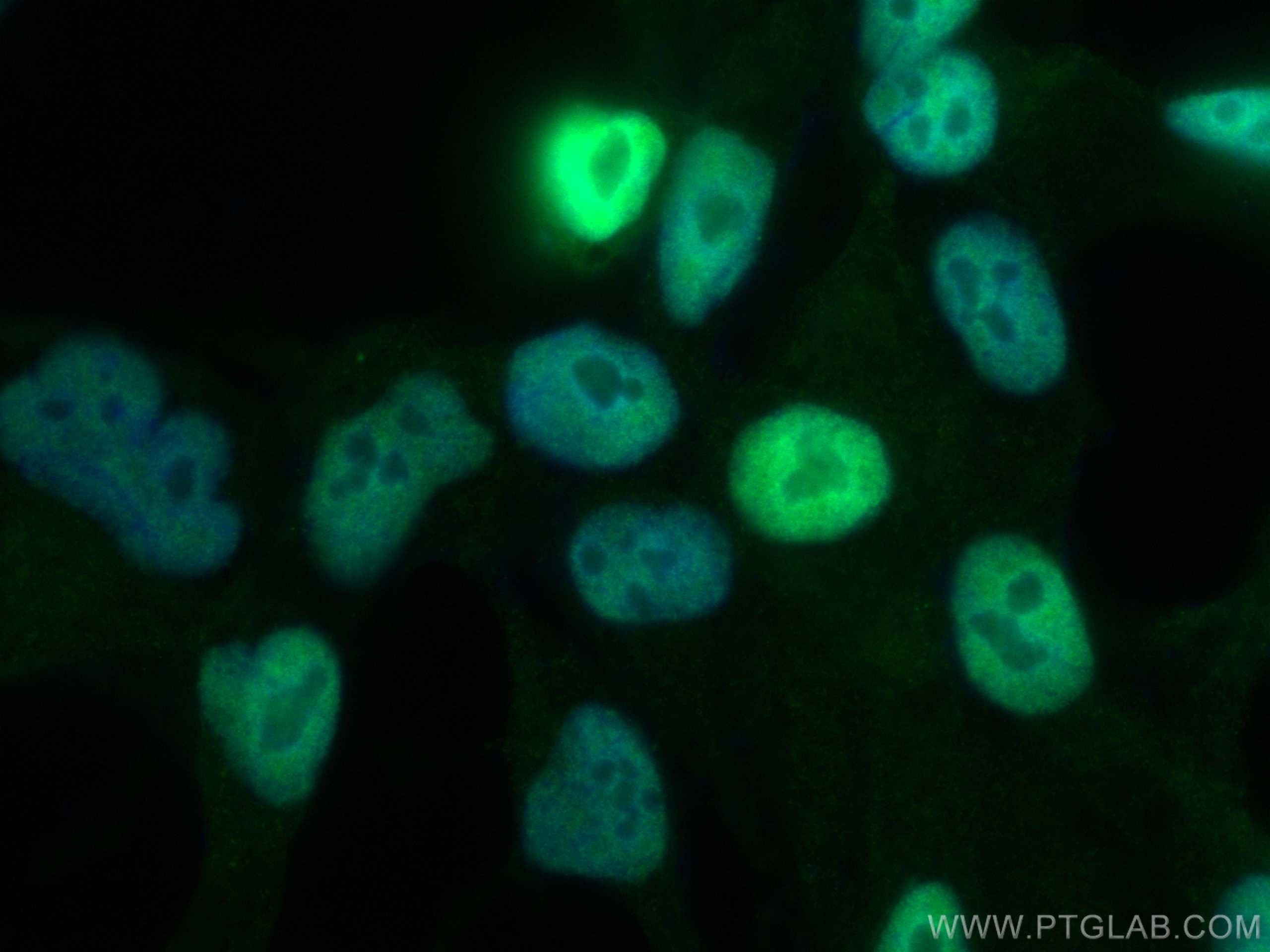

Tested Applications
| Positive WB detected in | LNCaP cells, human testis tissue, NCCIT cells |
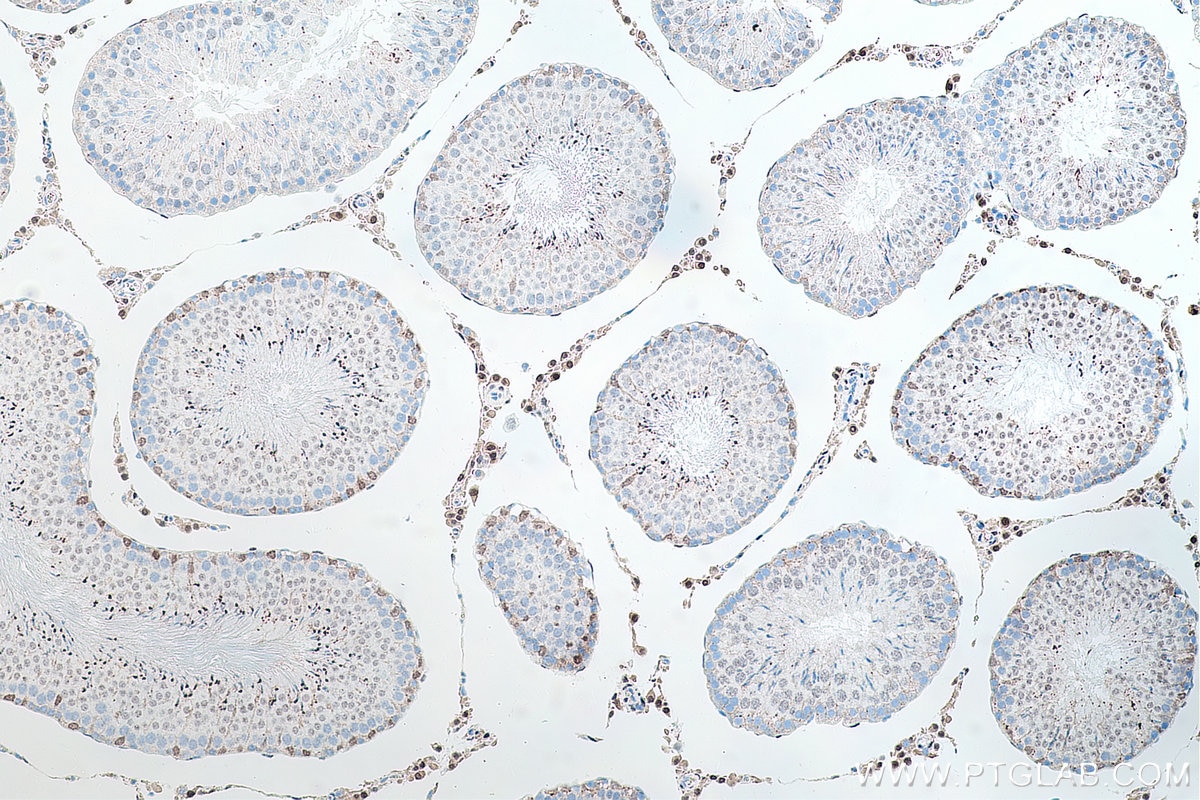
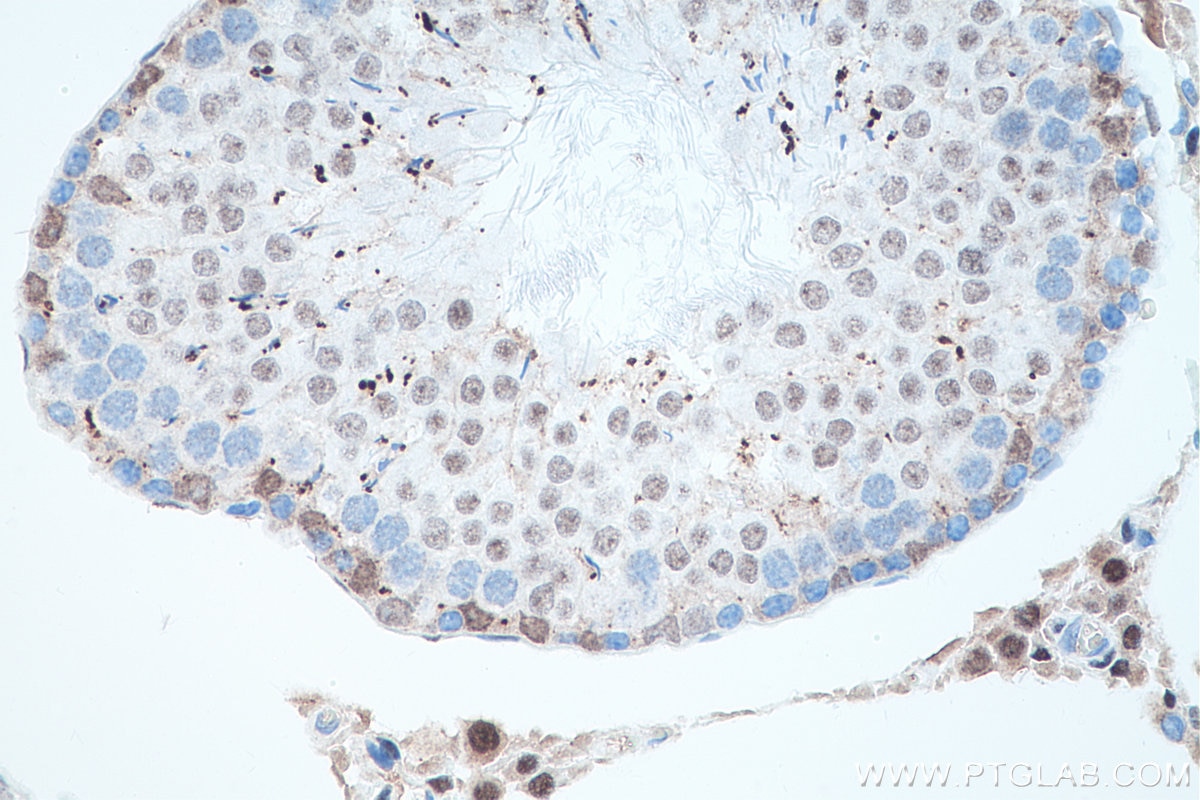
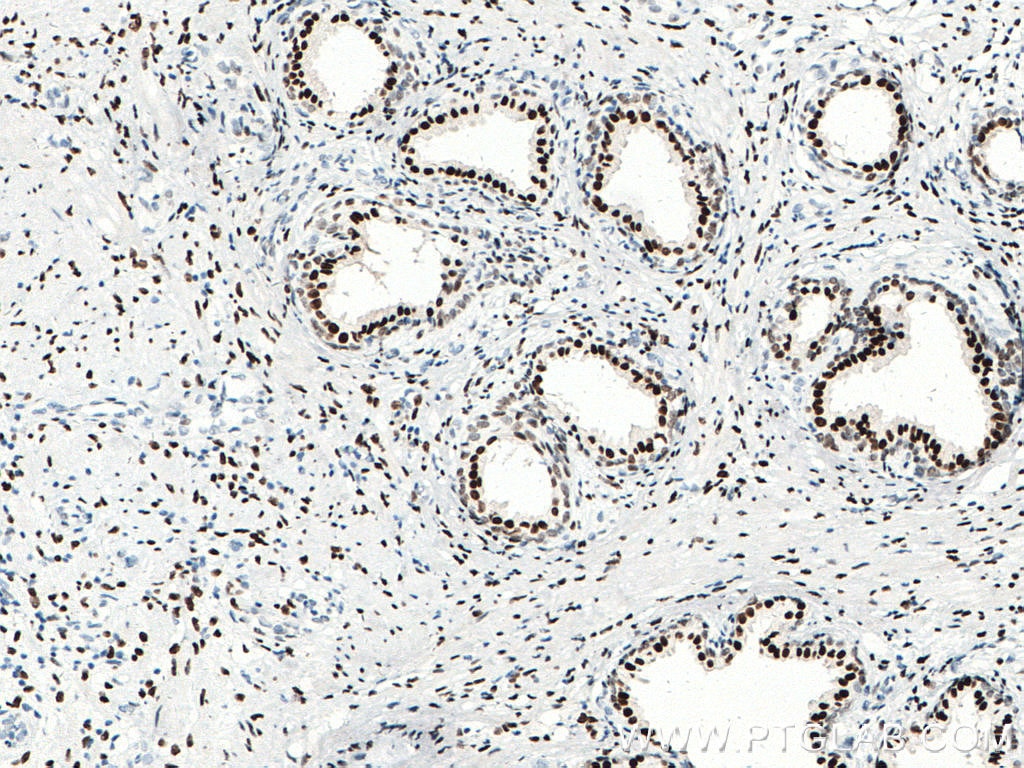
| Positive IHC detected in | human prostate cancer tissue, mouse testis tissue, rat testis tissue Note: suggested antigen retrieval with TE buffer pH 9.0; (*) Alternatively, antigen retrieval may be performed with citrate buffer pH 6.0 |
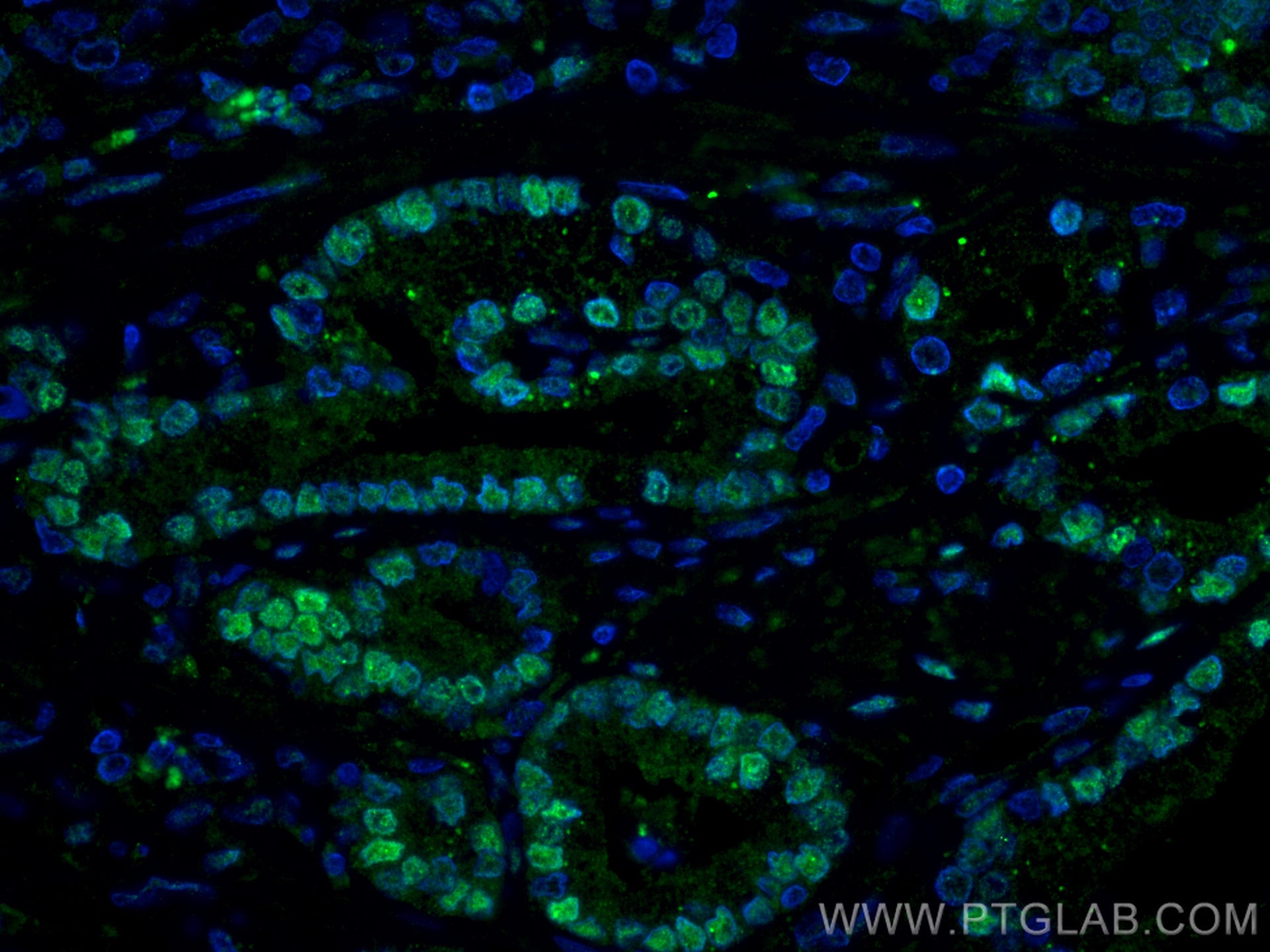
| Positive IF-P detected in | human prostate cancer tissue |
| Positive IF/ICC detected in | LNCaP cells |
Recommended dilution
| Application | Dilution |
|---|---|
| Western Blot (WB) | WB : 1:600-1:3000 |
| Immunohistochemistry (IHC) | IHC : 1:5000-1:20000 |
| Immunofluorescence (IF)-P | IF-P : 1:200-1:800 |
| Immunofluorescence (IF)/ICC | IF/ICC : 1:200-1:800 |
| It is recommended that this reagent should be titrated in each testing system to obtain optimal results. | |
| Sample-dependent, Check data in validation data gallery. | |
Product Information
66747-1-Ig targets androgen receptor in WB, IHC, IF/ICC, IF-P, IP, CoIP, ELISA applications and shows reactivity with human, mouse, rat samples.
| Tested Reactivity | human, mouse, rat |
| Cited Reactivity | human, mouse, rat, goat |
| Host / Isotype | Mouse / IgG2a |
| Class | Monoclonal |
| Type | Antibody |
| Immunogen |
CatNo: Ag17291 Product name: Recombinant human AR protein Source: e coli.-derived, PET28a Tag: 6*His Domain: 1-285 aa of BC132975 Sequence: MEVQLGLGRVYPRPPSKTYRGAFQNLFQSVREVIQNPGPRHPEAASAAPPGASLLLLQQQQQQQQQQQQQQQQQQQQQETSPRQQQQQQGEDGSPQAHRRGPTGYLVLDEEQQPSQPQSALECHPERGCVPEPGAAVAASKGLPQQLPAPPDEDDSAAPSTLSLLGPTFPGLSSCSADLKDILSEASTMQLLQQQQQEAVSEGSSSGRAREASGAPTSSKDNYLGGTSTISDNAKELCKAVSVSMGLGVEALEHLSPGEQLRGDCMYAPLLGVPPAVRPTPCAPL Predict reactive species |
| Full Name | androgen receptor |
| Calculated Molecular Weight | 914 aa, 99 kDa |
| Observed Molecular Weight | 110-120 kDa |
| GenBank Accession Number | BC132975 |
| Gene Symbol | AR |
| Gene ID (NCBI) | 367 |
| RRID | AB_2882094 |
| Conjugate | Unconjugated |
| Form | Liquid |
| Purification Method | Protein A purification |
| UNIPROT ID | P10275 |
| Storage Buffer | PBS with 0.02% sodium azide and 50% glycerol, pH 7.3. |
| Storage Conditions | Store at -20°C. Stable for one year after shipment. Aliquoting is unnecessary for -20oC storage. 20ul sizes contain 0.1% BSA. |
Background Information
AR, also named as DHTR and NR3C4, belongs to the nuclear hormone receptor family and NR3 subfamily. AR is a ligand-activated transcription factors that regulate eukaryotic gene expression and affect cellular proliferation and differentiation in target tissues. Transcription factor activity is modulated by bound coactivator and corepressor proteins. AR is activated, but not phosphorylated, by HIPK3. Defects in AR are the cause of androgen insensitivity syndrome (AIS), previously known as testicular feminization syndrome (TFM), which is an X-linked recessive form of pseudohermaphroditism due end-organ resistance to androgen. Defects in AR are the cause of spinal and bulbar muscular atrophy X-linked type 1 (SMAX1) which also known as Kennedy disease. Defects in AR may play a role in metastatic prostate cancer. Defects in AR are the cause of androgen insensitivity syndrome partial (PAIS) which also known as Reifenstein syndrome. AR exists various isoforms with MW 110-120 kDa and 75-80 kDa. (PMID: 19244107 )
Protocols
| Product Specific Protocols | |
|---|---|
| IF protocol for androgen receptor antibody 66747-1-Ig | Download protocol |
| IHC protocol for androgen receptor antibody 66747-1-Ig | Download protocol |
| WB protocol for androgen receptor antibody 66747-1-Ig | Download protocol |
| Standard Protocols | |
|---|---|
| Click here to view our Standard Protocols |
Publications
What published studies show
Anti-Androgen Receptor antibody (Cat# 66747-1-Ig) has 16 citations published in journals including Cell Stem Cell, Cancer Research, American Journal of Respiratory and Critical Care Medicine, Advanced Science, iScience, Development, and Psychoneuroendocrinology. Associated research fields span prostate cancer, androgen signaling in COVID-19, asthma, breast cancer, diabetic nephropathy, spermatogenesis, cardiac fibrosis, depression, and polycystic ovary syndrome.
| Species | Application | Title |
|---|---|---|
Cell Stem Cell Androgen Signaling Regulates SARS-CoV-2 Receptor Levels and Is Associated with Severe COVID-19 Symptoms in Men. | ||
Cancer Res Malonyl-CoA Promotes Prostate Cancer Progression and Castration Resistance by Enhancing Lipogenesis and Ran Activation. | ||
Am J Respir Crit Care Med Benefits of Airway Androgen Receptor Expression in Human Asthma | ||
Adv Sci (Weinh) Proteogenomic Landscape of Breast Ductal Carcinoma Reveals Tumor Progression Characteristics and Therapeutic Targets | ||
Cell Commun Signal Marine trichodermamide B inhibits prostate cancer progression via catalase inhibition-induced apoptosis. | ||
Int J Biol Macromol Harnessing machine learning and multi-omics to explore tumor evolutionary characteristics and the role of AMOTL1 in prostate cancer |















