
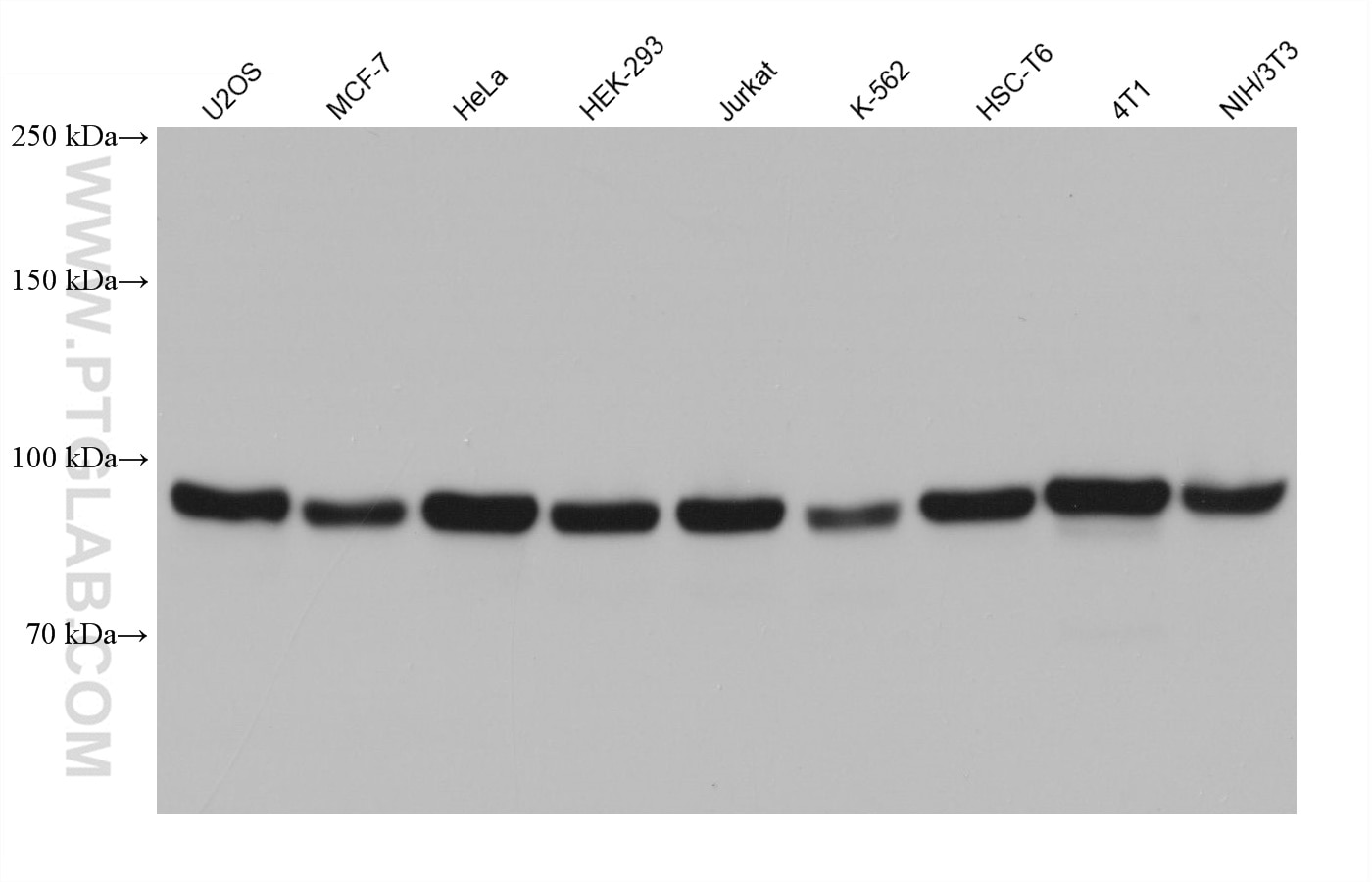
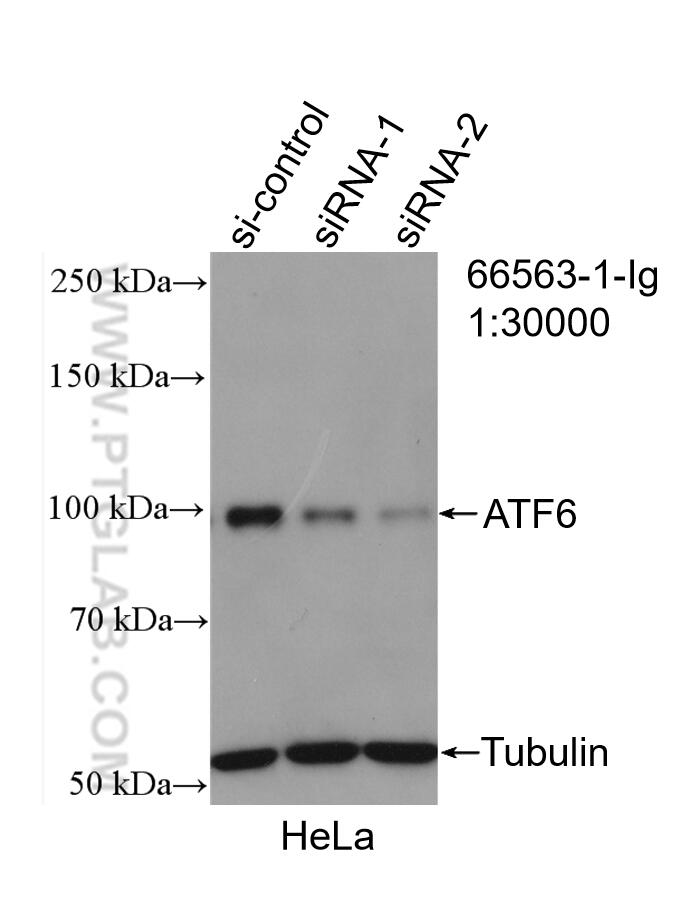
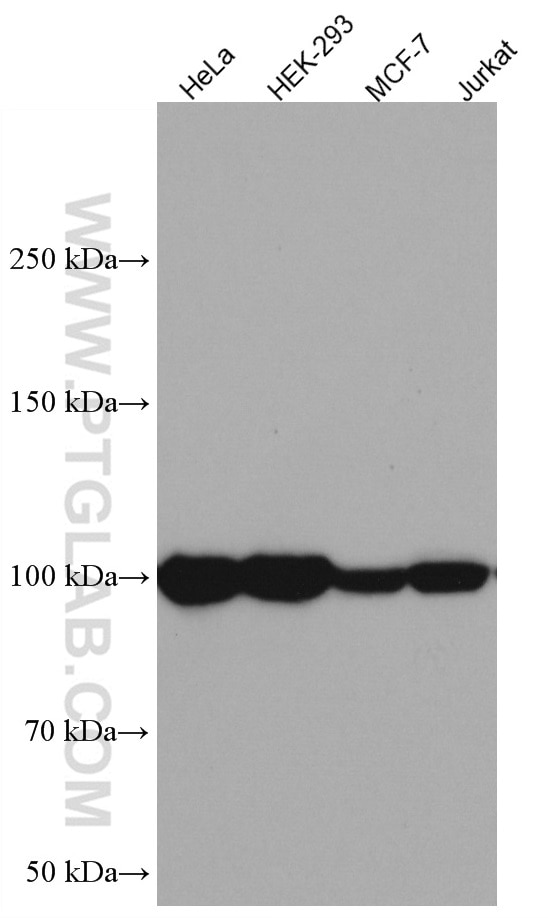
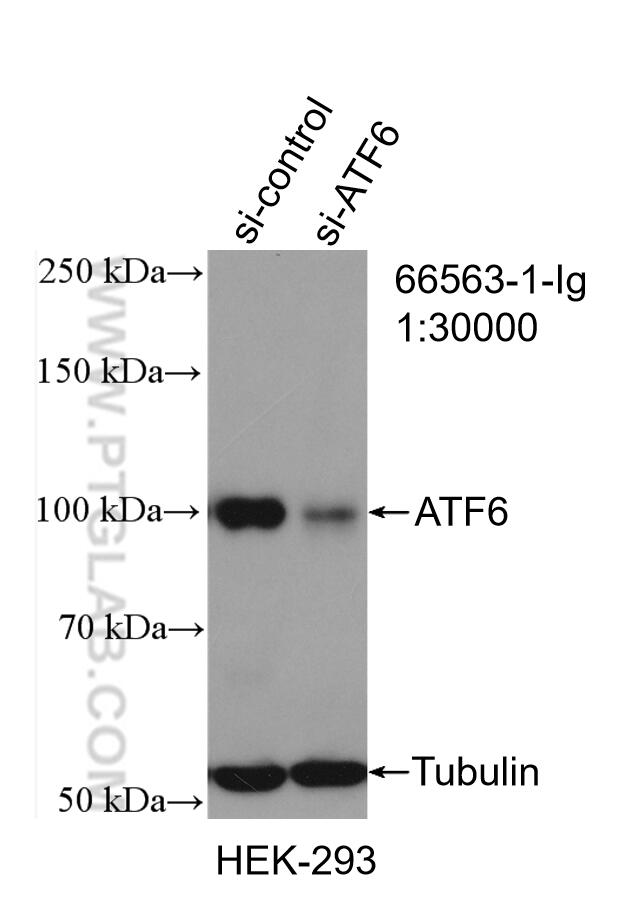

Tested Applications
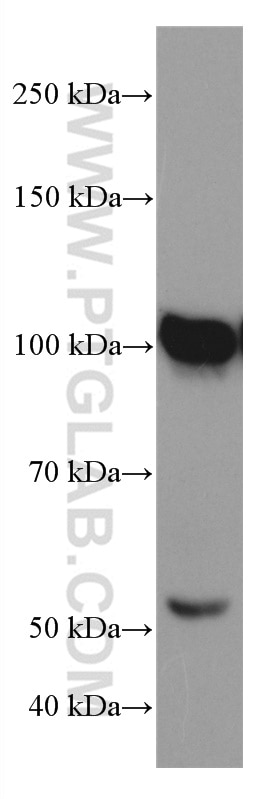
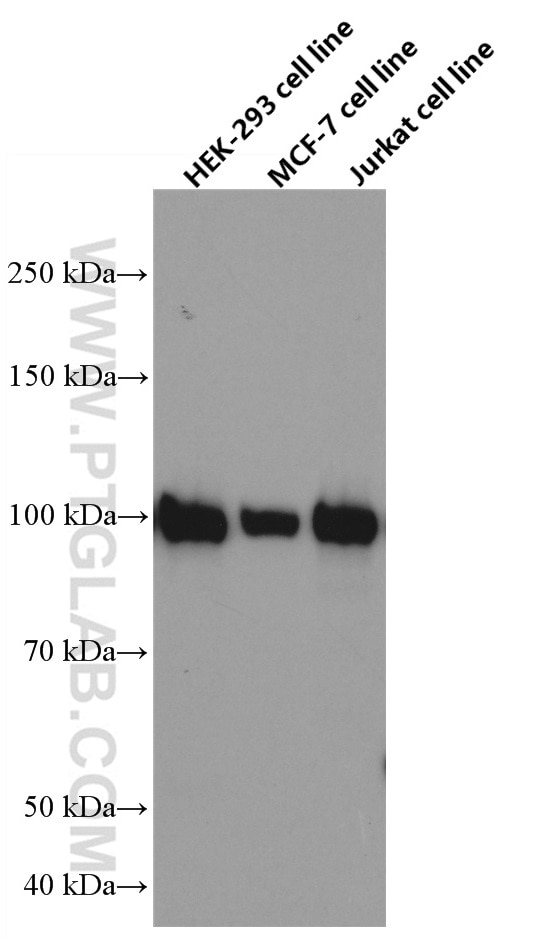
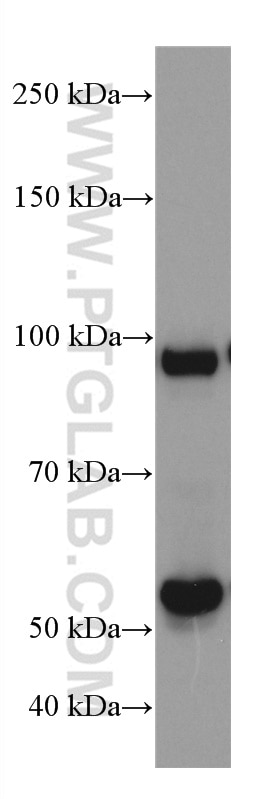
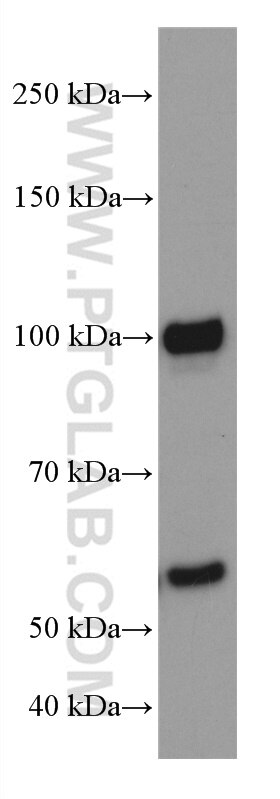
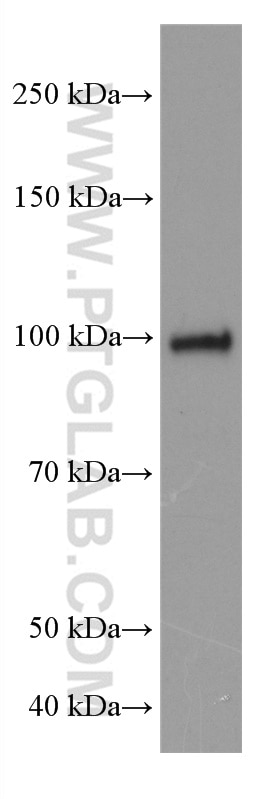
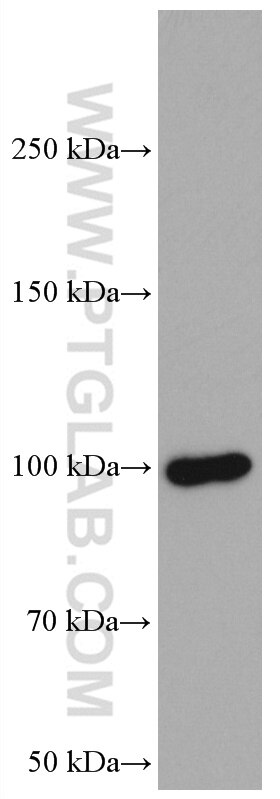
| Positive WB detected in | U2OS cells, HeLa cells, HEK-293 cells, 4T1 cells, HSC-T6 cells, NIH/3T3 cells, RAW 264.7 cells, MCF-7 cells, Jurkat cells, K-562 cells |
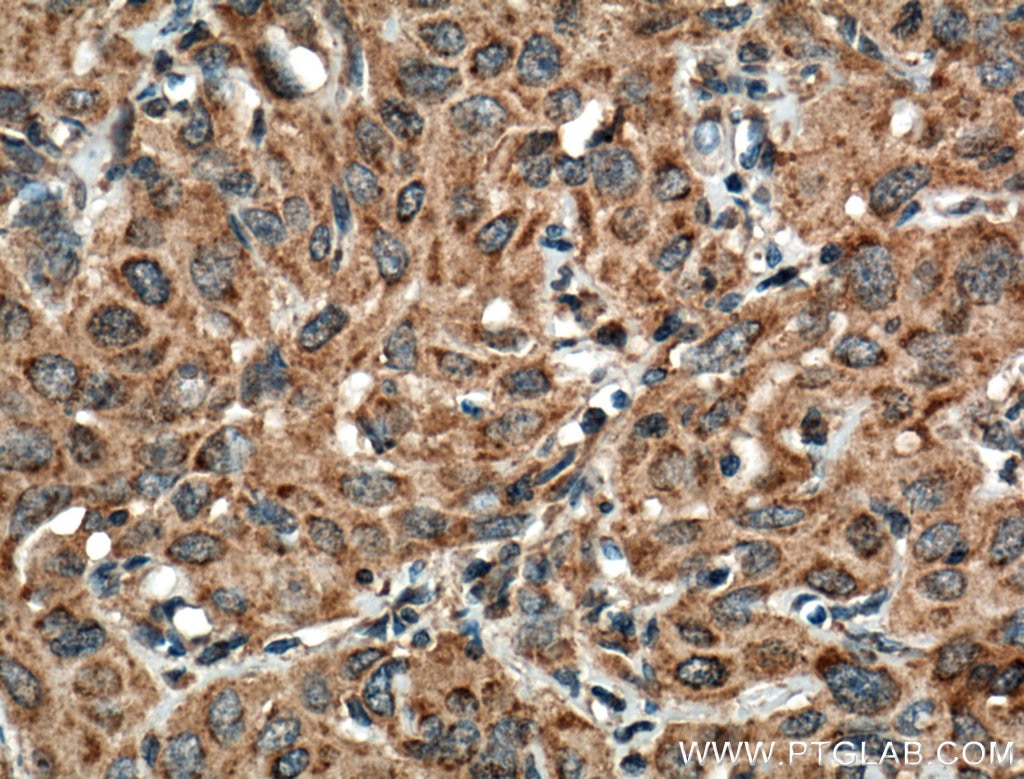
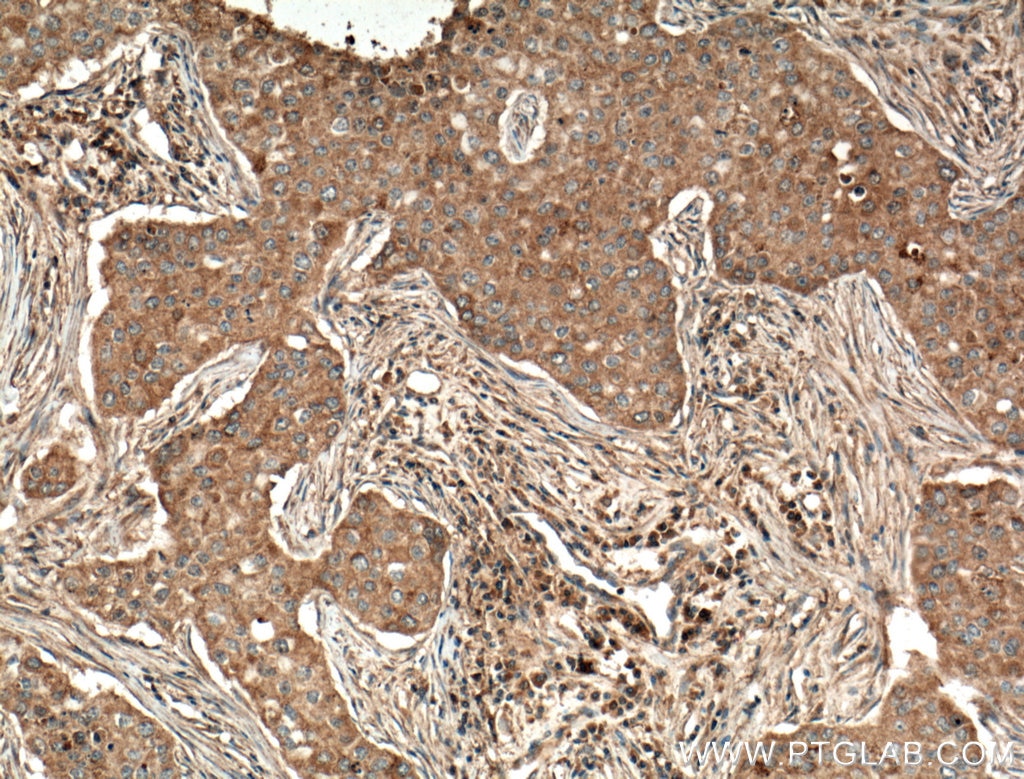
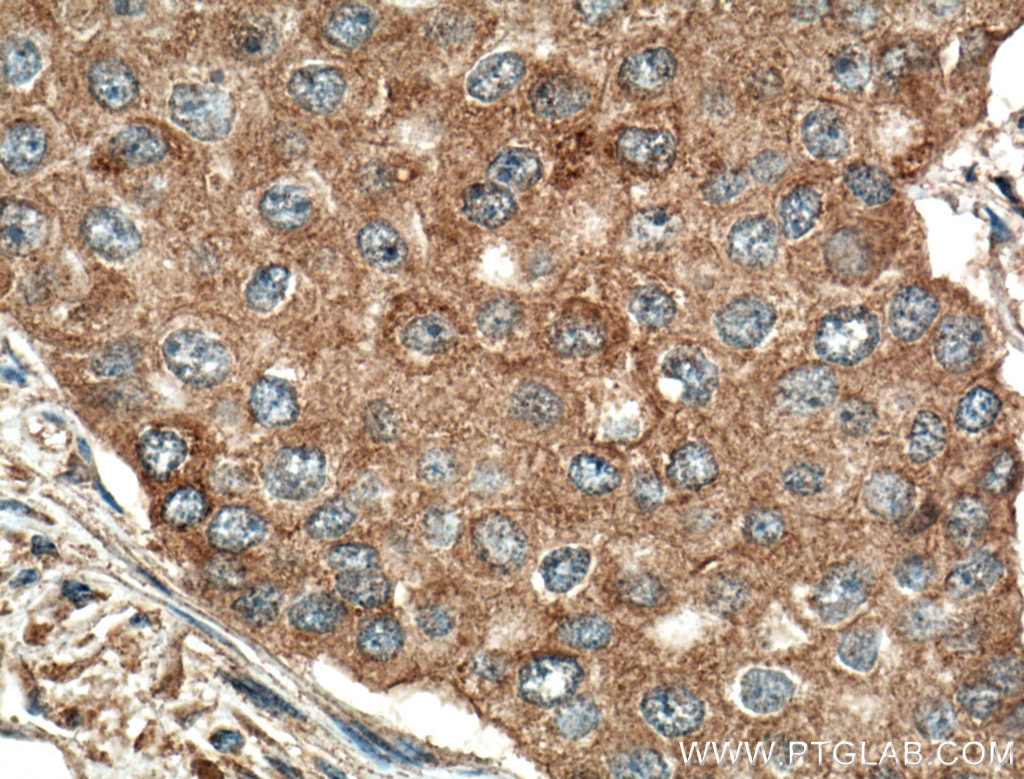
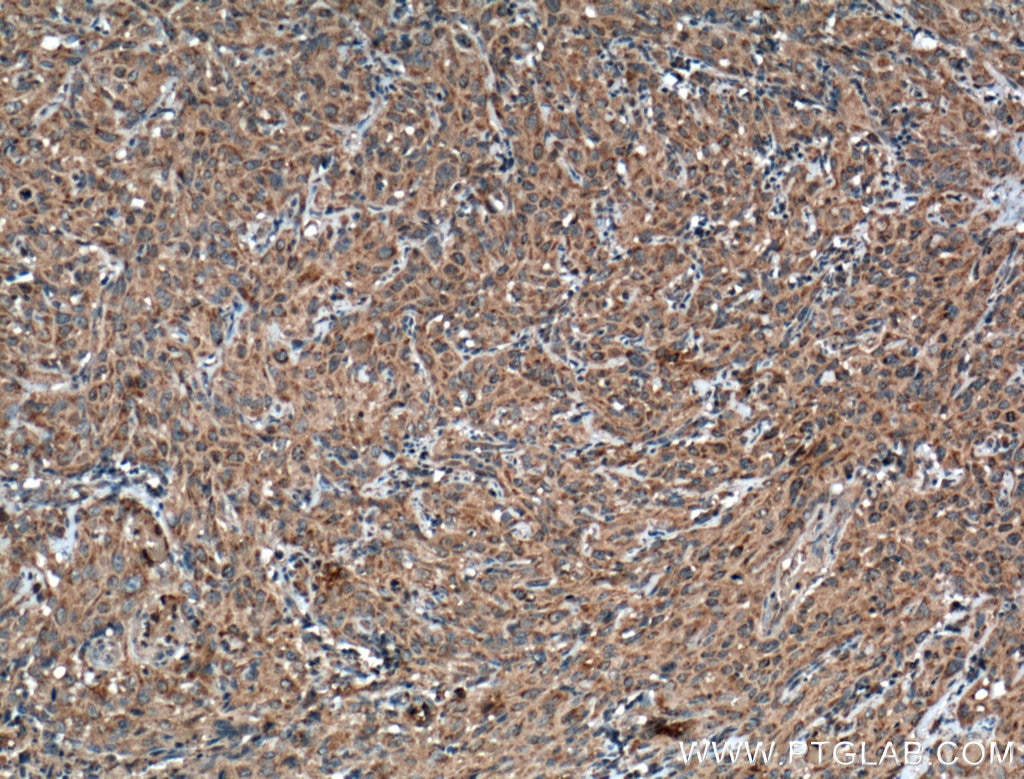
| Positive IHC detected in | human cervical cancer tissue, human breast cancer tissue Note: suggested antigen retrieval with TE buffer pH 9.0; (*) Alternatively, antigen retrieval may be performed with citrate buffer pH 6.0 |
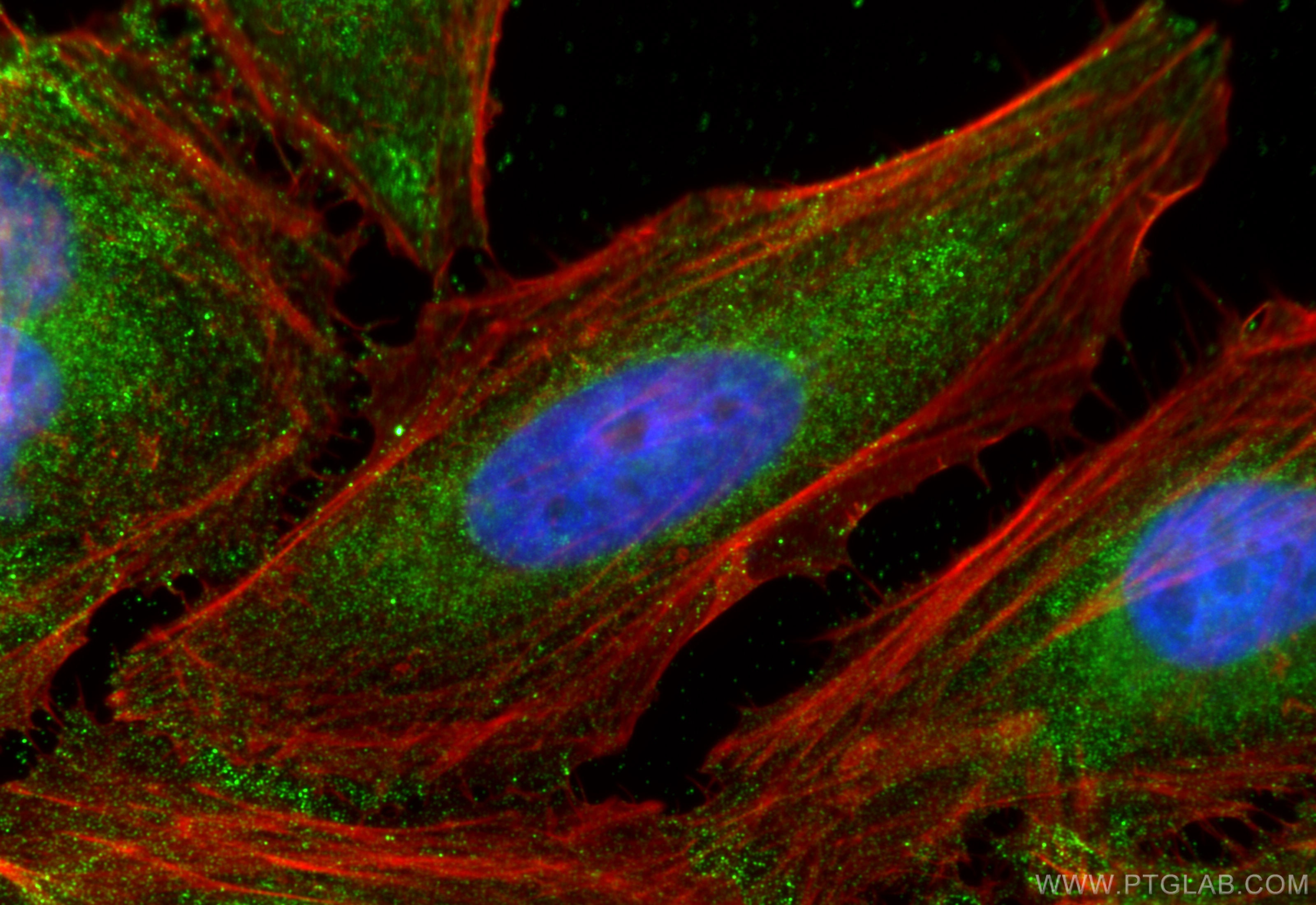
| Positive IF/ICC detected in | HeLa cells |
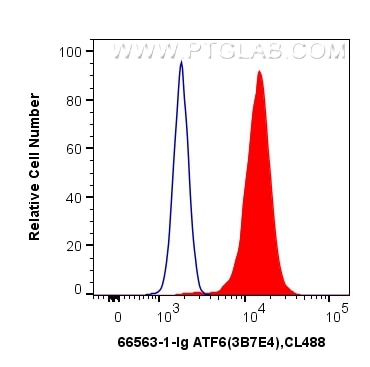
| Positive FC (Intra) detected in | HeLa cells |
Recommended dilution
| Application | Dilution |
|---|---|
| Western Blot (WB) | WB : 1:5000-1:50000 |
| Immunohistochemistry (IHC) | IHC : 1:250-1:1000 |
| Immunofluorescence (IF)/ICC | IF/ICC : 1:400-1:1600 |
| Flow Cytometry (FC) (INTRA) | FC (INTRA) : 0.40 ug per 10^6 cells in a 100 µl suspension |
| It is recommended that this reagent should be titrated in each testing system to obtain optimal results. | |
| Sample-dependent, Check data in validation data gallery. | |
Product Information
66563-1-Ig targets ATF6 in WB, IHC, IF/ICC, FC (Intra), ELISA applications and shows reactivity with human, mouse, rat samples.
| Tested Reactivity | human, mouse, rat |
| Cited Reactivity | human, mouse, rat, pig |
| Host / Isotype | Mouse / IgG1 |
| Class | Monoclonal |
| Type | Antibody |
| Immunogen |
CatNo: Ag21456 Product name: Recombinant human ATF6 protein Source: e coli.-derived, PGEX-4T Tag: GST Domain: 1-194 aa of BC014969 Sequence: MGEPAGVAGTMESPFSPGLFHRLDEDWDSALFAELGYFTDTDELQLEAANETYENNFDNLDFDLDLVPWESDIWDINNQICTVKDIKAEPQPLSPASSSYSVSSPRSVDSYSSTQHVPEELDLSSSSQMSPLSLYGENSNSLSSAEPLKEDKPVTGPRNKTENGLTPKKKIQVNSKPSIQPKPLLLPAAPKTQT Predict reactive species |
| Full Name | activating transcription factor 6 |
| Calculated Molecular Weight | 75 kDa |
| Observed Molecular Weight | 90-100 kDa |
| GenBank Accession Number | BC014969 |
| Gene Symbol | ATF6 |
| Gene ID (NCBI) | 22926 |
| RRID | AB_2881924 |
| Conjugate | Unconjugated |
| Form | Liquid |
| Purification Method | Protein G purification |
| UNIPROT ID | P18850 |
| Storage Buffer | PBS with 0.02% sodium azide and 50% glycerol, pH 7.3. |
| Storage Conditions | Store at -20°C. Stable for one year after shipment. Aliquoting is unnecessary for -20oC storage. 20ul sizes contain 0.1% BSA. |
Background Information
Activating transcription factor 6 (ATF6) is a transcription factor that acts during endoplasmic reticulum stress by activating unfolded protein response target genes. ATF6 is the common name for this protein, sometimes also called ATF6A, to distinguish it from the paralogous gene ATF6B. The genes for ATF6A and ATF6B are located on different chromosomes. Binds DNA on the 5'-CCAC[GA]-3'half of the ER stress response element (ERSE) (5'-CCAAT-N(9)-CCAC[GA]-3') and of ERSE II (5'-ATTGG-N-CCACG-3'). Binding to ERSE requires binding of NF-Y to ERSE. Could also be involved in activation of transcription by the serum response factor.During unfolded protein response an approximative 50 kDa fragment containing the cytoplasmic transcription factor domain is released by proteolysis. The cleavage seems to be performed sequentially by site-1 and site-2 proteases. The fully glycosylated form of ATF6, a 670 amino acid protein, exhibits an electrophoretic mobility of ~90 kDa in denaturing SDS-gels, in part because of the glycosylated modifications. ATF6 has 3 consensus sites for N-linked glycosylation and exists constitutively as a glycosylated protein. Differentially glycosylated ATF6 forms may result from mutations or experimental treatment (PMID:15804611) (PMID:14699159). The antibody recognizes cleaved and fully glycosylated forms of ATF6.
Protocols
| Product Specific Protocols | |
|---|---|
| FC protocol for ATF6 antibody 66563-1-Ig | Download protocol |
| IF protocol for ATF6 antibody 66563-1-Ig | Download protocol |
| IHC protocol for ATF6 antibody 66563-1-Ig | Download protocol |
| WB protocol for ATF6 antibody 66563-1-Ig | Download protocol |
| Standard Protocols | |
|---|---|
| Click here to view our Standard Protocols |
Publications
What published studies show
ATF6 Monoclonal antibody (3B7E4), catalog number 66563-1-Ig, has 55 citations published in journals including Nature Communications, Journal of Advanced Research, Advanced Science, Biomaterials, Cell Reports, Free Radical Biology and Medicine, Molecular Cancer Research, and others. Research fields span endoplasmic reticulum stress, unfolded protein response, cancer biology, neurodegeneration, diabetes, fibrosis, inflammation, oxidative stress, apoptosis, autophagy, glycosylation, liver disease, and cardiovascular disease.
| Species | Application | Title |
|---|---|---|
Protein Cell POST1/C12ORF49 regulates the SREBP pathway by promoting site-1 protease maturation. | ||
Nat Commun Natural photosynthetic system for restoring homeostasis of animal organelle interaction network. | ||
Nat Commun OSGEP regulates islet β-cell function by modulating proinsulin translation and maintaining ER stress homeostasis in mice | ||
Nat Commun A small molecule VDAC ligand inhibits ERAD and induces selective cancer cell death via disruption of calcium homeostasis. | ||
J Adv Res Endothelial cells secrete small extracellular vesicles to promote neuron endoplasmic reticulum stress injury via miR-146a-5p/Eif4g2 axis in ischemic stroke | ||
J Adv Res Impaired stemness in aging periodontal ligament stem cells is mediated by the progerin/endoplasmic reticulum stress/p53 axis |
Reviews
What customers say
This product has one verified review with a 5-star rating. The reviewer used it for Western Blot on HEPG2A cells at a 1:500 dilution (lot 10031826) and reported a positive result, though no written comments were provided. Overall, the single review reflects full satisfaction with the antibody's performance in WB applications.
The reviews below have been submitted by verified Proteintech customers who received an incentive for providing their feedback.
Vignesh (Verified Customer) (09-19-2025) |
|

















