

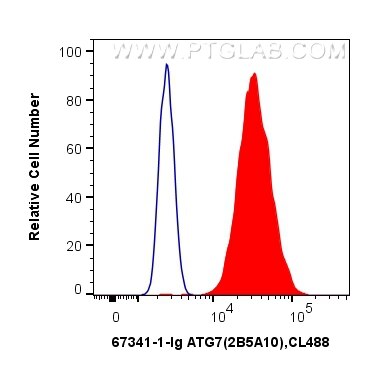

Tested Applications
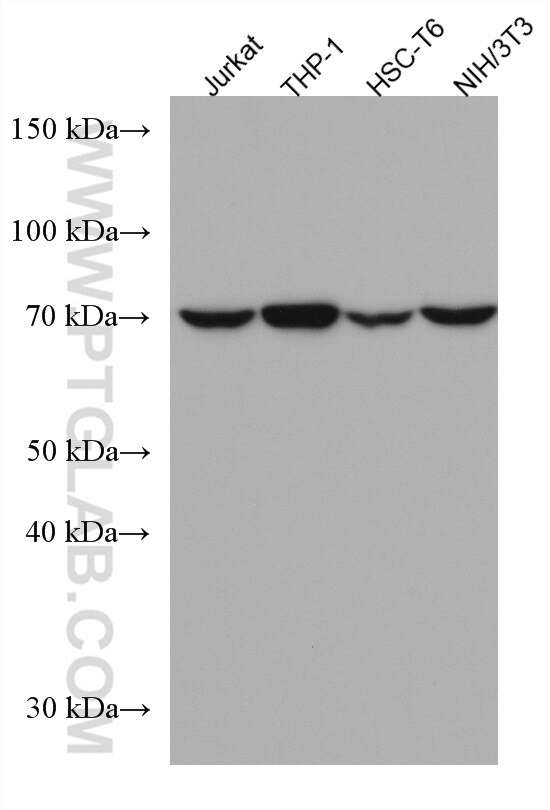
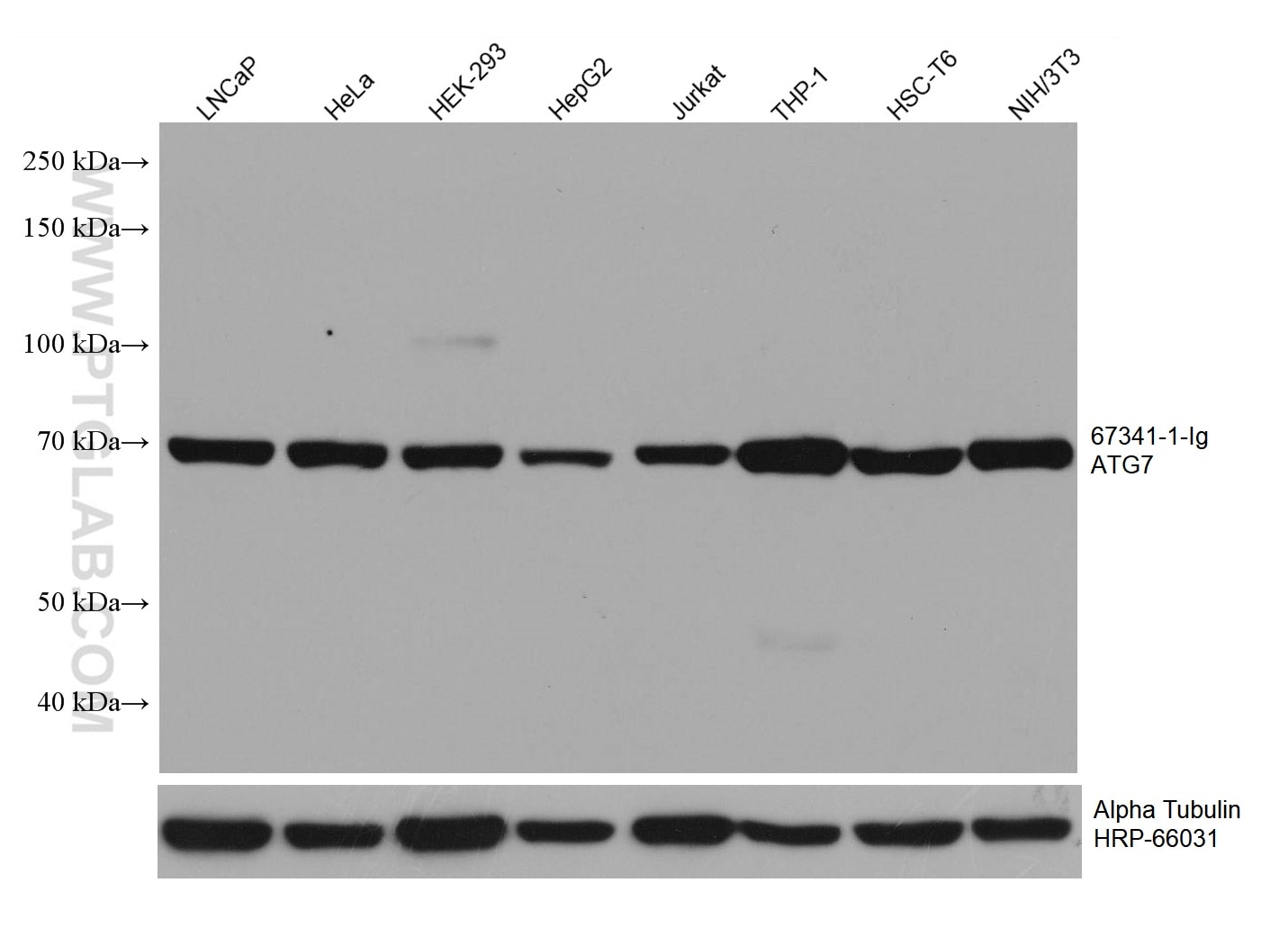
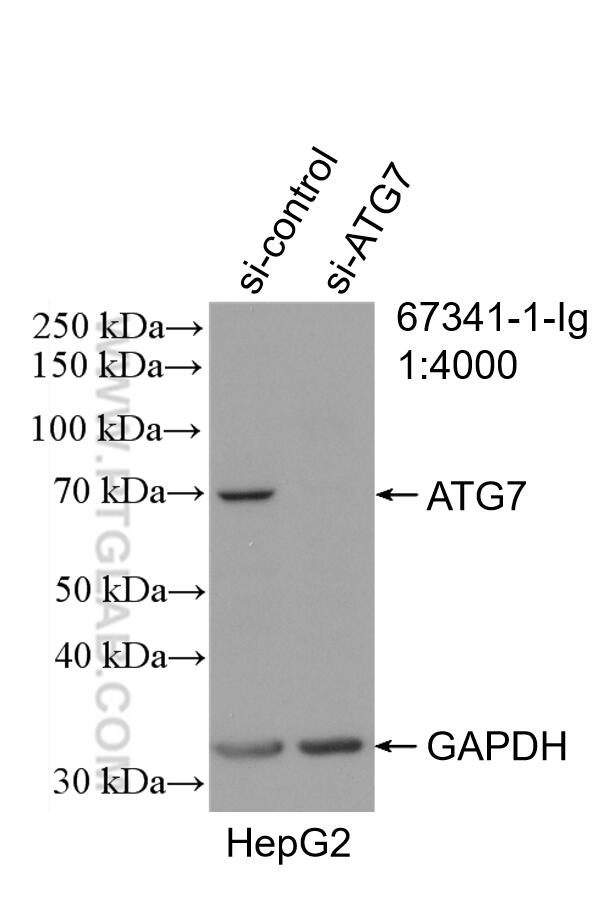
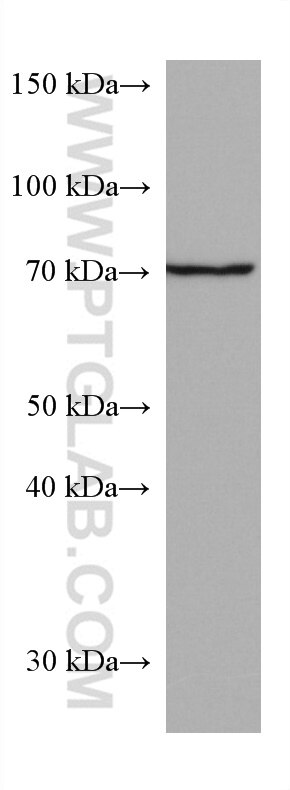
| Positive WB detected in | LNCaP cells, Jurkat cells, pig spleen tissue, HepG2 cells, 4T1 cells, HeLa cells, THP-1 cells, HSC-T6 cells, NIH/3T3 cells, HEK-293 cells |
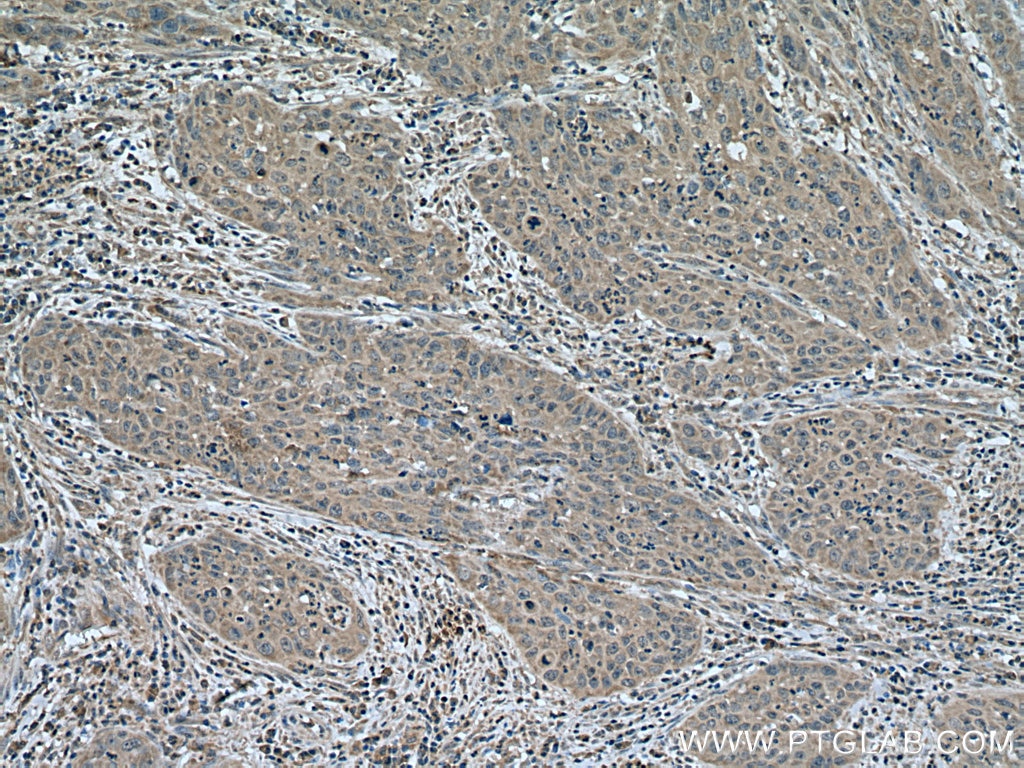
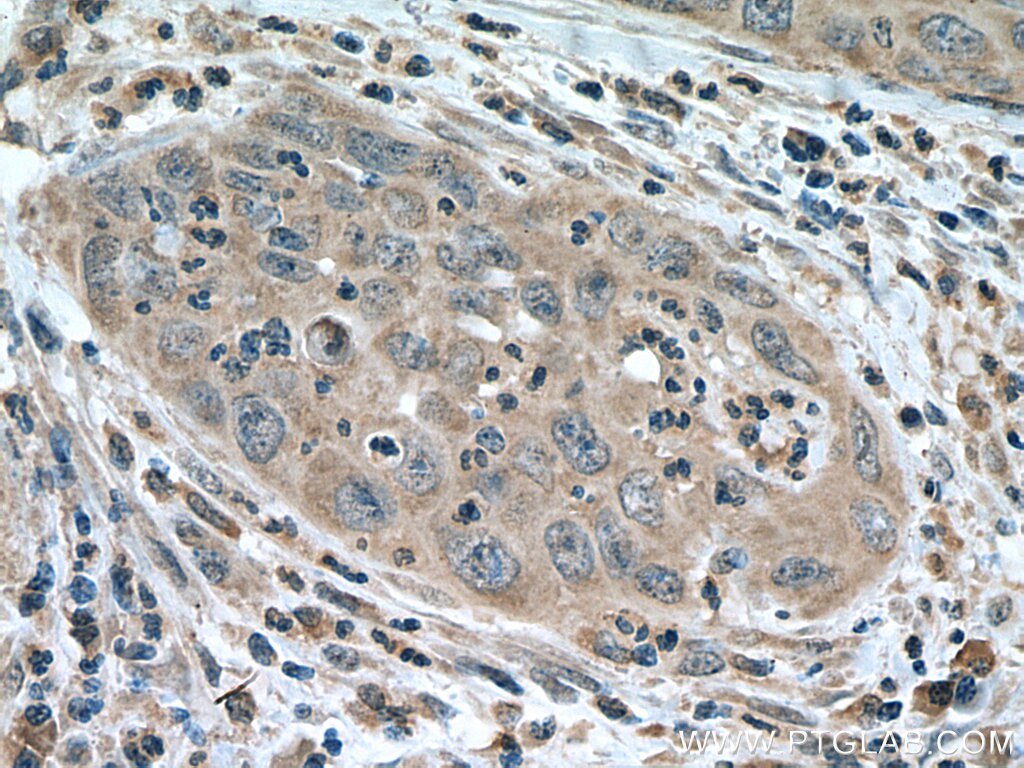
| Positive IHC detected in | human cervical cancer tissue Note: suggested antigen retrieval with TE buffer pH 9.0; (*) Alternatively, antigen retrieval may be performed with citrate buffer pH 6.0 |
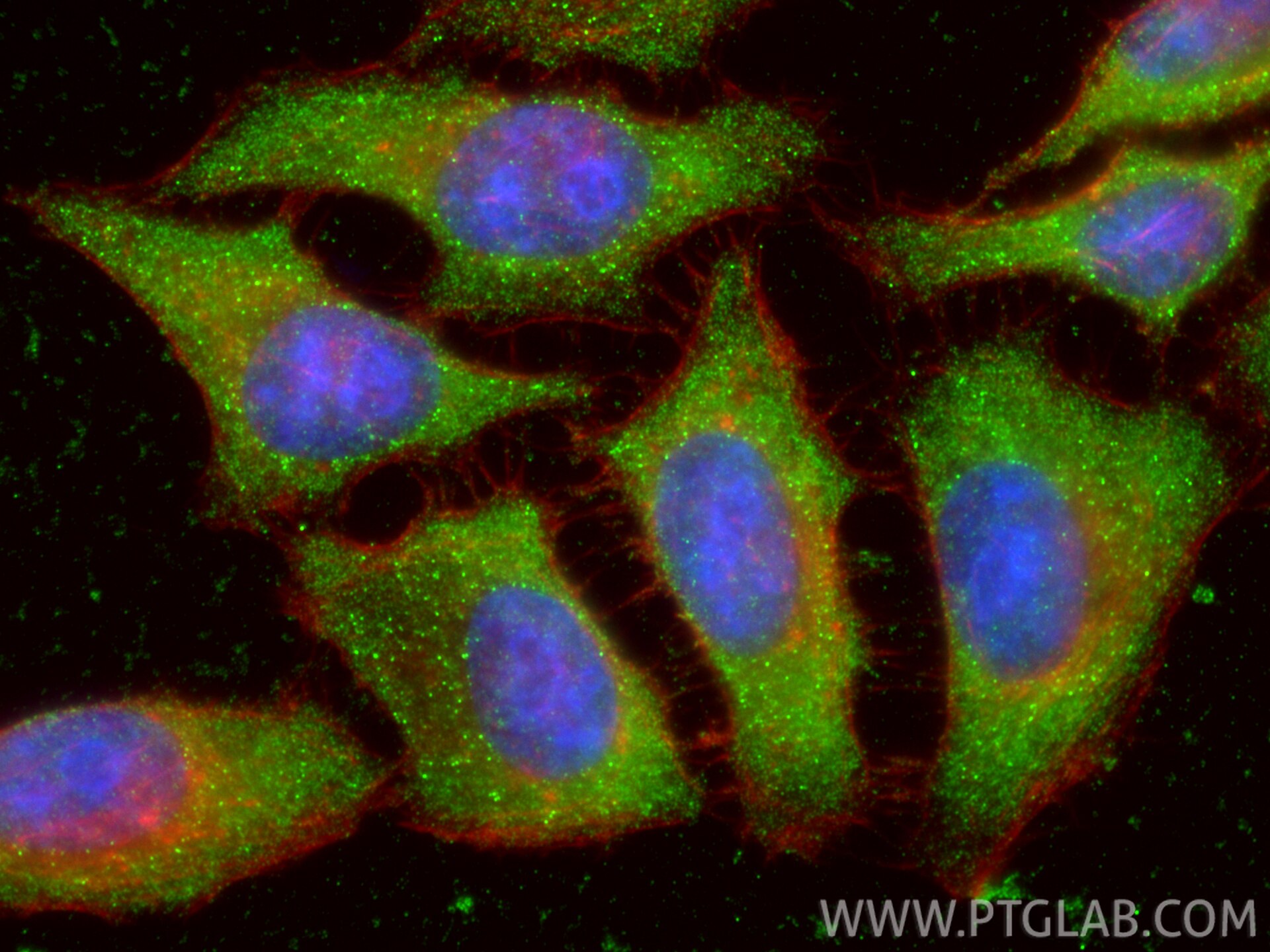
| Positive IF/ICC detected in | HepG2 cells |
| Positive FC (Intra) detected in | HeLa cells |
Recommended dilution
| Application | Dilution |
|---|---|
| Western Blot (WB) | WB : 1:5000-1:50000 |
| Immunohistochemistry (IHC) | IHC : 1:500-1:2000 |
| Immunofluorescence (IF)/ICC | IF/ICC : 1:200-1:800 |
| Flow Cytometry (FC) (INTRA) | FC (INTRA) : 0.50 ug per 10^6 cells in a 100 µl suspension |
| It is recommended that this reagent should be titrated in each testing system to obtain optimal results. | |
| Sample-dependent, Check data in validation data gallery. | |
Product Information
67341-1-Ig targets ATG7 in WB, IHC, IF/ICC, FC (Intra), IP, ELISA applications and shows reactivity with human, mouse, rat, pig samples.
| Tested Reactivity | human, mouse, rat, pig |
| Cited Reactivity | human, mouse, rat, canine |
| Host / Isotype | Mouse / IgG2a |
| Class | Monoclonal |
| Type | Antibody |
| Immunogen |
CatNo: Ag29172 Product name: Recombinant human ATG7 protein Source: e coli.-derived, PET28a Tag: 6*His Domain: 451-676 aa of BC000091 Sequence: LEQARRDVEQLEQLIESHDVVFLLMDTRESRWLPAVIAASKRKLVINAALGFDTFVVMRHGLKKPKQQGAGDLCPNHPVASADLLGSSLFANIPGYKLGCYFCNDVVAPGDSTRDRTLDQQCTVSRPGLAVIAGALAVELMVSVLQHPEGGYAIASSSDDRMNEPPTSLGLVPHQVLDQYEREGFNFLAKVFNSSHSFLEDLTGLTLLHQETQAAEIWDMSDDETI Predict reactive species |
| Full Name | ATG7 autophagy related 7 homolog (S. cerevisiae) |
| Calculated Molecular Weight | 78 kDa |
| Observed Molecular Weight | 68-78 kDa |
| GenBank Accession Number | BC000091 |
| Gene Symbol | ATG7 |
| Gene ID (NCBI) | 10533 |
| RRID | AB_2882599 |
| Conjugate | Unconjugated |
| Form | Liquid |
| Purification Method | Protein A purification |
| UNIPROT ID | O95352 |
| Storage Buffer | PBS with 0.02% sodium azide and 50% glycerol, pH 7.3. |
| Storage Conditions | Store at -20°C. Stable for one year after shipment. Aliquoting is unnecessary for -20oC storage. 20ul sizes contain 0.1% BSA. |
Background Information
Atg7 is an E1-like enzyme that is specifically involved in autophagosome formation and is essential for autophagy. As an autophagic-related protein it is required for linking to Atg12, Atg5 and Atg8, which are essential for Atg conjugation and autophagosome formation. Atg7 has been reported as an important regulator of autophagy with starvation-induced or chemotherapeutic agent treatment. The high expression level of ATG7 is related to the survival of patients with breast cancer. There are several isoforms of ATG7 protein ranged from 68 kDa to 78 kDa.
Protocols
| Product Specific Protocols | |
|---|---|
| FC protocol for ATG7 antibody 67341-1-Ig | Download protocol |
| IF protocol for ATG7 antibody 67341-1-Ig | Download protocol |
| IHC protocol for ATG7 antibody 67341-1-Ig | Download protocol |
| WB protocol for ATG7 antibody 67341-1-Ig | Download protocol |
| Standard Protocols | |
|---|---|
| Click here to view our Standard Protocols |
Publications
What published studies show
Anti-ATG7 (Cat# 67341-1-Ig) has 54 total citations across journals including Nature, Molecular Cancer, Autophagy, ACS Nano, Advanced Science, Cell Death & Disease, Small, Cell Reports, mBio, and others. Research fields span autophagy regulation, oncology (pancreatic, lung, breast, gastric, ovarian, glioma), neurodegeneration, liver injury, aging/senescence, viral infection, cardiovascular disease, bone biology, and metabolic disorders. Applications are predominantly Western blot, with some IF, IHC, and IP.
| Species | Application | Title |
|---|---|---|
Mol Cancer LAMTOR1 decreased exosomal PD-L1 to enhance immunotherapy efficacy in non-small cell lung cancer | ||
Autophagy WNT2B impairs endosomal trafficking via WASHC5 to inhibit autophagy: a novel non-secretory WNT pathway. | ||
Autophagy TRIM16 mediates secretory autophagy in head and neck cancer-associated fibroblasts | ||
Autophagy A bacterial RING ubiquitin ligase triggering stepwise degradation of BRISC via TOLLIP-mediated selective autophagy manipulates host inflammatory response |
Reviews
What customers say
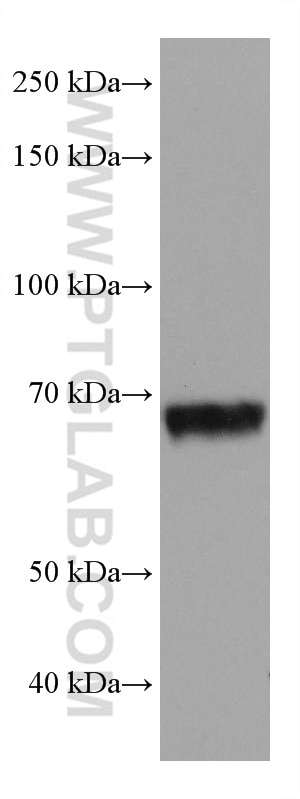
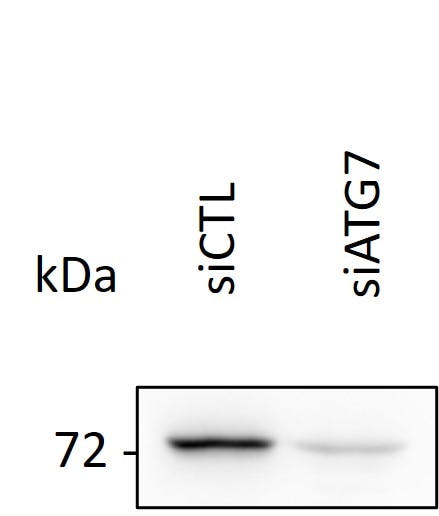
One reviewer (Margaux V.) rated this antibody 5 out of 5 stars. She used it at a 1/5000 dilution for Western Blot on HeLa cells and reported that it worked very well. The review was posted in June 2025 with an accompanying image. Overall, the feedback is positive, indicating strong performance in WB applications.
The reviews below have been submitted by verified Proteintech customers who received an incentive for providing their feedback.
Margaux (Verified Customer) (06-20-2025) | Used at 1/5000 for western-blot in HeLa cells. It worked very well.
 |











