

Tested Applications
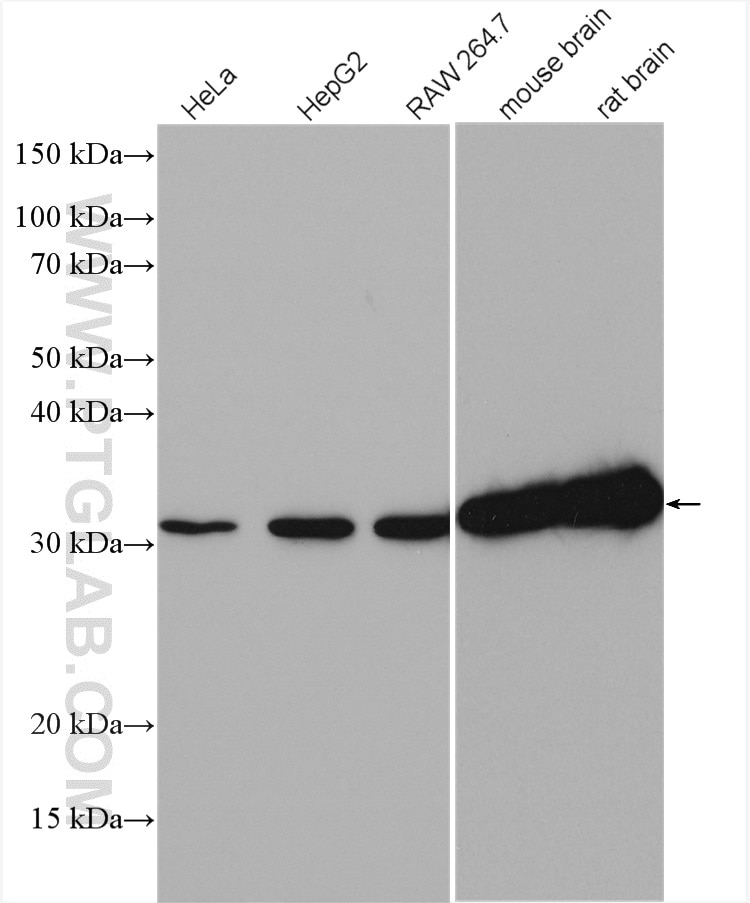
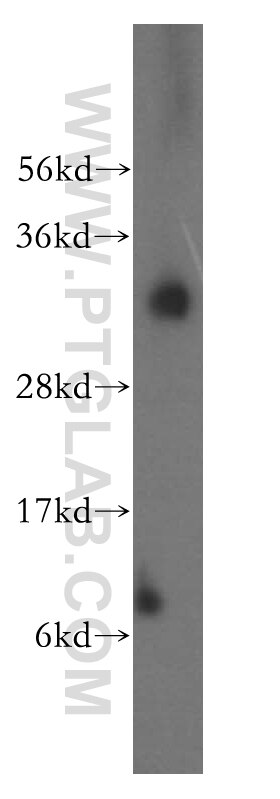
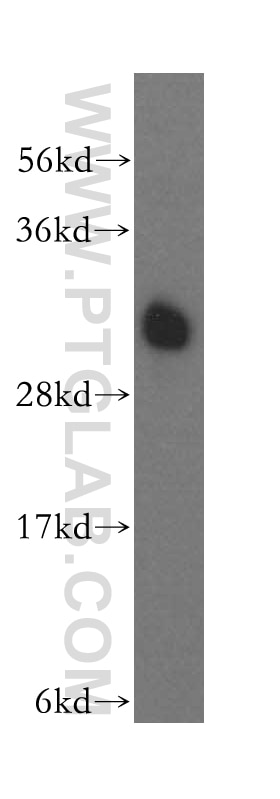
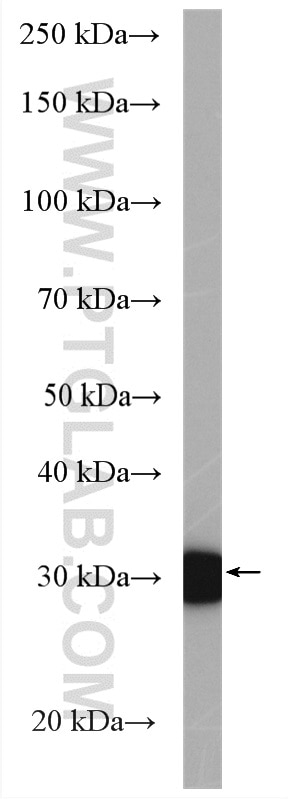
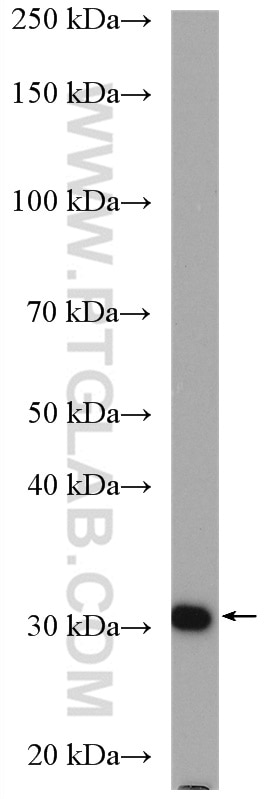
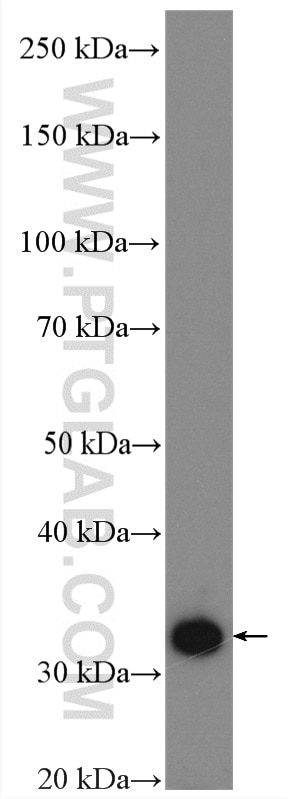
| Positive WB detected in | HeLa cells, human liver tissue, human brain tissue, mouse brain tissue, HEK-293 cells |
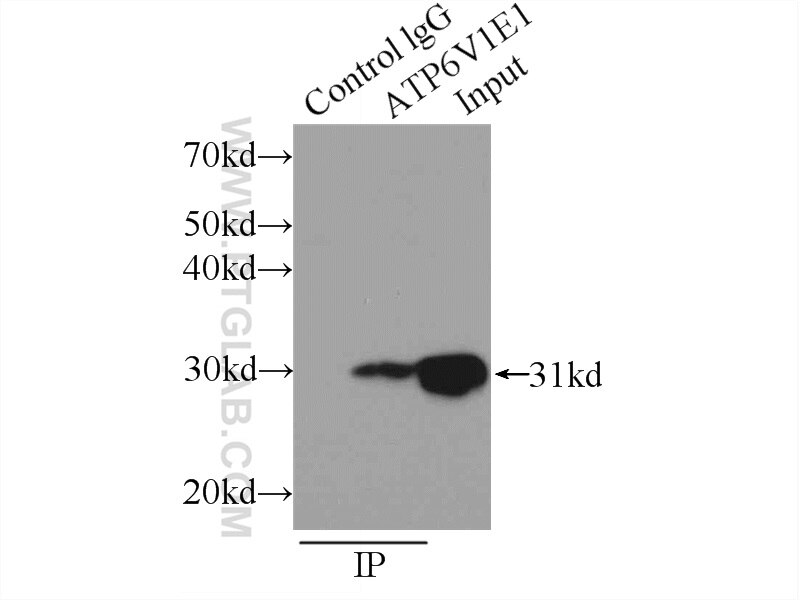
| Positive IP detected in | mouse brain tissue |
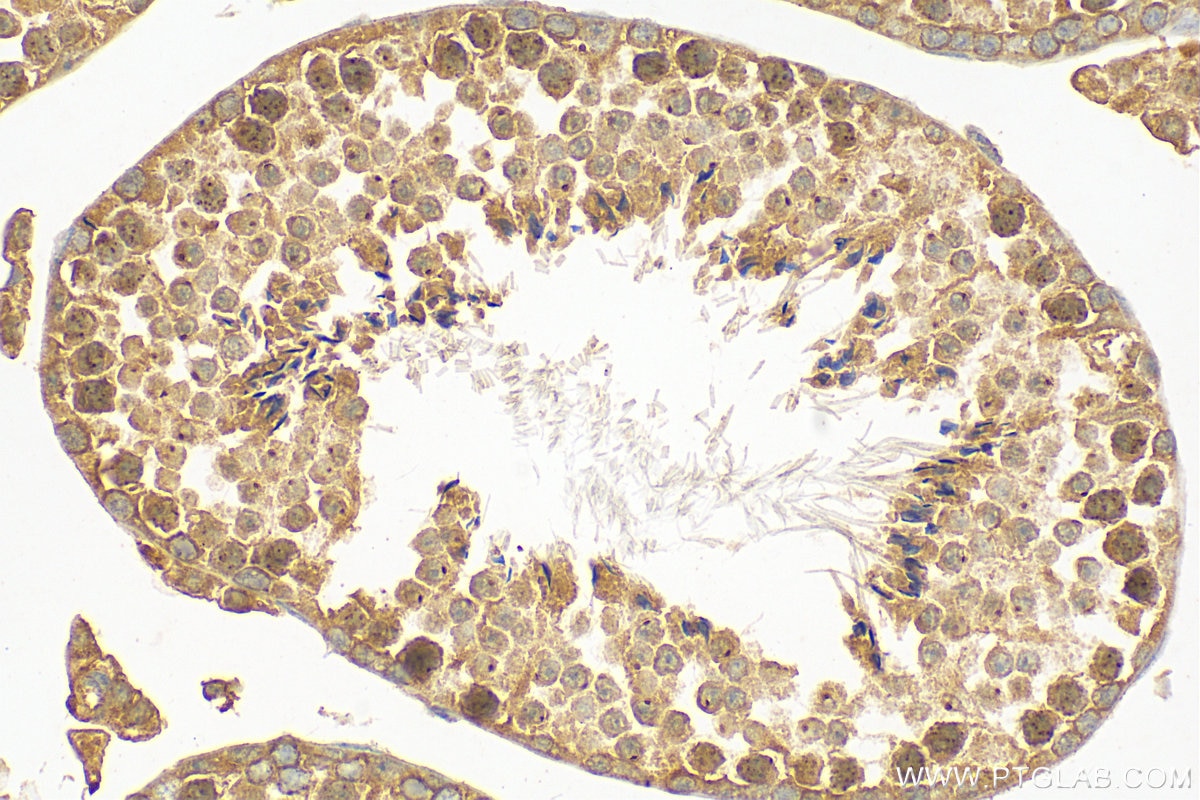
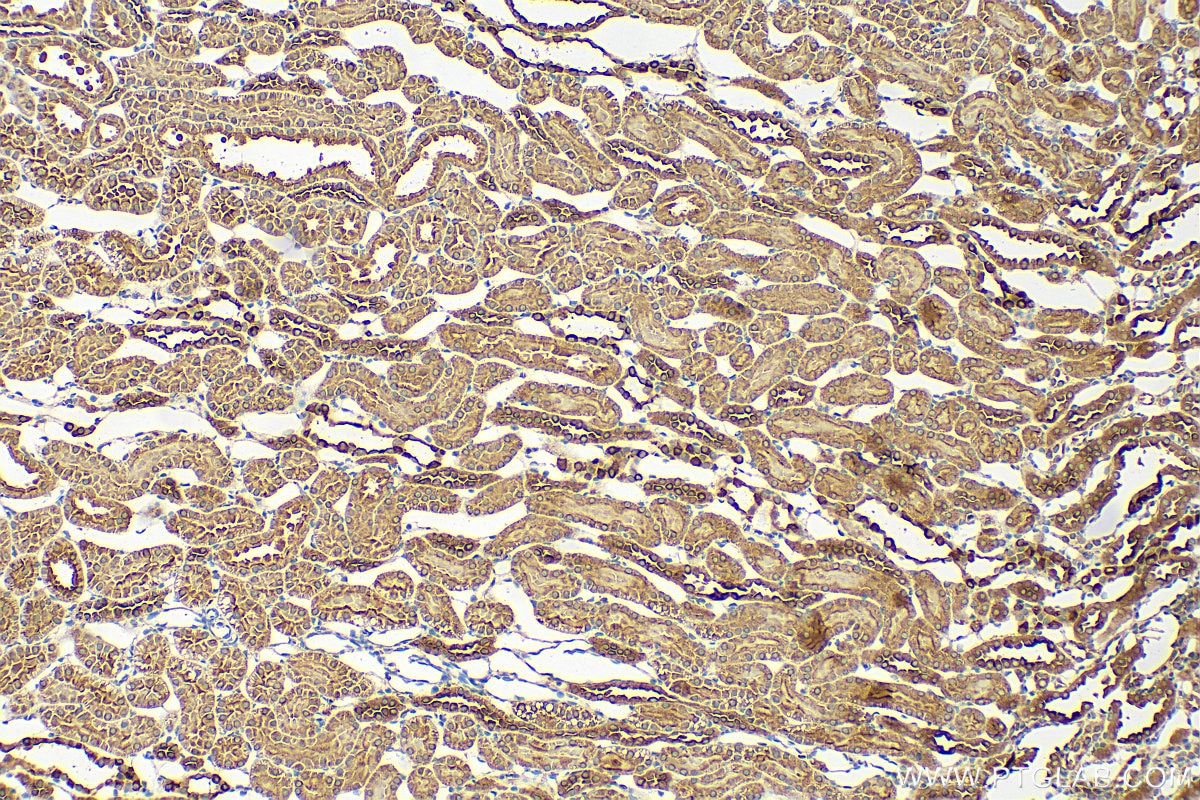
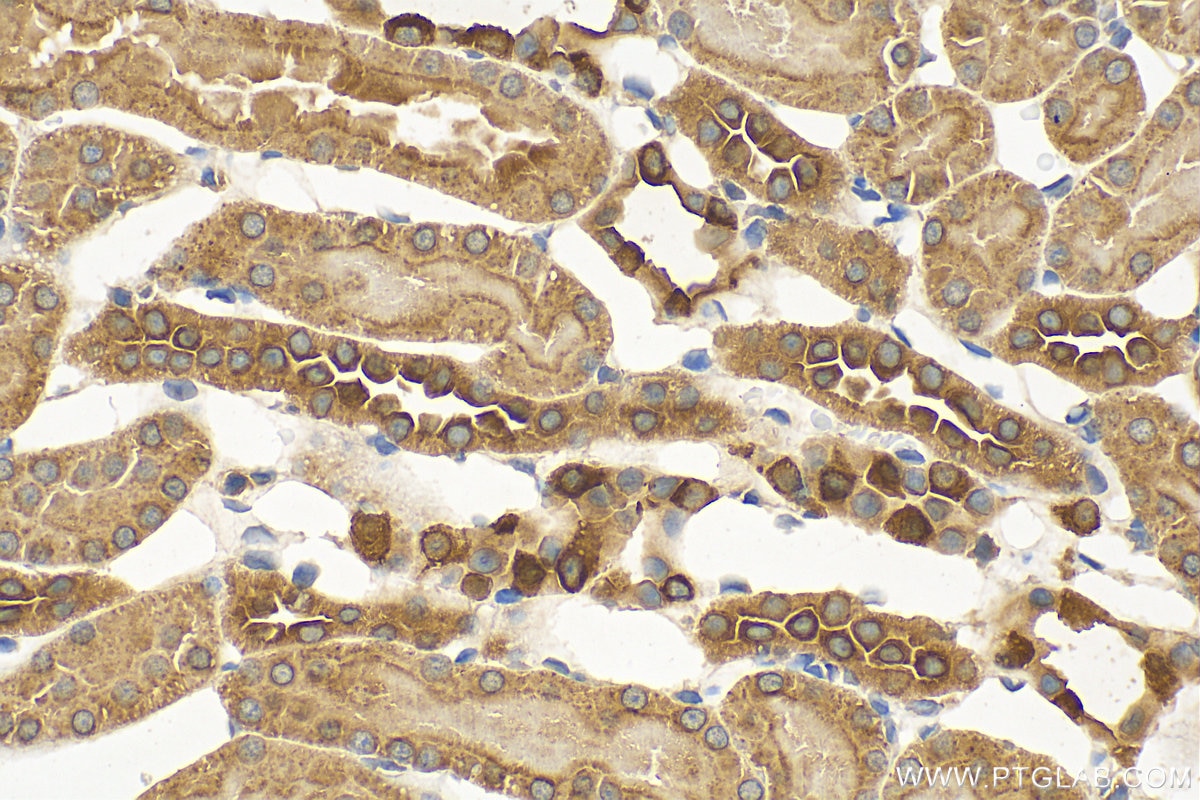
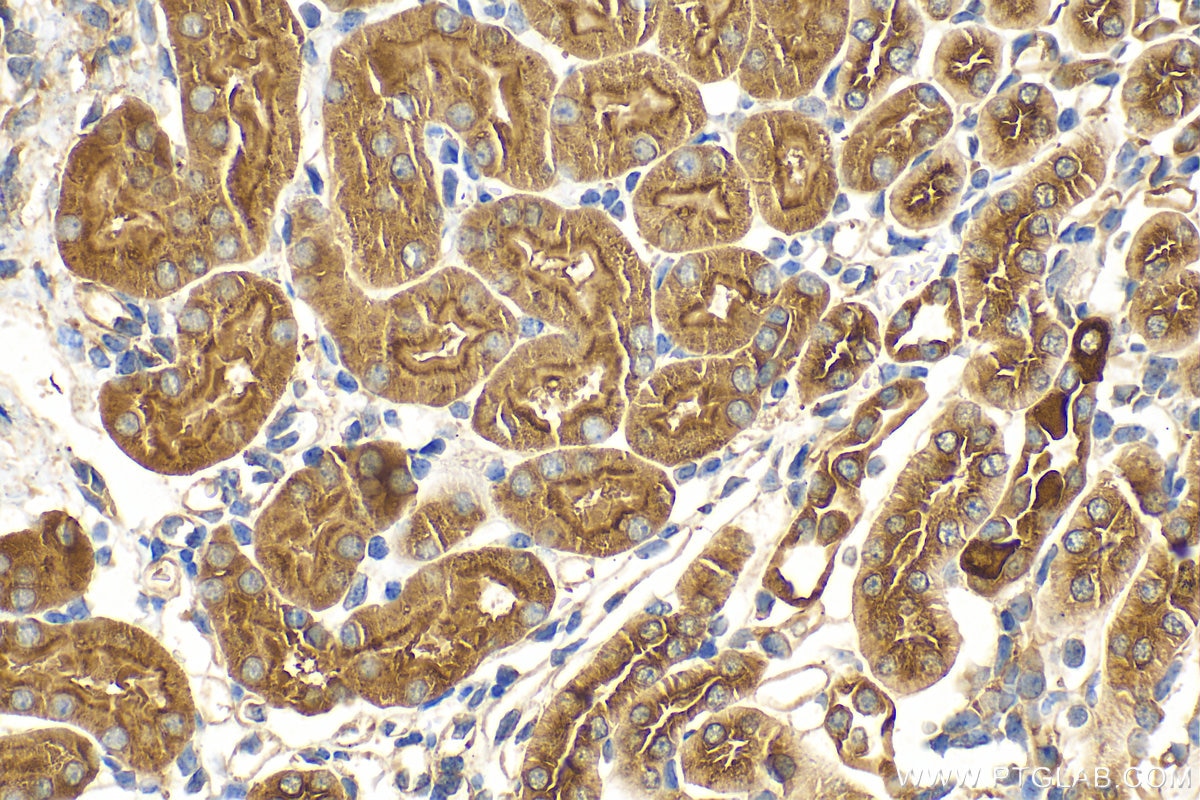
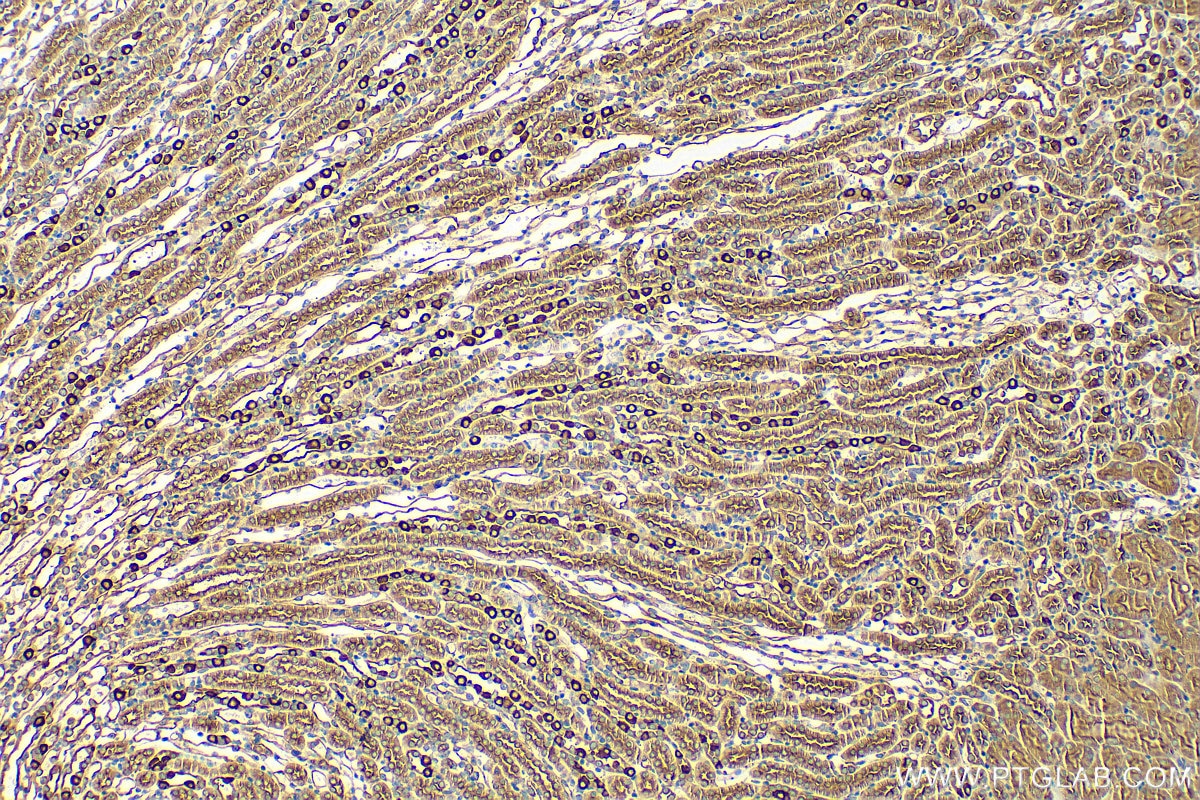
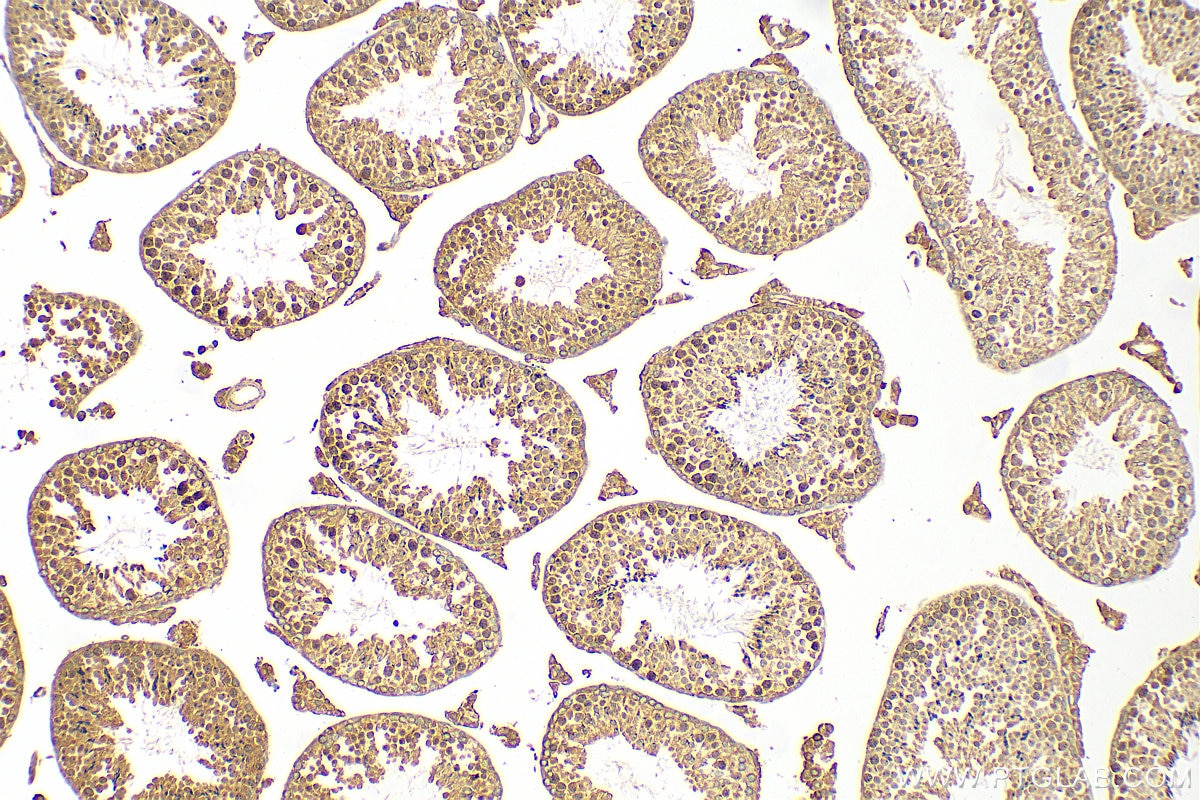
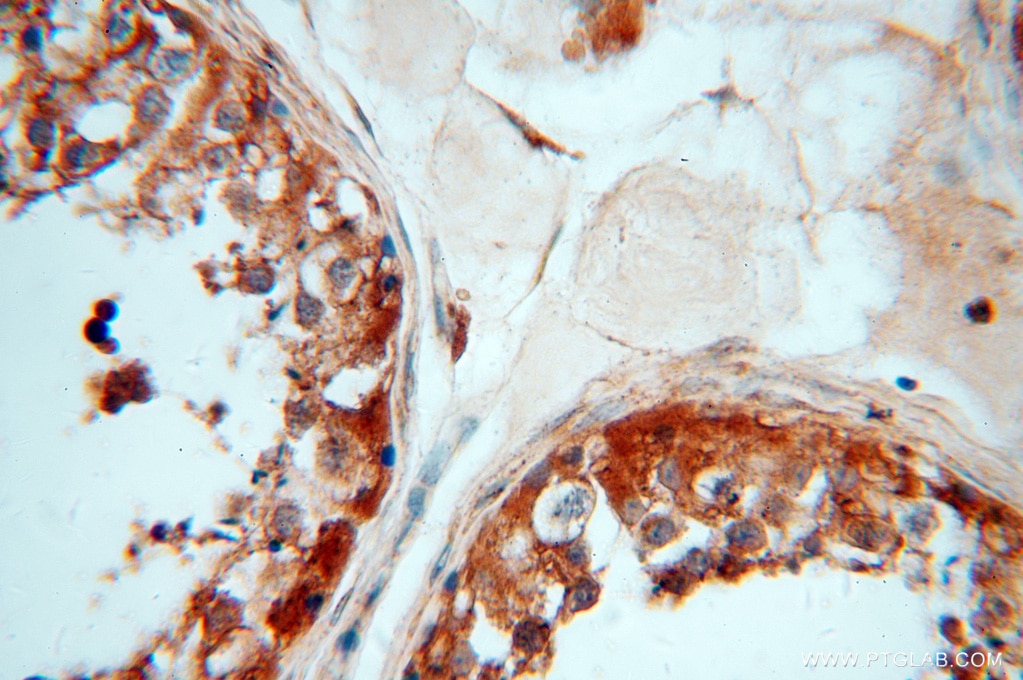
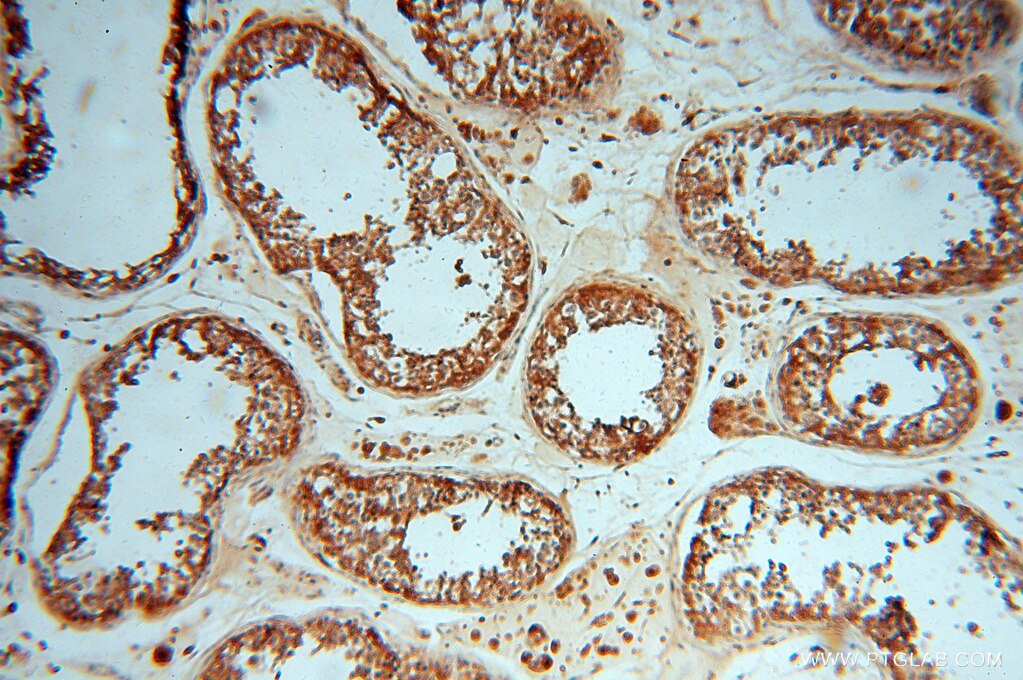
| Positive IHC detected in | mouse testis tissue, human testis tissue, mouse kidney tissue, rat kidney tissue Note: suggested antigen retrieval with TE buffer pH 9.0; (*) Alternatively, antigen retrieval may be performed with citrate buffer pH 6.0 |
Recommended dilution
| Application | Dilution |
|---|---|
| Western Blot (WB) | WB : 1:1000-1:6000 |
| Immunoprecipitation (IP) | IP : 0.5-4.0 ug for 1.0-3.0 mg of total protein lysate |
| Immunohistochemistry (IHC) | IHC : 1:50-1:500 |
| It is recommended that this reagent should be titrated in each testing system to obtain optimal results. | |
| Sample-dependent, Check data in validation data gallery. | |
Product Information
15280-1-AP targets ATP6V1E1 in WB, IHC, IF, IP, ELISA applications and shows reactivity with human, mouse, rat samples.
| Tested Reactivity | human, mouse, rat |
| Cited Reactivity | human, mouse, pig |
| Host / Isotype | Rabbit / IgG |
| Class | Polyclonal |
| Type | Antibody |
| Immunogen |
CatNo: Ag7399 Product name: Recombinant human ATP6V1E1 protein Source: e coli.-derived, PGEX-4T Tag: GST Domain: 1-226 aa of BC004443 Sequence: MALSDADVQKQIKHMMAFIEQEANEKAEEIDAKAEEEFNIEKGRLVQTQRLKIMEYYEKKEKQIEQQKKIQMSNLMNQARLKVLRARDDLITDLLNEAKQRLSKVVKDTTRYQVLLDGLVLQGLYQLLEPRMIVRCRKQDFPLVKAAVQKAIPMYKIATKNDVDVQIDQESYLPEDIAGGVEIYNGDRKIKVSNTLESRLDLIAQQMMPEVRGALFGANANRKFLD Predict reactive species |
| Full Name | ATPase, H+ transporting, lysosomal 31kDa, V1 subunit E1 |
| Calculated Molecular Weight | 26 kDa |
| Observed Molecular Weight | 31 kDa |
| GenBank Accession Number | BC004443 |
| Gene Symbol | ATP6V1E1 |
| Gene ID (NCBI) | 529 |
| RRID | AB_2062545 |
| Conjugate | Unconjugated |
| Form | Liquid |
| Purification Method | Antigen affinity purification |
| UNIPROT ID | P36543 |
| Storage Buffer | PBS with 0.02% sodium azide and 50% glycerol, pH 7.3. |
| Storage Conditions | Store at -20°C. Stable for one year after shipment. Aliquoting is unnecessary for -20oC storage. 20ul sizes contain 0.1% BSA. |
Background Information
ATP6V1E1, also named as ATP6E, ATP6E2 and p31, belongs to the V-ATPase E subunit family. It is a subunit of the peripheral V1 complex of vacuolar ATPase essential for assembly or catalytic function. V-ATPase is responsible for acidifying a variety of intracellular compartments in eukaryotic cells. V-ATPase and the lack of mycobacterial phagosome acidification are directly attributed to the Mtb protein tyrosine phosphatase PtpA.
Protocols
| Product Specific Protocols | |
|---|---|
| IHC protocol for ATP6V1E1 antibody 15280-1-AP | Download protocol |
| IP protocol for ATP6V1E1 antibody 15280-1-AP | Download protocol |
| WB protocol for ATP6V1E1 antibody 15280-1-AP | Download protocol |
| Standard Protocols | |
|---|---|
| Click here to view our Standard Protocols |
Publications
What published studies show
The ATP6V1E1 Polyclonal antibody (catalog #15280-1-AP) has 19 citations. These appear in journals including Nature, Nature Communications, Theranostics, Alzheimer's & Dementia, Nature Structural & Molecular Biology, PNAS, EMBO Journal, Journal of Cell Biology, Scientific Reports, Microorganisms, Journal of Biological Chemistry, Journal of Cell Science, Veterinary Research, Journal of Proteomics, and bioRxiv. Research fields span V-ATPase assembly and function, lysosomal biology, autophagy, mTORC1 signaling, neurodegeneration, immunology, infectious disease, and proteomics.
| Species | Application | Title |
|---|---|---|
Nat Commun The V-ATPase/ATG16L1 axis drives membrane remodeling during epithelial morphogenesis. | ||
Nat Commun Direct control of lysosomal catabolic activity by mTORC1 through regulation of V-ATPase assembly | ||
Nat Commun Lysosomal NKG7 restrains mTORC1 activity to promote CD8+ T cell durability and tumor control | ||
Theranostics Calcium dysregulation disrupts mitochondrial homeostasis by interfering AMPK/Drp1 pathway to aggravate plaque progression and instability | ||
Alzheimers Dement Proteomic analysis links truncated tau to lysosome motility, autophagy, and endo-lysosomal dysfunction. |
Reviews
What customers say
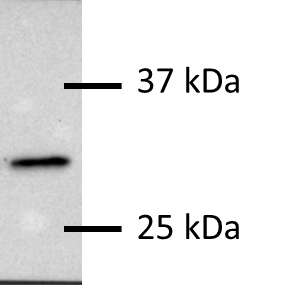
The single review for this product is a 5-star rating. The reviewer used it for Western Blot on mouse embryonic fibroblasts (MEFs) and reported excellent performance at a 1:1000 dilution in TBS-T containing 5% BSA and 0.02% NaN3. Overall, the feedback is positive, confirming reliable results in WB applications with mouse tissue.
The reviews below have been submitted by verified Proteintech customers who received an incentive for providing their feedback.
Sven (Verified Customer) (04-14-2022) | Works very well on western blot for mouse tissue (1:1000 dilution in TBS-T with 5% BSA, 0.02% NaN3).
 |
















