

Tested Applications
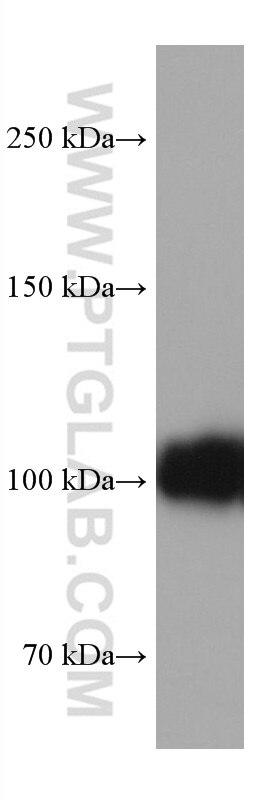
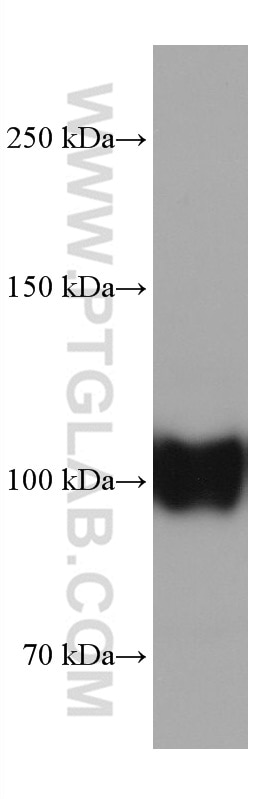
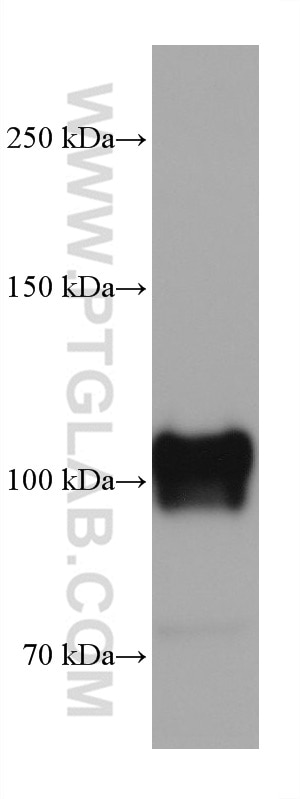
| Positive WB detected in | human placenta tissue, human uterus tissue, human testis tissue |
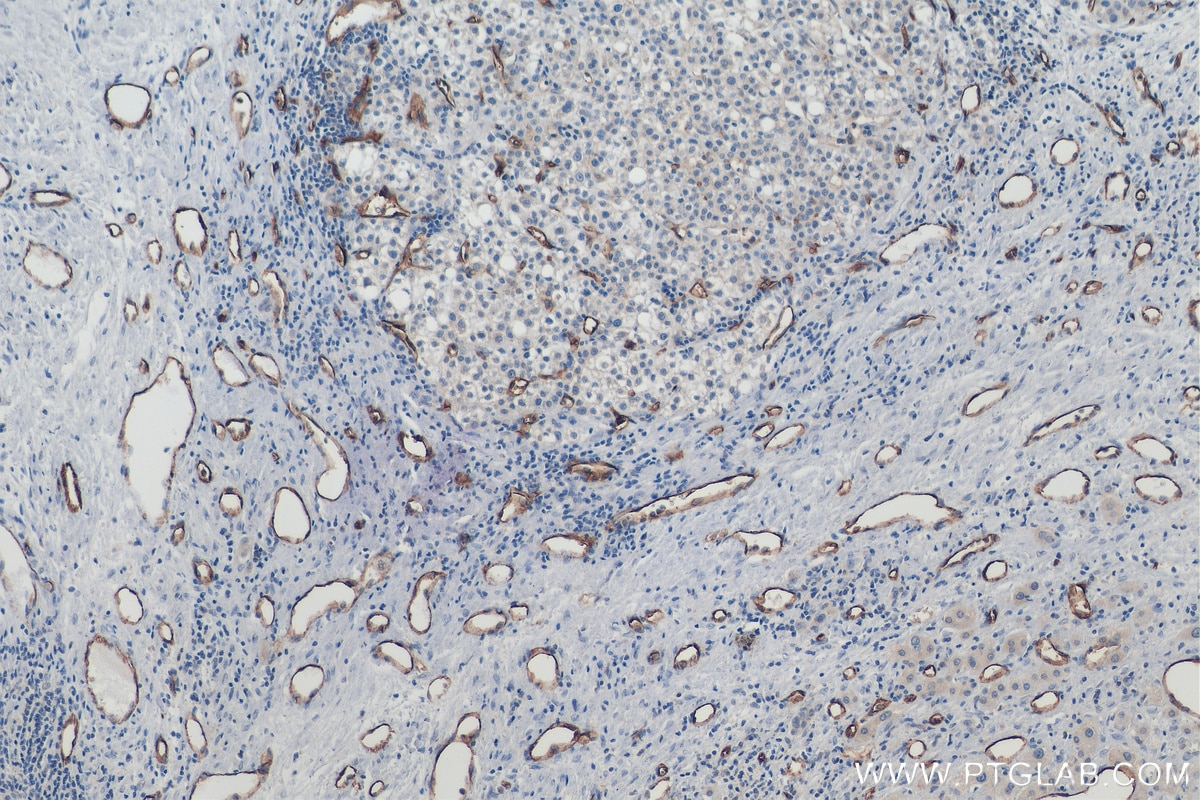
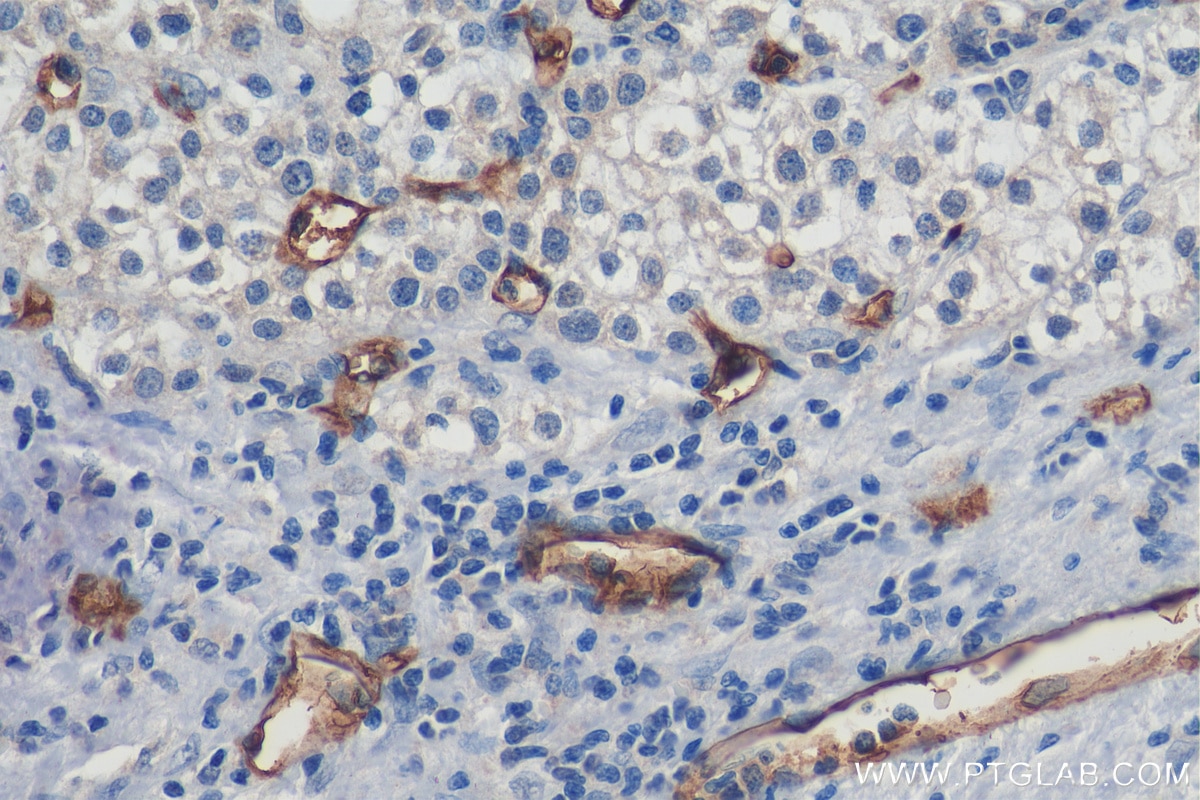
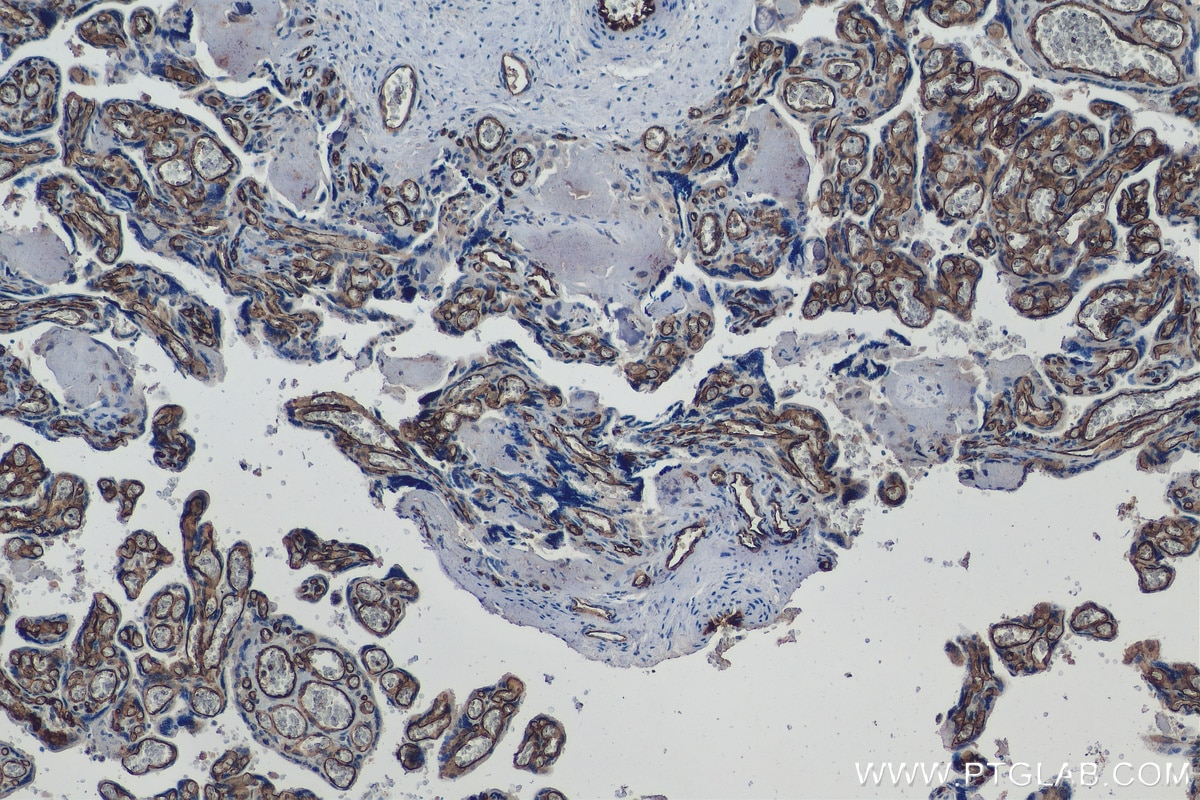
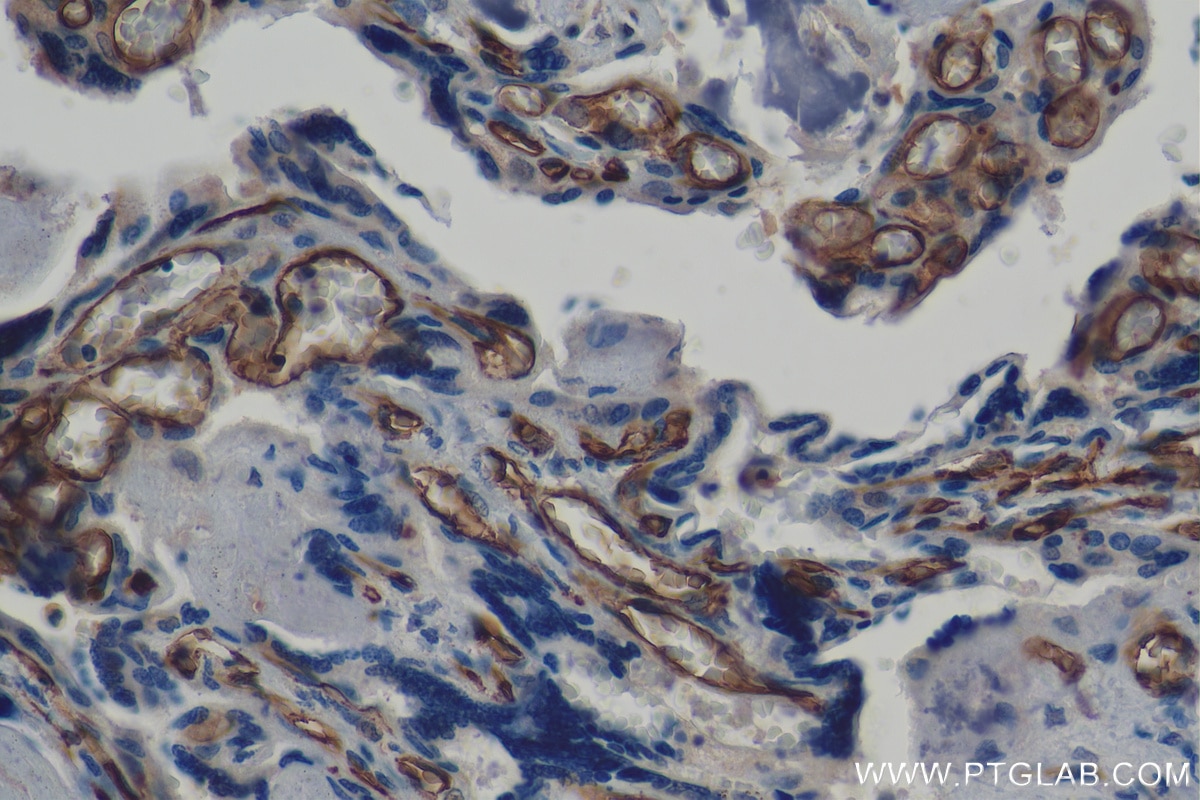
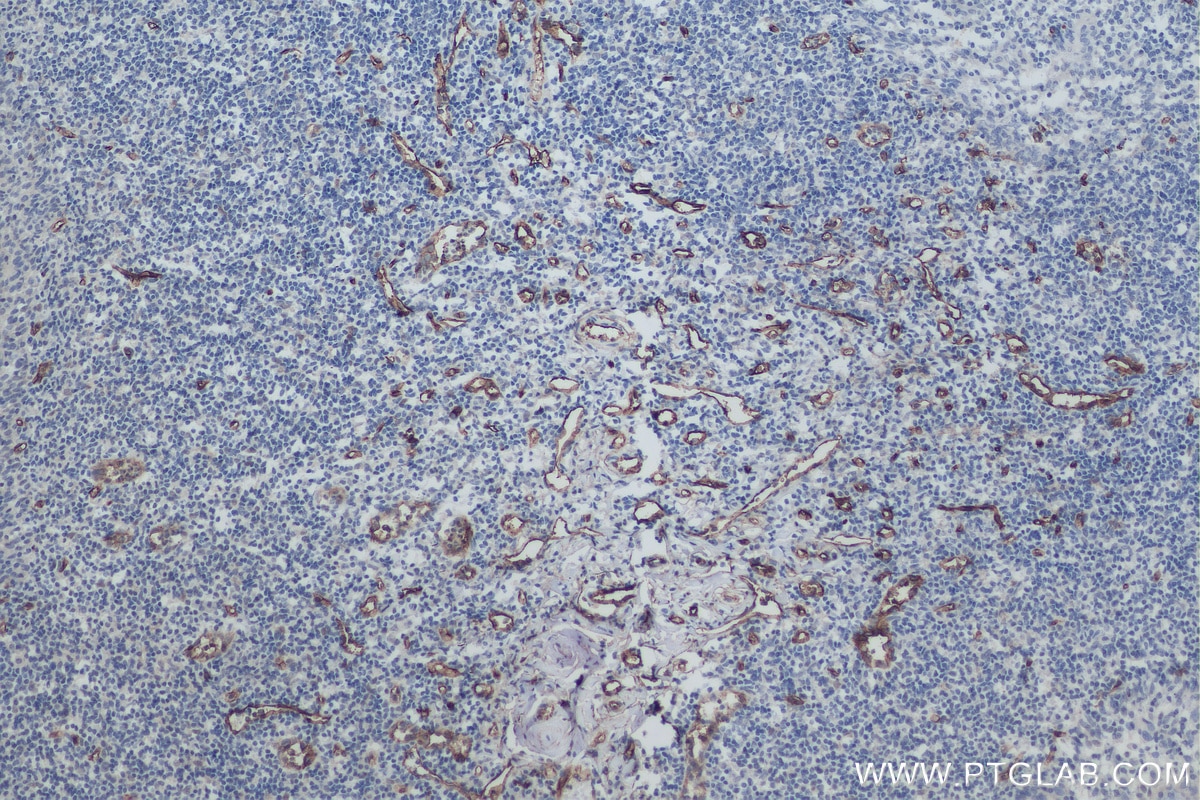
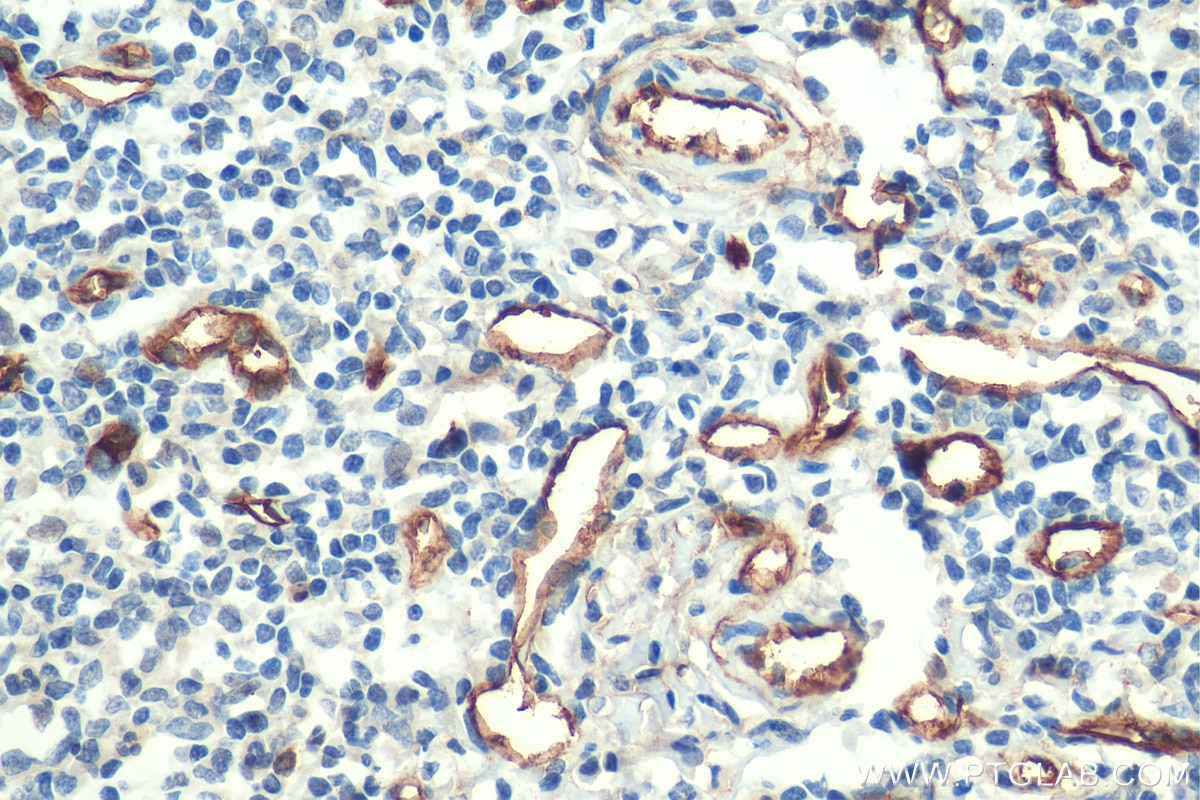
| Positive IHC detected in | human liver cancer tissue, human placenta tissue, human tonsillitis tissue Note: suggested antigen retrieval with TE buffer pH 9.0; (*) Alternatively, antigen retrieval may be performed with citrate buffer pH 6.0 |
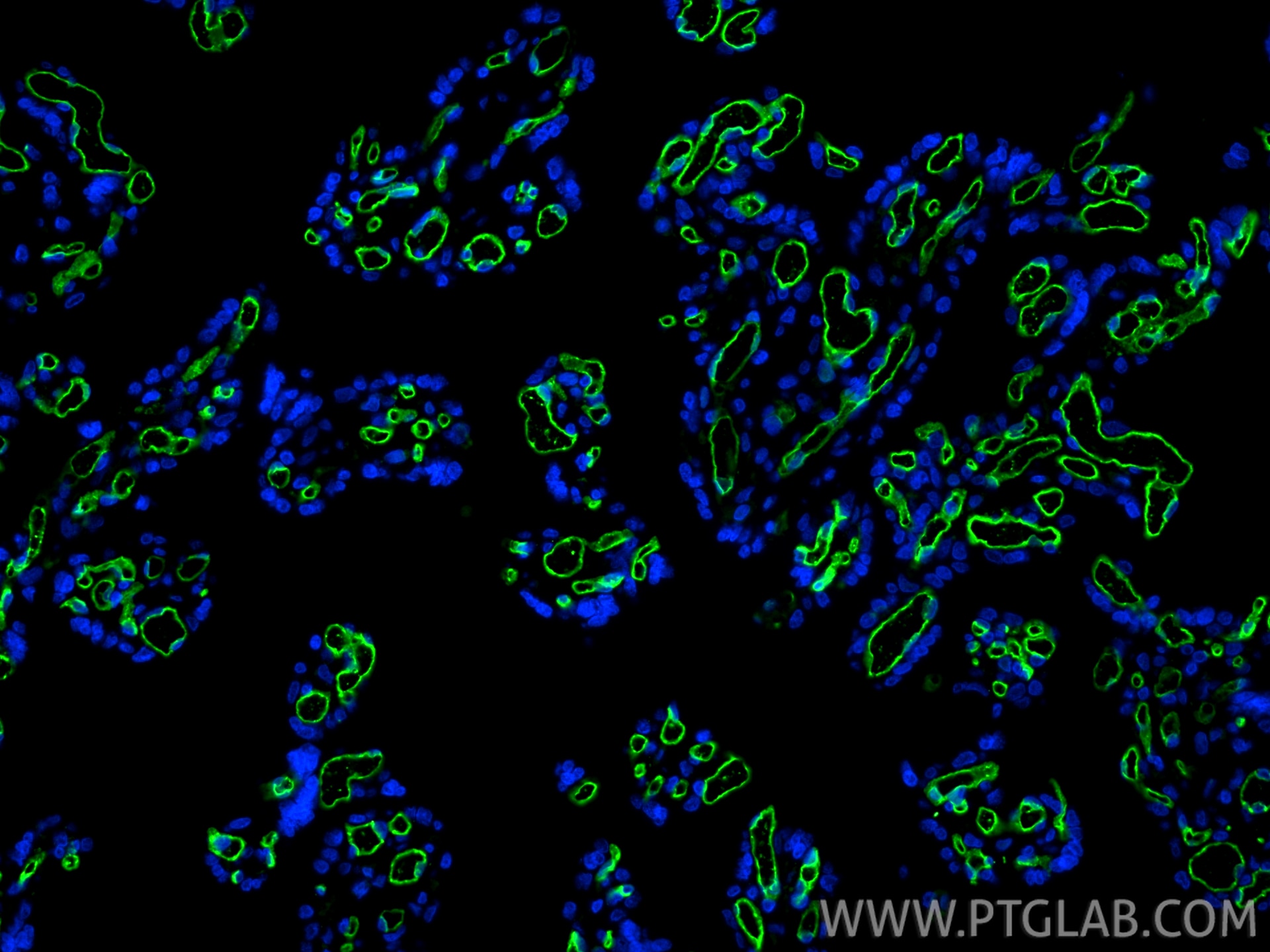
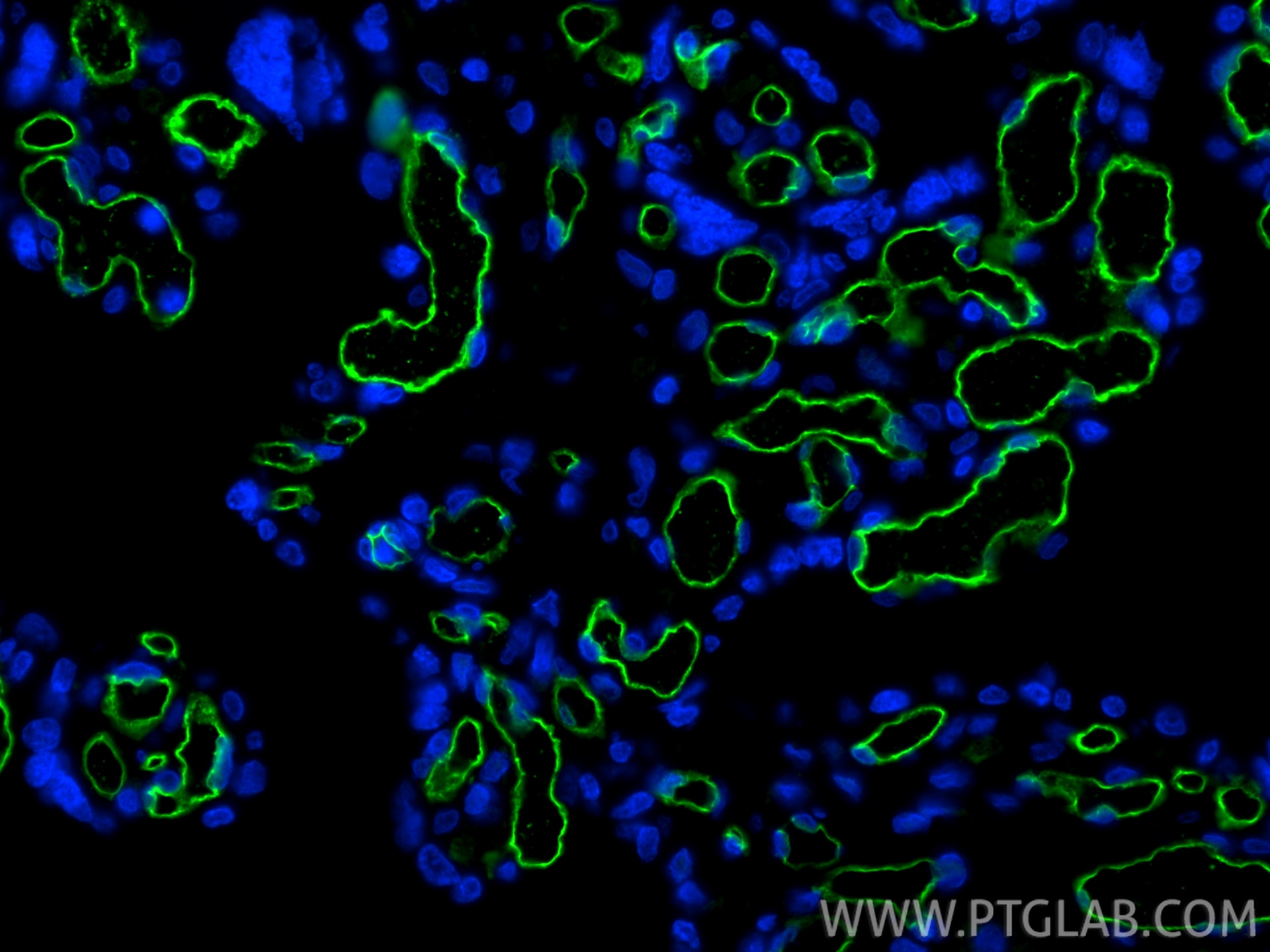
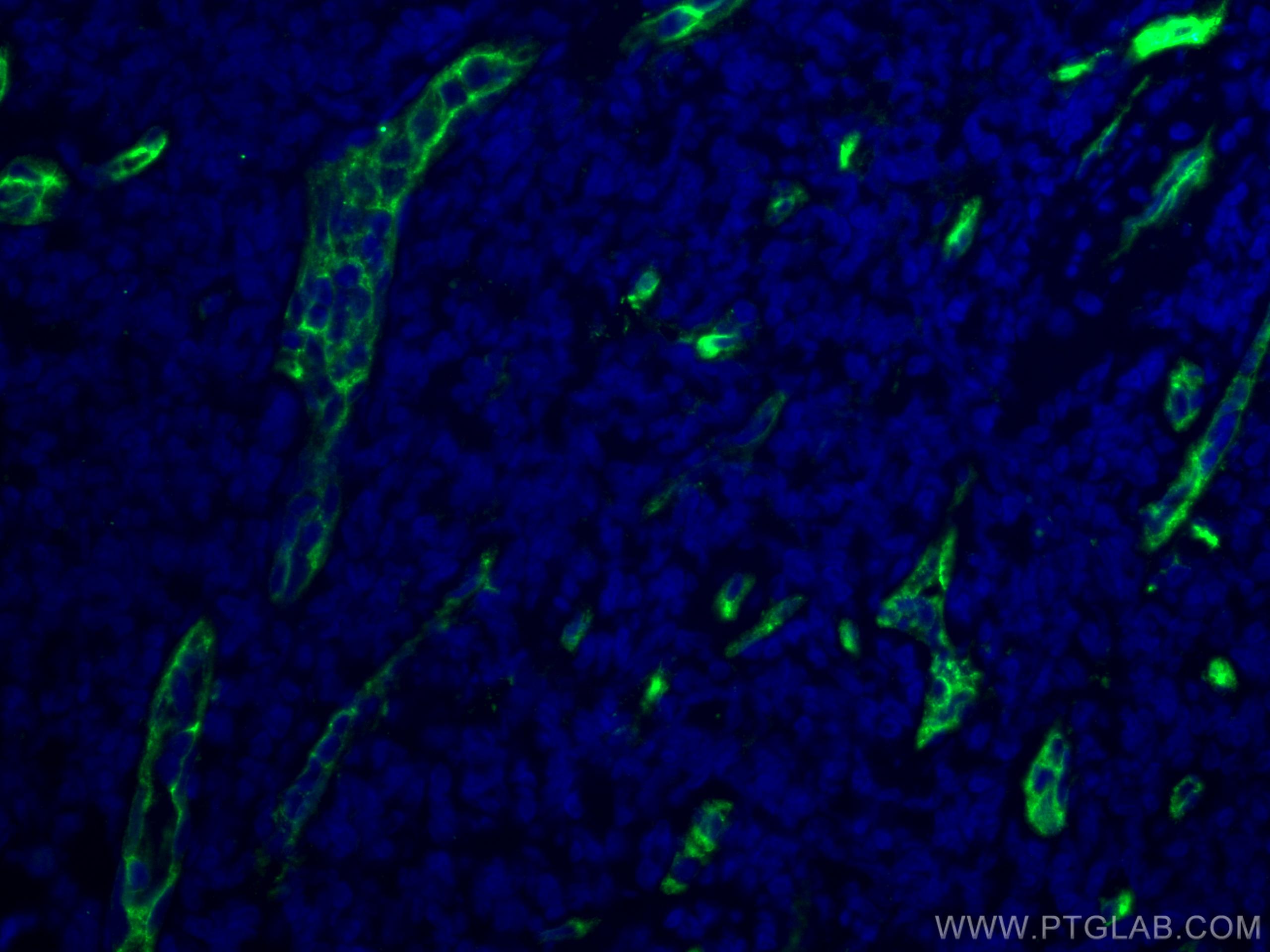
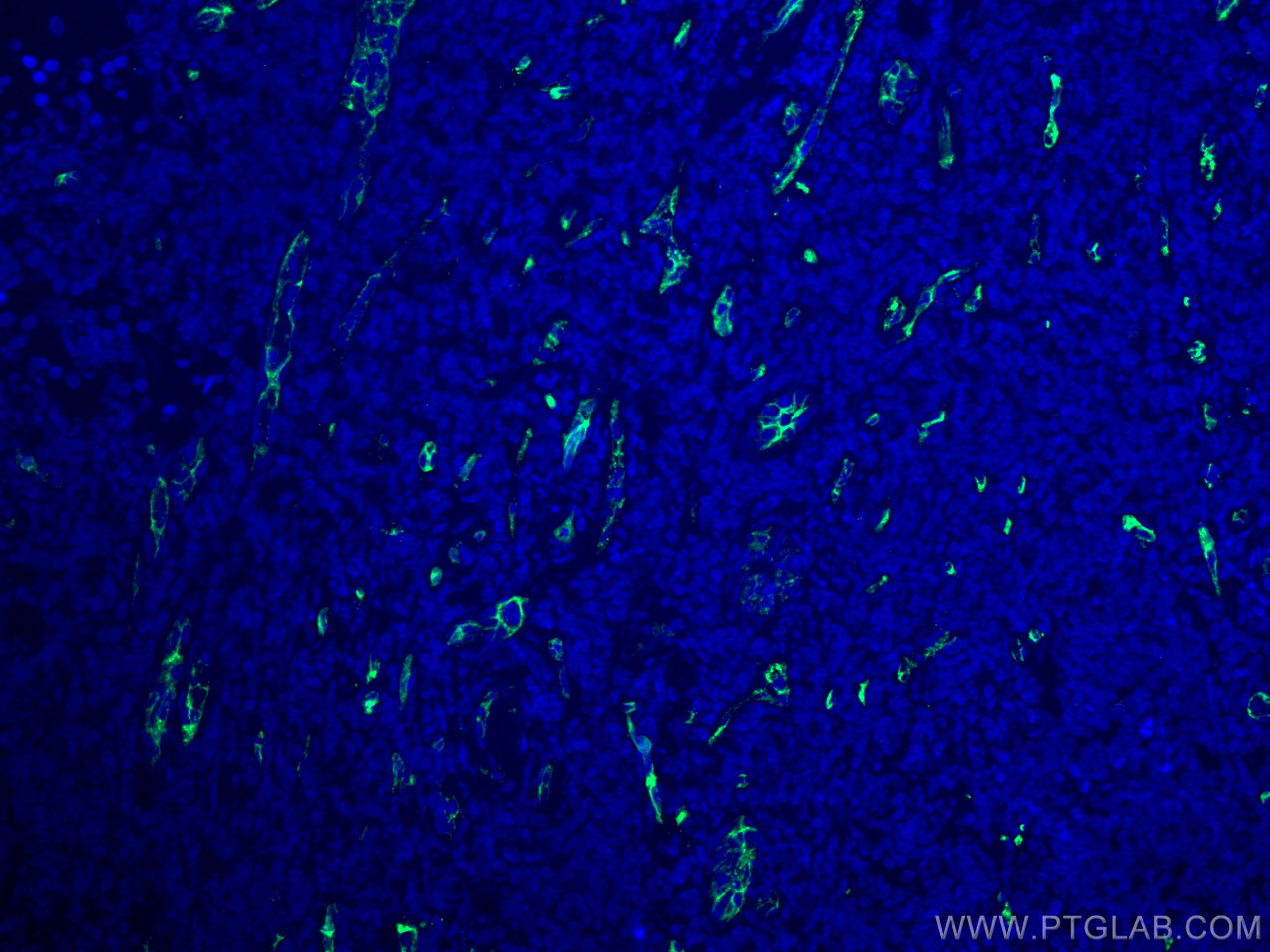
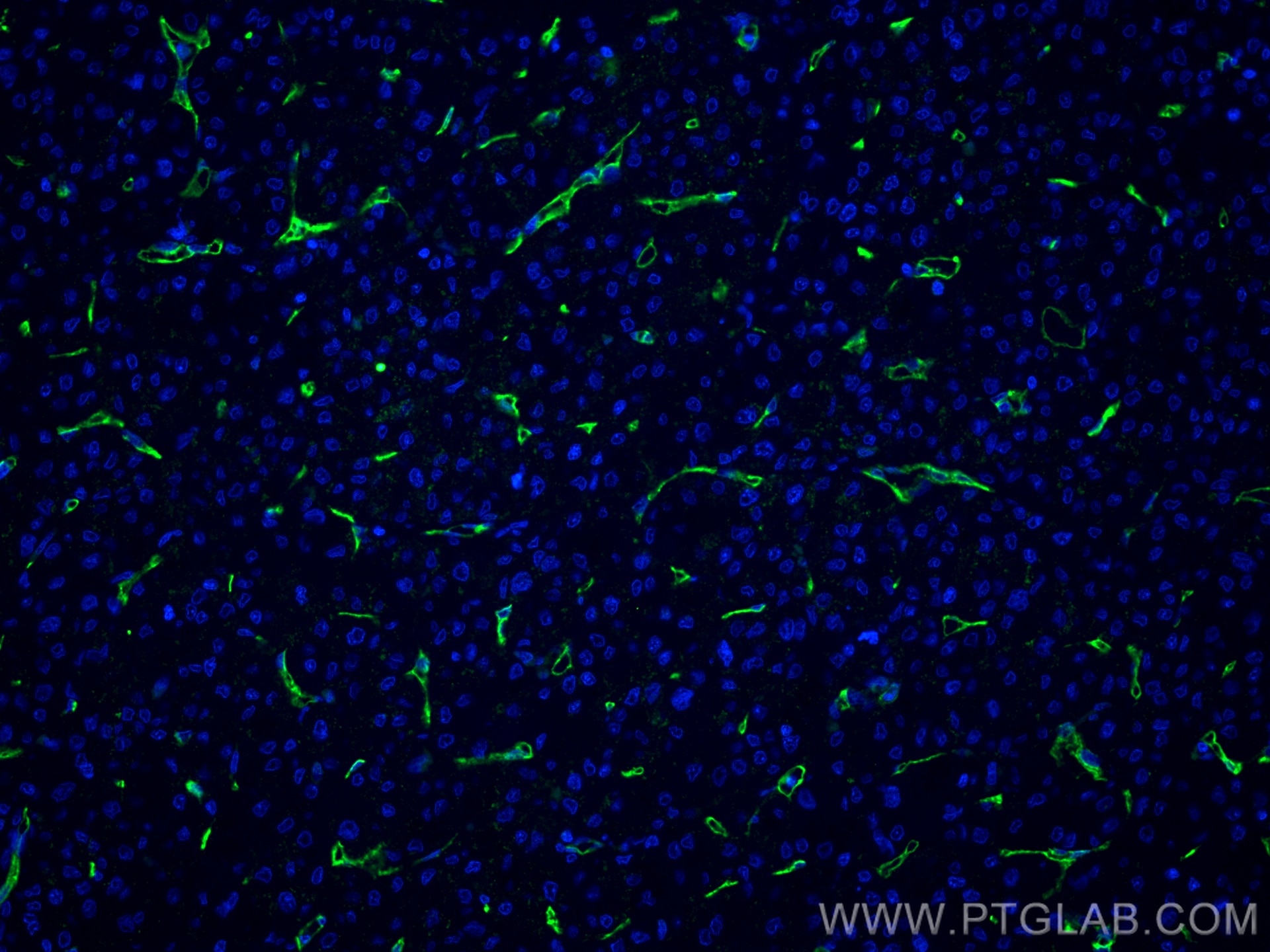
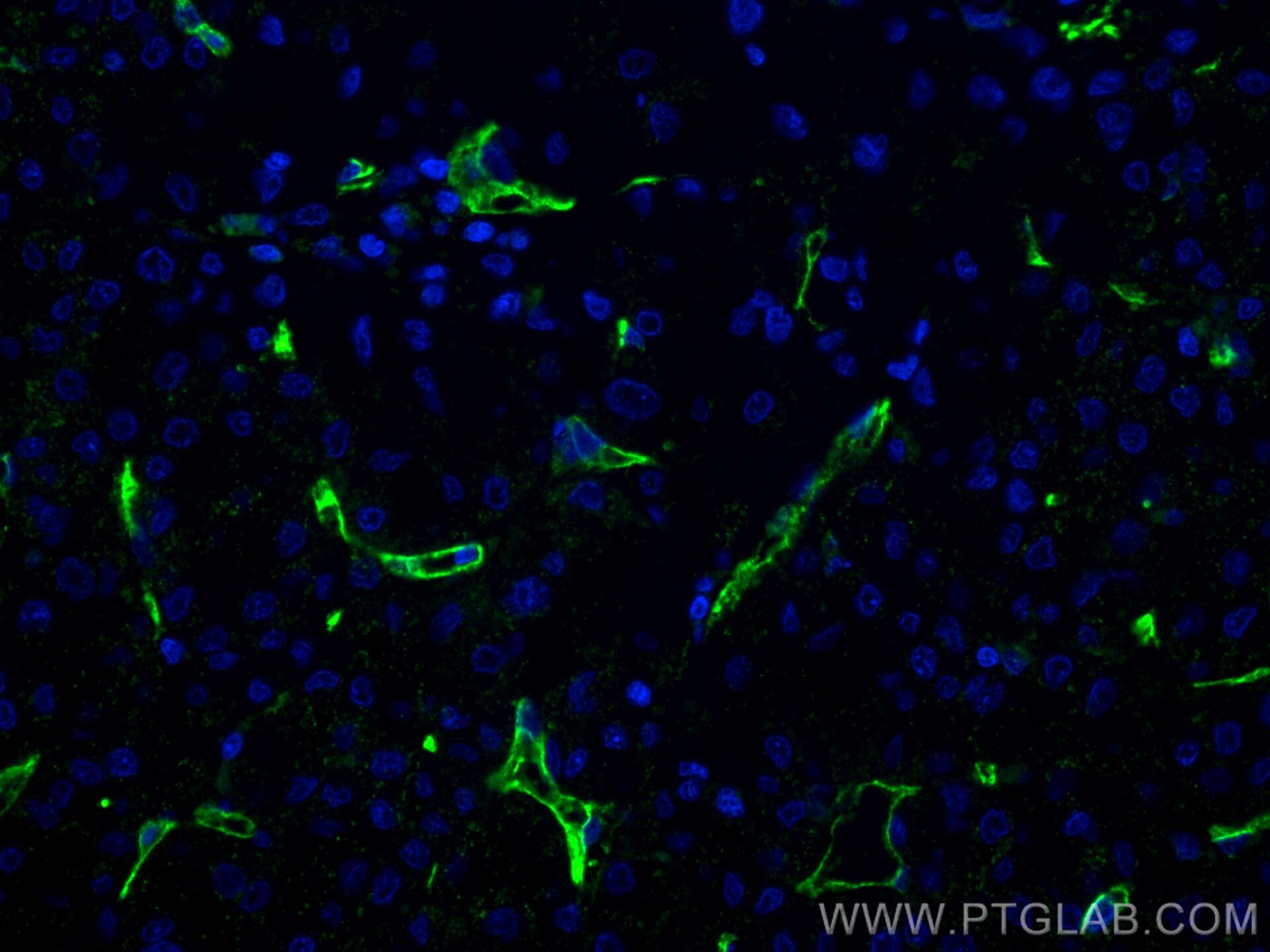
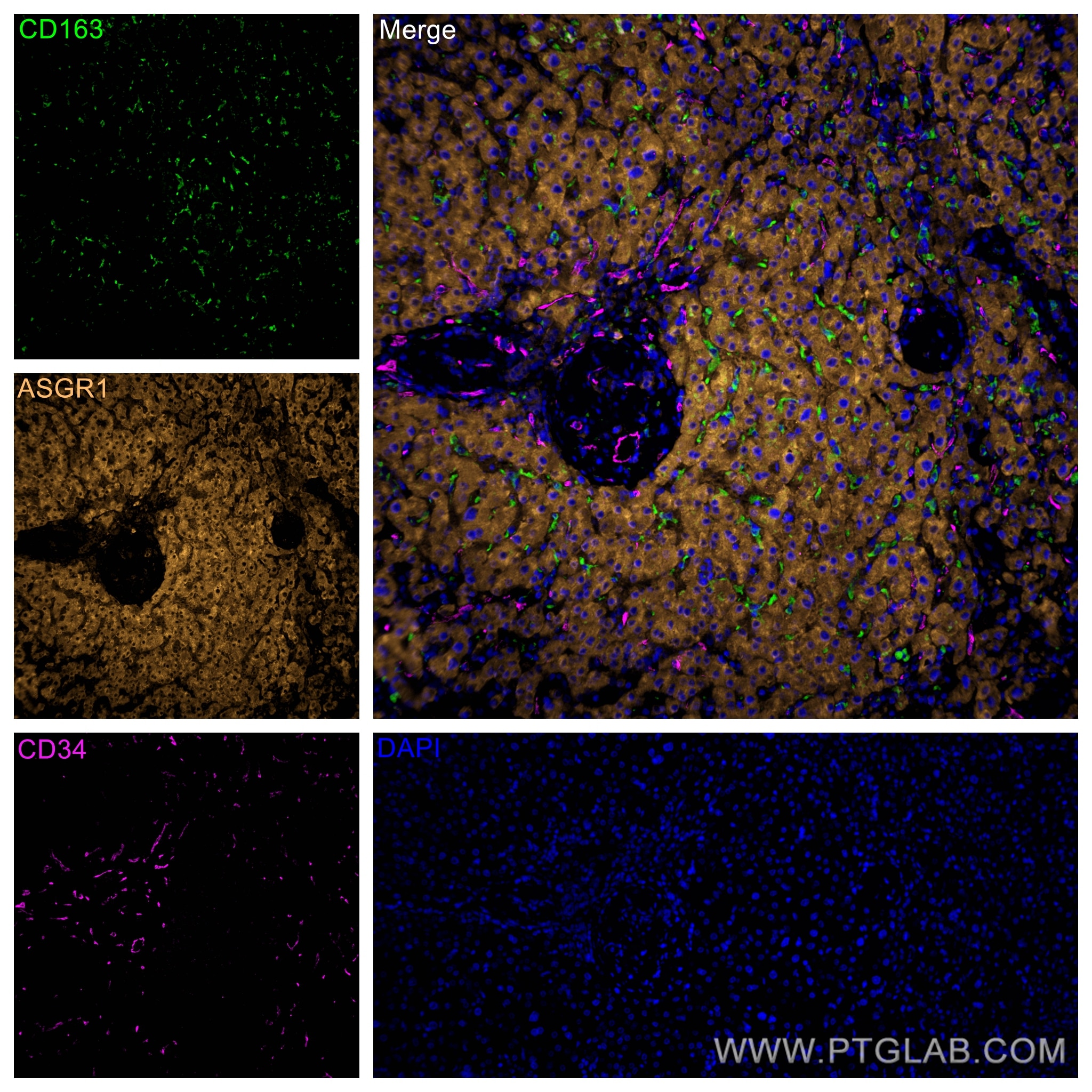
| Positive IF-P detected in | human placenta tissue, human tonsillitis tissue, human liver cancer tissue, human liver tissue |
Recommended dilution
| Application | Dilution |
|---|---|
| Western Blot (WB) | WB : 1:1000-1:4000 |
| Immunohistochemistry (IHC) | IHC : 1:2500-1:10000 |
| Immunofluorescence (IF)-P | IF-P : 1:200-1:800 |
| It is recommended that this reagent should be titrated in each testing system to obtain optimal results. | |
| Sample-dependent, Check data in validation data gallery. | |
Product Information
60180-1-Ig targets CD34 in WB, IHC, IF-P, ELISA applications and shows reactivity with human samples.
| Tested Reactivity | human |
| Cited Reactivity | human |
| Host / Isotype | Mouse / IgG2b |
| Class | Monoclonal |
| Type | Antibody |
| Immunogen |
CatNo: Ag5996 Product name: Recombinant human CD34 protein Source: e coli.-derived, PET28a Tag: 6*His Domain: 34-287 aa of BC039146 Sequence: DNNGTATPELPTQGTFSNVSTNVSYQETTTPSTLGSTSLHPVSQHGNEATTNITETTVKFTSTSVITSVYGNTNSSVQSQTSVISTVFTTPANVSTPETTLKPSLSPGNVSDLSTTSTSLATSPTKPYTSSSPILSDIKAEIKCSGIREVKLTQGICLEQNKTSSCAEFKKDRGEGLARVLCGEEQADADAGAQVCSLLLAQSEVRPQCLLLVLANRTEISSKLQLMKKHQSDLKKLGILDFTEQDVASHQSYS Predict reactive species |
| Full Name | CD34 molecule |
| Calculated Molecular Weight | 41 kDa |
| Observed Molecular Weight | 105 kDa |
| GenBank Accession Number | BC039146 |
| Gene Symbol | CD34 |
| Gene ID (NCBI) | 947 |
| RRID | AB_10733337 |
| Conjugate | Unconjugated |
| Form | Liquid |
| Purification Method | Protein A purification |
| UNIPROT ID | P28906 |
| Storage Buffer | PBS with 0.02% sodium azide and 50% glycerol, pH 7.3. |
| Storage Conditions | Store at -20°C. Stable for one year after shipment. Aliquoting is unnecessary for -20oC storage. 20ul sizes contain 0.1% BSA. |
Background Information
CD34 is a 105- to 120-kDa glycophosphoprotein expressed on the majority of hematopoietic stem/progenitor cells, bone marrow stromal cells, capillary endothelial cells, embryonic fibroblasts, and some nerve tissue. CD34 is a commonly used marker for identifying human hematopoietic stem/progenitor cells and mediates cell adhesion and lymphocyte homing by binding L-selectin and E-selectin ligands. CD34 is also one of the best negative selection markers for characterizing and/or isolating human MSCs from bone marrow and other sources. Along with other positive selection markers (such as CD29, CD44, CD90, CD105 and CD166), negative selection markers (such as CD34 and CD45) are used for MSC identification. The calculated molecular mass of human CD34 is 41 kDa, various forms with different molecular weights may be produced due to different glycosylation patterns and alternative splicing (PMID: 24375067; 15750786).
Protocols
| Product Specific Protocols | |
|---|---|
| IF protocol for CD34 antibody 60180-1-Ig | Download protocol |
| IHC protocol for CD34 antibody 60180-1-Ig | Download protocol |
| WB protocol for CD34 antibody 60180-1-Ig | Download protocol |
| Standard Protocols | |
|---|---|
| Click here to view our Standard Protocols |
Publications
What published studies show
The CD34 Monoclonal antibody (catalog number 60180-1-Ig) has 30 citations. These appear in journals including Gastroenterology, Journal of Experimental & Clinical Cancer Research, Cancer Letters, Journal of Neuroinflammation, Frontiers in Immunology, Journal of Investigative Dermatology, Oncology Reports, Molecular Oncology, Stem Cells International, Experimental Cell Research, Oncotarget, and Biochemical & Biophysical Research Communications. Research fields span oncology (GIST, hepatocellular, glioma, colorectal, breast, esophageal cancers), angiogenesis, stem cell biology, immunology, neuroinflammation, and vascular/cardiovascular disease, with applications mainly in IHC, IF, and WB.
| Species | Application | Title |
|---|---|---|
Gastroenterology Proteomic characterization identifies clinically relevant subgroups of gastrointestinal stromal tumors | ||
J Exp Clin Cancer Res DNMT1-induced miR-378a-3p silencing promotes angiogenesis via the NF-κB signaling pathway by targeting TRAF1 in hepatocellular carcinoma | ||
J Exp Clin Cancer Res ZRANB2/SNHG20/FOXK1 Axis regulates Vasculogenic mimicry formation in glioma. | ||
Cancer Lett LINC01186-mediated deubiquitination of ACSL4 reprograms lipid metabolism to increase autophagy-mediated angiogenesis in colorectal cancer. | ||
J Neuroinflammation Meningitic Escherichia coli-induced upregulation of PDGF-B and ICAM-1 aggravates blood-brain barrier disruption and neuroinflammatory response. | ||
Front Immunol Thrombotic microangiopathy mediates poor prognosis among lupus nephritis via complement lectin and alternative pathway activation |
Reviews
What customers say
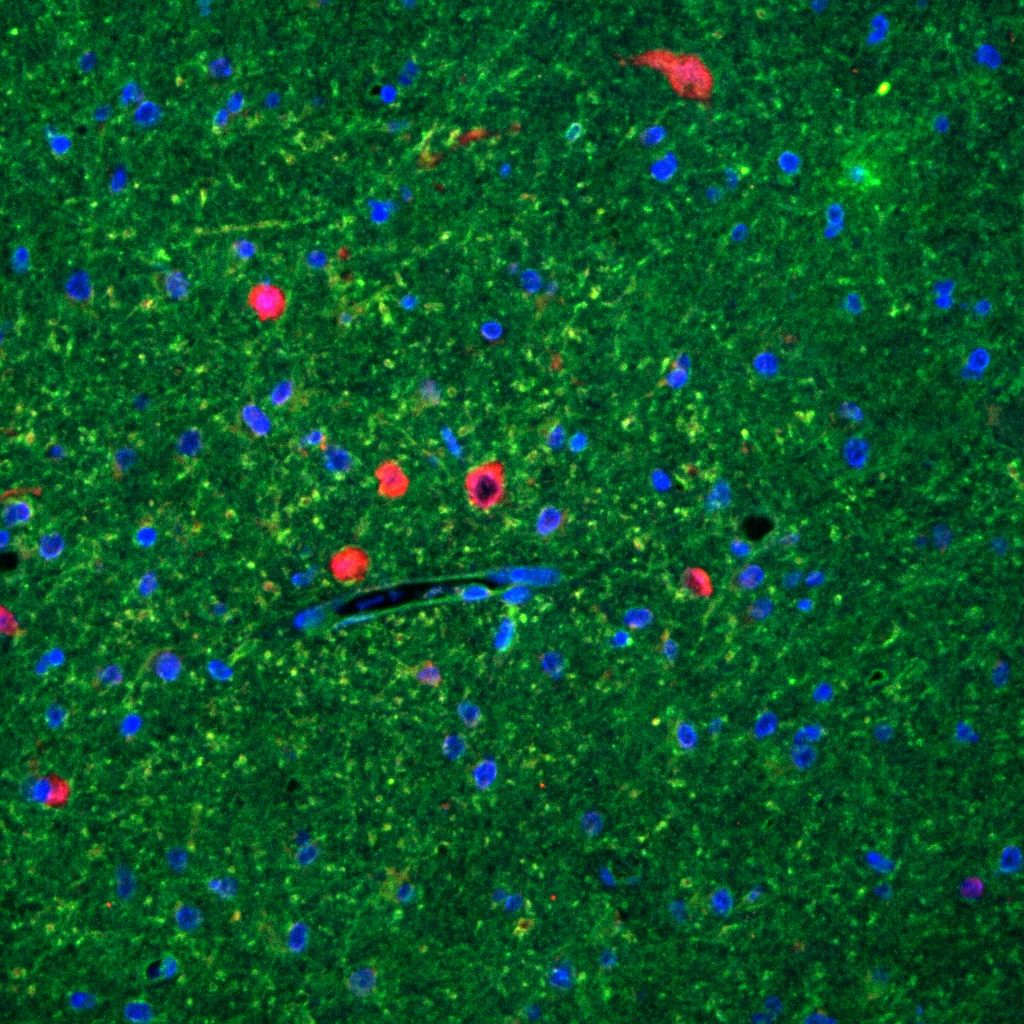
The single review reports a 2-star experience using this CD34 antibody for immunofluorescence on FFPE human brain cortex tissue at a 1:100 dilution. The antibody failed to specifically and consistently mark blood vessels—it highlighted some vessels while missing others—and produced strong background staining throughout the tissue. Overall, the reviewer found the specificity and background performance unsatisfactory for this application.
The reviews below have been submitted by verified Proteintech customers who received an incentive for providing their feedback.
Reyes (Verified Customer) (09-24-2025) | CD34 (in green) failed to mark specifically the blood vessels of the FFPE human brain cortex tissue. It seemed to mark some blood vessels, missing others. But it marked highly the background of the tissue.
 |

















